On Avinguda Diagonal in the Eixample, L'Amoroso occupies the quieter, more considered end of Barcelona's mid-to-upper dining tier. The wine program anchors the experience, with a cellar depth and curation philosophy that positions the room closer to a serious wine destination than a conventional neighbourhood restaurant. Book ahead and arrive with time to spend.
Pearl is the En Primeur Club membership app — saves, bookings, and concierge access live there. Same editors, same standards.
- Address
- Av. Diagonal, 423, Eixample, 08036 Barcelona, Spain
- Phone
- +34937008983
- Website
- lamorosorestaurante.com
- Directions
- Get directions
 Saves & bookings on Pearl
The Address and What It Signals
Avinguda Diagonal cuts a long diagonal axis through Barcelona's grid, and the Eixample stretch around number 423 sits in a residential-commercial zone that receives less tourist foot traffic than the lanes near the Passeig de Gràcia flagship blocks. Restaurants in this part of the neighbourhood tend to build their clientele from local professionals and repeat visitors rather than walk-in trade, which shapes both the pace of the room and the ambition of the wine list. L'Amoroso operates in that context.
Barcelona's mid-to-upper dining tier has consolidated around a handful of formats over the past decade. The three-Michelin-star circuit, represented by names like Disfrutar, Cocina Hermanos Torres, and Lasarte, operates at full destination-dining register. Below that, a wider band of serious restaurants competes on cooking quality, room character, and increasingly on the depth of the wine program. It is in this second tier that wine curation has become the clearest differentiator, as cooking technique has become more democratised and cellar depth remains genuinely hard to replicate quickly.
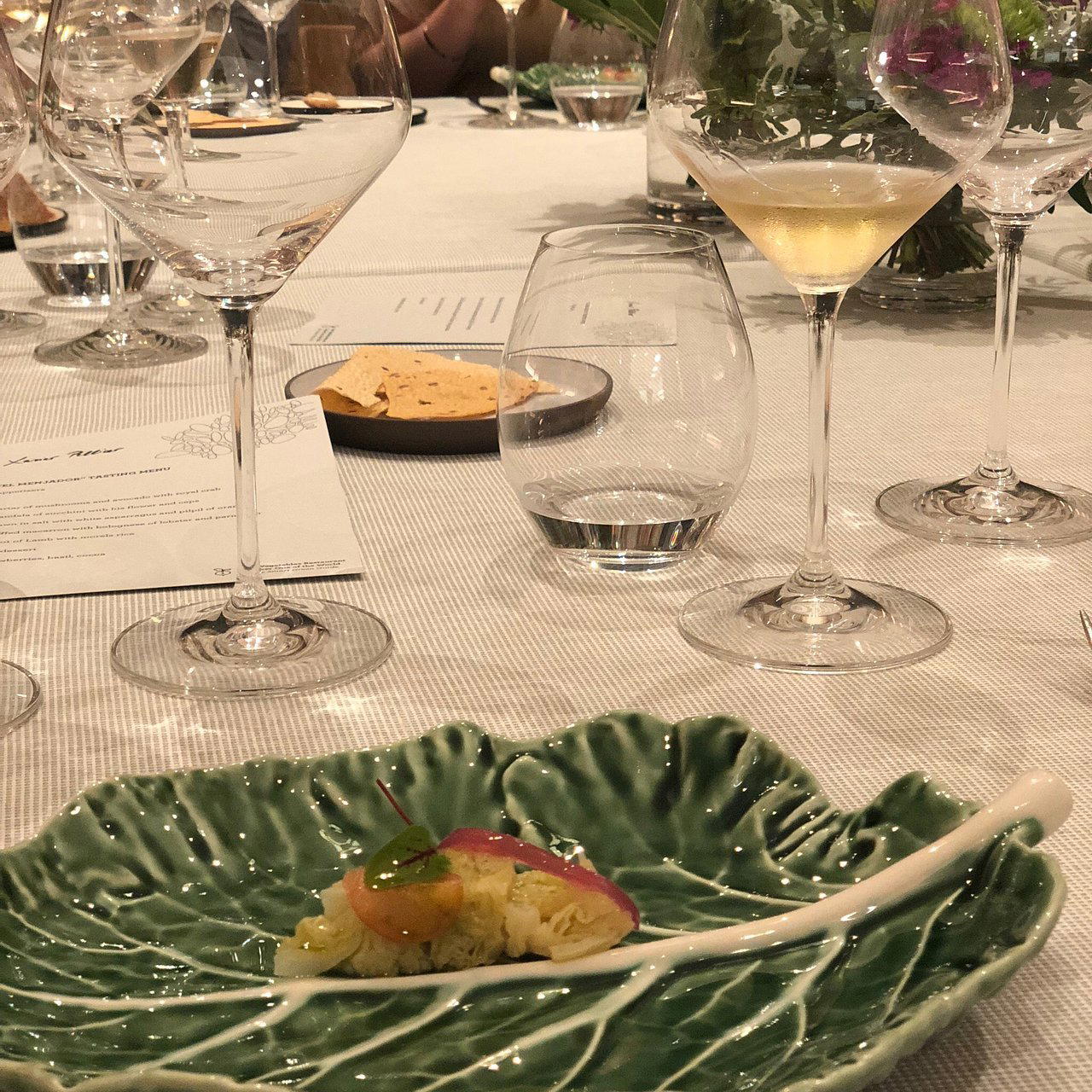
A Room Built Around the Glass
The structural logic of wine-led restaurants in Barcelona follows a pattern visible elsewhere in Spain's dining scene: the list comes first, the kitchen is shaped to complement it, and the service style is built around the sommelier's ability to move between technical explanation and relaxed hospitality without tipping into either pedantry or vagueness. This is harder to execute than it sounds. Many rooms that advertise wine depth default to a long list of prestige labels without real curation, while genuine wine restaurants select for producer philosophy, regional range, and bottle age in ways that reflect actual expertise rather than purchasing volume.
Spain's wine geography is wide enough that a curated list can span entirely different traditions within the country's borders: the structured reds of the Ribera del Duero, the aromatic whites of Galicia, the oxidative registers of Jerez, the precision of the leading Basque txakoli, and the growing number of natural and low-intervention producers working across Catalonia, Aragón, and the interior. A list that handles this range coherently, rather than defaulting to particularly recognisable appellations, signals a sommelier with genuine range. That ambition connects L'Amoroso to a small comparable set of wine-serious addresses in the city.
For context on how wine depth operates at the highest level of the Spanish dining scene, the cellar at Atrio in Cáceres is the reference point: a collection built over decades, treated as a programme in its own right. Most Barcelona restaurants operate at a different scale, but the underlying logic of treating wine as the editorial spine of the dining experience, not an afterthought, is the same.
Barcelona's Wine-Serious Dining Tier
The city's restaurant wine culture has shifted materially since the early 2010s. The previous model, in which fine dining wine lists in Barcelona were dominated by Rioja reservas and a thin selection of French classics, has given way to a more considered approach that reflects both the rise of Spanish wine criticism internationally and the growing confidence of sommeliers trained in Spain rather than exclusively abroad. This shift is visible across the comparable set: Enigma builds its pairing program around the kitchen's conceptual register, while ABaC anchors its list in classical depth. Both approaches reflect the same underlying conviction: that the glass matters as much as the plate.
Spain's broader wine-and-food circuit reinforces this. Restaurants like El Celler de Can Roca in Girona, where the sommelier program is treated as a peer discipline to the kitchen, set a standard that filters down through the tier. The same influence appears in the Basque country: Arzak in San Sebastián and Mugaritz in Errenteria both maintain lists that take Basque and Navarran producers seriously alongside international depth. Azurmendi in Larrabetzu and Martin Berasategui in Lasarte-Oria apply the same logic to their respective tasting formats. The Spanish dining scene, taken as a whole, has produced a culture where the wine program is expected to carry genuine intellectual weight.
L'Amoroso's position on Diagonal places it within reach of this conversation even if its scale and format differ from the destination restaurants that define Spain's international reputation. The relevant comparison set for an address at this tier and location is not DiverXO in Madrid or Aponiente in El Puerto de Santa María; it is the neighbourhood of serious Barcelona rooms where a considered list and attentive service are the primary draws, and where the cooking exists in productive dialogue with the glass rather than dominating it. Quique Dacosta in Dénia and Ricard Camarena in València offer a useful lens on how Levantine Spain handles the wine-kitchen relationship at higher formality levels.
Planning Your Visit
The Eixample's dining rhythm runs later than Northern European visitors expect. The kitchen at this address, like most in the neighbourhood, will be quieter before 9pm and fuller after. Arriving earlier secures a calmer room and more sommelier attention; arriving at peak service on a Friday or Saturday places you in a louder, more social environment that changes the character of a wine-led meal. Neither is wrong, but they are different experiences.
For readers planning a broader Barcelona itinerary, our full Barcelona restaurants guide maps the city's dining tier by format, price, and booking lead time. The international comparison set is also worth considering: Le Bernardin in New York City and Atomix in New York City both demonstrate how a strong wine or pairing program functions at the highest formality tier, which provides useful calibration for what to expect from serious European rooms at lower price points.
Logistics at a Glance
| Factor | The restaurant | Cocina Hermanos Torres | Disfrutar |
|---|---|---|---|
| Location | Eixample (Av. Diagonal) | Les Corts | Eixample (Carrer de Villarroel) |
| Price tier | Not confirmed | €€€€ | €€€€ |
| Format | Not confirmed | Tasting menu | Tasting menu |
| Booking lead time | Confirm directly | Several weeks minimum | Several months |
| Wine program emphasis | High (cellar-led) | Integrated pairing | Integrated pairing |
Comparable Spots
Comparable venues nearby, for context on price, style, and recognition.
| Venue | Cuisine | Price | Notes |
|---|---|---|---|
| L'AmorosoThis venue — the venue you are viewing | Festive Italian with Homemade Pasta | $$ | Not listed |
| Mundo Vegan | Vegan Italian Pizza & Pasta | $$ | l'Antiga Esquerra de l'Eixample |
| Pizzería RAGVSA | Italian Neapolitan Pizza | $$ | el Guinardo |
| Doppietta | Modern Northern Italian Salumeria | $$ | Sant Antoni |
| Delias Pizza | Greek-Italian Pizza | $$ | Sant Antoni |
| Le Cucine Mandarosso | Authentic Southern Italian Pasta | $$ | Sant Pere, Santa Caterina i la Ribera |
Continue exploring
More in Barcelona
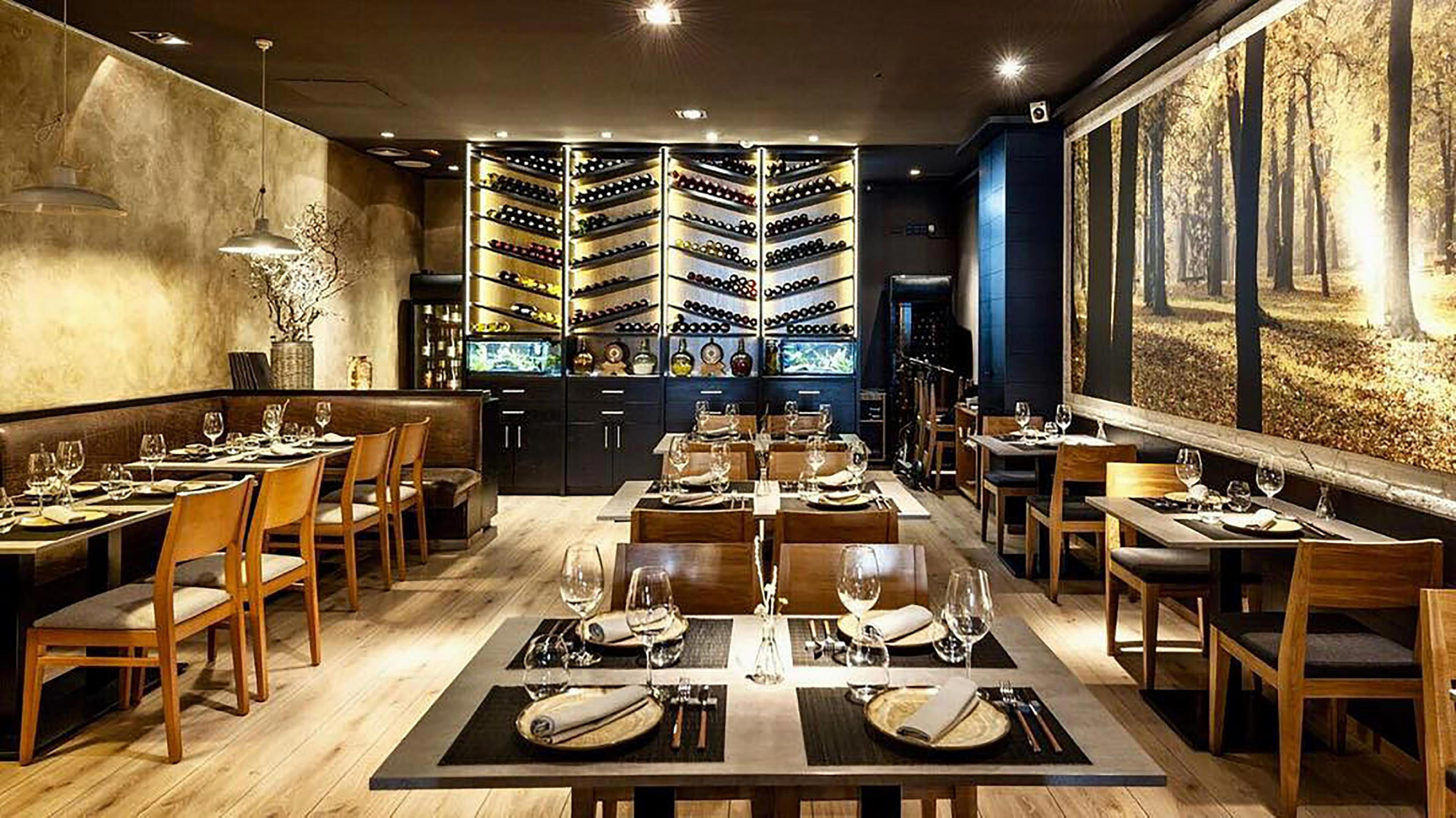
Restaurants in Barcelona
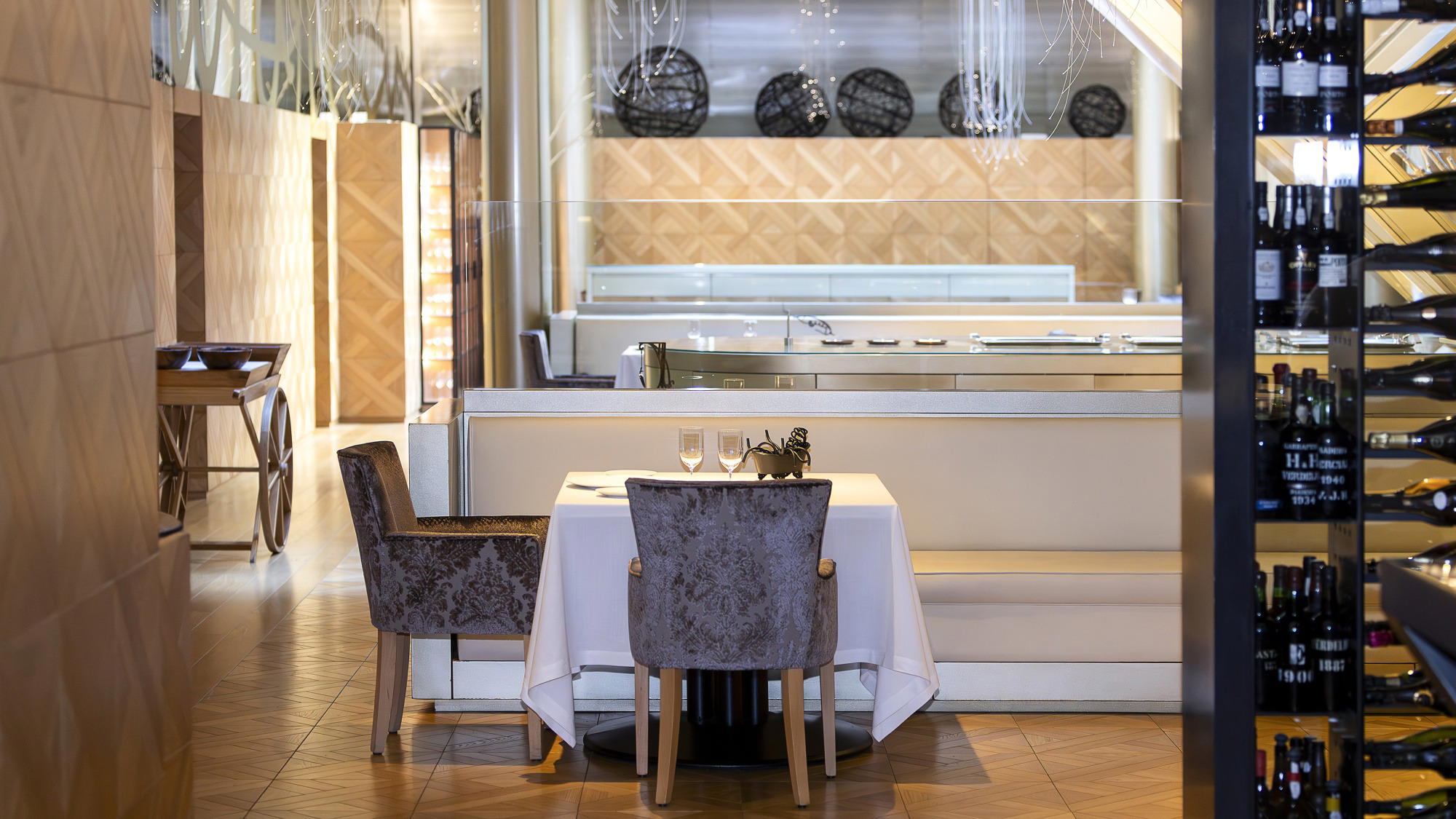
Browse all →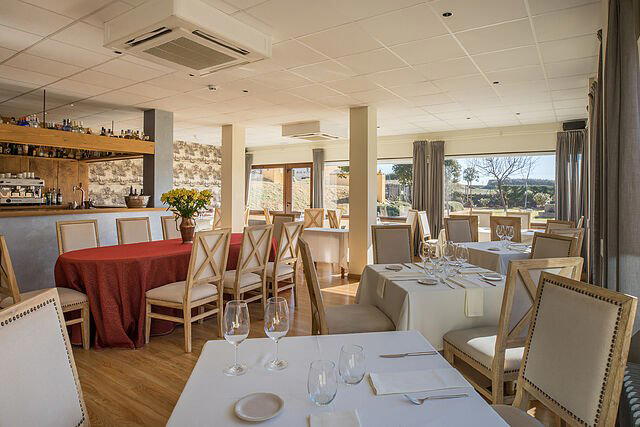
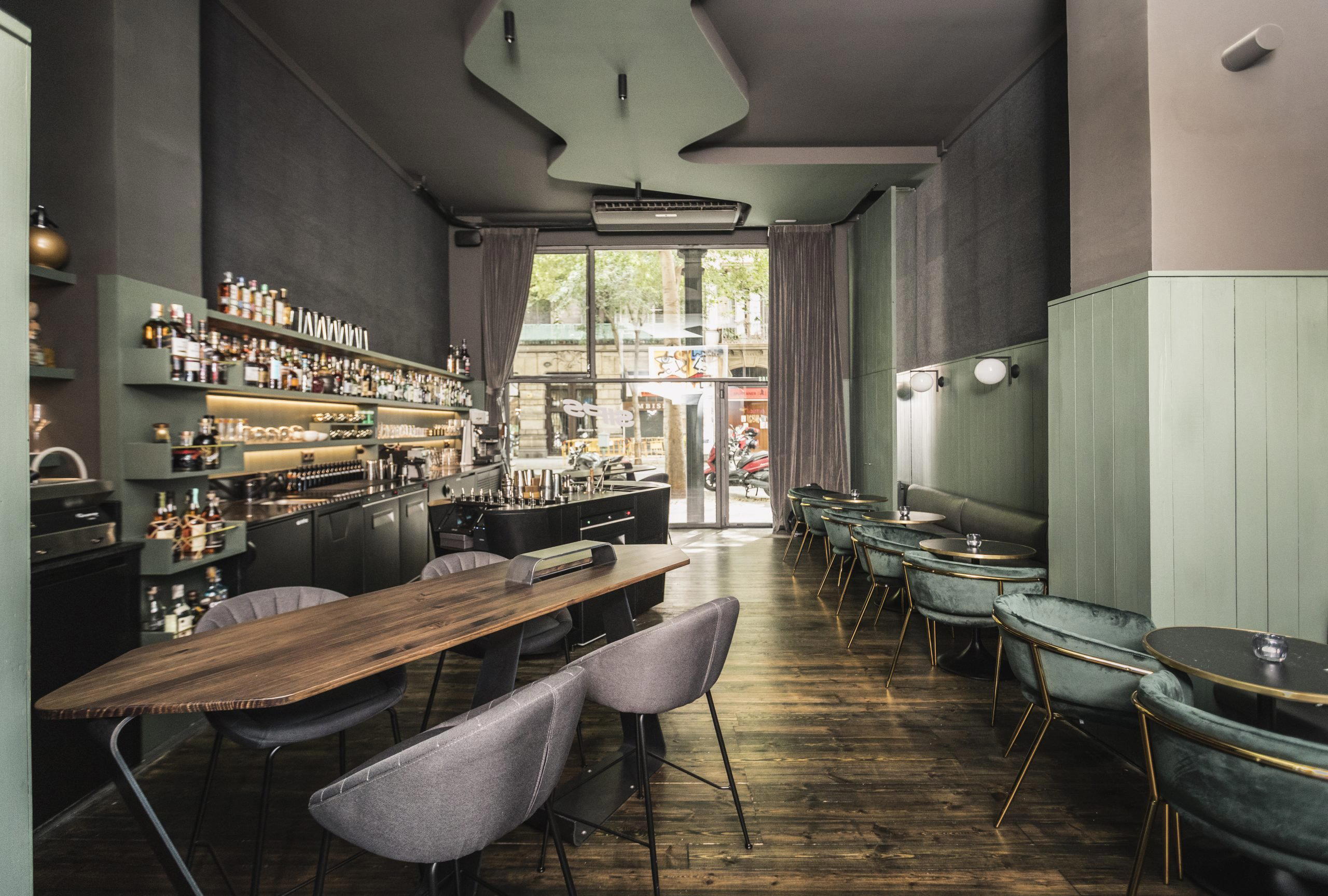
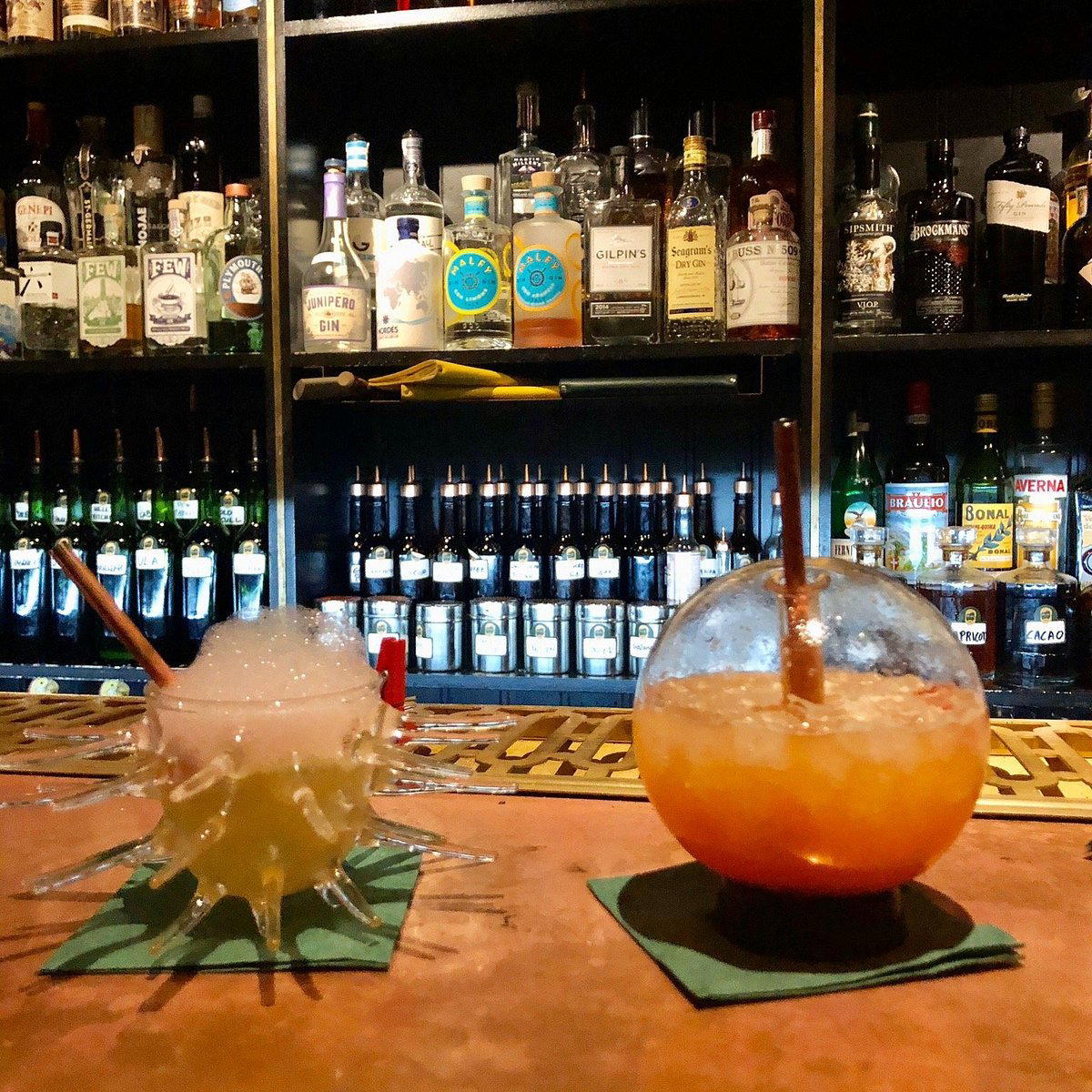
Bars in Barcelona
Browse all →
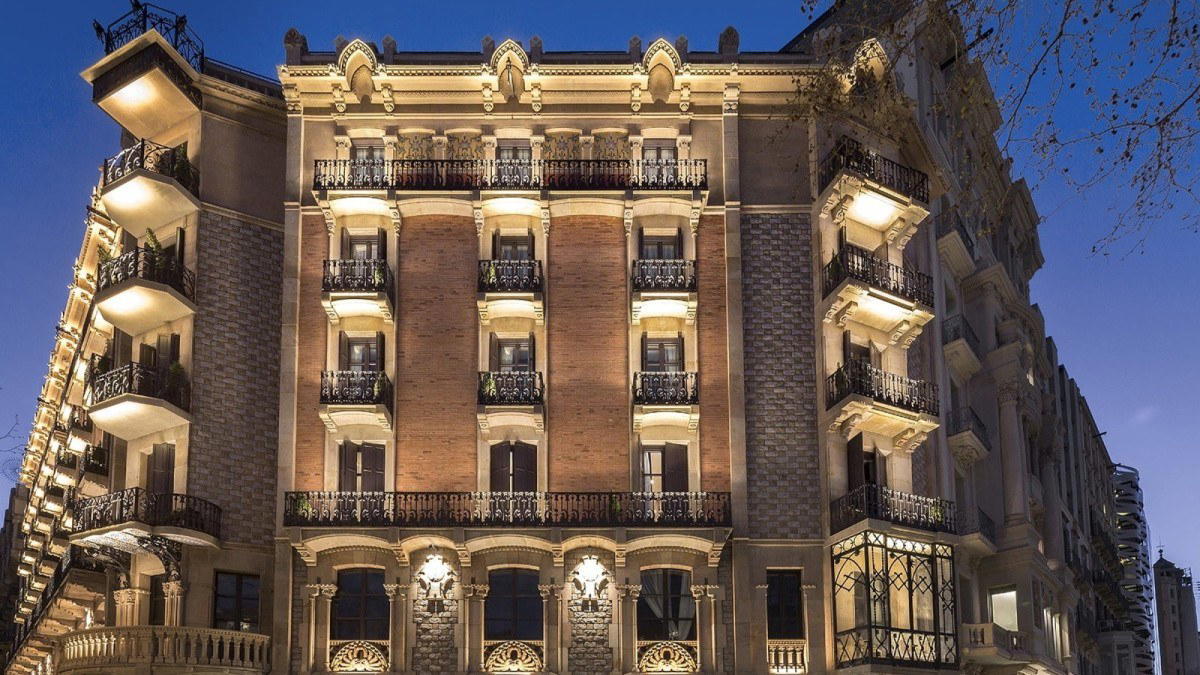
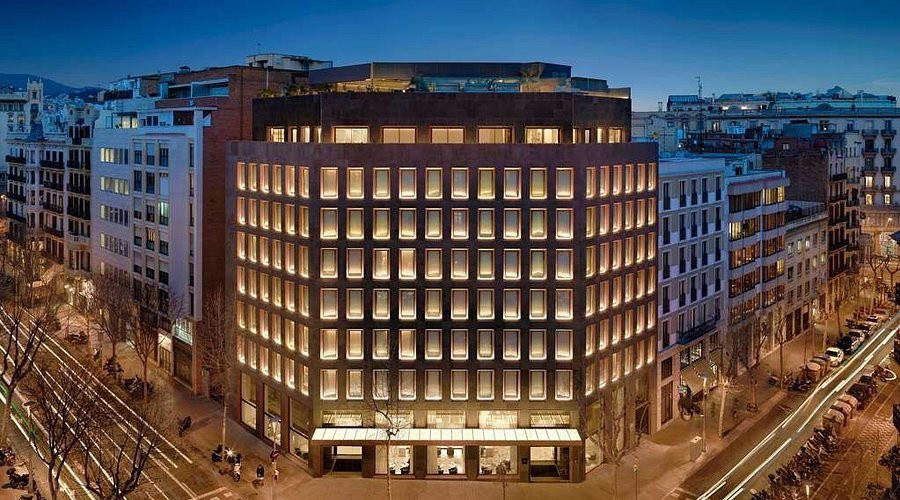
Hotels in Barcelona
Browse all →
At a Glance
- Lively
- Elegant
- Modern
- Date Night
- Group Dining
- Casual Hangout
- Historic Building
- Craft Cocktails
Current opening hours
- Monday
- Closed
- Tuesday
- 1–4 PM, 7–11:30 PM
- Wednesday
- 1–4 PM, 7–11:30 PM
- Thursday
- 1–4 PM, 7–11:30 PM
- Friday
- 1–4 PM, 7–11:30 PM
- Saturday
- 1–4 PM, 7 PM–1 AM
- Sunday
- Closed
Hours can change for holidays and private events. Last verified .
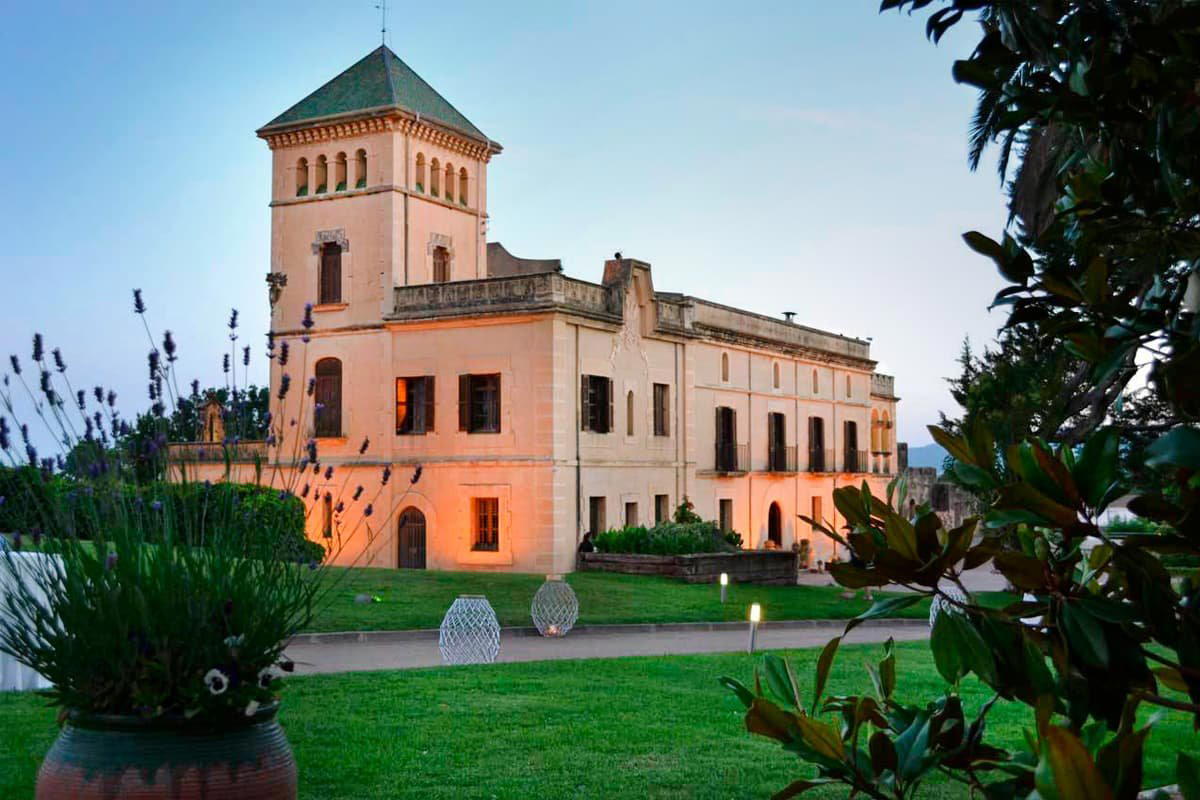
Lively and festive atmosphere with colorful, pleasant decor in an elegant Modernist building.