Phoenix
Phoenix occupies a central address on South Archer Avenue in Chicago's Chinatown, where dim sum culture runs deeper than most visitors expect. The room operates at the scale and rhythm of Hong Kong's great teahouses, with cart service that rewards patience and familiarity with the format. For those willing to time their visit and read the room, it represents one of the more honest expressions of Cantonese tradition in the Midwest.
Pearl is the En Primeur Club membership app — saves, bookings, and concierge access live there. Same editors, same standards.
- Address
- 2131 S Archer Ave, Chicago, IL 60616
- Phone
- +13123280848
- Directions
- Get directions
 Saves & bookings on Pearl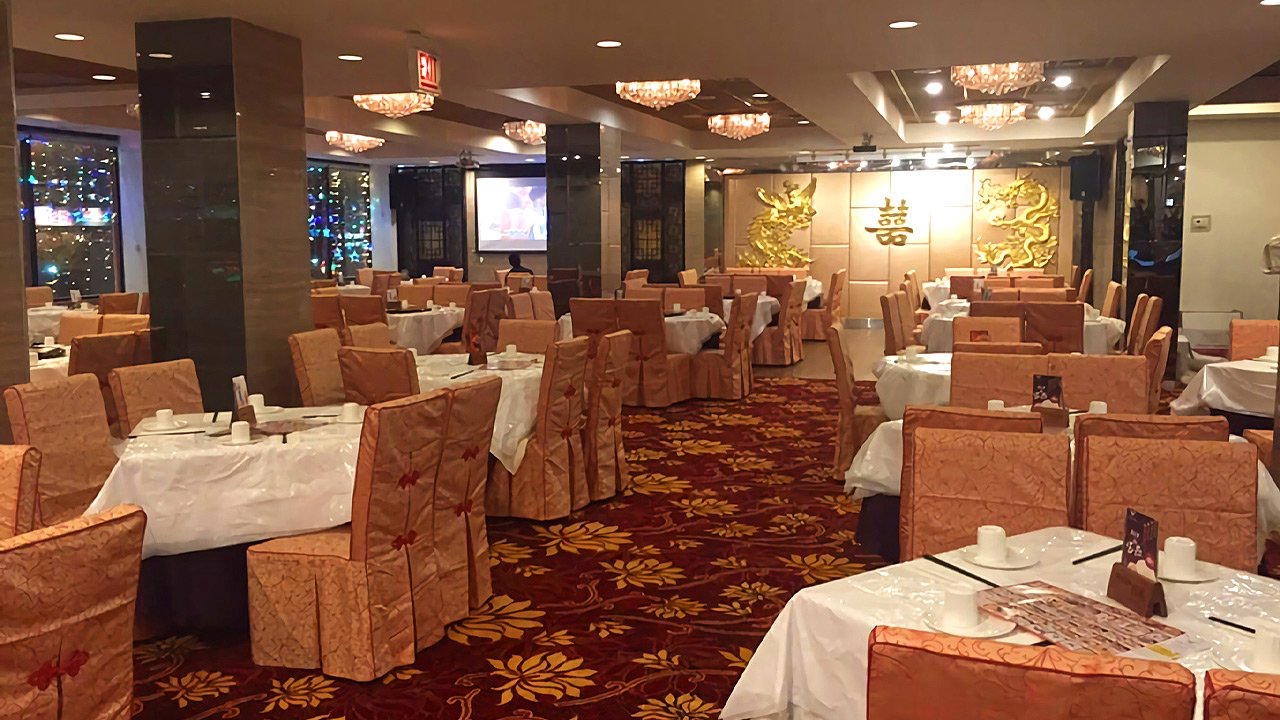
Where Chinatown's Dim Sum Tradition Holds Its Ground
South Archer Avenue functions as the commercial spine of Chicago's Chinatown, and the dining culture that lines it sits in a different register from the tasting-menu circuit operating a few miles north. While venues like Alinea and Smyth define Chicago's progressive American identity, the Archer Avenue corridor preserves a parallel tradition: the full-scale Cantonese teahouse, built around dim sum service, large-format family dining, and a room that operates at genuine Hong Kong scale. Phoenix is a Chicago restaurant serving authentic Cantonese dim sum at 2131 S Archer Ave.
The architecture of a proper dim sum house is worth understanding before you arrive. These are not intimate restaurants. The floor plan is designed for volume and simultaneity: dozens of tables turning across a cavernous room, carts moving in continuous circuits, and a kitchen running at a pace that prioritizes throughput without sacrificing the precision that dim sum demands. The experience is social and slightly chaotic by design. Teahouses in Guangdong and Hong Kong have operated this format for generations, and Chicago's Chinatown iteration has maintained that logic rather than softening it for outside audiences.
The Seasonal Argument for Morning Service
Timing is not incidental to dim sum; it is structural. The tradition descends from yum cha, Cantonese tea-drinking culture, which places the leading service in the late morning window. Kitchens are freshest, carts are fullest, and the social rhythm of the room reaches its natural peak between roughly 10am and noon on weekends. Arriving outside that window at any serious teahouse means encountering a diminished selection and a kitchen already past its first push.
Seasonality also plays into what appears on carts. Cantonese cuisine follows ingredient availability more closely than its reputation for consistency might suggest. Winter months bring heartier stuffed preparations; warmer months shift the balance toward lighter steamed items and cold dishes. The cart format, which removes the menu as a filter between kitchen and table, makes this seasonal drift visible in real time. What the kitchen is running confidently on a given morning is what arrives at your table first.
Reading the Room: What Cart Service Rewards
The editorial angle worth pressing here is the wine-list parallel: in a serious dim sum house, the carts function like a sommelier's selection. What arrives is curated by the kitchen's confidence and the season, not assembled from a static printed list. The reader who approaches the cart with passivity gets whatever is passing by. The reader who engages, who signals which categories they want, who lets the server know how many courses are in play, gets something closer to a directed tasting.
This parallels the dynamic at high-end Western restaurants where cellar depth matters less than the sommelier's ability to read the table. At venues like Le Bernardin in New York City or Providence in Los Angeles, the floor team's expertise shapes the experience as much as the kitchen does. In a Cantonese teahouse, the equivalent expertise belongs to the regular guest who knows which carts to intercept and in what order. Steamed items before fried. Delicate before rich. Tea kept hot and replenished without being asked.
Phoenix in Its Competitive Set
Chicago's Chinatown supports more than one full-scale dim sum operation, and the neighborhood has enough critical mass to sustain genuine competition at the format level. Phoenix occupies the address and scale that place it in the upper tier of that neighborhood set, not the experimental end occupied by venues like Kasama pushing Filipino fine dining, but the traditional anchor end where the format itself is the point.
Across American cities, Cantonese teahouses have split into two rough categories: those that have modernized their format toward à la carte ordering systems and those that have maintained cart service as the primary delivery mechanism. The cart format is harder to execute, more labor-intensive, and more dependent on volume to remain economically viable. Its persistence in Chicago's Chinatown, at the scale Phoenix operates, represents a logistical commitment that shapes every aspect of what the room feels like.
For comparison against the broader American fine-dining circuit, venues like The French Laundry in Napa, Blue Hill at Stone Barns in Tarrytown, or Single Thread Farm in Healdsburg operate on the opposite principle: maximum control over every variable, minimum improvisation. The dim sum teahouse runs on a different logic entirely, one where controlled chaos and the guest's engagement with that chaos is the actual product. Both approaches demand expertise; they just demand it from different people in the room.
On the international register, the format Phoenix maintains has direct antecedents in Hong Kong's serious teahouses. Venues like 8 1/2 Otto e Mezzo Bombana in Hong Kong occupy a different culinary register entirely, but the city's teahouse culture provides the benchmark against which Chinatown dim sum operations everywhere are implicitly measured. Chicago's version competes in that conversation more credibly than most Midwestern cities can claim.
Planning Your Visit
| Dimension | Phoenix (Chicago Chinatown) | Alinea (Lincoln Park) | Next Restaurant (Fulton Market) | Oriole (West Loop) |
|---|---|---|---|---|
| Format | Dim sum / teahouse | Progressive tasting menu | Rotating concept tasting menu | Contemporary tasting menu |
| Price tier | $$ | $$$$ | $$$$ | $$$$ |
| Booking lead time | Walk-in friendly; arrive early on weekends | Months in advance | Weeks to months in advance | Weeks in advance |
| Optimal timing | 10am–noon weekends | Evening service | Evening service | Evening service |
| Room scale | Large, high-volume | Intimate, multi-room | Medium | Small, counter-forward |
The address at 2131 S Archer Ave is on Archer Avenue in Chicago's Chinatown. Weekend mornings draw the largest local crowds, which is both the argument for arriving early and the sign that the room is operating at its intended register.
Those planning a wider American dining itinerary may also find reference points in Emeril's in New Orleans, Lazy Bear in San Francisco, Bacchanalia in Atlanta, The Inn at Little Washington, Addison in San Diego, and Atomix in New York City. And for a different take on the progressive American format within Chicago itself, Oriole and Next Restaurant both reward advance planning for evening visits.
- Pork Buns
- Shu Mai with Shrimp
- Salted Egg Buns
- Shrimp Dumplings
- Turnip Cake
- Curried Baby Octopus
Peers You’d Cross-Shop
Comparable venues nearby, for context on price, style, and recognition.
| Venue | Cuisine | Price | Notes |
|---|---|---|---|
| PhoenixThis venue — the venue you are viewing | Authentic Cantonese Dim Sum | $$ | Not listed |
| Lao Peng You | Northern Chinese Dumplings and Noodles | $$ | Ukrainian Village |
| Qiao Lin Hotpot | Authentic Chongqing Hotpot | $$ | Chinatown |
| MCCB | Modern Sichuan & Cantonese | $$ | Chinatown |
| Ricobene's | Classic Chicago Italian Sandwiches | $$ | Bridgeport |
| Honky Tonk BBQ / The Tonk | Memphis-Style BBQ | $$ | Pilsen |
At a Glance
- Classic
- Lively
- Well Known
- Group Dining
- Family
- Casual Hangout
- Standalone
- Skyline
Current opening hours
- Monday
- 10 AM–9 PM
- Tuesday
- 10 AM–9 PM
- Wednesday
- 10 AM–9 PM
- Thursday
- 10 AM–9 PM
- Friday
- 10 AM–9 PM
- Saturday
- 10 AM–9 PM
- Sunday
- 10 AM–9 PM
Hours can change for holidays and private events. Last verified .
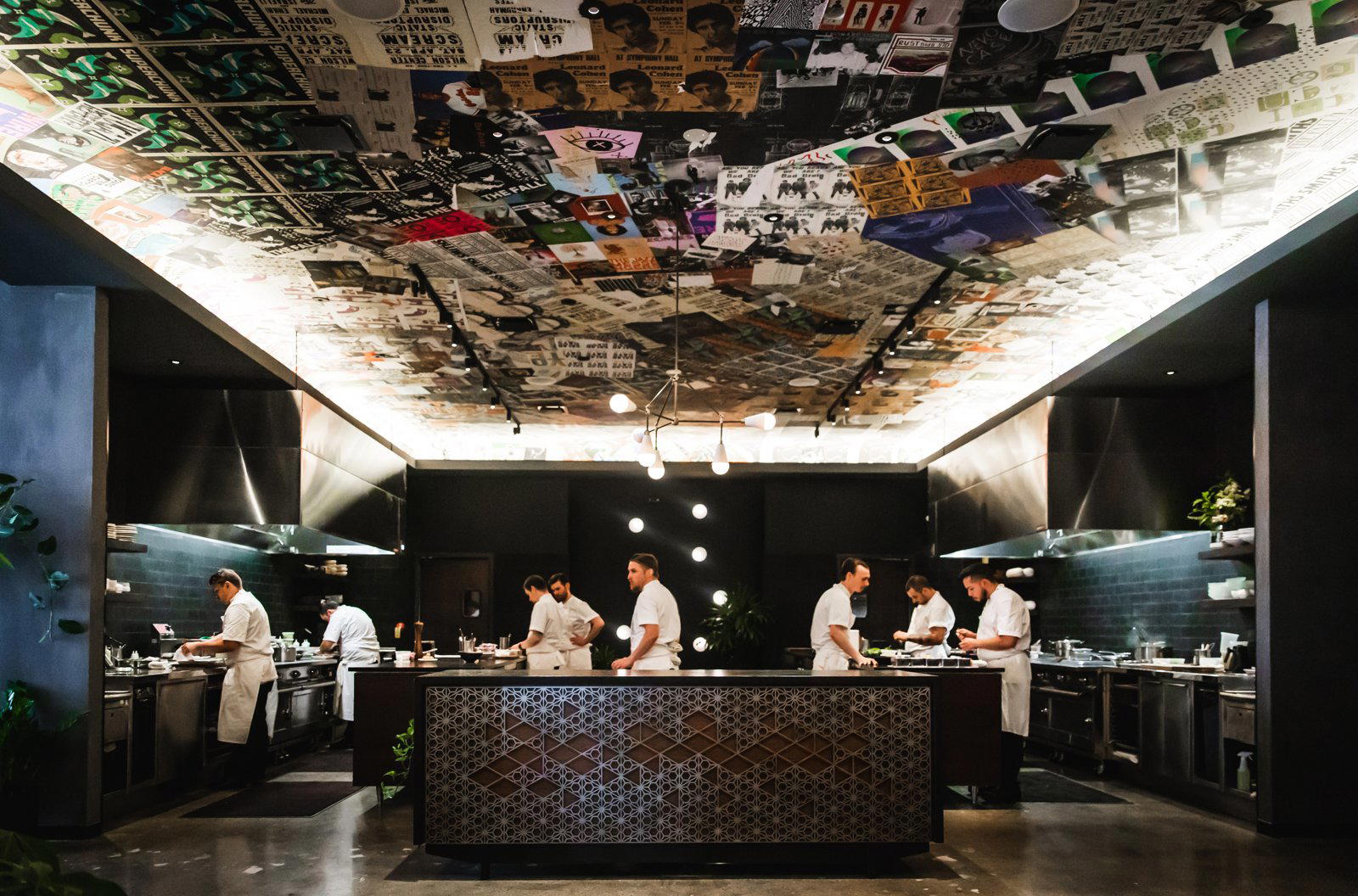
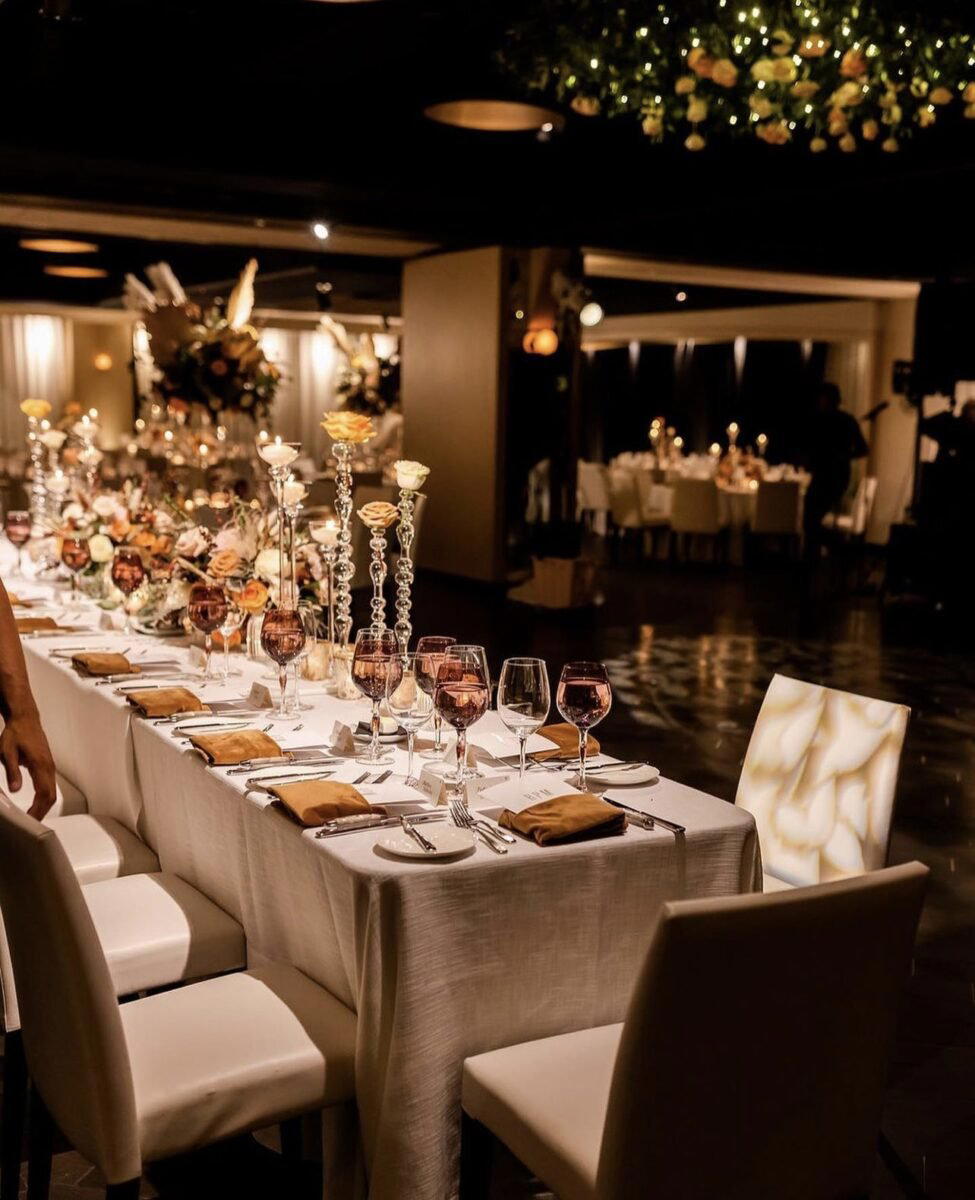
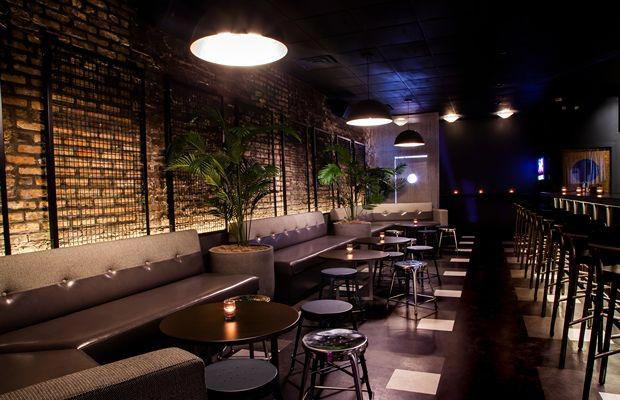
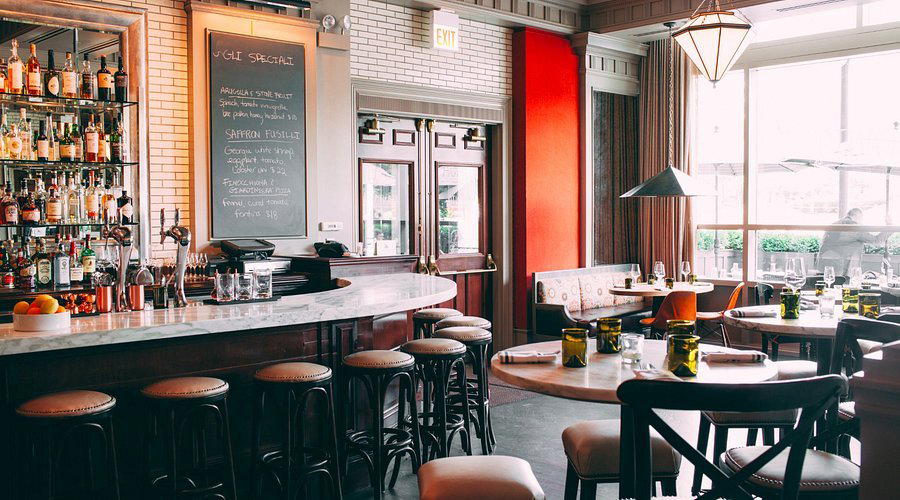
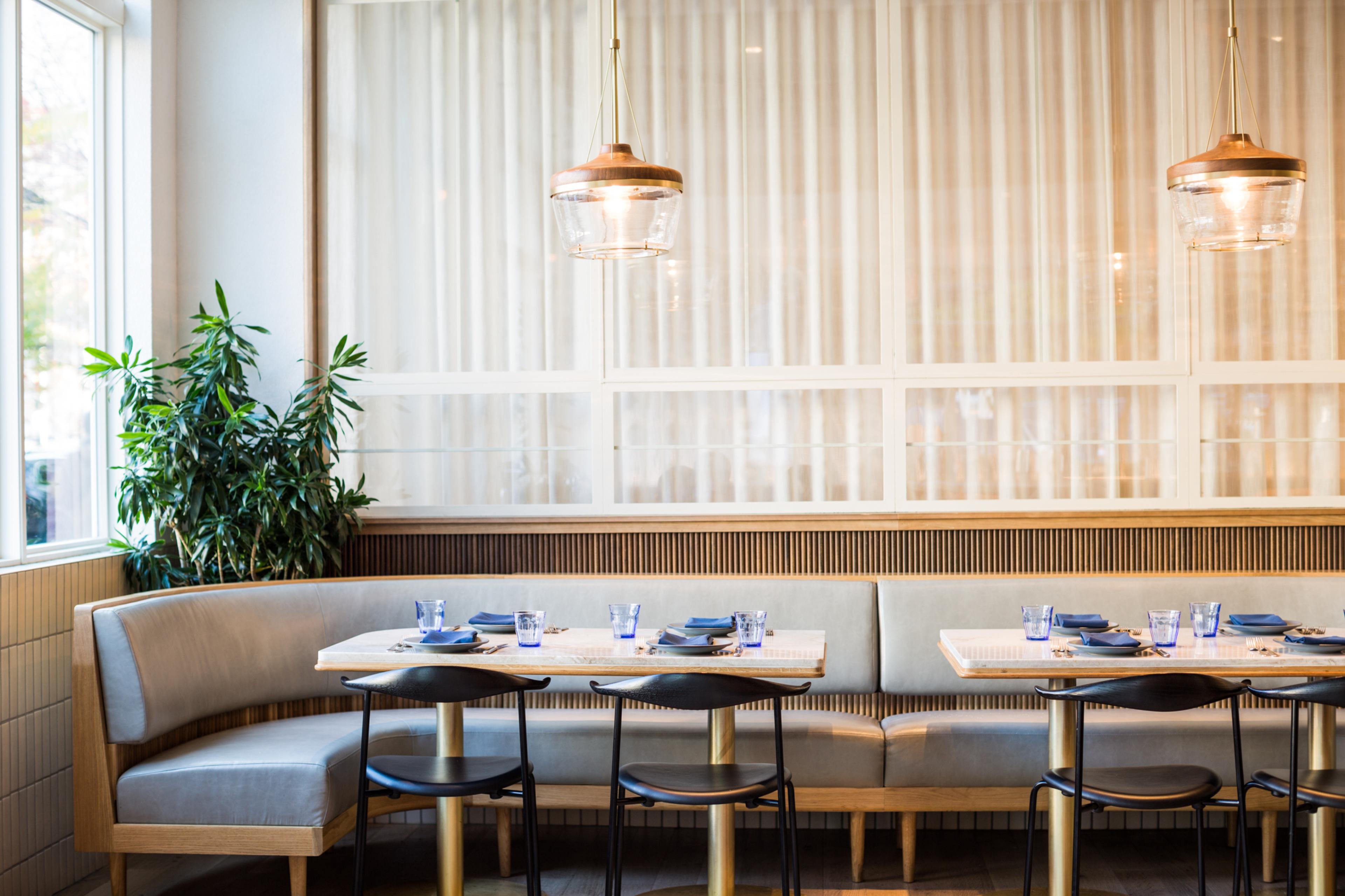
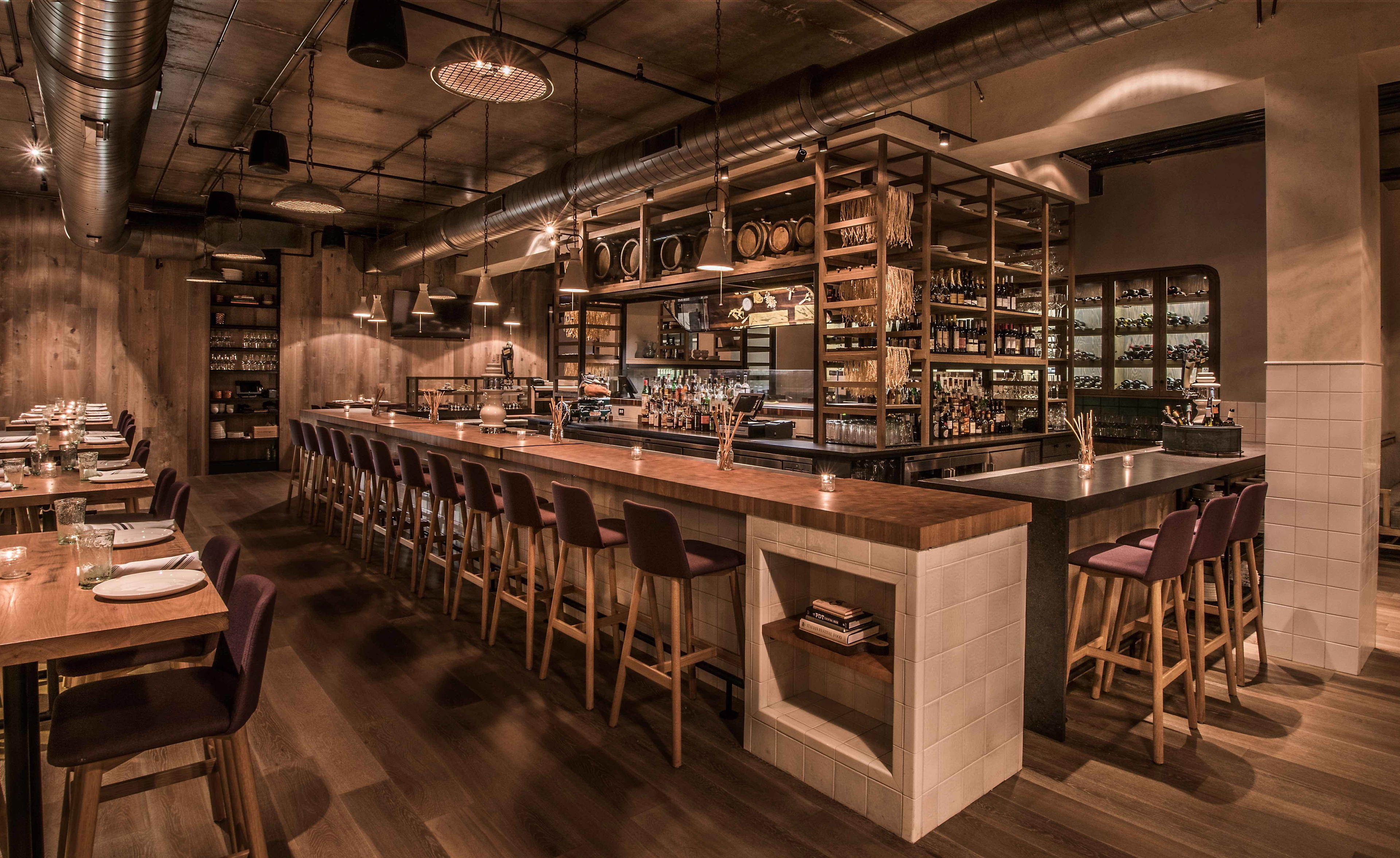
Bustling and energetic dining room filled with the sensory rhythm of steamed dumplings, roasted meats, and tea; casual family-friendly atmosphere with lazy Susans on tables.