Honky Tonk BBQ / The Tonk
On West 18th Street in Chicago's Pilsen neighbourhood, Honky Tonk BBQ occupies the intersection of Southern barbecue tradition and working-class Chicago dining culture. The Tonk, as regulars know it, draws from the long lineage of American smoke-and-pit cooking while planting itself firmly in one of the city's most culturally layered corridors. It is a reference point for understanding how barbecue functions as both cuisine and community institution on Chicago's Lower West Side.
Pearl is the En Primeur Club membership app — saves, bookings, and concierge access live there. Same editors, same standards.
- Address
- 1213 W 18th St, Chicago, IL 60608
- Phone
- +1 312 226 7427
- Website
- thetonkchicago.com
- Directions
- Get directions
 Saves & bookings on Pearl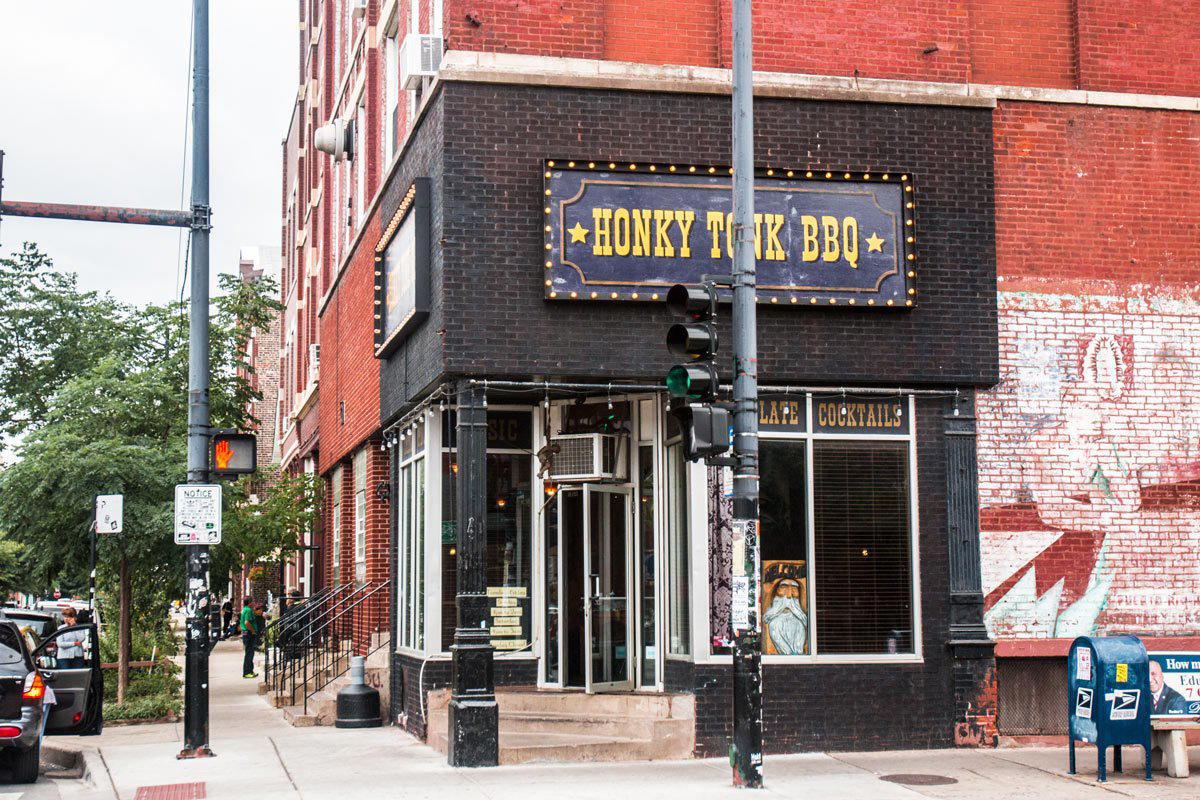
Smoke, Pilsen, and the Long American Barbecue Tradition
West 18th Street in Chicago's Pilsen neighbourhood has long operated as a corridor where Mexican muralism, working-class Chicago history, and the city's broader immigrant food culture overlap. Into this context, Honky Tonk BBQ, known locally as The Tonk, plants itself as a representative of a different but equally deep American culinary lineage: the Southern barbecue tradition that migrated north through the Great Migration and settled into Chicago's South and West Side neighbourhoods across the 20th century. The address, 1213 W 18th St, sits within walking distance of the public art and taquerias that define the block, which makes The Tonk's presence as a Southern-inflected smoke house feel less anomalous and more like an argument for how cities layer food traditions on top of one another over decades.
Chicago's barbecue scene has never occupied the same cultural conversation as its steakhouses or its tasting-menu institutions, but the city has a legitimate claim to its own smoked-meat traditions, distinct from Kansas City, Memphis, or Texas. The aquarium smoker became something of a Chicago signature in certain rib joints, and the city's rib tips and hot links carry their own regional specificity. Honky Tonk BBQ operates within that context while also drawing on the broader American honky-tonk cultural reference, the roadhouse, the live music venue, the communal eating hall, which positions it as a destination with a social function, not merely a transactional one.
The Cultural Weight of Barbecue as Civic Tradition
American barbecue is one of the few culinary traditions in which the technique is the argument. The choice of wood, the management of temperature over many hours, the regional preference for dry rub versus sauce application, these are not stylistic flourishes but statements of regional identity and historical lineage. In cities like Chicago, where barbecue culture arrived largely through African American migration from the South, a barbecue restaurant carries civic as well as culinary significance. It maps a population movement, a set of food memories, and a claim on urban space.
That broader frame is what distinguishes barbecue venues from, say, the Michelin-tracked progressive tasting menus you find at Smyth or Oriole, or the acclaimed Filipino fine dining at Kasama. Those venues are engaged in a different kind of cultural project, one oriented toward international recognition benchmarks and tasting-menu innovation. Barbecue joints, at their core, are oriented toward something older: the social act of eating smoked meat together in a room where the music is loud and the portions are not dainty. For the reader building a picture of Chicago's full dining range, from avant-garde ticketed experiences to neighbourhood institutions, The Tonk represents the latter pole with some conviction.
Pilsen as Context for the Experience
Understanding Honky Tonk BBQ requires understanding Pilsen, which has undergone significant demographic and cultural pressure over the past two decades. Once a predominantly Mexican American neighbourhood with deep ties to Chicago's Latino arts and political movements, Pilsen has seen gentrification accelerate the arrival of new venues and residents. A barbecue house with honky-tonk roots sitting on 18th Street is, in that context, part of a complex neighbourhood story rather than a neutral dining option. Visitors arriving from elsewhere in Chicago, or from out of town after evenings at Alinea in Lincoln Park, are entering a neighbourhood with a living cultural argument happening on its streets.
That complexity is actually a reason to visit rather than a reason to hesitate. Interesting dining experiences in any city tend to be embedded in places where the neighbourhood itself has something to say. Pilsen's street murals, the National Museum of Mexican Art a few blocks north, and the 18th Street corridor's mix of longstanding taquerias and newer arrivals all give a meal at The Tonk a wider frame than the plate in front of you provides on its own. Chicago's full restaurant landscape is best understood through this kind of neighbourhood-level reading rather than through a ranked list of tasting menus alone.
Barbecue in the National Frame
For visitors whose primary reference point for American barbecue restaurants sits at the fine-dining end, the kind of fire-forward cooking that informs wood-forward menus at places like Lazy Bear in San Francisco or the farm-focused sourcing at Blue Hill at Stone Barns, a traditional barbecue house operates by a different logic entirely. The ambition here is not refinement but fidelity: fidelity to the smoke, to the cut, to the tradition of feeding people well in a room that feels lived-in rather than designed. That is a legitimate culinary position, and in cities with strong barbecue histories, it often produces more culturally meaningful meals than technically ambitious ones.
The broader American restaurant conversation increasingly acknowledges this. Institutions like Emeril's in New Orleans built their reputations on the argument that regional American cooking deserved the same serious attention as French-derived fine dining. The argument has largely been won, and barbecue, alongside low-country cooking, Tex-Mex, and other traditions once dismissed as informal, now occupies a more recognised position in how critics and travellers assess American food culture. A venue like Honky Tonk BBQ sits within that vindicated tradition.
Planning a Visit
Honky Tonk BBQ is located at 1213 W 18th St in Chicago's Pilsen neighbourhood, accessible via the Pink Line CTA at 18th Street station, which puts it within direct reach of the Loop and most central Chicago accommodation. For visitors spending time across Chicago's dining range, from the tasting-menu tier represented by Alinea and Next to more grounded neighbourhood dining, building in a Pilsen visit makes geographic and cultural sense, as the neighbourhood warrants more than a single-stop itinerary. Honky Tonk BBQ is open Thursday through Sunday, with hours that run from 11 AM to 11 PM or midnight depending on the day. It is walk-in friendly, and the price per person is about $25.
Fast Comparison
Comparable venues nearby, for context on price, style, and recognition.
| Venue | Cuisine | Price | Notes |
|---|---|---|---|
| Honky Tonk BBQ / The TonkThis venue — the venue you are viewing | Memphis-Style BBQ | $$ | Not listed |
| RealGood Stuff Co. | Organic Fast-Casual Healthy Eats | $$ | North Center |
| Mirella's Tavern | Modern American Tavern | $$ | Wicker Park |
| The Warbler | Modern American with Asian and Mediterranean influences | $$ | Lincoln Square |
| The Depot American Diner | Classic American Diner | $$ | Island |
| Guinness Open Gate Brewery - Chicago | Modern Irish-American Gastropub | $$ | West Loop |
Recognition history
Dated appearances from independent guides and award organizations, with the underlying list record or original source where available.
Diners, Drive-Ins and Dives Featured Restaurant
Diners, Drive-Ins and Dives · 2026 Diners, Drive-Ins and Dives Featured Restaurants
At a Glance
- Lively
- Rustic
- Energetic
- Group Dining
- Casual Hangout
- Late Night
- Live Music
- Open Kitchen
- Craft Cocktails
- Beer Program
- Organic
Current opening hours
- Monday
- Closed
- Tuesday
- Closed
- Wednesday
- Closed
- Thursday
- 11 AM–11 PM
- Friday
- 11 AM–12 AM
- Saturday
- 11 AM–12 AM
- Sunday
- 11 AM–11 PM
Hours can change for holidays and private events. Last verified .
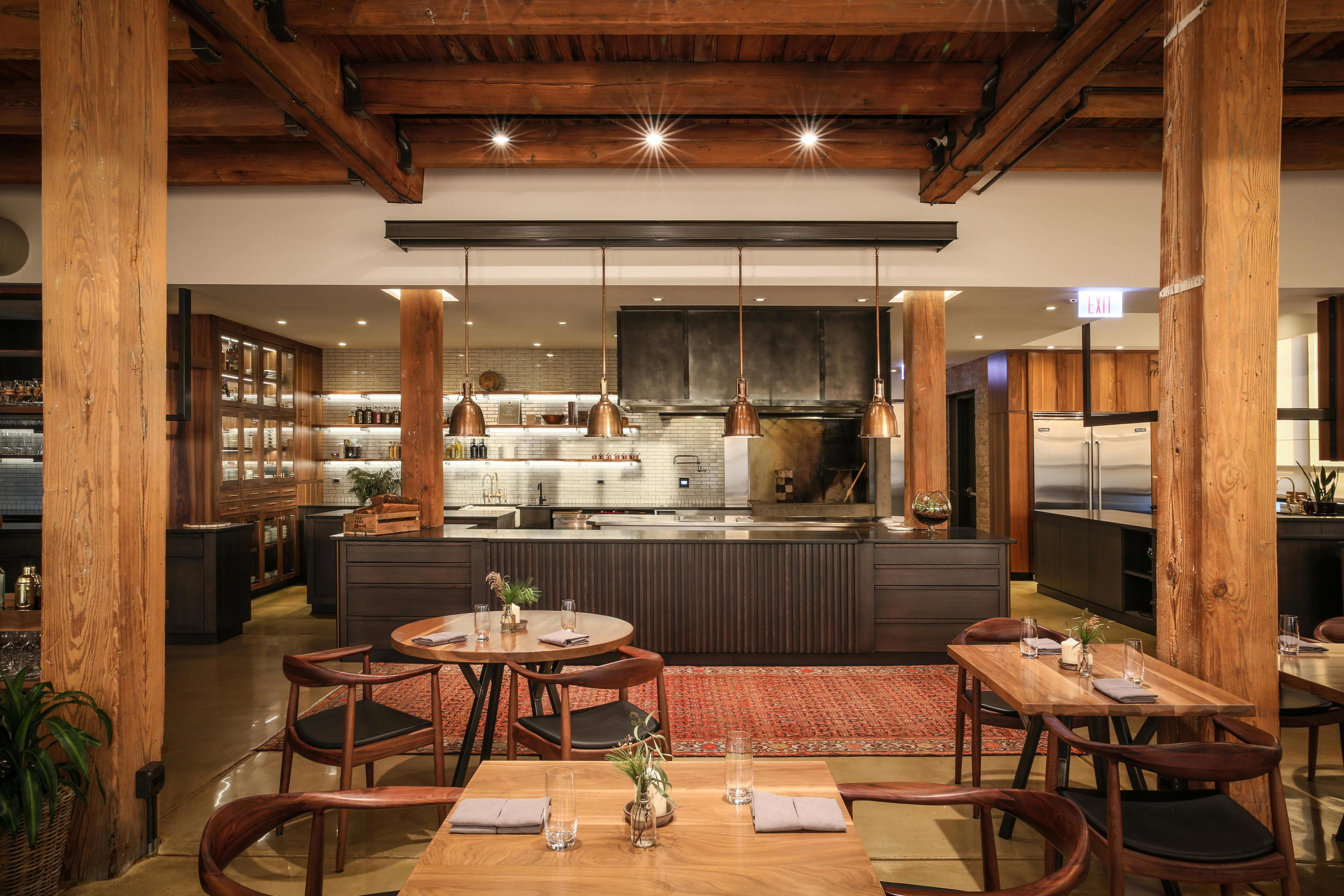
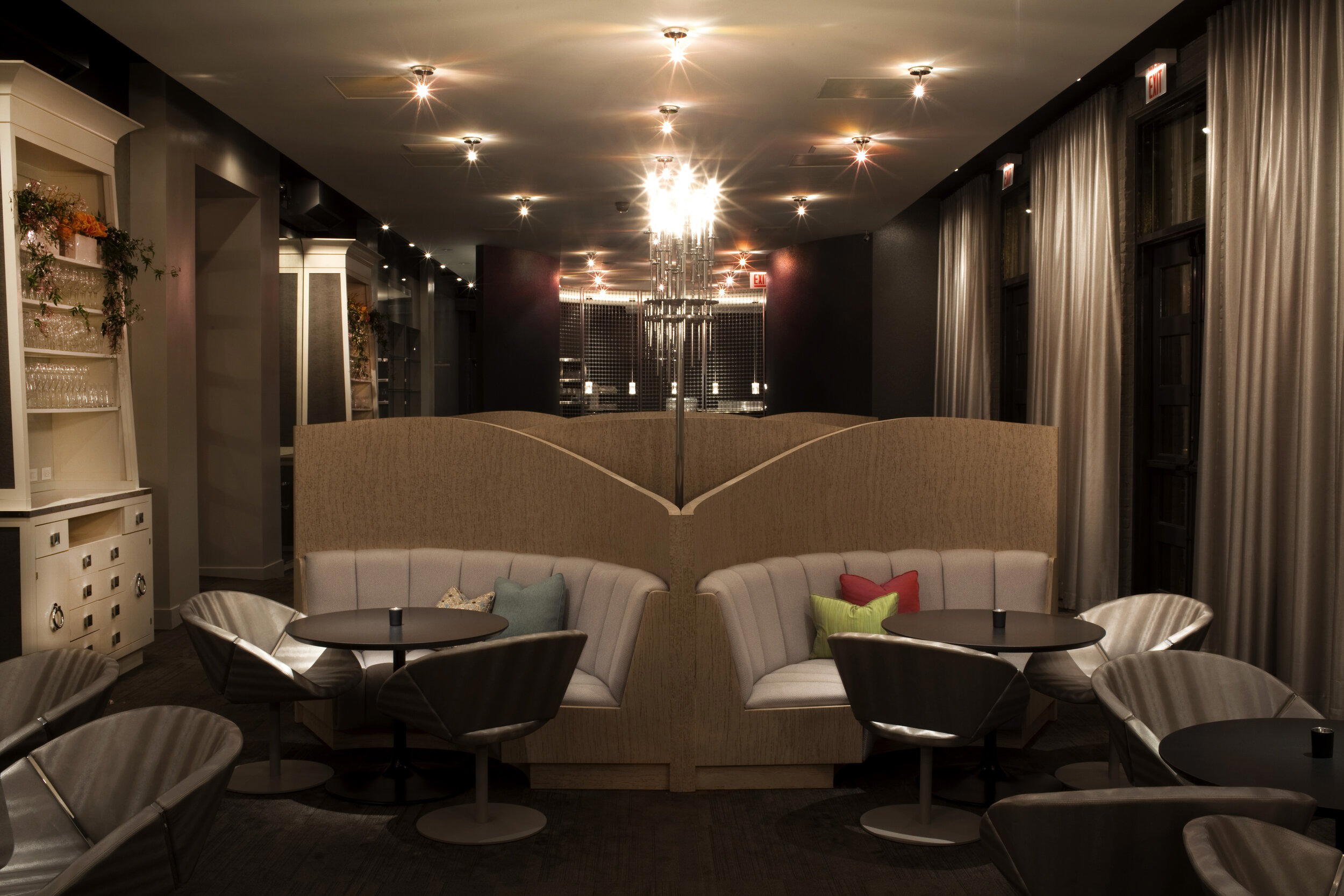
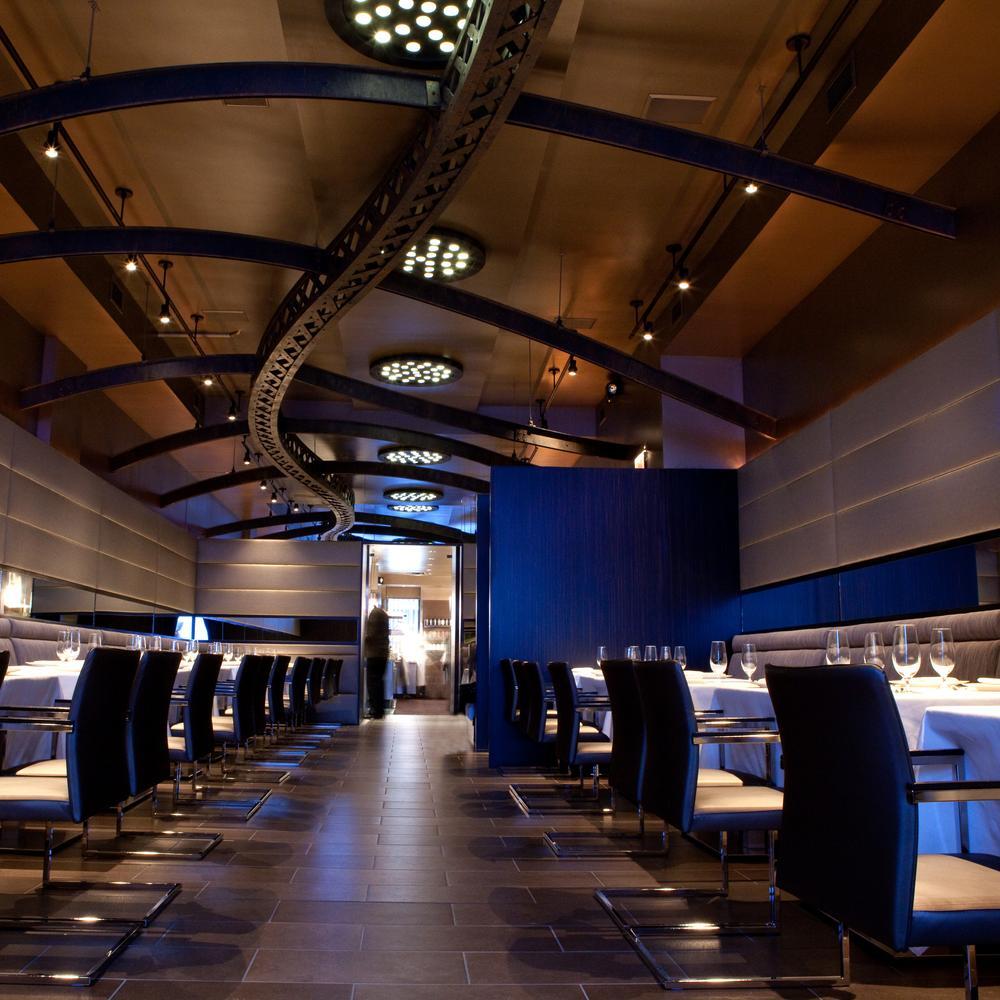
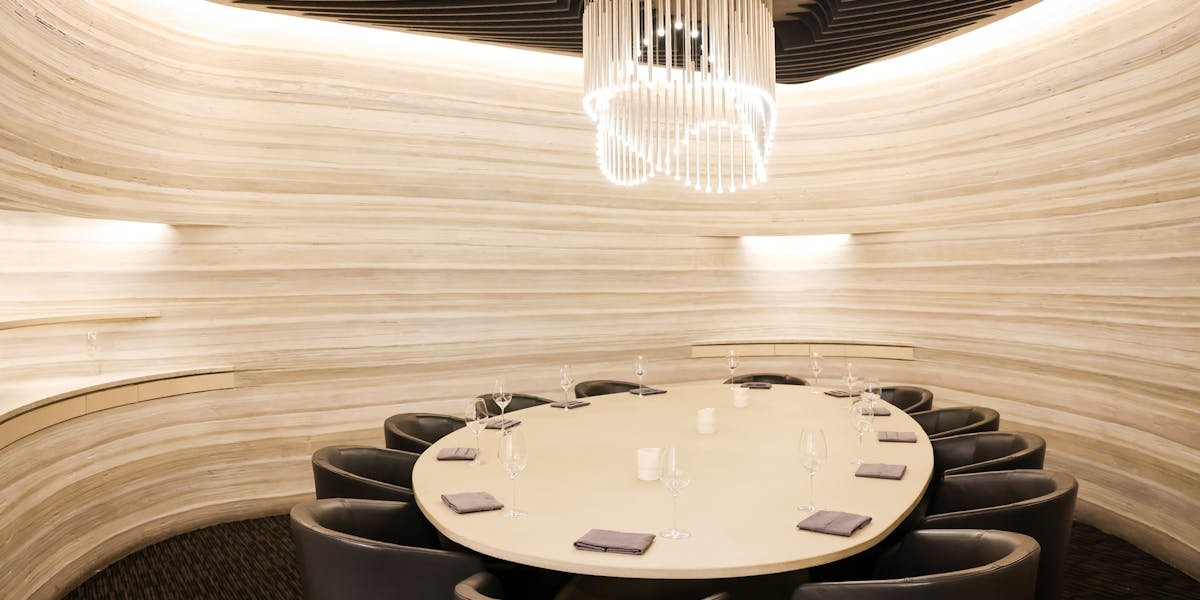
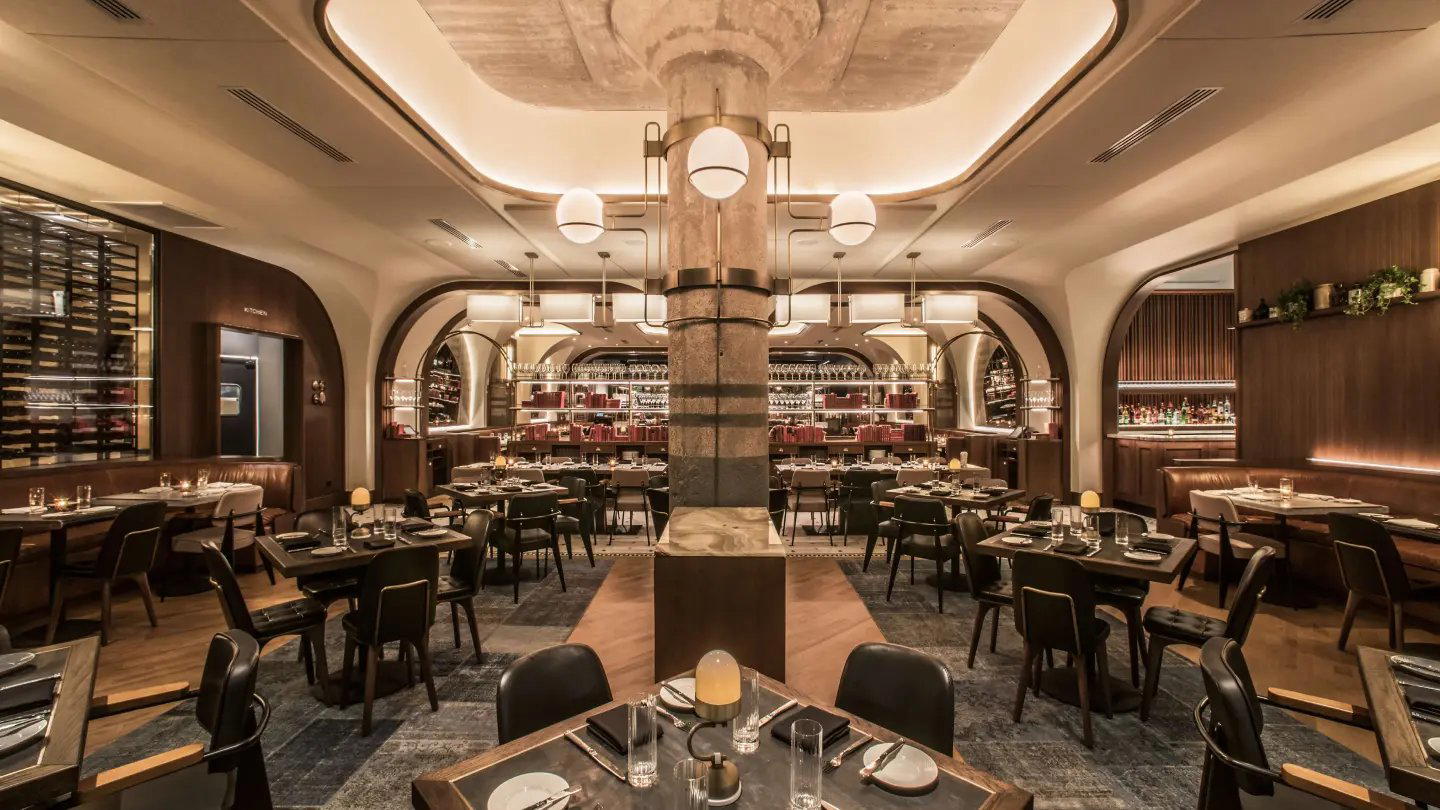
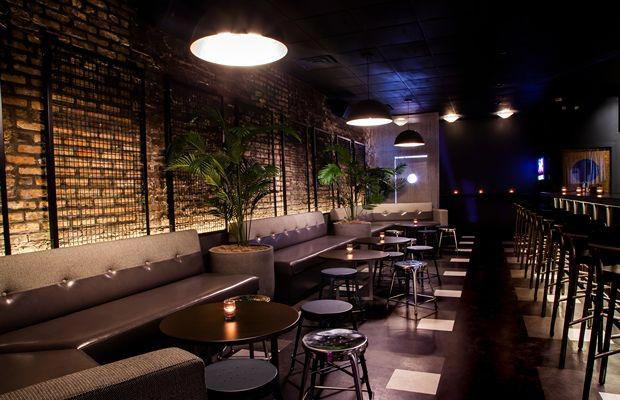
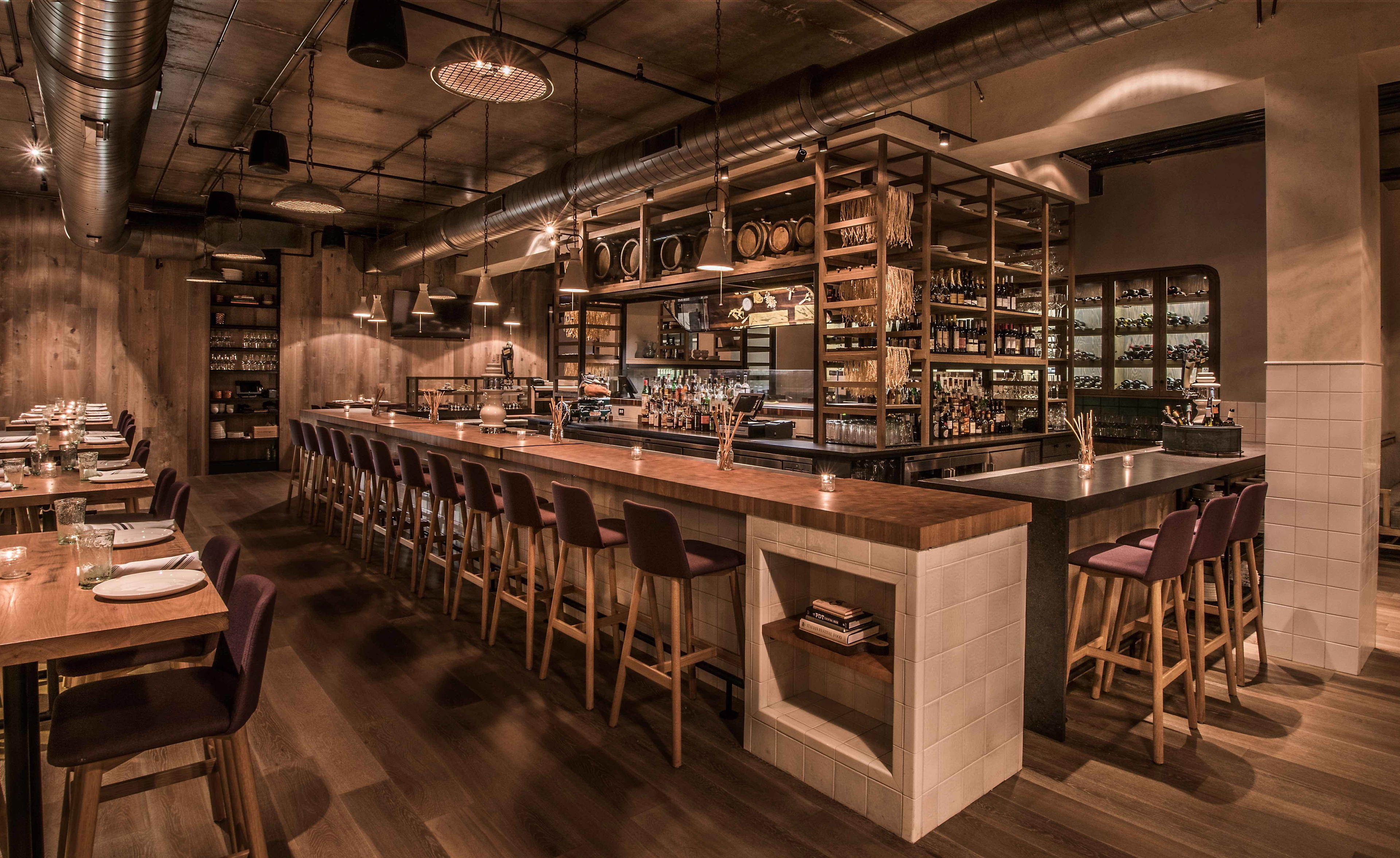
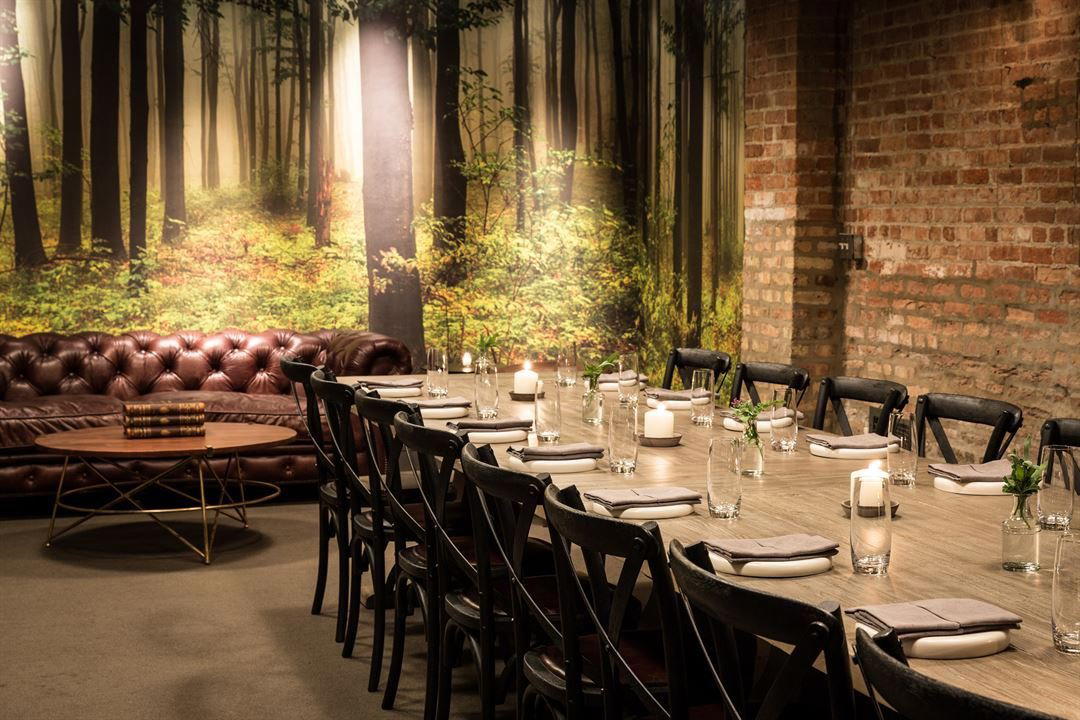
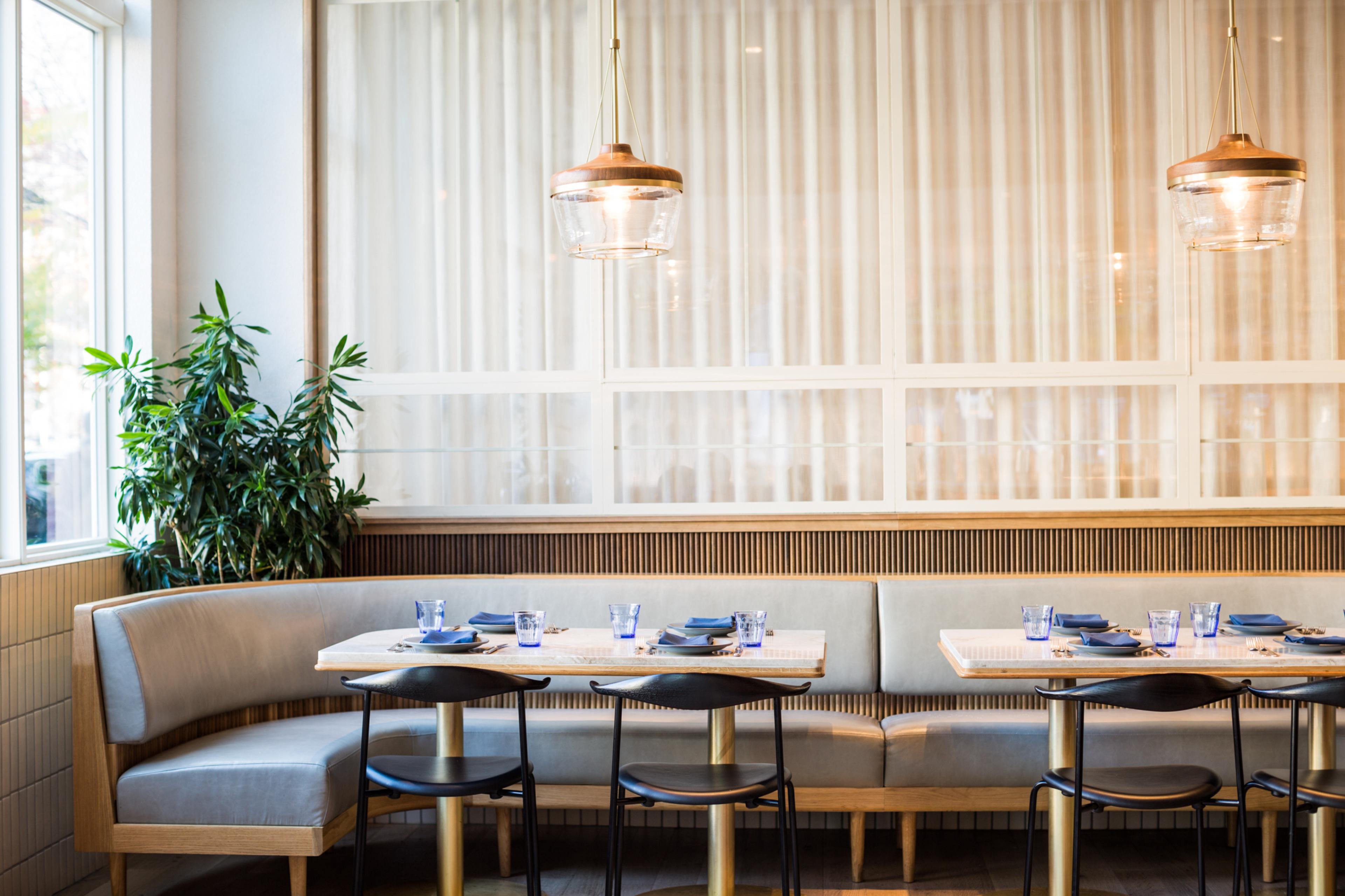
Cozy atmosphere with free-flowing drinks, barbecue aromas, and lively party vibe from live music in the front room.