Qiao Lin Hotpot
Our verdict
Qiao Lin Hotpot on South Jefferson Street sits inside Chicago's Chinatown-adjacent dining corridor, where the communal hotpot format has quietly built one of the city's most committed followings. The menu is structured around broth selection and protein tiers — a logical architecture that rewards returning guests who learn to move through it deliberately. It is the kind of place that earns loyalty through repetition, not spectacle.

Pearl is the En Primeur Club membership app — saves, bookings, and concierge access live there. Same editors, same standards.
- Address
- 2105 S Jefferson St Suite A, Chicago, IL 60616
- Phone
- (312) 600-9779
- Hours
- Mon–Sat 11:30 AM–10 PMSun 11:30 AM–9:30 PM
- Website
- qiaolinhotpot.com
- Directions
- Get directions
- Booking
- Book on the venue's website
Hotpot's Place in Chicago's Chinese Dining Scene
Chicago's Chinese restaurant corridor runs south from the Loop along Wentworth Avenue and spills into the streets surrounding Cermak Road, but the more interesting developments in recent years have happened at the edges of that zone, where newer operators have brought regional Chinese formats to addresses that don't carry the historical density of Chinatown's core. Qiao Lin Hotpot, at 2105 S Jefferson Street in the South Loop-adjacent pocket, belongs to this secondary tier — not the tourist-facing strip, but close enough to benefit from the same supply networks and dining culture that sustain the broader neighborhood.
Hotpot as a format occupies a particular position in American Chinese dining. Unlike dim sum, which demands kitchen choreography and a large labor force, or Peking duck, which requires days of preparation, hotpot's genius is that the cooking is distributed to the table. The kitchen's job is the broth, the mise en place, and the protein sourcing. The diner's job is timing. This structural inversion — where the restaurant prepares, but the guest cooks, changes the economics, the social dynamic, and the pacing of the meal in ways that have made the format popular across a range of price points and room sizes.
In Chicago, the hotpot category sits in a different competitive context than the fine-dining tier anchored by venues like Alinea, Smyth, and Oriole. Those restaurants sell precision and a fixed choreography. Hotpot sells something different: duration, communality, and a meal that belongs to the people eating it as much as to the kitchen producing it. That distinction matters when thinking about what a place like Qiao Lin is actually offering.
How the Menu Is Structured, and What That Reveals
In the hotpot format, the menu architecture is the proposition. What distinguishes one hotpot operation from another is primarily threefold: the broth program, the protein sourcing and tier structure, and the dipping sauce configuration. These three axes tell you almost everything about where a venue positions itself and how seriously it takes the format.
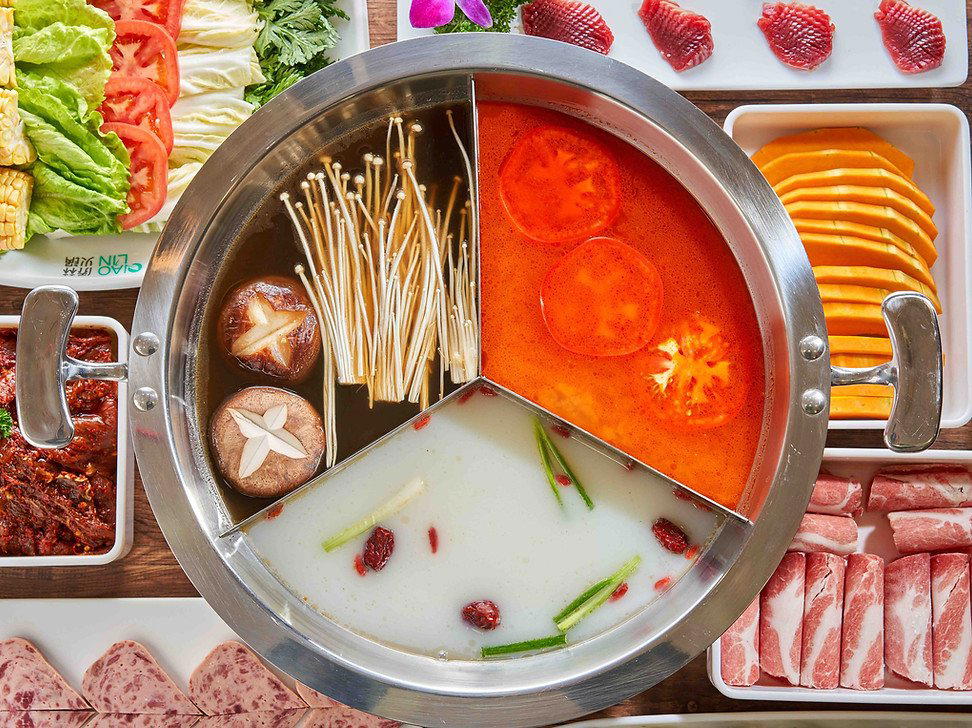
The broth is the most significant editorial statement any hotpot kitchen makes. In regional Chinese tradition, broths divide broadly between the numbing, oil-slicked heat of Sichuan mala, the clear and collagen-rich clarity of Cantonese-style stocks, and various regional hybrids that borrow from both. Many operations in American cities offer a split-pot option, half spicy, half mild, which serves groups with divergent tolerance levels and is now close to standard in the mid-tier hotpot market. The sophistication of the operation tends to show not in the number of broth options but in the depth of each one: whether the mala base carries the citrus-floral complexity of quality Sichuan peppercorn alongside the dried chili heat, or whether it reads as flat capsaicin.
Protein tier structure is the second axis. Entry-level cuts, sliced beef, pork belly, fish balls, anchor the accessible end of the menu. Premium tiers typically bring in wagyu-style beef, live seafood, and specialty offal cuts that appeal to regulars who know what they're ordering. This tiering is both a margin strategy and a signal about the kitchen's sourcing relationships. A venue with a credible premium protein tier is one with supply chains that reach beyond the standard distributor catalog.
The dipping sauce station, often self-service, completes the picture. The quality and range of the condiment setup, sesame paste, fermented tofu, fresh scallion, dried shrimp, oyster sauce, indicates how much the operation respects the guest's ability to compose their own sauce profile, which in Chinese hotpot tradition is considered a personal and somewhat serious matter.
South Jefferson Street as a Dining Address
The block at 2105 S Jefferson places Qiao Lin in a zone that sits between the South Loop's residential density and the commercial activity of the Chinatown corridor. It is not a dining destination street in the way that Randolph Street or the River North strip are, which means the clientele skews toward people who know what they're coming for rather than walk-ins drawn by window-shopping. This self-selecting dynamic tends to produce a more committed, return-visit-heavy customer base, the conditions under which a format like hotpot, which rewards familiarity, performs well.
Chicago's broader dining scene has expanded its Asian dining depth considerably over the past decade. The arrival and recognition of places like Kasama in the Filipino tier, alongside the continued evolution of the Michelin-recognized fine-dining corridor, has raised the editorial visibility of non-European cuisines across the city. Regional Chinese formats have benefited from this shift, with diners who previously might have defaulted to the format's most familiar expressions now more willing to engage with the structural specifics of what different regional traditions offer.
For context on how Chicago compares to other American cities with serious Chinese dining, or for a sense of where the city's fine-dining ambitions sit relative to peers like Le Bernardin in New York, Lazy Bear in San Francisco, or The French Laundry in Napa, the full Chicago restaurants guide provides the broader map. Hotpot sits at a different register than those tasting-menu destinations, but it draws from the same city-wide momentum around dining specificity and format literacy.
Planning Your Visit
Hotpot meals run long by design, ninety minutes to two hours is a reasonable expectation for a table working through a full protein selection at pace. Groups of three to five tend to get the most from the format, since a wider table can sample across broth styles and protein tiers without the redundancy that comes from a two-person order. Solo visits are possible but the format is architecturally communal, and the math of minimum orders in premium tiers can work against smaller parties.
The address at 2105 S Jefferson Street, Suite A, puts the restaurant within accessible range of the South Loop and Chinatown via the Red Line, with street parking more available than in the denser Chinatown core. For planning purposes, weekend evenings at popular hotpot venues in Chicago typically run at capacity, particularly during colder months when the format's appeal as a warming, slow meal intensifies. Weekday visits or early weekend slots tend to offer a more relaxed experience.
Address: 2105 S Jefferson St Suite A, Chicago, IL 60616. Budget: Hotpot pricing in Chicago's mid-tier typically ranges from moderate to mid-range per person before beverages, with premium protein selections adding meaningfully to the per-head cost. Format: Communal table, self-paced cooking at the table. Well suited for groups of three or more.
Frequently asked questions
What's Qiao Lin Hotpot's location?
Qiao Lin Hotpot is located at 2105 S Jefferson St Suite A, Chicago, IL 60616, Chicago.
How does Qiao Lin Hotpot fit into Chicago's South Loop dining options?
Qiao Lin occupies a specific geographic position at 2105 S Jefferson St — between the South Loop's residential density and the commercial activity of Chicago's Chinatown, roughly a half-mile west of the Wentworth Avenue restaurant strip. That placement makes it one of the few hotpot-focused operations accessible to South Loop residents without crossing into the Chinatown core. In a Chicago Chinese dining scene dominated by roast meats and dim sum formats, a dedicated hotpot house at this address fills a format gap in the immediate neighbourhood.
What do people recommend at Qiao Lin Hotpot?
Because the hotpot format puts the menu architecture at the center of the meal, the key decisions are broth selection and protein order. At hotpot operations in Chicago's Chinese dining corridor, regulars typically focus on the broth first — a spicy Sichuan base versus a cleaner stock — then build the protein selection around it. Qiao Lin sits at 2105 S Jefferson St, close enough to Chicago's Chinatown supply chains that ingredient quality tends to reflect that proximity.
Should I book Qiao Lin Hotpot in advance?
Hotpot meals run ninety minutes to two hours at a working pace, which means table turnover is slower than at a standard Chinese restaurant. For weekend evenings, arriving without a reservation at any Chicago hotpot spot in this corridor carries real risk of a wait. Contacting Qiao Lin directly via the address at 2105 S Jefferson St, Suite A, Chicago, IL 60616 is the most reliable way to confirm current booking policy.
What's the defining dish or idea at Qiao Lin Hotpot?
The defining proposition is the broth itself: in hotpot, every other element on the table is measured against it. The format places the cooking process at the table, making broth selection the first and most consequential choice. Qiao Lin operates within Chicago's Chinese dining scene, where hotpot has carved out a distinct space from the Cantonese and Sichuan restaurant formats that dominate Wentworth Avenue and the Cermak corridor.
A Quick Peer Check
Comparable venues nearby, for context on price, style, and recognition.
| Venue | Cuisine | Price | Awards | Notes |
|---|---|---|---|---|
| Qiao Lin HotpotThis venue — the venue you are viewing | Authentic Chongqing Hotpot | $30–50 | Not listed | Not listed |
| Pingpong | Chinese-Thai Fusion | $20–30 | Not listed | Lakeview |
| Qiao Lin Hotpot - Downtown | Authentic Chongqing Hotpot | $30–50 | Not listed | Downtown |
| Emperor's Choice | Cantonese Chinese | $20–30 | Not listed | Chinatown |
| Chez Poulet | French-inspired Chicken & Comfort Food | $20–30 | Not listed | Bucktown |
| Honky Tonk BBQ / The Tonk | Memphis-Style BBQ | $20–30 | Diners, Drive-Ins and Dives Featured Restaurant | Pilsen |