
On the 35th floor of Three on the Bund, Canton Table brings Michelin-recognised Cantonese cooking to one of Shanghai's most charged addresses. The room, remodelled in 2019 with bare cement bricks, terrazzo floors, and qipao murals, frames a short, season-driven menu that covers Cantonese barbecue, dim sum, and specialty dishes executed by a head chef with more than two decades in professional kitchens.
Pearl is the En Primeur Club membership app — saves, bookings, and concierge access live there. Same editors, same standards.
- Address
- China, 3号外滩三号CN 上海市 黄浦区 中山东一路 35层 邮政编码: 200002
- Phone
- +86 21 6321 3737
- Website
- threeonthebund.com
- Directions
- Get directions
 Saves & bookings on Pearl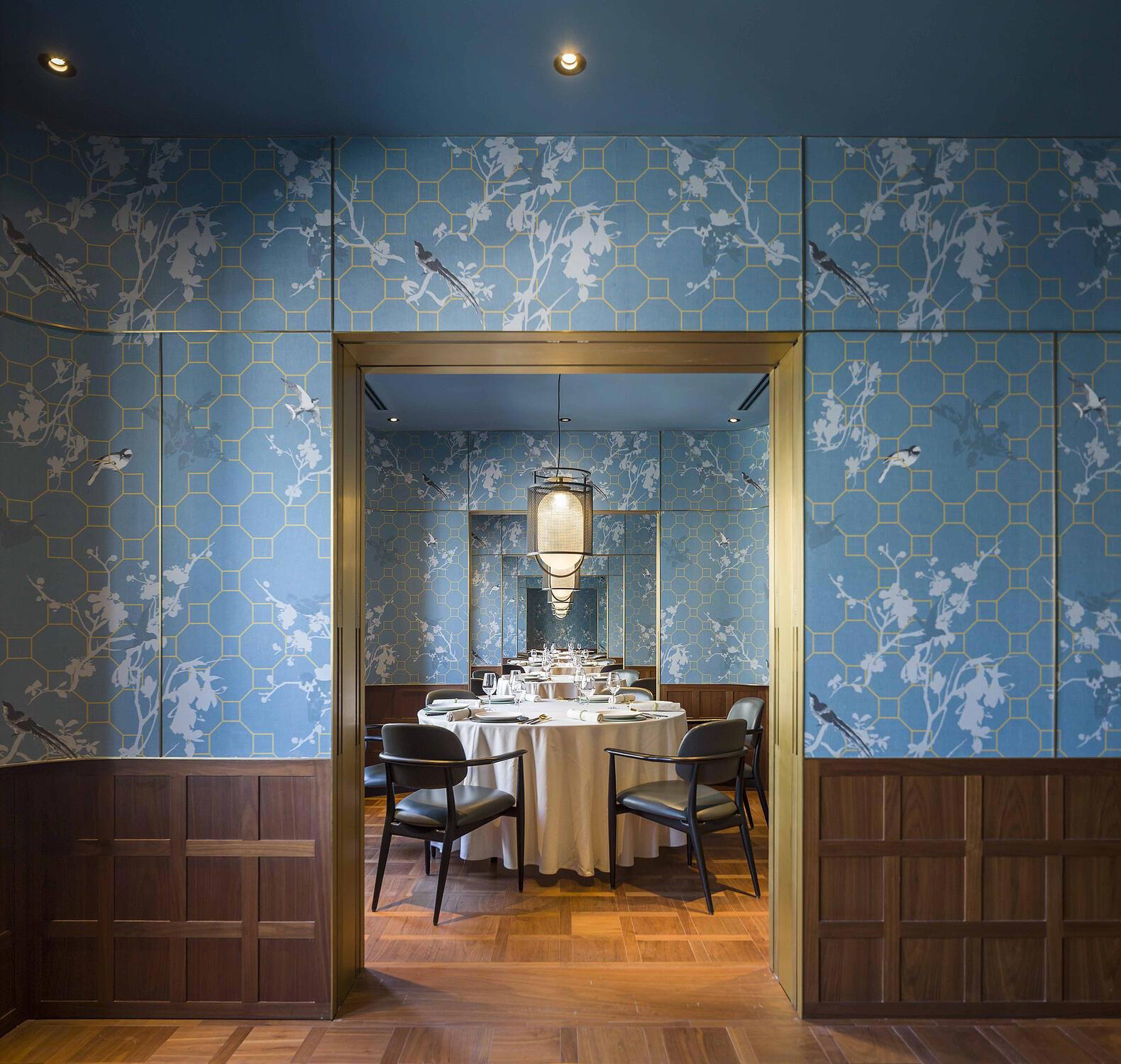
Bund Height, Cantonese Depth
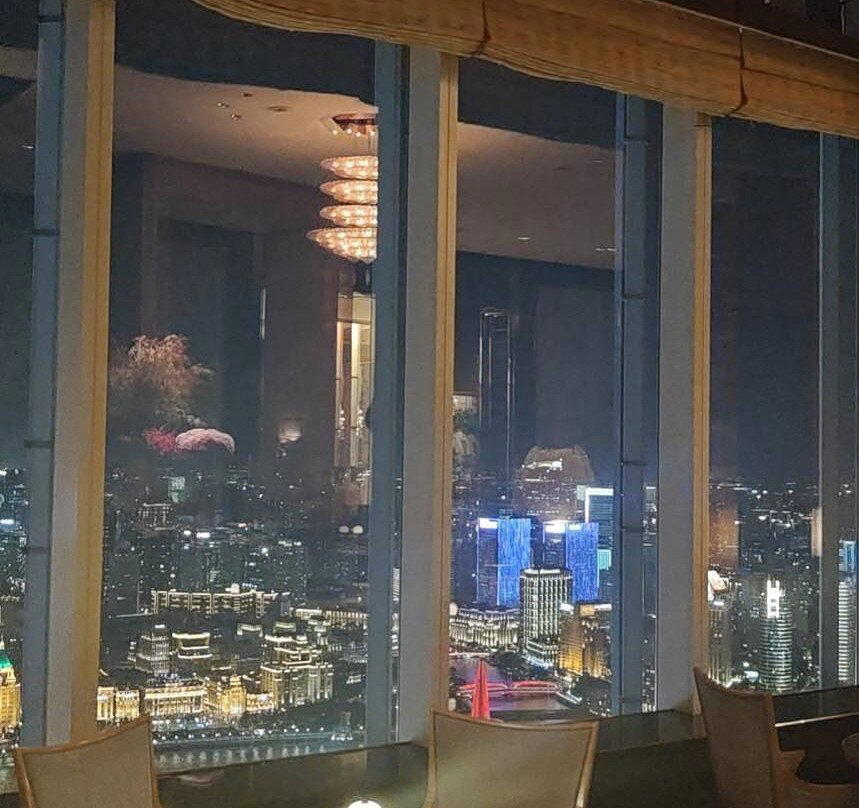
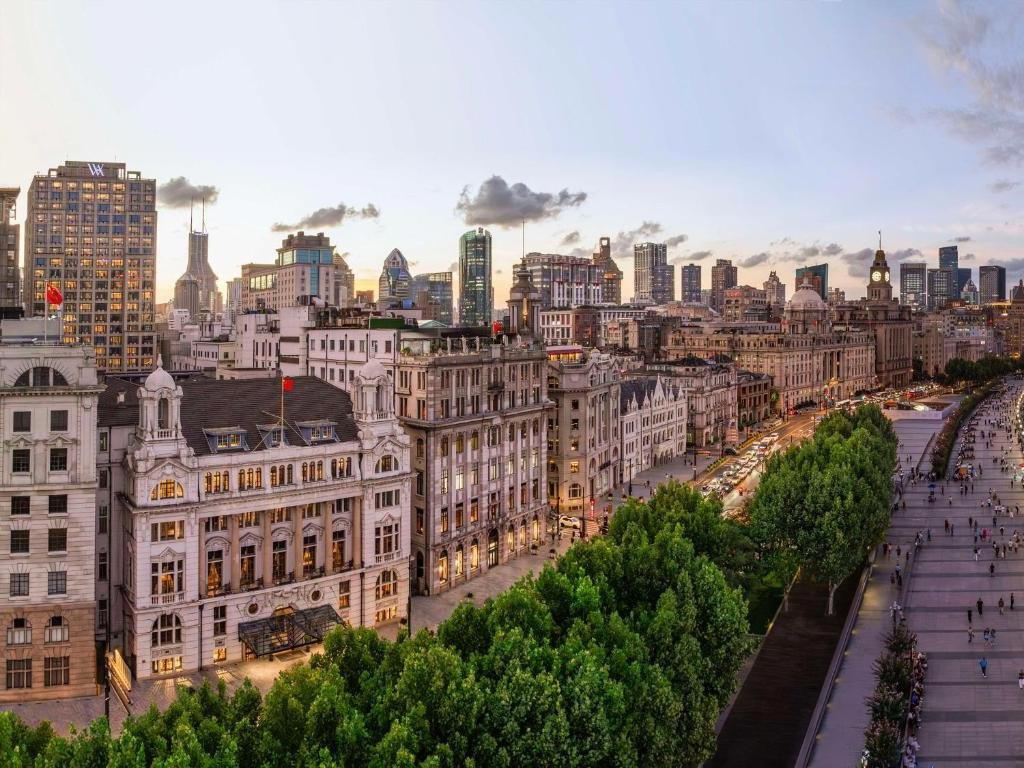
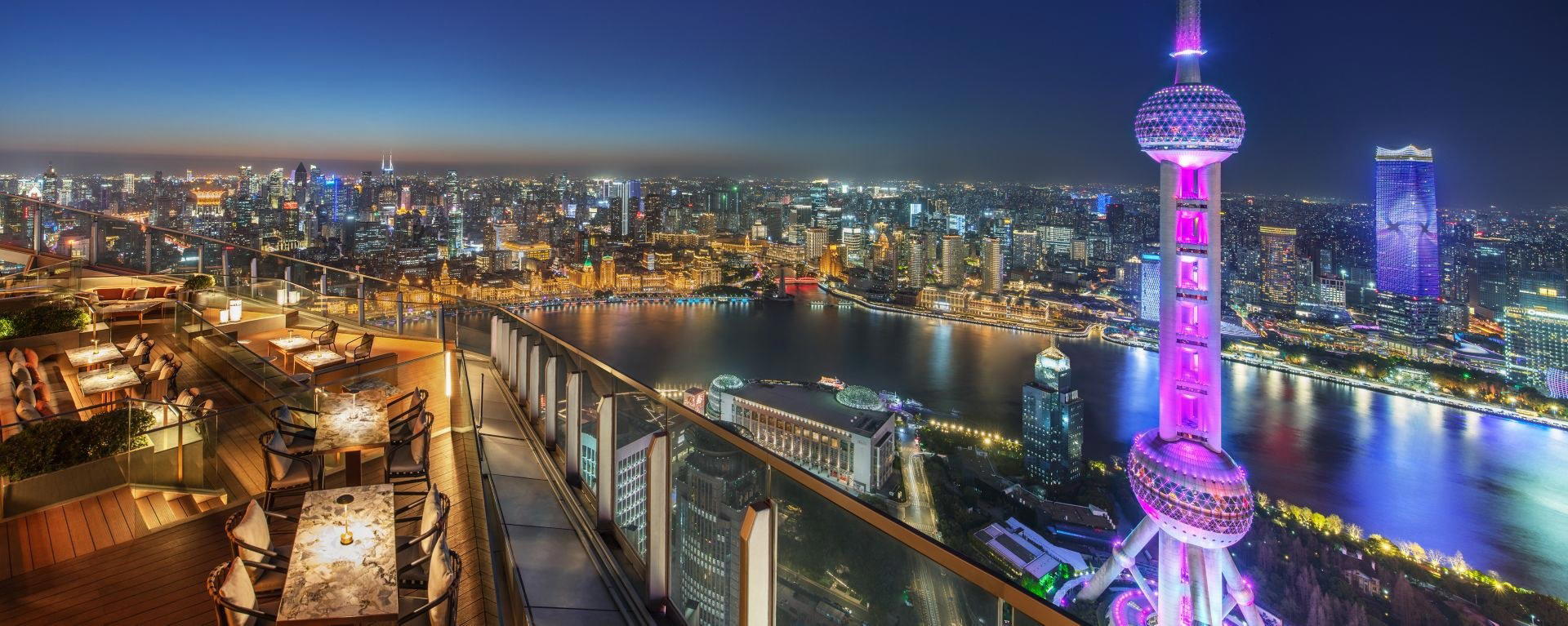
Canton Table is a one-star Michelin restaurant in Shanghai's Huangpu district serving modern Cantonese cuisine at Three on the Bund on the 35th floor. The building has hosted major restaurants across several eras, and the view over Pudong from this elevation remains one of the more arresting in the city. What Canton Table adds to that setting is a case for Cantonese cooking as the appropriate cuisine for a room this serious: refined, technically demanding, and historically underrepresented in the Bund corridor, where European and Japanese formats have long dominated the leading floors.
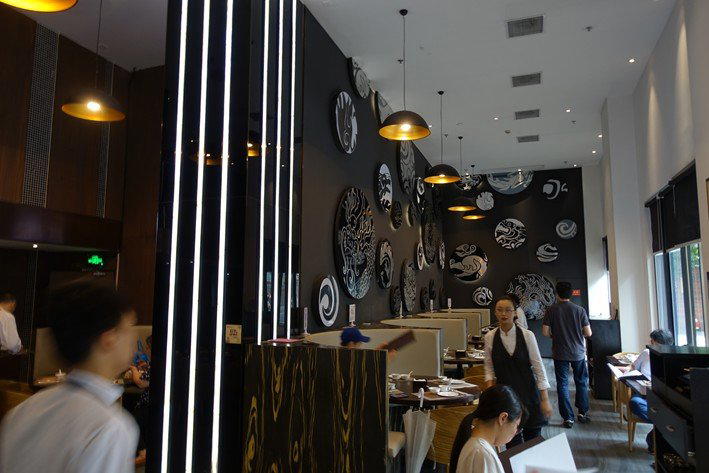
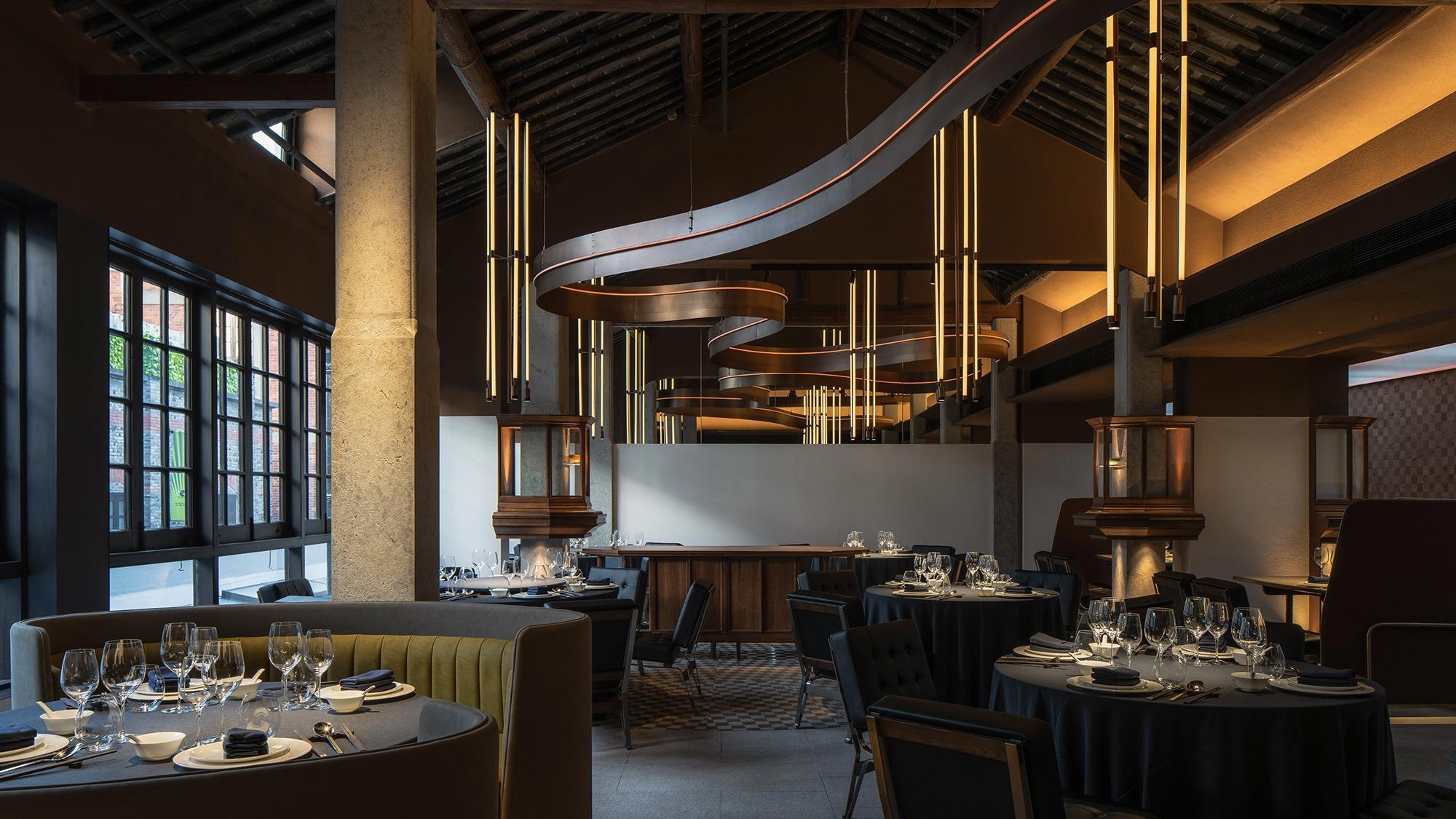
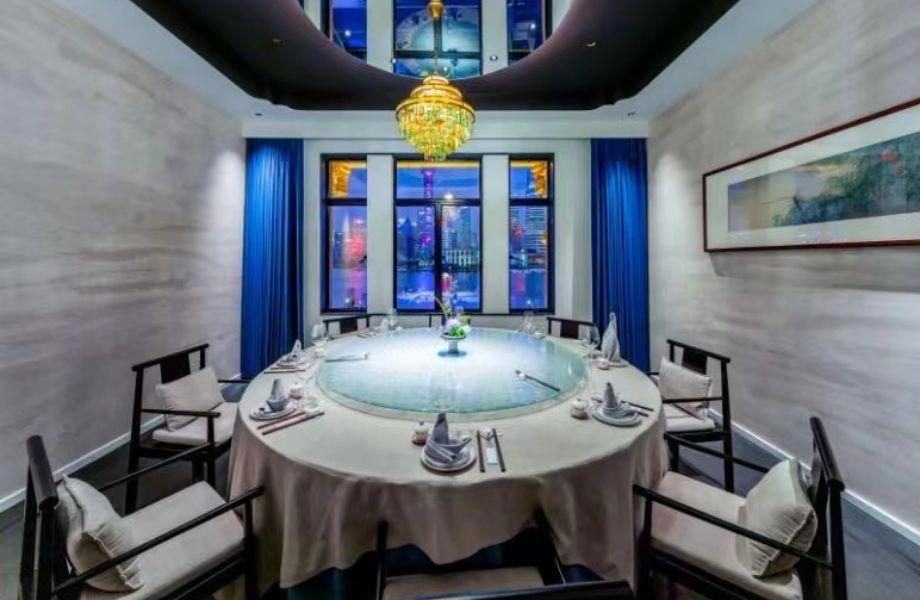
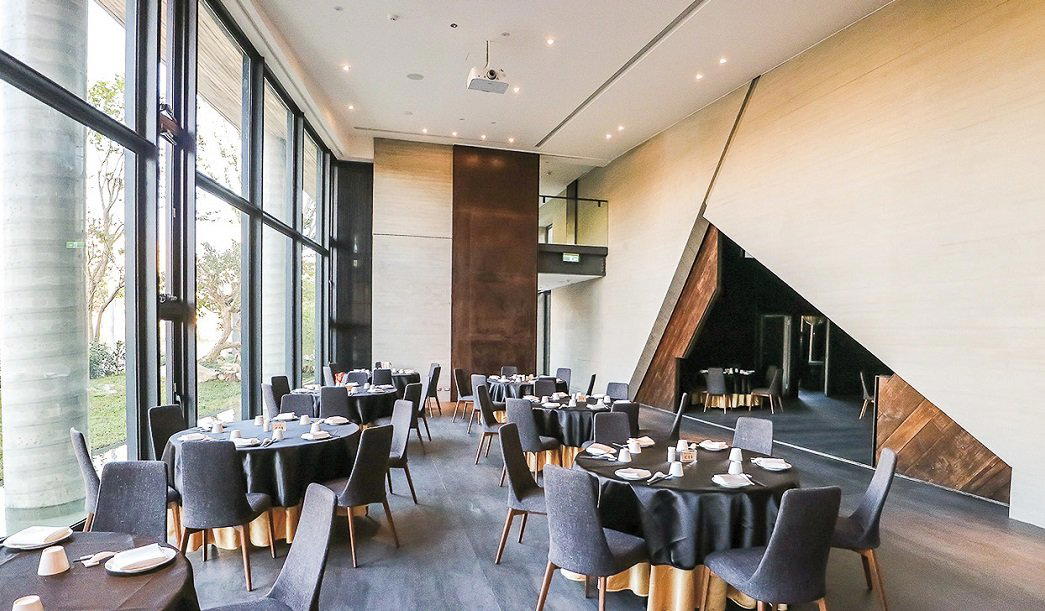
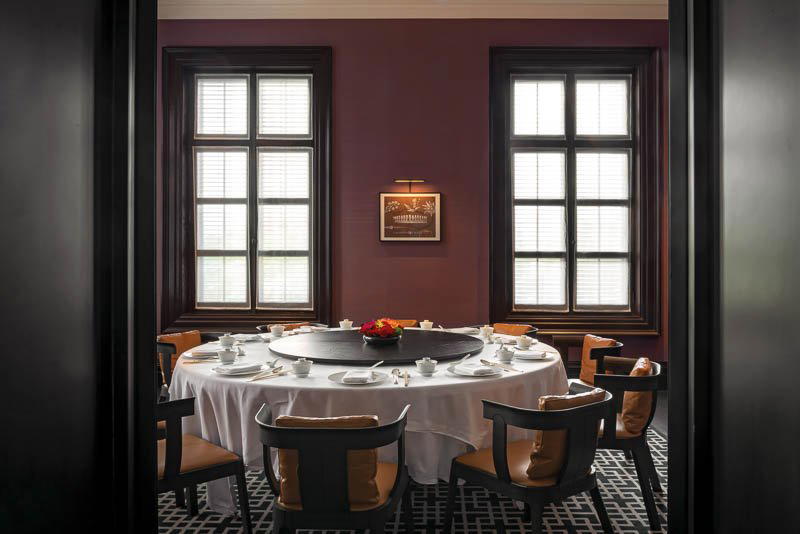
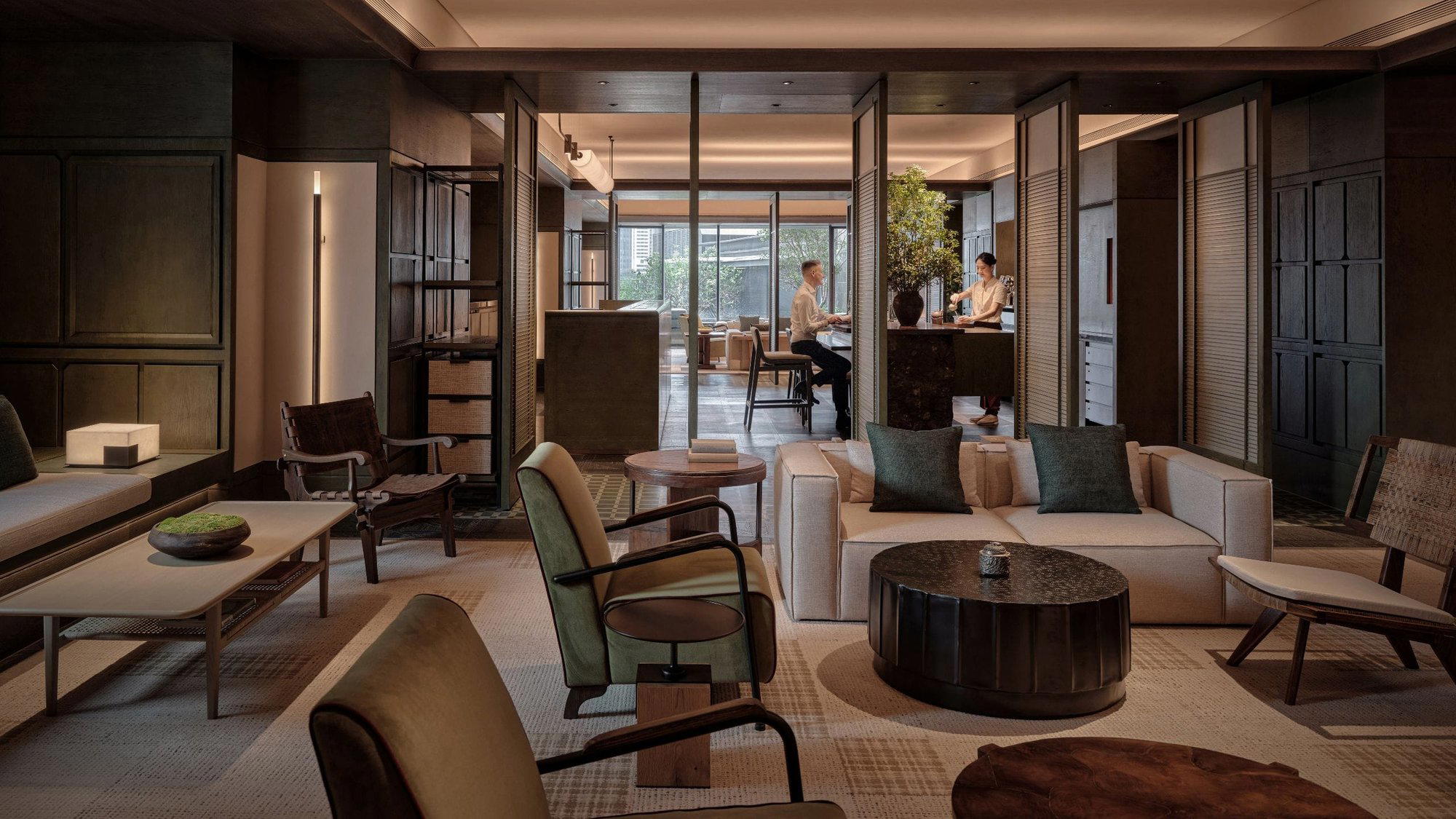
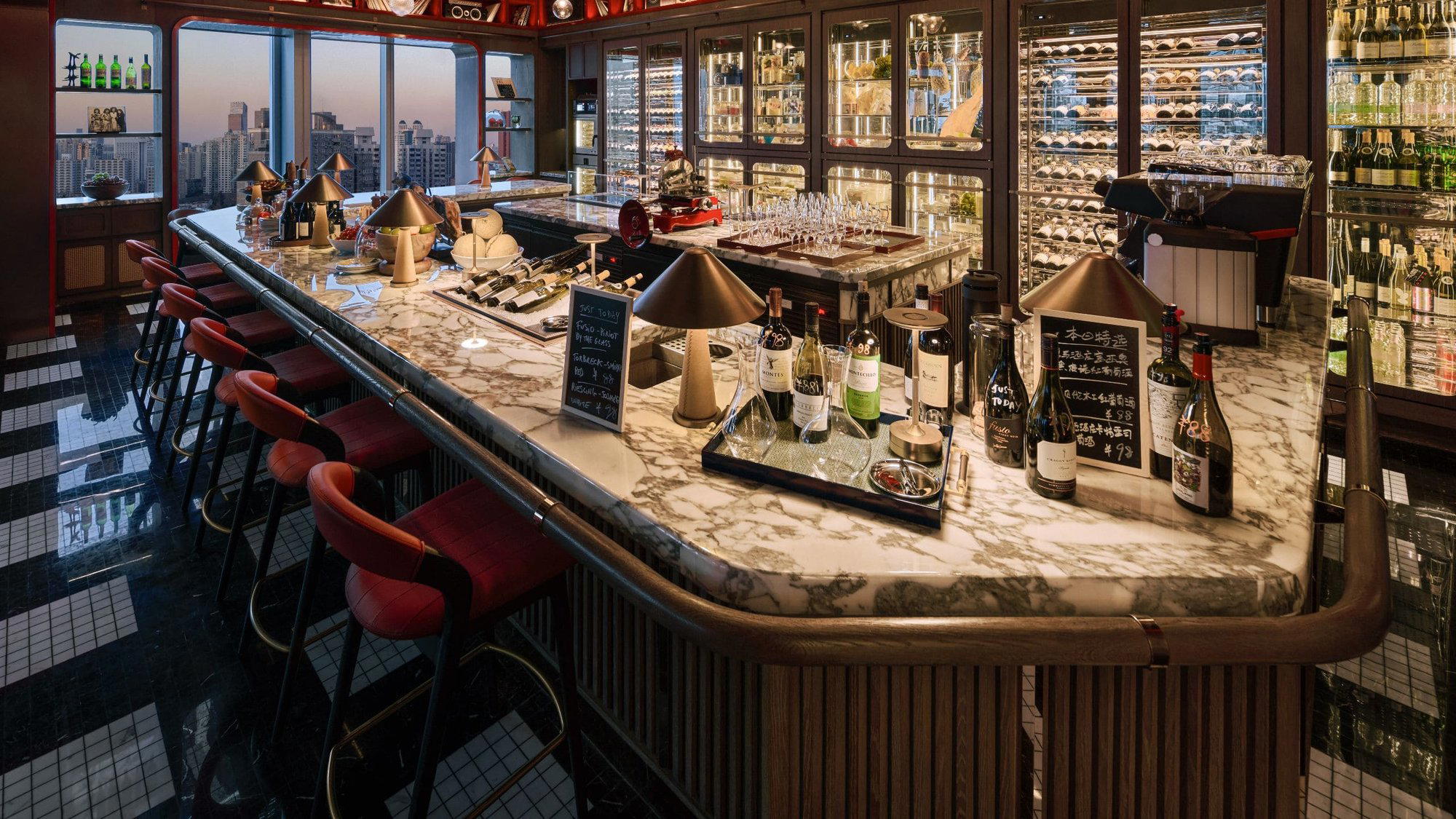
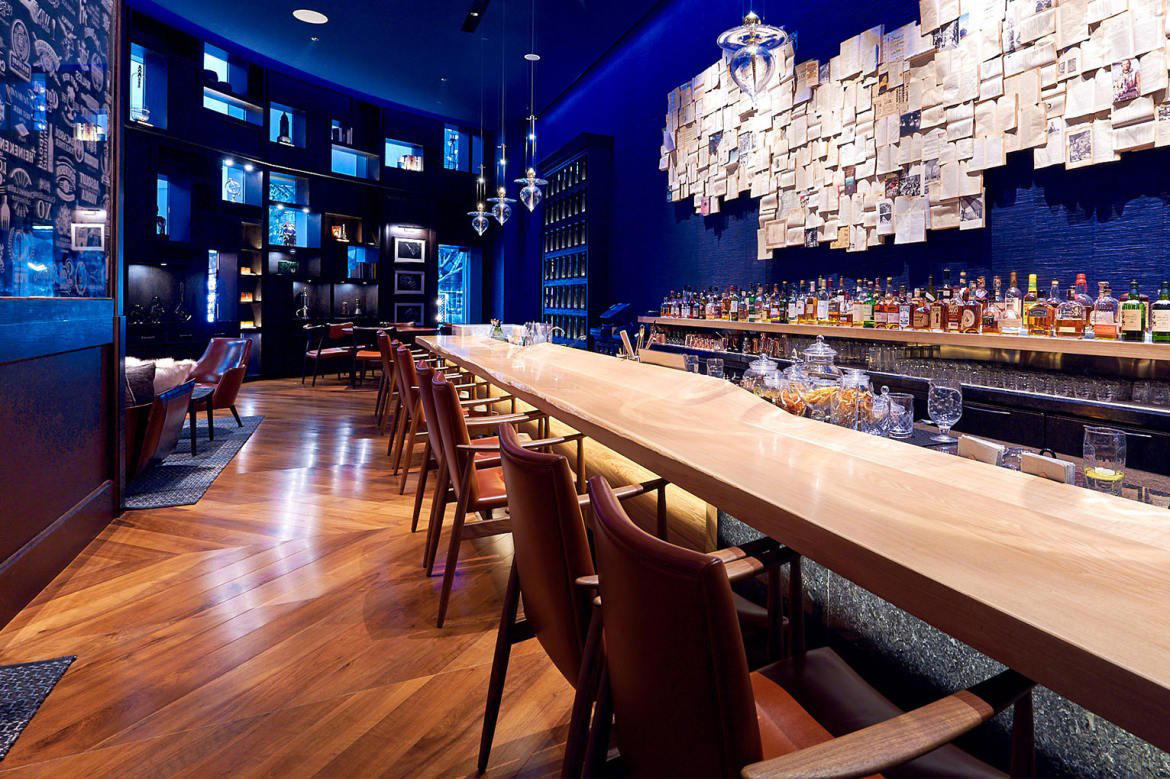
The 2019 remodel shaped a room that does something relatively uncommon at this altitude: it leans local. Bare cement bricks, terrazzo flooring, and murals of women in qipao place the interior in a dialogue with old Shanghai rather than a generic luxury template. The visual references are Cantonese and Republican-era Chinese, a period when Shanghai and Guangdong maintained close cultural and commercial ties. The aesthetic choice signals the kitchen's intent before a single dish arrives.
Where Cantonese Cooking Sits in Shanghai
Cantonese cuisine occupies a specific and occasionally misunderstood position in Shanghai's restaurant market. It is not native to the city, Shanghai's own culinary tradition runs through hongshao braising, freshwater fish, and hairy crab season, but Cantonese restaurants have been present in Shanghai for over a century, carried by the same merchant and migrant networks that connected the Pearl River Delta to the Yangtze estuary. Today, the city's Cantonese tier has consolidated around a relatively small number of Michelin-tracked addresses, many of them in hotels or premium mixed-use buildings, all competing on ingredient sourcing, dim sum precision, and the quality of their barbecue programs.
Within that comparable set, Canton Table holds a Michelin one-star as of 2024, which places it in verified company alongside a handful of addresses across the city. Comparable Cantonese programs in the ¥¥¥ price range include Canton 8 (Huangpu) and Bao Li Xuan, while the higher end of the city's Chinese fine-dining spectrum runs through addresses like Imperial Treasure Fine Chinese Cuisine and Ji Pin Court. Canton Table's one-star positions it above the casual tier and inside the group where cooking technique, seasonal sourcing, and front-of-house formality are the criteria by which visits are judged.
For a broader view of what Shanghai's restaurant scene offers across cuisines and price points, the EP Club Shanghai restaurants guide maps the full range.
The Menu: Restraint as a Cantonese Virtue
Cantonese cooking at this level is defined by what it does not do. The cuisine's orthodoxy prizes freshness over transformation, clear stocks over heavy reductions, and the natural sweetness of premium ingredients over aggressive seasoning. A short menu, which is what the restaurant runs, is therefore not a limitation but a statement of confidence: the kitchen is betting that its sourcing and technique are sufficient, rather than obscuring range with volume.
The menu covers the three pillars of formal Cantonese dining: barbecue meats, dim sum, and seasonal specialty dishes. Barbecue, char siu, roast duck, crispy pork, is both a technical benchmark and a cultural touchstone in Cantonese tradition; a kitchen's barbecue quality is often read as a proxy for its overall discipline. Dim sum at this tier operates on different parameters than a mid-morning yum cha: the items are fewer, the execution is tighter, and the expectation is that each piece demonstrates command of pastry, filling balance, and timing. Seasonal dishes rotate with availability, which in Cantonese cooking means tracking both the calendar and the sourcing network.
One documented specialty is scrambled egg with shredded fried fish maw, a dish that illustrates how Cantonese cooks treat luxury ingredients. Fish maw, the dried swim bladder of large fish, is a classic Chinese banquet ingredient prized for its collagen-rich texture. Combining it with soft-scrambled egg creates a study in textural contrast: the yielding silk of the egg against the spongy resistance of the maw, unified by the richness that comes when high-heat wok technique is applied to both. It is the kind of dish that reads quietly on the menu and arrives with more complexity than its description suggests.
In the Cantonese tradition, where classical technique is cumulative and mastery is measured in years rather than creative pivots, that depth of training is the relevant credential. The cuisine does not reward improvisation; it rewards precision built over time.
Cantonese at Altitude: The Regional Comparison
Positioning the restaurant within the broader regional conversation about Cantonese fine dining requires a short geography lesson. The cuisine's most decorated addresses remain in Hong Kong, where Forum represents one of the genre's most established names. Across the Taiwan Strait, Le Palais in Taipei has attracted significant critical attention for its classical Cantonese program. On the mainland, the concentration of serious Cantonese cooking has historically clustered around Guangzhou and Shenzhen, but Shanghai and Beijing have both developed credible outposts: Xin Rong Ji in Beijing and Imperial Treasure Fine Chinese Cuisine in Guangzhou each represent the category's ambitions in their respective cities. Macau adds another node through addresses like Chef Tam's Seasons.
The takeaway for a traveller thinking seriously about Cantonese cooking across China is that the style has travelled and adapted without abandoning its technical core. The restaurant sits within that network as Shanghai's answer: a Michelin-verified program in a premium setting, applying Pearl River Delta technique to Yangtze Delta ingredients and serving it to a clientele that includes both local diners who know the cuisine intimately and international visitors for whom this may be their most considered encounter with the tradition. Nearby in the region, Ru Yuan in Hangzhou and Xin Rong Ji in Chengdu extend the map of serious Chinese cooking worth tracking in the Yangtze corridor. And for those exploring Shanghai's dining more broadly, 102 House and Dai Yuet Heen in Nanjing offer adjacent reference points for the region's Chinese fine-dining circuit.
Planning a Visit
The restaurant sits on the 35th floor of Three on the Bund, at 3 Zhongshan East First Road in Huangpu, one of the more accessible premium dining addresses in the city given the building's position directly on the riverside promenade. Given the Michelin one-star and the building's profile, booking ahead is the sensible approach, particularly for weekend dinner and for the window tables that command the full Pudong view. The seasonal nature of the menu means the experience shifts meaningfully across the year; autumn, when Shanghai's ingredient markets are at their peak, tends to produce particularly compelling iterations of seasonal Cantonese menus in the city.
Peers Worth Knowing
Comparable venues nearby, for context on price, style, and recognition.
| Venue | Cuisine | Price | Notes |
|---|---|---|---|
| Canton TableThis venue — the venue you are viewing | Modern Cantonese | $$$ | Not listed |
| Wu You Xian | Michelin-Starred Crab Xiaolongbao Dim Sum | $$$ | Huangpu |
| Zhou She (Minhang) | Shanghainese | $$$ | Hongqiao |
| Fu 1039 | Traditional Shanghainese | $$ | Jing An Si |
| Oriental Sense & Palate | Modern Chinese Fine Dining | $$$ | Lu Jia Zui |
| Da Dong (Xuhui) | Traditional Peking Duck & Chinese Fine Dining | $$$ | Hongkou |
Recognition history
Dated appearances from independent guides and award organizations, with the underlying list record or original source where available.
Michelin 1 Star
Michelin
Michelin 1 Star
Michelin
At a Glance
- Elegant
- Sophisticated
- Classic
- Modern
- Date Night
- Business Dinner
- Group Dining
- Special Occasion
- Open Kitchen
- Private Dining
- Craft Cocktails
- Skyline
Chic old-Shanghai flair with exposed brick, terrazzo floors, qipao murals, white tablecloths, and elegant lighting creating a sophisticated yet nostalgic atmosphere.