void

Resy Best of the Hit List
Our verdict
void occupies a Milwaukee Avenue address in Logan Square, operating in a Chicago dining tier where neighborhood ambition regularly outpaces Loop formality. A 2025 Resy Hit List honoree, it competes in the same city conversation as the Filipino-inflected fine dining of Kasama and the progressive tasting formats anchored further north. The daytime and evening divide here is sharp enough to treat each service as a distinct proposition.

Pearl is the En Primeur Club membership app, where members save venues, book tables and use the concierge.
The menu
What to order
- Spaghetti Un O's
- Focaccia
- Lasagna
- Vodka Sauce
Milwaukee Avenue and the Neighborhood Fine Dining Shift
Chicago's most interesting dining moves have been happening away from the River North corridor for some time. Logan Square and the stretch of Milwaukee Avenue running through it have absorbed a generation of chefs and operators who chose neighborhood scale over downtown visibility, building programs that earn national recognition without the overhead of a tourist-district address. void, at 2937 N Milwaukee Ave, sits squarely in that pattern, earning a spot on Resy's 2025 Hit List, a curation that has correctly identified early momentum at places like Kasama and other Chicago operators before they reached broader critical consensus.
The Hit List recognition matters as a trust signal, but it also places void in a specific competitive tier: not the four-star, tasting-menu-only format of Alinea or Oriole, not the prix-fixe experimentation of Next Restaurant, but the more fluid neighborhood tier where a la carte flexibility and genuine cooking ambition share the same room. That tier has proven durable in Chicago. It produced Smyth before it collected its own accolades, and it continues to generate the city's most reliable dinner-to-return ratio.
The Lunch and Evening Divide
In Chicago's neighborhood restaurant category, the gap between daytime and evening service is often where a restaurant reveals its actual priorities. A kitchen that runs both services with equal seriousness signals a different kind of operation than one that treats lunch as an afterthought or a revenue-cover exercise. The better Milwaukee Avenue addresses have learned that the lunch or brunch crowd in Logan Square is not a captive audience settling for less; it is often the same guest who returns at dinner once the format earns the repeat.
Evening service at this address on Milwaukee carries the weight of the Resy recognition, when the room presumably operates at full intention and the full range of the kitchen's output is available. Daytime, depending on what void runs, tends to draw a more casual decision-making process from the neighborhood, lighter in ceremony and often more revealing of what the kitchen can do without the scaffolding of a formal dinner structure. The value equation also typically shifts between services: Chicago's neighborhood tier consistently offers better per-dish pricing at lunch than at dinner, making the earlier service the higher-efficiency entry point for a first visit.
Across the broader American city dining scene, the restaurants that earn sustained editorial attention, from Lazy Bear in San Francisco to Providence in Los Angeles, have generally resolved the lunch-dinner tension deliberately, either committing to a single service or differentiating the two with enough menu logic that each justifies itself on its own terms. How void handles that divide is among the more useful things a first-time visitor can observe.
Where void Sits Relative to Chicago's Wider Field
The Chicago restaurant field above a certain quality threshold breaks into recognizable sub-tiers. At the leading, the tasting-menu-only format, anchored by Alinea's three-Michelin-star program and Oriole's two-star counter, demands full evening commitment and budget allocation that competes with destinations like The French Laundry in Napa or Le Bernardin in New York for a traveler's finite fine-dining budget. Below that tier, the more flexible neighborhood format, where void appears to operate, is where Chicago has historically produced some of its most consistent cooking, without the theatrical expectations that come attached to the top tier.
Internationally, the neighborhood-serious format has equivalents in places like Atomix in New York and SingleThread Farm in Healdsburg, both of which built reputations from a defined geographic identity before accumulating broader recognition. 8½ Otto e Mezzo Bombana in Hong Kong shows the same pattern across a different culinary tradition: a specific address, a specific point of view, recognition that followed rather than preceded the cooking. The Resy Hit List 2025 citation for void belongs to the same sequence, an early signal rather than a retrospective award.
For Chicago visitors building a multi-night itinerary, void occupies a useful position in the rotation: after the tasting-menu commitments to Alinea or Smyth have been scheduled, void represents the kind of evening, or afternoon, where the guard comes down and the cooking can be assessed at a different register. Consult our full Chicago restaurants guide to map void against the wider field, and use our Chicago hotels guide to position your base relative to the Logan Square neighborhood, which sits northwest of the Loop and is most efficiently reached by the Blue Line or a direct ride.
Logan Square as Context
The neighborhood surrounding 2937 N Milwaukee is not incidental to how void reads as a dining proposition. Logan Square has functioned as Chicago's most productive incubator of serious independent restaurants for over a decade, with a density of operator ambition per block that few other American neighborhoods match outside of Brooklyn or the Mission District in San Francisco. The addresses along Milwaukee Ave in this stretch benefit from foot traffic that skews toward regulars rather than tourists, which tends to produce a different kind of hospitality energy in the dining room: more knowledgeable, less performative, and more oriented toward a guest who already knows what they want.
That audience shapes the room even on a first visit. The Logan Square crowd that supported the early growth of Kasama into a nationally recognized Filipino fine-dining address is the same crowd that will have found void before many out-of-town visitors arrive. That local validation, independent of awards, is often the more reliable indicator of a restaurant's actual daily standard. See our Chicago bars guide, our Chicago wineries guide, and our Chicago experiences guide for companion programming in and around the neighborhood. Emeril's in New Orleans built a similar neighborhood credibility before national recognition arrived, illustrating the same pattern across a different city's dining culture.
Planning Your Visit
Address: 2937 N Milwaukee Ave, Chicago, IL 60618. Neighborhood: Logan Square, accessible via the CTA Blue Line (Logan Square stop). Reservations: Check Resy, which listed void on its 2025 Hit List, as the primary booking channel for this address type. Timing: Given the Resy recognition and the neighborhood's dining density, booking ahead for weekend evening service is advisable; weekday lunch or early dinner typically offers more flexibility. Budget:
Frequently asked questions
Is void a family-friendly restaurant?
How would you describe the vibe at void?
Compact Comparison
| Venue | Cuisine | Price | Awards | Notes |
|---|---|---|---|---|
| voidThis venue (the venue you are viewing) | Modern Italian-American | $30–50 | Resy Best of the Hit List | Not listed |
| Alinea | Avant-Garde Molecular Gastronomy | $300–500 | 2 Michelin Stars · World's 50 Best #37 | Progressive American, Creative |
| Smyth | Modern American Tasting Menu | $200–300 | 3 Michelin Stars · World's 50 Best #1 | Progressive American, Contemporary |
| Kasama | Modern Filipino | $30–50 | 2 Michelin Stars · World's 50 Best #31 | Filipino |
| Next Restaurant | Avant-Garde Themed Tasting Menus | Not listed | 1 Michelin Star · We're Smart World 2 Radishes | American Cuisine |
| Boka | Modern American Seasonal Fine Dining | $150–200 | 1 Michelin Star · La Liste Top Restaurants | New American, Contemporary |
Recognition history
Dated appearances from independent guides and award organizations, with the underlying list record or original source where available.
Resy Best of the Hit List
Resy
Continue exploring
More in Chicago
Restaurants in Chicago
All restaurants in Chicago →
Bars in Chicago
All bars in Chicago →


Details
- Romantic
- Cozy
- Trendy
- Intimate
- Date Night
- Casual Hangout
- Special Occasion
- Open Kitchen
- Craft Cocktails
- A La Carte
- Small Plates
- Vegetarian Friendly
- Vegan Options
- Gluten Free Options
Current opening hours
- Monday
- Closed
- Tuesday
- 5–10 PM
- Wednesday
- 5–10 PM
- Thursday
- 5–10 PM
- Friday
- 5–11 PM
- Saturday
- 5–11 PM
- Sunday
- 10 AM–2 PM, 5–9 PM
Hours can change for holidays and private events. Hours as of .
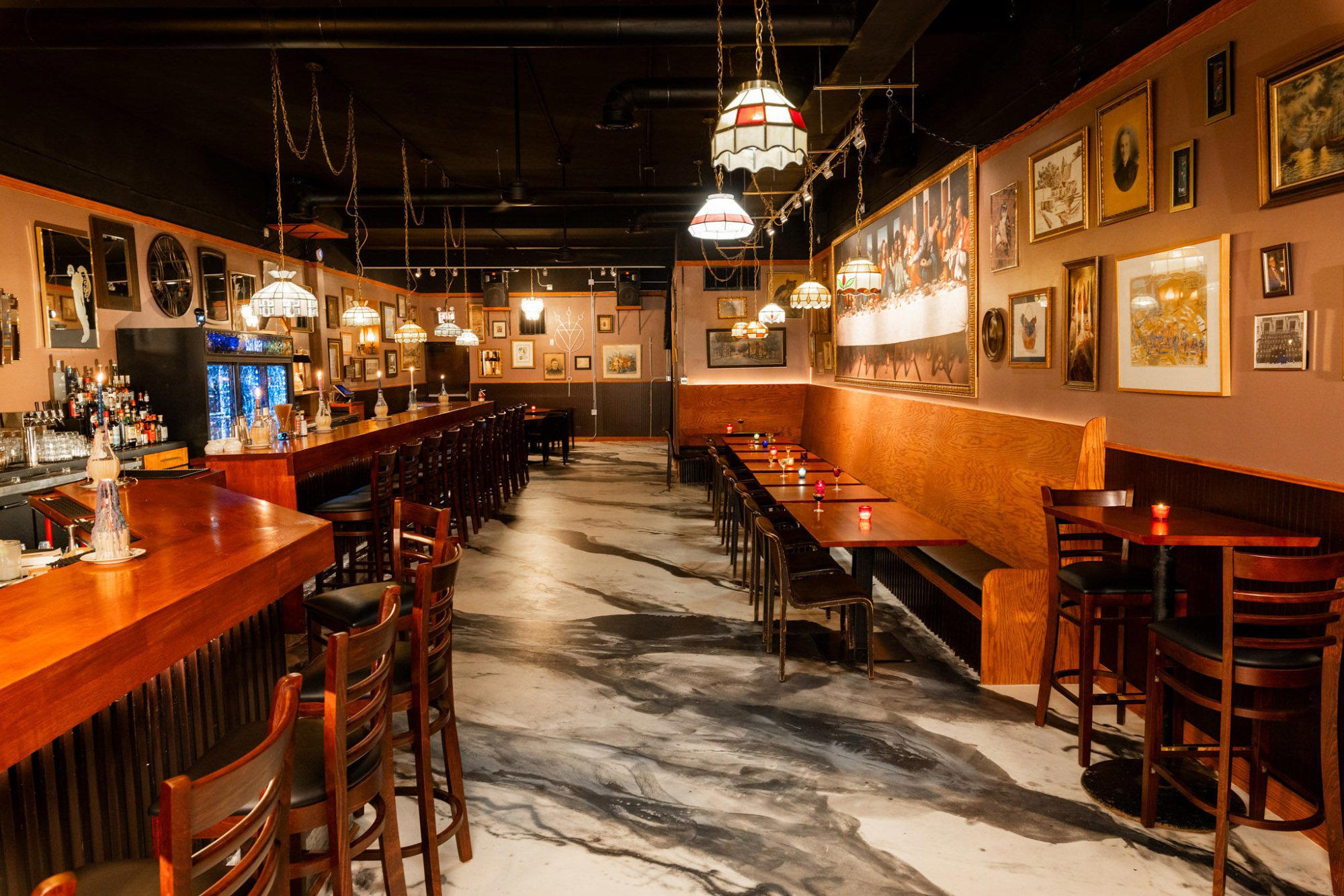
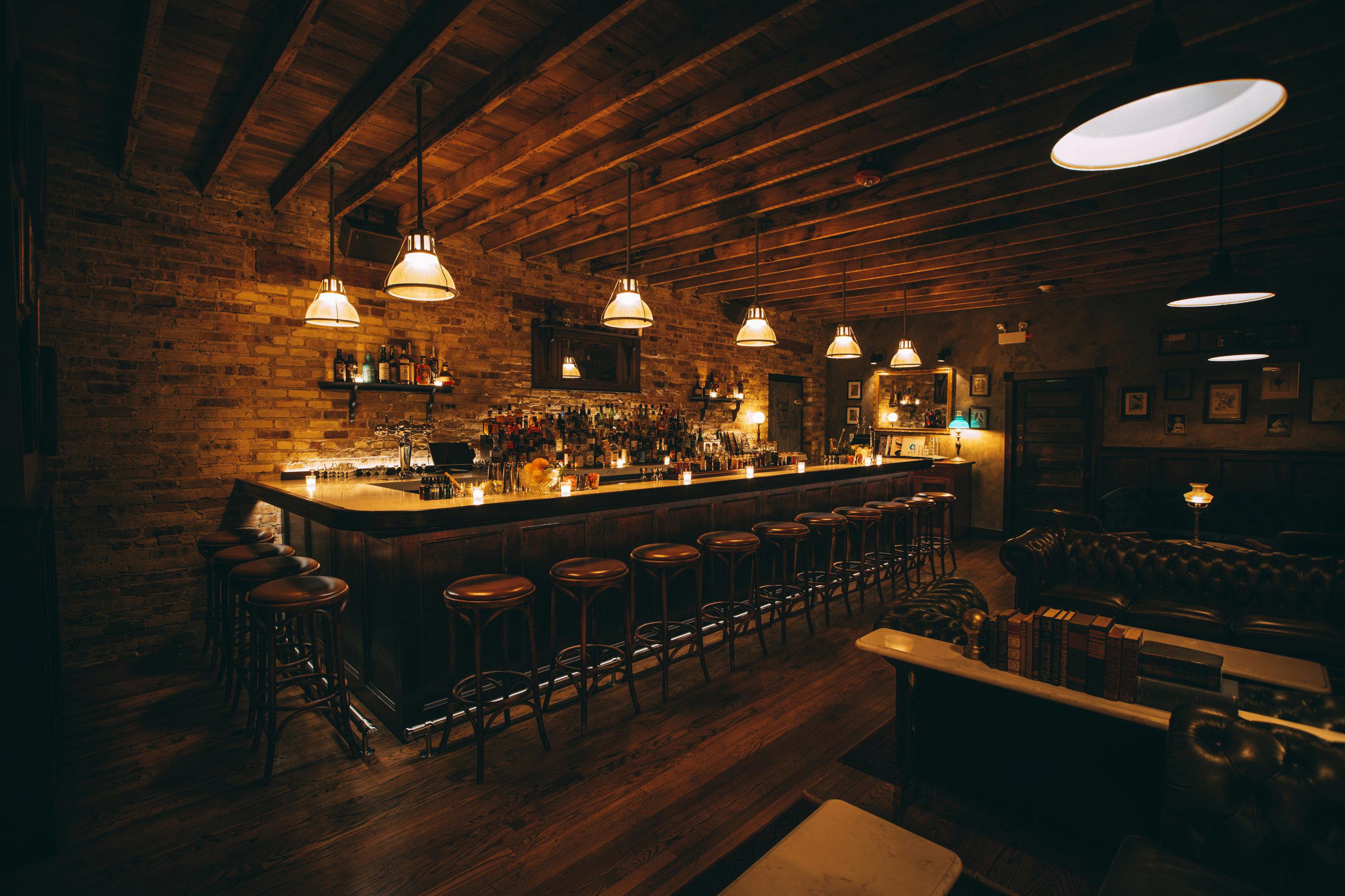
Romantic and inviting with vintage decor, dark wood accents, red leather booths, stained-glass lamps, Chianti bottle candles, and nostalgic bar evoking 1970s Italian-American spots.