Macello
Our verdict
Macello occupies a former meatpacking facility on West Lake Street, a address that roots it firmly in Chicago's industrial Near West Side before a single dish arrives. The space signals the neighbourhood's transformation from working trade corridor to one of the city's more consequential dining blocks, placing it alongside a generation of restaurants that have made that stretch of the 60607 zip code worth planning around.

Pearl is the En Primeur Club membership app, where members save venues, book tables and use the concierge.

The menu
What to order
- Orecchiette Cime di Rapa
- Braciola
- Pizza Molese
- Tartufata
A Building That Remembers Its Past Use
West Lake Street in Chicago's Near West Side has undergone one of the more deliberate reinventions in American urban dining over the past two decades. What was once a working industrial corridor connecting the meatpacking and cold-storage trades to the city's distribution network now runs through a dining and hospitality zone that includes some of the most discussed restaurant addresses in the Midwest. Macello sits at 1235 W Lake St, inside a structure whose name, Italian for slaughterhouse, makes no effort to obscure the building's origins. That transparency sets a tone before the door opens.
Chicago has a longer and more specific relationship with the meatpacking industry than almost any other American city. The Union Stock Yards defined the city's economic identity from the 1860s through the mid-twentieth century, and the cultural weight of that history runs through neighbourhoods like the Near West Side in ways that shape how spaces are read. A restaurant that takes the word macello as its name is making a deliberate gesture toward that inheritance, whether the execution is Italian in origin, American in interpretation, or something that spans both traditions.
The Near West Side Dining Context
To understand where Macello positions itself, it helps to map the broader competitive set operating along this stretch of Chicago. The city's highest-tier restaurants have historically clustered in River North and the Gold Coast, but the past decade has redistributed prestige across multiple neighbourhoods. The West Loop and its immediate surroundings, including the Lake Street corridor, now hold a concentration of serious dining rooms that rivals any neighbourhood in the country outside Manhattan or San Francisco's Financial District.
Chicago's Fulton Market district, which borders this area, has become a reference point for the national conversation about restaurant real estate: high rents, high expectations, and a diner base that moves between progressive American tasting menus and more casual formats with some fluency. Smyth and Oriole anchor the upper end of contemporary American dining in the city, both operating at price points and commitment levels, two Michelin stars each, multicourse formats, advance booking requirements, that define what serious dining looks like here. Alinea remains the city's most discussed progressive American room, a three-star address that has shaped how Chicago is perceived internationally. Next Restaurant operates a rotating concept format from the same group. Kasama, the Filipino fine-dining room that earned a Michelin star, represents the newer wave of cuisine-specific ambition entering the city's top tier.
Macello occupies a different register in this conversation. Its address places it physically adjacent to that activity without necessarily competing on the same multicourse, tasting-menu axis. Italian-rooted spaces in American cities, and Chicago has a long tradition of them, from old-school red-sauce institutions on Taylor Street to more contemporary Northern Italian rooms, tend to operate across a wider range of formality than their French or Japanese counterparts. The name suggests a particular kind of directness: no euphemism, no softening. That directness often translates into food and service as well.
Italian Dining Traditions in an American Industrial Frame
The cultural roots of Italian-American dining in Chicago run deep, and a restaurant carrying an Italian name in a former industrial building is working within a well-established tension between old-world culinary vocabulary and American material culture. Italy's own cucina povera traditions, food that grew from scarcity, from using every part of the animal, from treating offal and secondary cuts with the same seriousness as prime ones, translate with particular logic into a meatpacking context. Whether Macello works directly in that register or uses the name more as atmosphere than programme, the address and nomenclature create a frame that carries specific cultural associations.
Nationally, the conversation about Italian-American fine dining has shifted significantly. Rooms like 8½ Otto e Mezzo Bombana in Hong Kong demonstrate how Italian technique at the highest level operates internationally, while in America, Italian-rooted kitchens have increasingly split between casual trattoria formats and more technically ambitious rooms that take Italian culinary structure seriously without replicating it wholesale. Chicago fits that pattern: Taylor Street nostalgia exists alongside Fulton Market ambition, and the spaces that do something interesting with the gap between those poles tend to generate the most durable attention.
Planning a Visit: What the Address Tells You
West Lake Street has good transit access from the Green and Pink lines, with the Morgan stop placing riders within a few blocks of the 1235 address. The neighbourhood runs busy on weekend evenings and during warmer months when foot traffic from the broader West Loop dining cluster extends east along Lake. Parking exists in the area but should not be assumed to be immediate or free during peak hours.
For context on how Chicago's dining scene is currently distributed, and how to sequence a visit across the city's strongest rooms, the full Chicago restaurants guide maps the competitive set across neighbourhoods and price tiers. Visitors comparing Macello to other American cities' Italian-adjacent dining will find useful reference points in Le Bernardin in New York, Lazy Bear in San Francisco, and The French Laundry in Napa, not as direct comparisons, but as markers of how premium dining rooms in major American cities calibrate expectation, price, and format relative to the local market. Rooms like Providence in Los Angeles, Addison in San Diego, Blue Hill at Stone Barns in Tarrytown, The Inn at Little Washington, Bacchanalia in Atlanta, Atomix in New York, Single Thread Farm in Healdsburg, and Emeril's in New Orleans each illustrate how regional identity and culinary ambition coexist in American dining at different price tiers.
Know Before You Go
- Address: 1235 W Lake St, Chicago, IL 60607
- Neighbourhood: Near West Side / Lake Street corridor
- Transit: Green/Pink Line, Morgan stop
- Phone: Not publicly listed, check website or booking platforms directly
- Hours: Confirm current service hours before visiting; the Near West Side dining corridor runs variable schedules by day of week and season
- Price range: Verify current pricing directly with the venue; the surrounding neighbourhood operates across a wide range of price tiers
- Reservations: Recommended for evening service, particularly on weekends, given neighbourhood traffic levels
Frequently asked questions
What's the must-try dish at Macello?
The venue's Italian name and industrial-building address suggest a programme with some orientation toward meat-forward cooking, but specific dish recommendations require current menu confirmation directly with the restaurant. The cuisine and format at Italian-rooted rooms in Chicago's West Loop corridor tend to shift seasonally, so contacting Macello ahead of a visit is the most reliable way to identify current highlights.
Is Macello reservation-only?
Most serious dining rooms in Chicago's Near West Side and West Loop corridor operate with reservations strongly recommended for dinner service, and walk-in availability tends to be limited on Fridays and Saturdays.
What has Macello built its reputation on?
The name itself, Italian for slaughterhouse, anchors the restaurant's identity in both the city's industrial history and a broader tradition of Italian cooking that treats every part of the animal as raw material. In Chicago's competitive dining environment, restaurants that commit to a specific cultural or material point of view tend to develop more durable reputations than those that spread across multiple influences. Macello's address and naming signal a commitment to that kind of specificity.
What if I have allergies at Macello?
Allergy and dietary accommodation policies vary by kitchen and format. Chicago dining rooms across all tiers are generally responsive to dietary needs when notified in advance.
Is Macello worth it?
Value in Chicago's West Loop corridor depends significantly on what you are benchmarking against. The neighbourhood now contains Michelin-starred tasting menus at $200-plus per person alongside more casual rooms at a third of that price. Macello's Italian framing and industrial setting suggest a room that positions itself on character and material specificity rather than pure format prestige, which, for the right diner, represents strong value relative to the more ceremony-heavy options nearby.
How does Macello fit within Chicago's Italian dining tradition, and what distinguishes it from Taylor Street-era Italian-American restaurants?
Chicago's Italian dining history runs along two distinct tracks: the red-sauce tradition concentrated around Taylor Street, rooted in Southern Italian-American immigrant culture, and a newer wave of Italian-influenced rooms in the West Loop and River North that draw more from Northern Italian or contemporary Italian technique. Macello's location on West Lake Street places it squarely in the latter geography, and its name, with its direct, unsentimental reference to meat processing, suggests a culinary sensibility closer to the working-kitchen directness of central Italian cooking than to the nostalgia-driven comfort of the Taylor Street corridor. That positioning makes it a different kind of Italian room in Chicago, one engaged with the city's industrial past rather than its immigrant social history.
Where It Fits
Comparable venues nearby, for context on price, style, and recognition.
| Venue | Cuisine | Price | Awards | Notes |
|---|---|---|---|---|
| MacelloThis venue (the venue you are viewing) | Pugliese Italian | $30–50 | Not listed | Not listed |
| Carmine’s | Classic Italian Trattoria | $50–100 | Not listed | Gold Coast |
| Unico Restaurante | Italian-Latin Fusion | $50–100 | Not listed | Pilsen |
| Viaggio Restaurant Chicago | Authentic Italian Pasta | $50–100 | Not listed | West Loop |
| Gene & Georgetti | Classic Tuscan Steakhouse | Not listed | Wine Spectator Award of Excellence | River North |
| Riccardo Trattoria | Authentic Northern Italian Trattoria | $50–100 | Not listed | Lincoln Park |
Continue exploring
More in Chicago
Restaurants in Chicago
All restaurants in Chicago →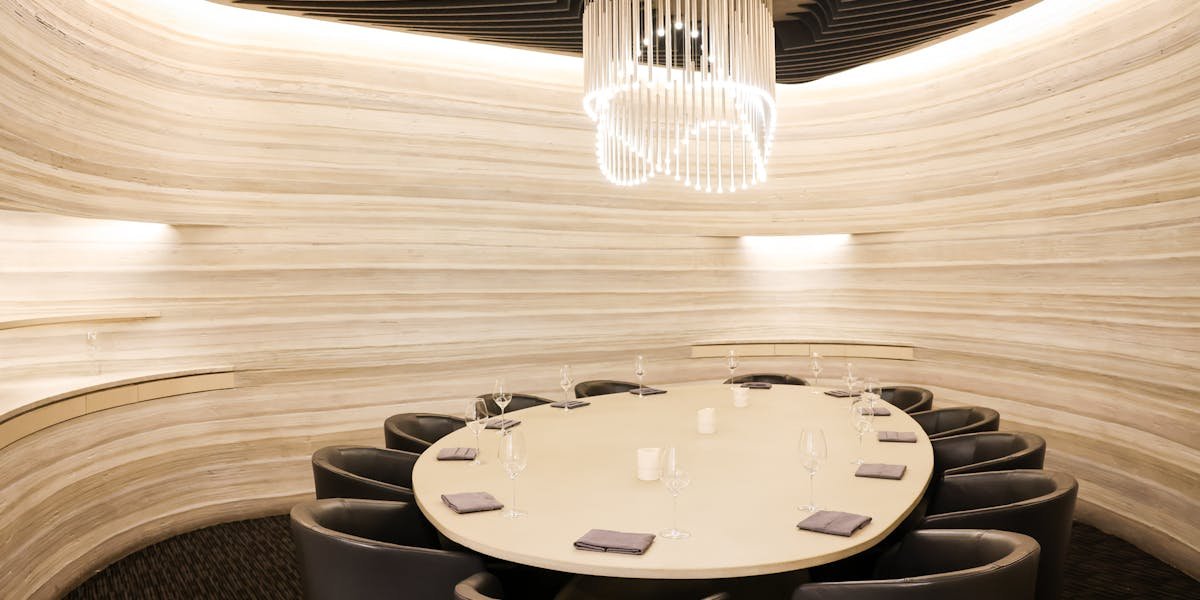
Bars in Chicago
All bars in Chicago →

Details
- Rustic
- Cozy
- Intimate
- Classic
- Date Night
- Group Dining
- Family
- Special Occasion
- Open Kitchen
- Extensive Wine List
- A La Carte
- Small Plates
- Wine
- Vegetarian Friendly
- Vegan Options
- Gluten Free Options
Current opening hours
- Monday
- Closed
- Tuesday
- 3–10 PM
- Wednesday
- 3–10 PM
- Thursday
- 3–10 PM
- Friday
- 3–11 PM
- Saturday
- 3–11 PM
- Sunday
- 3–8 PM
Hours can change for holidays and private events. Hours as of .
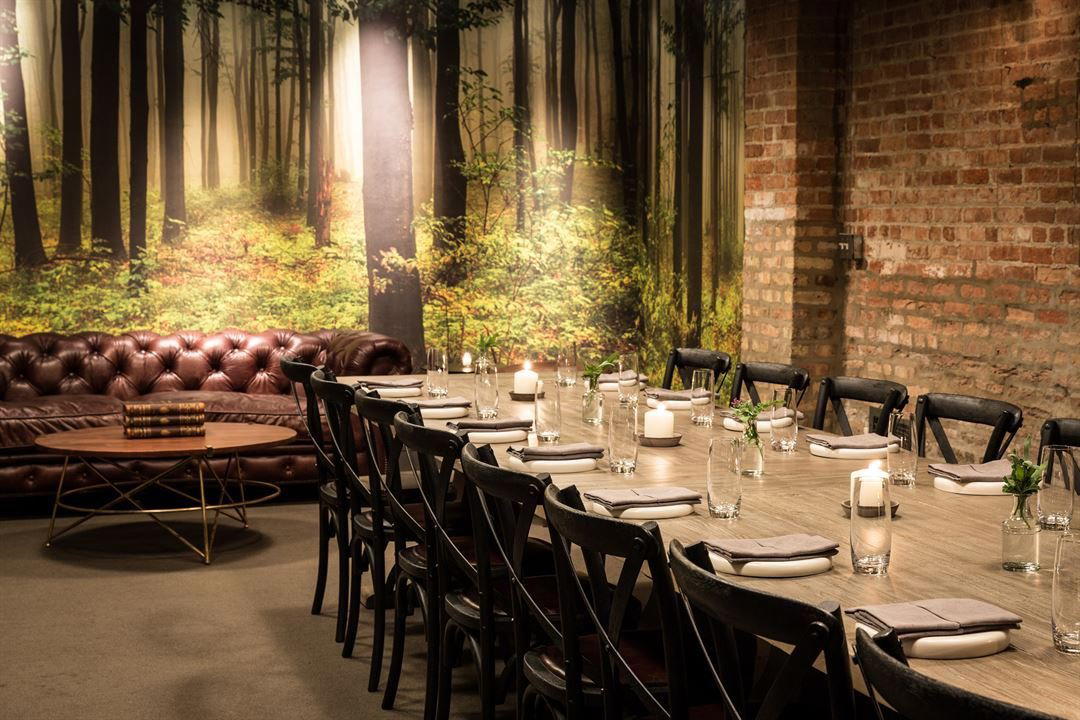
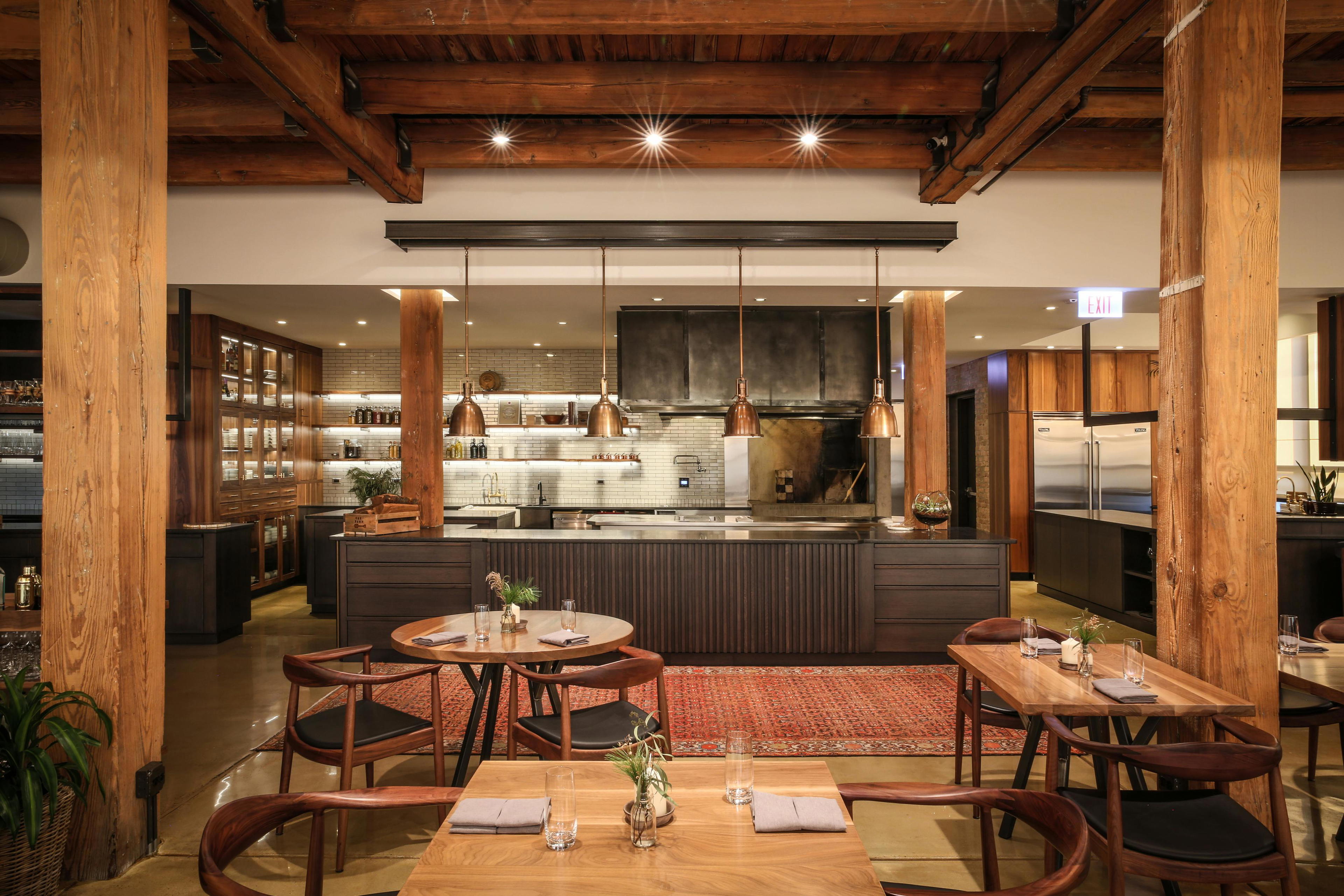
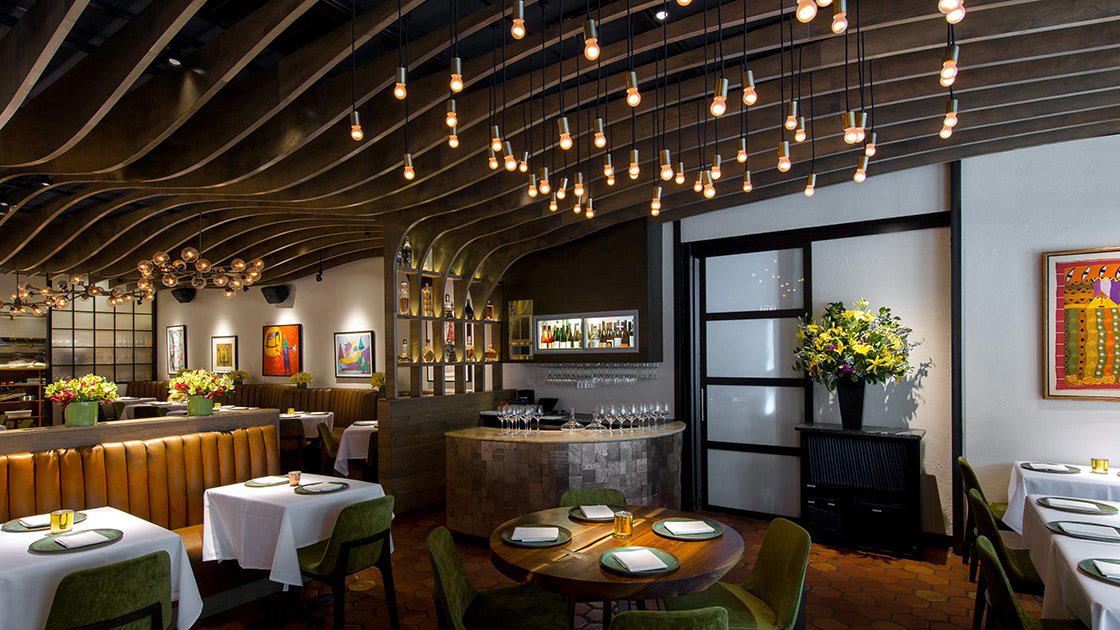
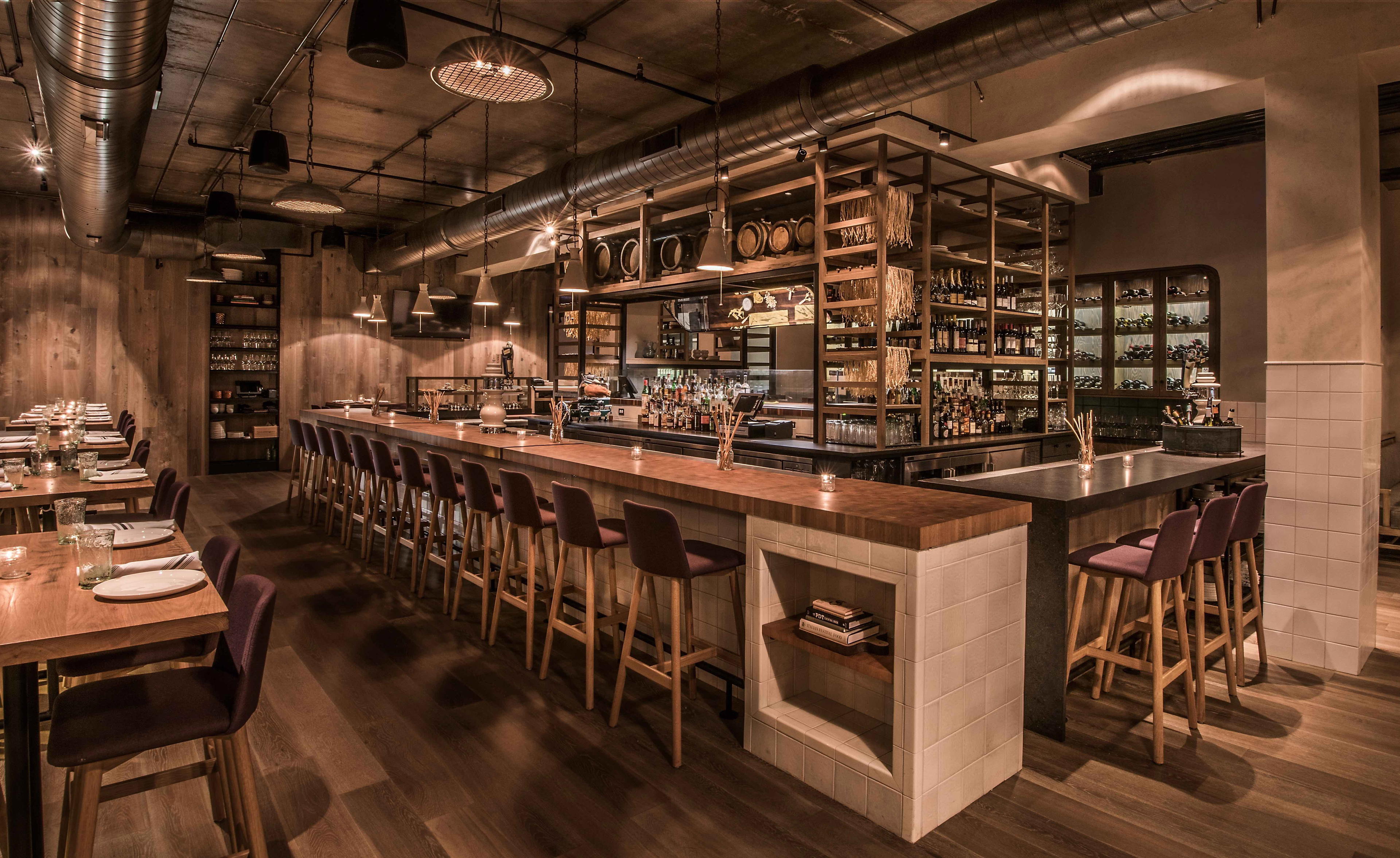
Warm and inviting with gentle lighting from colorful fiberglass orbs, exposed brick, wood beams, and the aroma of wood-burning ovens creating a cozy, Old World Italian atmosphere.