Petit Robert Bistro
Our verdict
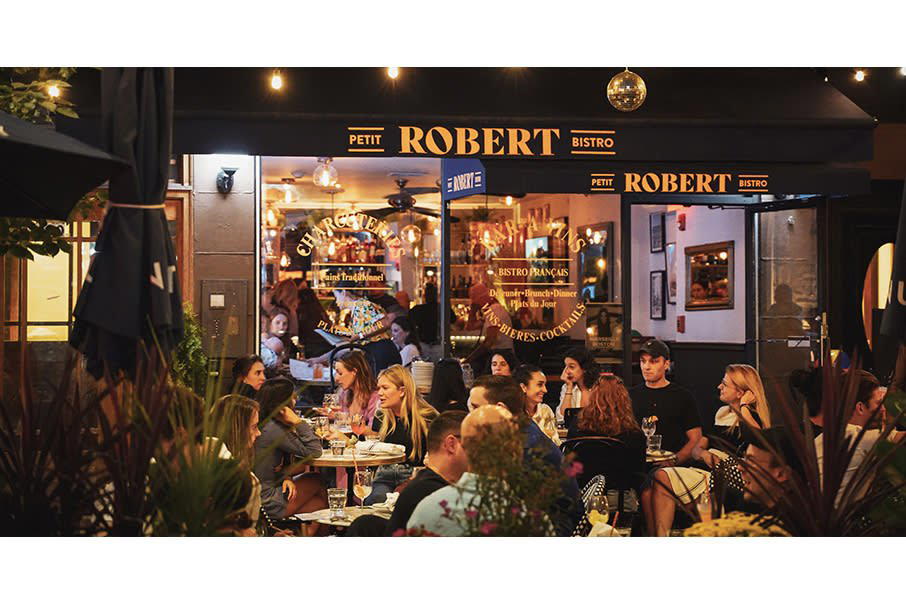
Petit Robert Bistro on Columbus Avenue brings the structural logic of a French neighborhood bistro to Boston's South End, with red banquettes, zinc bar details, and a room designed around the daily rhythm of a Parisian arrondissement. The format sits squarely in the casual-but-serious tier that Boston's French dining scene has historically underserved. For the neighborhood, it functions as a reliable anchor rather than a destination occasion.

Pearl is the En Primeur Club membership app — saves, bookings, and concierge access live there. Same editors, same standards.
- Address
- 480 Columbus Ave, Boston, MA 02118
- Phone
- (617) 867-0600
- Hours
- Mon–Thu 11 AM–9:30 PMFri 11 AM–10 PMSat 10 AM–10 PMSun 10 AM–9:30 PM
- Website
- petitrobertbistro.com
- Directions
- Get directions
- Booking
- Book on OpenTable
The menu
What to order
- Boeuf Bourguignon
- Coq au Vin
- Sole Meunière
- Moules Marinières
- Cordon Bleu
The Room Before the Menu
Columbus Avenue in Boston's South End has accumulated enough restaurant density over the past two decades that a new arrival needs a clear spatial identity to register. Petit Robert Bistro at 480 Columbus Ave earns that registration through its interior language rather than any single dish: the red banquettes, the tightly spaced tables, the zinc-accented bar, and the general compression of the room all signal a deliberate attempt to replicate the physical logic of a French neighborhood bistro rather than merely its menu categories.
That distinction matters in American cities. Many restaurants describe themselves as bistros while operating with the sightlines and acoustics of a full-scale brasserie. The bistro format, in its original Parisian context, is defined by constraint: small footprint, close tables, a bar that functions as a social anchor rather than a revenue center, and a menu short enough to rotate with the market. When a room is designed around those constraints rather than working against them, the dining experience shifts. Conversation is closer, service covers less distance, and the noise level carries the warmth of occupation rather than chaos.
Petit Robert Bistro commits to that spatial argument. The design choices read as deliberate references to a recognizable prototype rather than a loose aesthetic mood board. Whether that commitment extends consistently through service cadence and menu discipline is the more important editorial question, but the room establishes the frame.
Where It Sits in Boston's French Dining Tier
Boston's relationship with French cuisine has always been uneven. The city supports high-end tasting-menu formats with relative ease, with venues like Agosto demonstrating that the market for chef's-counter precision remains active. At the other end, casual French has historically been harder to sustain at quality. The mid-tier, where a bistro format lives, tends to collapse in American cities toward either generic comfort food dressed in French terminology or toward a price point that makes the casualness feel dishonest.
Petit Robert Bistro occupies the position where that collapse most often happens, which is also the position most worth defending. A functioning neighborhood bistro in the South End serves a different social function than a special-occasion restaurant. It absorbs the Tuesday dinner, the after-work glass of wine at the bar, the solo diner who wants a composed plate without the formality of a tasting sequence. When that tier works, it works quietly and continuously.
By comparison, Boston's higher-register dining options, from the omakase counters like 311 Omakase to steakhouse formats like Abe and Louie's, operate on occasion logic: you plan, you book, you arrive with expectation calibrated to the price. The bistro format inverts that dynamic, and the room at Petit Robert is built to support that inversion.
The Design Argument in Detail
French bistro interiors have a grammar. The banquette runs along one wall, giving solo diners and couples a back-to-the-room vantage that feels contained without feeling isolated. The zinc bar references a material history that predates polished-marble hospitality aesthetics by a century. Mirrors expand the room visually while keeping sound close. Lighting sits warm enough to read a menu without softening into the amber murk that signals a restaurant is hiding something.
Petit Robert Bistro applies that grammar to a South End address. The neighborhood itself has a residential density and brownstone scale that suits the format: Columbus Avenue pedestrians are mostly locals rather than destination tourists, which means the room's appeal depends on repeat viability rather than first-impression spectacle. A room that photographs well but feels uncomfortable on the third visit fails the neighborhood test. The compressed bistro layout, when executed correctly, does the opposite: it improves with familiarity.
That said, the bistro design argument only holds if the menu and service vocabulary match the spatial logic. A room that signals informality but operates with the pacing of a four-course tasting creates friction. The design establishes a social contract with the diner, and the rest of the operation needs to honor it.
How Petit Robert Compares to French Bistro Formats Nationally
The French bistro template has found more stable expression in some American cities than others. New York has sustained the format at multiple price points across several decades. Boston's version has historically been thinner on the ground. The South End location of Petit Robert Bistro places it in a neighborhood with the right demographic conditions: higher residential density, disposable income comfortable with a mid-range French price point, and enough culinary sophistication to distinguish a properly made steak frites from a generic plate.
For context on what serious French-influenced dining looks like at the national fine-dining level, venues like Le Bernardin in New York City define one end of the spectrum, while the bistro format operates at the opposite register, with informality as a feature rather than a concession. The South End's restaurant cluster also includes raw-bar and seafood formats, waterfront venues like 75 on Liberty Wharf, and destination dining at addresses like 1928 Rowes Wharf, all of which operate on different occasion logic than a neighborhood bistro.
Within Boston's broader dining context, the bistro tier matters because it establishes daily dining culture rather than special-occasion peaks. For a full map of where Petit Robert Bistro sits relative to other options across price points and formats, the EP Club Boston restaurants guide covers the competitive set in full.
Know Before You Go
- Address: 480 Columbus Ave, Boston, MA 02118
- Neighborhood: South End
- Format: Neighborhood bistro, casual sit-down
- Booking: Walk-in at the bar is consistent with the bistro format; table reservations recommended for weekend evenings
- Price range: Mid-range bistro tier; confirm current pricing directly
- Dress code: Smart casual; the room does not require formality
Frequently asked questions
Where is Petit Robert Bistro in Boston?
Petit Robert Bistro is located at 480 Columbus Ave, Boston, MA 02118, Boston.
Is Petit Robert Bistro good for solo diners or couples visiting Boston's South End?
French bistro interiors are designed with exactly this in mind: banquette seating along the wall gives solo diners and pairs a contained, back-to-the-room position that suits a longer meal without the exposure of a centre table. At 480 Columbus Ave in Boston's South End, the format holds to that convention, making it a practical choice for two or one over a larger group.
What should I order at Petit Robert Bistro?
The menu follows classic French bistro structure, so the most reliable choices sit in the traditional column: dishes built around technique rather than novelty. At a South End address like 480 Columbus Ave, the kitchen has sustained its identity within a competitive neighbourhood, which points toward the core bistro standards over seasonal specials as the safest entry point for first visits.
How far ahead should I plan for Petit Robert Bistro?
Petit Robert Bistro operates in the South End, one of Boston's densest restaurant corridors, where mid-week tables are typically more accessible than weekend slots. Booking at least a week ahead for Friday or Saturday dinner is reasonable; for a specific table configuration or a group of four or more on Columbus Ave, two weeks gives useful breathing room.
Quick Comparison
Comparable venues nearby, for context on price, style, and recognition.
| Venue | Cuisine | Price | Notes |
|---|---|---|---|
| Petit Robert BistroThis venue — the venue you are viewing | Classic French Bistro | $30–50 | Not listed |
| La Voile | Authentic French Brasserie | $50–100 | Back Bay |
| Sauciety | Modern American Grill | Not listed | South Boston Waterfront |
| The Salty Pig | Italian Charcuterie & Wood-Fired Pizza | $30–50 | Back Bay |
| Casa Romero | Traditional Mexican | $30–50 | Back Bay |
| Irashai Sushi | Authentic Japanese Sushi | $20–30 | Chinatown |
Continue exploring
More in Boston
Restaurants in Boston
Browse all →
Bars in Boston
Browse all →
Hotels in Boston
Browse all →

Wineries in Boston
Browse all →
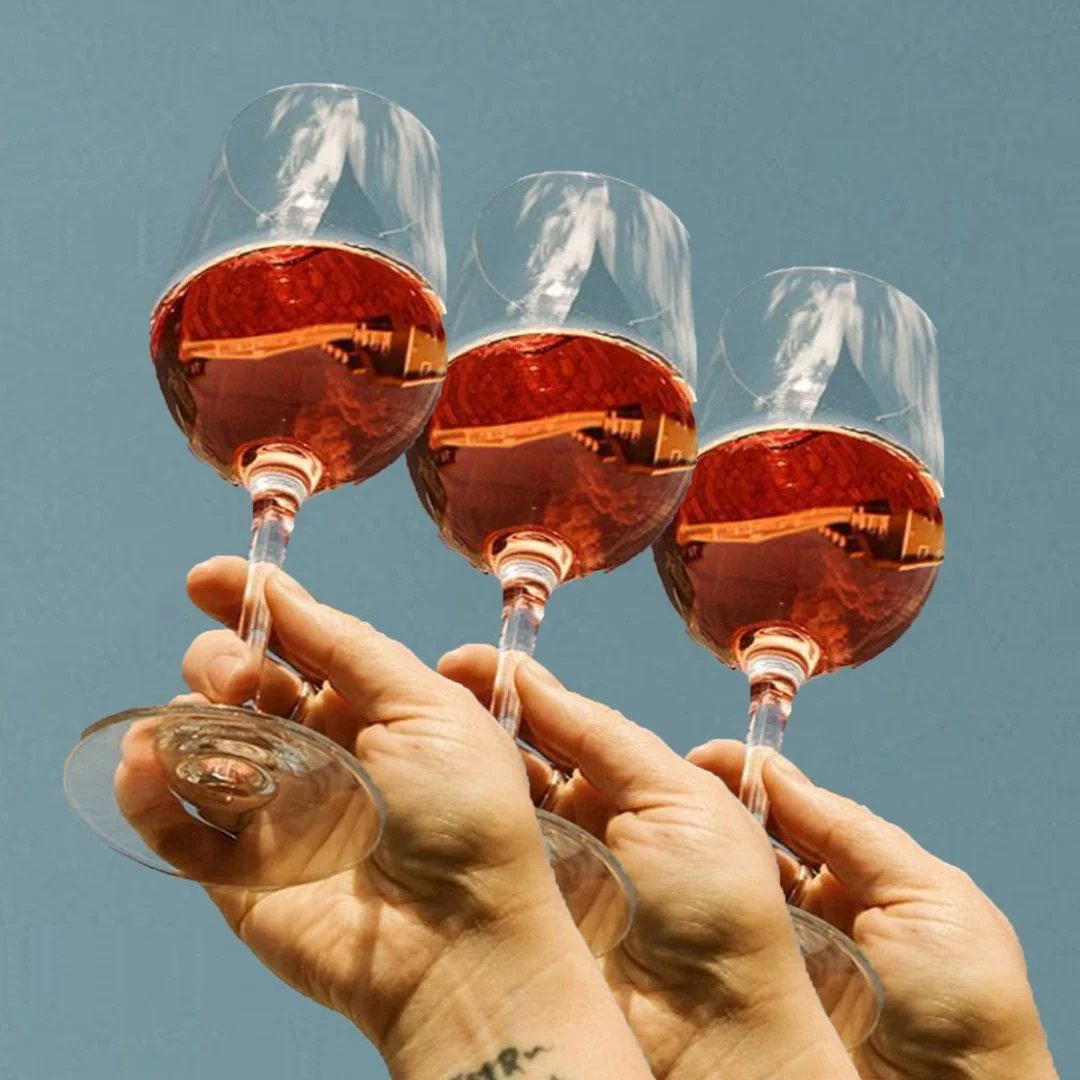
Petit Robert Bistro
The wine
- Wine program
- Curated wine list
- Extensive wine list
Details
- Cozy
- Lively
- Classic
- Intimate
- Date Night
- Casual Hangout
- Family
- Group Dining
- After Work
- Terrace
- Standalone
- Extensive Wine List
- Street Scene
- A La Carte
- Prix Fixe
- Wine
- Vegetarian Friendly
- Gluten Free Options
Current opening hours
- Monday
- 11 AM–9:30 PM
- Tuesday
- 11 AM–9:30 PM
- Wednesday
- 11 AM–9:30 PM
- Thursday
- 11 AM–9:30 PM
- Friday
- 11 AM–10 PM
- Saturday
- 10 AM–10 PM
- Sunday
- 10 AM–9:30 PM
Hours can change for holidays and private events. Last verified .
Warm, casual, and welcoming with a lively neighborhood feel; intimate setting with soft lighting that evokes a genuine Parisian café experience.