Sauciety
Our verdict
Sauciety occupies 425 Summer St in Boston's Seaport District, a neighborhood that has become one of the city's most active corridors for new dining formats. With limited publicly available details, the venue sits within a local scene defined by seafood-forward cooking, competitive tasting menus, and a dining public that books well in advance for anything worth the trip.

Pearl is the En Primeur Club membership app, where members save venues, book tables and use the concierge.

The Seaport Setting and What It Signals
Boston's Seaport District has undergone a significant transformation over the past decade, shifting from a convention-center adjunct into one of the city's most competitive dining corridors. The stretch around Summer Street, where Sauciety sits at number 425, now draws the kind of crowd that plans meals the way other travelers plan flights: with lead time, contingencies, and a clear sense of what they're after. That context matters when assessing any venue in this zip code, because the neighborhood's dining density means that standing out requires either a distinct format, a well-credentialed kitchen, or both.
The Seaport's dining identity leans toward seafood and contemporary American, with a handful of venues pushing into tasting-menu territory. Nearby, 75 on Liberty Wharf anchors the waterfront casual end, while 1928 Rowes Wharf occupies a more formal hotel-dining position. Sauciety enters a neighborhood that already has defined poles, which means its own positioning carries real weight for anyone deciding where to spend an evening.
Planning Ahead: The Booking Reality in This Part of Boston
The editorial angle for any Seaport restaurant worth serious attention is logistics. Boston's better dining rooms have, in recent years, moved toward reservation systems that favor early planners. The city sits alongside other American metros where demand for a specific type of experience, whether that is a raw-bar counter, a chef's tasting format, or a convivial room with serious wine, consistently outpaces available seats on any given weekend night.
For venues in the Summer Street corridor specifically, proximity to the Boston Convention and Exhibition Center means that certain weeks, particularly those tied to major conferences, compress availability further. If you are visiting Boston for a specific occasion and Sauciety is on your list, the general rule for Seaport dining applies: check availability further out than you think necessary, and have a secondary option identified. Agosto, the Portuguese-inspired chef's counter nearby, and 311 Omakase both operate formats that require similar planning discipline.
Nationally, the venues that reward this kind of advance logistics thinking include places like Lazy Bear in San Francisco, where a ticketed format makes booking more structured, or Alinea in Chicago, where prepaid reservations are the norm. Boston hasn't fully moved to those models across the board, but the city's top-tier rooms now operate with booking windows that would have seemed excessive five years ago.
The Cuisine Context: Where Boston Dining Is Right Now
Any assessment of a Seaport venue requires understanding where Boston sits in the national dining conversation. The city's restaurant scene has matured considerably, with serious competition now emerging across seafood-focused formats (Neptune Oyster has long defined the raw-bar ceiling), Japanese-inflected tasting menus (O Ya set a high bar that newer rooms still reference), and contemporary American with a New England sourcing story. Sauciety's name suggests a sauce-forward kitchen philosophy, which, if accurate, would position it within a cooking tradition that prizes technique and reduction over raw-ingredient minimalism.
That approach, if it holds, places the venue in a different competitive tier than, say, the omakase rooms that have proliferated in recent years, or the oyster-and-crudo formats that dominate the Seaport's more casual end. A kitchen that leads with sauce and built flavor compounds is making a different argument about what a meal should feel like: more classical European in its foundations, more labor-intensive in execution, and typically more food-focused than theatre-focused. For comparison, Le Bernardin in New York City represents the apex of that tradition on the American coasts, while Providence in Los Angeles applies similar technical rigor to West Coast seafood. Boston hasn't historically produced a venue at that register, which is part of what makes a newcomer with a technique-forward name worth tracking.
For broader American reference points in the tasting-menu register, The French Laundry in Napa, Single Thread Farm in Healdsburg, and Blue Hill at Stone Barns in Tarrytown each illustrate what serious culinary ambition looks like when it takes root outside of New York or Chicago. The question for any Boston room with similar ambitions is whether the local talent base and supplier ecosystem can support that level of consistency. In recent years, the answer has increasingly been yes.
What the Address Tells You
425 Summer Street is a specific kind of Seaport address: close enough to the waterfront to draw foot traffic from hotel guests and conference attendees, but not so embedded in the tourist corridor that it can rely on walk-ins. Venues at this address tend to develop a regulars culture relatively quickly, because the neighborhood's residential density is still growing and the reliable audience is, for now, a mix of locals who have moved into new Seaport developments and visitors staying in the district's hotels.
That demographic mix shapes what a restaurant can do with its format. A room that wants to build a serious reputation has to earn the attention of Boston's food-focused dining public, who are increasingly sophisticated and who have access to comparison points that include Abe and Louie's on the steakhouse end, Atomix in New York City as a national tasting-menu reference, and the full range of what Boston's own maturing scene now offers. See our full Boston restaurants guide for a mapped view of how the city's dining options cluster by neighborhood and format.
For further context on where American fine dining sits internationally, 8 1/2 Otto e Mezzo Bombana in Hong Kong and Addison in San Diego illustrate how the technical and hospitality standards that define a credible fine-dining room operate at different price points and in different cultural contexts. Emeril's in New Orleans and The Inn at Little Washington in Washington round out the picture of what regional American dining looks like when it develops a distinct identity over time.
Know Before You Go
- Address: 425 Summer St, Boston, MA 02210
- Neighborhood: Seaport District
- Booking: Specific booking method not confirmed; check directly via the venue or third-party reservation platforms. In the Seaport, weekend availability at serious rooms typically requires at least two to three weeks' lead time.
- Getting there: The Seaport is accessible via the Silver Line from South Station (no fare required inbound from the airport). Street parking is limited during weekday evenings; nearby garages serve the Summer Street corridor.
- Conference season note: The Boston Convention and Exhibition Center is within walking distance. Availability across the Seaport compresses during major convention weeks; check the BCEC calendar if your travel dates are flexible.
Frequently asked questions
What do people recommend at Sauciety?
How hard is it to get a table at Sauciety?
What's the signature at Sauciety?
Do they accommodate allergies at Sauciety?
Is Sauciety worth it?
Is Sauciety connected to any other Boston dining concepts or part of a restaurant group?
Pricing, Compared
Comparable venues nearby, for context on price, style, and recognition.
| Venue | Cuisine | Price | Awards | Notes |
|---|---|---|---|---|
| SaucietyThis venue (the venue you are viewing) | Modern American Grill | Not listed | Not listed | Not listed |
| Reunion BBQ | Modern Boston BBQ | $20–30 | Not listed | Bay Village, Modern Boston BBQ |
| Trident Booksellers & Cafe | American Cafe | $20–30 | Not listed | Back Bay, American Cafe |
| Louis Corner | Classic American Gastropub | Not listed | Resy Best of the Hit List | South End, Classic American Gastropub |
| Citizens House of Blues Boston | Southern American | $20–30 | Not listed | Kenmore, Southern American |
| Flour Bakery & Café | South End, American Bakery Cafe | $20–30 | James Beard Award Outstanding Baker | Not listed |
Continue exploring
More in Boston
Restaurants in Boston
All restaurants in Boston →
Bars in Boston
All bars in Boston →
Details
- Modern
- Business Dinner
- Family
- Brunch
- Hotel Restaurant
- A La Carte
- Buffet
- Vegetarian Friendly
- Vegan Options
- Gluten Free Options
Current opening hours
- Monday
- 6:30 AM–2 PM
- Tuesday
- 6:30 AM–2 PM
- Wednesday
- 6:30 AM–2 PM
- Thursday
- 6:30 AM–2 PM
- Friday
- 6:30 AM–2 PM
- Saturday
- 7 AM–2 PM
- Sunday
- 7 AM–2 PM
Hours can change for holidays and private events. Hours as of .
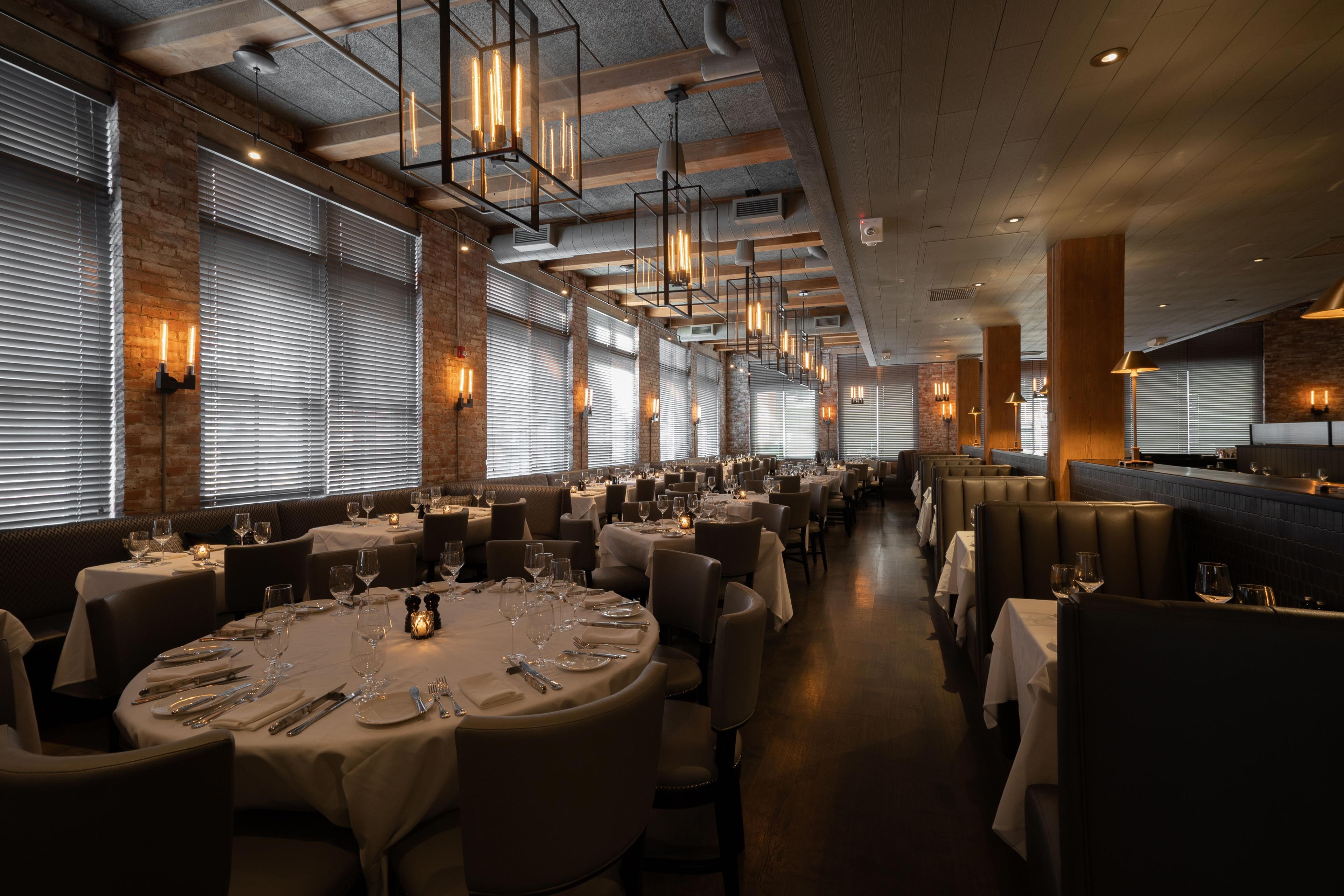
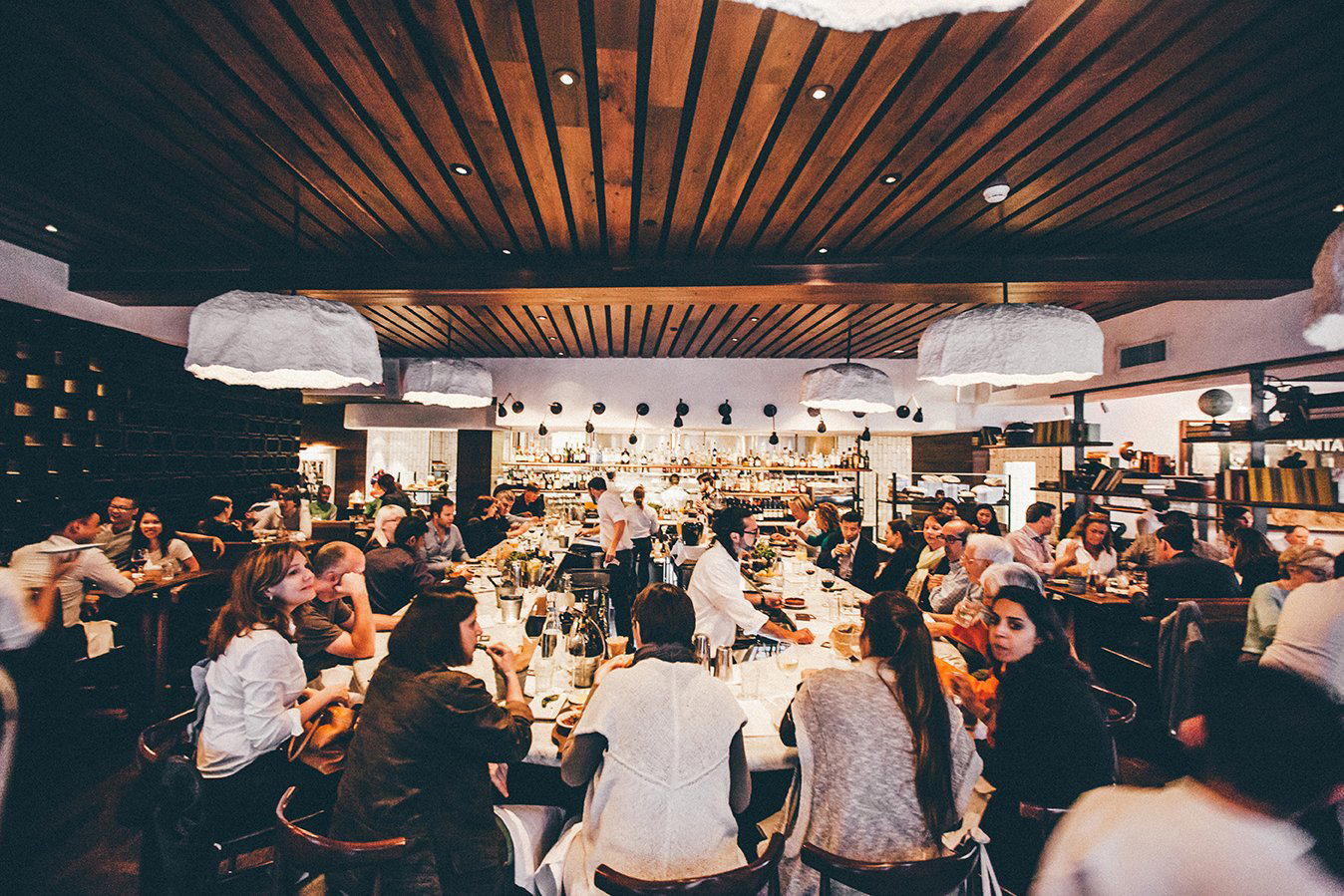
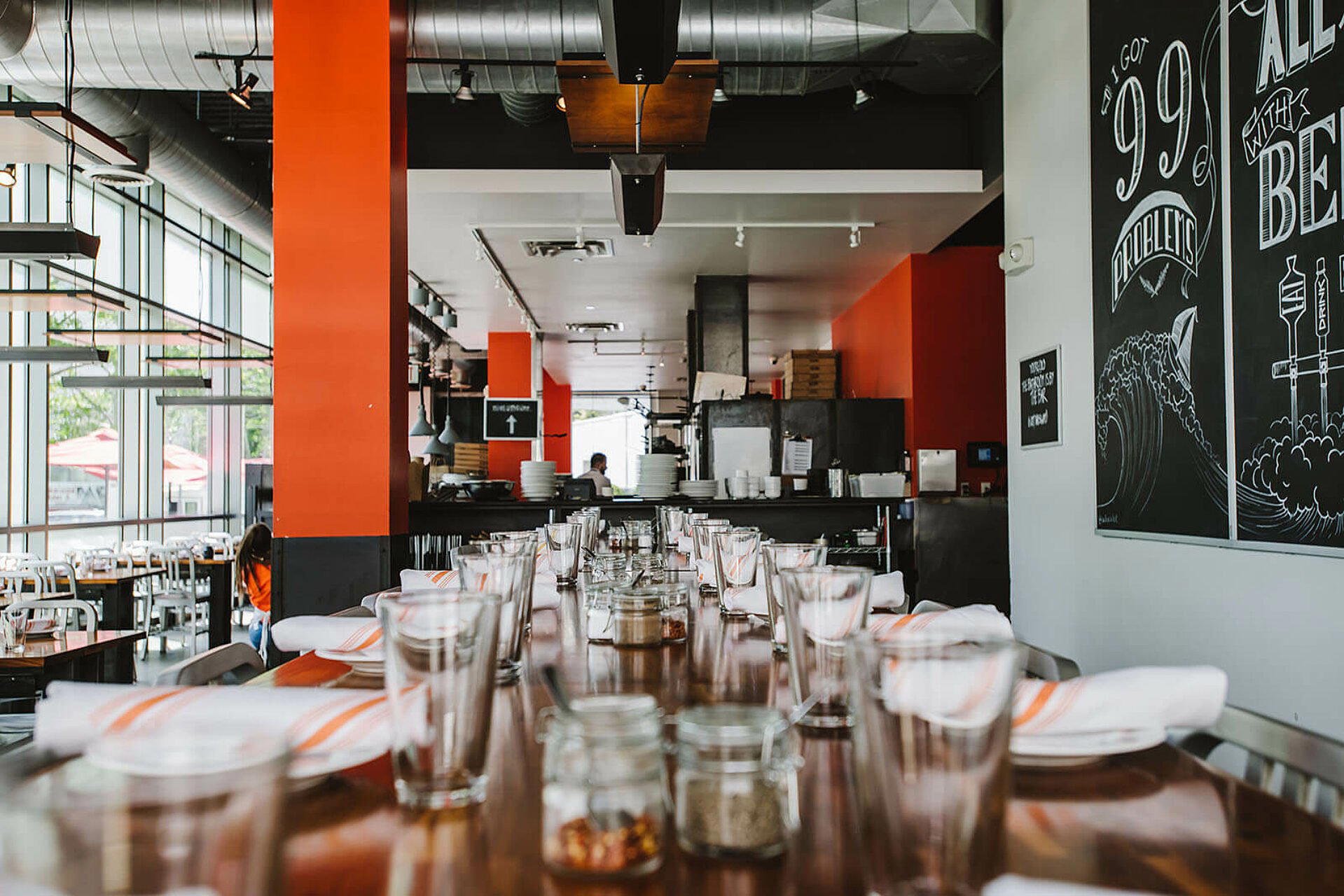
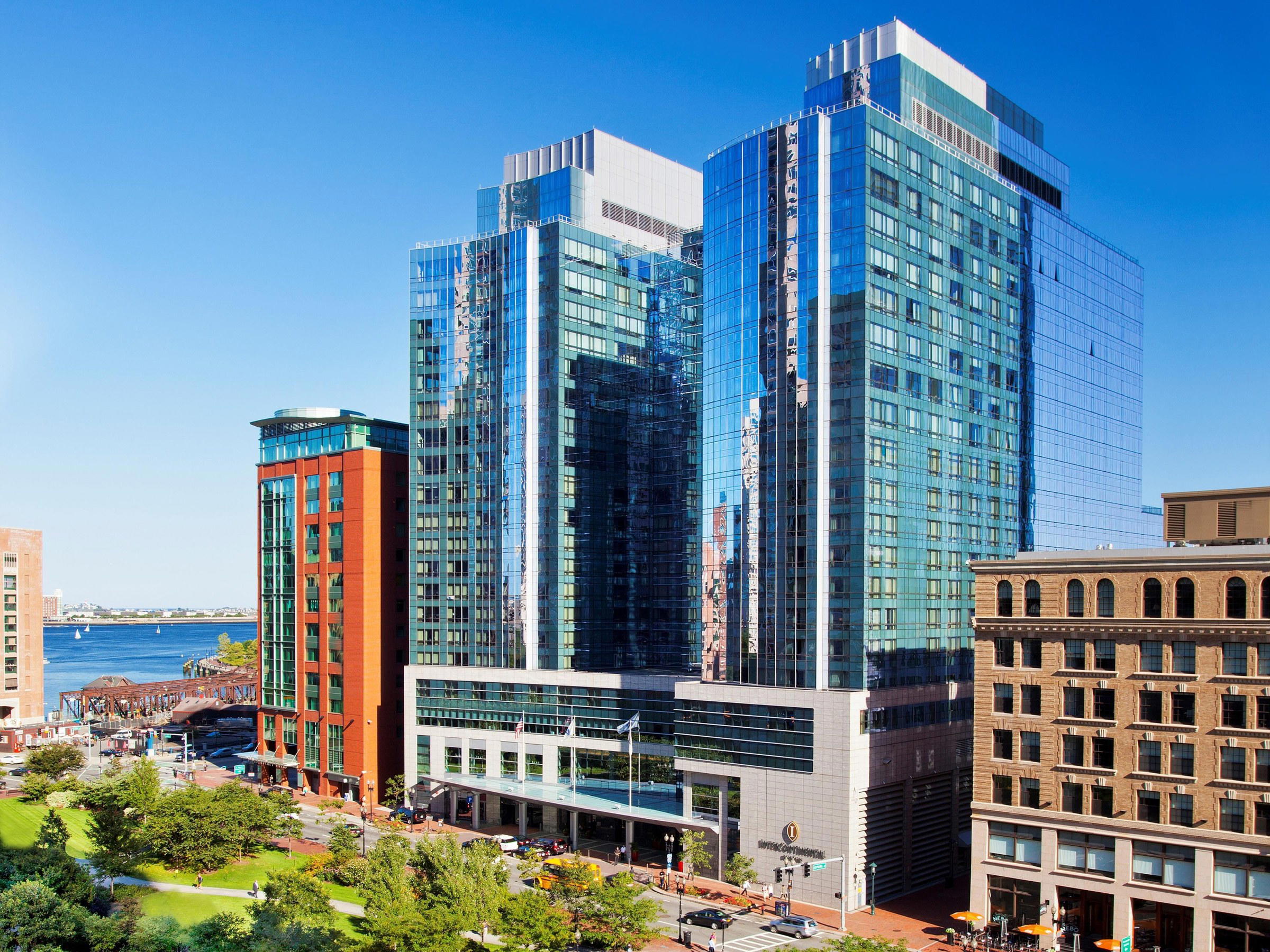
Sleek and modern hotel restaurant atmosphere with moderate noise levels.