The Salty Pig
Our verdict
A Back Bay charcuterie and craft beer institution at 130 Dartmouth St, The Salty Pig has built a loyal following around cured meats, seasonal small plates, and a tap list. The format is casual but deliberate, this is a place where the ritual of grazing matters as much as any single dish. Boston's mid-tier dining scene has few comparators doing the same thing as consistently.

Pearl is the En Primeur Club membership app, where members save venues, book tables and use the concierge.
The menu
What to order
- Salty Pig Pizza
- Fratelli Pizza
- Customized Charcuterie Boards
- Meatballs
The Back Bay Charcuterie Ritual
Boston's Back Bay has long operated as a neighbourhood of reliable, well-priced casual dining caught between the expense-account steakhouses of the Financial District and the experimental kitchens further south in the South End. Along Dartmouth Street, where foot traffic from the Copley Square MBTA stop feeds a steady stream of after-work and weekend diners, a particular style of eating has taken hold: the long, communal graze built around cured meats, artisan cheeses, and rotating draft lines. The Salty Pig sits squarely inside that tradition.
The broader American charcuterie bar format, which expanded significantly through the 2010s as nose-to-tail eating moved from a niche interest to a mainstream dining vocabulary, found fertile ground in cities with strong craft beer cultures. Boston qualifies. The city's tap room scene and its appetite for house-made charcuterie boards have fed one another for years, and venues like The Salty Pig emerged as the practical expression of that overlap. Compare the format to what a place like 75 on Liberty Wharf does with seafood-forward casual dining, or what Abe and Louie's does in the steakhouse register, and you get a clearer sense of how Boston's mid-tier casual scene carves itself into distinct dining identities.
How the Meal Moves
The ritual at a charcuterie-anchored bar like this one is different from a conventional restaurant sequence. There is no single correct moment to begin eating. The format invites arrival and composition before a main order is committed to: you scan the board, you talk about what to build, you make selections that accumulate rather than progress through a fixed arc. This pacing suits the Back Bay crowd, which skews toward post-work groups and weekend partners rather than tasting-menu devotees looking for a chef-led narrative.
That distinction matters when thinking about where The Salty Pig fits against peers. At the other end of Boston's dining register, places like Agosto, with its Portuguese-inspired fine dining and chef's counter tasting format, or 311 Omakase, build meals around chef-directed progression where every course arrives with intention and sequencing. The Salty Pig inverts that model. Here, the guest composes. The kitchen provides the components. The meal's architecture is collaborative rather than prescribed.
Within the national context, this puts The Salty Pig in a different category from the destination venues in EP Club's wider coverage. The fixed-progression format defines heavy hitters like Le Bernardin in New York City, Alinea in Chicago, The French Laundry in Napa, and Lazy Bear in San Francisco. The Salty Pig is not competing in that space. It occupies the neighbourhood anchor role: the place you return to reliably rather than plan for months in advance, where the experience is repeatable without feeling repetitive because the components rotate.
The Role of the Tap List
Charcuterie and craft beer is not an accidental pairing. The salt and fat in cured meats pull toward carbonation and bitterness in the way that wine fat and acidity interact. Boston's craft beer market, fed by regional producers across Massachusetts and New England more broadly, gives a venue on Dartmouth Street meaningful material to work with. A rotating draft selection allows for seasonal and producer-led changes that parallel what wine-forward restaurants do with their by-the-glass programs. The beer functions as a framing mechanism for the food, not an afterthought.
Guests arriving with a preference for exploring individual producers will find more traction here than those looking for a deep cellar program. The format suits grazing over a longer visit rather than a single dish with a single pour. Plan accordingly: the experience rewards an unhurried approach.
Back Bay Context
130 Dartmouth Street is a practical address. The Copley Square area draws consistent foot traffic across the week, and the concentration of office buildings, hotels, and residential blocks in Back Bay means the venue's audience is broad rather than destination-specific. This is the kind of address that attracts first-timers through proximity and repeat visitors through habit, which shapes the room's atmosphere on most evenings: familiar, well-paced, and confident in what it is offering.
The neighbourhood's dining ecology includes raw bar specialists like Neptune Oyster and Japanese-leaning counters like O Ya, which operate at a different price point and formality register than The Salty Pig. The coexistence of these formats across a relatively compact area of the city reflects how Boston's dining scene has matured: it can now hold distinct casual, mid-range, and fine dining identities in the same neighbourhood without the categories collapsing into one another.
For visitors moving between dining experiences across the city, the full Boston restaurants guide maps the broader scene, including the waterfront dining at 1928 Rowes Wharf and the seafood-forward casual format at 75 on Liberty Wharf.
Planning Your Visit
The Salty Pig operates in a category where walk-in access is more common than at chef's counter or tasting menu venues. That said, the Dartmouth Street location draws post-work crowds on weeknights and heavier weekend volume, so arriving early or contacting the venue directly about availability for larger groups is advisable. The format suits groups of two to six particularly well; the board-sharing model works less cleanly for solo dining, though the bar seating accommodates single visitors comfortably.
| Venue | Format | Price Tier | Booking | Leading For |
|---|---|---|---|---|
| The Salty Pig | Charcuterie bar, small plates | Casual mid-range | Walk-in friendly | Groups, grazing, craft beer |
| Agosto | Tasting menu, chef's counter | Fine dining | Advance reservation | Chef-led progression |
| 311 Omakase | Omakase counter | Premium | Pre-booking required | Japanese precision |
| Abe and Louie's | Classic steakhouse | Upper mid-range | Recommended | Occasion dining |
Frequently asked questions
Is The Salty Pig good for families?
The shared board format at 130 Dartmouth St translates well to group dining, including families, since the table can build around a charcuterie selection rather than committing to individual fixed courses. The casual register of the Back Bay location puts it closer to a neighbourhood bar than a formal dining room, which lowers the threshold for younger diners. It is not a children's-menu venue, but the format is more accommodating than Boston's tasting-menu or omakase options.
What's the overall feel of The Salty Pig?
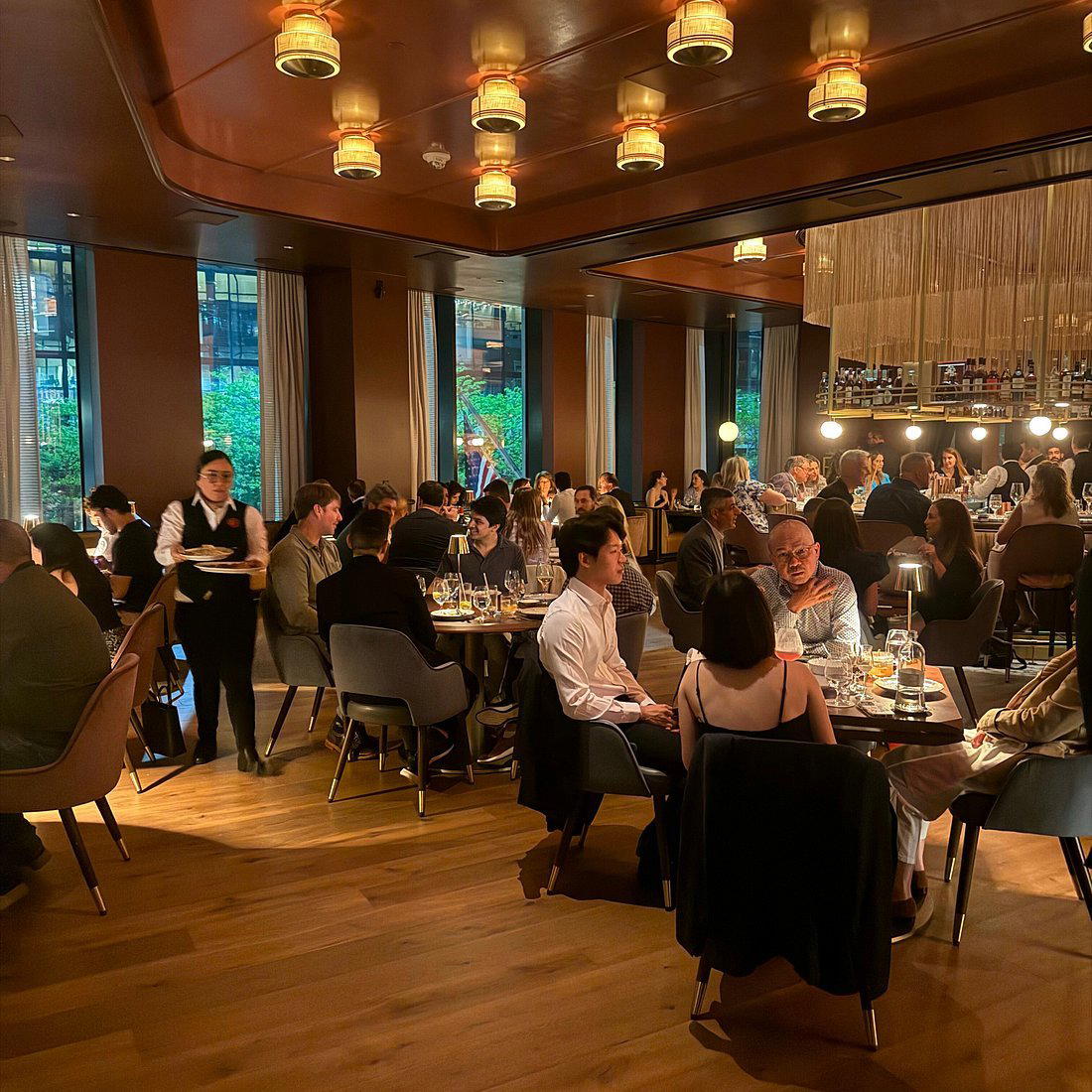
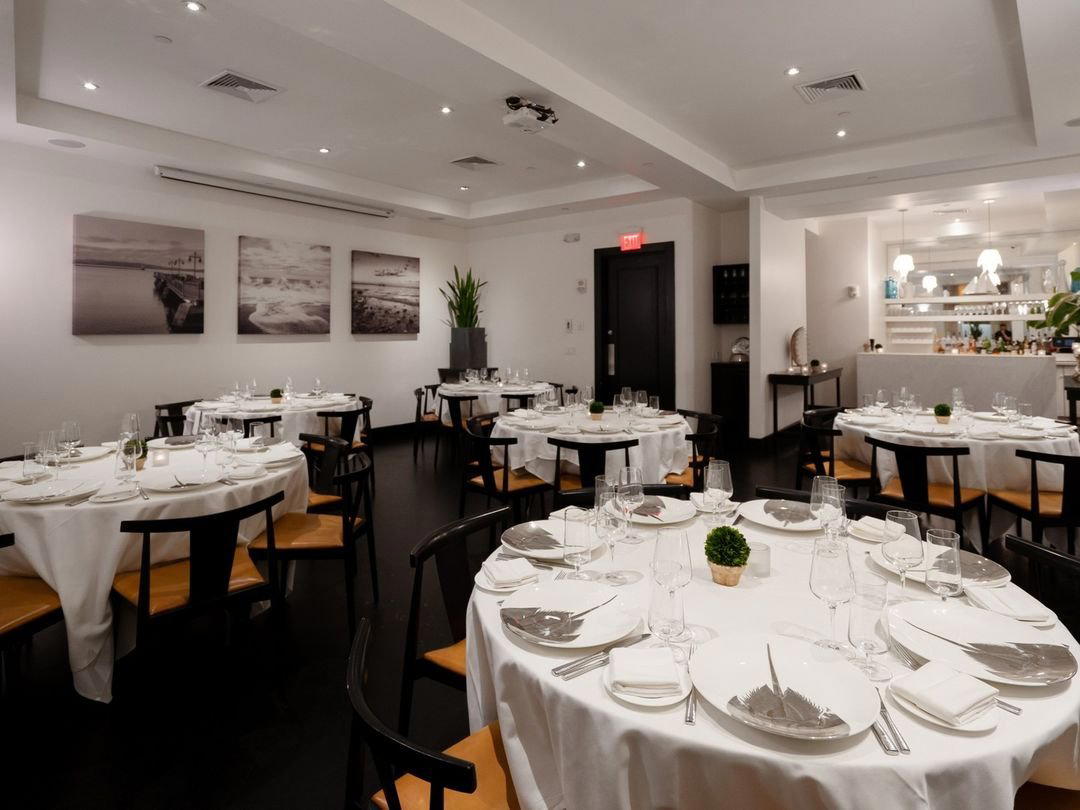
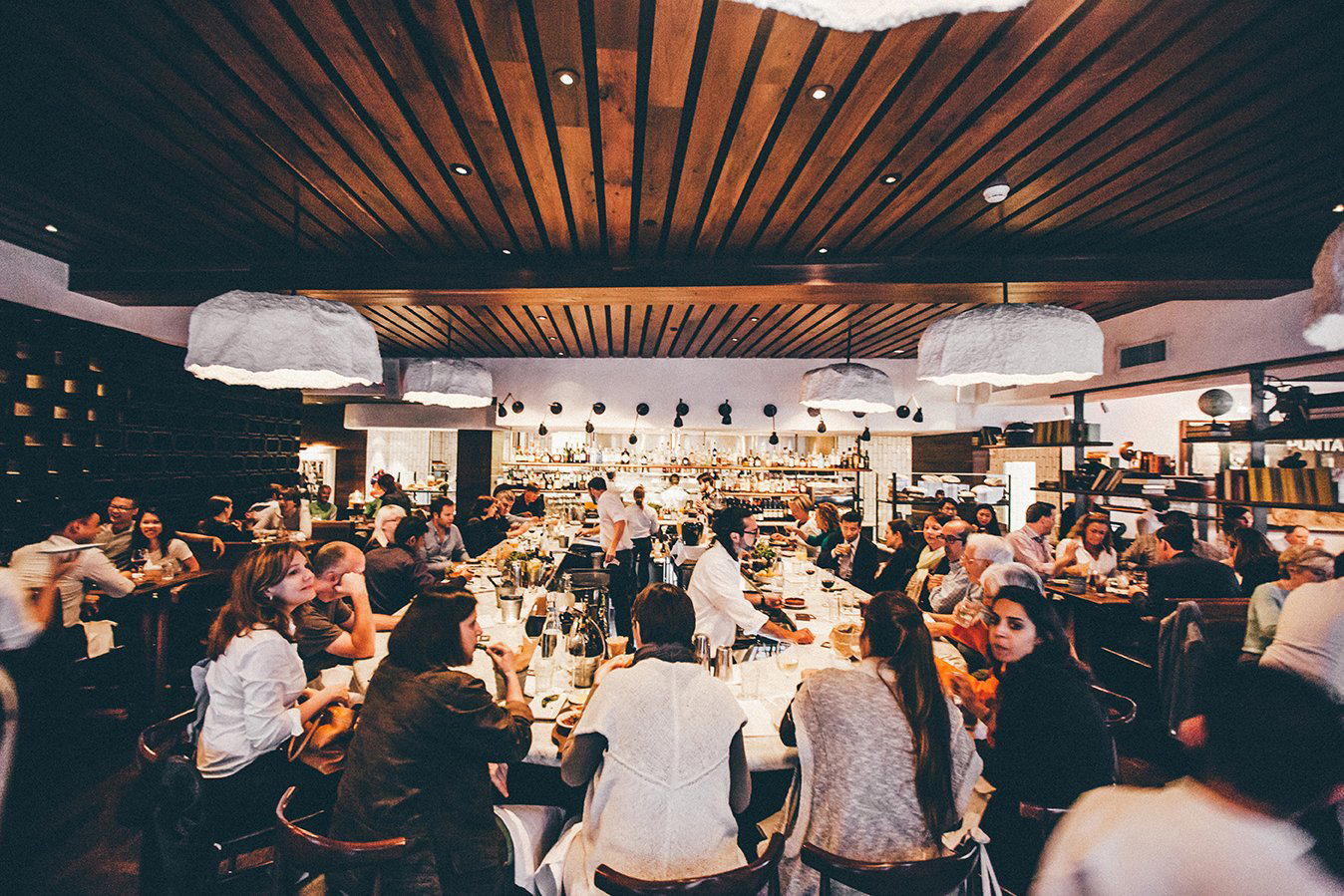
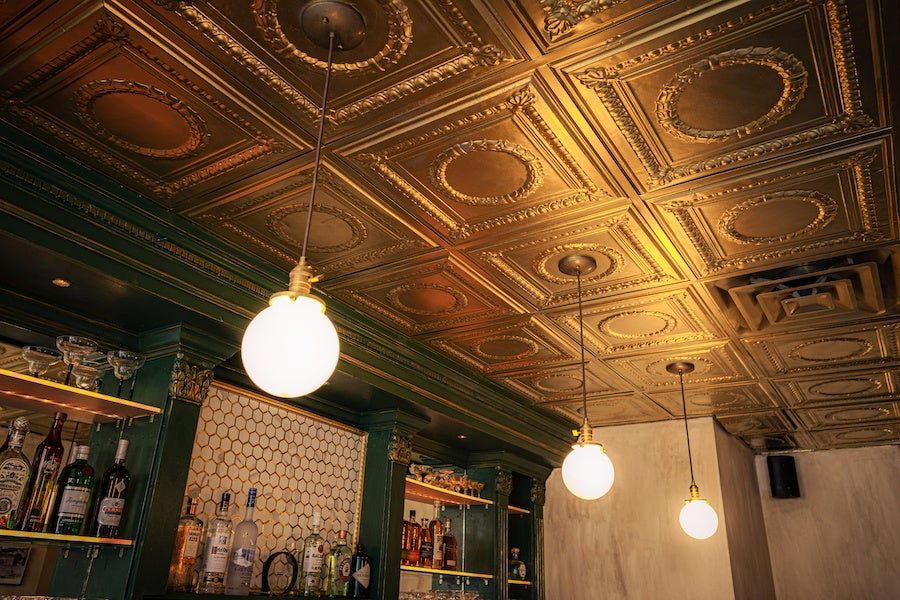
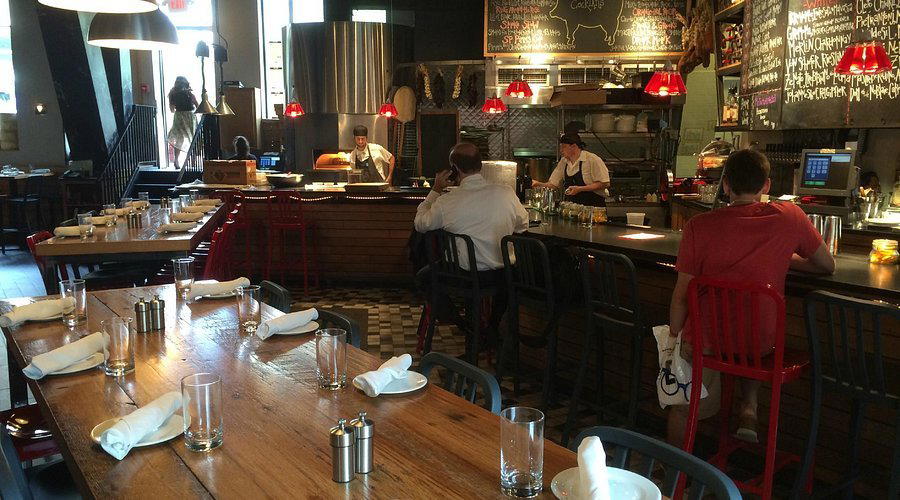
The Salty Pig operates as a casual, charcuterie-anchored bar in Boston's Back Bay, where the post-work dining character of the Copley Square corridor sets the tone. Expect a relaxed atmosphere oriented around shared boards and a tap list rather than a formal dinner service. It sits comfortably between the neighbourhood's expense-account steakhouses and its quick counter options.
Does The Salty Pig make its own charcuterie in-house?
Boston's charcuterie bar category has generally combined house-made production with selections from established regional and national curing operations, and The Salty Pig fits within that model. The menu at 130 Dartmouth St includes house-cured items alongside sourced charcuterie, which is the format that distinguishes a dedicated charcuterie bar from a restaurant that simply offers a cheese plate. Checking the current menu for what is labelled house-made versus sourced gives the clearest picture of the kitchen's own output.
What should I eat at The Salty Pig?
The charcuterie board is the anchor around which the kitchen is built, and it is the logical starting point for any visit. From there, the tap list is designed to pair with the salt and fat of cured meats, so ordering alongside a draft selection makes structural sense. Build the board based on what is listed as house-made or locally sourced on the current menu, as those items reflect the kitchen's focus.
Where exactly is The Salty Pig?
The Salty Pig is located at 130 Dartmouth St, Boston, MA 02116, Boston.
Do I need a reservation for The Salty Pig?
The casual bar-dining format at The Salty Pig makes walk-in access more realistic than at Boston's tasting-menu or chef's counter venues. Thursday through Saturday evenings in Back Bay draw consistent foot traffic from the Copley Square office and hotel corridor, so earlier arrival or a call-ahead during peak hours reduces wait time. For larger groups, checking ahead is advisable regardless of the day.
Price Lens
Comparable venues nearby, for context on price, style, and recognition.
| Venue | Cuisine | Price | Notes |
|---|---|---|---|
| The Salty PigThis venue (the venue you are viewing) | Italian Charcuterie & Wood-Fired Pizza | $30–50 | Not listed |
| Pagliuca's | Traditional Southern Italian Trattoria | $30–50 | North End, Traditional Southern Italian Trattoria |
| Monica's Trattoria | Traditional Italian Trattoria | $30–50 | North End, Traditional Italian Trattoria |
| Joia | Modern Italian | $30–50 | Downtown, Modern Italian |
| Tony & Elaine's | Red Sauce Italian | $30–50 | North End, Red Sauce Italian |
| Massimino's | Authentic Italian Trattoria | $20–30 | North End, Authentic Italian Trattoria |