Pepolino
Pepolino has held its ground on West Broadway in TriBeCa through decades of shifting New York dining trends, offering a reference point for Italian cooking in a neighbourhood that has steadily gentrified around it. The room draws a consistent local crowd alongside visitors navigating the area's gallery and restaurant circuit. For Italian in Lower Manhattan, it remains a reliable address with genuine staying power.
Pearl is the En Primeur Club membership app — saves, bookings, and concierge access live there. Same editors, same standards.
- Address
- 281 W Broadway, New York, NY 10013
- Phone
- +12129669983
- Website
- pepolino.com
- Directions
- Get directions
 Saves & bookings on Pearl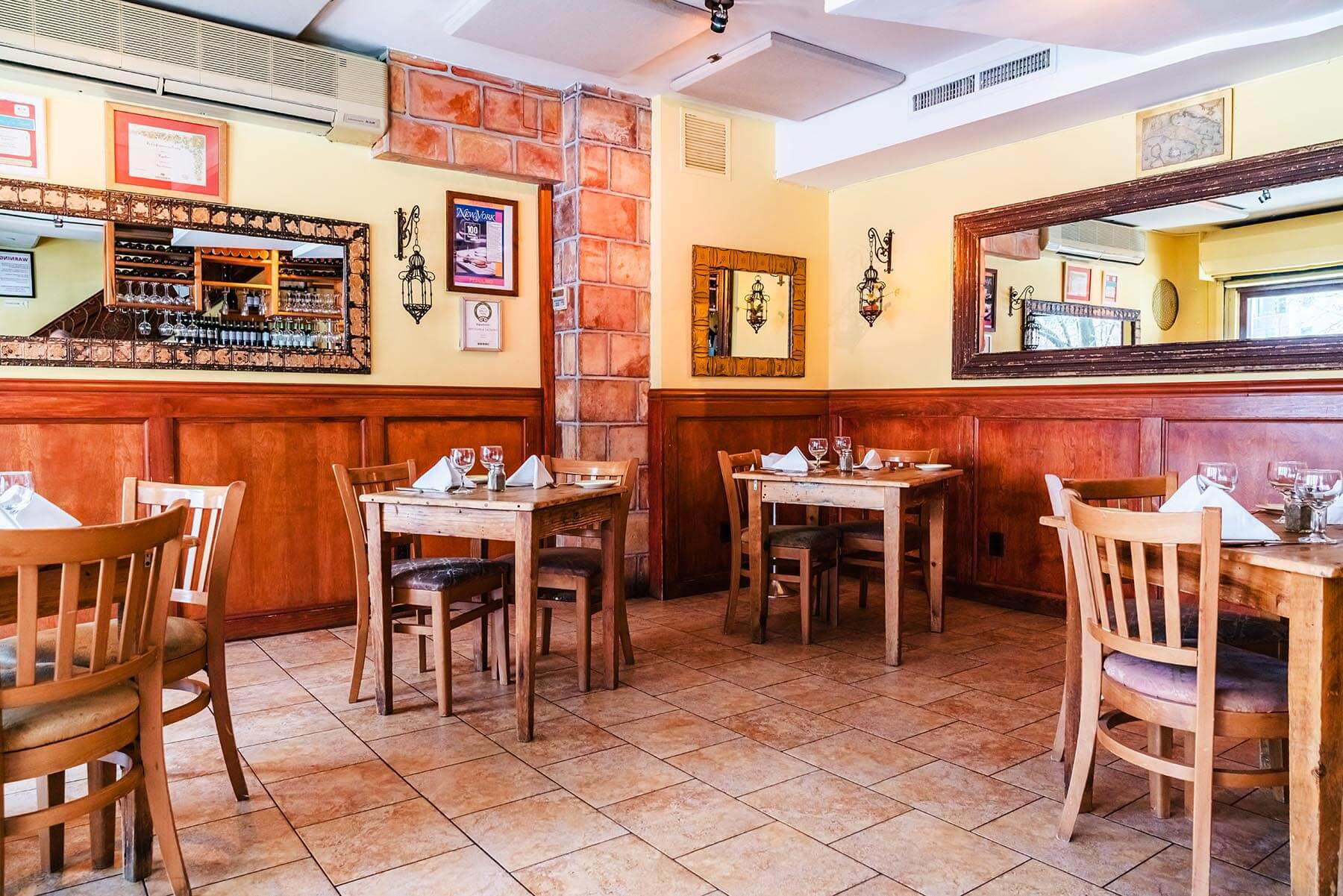
Italian Staying Power in TriBeCa
TriBeCa's restaurant scene has cycled through waves of reinvention since the 1980s, when converted warehouse lofts first attracted artists and the dining rooms that served them. Today the neighbourhood operates at a different price register entirely, with hotel restaurants and tasting-menu destinations drawing much of the national food press. Against that backdrop, the Italian trattoria format has proven quietly durable. Pepolino, at 281 West Broadway, sits within that tradition: a neighbourhood Italian restaurant that predates much of what surrounds it, occupying a position that has become rarer as TriBeCa's rents and ambitions have climbed.
The longevity of this kind of restaurant is worth examining on its own terms. In a city where Italian dining spans everything from high-priced contemporary tasting menus to low-cost slices, the mid-register trattoria occupies a specific and increasingly pressured niche. New York's Italian fine-dining tier has its own comparable set, distinct from the neighbourhood trattoria format, and venues in that upper bracket compete on different signals entirely. Pepolino operates in the space between those poles, which in New York requires a consistency that keeps regulars returning across years, not months.
Where TriBeCa Italian Sits in the Broader New York Scene
New York's Italian restaurant category is among the more competitive in the country. The city supports several distinct tiers: white-tablecloth destinations with extensive Italian wine programs and prix-fixe menus, fast-casual pasta operations aimed at the lunch crowd, and the traditional trattoria format that Pepolino represents. The trattoria tier is especially contested, because it asks guests to choose loyalty over novelty in a city that produces new restaurant openings at a volume few markets match.
In the neighbourhood itself, the competitive frame has shifted considerably. TriBeCa now hosts a range of destination dining, including the kind of high-investment, press-driven openings that draw visitors from across the city. Restaurants like Le Bernardin and Per Se represent the ceiling of New York's formal dining ambition, while Atomix and Jungsik New York illustrate how the city's serious dining conversation has expanded well beyond European frameworks. Masa sits at the other extreme of the price spectrum, where omakase counters compete on exclusivity and ritual. Against these reference points, the neighbourhood Italian restaurant is a different kind of proposition entirely: it competes on familiarity, repetition, and the trust that comes from years of consistent execution.
The Sustainability Frame: Italian Cooking and the Trattoria's Natural Alignment
The traditional Italian kitchen has always operated on principles that the contemporary sustainability conversation has only recently given formal language. Nose-to-tail use of ingredients, seasonal menus driven by what is available rather than what is fashionable, and the absence of elaborate plating that requires specialist components: these are structural features of trattoria cooking, not marketing positions. In Italian regional cuisine, the idea of using what the season provides is not a differentiator but a baseline assumption.
This matters in the current dining environment because the sustainability conversation in American restaurants has split into two camps. The first is high-visibility, certification-driven, and tied to specific supply chains that venues communicate explicitly to guests. Blue Hill at Stone Barns in Tarrytown is the clearest example of this model: the farm-to-table program is the dining proposition itself. Single Thread Farm in Healdsburg operates similarly, integrating the sourcing narrative directly into the tasting menu format. At Providence in Los Angeles, sustainable seafood sourcing is part of the restaurant's documented identity. The second camp is quieter: kitchens where the same outcomes, seasonal purchasing, minimal waste, and regional sourcing, are embedded in the cuisine's own logic without being foregrounded as a brand position. Italian trattoria cooking tends to belong to the second camp, and that structural alignment with sustainability principles is often underread by guests and critics alike.
Across the United States, restaurants that have built sustainability into their operating model at a structural level rather than a marketing level tend to demonstrate longer operational lifespans. Bacchanalia in Atlanta has maintained a seasonal, producer-linked approach for decades. Emeril's in New Orleans and The Inn at Little Washington have both sustained regional sourcing programs across long operating histories. Addison in San Diego and Alinea in Chicago have each addressed waste reduction through menu structure and operational discipline at different points in their histories. What connects these otherwise different restaurants is that their approach to ingredients is systemic rather than seasonal or promotional.
Pepolino's longevity in TriBeCa signals steady operational discipline. A restaurant that maintains the same address and the same Italian trattoria format through multiple real-estate cycles in one of the world's most expensive neighbourhoods is doing something operationally right. That operational discipline, in traditional Italian cooking, is almost always tied to ingredient purchasing that prioritises value, seasonality, and minimising waste over premium presentation for its own sake.
Italian Cooking in the Global Context
Italian cuisine at the fine-dining level has its own international reference points. 8½ Otto e Mezzo Bombana in Hong Kong represents what Italian fine dining looks like when transplanted to a global financial centre with an appetite for European luxury signals. Alain Ducasse at Louis XV in Monte Carlo, while French in orientation, operates within the same Mediterranean luxury framework that shapes how Italian cuisine is perceived at the upper tier internationally. These references clarify where the neighbourhood trattoria format sits: not in competition with that tier, but as a distinct tradition with its own criteria for quality. The trattoria is the form that Italian cuisine took when it was cooking for its own community rather than performing for external judgment.
For readers building a New York dining itinerary, this distinction is useful. The city's Italian options span a wider range than most markets, and choosing between them requires a clear sense of what kind of experience you are optimising for. Lazy Bear in San Francisco and The French Laundry in Napa represent the kind of choreographed, high-production dining events that require advance planning and significant spend. The TriBeCa neighbourhood Italian operates on different terms: it is a room you can return to, where the value is in the accumulation of visits rather than the singularity of one. Our full New York City restaurants guide maps the full range of what the city offers across cuisines and price tiers.
Planning Your Visit
| Venue | Cuisine | Price Tier | Booking Lead Time | Format |
|---|---|---|---|---|
| Pepolino | Italian (Trattoria) | Mid-range | Short to moderate | À la carte |
| Le Bernardin | French/Seafood | $$$$ | Weeks to months | Prix fixe / à la carte |
| Per Se | French/Contemporary | $$$$ | Weeks to months | Prix fixe only |
| Masa | Sushi/Japanese | $$$$ | Months | Omakase |
| Atomix | Modern Korean | $$$$ | Weeks to months | Tasting menu |
Pepolino is located at 281 West Broadway in TriBeCa, accessible from the Franklin Street or Canal Street subway stops. As a neighbourhood trattoria rather than a destination tasting-menu restaurant, booking friction is considerably lower than at the formal dining addresses in the comparison table above.
Side-by-Side Snapshot
Comparable venues nearby, for context on price, style, and recognition.
| Venue | Cuisine | Price | Notes |
|---|---|---|---|
| PepolinoThis venue — the venue you are viewing | Authentic Tuscan Italian | $$ | Not listed |
| La Mela | Traditional Southern Italian | $$ | SoHo-Little Italy-Hudson Square |
| Bacaro | Venetian Cicchetti Tavern | $$ | Chinatown-Two Bridges |
| Frankies 457 Spuntino | Italian-American Trattoria | $$ | Carroll Gardens-Cobble Hill-Gowanus-Red Hook |
| Pappardella | Classic Tuscan Italian | $$ | Upper West Side (Central) |
| Caffe Buon Gusto | Authentic Italian Trattoria | $$ | Upper East Side-Lenox Hill-Roosevelt Island |
Continue exploring
More in New York City
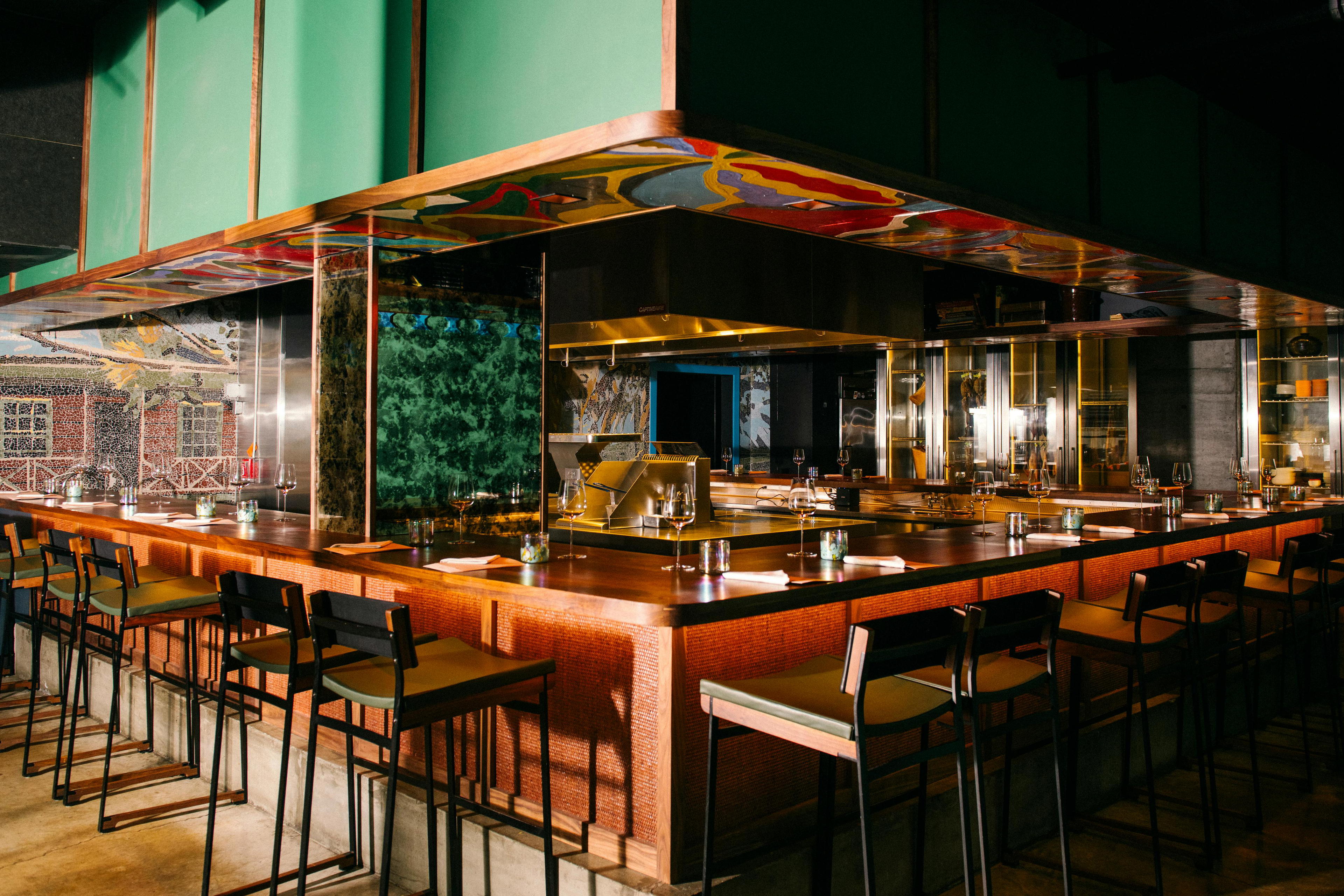
Restaurants in New York City
Browse all →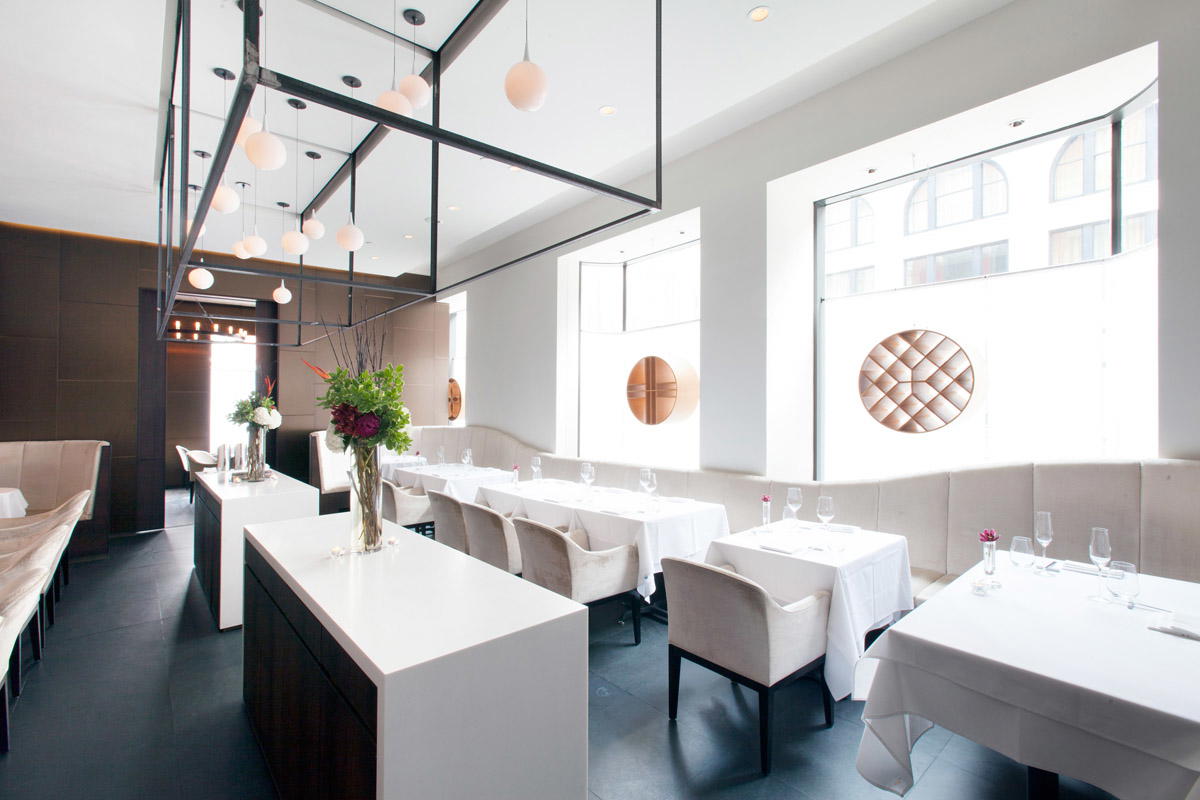

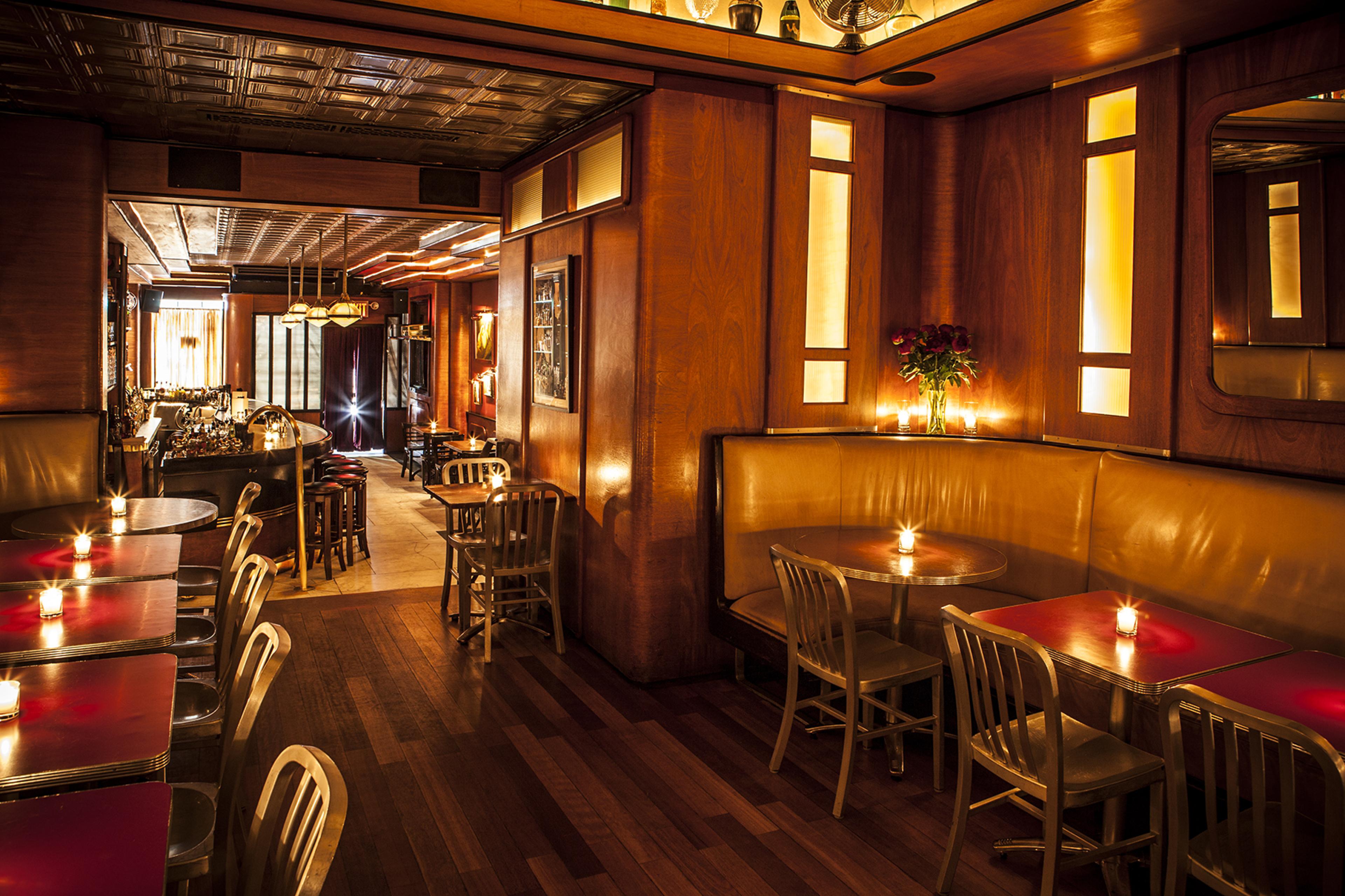

Bars in New York City
Browse all →
Hotels in New York City
Browse all →









At a Glance
- Romantic
- Elegant
- Cozy
- Intimate
- Date Night
- Special Occasion
- Extensive Wine List
Current opening hours
- Monday
- 12–9:30 PM
- Tuesday
- 12–9:30 PM
- Wednesday
- 12–9:30 PM
- Thursday
- 12–9:30 PM
- Friday
- 12–10 PM
- Saturday
- 12–10 PM
- Sunday
- 12–9:30 PM
Hours can change for holidays and private events. Last verified .
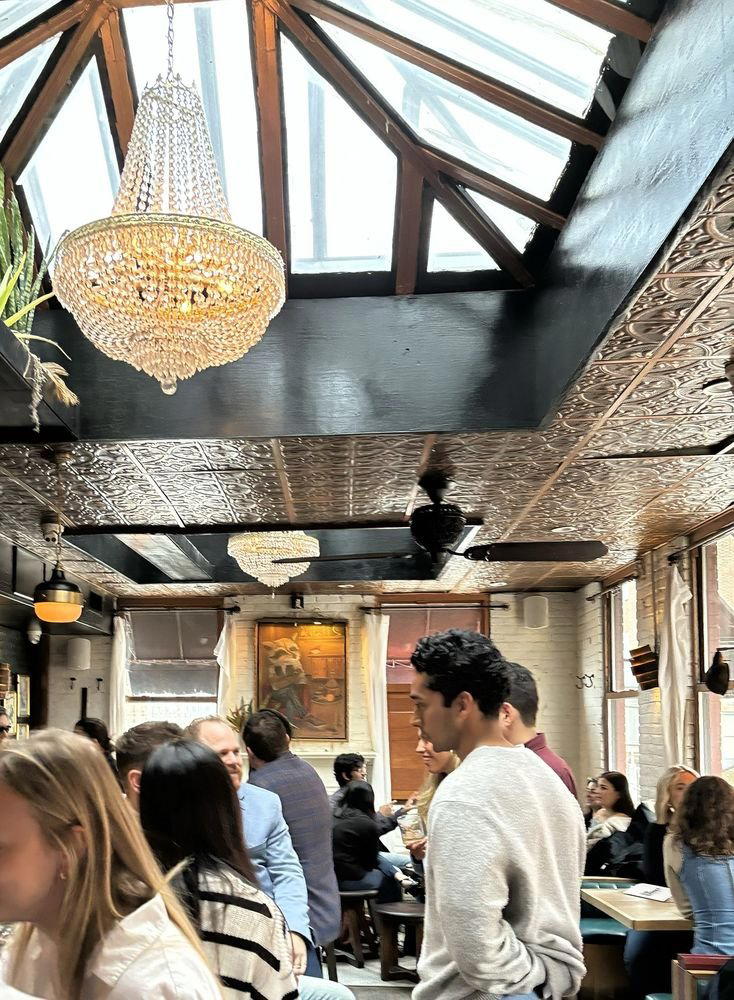
Casual yet elegant with romantic bi-level seating and intimate outdoor al fresco dining under glowing lights.