Bacaro
On Division Street in Manhattan's Lower East Side, Bacaro operates in a neighbourhood where old-world Italian wine culture and downtown New York informality converge. The address sits within a local dining tier that rewards return visitors rather than one-time tourists, making it a reliable reference point for anyone tracking the city's quieter Italian wine bar tradition.
Pearl is the En Primeur Club membership app — saves, bookings, and concierge access live there. Same editors, same standards.
- Address
- 136 Division St, New York, NY 10002
- Phone
- +1 212 941 5060
- Website
- bacaronyc.com
- Directions
- Get directions
 Saves & bookings on Pearl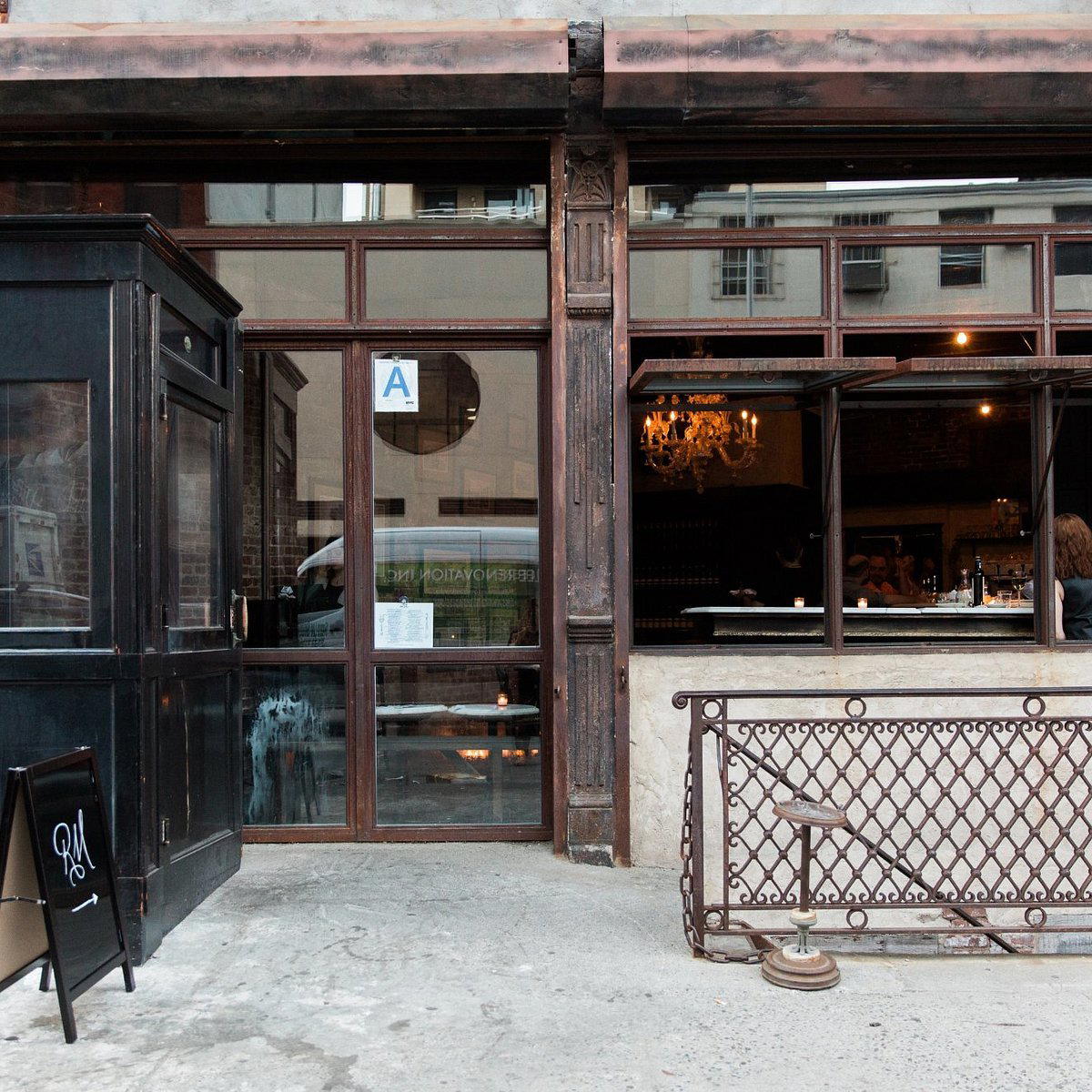
Division Street runs through one of Manhattan's most densely layered neighbourhoods, where a century of immigrant kitchens, modern cocktail bars, and contemporary dining rooms compete for the same narrow blocks. The Lower East Side has always been a place where imported traditions get pressure-tested against local habits, and the Italian wine bar format has found a particular footing here: less formal than the trattorias of the West Village, less theatrical than the big-ticket Italian rooms Midtown favours, and more focused on the glass-and-small-plate rhythm that defines the Venetian bacaro tradition the name references.
The Bacaro Format in a New York Context
In Venice, a bacaro is a neighbourhood wine bar where cicheti, small bites of cured fish, marinated vegetables, and bread-topped morsels, circulate on the counter and the wine pours by the glass for a few euros. The format is democratic, fast, and built around the idea that drinking and eating are inseparable. New York's interpretation of this template has generally kept the informality while adjusting the price register upward, reflecting the realities of operating in a city where rent, labour, and sourcing costs compress margins at every level. Bacaro at 136 Division Street sits within that adapted tradition: a venue whose format signals Venetian reference points while operating inside a downtown New York cost and pace structure.
Across American cities, Italian-inflected wine bar formats have split into two distinct camps. One group moves toward the $$$$ tier occupied by addresses like Le Bernardin, Per Se, and Eleven Madison Park, where tasting menus and extensive wine programmes demand significant pre-commitment. The other camp, where Bacaro operates, keeps the emphasis on accessibility and spontaneity: shorter formats, walk-in or short-notice availability, and a proposition built on value-per-glass rather than per-course architecture. For diners who find the formality of Masa or Atomix beside the point on a given Tuesday evening, the bacaro format offers an alternative logic entirely.
Local Ingredients, Italian Structure
The tension between imported culinary method and locally sourced product defines a significant strand of contemporary American cooking. At the higher end of that conversation, venues like Blue Hill at Stone Barns in Tarrytown or Single Thread Farm in Healdsburg have built entire identities around the intersection of European technique and hyperlocal sourcing. Further down the formality register, the same logic applies in less codified ways: a neighbourhood wine bar in lower Manhattan that draws on the bacaro template is, in its own way, running the same experiment, applying Italian structural thinking to whatever the Northeast seasonal market offers.
Cicheti tradition itself demonstrates the principle clearly. In Venice, the small bites are shaped by the Adriatic: sardines in saor, baccalà mantecato, sarde in soranzo. Transported to New York, those same techniques map onto different raw materials. The pickling logic, the salt-curing approach, the emulsification methods that produce a spreadable salt cod preparation, all of these are portable. What changes is the specific fish, the specific vegetable, the specific producer relationships available in a given city. New York's access to Northeast seafood, Hudson Valley produce, and an extraordinarily diverse wholesale market means the technical framework of Italian wine bar food lands here with substantial local material to work with. The result is neither a replica of a Venetian bacaro nor something entirely without Italian precedent: it occupies the productive middle ground that global technique and local ingredients tend to create.
This pattern appears across the American dining spectrum. Frasca Food and Wine in Boulder has long run a similar experiment at a higher price tier, applying Friulian wine and culinary logic to Colorado sourcing. Providence in Los Angeles uses French and Mediterranean technique on Pacific seafood. The methodology is consistent even when the specific cuisines differ: train in one tradition, source from another, let the friction produce something that belongs to both.
The Lower East Side as Context
The neighbourhood surrounding 136 Division Street matters as much as the format. The Lower East Side has historically been one of New York's most porous culinary zones, absorbing successive waves of immigrant food culture and allowing them to coexist with considerable density. The current dining scene layers old-school Jewish deli remains, contemporary Chinese restaurants from the neighbourhood's significant Chinatown adjacency, a generation of cocktail bars and small-plate spots that arrived post-2005, and a newer cohort of wine-focused rooms that reflect the city's broader shift toward wine bars as the default social dining format. Bacaro operates within the last of these strata while drawing formal DNA from much older Italian source material.
For visitors oriented around the city's highest-profile rooms, the Lower East Side wine bar tier can read as peripheral. It is not peripheral. It is, in many respects, where New York's actual daily dining culture is more legible than it is at the formal rooms of Midtown or the destination-dining addresses of the West Village. The city's relationship with wine is broader and more varied than the cellar programmes of Le Bernardin or Eleven Madison Park suggest, and neighbourhoods like the Lower East Side are where that variety becomes visible.
Smyth in Chicago and Lazy Bear in San Francisco, both of which run the local-ingredients, imported-technique equation at different price points and formality levels. Dal Pescatore in Runate and Atelier Moessmer Norbert Niederkofler in Brunico, both of which demonstrate what the source tradition looks like at the highest European level.
Cuisine Lens
Comparable venues nearby, for context on price, style, and recognition.
| Venue | Cuisine | Price | Notes |
|---|---|---|---|
| BacaroThis venue — the venue you are viewing | Venetian Cicchetti Tavern | $$ | Not listed |
| Grotta Azzurra | Authentic Southern Italian Trattoria | $$ | SoHo-Little Italy-Hudson Square |
| Piccola Cucina Osteria Siciliana | Sicilian Osteria | $$ | SoHo-Little Italy-Hudson Square |
| Fumo Chelsea | Authentic Italian Trattoria | $$ | Chelsea-Hudson Yards |
| Piccola Cucina Uptown | Authentic Sicilian Italian | $$ | Upper East Side-Carnegie Hill |
| Tre | Napoli-Inspired Italian | $$ | East Village |
Continue exploring
More in New York City
Restaurants in New York City
Browse all →
Bars in New York City
Browse all →
Hotels in New York City
Browse all →






At a Glance
- Cozy
- Rustic
- Intimate
- Date Night
- Casual Hangout
- Open Kitchen
- Extensive Wine List
Current opening hours
- Monday
- 5 PM–12 AM
- Tuesday
- 5 PM–12 AM
- Wednesday
- 5 PM–12 AM
- Thursday
- 5 PM–12 AM
- Friday
- 5 PM–12 AM
- Saturday
- 5 PM–12 AM
- Sunday
- 5–10 PM
Hours can change for holidays and private events. Last verified .
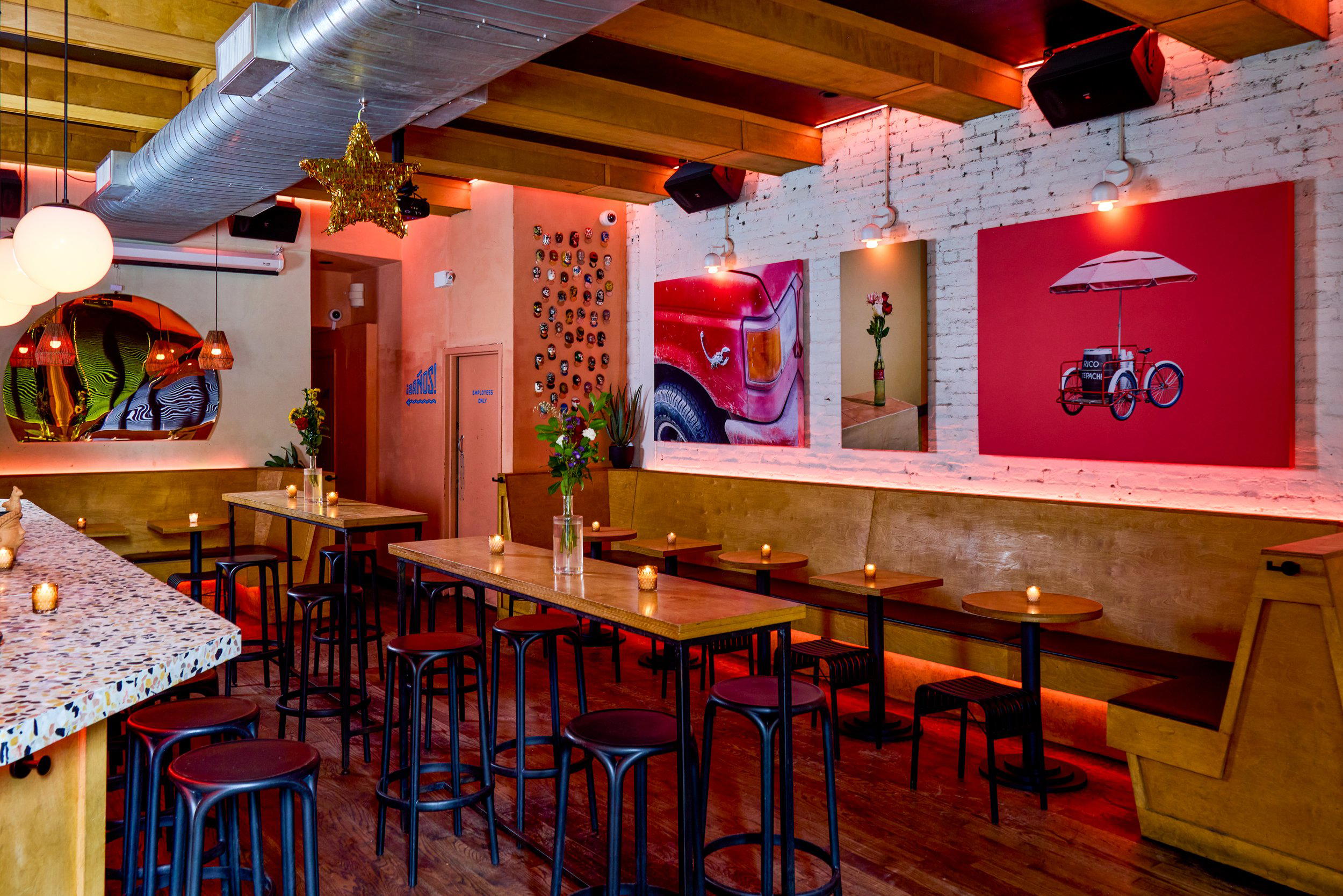
Cozy and atmospheric with soft lighting, warm candles, and brick vaulted spaces reminiscent of Italian streets, creating an intimate wine cellar-like feel.