Pappardella
A long-standing Italian-American address on Columbus Avenue, Pappardella sits in a stretch of the Upper West Side where neighbourhood regulars and returning visitors overlap. The restaurant's name references the broad, flat pasta central to Tuscan and Emilian cooking, signalling a kitchen oriented toward the northern Italian tradition. It occupies a different register from Midtown's trophy tables, operating as a sustained local fixture rather than a destination address.
Pearl is the En Primeur Club membership app — saves, bookings, and concierge access live there. Same editors, same standards.
- Address
- 316 Columbus Ave, New York, NY 10023
- Phone
- +12125957996
- Website
- pappardella.com
- Directions
- Get directions
 Saves & bookings on Pearl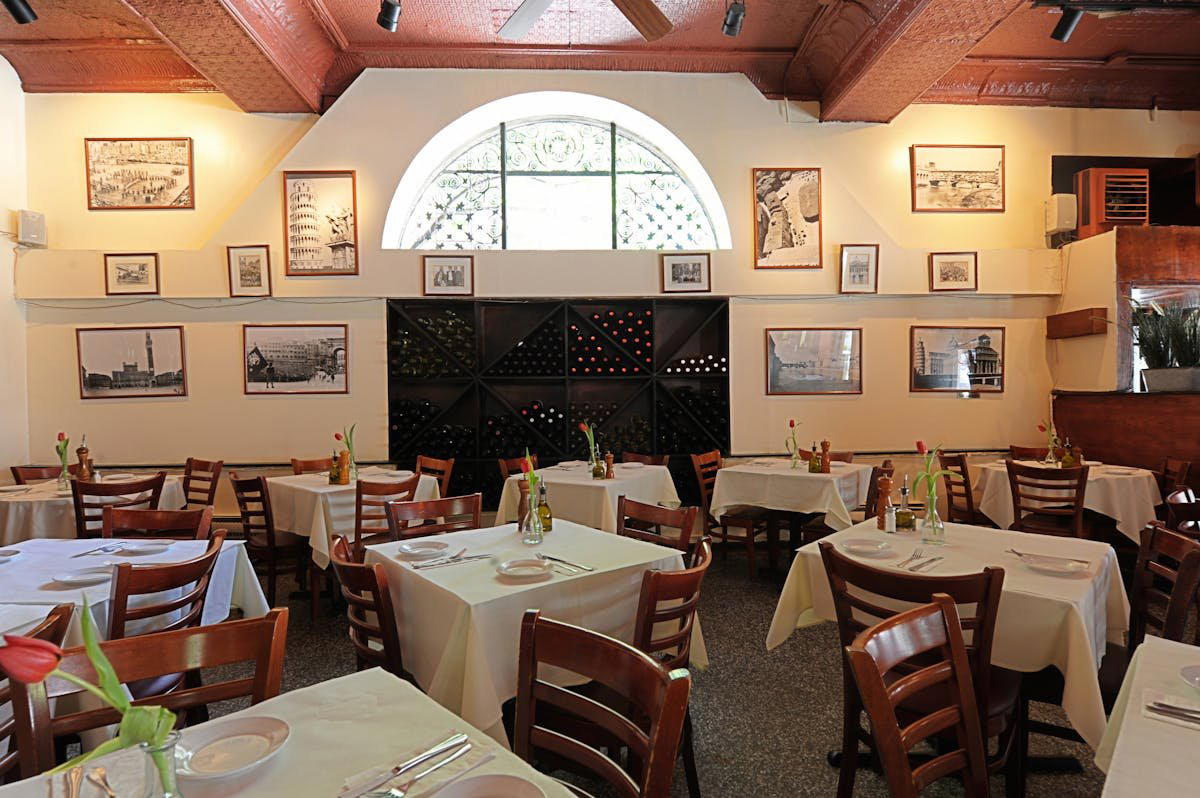
Columbus Avenue and the Upper West Side's Italian Tradition
The Upper West Side has sustained a particular kind of Italian-American dining culture for decades, one that runs parallel to but rarely intersects with the Michelin-starred rooms of Midtown and downtown Manhattan. Where Le Bernardin, Per Se, and Masa define the upper tier of New York's tasting-menu world, the neighbourhood Italian has remained a separate and durable category: affordable by comparison, built on repetition and loyalty rather than novelty, and measured by whether regulars still come back years later. Pappardella, at 316 Columbus Avenue, belongs to that category. Its name references the broad, flat Tuscan pasta that has been a staple of central and northern Italian cooking for centuries, which itself signals something about the kitchen's orientation.
Ingredient Sourcing and the Italian-American Table
Pappardelle, the pasta the restaurant is named after, originates in the cooking of Tuscany and Emilia-Romagna, where wide ribbons of egg-rich dough are traditionally paired with slow-braised meat sauces: wild boar, hare, duck ragu, or the long-cooked beef and pork preparations that characterise the region's colder-month cooking. The pairing logic is practical. A wide, textured noodle catches and holds dense sauces in a way that thinner formats cannot. Across northern Italy, this relationship between pasta shape and sauce composition is treated as a foundational matter, not a stylistic choice. Restaurants that name themselves after a specific pasta are, in effect, declaring an allegiance to that logic: ingredient sourcing and preparation method as the primary argument, presentation as secondary. That framing places Pappardella in a different conversation from the technique-forward rooms of, say, Atomix or Jungsik New York, where the cooking is explicitly constructed around contemporary culinary frameworks. This is a kitchen where the tradition itself is the argument.
Ingredient Sourcing and the Italian-American Table
The broader Italian-American dining tradition in New York has always had a complicated relationship with sourcing. At the high end, restaurants like those represented at Otto e Mezzo Bombana internationally or Alain Ducasse's Louis XV in Monte Carlo have made ingredient provenance the central editorial statement of their menus, flying in specific regional Italian products or building entire seasons around what arrives from their supply networks. Neighbourhood Italian restaurants operate under different economic constraints, but the good ones have always understood that the quality of a ragu or a pasta dish depends heavily on what goes into the pot before technique enters the equation. Flour type, egg yolk ratio in fresh pasta dough, the fat content and age of the pork or beef used in the braise, these are the variables that determine whether the result is pedestrian or genuinely compelling. At the neighbourhood level, the distinction between restaurants that take sourcing seriously and those that do not is usually visible in the sauce: whether it has depth that comes from time and quality fat, or whether it reads as thin and one-dimensional.
Across the broader American dining scene, the emphasis on traceable, regionally specific ingredients has grown considerably. Blue Hill at Stone Barns in Tarrytown has made farm-to-table sourcing its founding premise. Single Thread Farm in Healdsburg operates its own farm as the origin point for the menu. The French Laundry in Napa and Lazy Bear in San Francisco both foreground producer relationships as a trust signal. The neighbourhood Italian is not competing in that register, but the underlying logic, that sourcing quality is the first variable in cooking quality, applies across price tiers. It simply expresses itself differently depending on the kitchen's scale and budget.
The Upper West Side as a Dining Context
Columbus Avenue between roughly 72nd and 86th Streets has historically supported a concentration of neighbourhood restaurants that serve a residential population with significant disposable income but different dining expectations from Midtown or the downtown neighbourhoods. The Upper West Side diner is not typically chasing the opening-week reservation or the tasting menu at a new chef-driven address; they are more likely looking for a place they can return to reliably, where the food is consistent and the room is comfortable without demanding a formal register. This is a different brief from what drives Alinea in Chicago, Providence in Los Angeles, or Addison in San Diego, all of which operate as occasion-driven destination addresses with significant advance booking requirements. Pappardella operates as a sustained neighbourhood fixture, which is a harder thing to maintain over time than it appears. Restaurants that rely on a loyal local base have no opening-week heat to carry them; they earn repeat visits one meal at a time.
Comparison with Peer Addresses
| Venue | Category | Price Tier | Booking Lead Time | Primary Draw |
|---|---|---|---|---|
| Pappardella | Neighbourhood Italian | Mid-range | Short to walk-in | Local consistency, Italian-American tradition |
| Le Bernardin | French Seafood | $$$$ | Weeks ahead | Michelin three-star, destination dining |
| Per Se | French Contemporary | $$$$ | Weeks to months ahead | Tasting menu, prestige address |
| Atomix | Modern Korean | $$$$ | Weeks ahead | Counter format, contemporary technique |
| Emeril's (New Orleans) | American Contemporary | $$$ | Days ahead | Regional anchor, recognisable brand |
| Bacchanalia (Atlanta) | American Fine Dining | $$$ | Days ahead | Seasonal sourcing, city anchor |
| The Inn at Little Washington | American Fine Dining | $$$$ | Months ahead | Destination inn, multi-decade legacy |
Planning Your Visit
Pappardella is located at 316 Columbus Avenue, New York, NY 10023, in the stretch of the Upper West Side accessible from the 72nd Street subway station on the B and C lines. The address functions as a neighbourhood restaurant rather than a special-occasion destination requiring significant advance planning. Given the neighbourhood context and the category, reservations are recommended, and weekend evenings will be busier.
The Short List
Comparable venues nearby, for context on price, style, and recognition.
| Venue | Cuisine | Price | Notes |
|---|---|---|---|
| PappardellaThis venue — the venue you are viewing | Not listed | $$ | Not listed |
| Water & Wheat Upper West | Not listed | $$ | Upper West Side (Central), Fresh Pasta & Neapolitan Pizza |
| Il Melograno | Not listed | $$ | Hell's Kitchen, Southern Italian Sicilian |
| Casa Di Isacco | Hell's Kitchen, Rustic Italian Trattoria | $$ | Not listed |
| Lazzara's Pizza Cafe | Midtown-Times Square, Italian Pizza Cafe | $$ | Not listed |
| Tarallucci e Vino | Not listed | $$ | Midtown South-Flatiron-Union Square, Authentic Italian Bistro |
Continue exploring
More in New York City
Restaurants in New York City
Browse all →
Bars in New York City
Browse all →
Hotels in New York City
Browse all →





At a Glance
- Romantic
- Cozy
- Classic
- Date Night
- Brunch
- Casual Hangout
- Terrace
- Street Scene
Current opening hours
- Monday
- 12–10 PM
- Tuesday
- 12–10 PM
- Wednesday
- 12–10 PM
- Thursday
- 12–10 PM
- Friday
- 12–10:30 PM
- Saturday
- 11 AM–10:30 PM
- Sunday
- 11 AM–10 PM
Hours can change for holidays and private events. Last verified .
Romantic setting of timeless charm with high ceilings, French doors opening to an outdoor terrace for people-watching, and a quiet, inviting neighborhood atmosphere.