
Patsu Curry brings an Odisha-led reading of Indian cooking into Nagoya’s compact counter-dining culture. Selected for Tabelog 100 Asian cuisine / Ethnic cuisine EAST 2024, it is small, low-priced by Nagoya destination standards, and more interesting for its regional focus than for scale or ceremony.
Pearl is the En Primeur Club membership app — saves, bookings, and concierge access live there. Same editors, same standards.
- Address
- 愛知県名古屋市昭和区塩付通6-76-2
- Website
- tabelog.com
 Saves & bookings on Pearl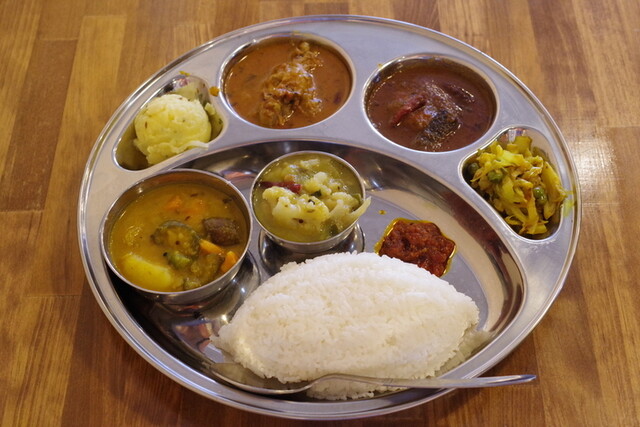
Showa-ku’s quieter streets change the terms of a Nagoya meal before the first order is placed. The city is better known to visitors for miso katsu, hitsumabushi, kishimen, and coffee-shop morning sets, but its smaller specialist rooms tell another story: a dining culture comfortable with narrow formats, counter seating, and menus built around a single point of view. Patsu Curry belongs to that side of Nagoya, where the appeal is not a long menu or hotel-polished service, but a tight reading of Indian curry through a regional frame rarely foregrounded in Japan.
The useful lens here is menu architecture. Indian restaurants in Japanese cities often flatten the category into familiar North Indian cues: naan, butter chicken, tandoor dishes, and set lunches designed for office turnover. An Odisha-based approach shifts the conversation eastward. Odisha, on India’s eastern coast, has a different relationship to rice, pulses, vegetables, fish, mustard, and temple-influenced cooking traditions than the North Indian restaurant template that dominates overseas. The point is not that Nagoya suddenly becomes Bhubaneswar; it is that a small restaurant can use curry as a structure for regional specificity rather than generic comfort.
Odisha as a framework, not a curry-house theme
Patsu Curry is listed as Indian and Indian curry, but the more telling detail is its stated specialization in dishes based on Odisha in East India, with Indian cooking classes attached to the operation. That combination matters. A restaurant that also teaches the cuisine usually has to make its logic legible: why a spice base changes, why rice matters, why a dish sits in sequence rather than as an isolated plate. In a city where curry can mean Japanese curry rice, South Asian lunch sets, spice-curry hybrids, or bar-adjacent late meals, this narrows the field into something more deliberate.
The 2024 Tabelog 100 Asian cuisine / Ethnic cuisine EAST selection gives the address a useful external marker without overstating the case. Tabelog’s Hyakumeiten lists tend to reward consistency and local traction, especially in categories where Michelin coverage is patchier and where small independent rooms do not always fit fine-dining award systems. For Nagoya diners, that recognition places Patsu Curry in the same conversation as serious specialist cooking rather than casual curry convenience.
That distinction is important because Nagoya’s high-end dining market can be read through price and genre extremes. Hama Gen occupies the sushi-counter luxury bracket, while Sushi Yasuke sits in a more accessible sushi tier; China Hime Hana signals how Chinese dining can span lunch affordability and dinner ambition. Against those formats, a ten-seat Indian curry counter operates by compression. The value is in the degree of focus: fewer seats, a narrower culinary brief, and a regional vocabulary that resists the standard all-purpose Indian restaurant menu.
A small counter format changes the way the meal reads
Counter seating is not just a room detail in Japan; it changes the rhythm of dining. Sushi, tempura, ramen, yakitori, and curry counters all use proximity differently, but the shared principle is concentration. At ten seats, a kitchen built around curry and regional Indian dishes does not need theatrical pacing. It needs clarity: the plate has to carry the idea without the insulation of a long wine list, private room, or extended tasting format.
That compactness also makes the restaurant more legible for solo diners. Nagoya is a strong solo-dining city because so many formats are counter-based and transactional without being cold. A curry specialist fits neatly into that pattern. The meal can be purposeful rather than ceremonial, and the low spend relative to the city’s destination sushi rooms changes the risk calculation for travelers. It is not competing with luxury omakase; it is competing with the question of where a serious eater should spend a short lunch window when the obvious Nagoya dishes have already been covered.
Family friendliness adds another small but useful signal. Children are welcome, which puts the restaurant outside the adult-only seriousness that sometimes attaches to small specialist counters. That does not make it a broad, high-volume family restaurant. It simply means the format can accommodate diners beyond the usual enthusiast circuit, provided the group understands the scale of the room.
Where it fits in a Nagoya itinerary
For travelers building a Nagoya dining map, the restaurant works as a corrective to the city’s better-publicized regional canon. Miso-based cooking and eel remain part of the local argument, but the city’s restaurant culture is not limited to Aichi specialties. Its rail connections, university districts, and residential neighborhoods support small rooms with narrower briefs, and Showa-ku rewards diners willing to leave the more predictable hotel-and-station orbit.
The planning logic is simple: treat it as a specialist lunch rather than a flexible fallback. For a wider sweep of the city, start with Our full Nagoya restaurants guide, then cross-check nearby dining styles against Nagoya peers such as 1022, 451, Aaron, Alan., and All Day Dining Montmartre.
Travelers using Nagoya as a base can widen the plan through Our full Nagoya hotels guide, Our full Nagoya bars guide, Our full Nagoya wineries guide, and Our full Nagoya experiences guide. For broader Japan and overseas context, compare how focused formats travel across -Grilled beef Sukiyaki- KAMAKURA TANUKIAN 鎌倉 たぬき庵 in Kamakura. 鮪と炭火焼き うお炭 秋葉原店 in Tokyo.cafe in Osaka.know in Kumamoto, (Shoku) Vietnam in Kawasaki, [Curry Senmon Ten] Maruyama Kyoju. in Sapporo, Jōdo Saké Bar in Los Angeles, and Onigiri Time in Pasadena.
Comparable Options
Comparable venues to anchor price and recognition.
| Venue | Cuisine | Price | Notes |
|---|---|---|---|
| Patsu CurryThis venue — the venue you are viewing | Traditional East Indian (Odisha) Curry House | $ | Not listed |
| Nepal STATION | Authentic Nepalese & Curry Restaurant | $ | Naka |
| BHANCHA GHAR | Indian-Nepalese Curry House | $$ | Chikusa |
| Ramen Senmon Ten Tokugawa Cho Josui | Ramen & tsukemen shop | $ | Higashi |
| Kokoro ni Amai Anpanya JR nagoya ten | Japanese anpan and sweet bread bakery | $ | Nakamura |
| Niboshi Chuka Soba Gyogyo | Niboshi-focused Ramen & Tsukemen | $ | Kita |
Recognition history
Dated appearances from independent guides and award organizations, with the underlying list record or original source where available.
Tabelog 100 #11 · No. 11
Tabelog · Tabelog 100 - Asian cuisine / Ethnic cuisine - EAST - 2024
Continue exploring
More in Nagoya
Restaurants in Nagoya
Browse all →


At a Glance
- Cozy
- Intimate
- Solo
- Family
- Casual Hangout
- Chefs Counter
- Standalone
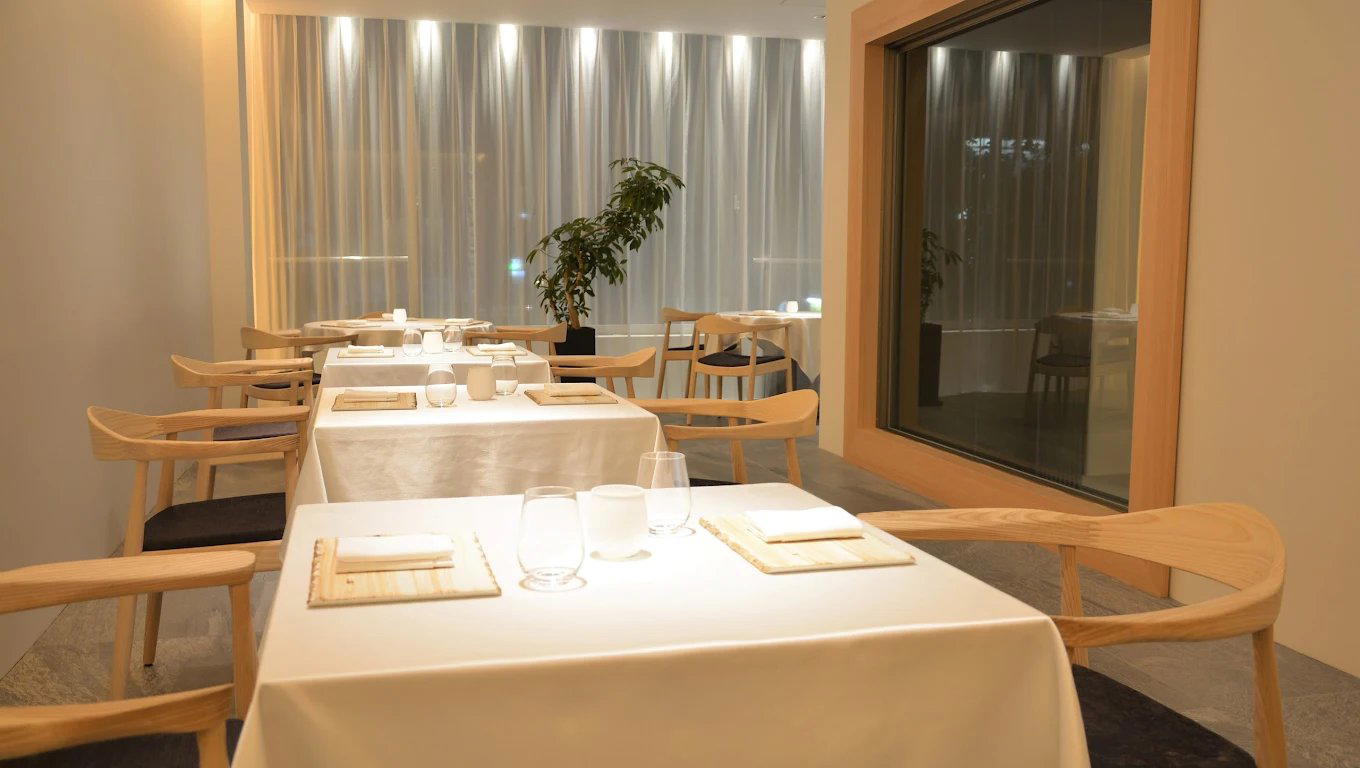
A tiny, counter-only hideout with about ten seats, non-smoking, and a relaxed, homey atmosphere suited to solo diners or small families at lunchtime.