

Michelin Plate · Tabelog 100 #50
Our verdict
A French restaurant in Azabudai operating at the ¥¥¥ tier, Patous has built its identity around two details that rarely change: bread that finishes baking as guests arrive, and a pan-seared scabbard fish with potato and foie gras that has anchored the menu since the restaurant opened. The name references the Great Pyrenees dog breed, a deliberate signal of the kitchen's commitment to a single, clear standard of craft.

Pearl is the En Primeur Club membership app — saves, bookings, and concierge access live there. Same editors, same standards.
- Address
- Japan, 〒106-0041 Tokyo, Minato City, Azabudai, 3 Chome−4−14 麻布台マンション 103
- Phone
- +81 3-6807-4820
- Hours
- Mon–Tue 6–9 PMWed ClosedThu–Fri 6–9 PMSat–Sun 12–3 PM, 6–9 PM
- Website
- patous.jp
- Directions
- Get directions
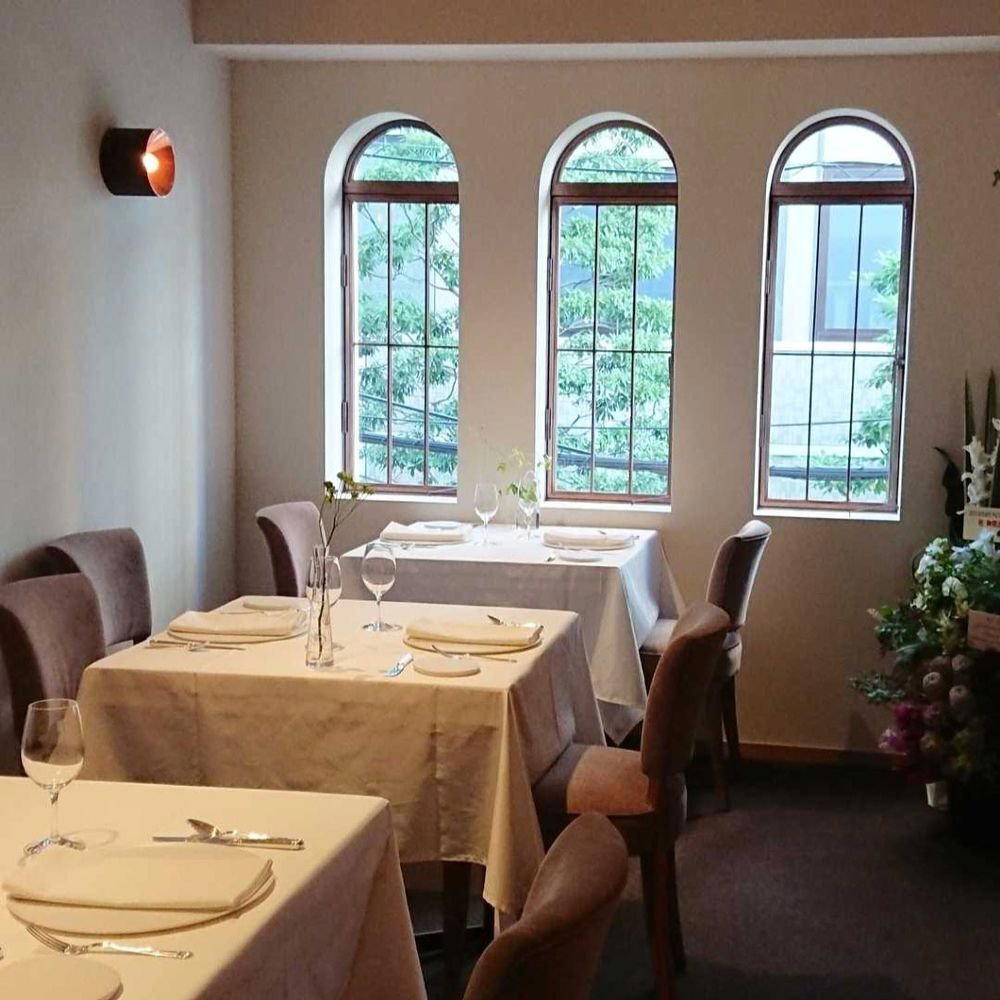
French Dining in Azabudai: What the ¥¥¥ Tier Looks Like Here
Tokyo's French dining scene divides more sharply than any other international cuisine in the city. At the leading sit the ¥¥¥¥ counters — L'Effervescence, HOMMAGE, and their peers — where prix-fixe menus run deep into five figures per head and seasonal ingredient sourcing is treated as editorial content in its own right. One tier below, the ¥¥¥ bracket has to work harder to justify itself: it cannot compete on budget against neighbourhood bistros, nor on spectacle against the Michelin-decorated rooms above. The ones that survive long-term tend to do so by owning a specific dish, a specific ritual, or a specific atmosphere that repeat guests return to rather than simply experience once.
Patous, in the Azabudai district of Minato City, has operated inside that logic from its earliest days. Its point of differentiation is not a tasting menu architecture or a rotating seasonal narrative. It is two things: bread arriving warm from the oven the moment guests are seated, and a single signature dish that has not left the menu since the restaurant opened. In a city where novelty can feel like a professional obligation, that kind of consistency reads as a deliberate position.
The Architecture of a Milestone Meal
Special-occasion dining in Tokyo follows a well-worn script: the room is formal, the menu is long, the bill arrives as a reminder of what the evening cost. Patous applies a different logic. The occasion is marked not by scale but by precision, by the smell of bread baking completing its final minutes as guests walk in, and by a kitchen that has apparently spent years refining the same centrepiece plate rather than replacing it each season.
That centrepiece is pan-seared scabbard fish, layered with potato and foie gras, a combination that has been the house signature since inception. Scabbard fish, ribbonfish, known in Japanese as tachiuo, is an ingredient with particular resonance in Japanese coastal cooking, though here it is treated through a French lens: seared hard enough to crisp the skin, then constructed against the richness of foie gras and the structural softness of potato. The dish has reportedly remained on the menu because the technique required to execute it well is non-trivial. Flame management and textural layering are the skills it showcases, not ingredient exoticism.
For guests marking an anniversary, a significant birthday, or a professional milestone, a restaurant that has practiced one dish for years offers something the rotating tasting menu format cannot: the confidence that you will eat that specific thing at the standard you came for. The bread ritual reinforces this. It is not a theatrical flourish, it is a scheduling decision, a way of synchronising the kitchen's rhythm with the guest's arrival, so that the meal begins with something warm and specific rather than a bread basket that was baked four hours ago.
Azabudai and the Neighbourhood's Current Moment
Azabudai is one of the addresses in central Tokyo where the density of serious restaurants has increased meaningfully in recent years. Minato City more broadly, covering Azabu, Hiroo, Roppongi, and Toranomon, holds a concentration of French and European kitchens that exists nowhere else in Japan at the same scale. Patous sits at 3 Chome-4-14 Azabudai, in a residential building that signals the kind of local, repeat-guest clientele that sustains a restaurant over time rather than the tourist-facing positioning of some nearby competitors.
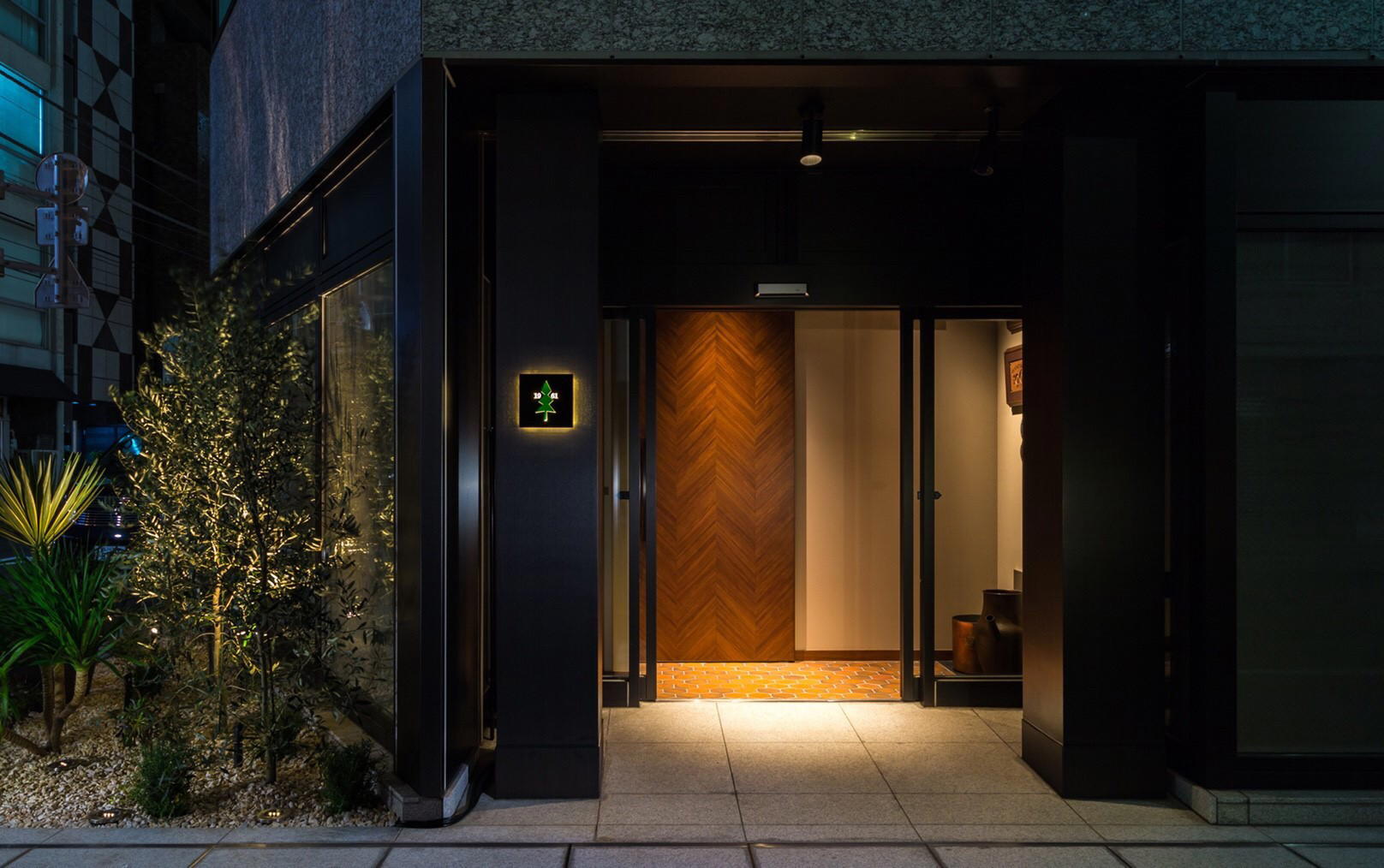
The surrounding neighbourhood context matters when choosing a venue for a special occasion. Unlike some of Tokyo's more visible French addresses, Azabudai rewards guests who arrive knowing where they are going. There is no canopy, no street-level signage designed for passing trade. The format assumes you have booked and you have arrived on purpose, which, for a milestone meal, is exactly the right starting condition.
For a broader picture of what Tokyo's French dining tier looks like today, La Paix and au deco offer useful comparison points within the city's French offer, while Madame Toki represents a different approach to European-influenced dining in a Japanese setting. Further along the price spectrum, Harutaka demonstrates what the ¥¥¥¥ commitment looks like in sushi rather than French, and L'Effervescence sits at the French tier above Patous for guests calibrating spend.
How Patous Compares: Planning a Special Occasion in Tokyo
| Venue | Cuisine | Price Tier | Format Signal |
|---|---|---|---|
| Patous | French | ¥¥¥ | Signature-led, consistency-focused |
| L'Effervescence | French | ¥¥¥¥ | Seasonal tasting, Michelin-recognised |
| Harutaka | Sushi | ¥¥¥¥ | Counter omakase, long lead booking |
| Madame Toki | European-influenced | ¥¥¥ | Atmospheric, design-led |
Elsewhere in Japan and Beyond
Guests using Patous as part of a wider Japan itinerary will find that the country's French dining tradition extends well beyond Tokyo. HAJIME in Osaka operates at a different register entirely, as does Gion Sasaki in Kyoto for Japanese haute cuisine in a different mode. akordu in Nara shows how European technique reads in a smaller city context, while Goh in Fukuoka and 6 in Okinawa extend the picture to Japan's southern cities. For international comparison with how French-influenced technique at the occasion-dining level performs in another major market, Le Bernardin in New York City and Atomix in New York City offer a useful transatlantic frame, as does 1000 in Yokohama for those making a day trip from Tokyo.
For full coverage across Tokyo's dining, drinking, and hotel options, see our full Tokyo restaurants guide, our full Tokyo hotels guide, our full Tokyo bars guide, our full Tokyo wineries guide, and our full Tokyo experiences guide.
Planning Notes
Patous is located at 3 Chome-4-14 Azabudai, Minato City, Tokyo, in a ground-floor unit of a residential building. The ¥¥¥ price positioning places it in a tier where a full dinner for two, with wine, typically runs in the mid-to-upper range of that bracket. Booking in advance is advisable, particularly for weekend evenings when occasion-dining demand in Minato City concentrates. Phone and website details are not publicly listed through this platform; contact is leading made through the venue directly or via concierge.
Frequently asked questions
at Patous?
The pan-seared scabbard fish with potato and foie gras is the dish to order. It has been the house signature since the restaurant opened, which in Tokyo's French dining tier, where menus rotate with the seasons and chefs reconfigure regularly, is a meaningful signal. The kitchen has spent years working the technique on a single plate: searing scabbard fish at the right heat to crisp the skin without overcooking the flesh, then constructing it against the richness of foie gras and the softness of layered potato. The bread, baked to finish as you arrive, is also worth noting, not as a side detail but as the opening statement of how the kitchen times its service.
In Context: Similar Options
Comparable venues nearby, for context on price, style, and recognition.
| Venue | Cuisine | Price | Awards | Notes |
|---|---|---|---|---|
| PatousThis venue — the venue you are viewing | Classic French Fine Dining | $150–200 | Michelin Plate · Tabelog 100 #50 | Not listed |
| Tsushimi | Vegetable-Focused French Fine Dining | Not listed | Tabelog Silver #149 | Minato |
| Ode | Modern French Omakase with Japanese Ingredients | $200–300 | Not listed | Shibuya |
| Restaurant La FinS | Modern French Fine Dining | $150–200 | Tabelog Bronze #361 | Minato |
| Plaiga TOKYO | Modern French with Japanese Seasonal Ingredients | $150–200 | Michelin Plate | Chiyoda |
| Watanabe Ryouri-mise | Modern French Bistro | $100–150 | Michelin Plate · Tabelog 100 #91 | Kōtō |
Recognition history
Dated appearances from independent guides and award organizations, with the underlying list record or original source where available.
Michelin Plate
Michelin
Tabelog 100 #50 · No. 50
Tabelog · Tabelog 100 - French - TOKYO - 2025





Details
- Cozy
- Elegant
- Intimate
- Sophisticated
- Date Night
- Special Occasion
- Business Dinner
- Open Kitchen
- Sake Program
- A La Carte
- Vegetarian Friendly
Current opening hours
- Monday
- 6–9 PM
- Tuesday
- 6–9 PM
- Wednesday
- Closed
- Thursday
- 6–9 PM
- Friday
- 6–9 PM
- Saturday
- 12–3 PM, 6–9 PM
- Sunday
- 12–3 PM, 6–9 PM
Hours can change for holidays and private events. Last verified .
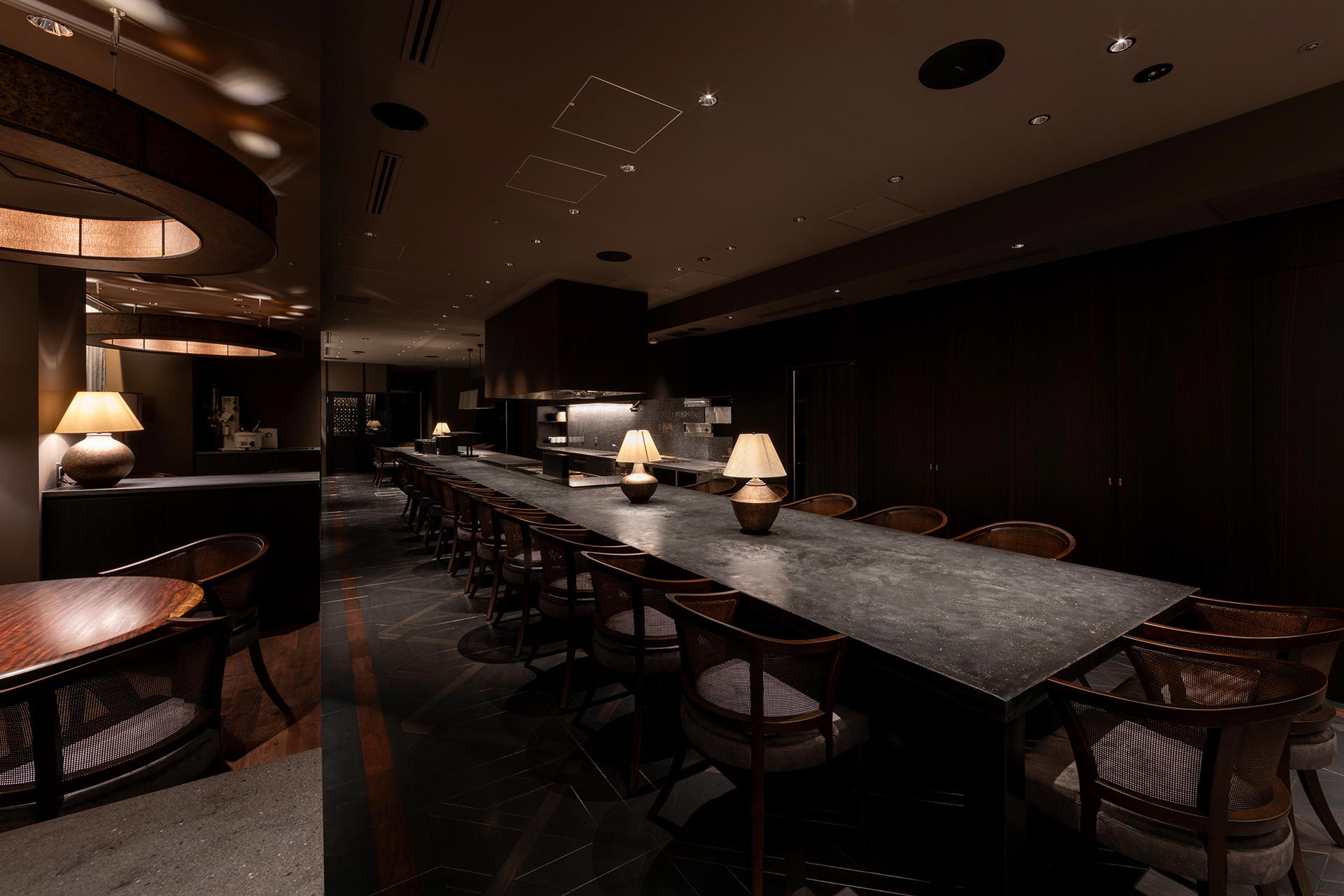
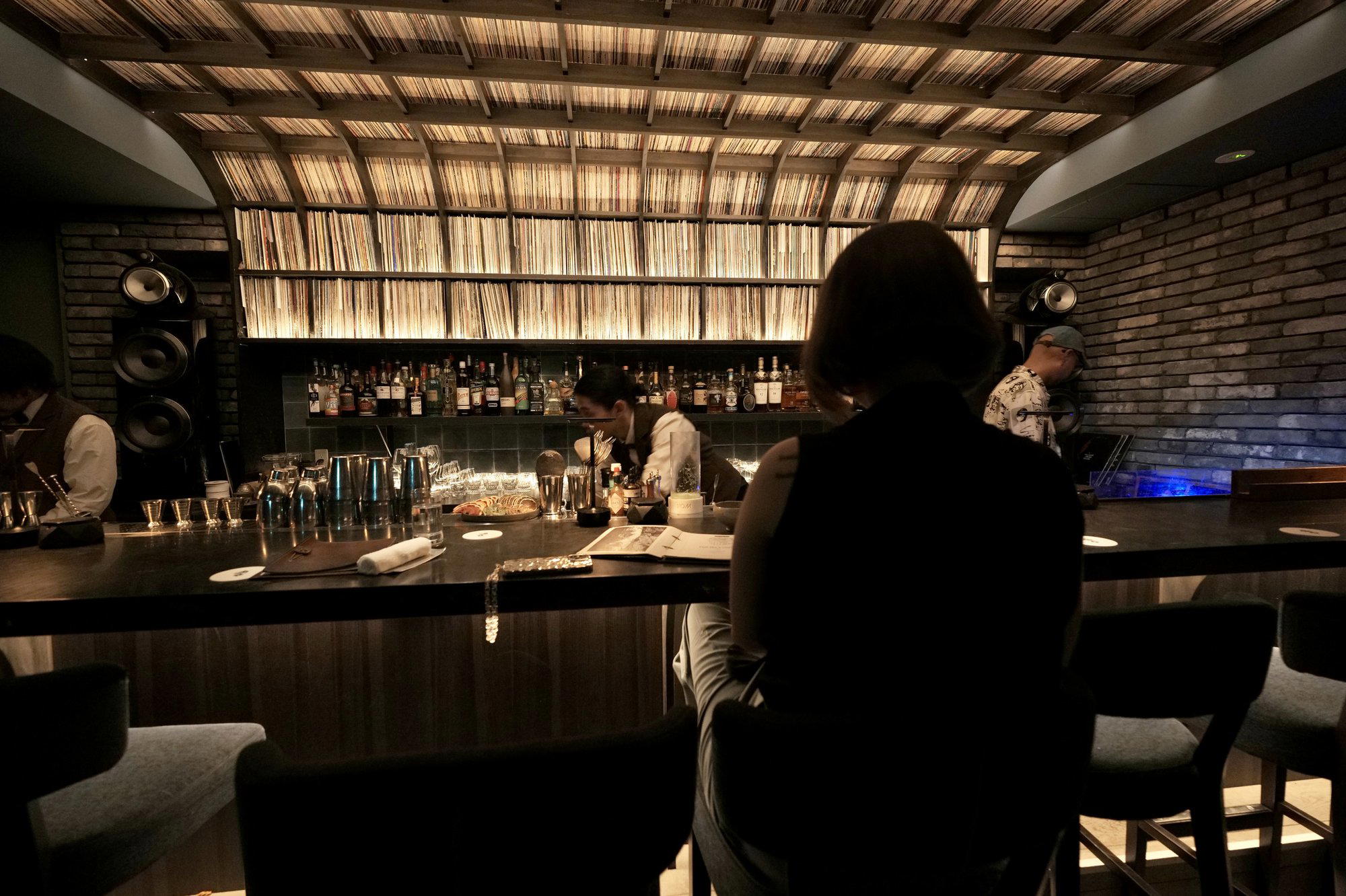
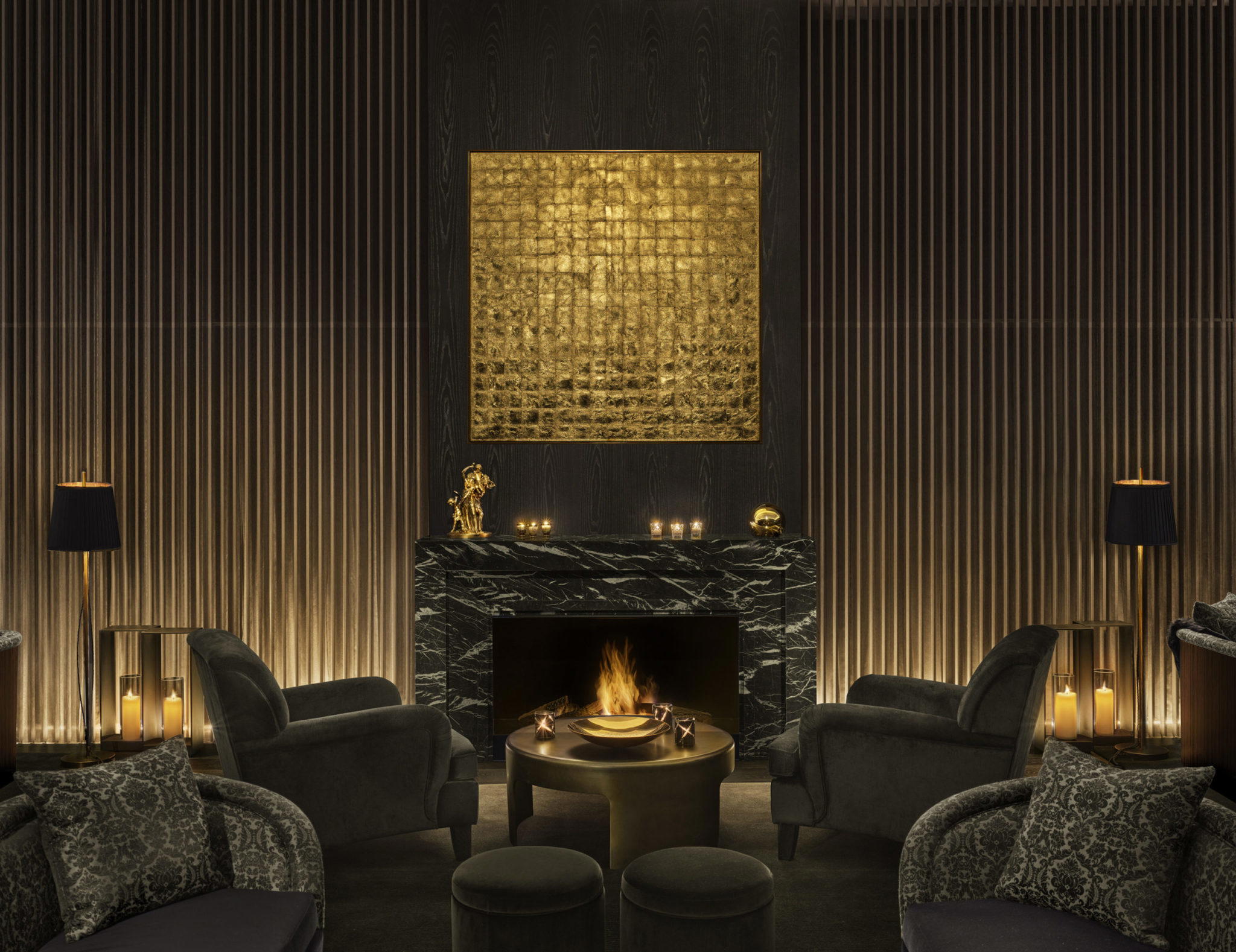
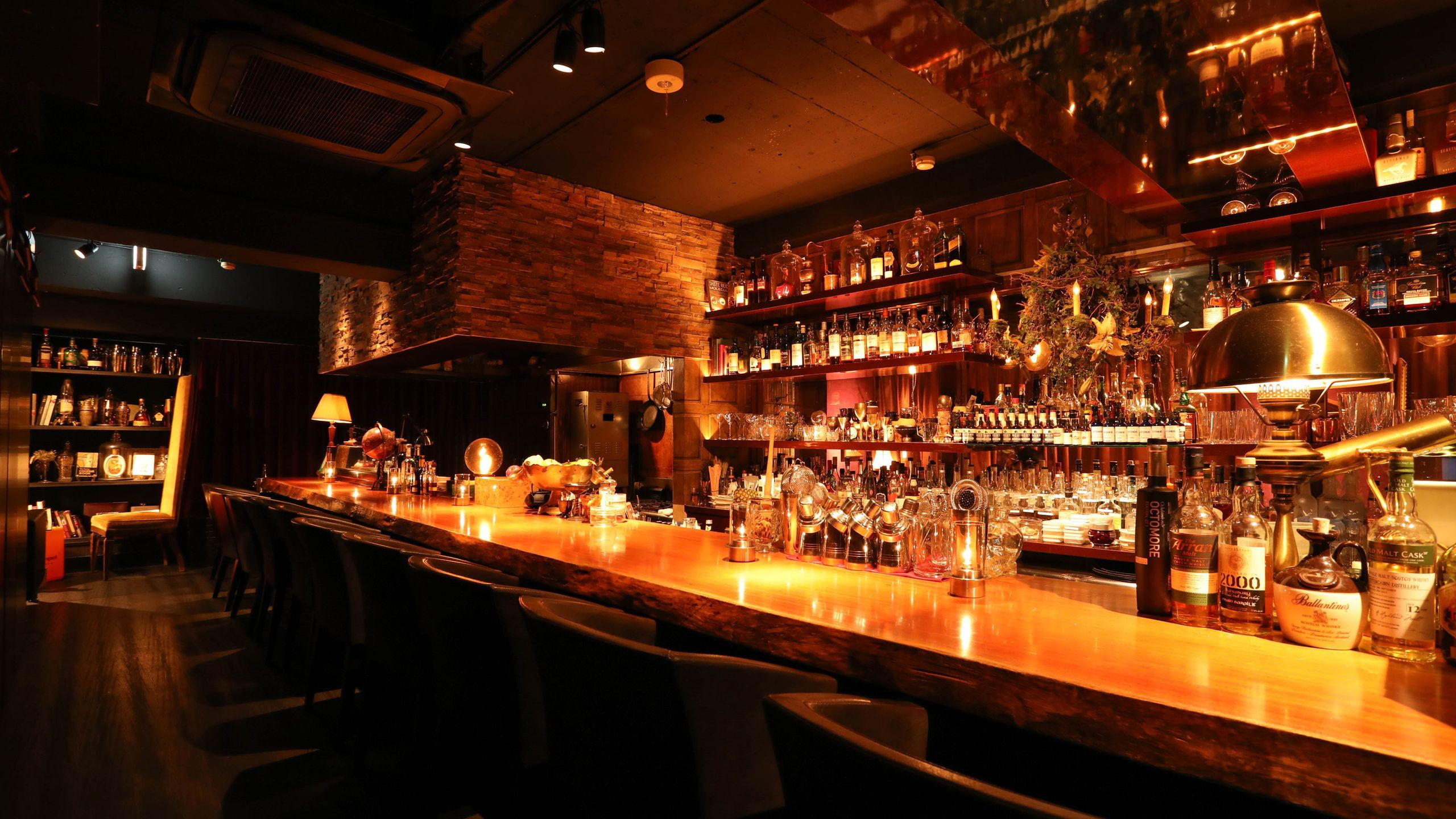
Warm, homey interior with stylish wood-toned open kitchen, relaxing and cozy atmosphere praised for comfort and elegance.