


au deco in Ebisu operates in a register that most of Tokyo's French scene abandoned decades ago: classical preparations, aged wines served to taste, and a kitchen that finds its originality within tradition rather than against it. Terrine, consommé, and brandy-laced sauces anchor a menu where the French canon is treated as a living practice rather than a period piece. For a city fluent in haute cuisine spectacle, au deco's commitment to the basics reads as a deliberate and considered position.
Pearl is the En Primeur Club membership app — saves, bookings, and concierge access live there. Same editors, same standards.
- Address
- 2 Chome-23-3 Ebisu, Shibuya, Tokyo 150-0013, Japan
- Phone
- +81 3-6721-9218
- Website
- ggp5200.gorp.jp
- Directions
- Get directions
 Saves & bookings on Pearl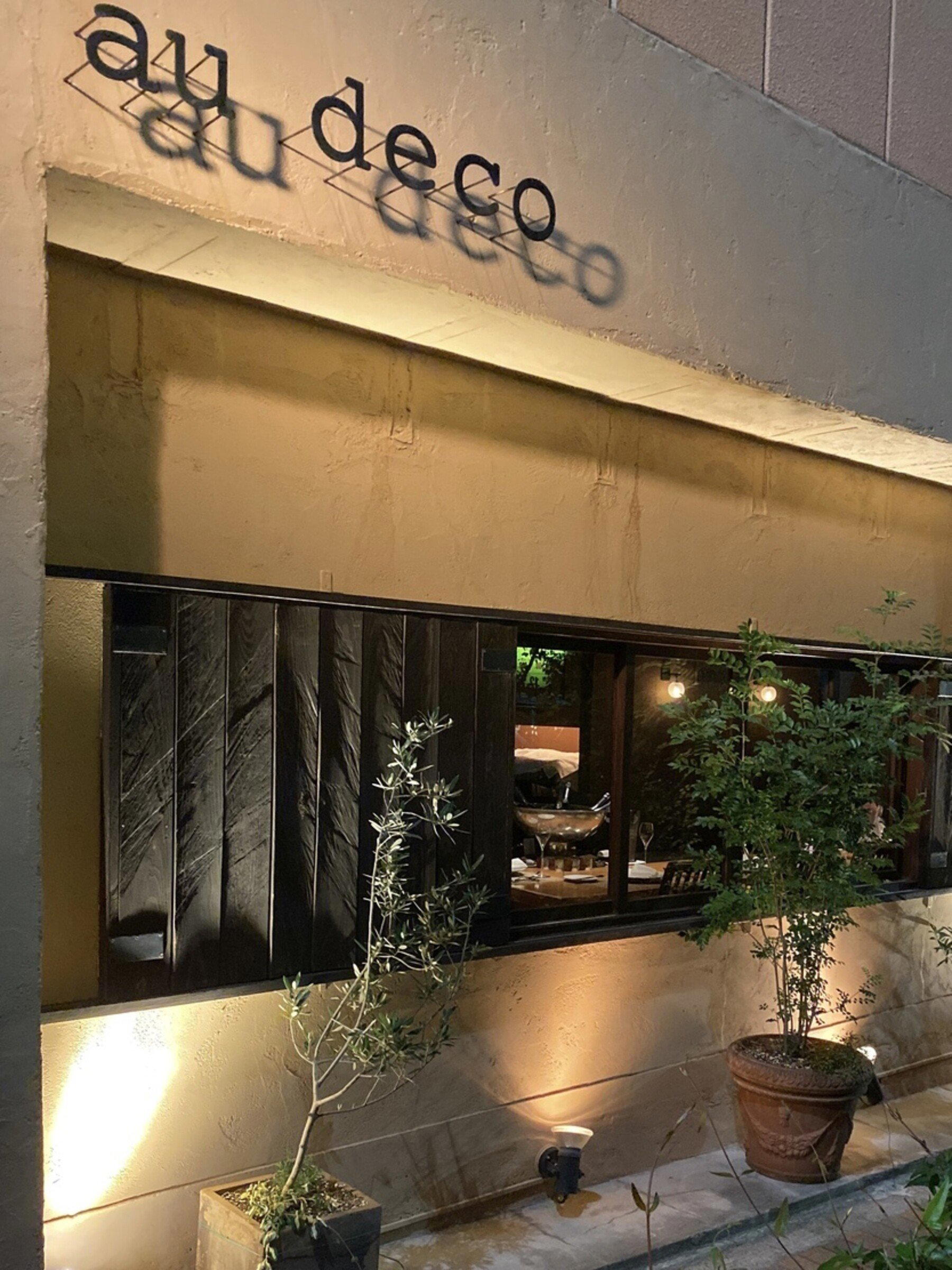
Ebisu's Quiet Counter-Argument to Modern French
Walk through Ebisu on a weekday evening and the neighbourhood presents itself as one of Tokyo's more composed dining districts: less frantic than Shinjuku, less scenographic than Ginza, and more given to restaurants that assume their guests already know what they want. It is the kind of area where a French restaurant can choose classical rigour over concept-driven spectacle and find an audience willing to meet it there. au deco, in Ebisu, Tokyo, occupies that space with notable conviction.
Tokyo's French dining tier divides, broadly, into two camps. One end runs toward the kind of high-concept contemporary French that earns three Michelin stars and places like L'Effervescence in the same conversation as particularly progressive rooms in Paris or Copenhagen. The other end holds restaurants that treat the French classical canon as a still-viable framework rather than a starting point for departure. au deco is an argument for the second position, executed with enough specificity to make it interesting rather than merely conservative.
The Classical Kitchen as a Living Practice
The French restaurant tradition that au deco draws from is not the nouvelle cuisine generation and not the modernist one that followed it. It is older than both: the French bourgeois table of terrines prepared with patience, consommé clarified to translucency, and lamb roasted over fragrant material in a way that privileges smell and texture as much as flavour. These are techniques that require time and repetition rather than technology, and restaurants that still practice them at any serious level are genuinely rare in any city.
French classical cooking at this level is a craft tradition with genuine difficulty embedded in it. A well-made terrine requires sourcing, seasoning, and timing to align over days, not hours. Consommé is one of the more technically demanding preparations in the Western canon, and the reason it disappeared from most menus is that it takes too long and shows every flaw with complete transparency. That restaurant keeps it on the menu says something about the kitchen's priorities.
Crab baked in pie filling represents a slightly different move: an original interpretation of a French classic rather than a strict reproduction. This approach takes the tradition seriously enough to extend it rather than simply replicate it. It is the same instinct that separates a good jazz musician from a cover band: fluency in the canon that creates room for something new inside it. For readers cross-referencing the classical French approach across cities, Le Bernardin in New York City works a comparable vein, maintaining French technique at a level that makes it contemporary without abandoning its foundations.
Wine, Brandy, and the Logic of the Sauce
Wine program at the restaurant is not structured around a list of labels and vintages for guests to select from. The approach is older than that: staff serve aged wines to guests' tastes, which implies a guided conversation rather than a transactional order. The guest's palate becomes the reference point; the sommelier's role is interpretive rather than curatorial.
Kitchen reinforces this relationship between wine and food from its end. Sauces built with generous quantities of brandy or well-cured sake are not simply flavoured, they are structured around the alcohol in a way that makes them coherent with the wine being poured. This is one of the older principles of French cooking: the sauce and the glass should reinforce each other, and the cook should know what will be on the table. It is a principle that contemporary kitchens, focused on their own systems of flavour, frequently bypass. At the restaurant, it remains operative.
Aged spirits appear alongside aged wines, extending the through-line from aperitif to digestif and reinforcing the sense that the room is calibrated around a particular idea of how an evening should move. This kind of holistic programming is more common in older European establishments than in contemporary fine dining, where the beverage and food programs often operate with some independence from each other.
Where au deco Sits in Tokyo's French comparable set
At ¥¥¥, the restaurant prices below the upper tier of Tokyo French dining, which is dominated by ¥¥¥¥ counters and kaiseki-adjacent tasting menus. L'Effervescence and its three-Michelin-star peers operate in a different bracket entirely, both in format and expectation. The restaurant's price point places it in a tier where the evening is still a considered occasion but not an annual pilgrimage. That positioning makes it accessible to a broader range of guests, including those who want classical French in a serious environment without the ceremony of a multi-hour omakase format.
Compared to Tokyo's other contemporary French operations, the restaurant is closer in spirit to La Paix and Madame Toki in its willingness to work within a defined culinary tradition, though each kitchen arrives at that position through different methods. Patous represents another point of reference in the city's French scene. Readers building out a broader picture of Japanese fine dining can also look at Harutaka for a parallel commitment to classical technique in a different tradition, or explore regional equivalents in HAJIME in Osaka, Gion Sasaki in Kyoto, and akordu in Nara. For those extending a trip further, Goh in Fukuoka, 1000 in Yokohama, and 6 in Okinawa each offer distinct registers worth considering. And if you are calibrating Tokyo's Korean-inflected fine dining into the same trip, Atomix in New York City provides a useful international benchmark for that conversation.
Planning Your Visit
The restaurant is located at 2 Chome-23-3 Ebisu, Shibuya, in a part of the district that rewards arriving on foot from Ebisu station rather than by taxi. The neighbourhood is residential enough that the restaurant sits at street level without the lobby drama of Ginza dining. Given the guided wine service and the pacing implied by classical preparations like consommé and baked lamb, the kitchen works well when guests allow the evening to find its own rhythm.
A Lean Comparison
Comparable venues nearby, for context on price, style, and recognition.
| Venue | Cuisine | Price | Notes |
|---|---|---|---|
| au decoThis venue — the venue you are viewing | Shibuya, French | $$ | Not listed |
| amarantos | Chūō, Modern French Omakase | $$$$ | Not listed |
| hortensia | Not listed | $$$$ | Chūō, Modern French with Japanese Influences |
| l'élan | Shibuya, Modern French Fine Dining | $$$$ | Not listed |
| Yakitori Takahashi | Chūō, Yakitori | Not listed | Not listed |
| MONOLITH | Shibuya, Neo-Classical French | $$$$ | Not listed |
Recognition history
Dated appearances from independent guides and award organizations, with the underlying list record or original source where available.
Michelin 1 Star
Michelin
Opinionated About Dining Top Restaurants in Japan Recommended
Opinionated About Dining
Tabelog 100 #40 · No. 40
Tabelog · Tabelog 100 - French - TOKYO - 2025













At a Glance
- Elegant
- Romantic
- Sophisticated
- Date Night
- Special Occasion
- Open Kitchen
Current opening hours
- Monday
- 6–10 PM
- Tuesday
- 6–10 PM
- Wednesday
- 6–10 PM
- Thursday
- 6–10 PM
- Friday
- 6–10 PM
- Saturday
- 6–10 PM
- Sunday
- Closed
Hours can change for holidays and private events. Last verified .
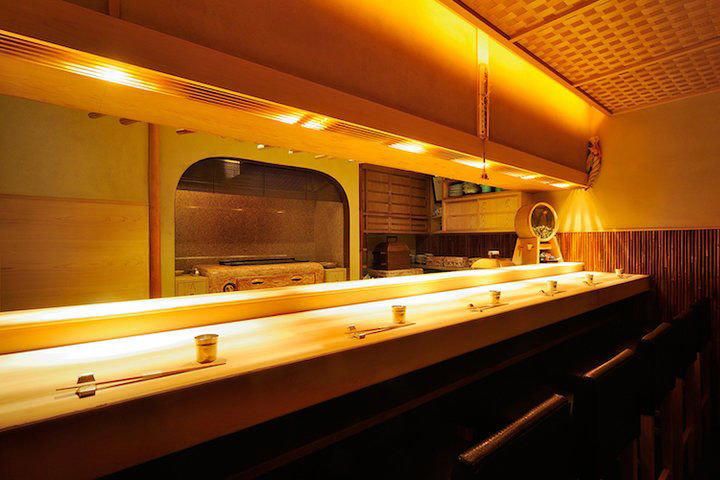
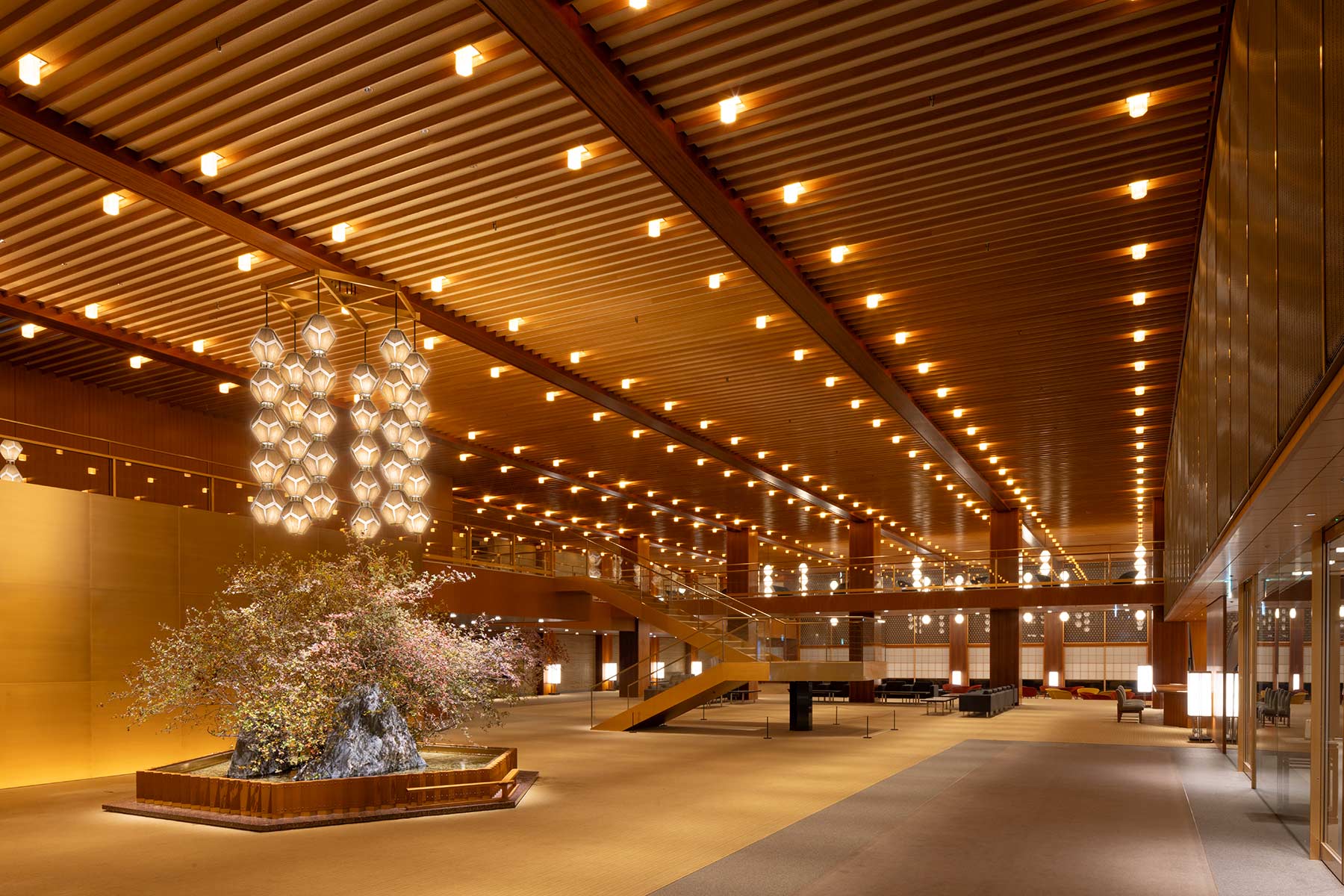
Dim lighting and interior decor that scream luxury.