On Kirchengasse in Vienna's 7th district, Matteo occupies a stretch of Neubau where neighbourhood trattorias and creative kitchens coexist at close quarters. The address places it inside one of the city's most actively evolving dining corridors, where format and ambition tend to shift faster than in the grander first-district rooms. Whether the kitchen is tracking Austrian-Italian crossover or holding a tighter regional line, the postcode does much of the editorial work.
Pearl is the En Primeur Club membership app — saves, bookings, and concierge access live there. Same editors, same standards.
- Address
- Kirchengasse 35, 1070 Wien, Austria
- Phone
- +434312301073
- Website
- matteovienna.at
- Directions
- Get directions
 Saves & bookings on Pearl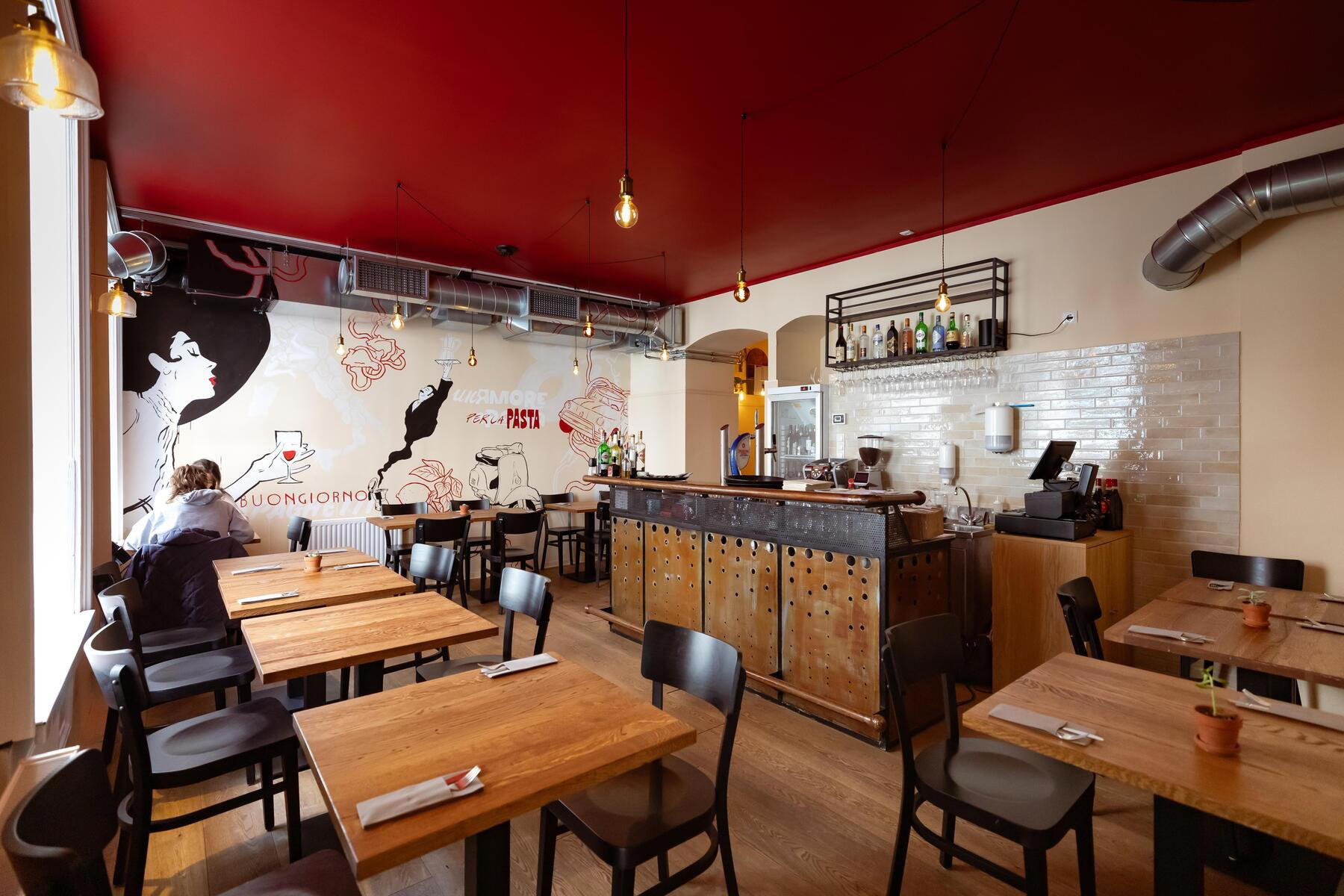
Kirchengasse and the 7th District's Shifting Register
Vienna's 7th district has been through several distinct phases as a dining address. Through the 1990s and into the 2000s, Neubau was primarily a neighbourhood of casual Viennese and mid-range ethnic restaurants, unremarkable in ambition but reliable in frequency. The past decade has compressed that picture considerably. Operators with serious kitchen credentials have moved into the district's lower rents, and the result is a corridor along and around Kirchengasse where the gap between a corner Beisl and a genuinely considered kitchen has narrowed to almost nothing. Matteo, at Kirchengasse 35, sits inside this compression, part of a generation of addresses that are harder to categorise than the formal first-district rooms, but no less worth attention for that.
That difficulty of categorisation is itself a useful signal. Vienna's top tier, Steirereck im Stadtpark, Konstantin Filippou, Mraz & Sohn, Amador, occupies a legible bracket: Michelin recognition, tasting-menu formats, price points that signal intent before the first course arrives. Below that tier, the picture is less mapped. Neubau's mid-level creative addresses, of which Matteo is one, are competing on a different basis: consistency over time, neighbourhood loyalty, and the kind of quiet reinvention that doesn't generate press releases but does generate repeat bookings.
The Evolution Question: What Matteo Has Become
The editorial angle on any Kirchengasse address is less about what it opened as and more about what it has settled into. Italian-named restaurants in Vienna have followed a broadly predictable arc over the past two decades: early phases tend toward either faithful regional Italian (Venetian, Roman, Neapolitan) or adapted Italian-Austrian crossover, with the crossover mode becoming more common as Austrian kitchens absorbed southern European technique during the mid-2010s. The question for Matteo is where on that arc the kitchen currently sits.
What the address and district context do indicate is that a restaurant holding this postcode through a period of significant neighbourhood change has made implicit choices: about format, about price positioning relative to the creative €€€€ tier represented by Doubek and others nearby, and about the pace at which it updates its proposition. Staying put in Neubau through the district's gentrification curve is itself a kind of evolution, the kitchen that was casual-neighbourhood in 2015 is now competing with more deliberately positioned rooms, and menu ambition has generally tracked upward across the district whether individual operators intended it or not.
Across Austria more broadly, the pattern of quiet reinvention is well-established at addresses like Landhaus Bacher in Mautern an der Donau and Obauer in Werfen, both of which have held their identity across generational and stylistic shifts without dramatic repositioning. The 7th district equivalent of that durability looks different, less country-house gravitas, more urban adaptability, but the underlying logic is similar: kitchens that survive neighbourhood transformation tend to do so by absorbing influence without losing a legible identity.
Approaching the Room
Kirchengasse runs parallel to Mariahilfer Strasse, Vienna's main commercial artery, but reads as entirely separate in character. The street-level experience is residential and small-scale: independent shops, modest facades, the occasional gallery. Number 35 is in the middle section of the street, where the block is dense enough to feel urban but quiet enough to feel like a genuine neighbourhood rather than a tourist-facing strip. The approach, on foot from the U3 Neubaugasse exit, takes roughly four to five minutes and moves through the kind of Viennese Gründerzeit streetscape that makes the city's mid-ring districts legible as living fabric rather than preserved centre.
Inside, the expectations set by the exterior are for an intimate room rather than a large-format dining hall. Neubau's ground-floor restaurant footprints are generally modest, and operators in the district have tended to lean into that constraint rather than fight it, smaller rooms, tighter menus, closer service ratios. These are the structural conditions that tend to produce more considered cooking, because volume is not the operating model.
Where Matteo Sits Among Vienna's Italian-Inflected Addresses
Italian cooking in Vienna occupies a peculiar position. The city's proximity to the South Tyrol and its historical connections to the Italian-speaking parts of the former Habsburg territories mean that Italian influence on Viennese food culture is older and more structurally embedded than in most northern European capitals. This is not the same as saying Italian restaurants in Vienna are uniformly serious, the tourist-facing pizza-and-pasta category is as large here as anywhere, but it does mean that the better Italian-inflected kitchens in the city are operating against a more sophisticated local frame of reference than their equivalents in, say, Amsterdam or Copenhagen.
For a calibration point outside Austria, the shift in what serious Italian-influenced cooking looks like at the summit of the market is visible in rooms like Le Bernardin in New York City and Atomix in New York City, both of which demonstrate how a strong culinary identity can absorb and redirect outside influence without losing its own logic. The Viennese equivalent of that absorption is subtler, working through Austrian product sourcing and local technique rather than through dramatic formal innovation, but it is present in the better kitchens of the 7th district.
The Broader Austrian Creative Scene
Any consideration of a Vienna address benefits from situating it within the wider Austrian fine-dining map. Beyond the capital, Austria has produced a cluster of serious kitchens that receive less international attention than their quality warrants: Döllerer in Golling an der Salzach, Ikarus in Salzburg, Griggeler Stuba in Lech, Gourmetrestaurant Tannenhof in Sankt Anton am Arlberg, Kräuterreich by Vitus Winkler in Sankt Veit im Pongau, Restaurant 141 by Joachim Jaud in Mieming, Schwarzer Adler in Hall in Tirol, and Ois in Neufelden. These rooms collectively illustrate that Austrian cooking's creative ambition is not concentrated solely in Vienna, and that the capital's mid-tier addresses are competing within a national conversation, not just a city one.
Planning a Visit
| Venue | District | Price Tier | Format | Booking Lead Time |
|---|---|---|---|---|
| Matteo | 7th (Neubau) | Not confirmed | Not confirmed | Not confirmed |
| Steirereck im Stadtpark | 3rd (Stadtpark) | €€€€ | Tasting menu / à la carte | Weeks to months |
| Mraz & Sohn | 20th (Brigittenau) | €€€€ | Tasting menu | Weeks ahead |
| Amador | 19th (Döbling) | €€€€ | Tasting menu | Weeks ahead |
For a fuller orientation to where Matteo sits within the city's dining geography, see our full Vienna restaurants guide.
A Credentials Check
Comparable venues nearby, for context on price, style, and recognition.
| Venue | Cuisine | Price | Notes |
|---|---|---|---|
| MatteoThis venue — the venue you are viewing | Traditional Italian Homemade Pasta & Tapas | $$ | Not listed |
| Pizzis and Cream | Vegan Pizza | $$ | Hofburg |
| cucinaCipriano | Modern Italian Seafood | $$ | Gumpendonf |
| Mario | Italian Pasta & Grill | $$ | Hietzing |
| Dal Toscano | Authentic Tuscan Trattoria | $$ | Josefstadt |
| Regina Margherita | Neapolitan Pizza | $$ | Stephansdom |
Continue exploring
More in Vienna
Restaurants in Vienna
Browse all →
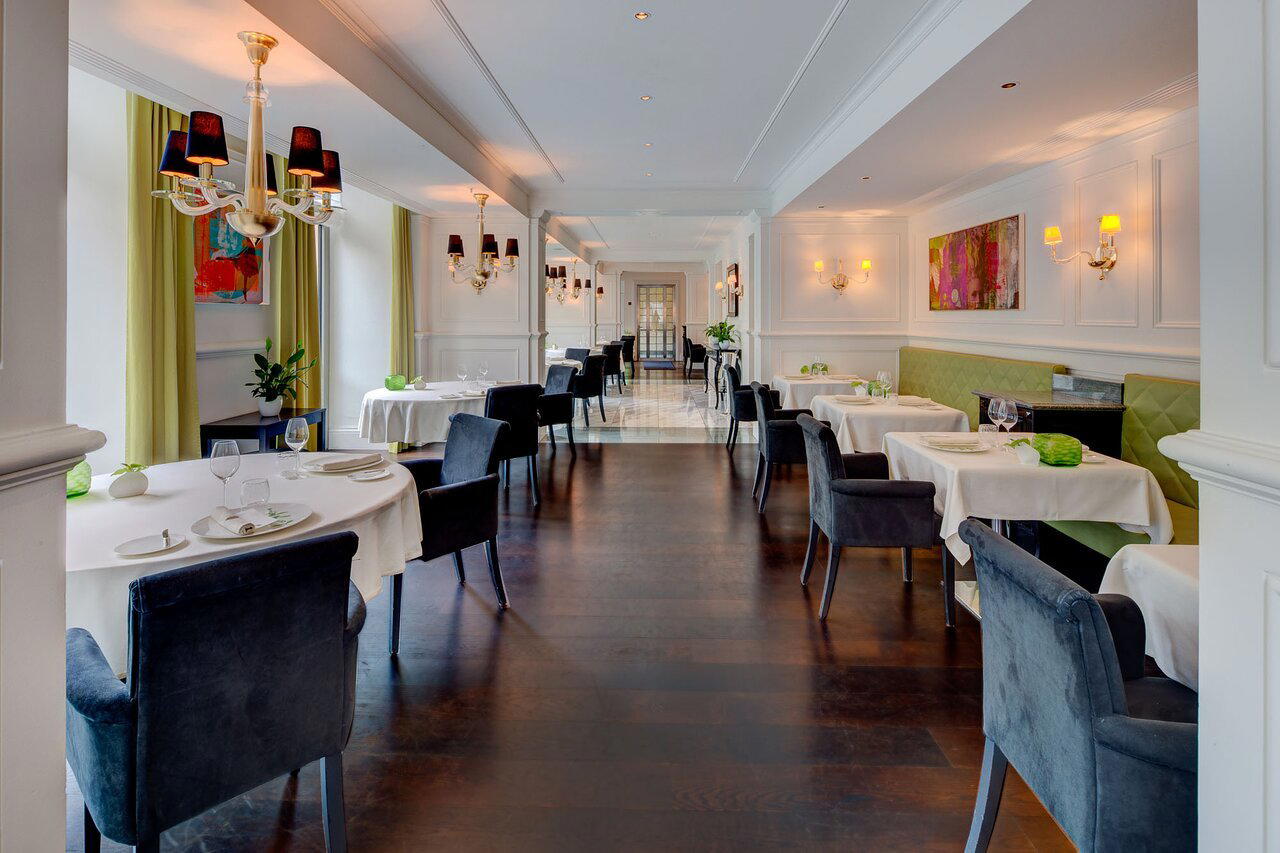
![[aend] restaurant in Vienna](https://cdn.enprimeurclub.com/storage/v1/object/public/images/locations/recsVyRkMfzCxPmp0/hero2.jpg?width=3840&quality=75)
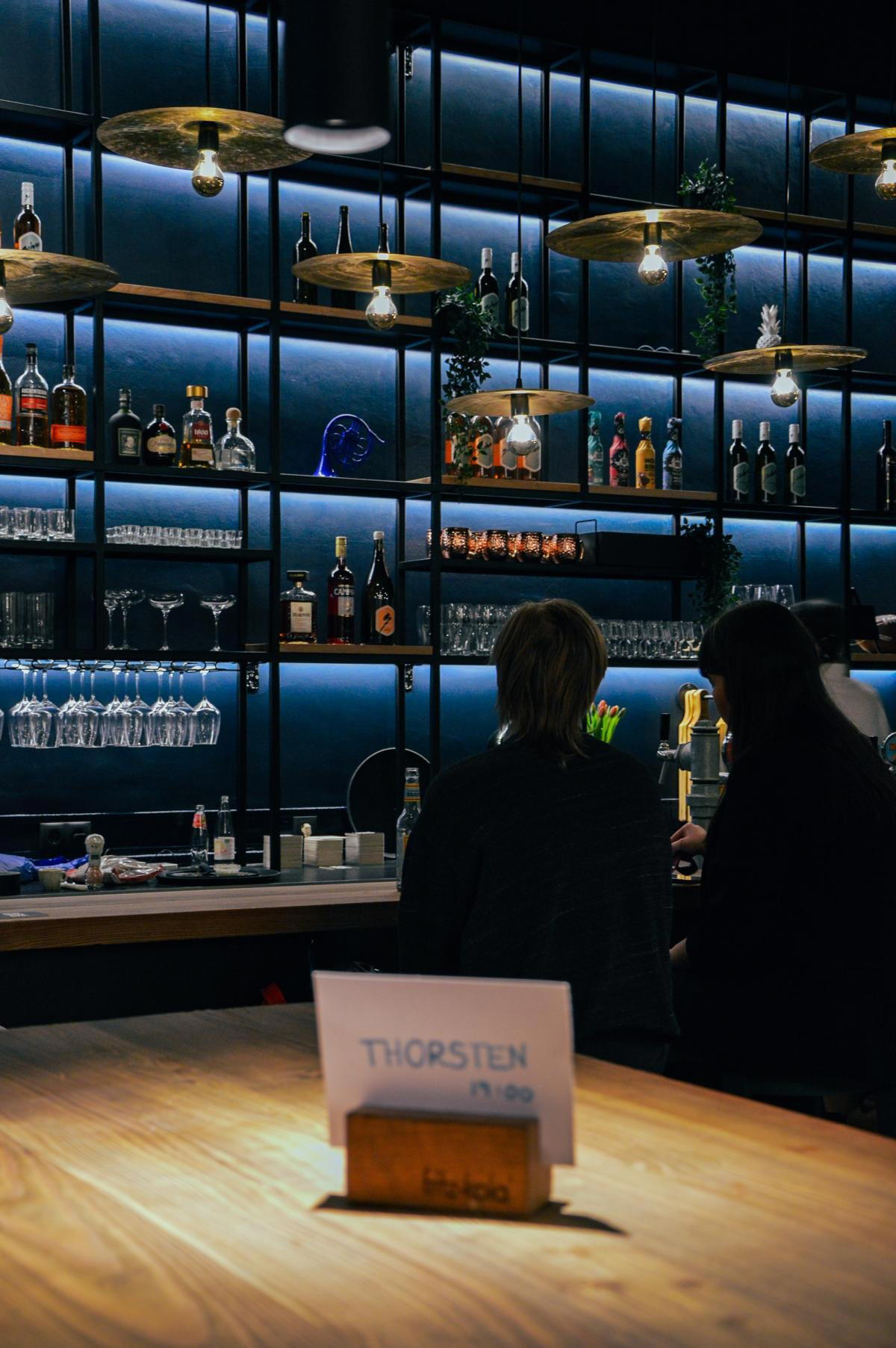
Bars in Vienna
Browse all →
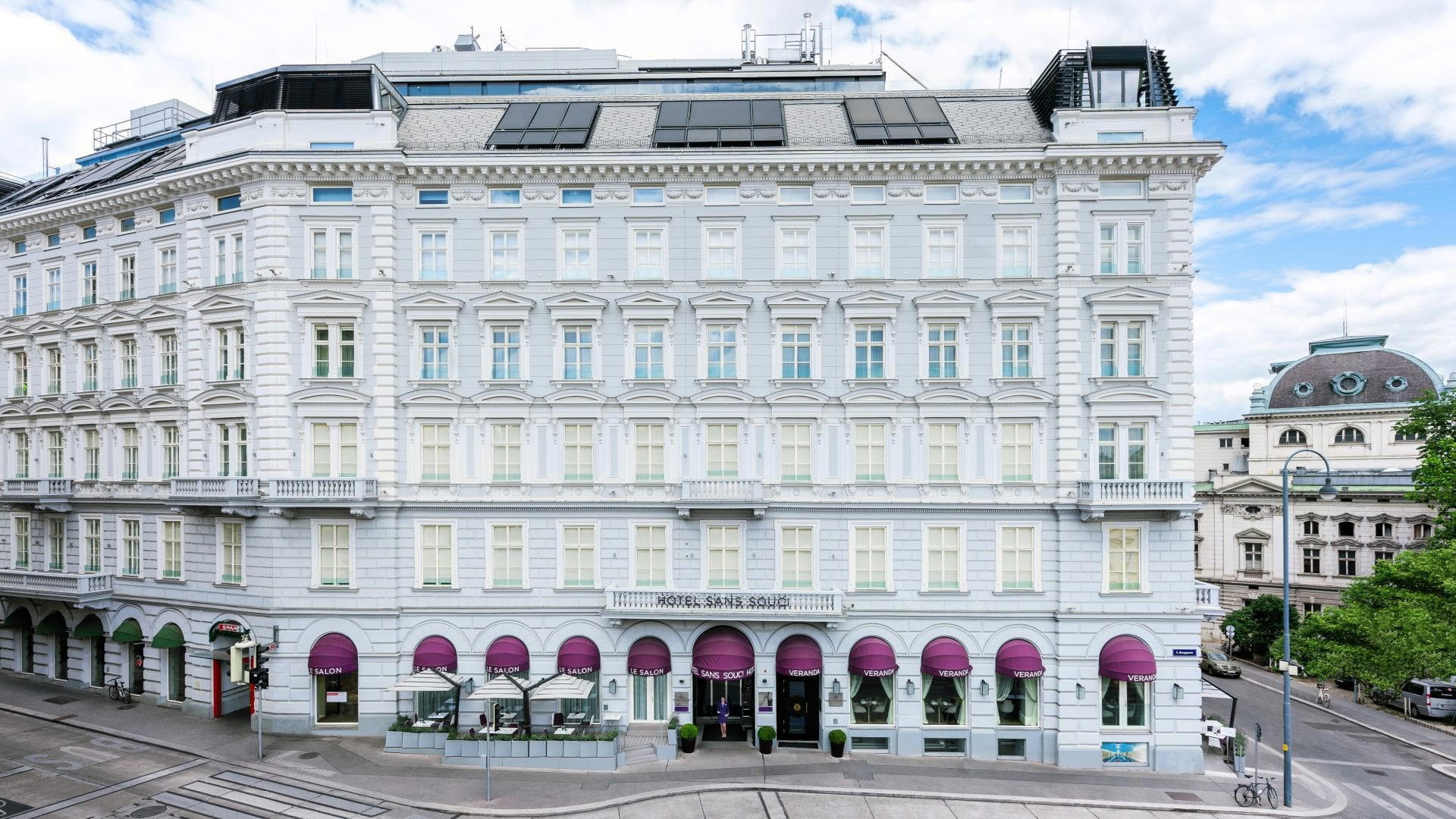
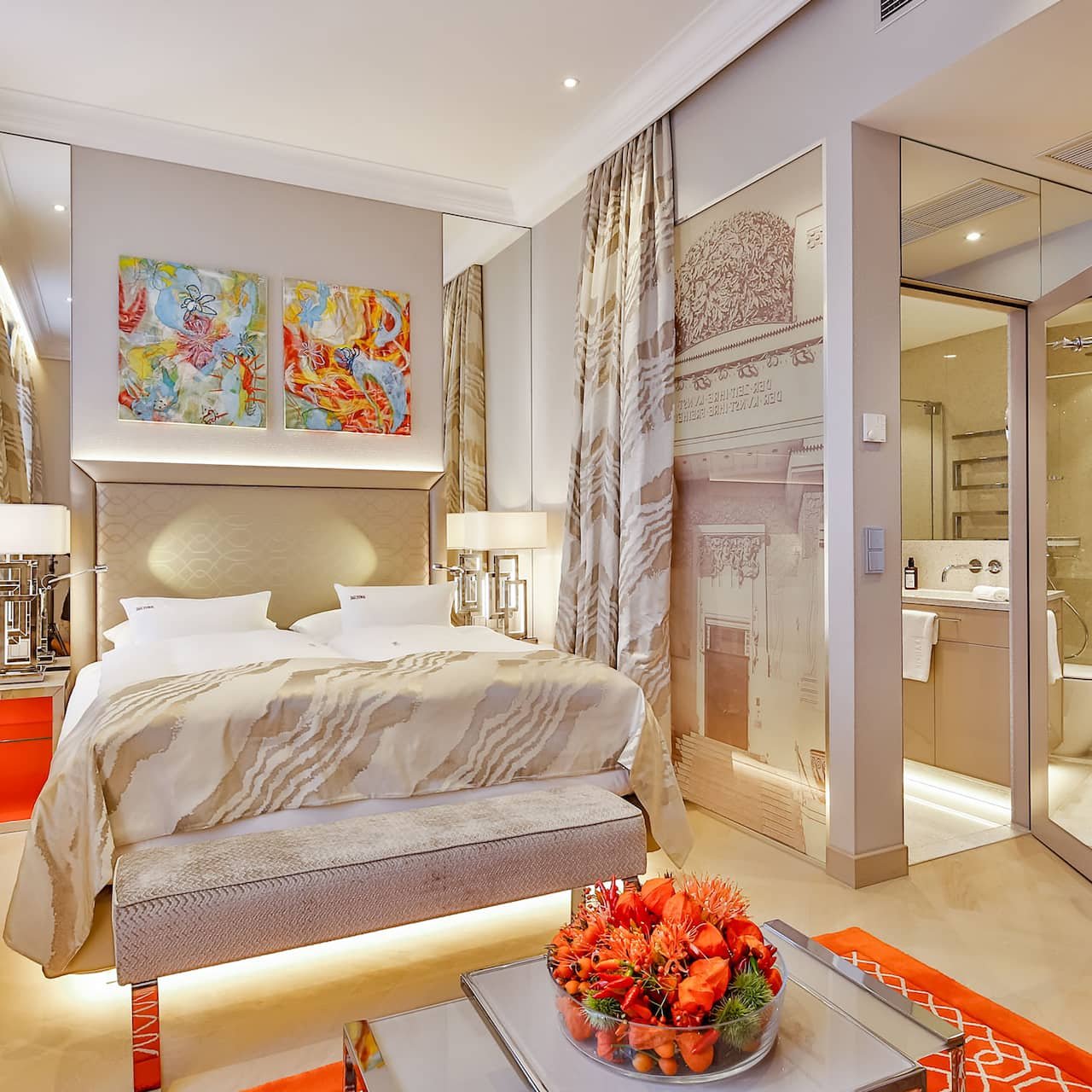
Hotels in Vienna
Browse all →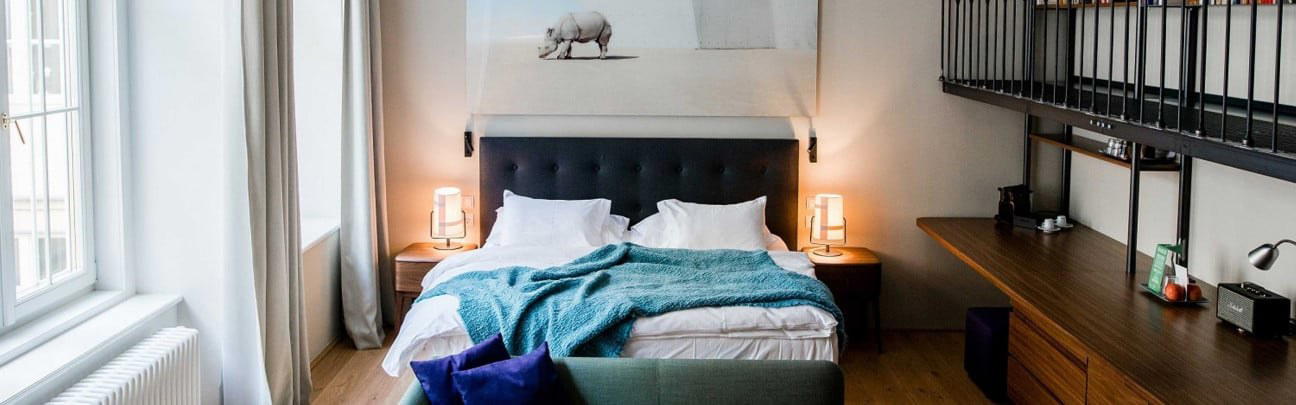
At a Glance
- Romantic
- Cozy
- Intimate
- Classic
- Date Night
- Group Dining
- Celebration
- Special Occasion
- Open Kitchen
- Standalone
- Extensive Wine List
- Organic
Current opening hours
- Monday
- Closed
- Tuesday
- Closed
- Wednesday
- 6–11 PM
- Thursday
- 6–11 PM
- Friday
- 6–11 PM
- Saturday
- 12–11 PM
- Sunday
- Closed
Hours can change for holidays and private events. Last verified .
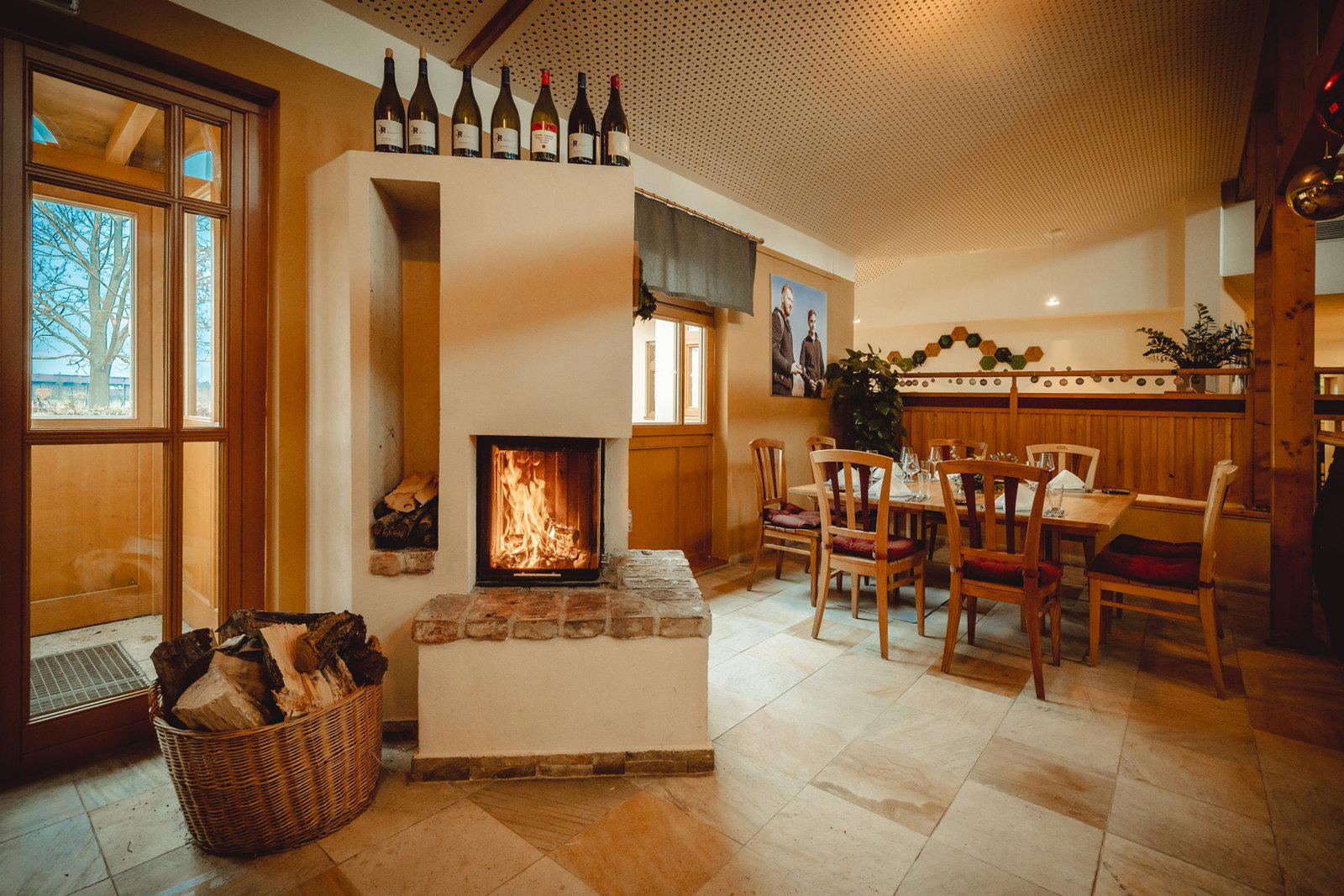
Warm, intimate Italian atmosphere with a modern twist; small, cozy setting that transports diners to Italy with authentic decor and welcoming staff.