


Michelin Plate · Star Wine List · Guía Repsol 1 Sol
Our verdict
Inside Salamanca's Eunice Hotel Gastronómico, Pascua has claimed the Star Wine List number one ranking for 2026, signalling a wine program that places it at the front of the city's traditional-cuisine tier. Chef José Manuel Pascua works a purist register: seasonal Castilian produce, precise cooking times, and the tasting menu Media Fanega alongside à la carte. For Madrid visitors, it is a compelling reason to make the two-hour train journey west.

Pearl is the En Primeur Club membership app — saves, bookings, and concierge access live there. Same editors, same standards.
- Address
- Calle Bordadores, 1, 37002 Salamanca, Spain
- Phone
- +34 923 88 08 22
- Hours
- Mon–Tue ClosedWed–Sat 1:30–3:15 PM, 8:15–10:30 PMSun 1:30–3:15 PM
- Website
- pascuarestaurante.com
- Directions
- Get directions
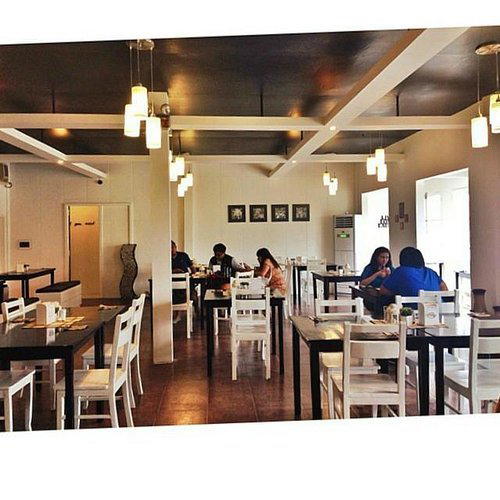
Salamanca's Traditional Table, Viewed from the Wine List Up
There is a particular kind of Spanish restaurant that resists the gravitational pull of the capital's creative avant-garde. It does not attempt the theatrical plating of Disfrutar in Barcelona or the progressive showmanship of Madrid's own DiverXO. Instead, it plants itself in a city with deep culinary memory and asks a different question: what does this region actually taste like when nothing is obscured? Pascua, the restaurant at Salamanca's Eunice Hotel Gastronómico, makes that argument with considerable conviction, and the wine world has taken notice. Star Wine List awarded it the number one position in Spain for 2026, having already ranked it first in 2025, a consecutive distinction that places its cellar in a competitive conversation well beyond the city's borders.
That recognition matters as context before you consider anything else on the menu. Spain's most-discussed restaurant wine programs tend to cluster around modernist kitchens: Arzak in San Sebastián, Aponiente in El Puerto de Santa María, El Celler de Can Roca in Girona. For a traditional-cuisine restaurant in a mid-sized Castilian city to rank at the summit of that list is not a coincidence of geography — it is a deliberate editorial investment in a cellar that earns its placement.
What the Room Communicates Before a Plate Arrives
The Eunice Hotel Gastronómico bears the name of chef José Manuel Pascua's grandmother, a framing that signals something specific about the kitchen's orientation. Hotels that anchor their restaurant identity in family heritage — rather than in a chef's CV or a design concept, tend to operate with a different kind of institutional memory. The cooking here is described as 'purist cuisine': attentive to cooking times, grounded in seasonal produce from the surrounding area, and shaped by the culinary inheritance Pascua traces back to that domestic tradition. That last element is not anecdote. It is methodology. Recipes carried across generations have an internal logic that does not require modernist intervention to justify their existence.
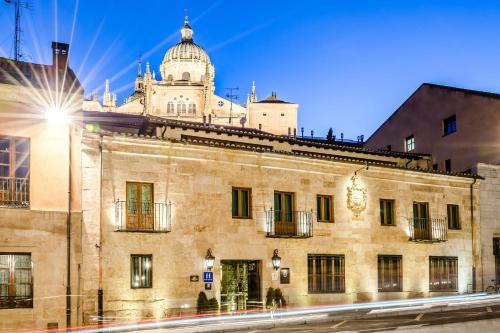
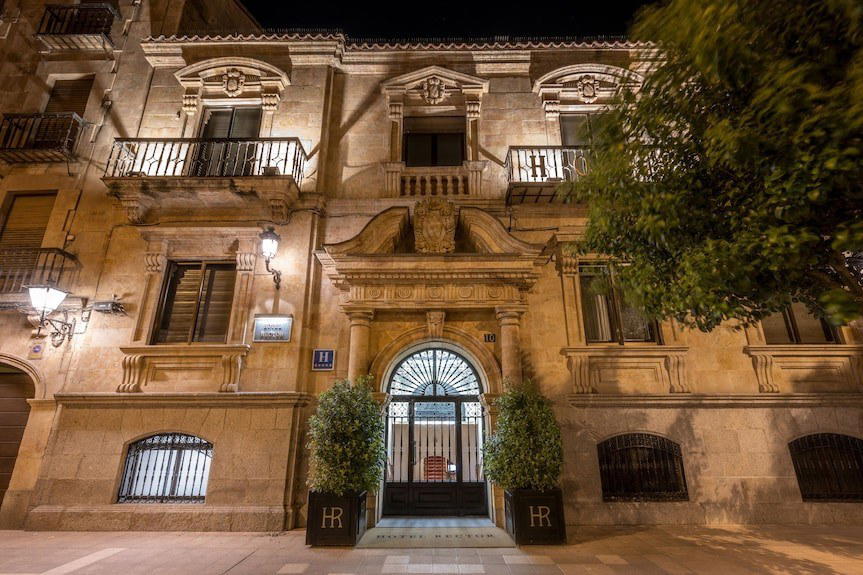
The room sits on Calle Bordadores, in central Salamanca, a city whose sandstone architecture sets an amber register that is difficult to replicate anywhere else in Spain. Approaching from the Plaza Mayor, the light shifts as you move through narrower streets, and the hotel's entrance carries that warmth inside. This is not a room that competes with the street; it absorbs it.
Seasonal Sourcing as Structural Logic, Not Marketing Language
Among the currents reshaping Spanish fine dining, the turn toward shorter supply chains and traceable regional produce has moved from niche positioning to near-universal rhetoric. The difference between kitchens that practise it and those that merely describe it shows on the plate. At Pascua, the seasonal focus is architectural: the menu's composition follows what the Salamanca region produces, which means the kitchen's procurement decisions are made before the cooking decisions. That sequencing, ingredient first, technique second, is the practical definition of ethical sourcing. It also constrains creativity in a way that produces consistency rather than limiting it.
This approach connects Pascua to a wider tradition of responsible cooking in Spanish restaurants. Azurmendi in Larrabetzu has built its reputation on environmental rigor at the highest kitchen tier. Quique Dacosta in Dénia works within the marine ecology of its coastline. Pascua operates at a different price register and in a different register of ambition, but the underlying logic, that the land around a restaurant is its primary resource, not its backdrop, is shared. For a city like Salamanca, where Castile's meseta produces lamb, game, pulses, and cured meats with genuine regional character, that constraint is not a limitation. It is the whole point.
The tasting menu, called Media Fanega, a reference to a traditional Spanish unit of dry measure, typically used for grain, signals that cultural rootedness extends to the language of the menu itself. The choice of a pre-metric agrarian term is not decorative; it positions the meal inside a specific historical and agricultural context. That kind of naming discipline is rarer than it should be.
Where Pascua Sits in Madrid's Wider Orbit
Readers planning a trip from Madrid encounter Salamanca as a two-hour journey by road or train, which places it within practical day-trip or weekend-extension range of the capital. The city's restaurant scene does not rival Madrid's volume, but for traditional Castilian cooking it offers depth that the capital cannot replicate. For those already exploring Madrid's restaurants at the €€€ tier, venues like Alcotán, Amparito Roca, Ayantar, Bambú, and Casa de Comidas, Pascua offers a regional counterpoint rather than a direct substitute. It does something none of those kitchens attempt: it roots itself in a different agricultural zone and makes that rootedness the explicit subject of the meal.
Madrid's highest-end creative kitchens operate at the €€€€ tier: DiverXO, Deessa, Smoked Room, Coque, Paco Roncero. Pascua's €€€ positioning places it in a different bracket, one where the value argument is made through ingredient quality and technique discipline rather than through spectacle or immersive format. For wine-oriented visitors, the Star Wine List ranking alone recalibrates the calculation. See also our guides to Madrid hotels, bars, wineries, and experiences for the broader trip picture.
Comparable traditional-cuisine restaurants operating in this register elsewhere in Spain include Auga in Gijón and Auberge Grand'Maison in Mûr-de-Bretagne, both kitchens where regional produce functions as primary editorial material rather than decorative sourcing narrative.
Planning a Visit
Pascua operates within the Eunice Hotel Gastronómico on Calle Bordadores, 1, in central Salamanca. Guests can choose between à la carte service and the tasting menu, Media Fanega. The price register is €€€. Given the volume of interest that consecutive top-list placements generate, table availability deserves early attention, particularly for weekend visits and during Salamanca's autumn season when local produce is at its most varied.
Quick reference: Calle Bordadores, 1, Salamanca | €€€ | Star Wine List #1 Spain 2025 and 2026 | À la carte and Media Fanega tasting menu | Book ahead, especially at weekends.
Frequently asked questions
What distinctions does Pascua have?
Pascua has received recognition including: Star Wine List #1 (2026); Pascua Restaurante is a restaurant in Salamanca, Spain. It was published on Star Wine List on January 9, 2025 and is a White Star.; In the heart of Salamanca, as the flagship of the welcoming Eunice Hotel Gastronóm….
What do regulars order at Pascua?
The tasting menu Media Fanega is the format that most directly reflects the kitchen's philosophy: seasonal regional produce, respect for cooking times, and a lineage rooted in traditional Castilian technique. Chef José Manuel Pascua calls his approach 'purist cuisine', which means the menu shifts with what the surrounding area produces rather than following a fixed repertoire. À la carte is available for those who prefer to eat selectively, but the tasting menu is the more complete picture of what the kitchen is doing at any given moment.
What's the price range at Pascua?
Pricing at Pascua is listed as €€€.
How do I find Pascua?
Pascua is located at Calle Bordadores, 1, 37002 Salamanca, Spain, Madrid.
How hard is it to get a table at Pascua?
Pascua has held the Star Wine List #1 ranking in consecutive years for 2025 and 2026, which has substantially raised its profile beyond Salamanca's local dining circuit. For a €€€ restaurant in a mid-sized Spanish city, that level of sustained national and international recognition creates meaningful demand — planning ahead and booking early is advisable. The restaurant sits within the Eunice Hotel Gastronómico on Calle Bordadores, 1, so hotel guests may have an advantage when tables are limited.
Nearby-ish Comparables
| Venue | Cuisine | Price | Awards | Notes |
|---|---|---|---|---|
| PascuaThis venue — the venue you are viewing | Modern Purist Castilian | Not listed | Michelin Plate · Star Wine List | Not listed |
| DiverXO | Avant-Garde Spanish Tasting Menu | $300–500 | 3 Michelin Stars · World's 50 Best #4 | Progressive - Asian, Creative |
| Deessa | Modern Valencian Fine Dining | $150–200 | 2 Michelin Stars · La Liste Top Restaurants | Modern Spanish, Creative |
| Smoked Room | Modern Japanese Fire Omakase | $200–300 | 2 Michelin Stars · La Liste Top Restaurants | Progressive Asador, Contemporary |
| Coque | Modern Spanish Fine Dining | $300–500 | 2 Michelin Stars · La Liste Top Restaurants | Spanish, Creative |
| Paco Roncero | Avant-Garde Spanish Fine Dining | $150–200 | 2 Michelin Stars · La Liste Top Restaurants | Creative |
Recognition history
Dated appearances from independent guides and award organizations, with the underlying list record or original source where available.
Michelin Plate
Michelin
Star Wine List
Star Wine List
Guía Repsol 1 Sol
Guía Repsol
Full recognition history (5 entries)
Michelin Plate
Michelin
Star Wine List
Star Wine List
Continue exploring
More in Madrid
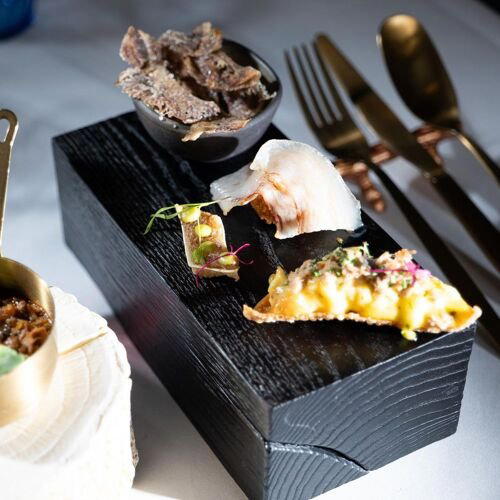
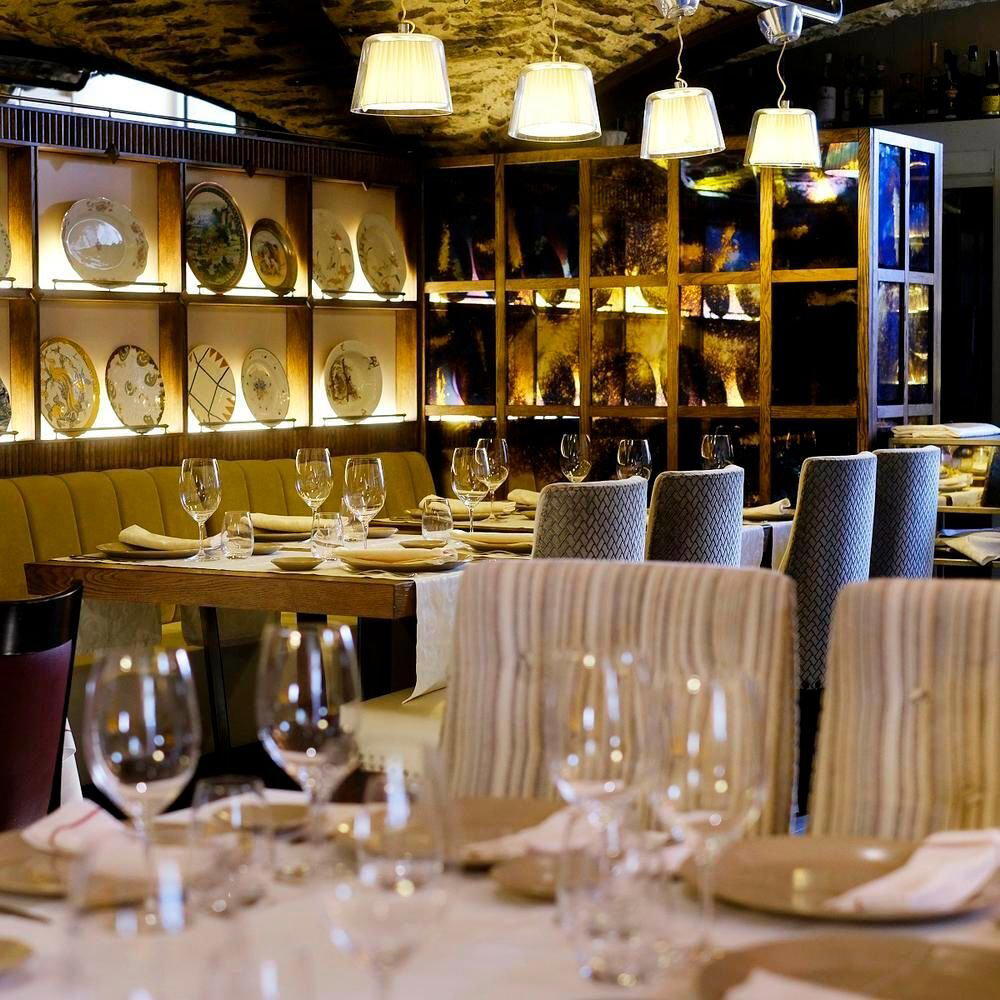
Restaurants in Madrid
Browse all →
Bars in Madrid
Browse all →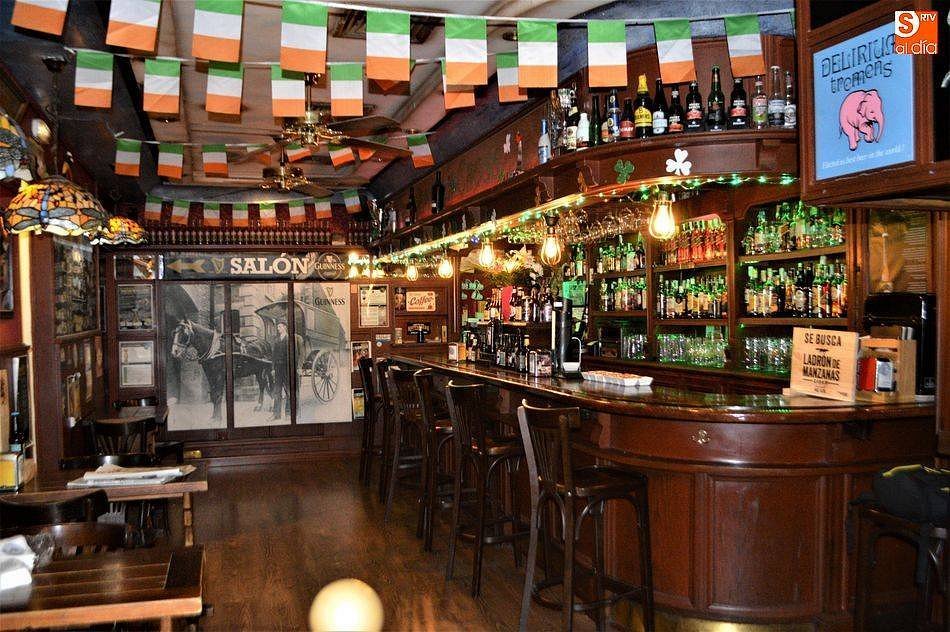
Hotels in Madrid
Browse all →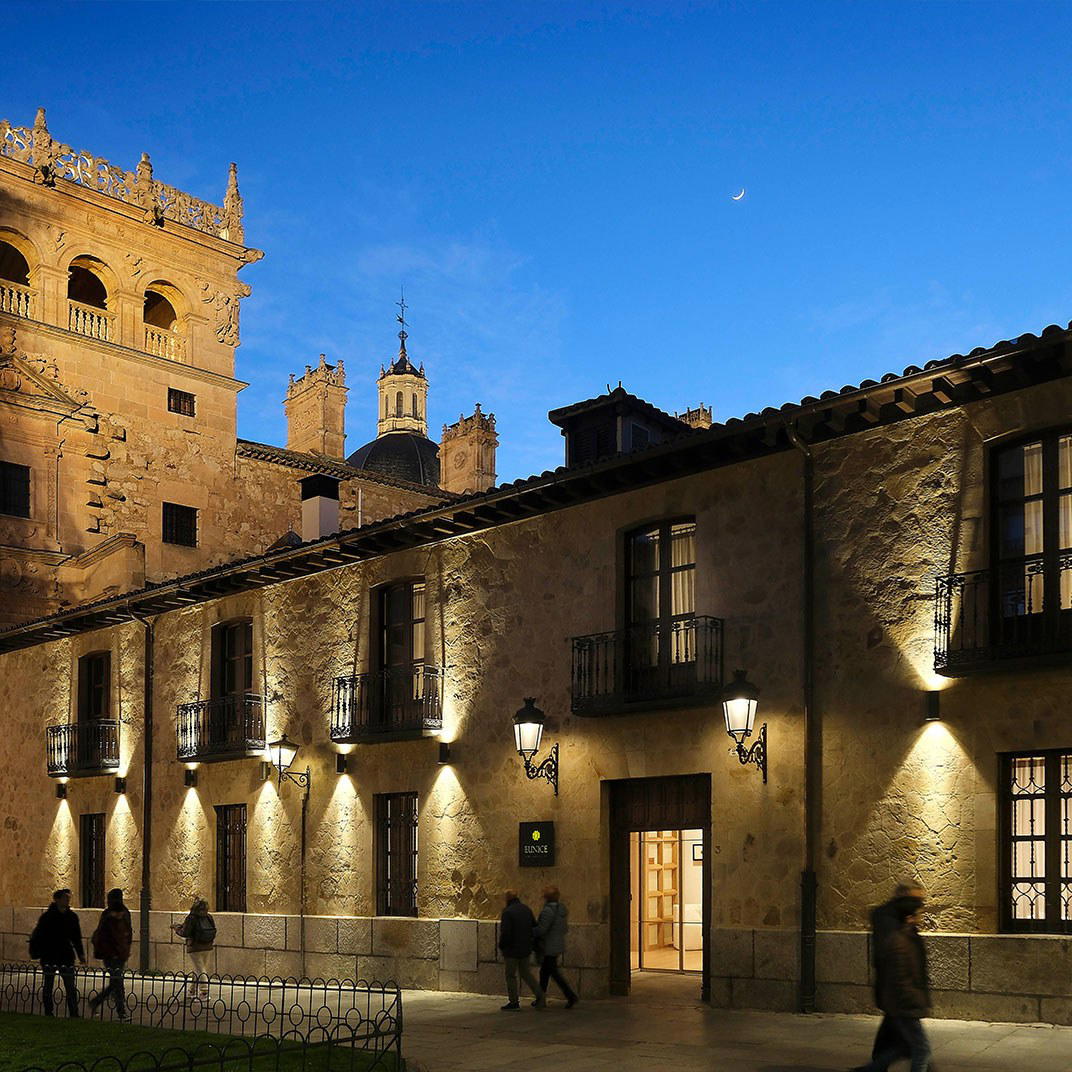


Details
- Elegant
- Cozy
- Sophisticated
- Intimate
- Date Night
- Special Occasion
- Historic Building
- Hotel Restaurant
- Extensive Wine List
- A La Carte
- Tasting Menu
Current opening hours
- Monday
- Closed
- Tuesday
- Closed
- Wednesday
- 1:30–3:15 PM, 8:15–10:30 PM
- Thursday
- 1:30–3:15 PM, 8:15–10:30 PM
- Friday
- 1:30–3:15 PM, 8:15–10:30 PM
- Saturday
- 1:30–3:15 PM, 8:15–10:30 PM
- Sunday
- 1:30–3:15 PM
Hours can change for holidays and private events. Last verified .
Natural textures, warm light, and measured acoustics create a cocoon of calm where conversation flows easily.