Our verdict
On a residential stretch of Charlottenburg, Pascarella occupies a quieter corner of Berlin's dining scene than the Michelin-tracked rooms drawing international attention. Where the city's trophy restaurants compete on tasting-menu ambition, Pascarella reads differently, more neighbourhood in register, more deliberate in pace. For visitors already familiar with Berlin's upper tier, it offers a different kind of evening.

Pearl is the En Primeur Club membership app, where members save venues, book tables and use the concierge.

The menu
What to order
- Pizza Margherita
- Carpaccio di Manzo con Tartufo
Charlottenburg After Hours: The Rhythm of a Berlin Neighbourhood Table
Berlin's fine-dining conversation tends to cluster around a handful of postcode-anchored addresses: the Kreuzberg rooms pushing Nordic-influenced minimalism, the Mitte institutions with international press files, and the hotel restaurants that function as reliable anchors for visiting executives. Charlottenburg sits slightly outside that circuit. The area has its own dining logic, longer-established, less self-consciously sceney, and Pascarella, on Schlüterstraße in the western residential grid, belongs to that tradition rather than to the newer wave.
Understanding what Pascarella is requires understanding what Charlottenburg dining tends to be: less interested in the theatrical tasting-menu format that defines places like Nobelhart & Schmutzig or the dessert-forward ambition of CODA Dessert Dining, and more oriented toward the kind of sustained neighbourhood presence that earns loyalty over years rather than column inches over months. That is a different value proposition, and one that Berlin's dining scene still has room for, even as the €€€€ creative rooms at Rutz and FACIL attract most of the critical attention.
Lunch and Dinner: How the Two Services Differ in Practice
One of the more instructive ways to read a Berlin neighbourhood restaurant is through how its daytime and evening services differ from each other. In the trophy-room tier, the distinction barely exists: a tasting menu runs the same format whether it starts at noon or seven in the evening, and the experience is structured accordingly. At the neighbourhood level, the gap between lunch and dinner tends to be more pronounced, and that gap reveals something about what a restaurant actually is.
Across Charlottenburg's established addresses, lunch tends to draw a local professional crowd: faster-paced, often à la carte or a shorter fixed menu, with a different relationship to the room than the evening brings. Dinner lengthens the tempo. Tables hold longer, the kitchen tends to run more ambitious preparations, and the social register shifts toward occasion dining rather than midday refuelling. This is a pattern visible across comparable European neighbourhood restaurants, in the bistros of Lyon's 6th arrondissement, in the trattorias around Rome's Prati district, and it reflects how a room earns its place in a residential quarter rather than a tourist circuit.
For the visitor planning a Berlin itinerary around serious eating, the lunch slot at a Charlottenburg neighbourhood address offers something the evening tasting rooms cannot: a lower-pressure, lower-cost entry point into the area's dining character. The evening, by contrast, is where the full expression of the kitchen tends to emerge. Neither service is a lesser version of the other, they address different needs and different kinds of appetite, literal and social.
Germany's broader fine-dining geography is worth holding in mind here. The country's decorated kitchens are distributed unevenly: Aqua in Wolfsburg, Schwarzwaldstube in Baiersbronn, Vendôme in Bergisch Gladbach, and Waldhotel Sonnora in Dreis all sit outside the major cities, a structural quirk that means Berlin itself hosts fewer top-tier decorated rooms than its size might suggest. That gap creates space for mid-tier and neighbourhood operators to hold significant local cultural weight, which is precisely the position a Charlottenburg address like Pascarella can occupy for a regular clientele that isn't chasing starred credentials.
Where Pascarella Sits in Berlin's Restaurant Tiers
Berlin's dining market has stratified over the past decade. At the leading, a cluster of ambitious creative rooms competes for international recognition, Restaurant Tim Raue with its Asia-inflected framework, Nobelhart & Schmutzig with its hyper-local sourcing discipline, FACIL operating out of the Mandala Hotel with Contemporary European precision. Below that band sits a much larger and more varied category of neighbourhood operators, wine-bar-adjacent casual rooms, and established independents that serve the city's residential population rather than its tourism economy.
Pascarella's Schlüterstraße address places it in the latter category by geography if not necessarily by ambition. The street sits in the southern stretch of Charlottenburg, between the Ku'damm commercial axis to the south and the quieter residential blocks to the north, in a part of the city that has been a dining destination for longer than most of Berlin's current scene has existed. That historical depth is itself a trust signal: Charlottenburg was West Berlin's cultural and commercial centre for decades, and its restaurant culture reflects a longer-standing relationship between room and neighbourhood than the more recently gentrified districts can offer.
For the traveller building a Berlin eating schedule, the relevant comparison set isn't the Michelin-tracked rooms but the other independently operated neighbourhood tables in the western districts. Against that peer group, location on a residential street rather than a high-traffic commercial strip tends to indicate a kitchen that earns its custom through quality and repetition rather than foot traffic and tourist spillover. That distinction matters when assessing where to spend a lunch or dinner slot in a city with more options than any single visit can absorb.
Germany's other strong regional rooms, JAN in Munich, Schanz in Piesport, Bagatelle in Trier, ES:SENZ in Grassau, Victor's Fine Dining by Christian Bau in Perl, and Restaurant Haerlin in Hamburg, all demonstrate that serious cooking in Germany is rarely confined to capital-city addresses. Berlin's neighbourhood restaurants operate in that same tradition: quieter in profile, often more consistent in execution across service, and less subject to the seasonal swing in quality that affects rooms dependent on tourism peaks.
For context on what Berlin's more internationally recognised creative rooms offer, the full Berlin restaurants guide covers the city's tiers in detail, from the tasting-menu front-runners to the neighbourhood addresses that form the city's daily dining backbone. Internationally, the contrast between destination-driven rooms and neighbourhood institutions is equally visible in cities like New York, where Le Bernardin and Atomix occupy the formal destination tier while a much larger ecosystem of neighbourhood operators sustains the city's actual daily eating life.
Know Before You Go
- Address: Schlüterstraße 69, 10625 Berlin, Germany
- Area: Charlottenburg, western Berlin
- Booking: Contact details not currently listed; check directly via search or walk-in inquiry
- Hours: Service times not confirmed; verify before visiting
- Getting there: Charlottenburg is well-served by U-Bahn (U7, U2) and S-Bahn connections; Schlüterstraße sits within walking distance of several major transit nodes
Frequently asked questions
What dish is Pascarella famous for?
The restaurant's Charlottenburg address and neighbourhood positioning suggest a kitchen oriented toward depth of execution over showpiece menu items, a pattern common among Berlin's residential-district independents. Berlin's more extensively documented creative rooms, including CODA Dessert Dining and Rutz, have publicly available tasting-menu structures for comparison.
What's the ideal way to book Pascarella?
Phone and website details are not currently listed in verified data for Pascarella. In Berlin, neighbourhood independents of this type typically accept reservations by phone or in person rather than through major booking platforms, though this varies. Arriving in the area and making direct contact is a practical approach for planning purposes. For context on how booking complexity scales with price and award tier in the city, the Berlin restaurants guide outlines the range from walk-in neighbourhood rooms to multi-month advance bookings at decorated addresses.
How does Pascarella compare to other Italian-leaning restaurants in Charlottenburg?
Charlottenburg has historically housed a concentration of independently operated European-cuisine restaurants, a legacy of the area's role as West Berlin's commercial and cultural centre before reunification. Within that neighbourhood context, Italian-influenced independent operators tend to sit in a different competitive tier from Berlin's Michelin-tracked rooms, serving a repeat local clientele rather than destination diners. Pascarella's Schlüterstraße address places it in that residential-quarter category, where longevity and neighbourhood trust carry more weight than awards data. For visitors comparing options across Berlin's full range, the full Berlin restaurants guide maps the city's dining tiers by area and cuisine type.
The Quick Read
Comparable venues nearby, for context on price, style, and recognition.
| Venue | Cuisine | Price | Notes |
|---|---|---|---|
| PascarellaThis venue (the venue you are viewing) | Modern Sicilian-Italian with Dry-Aged Steaks | $30–50 | Not listed |
| Osteria Culaccino | Italian Fine Dining | $30–50 | Charlottenburg, Italian Fine Dining |
| Cecconi's Berlin | Northern Italian | $50–100 | Prenzlauer Berg, Northern Italian |
| Lagalante | Modern Italian Fine Dining | $30–50 | Schoneberg, Modern Italian Fine Dining |
| Lovebirds | Contemporary Neapolitan Pizza | $20–30 | Scheunenviertel, Contemporary Neapolitan Pizza |
| Nea Pizza 1889 | Authentic Neapolitan Pizza | $20–30 | Mitte, Authentic Neapolitan Pizza |
Continue exploring
More in Berlin
Restaurants in Berlin
All restaurants in Berlin →
Bars in Berlin
All bars in Berlin →

Details
- Elegant
- Cozy
- Modern
- Date Night
- Business Dinner
- Casual Hangout
- Hotel Restaurant
- Extensive Wine List
- A La Carte
- Vegetarian Friendly
- Vegan Options
Current opening hours
- Monday
- 12 PM–12 AM
- Tuesday
- 12 PM–12 AM
- Wednesday
- 12 PM–12 AM
- Thursday
- 12 PM–12 AM
- Friday
- 12 PM–12 AM
- Saturday
- 12 PM–12 AM
- Sunday
- 12 PM–12 AM
Hours can change for holidays and private events. Hours as of .
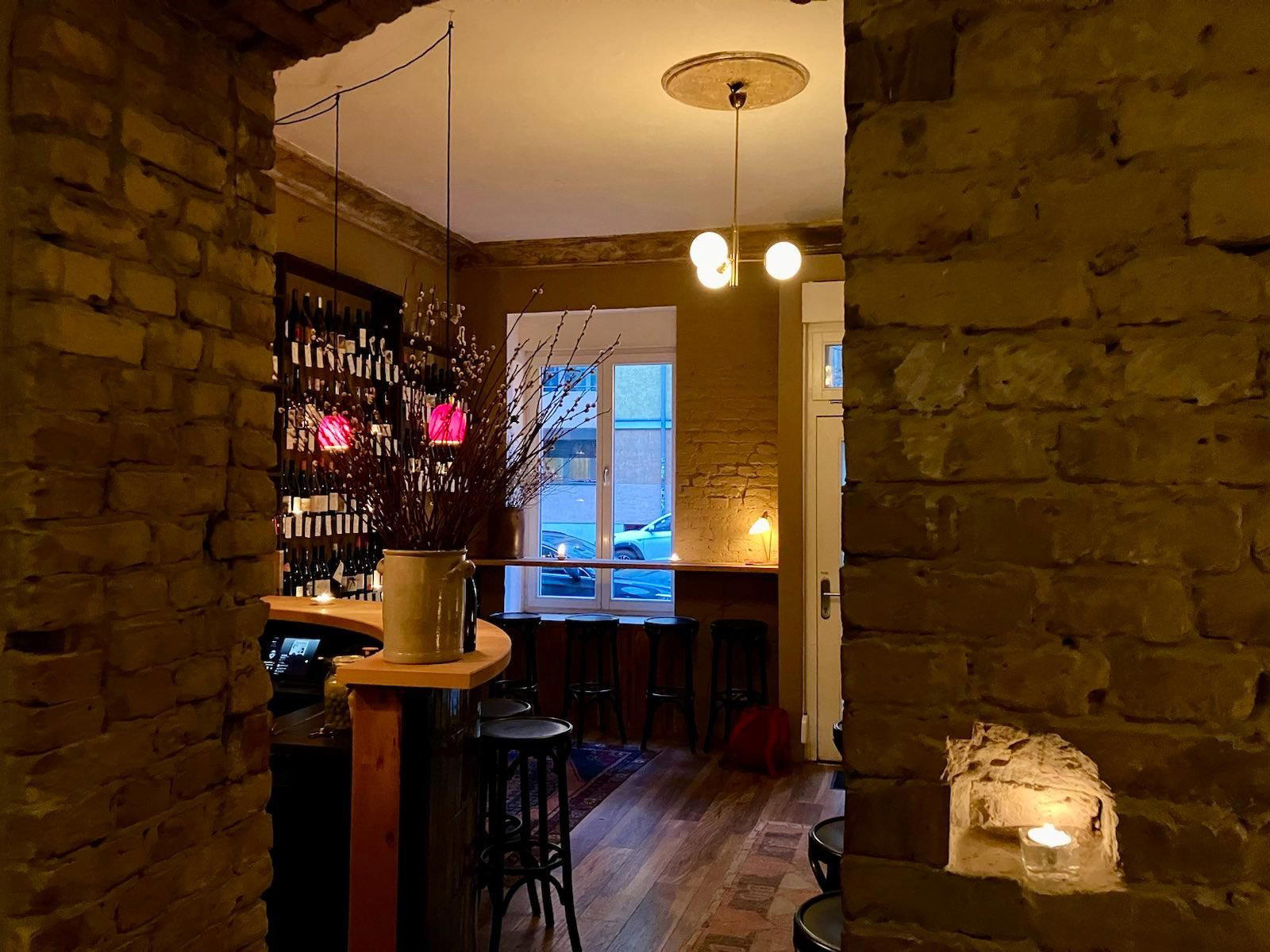
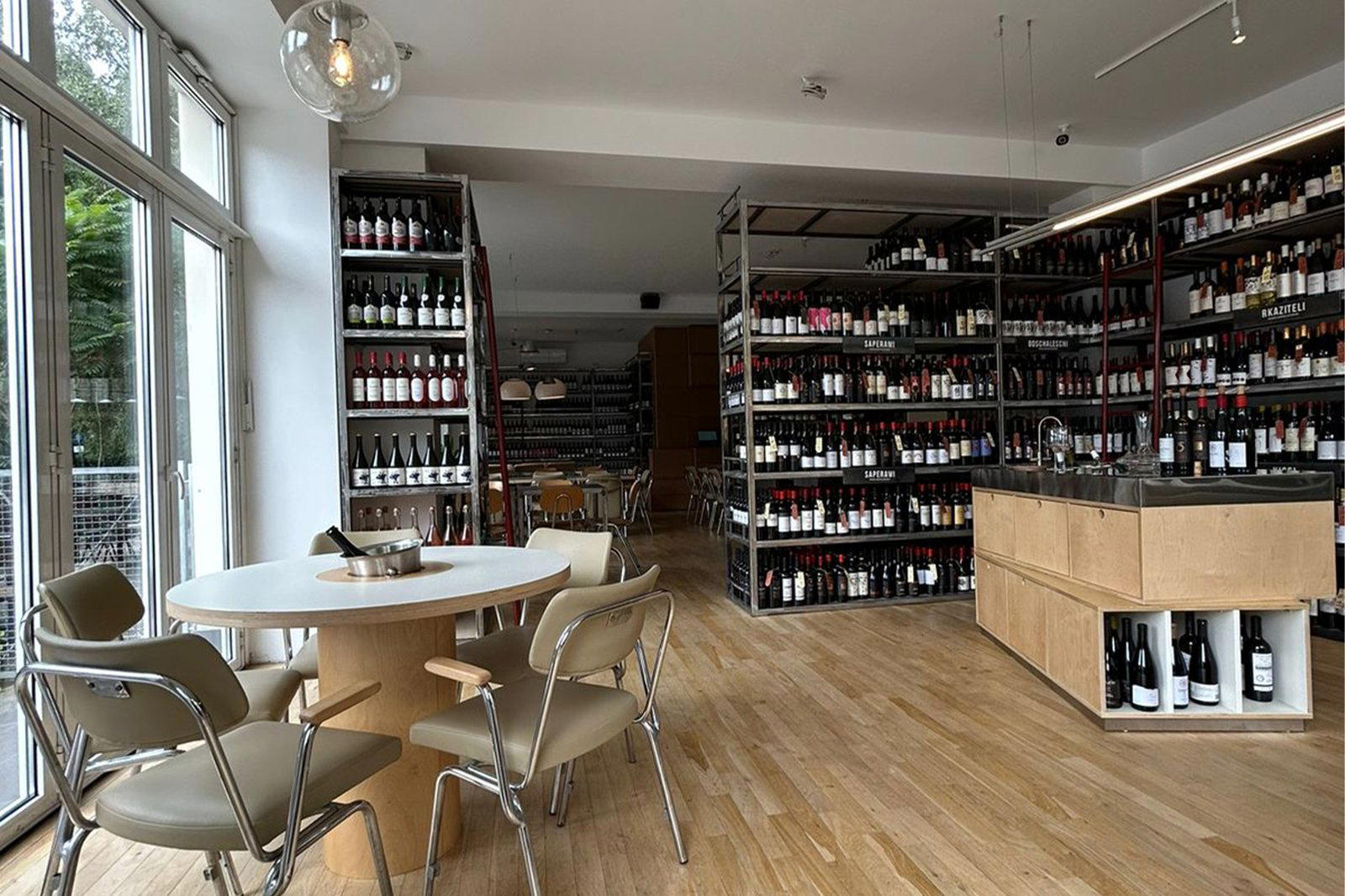
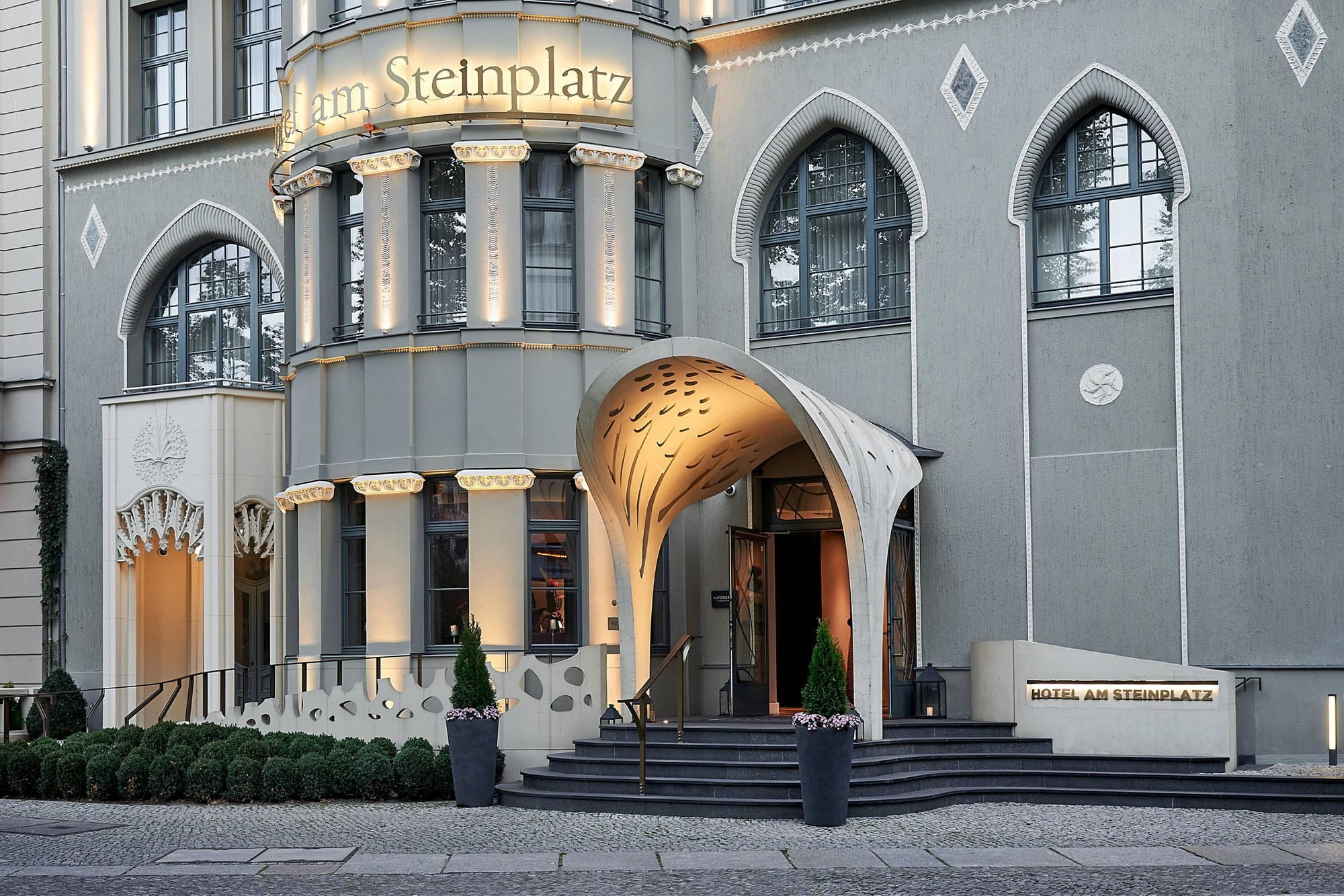
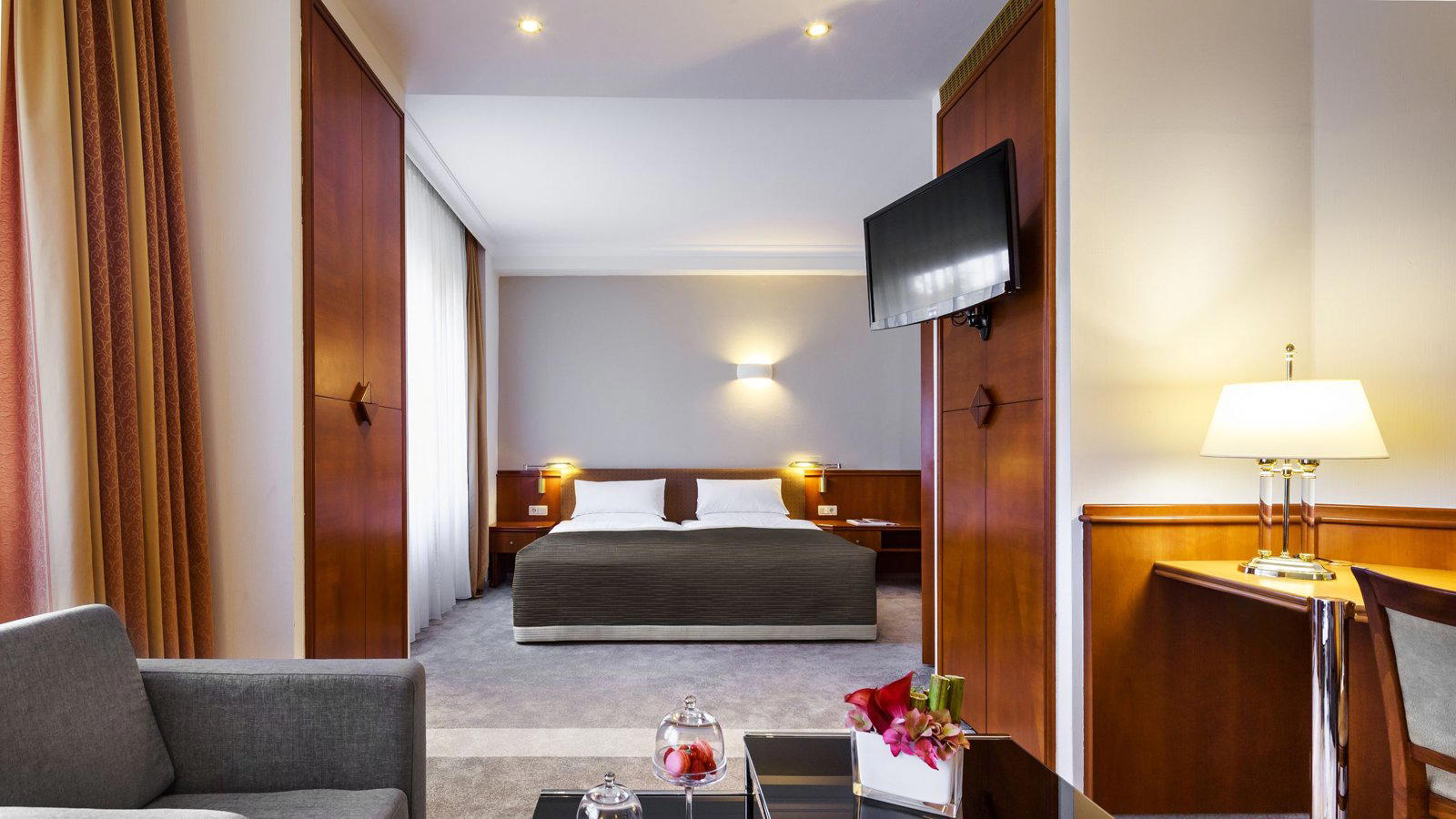
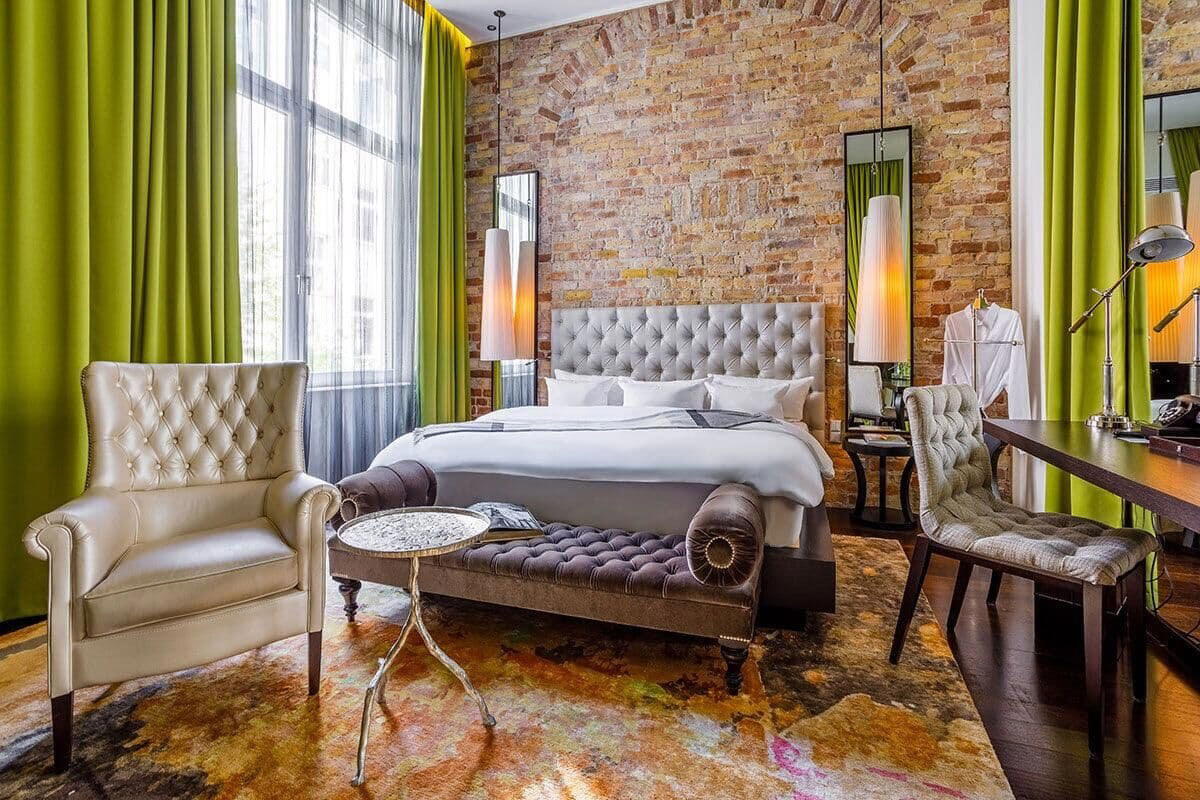
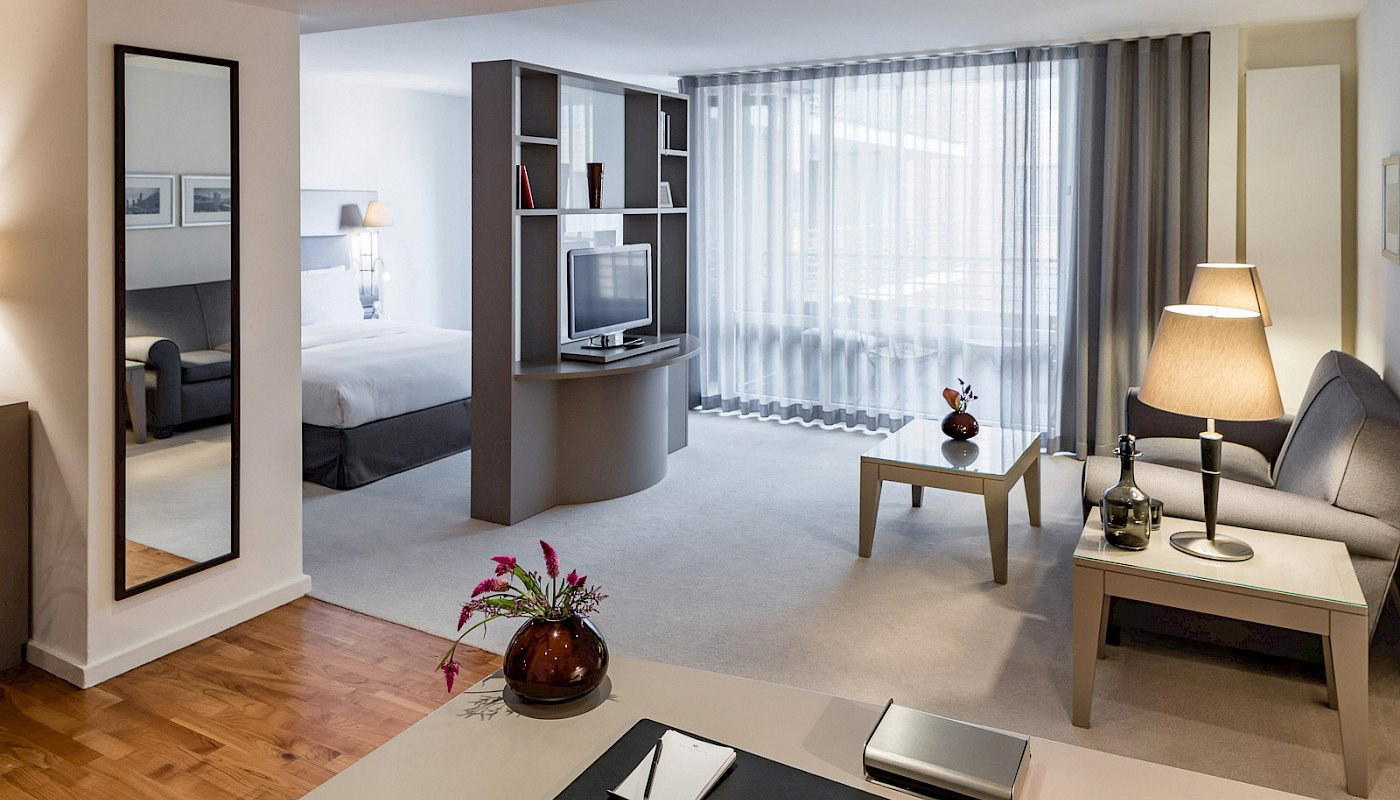
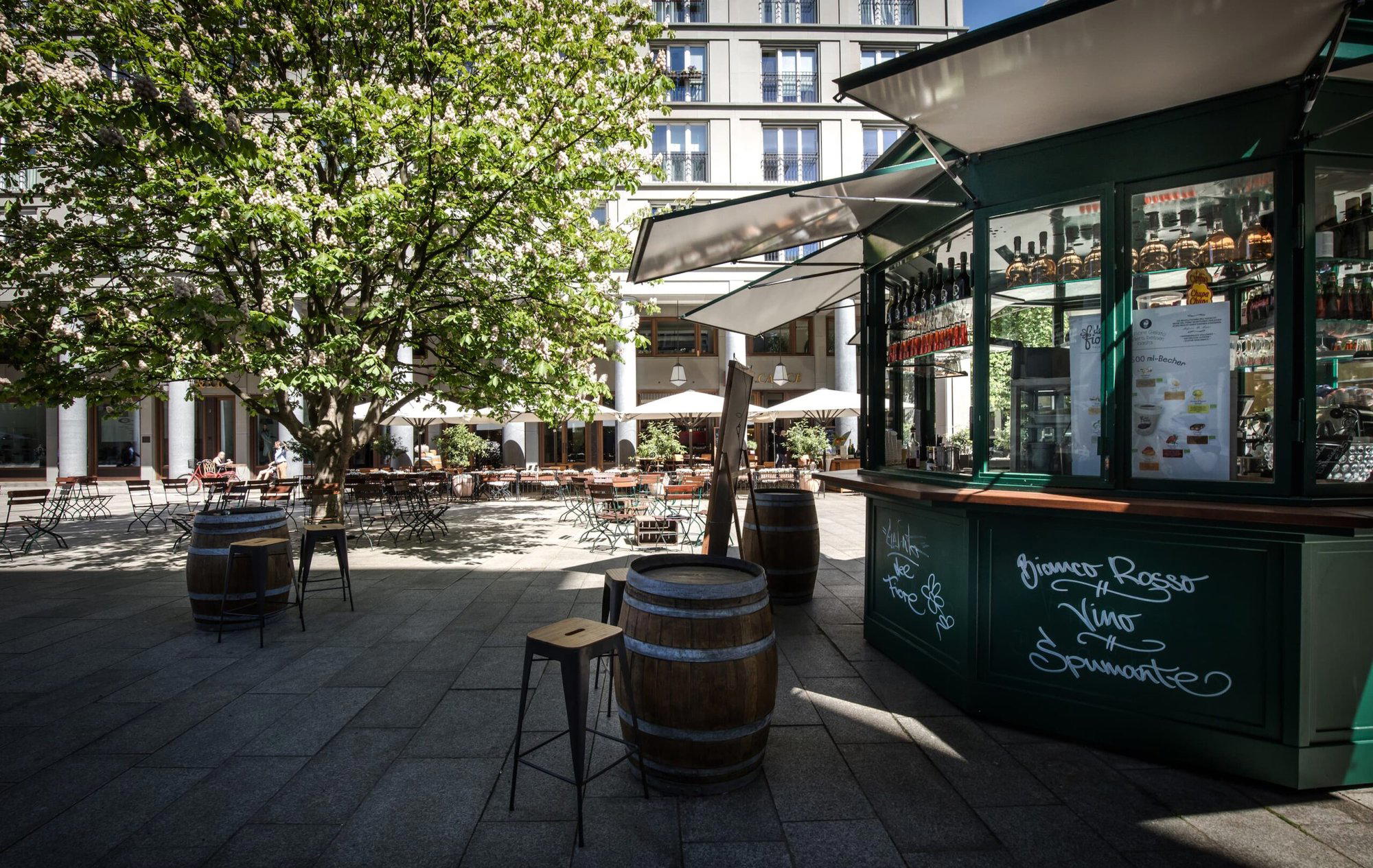
Bright and elegant atmosphere blending tradition and modernity with cozy Italian charm.