


Michelin Plate · Star Wine List · Falstaff Wine Bar - 91 Falstaff Points
Our verdict
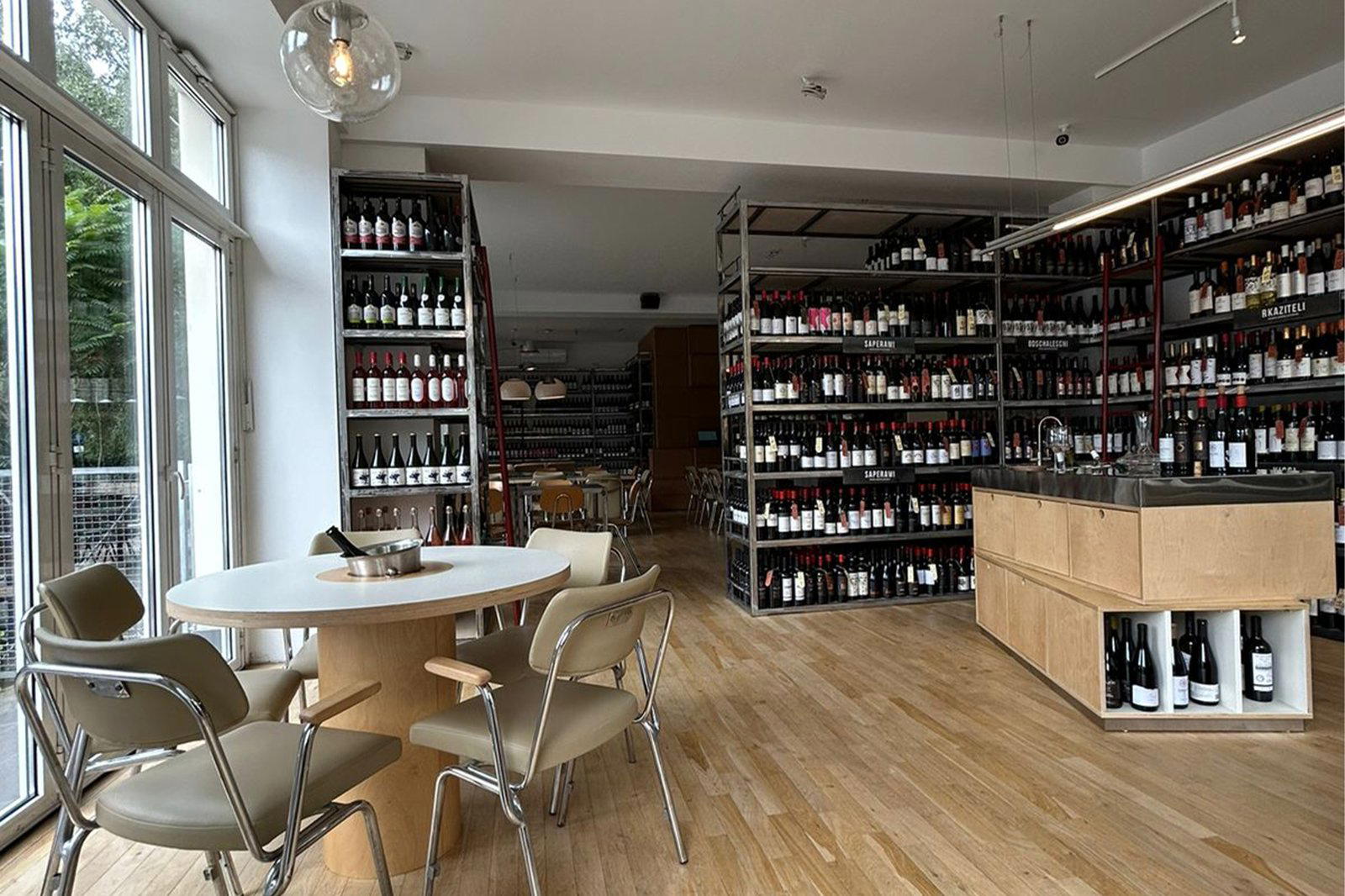
Set inside Hotel Zoo on the Kurfürstendamm, GRACE holds a Michelin Plate for consecutive years and serves international cuisine with a wine list running to 900 selections across 2,900 bottles. The room channels the atmosphere of a London or New York townhouse transposed to Berlin West, making it one of the more quietly serious dining addresses on the Ku'damm strip.

Pearl is the En Primeur Club membership app, where members save venues, book tables and use the concierge.
Kurfürstendamm's Transatlantic Dining Room
Berlin's western dining axis has long operated in the shadow of Mitte's starred concentration, where CARTE BLANCHE and the city's more experimental formats attract most of the critical attention. The Kurfürstendamm strip runs on different logic: a boulevard audience, hotel dining, and a guest demographic that arrives from international money rather than local food culture. Within that context, GRACE, the restaurant of Hotel Zoo at Kurfürstendamm 25, has positioned itself as something more considered than the standard hotel dining room, earning a Michelin Plate in both 2024 and 2025, a signal of consistent technical competence rather than breakthrough ambition.
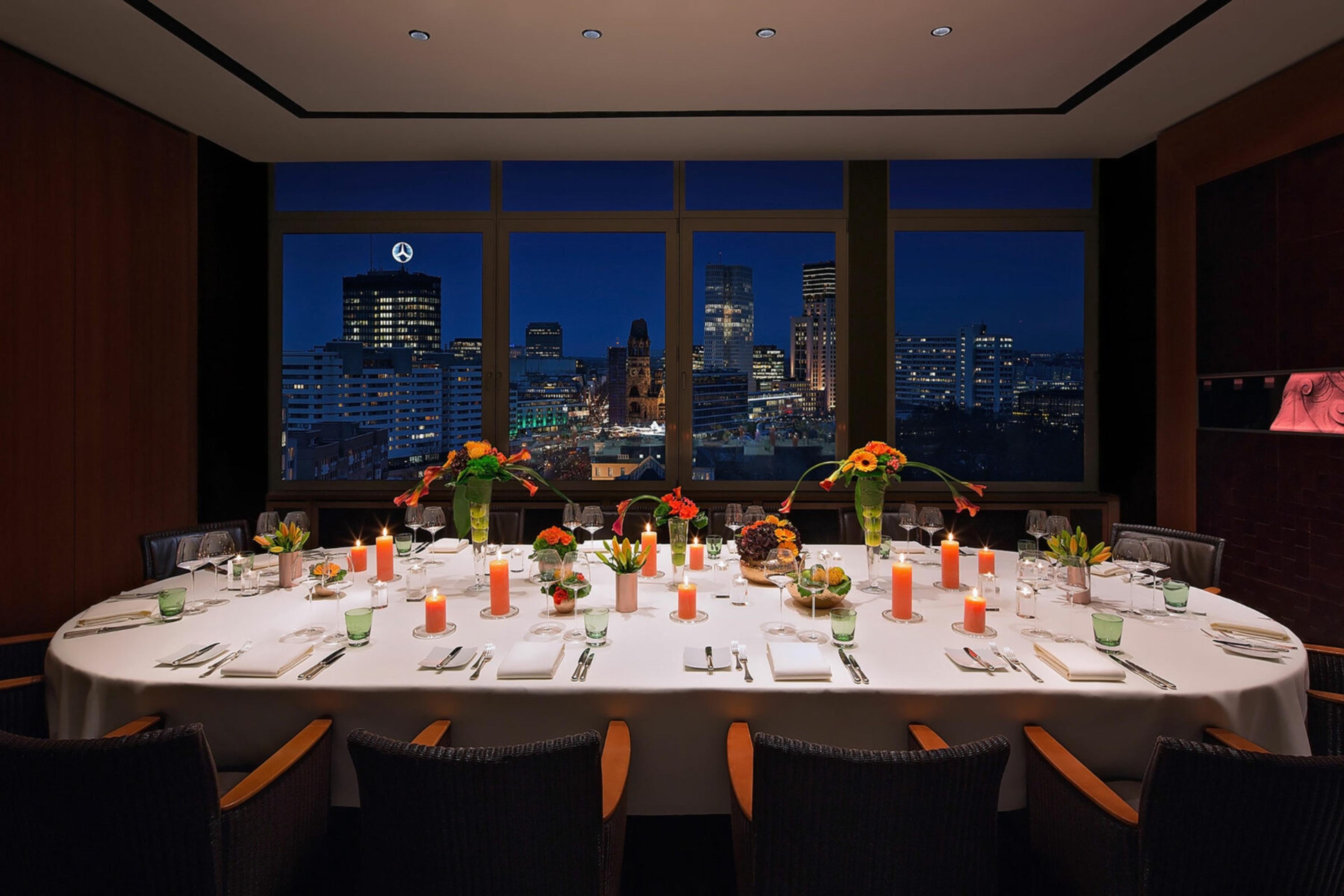
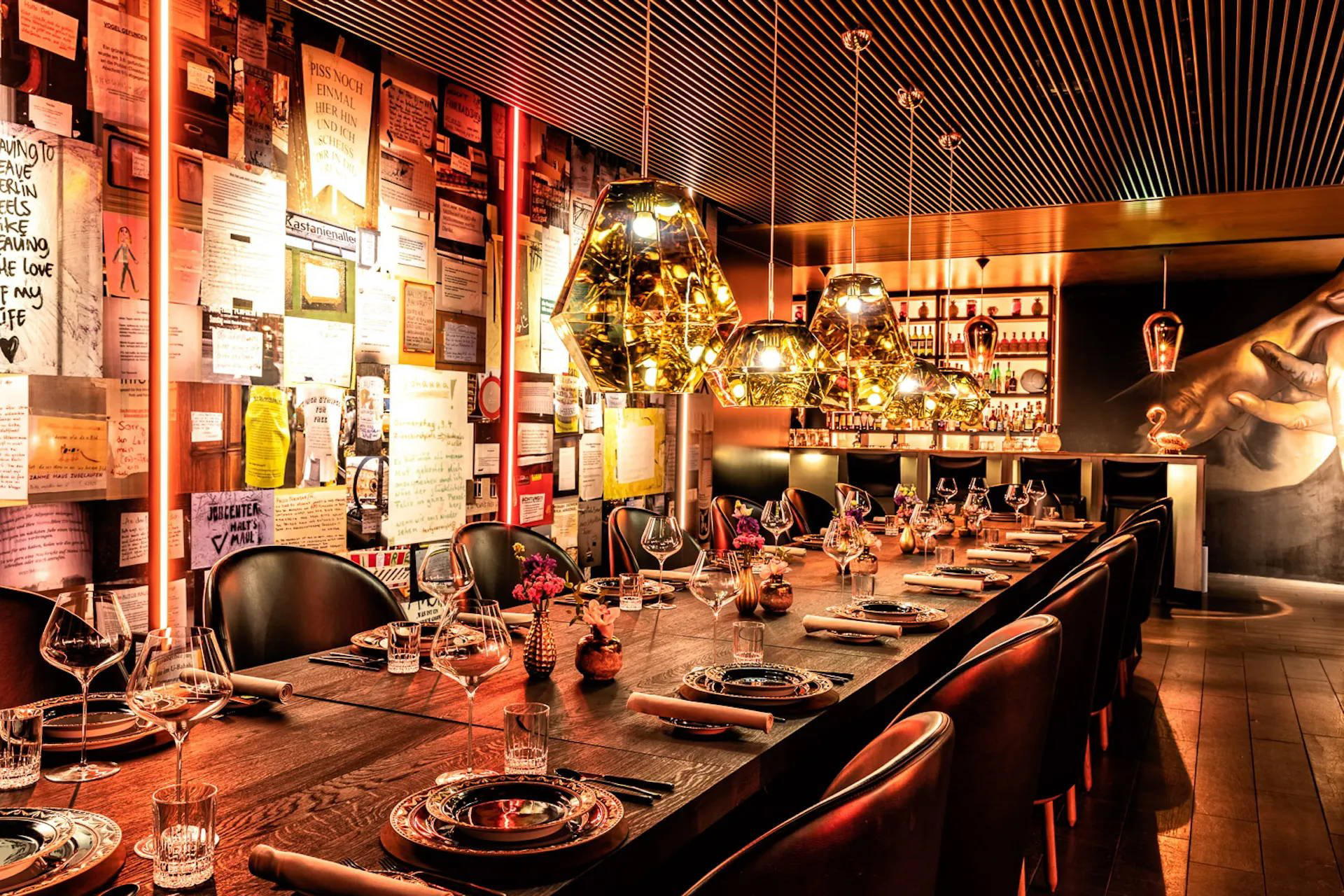
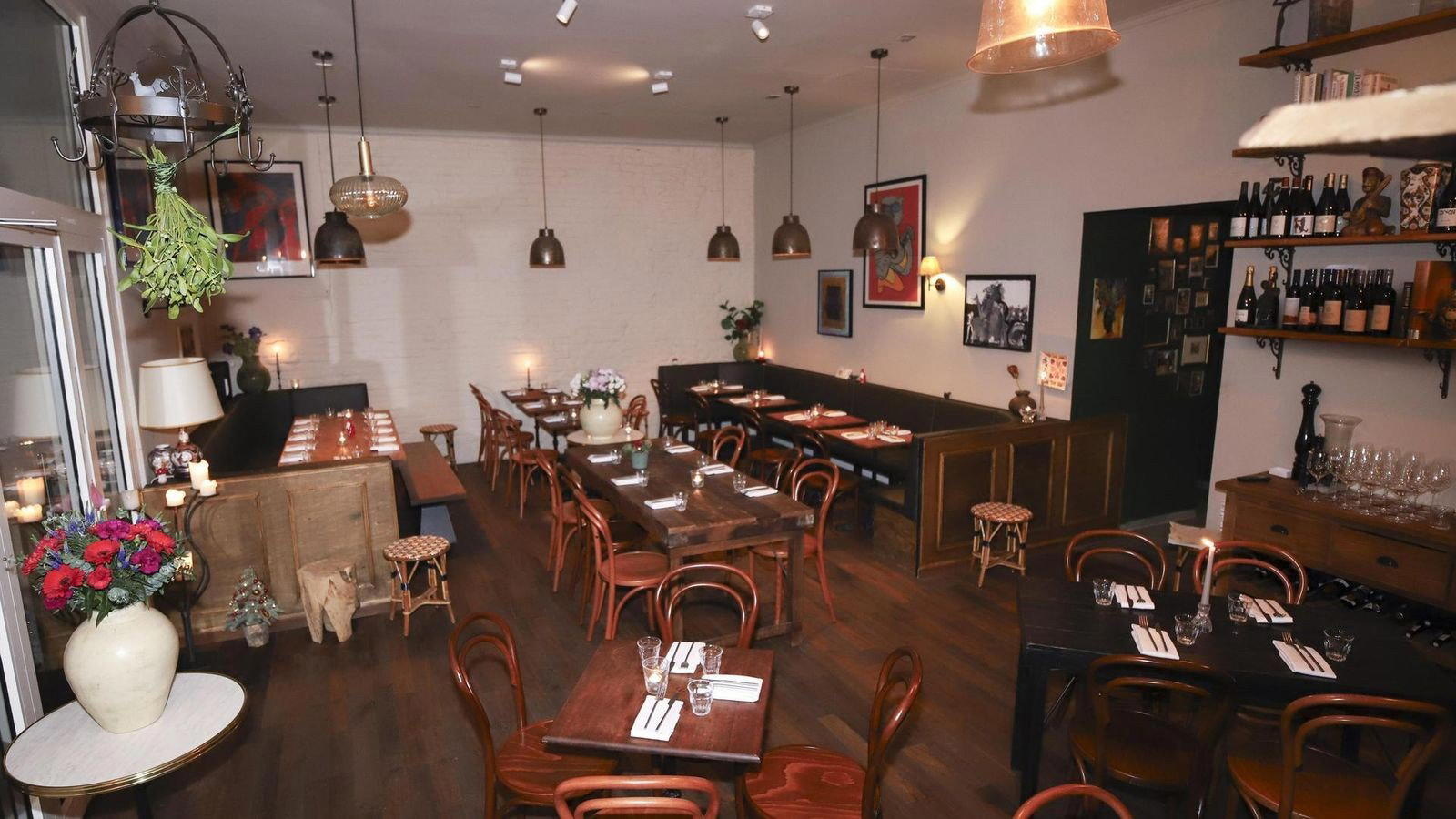
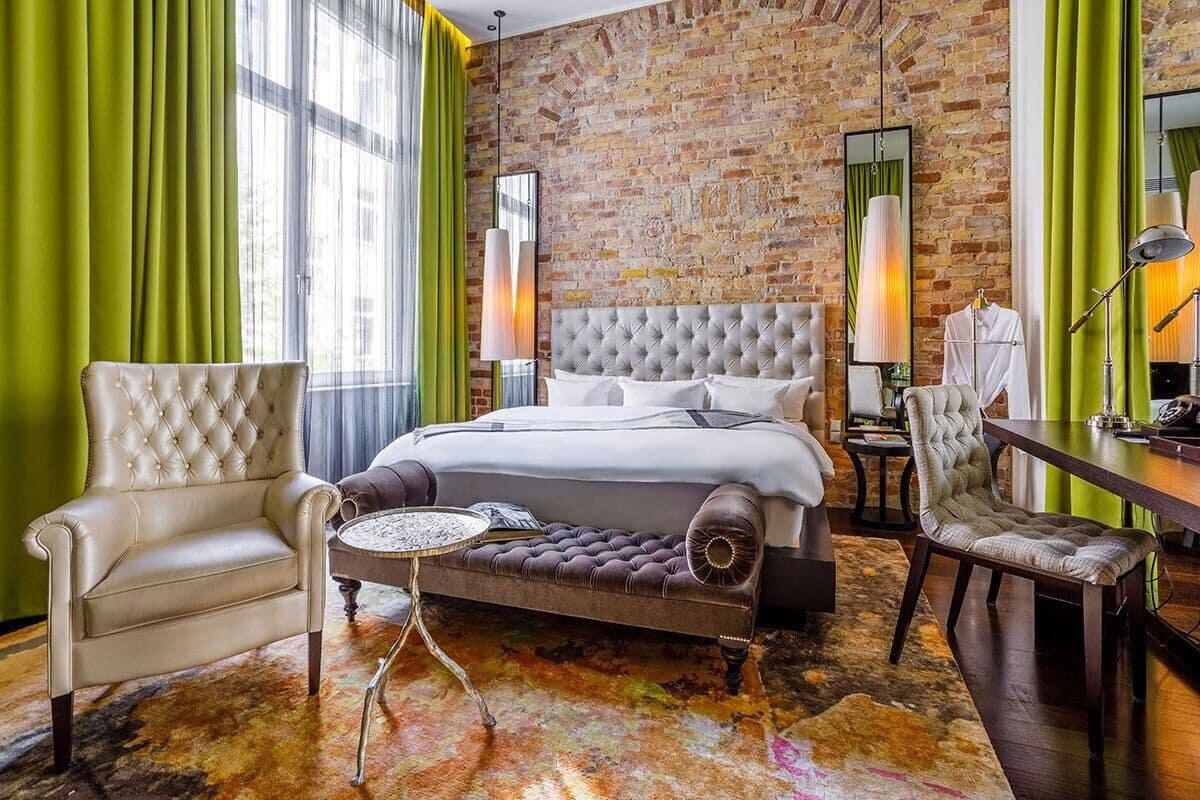
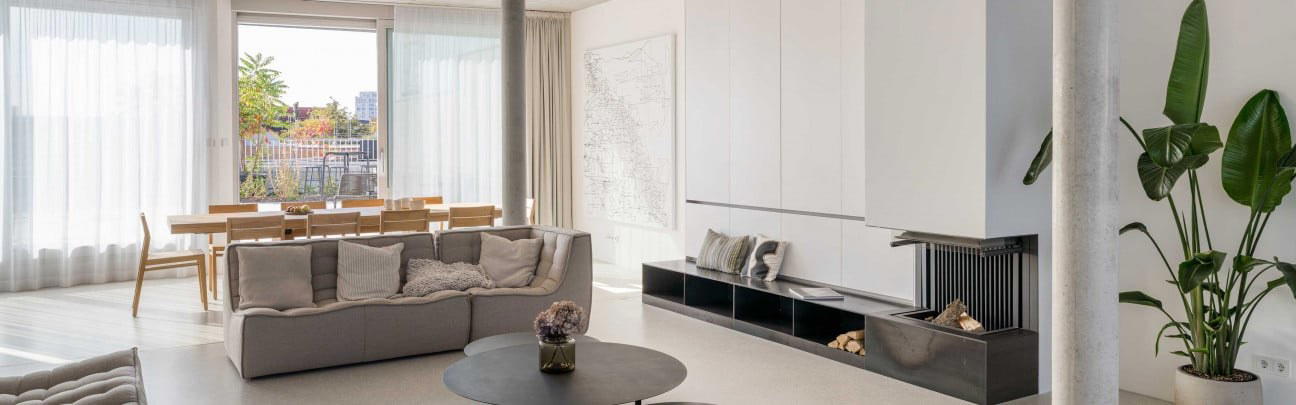
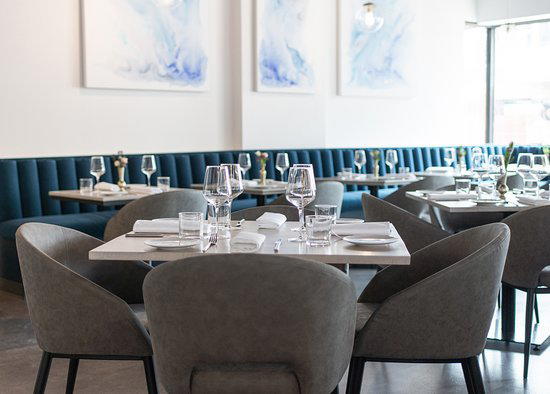
The room itself does much of the framing. The design references a London or New York townhouse: glazed surfaces, layered materials, a spatial register that reads as transatlantic rather than specifically German. That aesthetic choice is not incidental. It signals the restaurant's competitive alignment: GRACE is not presenting itself as a Berlin local story, in the way that Matthias or Loumi might, but as an address that international visitors arriving on the Ku'damm would recognise as shorthand for a certain calibre of experience.
International Cuisine, European Address
The editorial angle that defines GRACE's kitchen is the intersection of imported technique and European produce. The cuisine is classified as international, a category that, in a city like Berlin, covers a wide spectrum from lazy fusion to genuinely sophisticated cross-cultural work. In hotels of this tier, that designation typically means a format influenced by American steakhouse traditions, French classical foundations, and Mediterranean vegetable treatment, all applied to produce sourced through the same northern European supply chains that feed the city's more explicitly regional kitchens.
Germany's dining scene has largely moved in two directions over the past decade: hyperlocal expression, as seen at Crackers and in the foraging-led vocabulary of starred rooms like Nobelhart & Schmutzig, or technique-forward international cooking that draws on French, Japanese, and American frameworks without a fixed regional identity. GRACE occupies the second territory. This is not an indictment; the category, when executed well, produces some of Germany's most interesting tables. JAN in Munich and Haubentaucher in Rottach-Egern both work in internationally inflected idioms while maintaining clear critical standing. The question is always whether the technique applied is proportionate to the produce sourced.
At GRACE, that question is answered in part by the wine program, which offers a more precise read on the kitchen's aspirations than the cuisine label alone. A list of 900 selections across 2,900 bottles, with particular depth in California, France, and Italy, is not a hotel convenience list. Pricing is positioned in the middle tier, extensive choice without the all-or-nothing commitment of a prestige-only cellar, and the scope suggests a kitchen serious enough to require serious matching. Wine Director Tony Fino-Fraser and Sommelier Junior Lindamood manage that inventory, and the pairing depth across three major wine regions gives the program an international range that mirrors the culinary approach.
Where GRACE Sits in Berlin's Starred Tier
Berlin's Michelin geography clusters its highest-rated addresses in Mitte and Kreuzberg, with three-star Rutz and two-star operations like FACIL and Horváth defining the ceiling of the local scene. GRACE's consecutive Michelin Plates place it in a different register: recognised for quality, not yet in the conversation for star elevation. Among the city's hotel dining rooms, that standing is meaningful. Many properties on the Ku'damm and around the zoo area operate restaurants that register no critical acknowledgment at all. A Plate, maintained across two consecutive guides, indicates that the kitchen is operating with sufficient consistency to merit the attention of inspectors who return to check, not just pass through.
For context outside Berlin, Germany's leading international-leaning tables, Aqua in Wolfsburg, Schwarzwaldstube in Baiersbronn, Vendôme in Bergisch Gladbach, sit at the three-star level. ES:SENZ in Grassau and Restaurant Haerlin in Hamburg demonstrate that international cuisine executed at the highest level earns recognition across the guide. Marcel von Winckelmann in Passau represents a similar crossover between globally informed cooking and German hospitality standards. GRACE is not competing at those levels, but it is on the map, and that distinction matters on a boulevard where the competition is mostly not.
Dinner on the Ku'damm: Planning the Visit
GRACE serves dinner, and the price positioning sits at the €€€€ tier, the leading bracket in Berlin's cost architecture, where cuisine pricing for a typical two-course meal runs above €66 before wine. That places it alongside the city's starred rooms in spend terms, even if the critical standing differs. Given the wine list's depth and the formal service structure implied by a hotel restaurant of this calibre, dinner here should be treated as a two- to three-hour commitment rather than a pre-theatre stop.
The restaurant's position within Hotel Zoo means hotel guests have natural access, but the room is open to walk-in diners from the street. Whether a table will be available without a reservation depends on the evening and season; the address at Kurfürstendamm 25 places it in one of Berlin's higher-footfall hotel zones, and the combination of a recognised wine program and Michelin acknowledgment means the dining room is not perpetually empty. A reservation, made through the hotel, is the sensible approach for anyone treating this as a destination dinner rather than a convenient fallback.
For broader orientation across Berlin's dining, hotel, and bar options, see our full Berlin restaurants guide, our full Berlin hotels guide, our full Berlin bars guide, our full Berlin wineries guide, and our full Berlin experiences guide. If you are building an itinerary around Berlin's neighbourhood dining character, MaMi's represents a different price tier and register for comparison.
Frequently asked questions
What's the price range at GRACE?
Pricing at GRACE is listed as €€€€.
What awards or recognition does GRACE have?
GRACE has received recognition including: Grace is the iconic restaurant of Hotel Zoo in the heart of Berlin West, right on the “Berlin Champs-Élysées” Kurfürstendamm. The restaurant reminds me of a London or New York City townhouse, with gla...; Michelin Plate (2025); WINE: Wine S….
What's the must-try dish at GRACE?
GRACE's menu specifics are not published in advance, which is consistent with the kitchen's international format and seasonal sourcing approach. At the €€€€ price tier, the expectation is a tasting-oriented dinner where the kitchen drives the selection. The Michelin Plate recognition in both 2024 and 2025 points to consistent execution across the menu rather than a single signature dish.
Is GRACE focused on a specific cuisine style?
Where do I go for GRACE?
GRACE is located at Kurfürstendamm 25, 10719 Berlin, Germany, Berlin.
Can I walk in to GRACE?
GRACE sits at the €€€€ tier on one of Berlin's most trafficked dining addresses, Kurfürstendamm 25, and walk-in availability on evenings is unlikely without prior contact. Reservations are the practical route, particularly given the Michelin Plate standing and the hotel dining context of Hotel Zoo Berlin. Check availability directly through the hotel.
What It’s Closest To
| Venue | Cuisine | Price | Awards | Notes |
|---|---|---|---|---|
| GRACEThis venue (the venue you are viewing) | Asian-Californian Fusion | Not listed | Michelin Plate · Star Wine List | Not listed |
| CODA Dessert Dining | Dessert-Inspired Fine Dining | $200–300 | 2 Michelin Stars · World's 50 Best #79 | Creative |
| Rutz | Modern German Fine Dining | $200–300 | 3 Michelin Stars · La Liste Top Restaurants | Modern European, Modern Cuisine |
| Nobelhart & Schmutzig | Hyper-Local Modern German Fine Dining | $100–150 | 1 Michelin Star · World's 50 Best #59 | Modern German, Creative |
| FACIL | Modern Fusion Fine Dining | $200–300 | 2 Michelin Stars · La Liste Top Restaurants | Contemporary European, Creative |
| Horváth | Modern Austrian Vegetable Cuisine | $200–300 | 2 Michelin Stars · La Liste Top Restaurants | Modern Austrian, Creative |
Recognition history
Dated appearances from independent guides and award organizations, with the underlying list record or original source where available.
Michelin Plate
Michelin · 2026 Michelin Plate
Star Wine List
Star Wine List
Falstaff Wine Bar - 91 Falstaff Points
Falstaff
Wine Spectator Best of Award of Excellence
Wine Spectator
Full recognition history (6 entries)
Michelin Plate
Michelin
Michelin Plate
Michelin