Cecconi's Berlin occupies a prominent address on Torstraße in Mitte, bringing the Italian-rooted hospitality format established by the original London and Los Angeles outposts into one of Europe's most competitive dining cities. The brand's reputation rests on ingredient provenance and an all-day format that positions it between casual neighbourhood dining and formal Italian fine dining, a tier Berlin's restaurant scene handles with increasing sophistication.
Pearl is the En Primeur Club membership app — saves, bookings, and concierge access live there. Same editors, same standards.
- Address
- Torstraße 1, 10119 Berlin, Germany
- Phone
- +4930405044680
- Website
- cecconisberlin.com
- Directions
- Get directions
 Saves & bookings on Pearl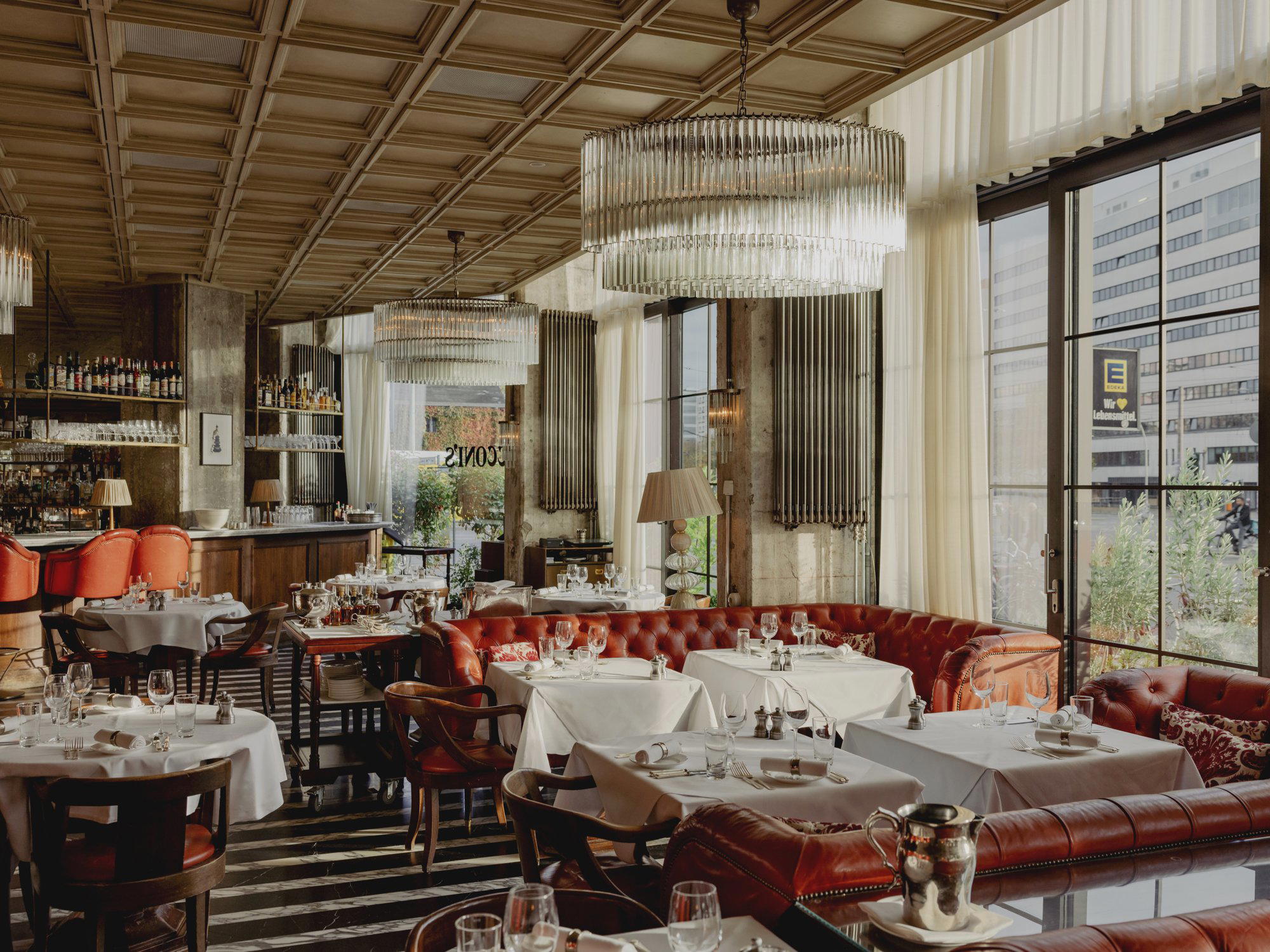
Italian Sourcing Logic in a German Context
Torstraße 1 sits at one of Mitte's more deliberate intersections, the kind of address that signals intent before you push open the door. The Cecconi's name arrived in Berlin as part of a wider pattern: Italian hospitality formats with established London or Los Angeles provenance moving into European cities where the appetite for ingredient-led Mediterranean cooking has outpaced local supply of it. In Berlin's case, that gap is genuine. The city's fine dining scene has leaned heavily toward the Nordic-inflected, hyper-regional German approach championed by places like Nobelhart & Schmutzig and the technically adventurous creative formats at CODA Dessert Dining. A classically structured Italian room with transatlantic brand heritage occupies a different niche entirely.
The Cecconi's format, across its various outposts, has always prioritised sourcing transparency as its central editorial argument. The premise is direct: Italian cooking at this tier rises or falls on the quality of what arrives in the kitchen, not on technique complexity. Aged Parmigiano, cold-pressed Sicilian olive oil, San Marzano tomatoes from named producers, these are not decorative credentials but structural ones. In cities like London and Los Angeles, where the brand built its identity, that sourcing logic became a differentiator against peers who dressed Italian-American comfort food in fine dining formatting. Berlin presents a slightly different challenge, because the city's dining sophistication now runs deep enough that provenance claims require substantiation, not just assertion.
Where Cecconi's Sits in Berlin's Competitive Tier
Berlin's premium restaurant market has split along a recognisable fault line. On one side sit the tasting-menu-led Michelin operations, Rutz, FACIL, and Restaurant Tim Raue each run structured, kitchen-controlled formats with extended multi-course menus and significant booking lead times. On the other side sits a more flexible, à la carte-friendly tier that includes design-led Italian rooms, brasserie-format European restaurants, and the kind of all-day venues that work as well for a business lunch as for a late-evening dinner with a bottle of Barolo.
Cecconi's belongs to the second category, and that positioning is deliberate rather than a concession. The all-day format, where breakfast service transitions into lunch and then evening dining without the kitchen closing, requires a different operational logic than a tasting-menu house. It also attracts a broader occupancy pattern: hotel guests and creative-industry professionals through the day, a more destination-oriented dinner crowd in the evening. Across its network, Cecconi's has consistently occupied this space, premium but accessible in format, Italian in culinary identity, and brand-consistent enough that a repeat visitor from London or New York knows broadly what register to expect.
Germany's own fine dining infrastructure, for context, runs to considerable depth. Schwarzwaldstube in Baiersbronn, Aqua in Wolfsburg, and Vendôme in Bergisch Gladbach represent the country's highest-rated European fine dining rooms, none of which operate in Berlin. The capital's Michelin footprint is real but not dominant by German standards, which means there remains space for well-executed Italian hospitality at a premium price point without direct competition from the country's most decorated kitchens.
The Ingredient Argument at This Address
Italian cooking's sourcing logic differs from the hyper-local, foraged-and-fermented philosophy that defines much of Berlin's creative dining. Where places like Nobelhart & Schmutzig operate on a strict regional German sourcing mandate, refusing to use lemons or olive oil in the kitchen, the Italian model imports specificity from the peninsula itself. The argument is geographical rather than nationalistic: certain ingredients only achieve their defining character in specific Italian microclimates, and substituting local alternatives changes the dish fundamentally rather than incrementally.
This creates an interesting tension in Berlin, a city where the farm-to-table and regional sourcing conversation has moved from trend to expectation in premium dining contexts. Cecconi's answer, implicit in its format, is that provenance can mean Italian provenance as well as German provenance, that a named Sicilian producer is as traceable and legitimate as a Brandenburg vegetable farmer. Whether Berlin's dining public finds that argument convincing depends partly on execution and partly on how the kitchen communicates its supply chain. For comparison, Restaurant Haerlin in Hamburg and JAN in Munich both operate at premium price points with classical European sourcing frameworks that blend regional German and imported specialty ingredients, a model Cecconi's broadly shares.
The Room and Its Register
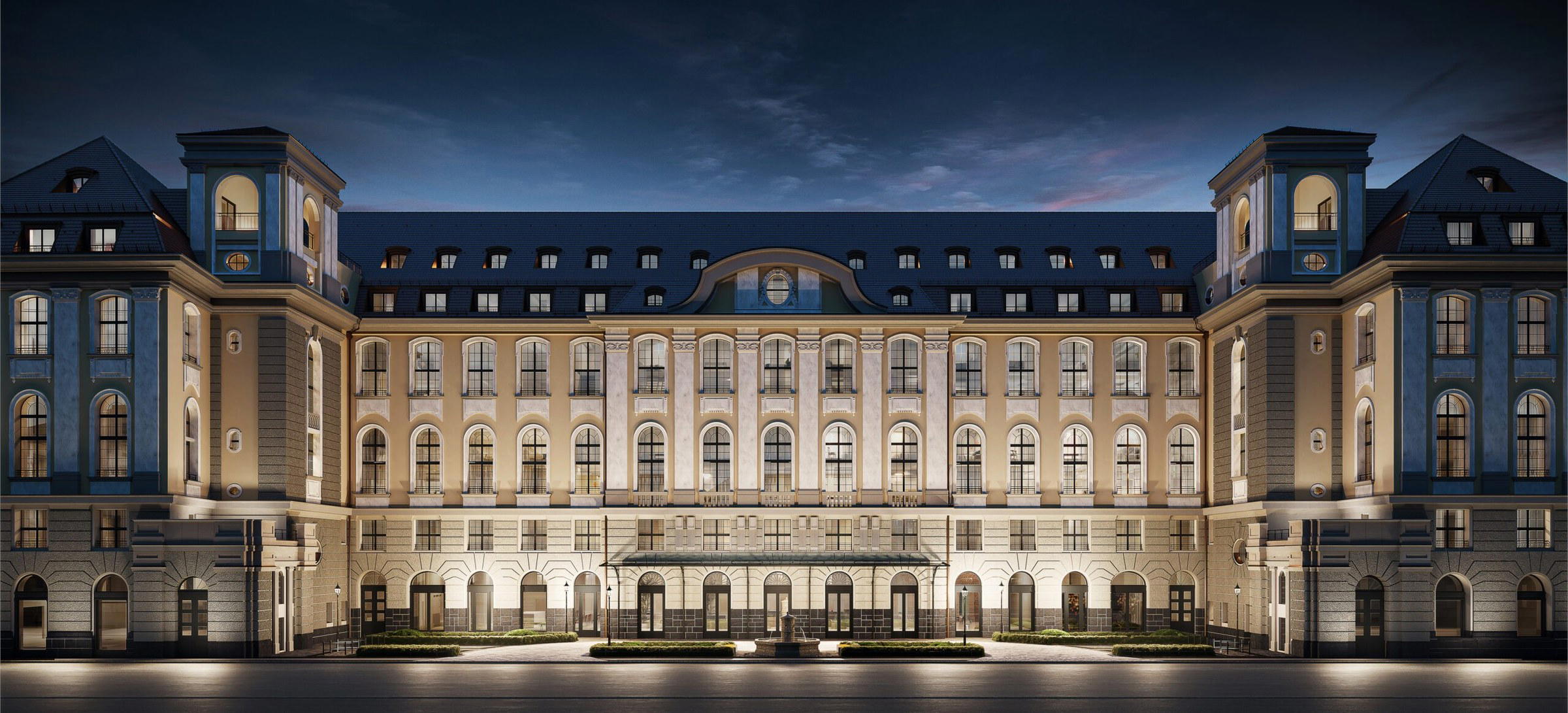
Torstraße 1 places Cecconi's in Mitte's northern stretch, closer to Rosenthaler Platz than to the museum district, in a neighbourhood that has settled into a particular kind of creative-professional affluence. The street-level location on a corner plot provides the kind of visibility that Italian hospitality formats typically require: a room that reads as active from the pavement, with enough interior warmth to pull foot traffic as well as reservations. The Cecconi's design language across its network favours warm materials, low-key luxury, and a deliberate absence of the high-concept interior gestures that characterise Berlin's more experimental dining rooms.
That restraint is a positioning choice. The room signals that the food and sourcing are the primary arguments, not the architecture. For a city where spaces like FACIL's bamboo garden courtyard or Nobelhart & Schmutzig's counter format have made the environment inseparable from the experience, this reads as a European metropolitan confidence rather than a failure of imagination.
Planning Your Visit
Know Before You Go
- Address: Torstraße 1, 10119 Berlin, Germany
- Neighbourhood: Mitte (northern stretch, near Rosenthaler Platz)
- Format: All-day Italian dining room; suitable for lunch, dinner, and transitional service periods
- Reservations: Recommended for dinner; walk-in availability more likely at lunch and during off-peak hours
- Dress code: Smart casual; the room's register is premium but not formally restrictive
Price Lens
Comparable venues nearby, for context on price, style, and recognition.
| Venue | Cuisine | Price | Notes |
|---|---|---|---|
| Cecconi's BerlinThis venue — the venue you are viewing | Prenzlauer Berg, Northern Italian | $$$ | Not listed |
| Caravaggi Bistro | Not listed | $$$ | Prenzlauer Berg, Contemporary Italian Bistro with Natural Wines |
| Ovest im KaDeWe | Schoneberg, Neapolitan Pizza & Pasta | $$$ | Not listed |
| Ristorante Il Castello | Not listed | $$ | Charlottenburg, Classic Italian Trattoria |
| Osteria Culaccino | Charlottenburg, Italian Fine Dining | $$$ | Not listed |
| MINA Ristorante | Not listed | $$$ | Friedrichshain, Modern Italian with Levantine influences |
Continue exploring
More in Berlin
Restaurants in Berlin
Browse all →
Bars in Berlin
Browse all →
Hotels in Berlin
Browse all →
Wineries in Berlin
Browse all →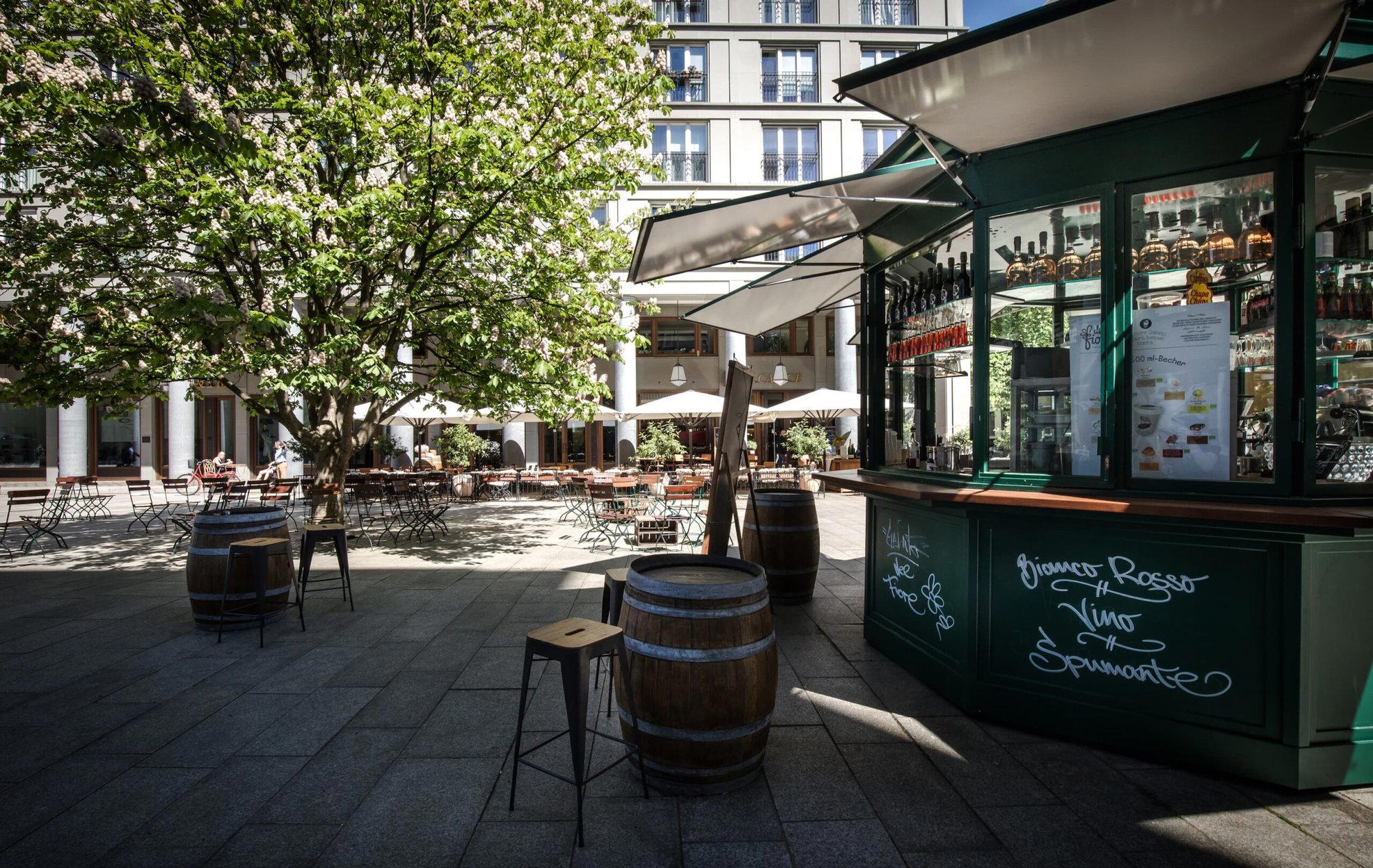

At a Glance
- Elegant
- Sophisticated
- Trendy
- Modern
- Date Night
- Business Dinner
- Brunch
- Open Kitchen
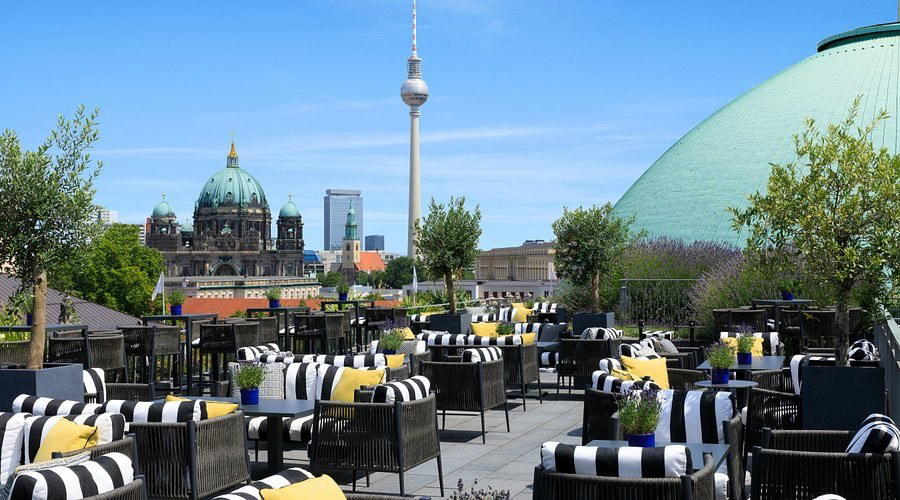
- Terrace
- Hotel Restaurant
- Extensive Wine List
- Craft Cocktails
- Street Scene
Current opening hours
- Monday
- 6 PM–12 AM
- Tuesday
- 6 PM–12 AM
- Wednesday
- 6 PM–12 AM
- Thursday
- 12 PM–12 AM
- Friday
- 12 PM–12 AM
- Saturday
- 11 AM–12 AM
- Sunday
- 11 AM–12 AM
Hours can change for holidays and private events. Last verified .
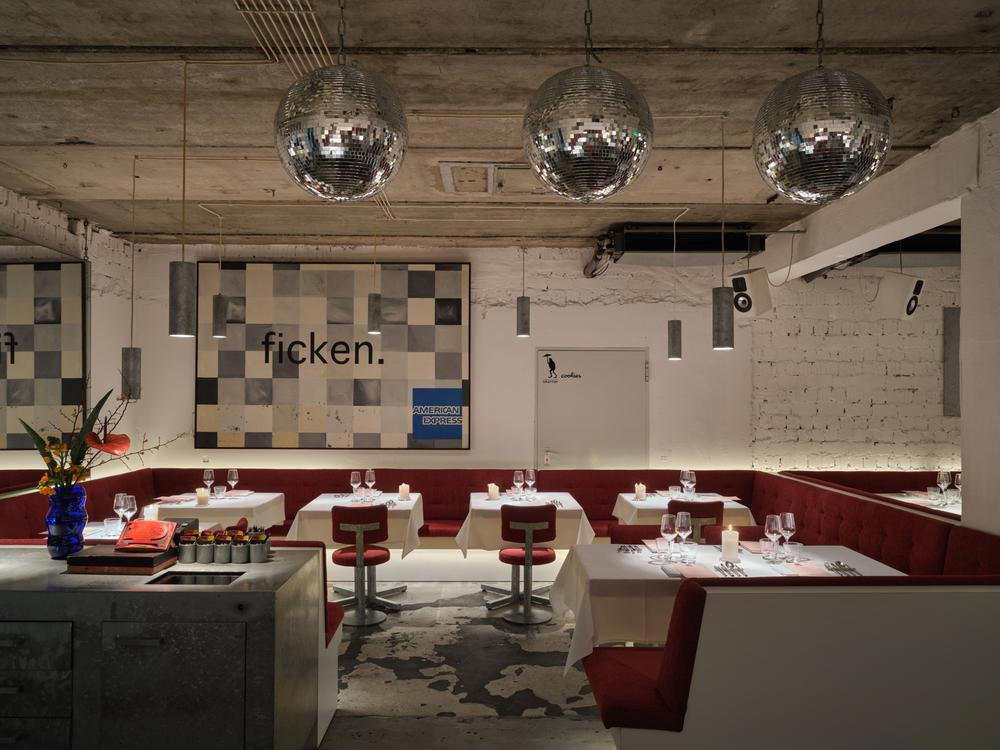
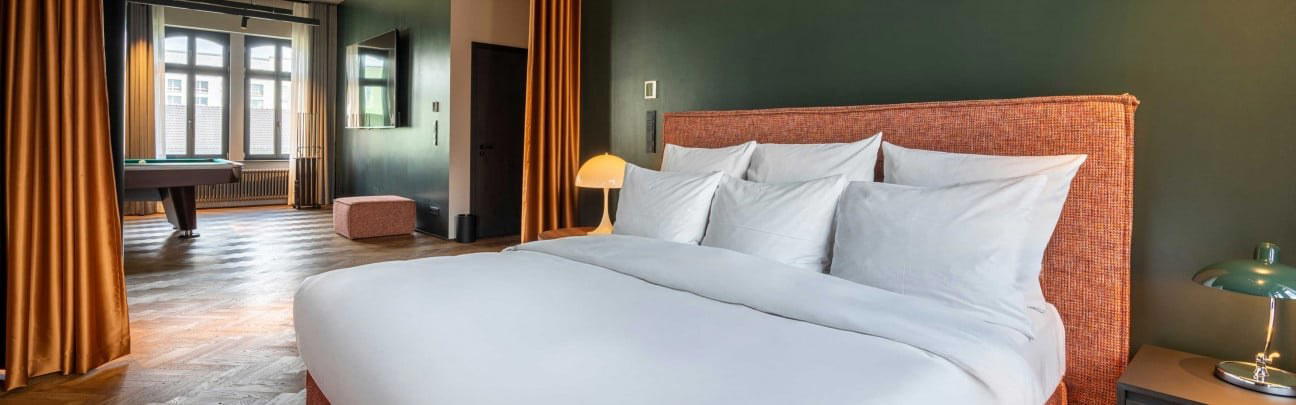
Industrial chic with dim lighting, marble floors, red leather seating, and cozy intimate vibe.