
Michelin Plate
Our verdict
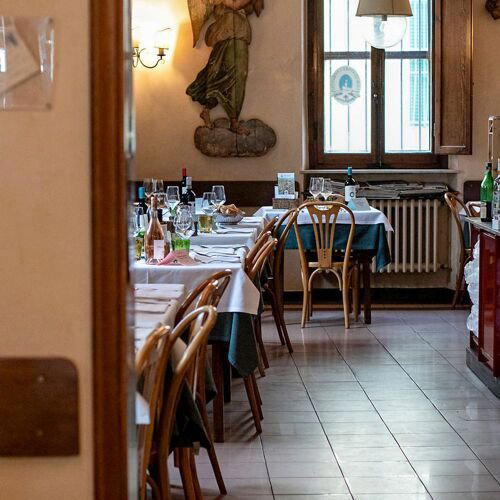
A short walk from the Uffizi, Degusteria Italiana takes a focused approach to Italian ingredients that most restaurants treat as supporting players: cheese, truffle, and game form the entire creative framework here. The result is a specialist menu with genuine editorial purpose, holding.

Pearl is the En Primeur Club membership app, where members save venues, book tables and use the concierge.
The menu
What to order
- Ravioli with parmesan
- Beef tartare
- Quail
- Truffle pasta
A Focused Table Near the Uffizi
Via Lambertesca sits in the dense medieval grid between the Arno and Piazza della Signoria, a stretch of Florence where tourist-facing trattorias and serious specialist restaurants occupy the same narrow streets without much visible distinction from the outside. Degusteria Italiana is the latter kind. The address, steps from the Uffizi Gallery at number 7 Rosso, places it inside one of the most visited corridors in the city, yet the kitchen operates with the discipline of a restaurant that has chosen its subject and committed to it fully. Three ingredients, cheese, truffle, and game, form the entire creative architecture of the menu. That is not a promotional claim; it is the operational logic of the place.
This kind of ingredient-focused restraint has a long precedent in Italian cooking, where regional specialisation has always carried more cultural weight than range. The most respected Italian Contemporary tables, from Osteria Francescana in Modena to Piazza Duomo in Alba, tend to root their identity in a defined ingredient logic rather than an attempt to survey the whole national canon. Degusteria Italiana applies that same principle at a smaller, more accessible scale: the €€€ price tier places it well below Florence's Michelin-decorated upper bracket, which includes three-star Enoteca Pinchiorri and the €€€€ tier occupied by Il Palagio, yet the kitchen's editorial focus is no less clear.
Cheese, Truffle, and Game: The Kitchen's Governing Logic
The decision to anchor an entire menu around three ingredients that most Italian restaurants treat as seasonal accents or premium additions reflects a particular kind of confidence. Truffle, in the Tuscan and Umbrian tradition, is not a luxury garnish but a landscape signal, it tells you where you are, what season it is, and what the soil produces. Game carries the same regional specificity: the hills around Florence, the Maremma to the south, and the Apennines to the east have supported a hunting culture for centuries, and the kitchen draws on that tradition. Aged cheese, meanwhile, provides a third axis that bridges the two: it can anchor a course in its own right, appear as a structural element in a composed dish, or serve as the bridge between meat and acidity in a sequence.
The pairing logic across these three ingredients creates natural opportunities for a service team that understands both wine and the internal grammar of the menu. In Italian Contemporary dining, the relationship between the kitchen's ingredient decisions and the sommelier's selection is rarely passive. At smaller, specialist restaurants like this one, where the menu's range is deliberately narrow, the front-of-house contribution carries proportionally more weight: the wine and service team must be fluent in the same ingredient language that the kitchen speaks, whether that means understanding how truffle compounds interact with tannin, how game fat responds to acidity, or how the saline, umami backbone of aged Pecorino or Parmigiano shifts across different producers and aging profiles.
Italy's broader Italian Contemporary scene rewards exactly this kind of joined-up approach. Tables such as Le Calandre in Rubano, Enrico Bartolini in Milan, and Atelier Moessmer Norbert Niederkofler in Brunico all operate with this kitchen-to-floor coherence as a design principle. At Degusteria Italiana, the smaller scale and tighter ingredient focus means that coherence is not a structural challenge but a practical possibility, the floor team can know the menu deeply because the menu itself is disciplined.
Florence's Mid-Tier Specialist Niche
The €€€ positioning is significant in the context of Florence's dining tier structure. The city's highest-profile restaurants, Il Palagio, Atto di Vito Mollica, and the Michelin-starred hotels along the Arno, operate at €€€€ and command the international press cycle. Below that, the city has a well-populated middle tier where neighbourhood-focused, ingredient-specific restaurants attract a local and repeat-visitor clientele that often bypasses the starred circuit entirely. Degusteria Italiana belongs to this second category, alongside places like Konnubio and Gunè San Frediano, where the criteria for success are depth of concept and consistency of execution rather than institutional recognition.
Seasonal timing is worth considering when planning a visit. Truffle is the most time-sensitive of the three anchor ingredients: white truffle from the San Miniato area, one of the most important truffle zones in Tuscany, peaks in October and November, while black truffle is available through winter and into spring. A visit calibrated to the white truffle season will find the menu at its most specific, with that particular flavour acting as the clearest expression of the kitchen's geographic focus. Game, similarly, follows a seasonal arc, with autumn the period of greatest variety and freshness in the Tuscan tradition.
Planning Your Visit
The restaurant is at Via Lambertesca 7 Rosso, within a few minutes' walk of the Uffizi on foot and centrally positioned for anyone staying in the Santa Croce or Oltrarno neighbourhoods. At the €€€ price point, it represents the mid-range of Florence's serious dining options, sitting below the Michelin-decorated tier but operating with a more focused ingredient brief than most restaurants at this price level.
For a fuller picture of where Degusteria Italiana sits in Florence's wider dining context, see our full Florence restaurants guide. For accommodation planning, our Florence hotels guide covers the main property tiers across the city's neighbourhoods. For drinking before or after dinner, our Florence bars guide and Florence wineries guide provide curated options. And for activity planning, our Florence experiences guide maps the city's specialist programming across cultural and food-focused formats.
The Italian Contemporary category extends well beyond Florence, with strong expressions of the same ingredient-focused approach at Agli Amici Rovinj in Rovinj and L'Olivo in Anacapri, both worth considering in the context of a broader Italian itinerary.
Frequently asked questions
What kind of recognition has Degusteria Italiana received?
Degusteria Italiana has received recognition including: This small, welcoming restaurant in the heart of the city, not far from the Uffizi Gallery, specialises in three typical Italian ingredients, namely cheese, truffles and game, from which it creates intriguing and delicious dishes.; This sma….
What's the best thing to order at Degusteria Italiana?
The menu is built around three ingredients, cheese, truffle, and game, so any dish centred on one of these reflects the kitchen's core focus. These are not seasonal accents here; they govern the entire menu. Order according to whichever of the three you prioritise, and you will be eating directly in line with the restaurant's purpose.
What price level is Degusteria Italiana?
Pricing at Degusteria Italiana is listed as €€€.
Should I book Degusteria Italiana in advance?
At the €€€ price tier in a central Florence location steps from the Uffizi, same-day availability during peak periods is not guaranteed. Florence's historic centre draws heavy foot traffic from spring through autumn, and a specialist restaurant with a focused concept tends to draw repeat visitors alongside tourists. Booking ahead is advisable, particularly for evening sittings.
Similar Picks
A quick peer check to anchor this venue’s price and recognition.
| Venue | Cuisine | Price | Awards | Notes |
|---|---|---|---|---|
| Degusteria ItalianaThis venue (the venue you are viewing) | Modern Italian Fine Dining with Cheese, Truffles & Game | $100–150 | Michelin Plate | Not listed |
| Enoteca Pinchiorri | Contemporary Italian Fine Dining | $200–300 | 3 Michelin Stars · World's 50 Best #32 | Italian - French, Italian Contemporary |
| Santa Elisabetta | Modern Italian Fine Dining with Seafood Focus | $200–300 | 2 Michelin Stars · La Liste Top Restaurants | Italian, Creative |
| Borgo San Jacopo | Michelin-starred Modern Tuscan & Italian Fine Dining | $150–200 | 1 Michelin Star · Falstaff Restaurant - 94 Falstaff Points | Italian, Modern Cuisine |
| Gucci Osteria da Massimo Bottura | Contemporary Italian with Japanese and Mexican Influences | $200–300 | 1 Michelin Star · Wine Spectator Best of Award of Excellence | Modern Italian, Italian Contemporary |
| Il Palagio | Modern Tuscan Fine Dining | $100–150 | 1 Michelin Star · Star Wine List | Italian Contemporary |
Recognition history
Dated appearances from independent guides and award organizations, with the underlying list record or original source where available.
Michelin Plate
Michelin
Full recognition history (3 entries)
Michelin Plate
Michelin
Michelin Plate
Michelin
Continue exploring
More in Florence
Restaurants in Florence
All restaurants in Florence →
Bars in Florence
All bars in Florence →
Hotels in Florence
All hotels in Florence →

Degusteria Italiana
The wine
- Wine program
- Deep wine list
- Extensive wine list
- Sommelier-led
Details
- Romantic
- Elegant
- Intimate
- Cozy
- Sophisticated
- Date Night
- Special Occasion
- Celebration
- Open Kitchen
- Extensive Wine List
- Sommelier Led
- Local Sourcing
- Tasting Menu
- A La Carte
- Wine
- Vegetarian Friendly
Current opening hours
- Monday
- 7–10:30 PM
- Tuesday
- 12–3 PM, 7–10:30 PM
- Wednesday
- 12–3 PM, 7–10:30 PM
- Thursday
- 12–3 PM, 7–10:30 PM
- Friday
- 12–3 PM, 7–10:30 PM
- Saturday
- 12–3 PM, 7–10:30 PM
- Sunday
- 12–3 PM, 7–10:30 PM
Hours can change for holidays and private events. Hours as of .
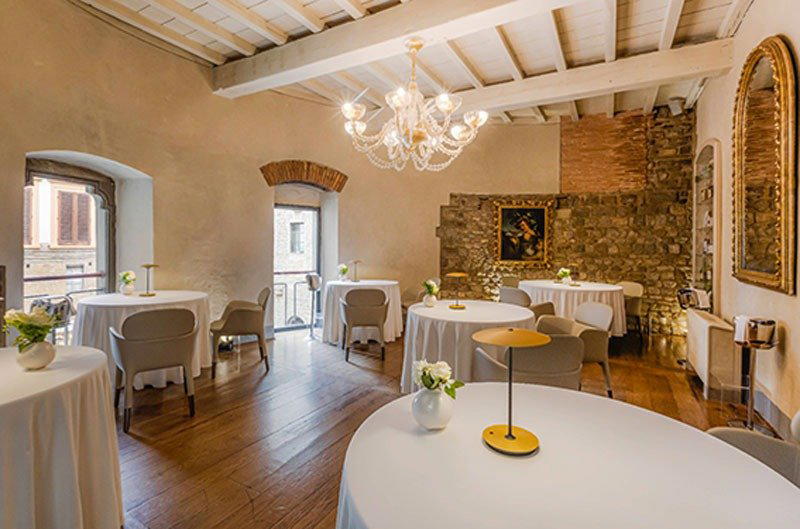
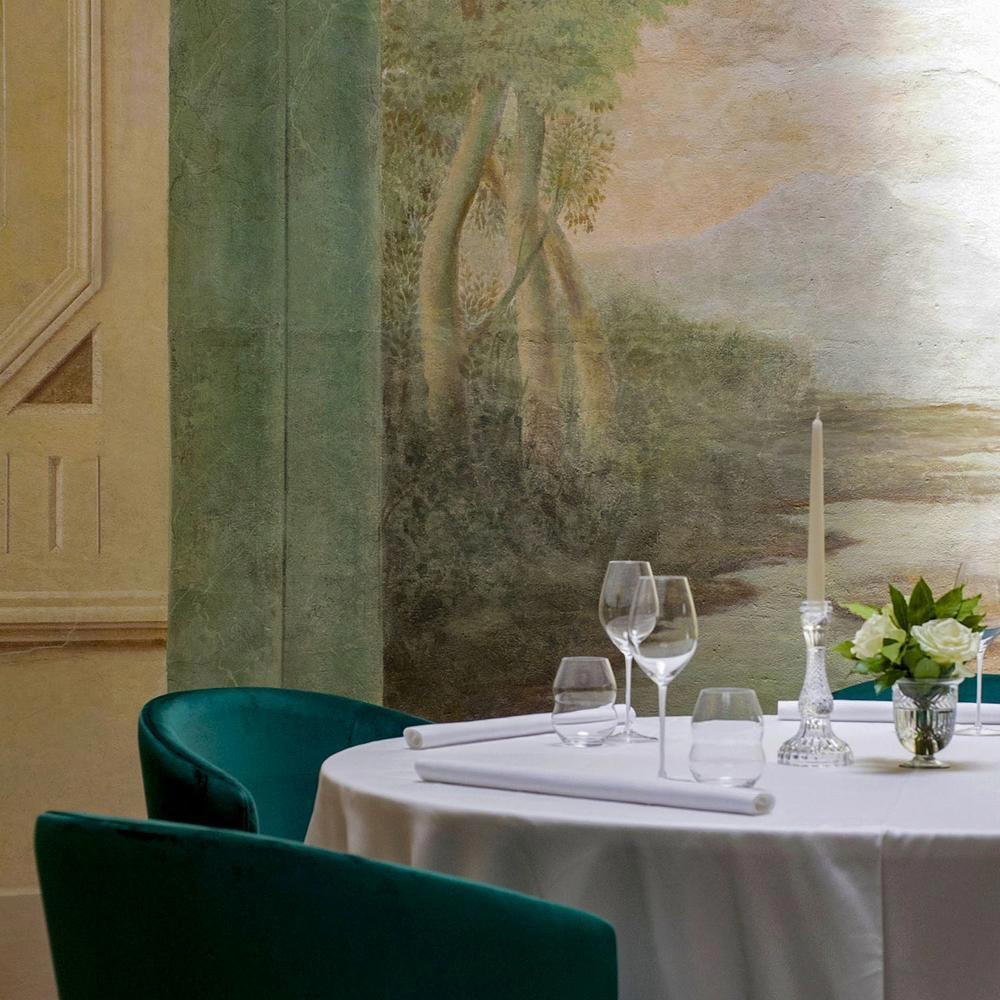
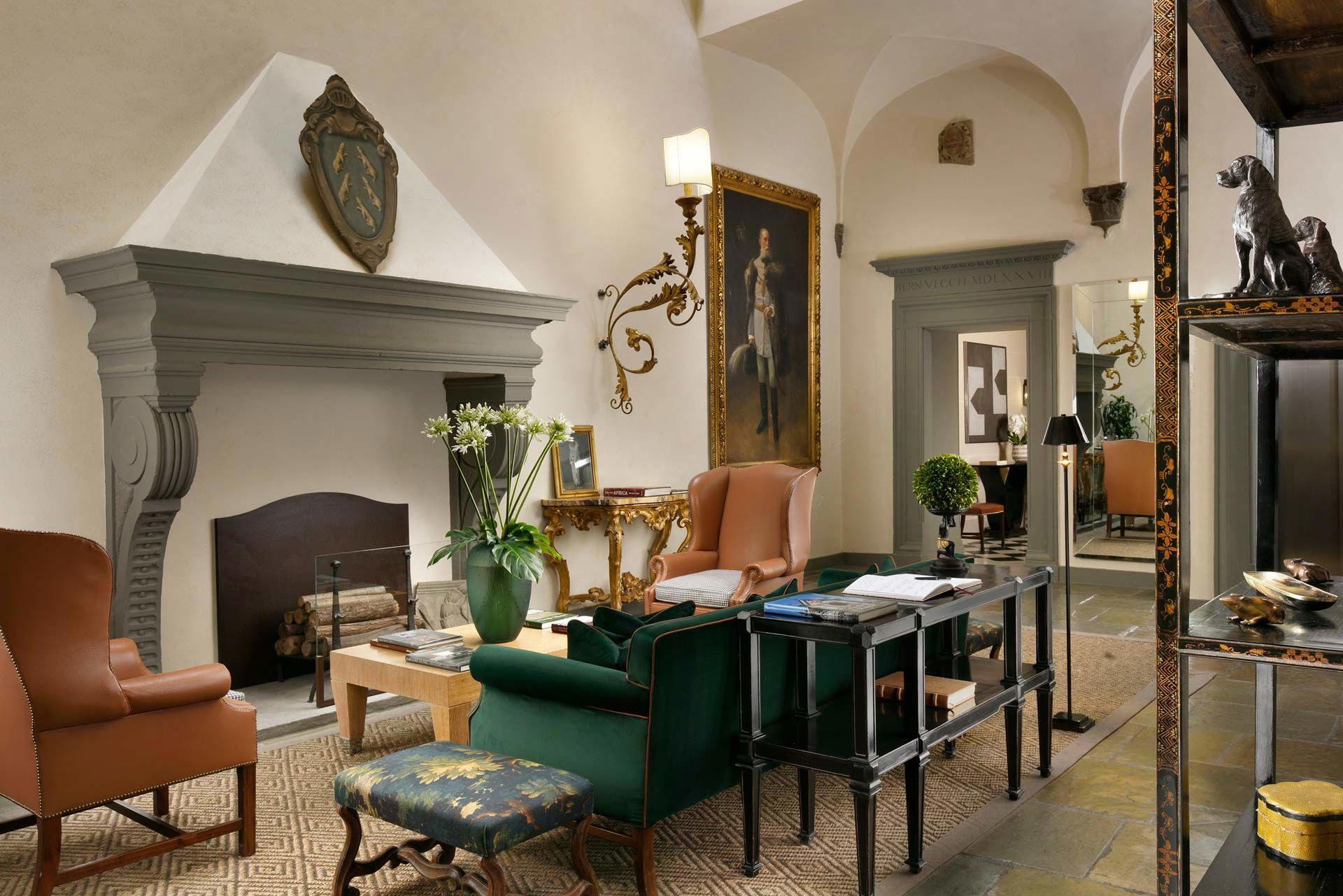
Candlelit, cozy, and romantic with a quiet, elegant atmosphere in a small space with 8 tables.