Parrilla Paraíso
Parrilla Paraíso sits in Tlalpan, one of Mexico City's older southern boroughs, where open-fire cooking has remained a neighbourhood staple rather than a trend. The parrilla format here belongs to a broader tradition of Mexico City asadores that prioritise smoke and heat over spectacle. For visitors moving between the capital's high-concept dining rooms and its more grounded cooking traditions, Tlalpan's open-grill scene offers a meaningful counterpoint.
 Discover on Pearl
Pearl is the En Primeur Club membership app — saves, bookings, and concierge access live there. Same editors, same standards.
- Address
- Santa Ursula 34, Sta Úrsula Xitla, Tlalpan, 14420 Ciudad de México, CDMX, Mexico
- Phone
- +525571600262
- Website
- parrillaparaiso.com
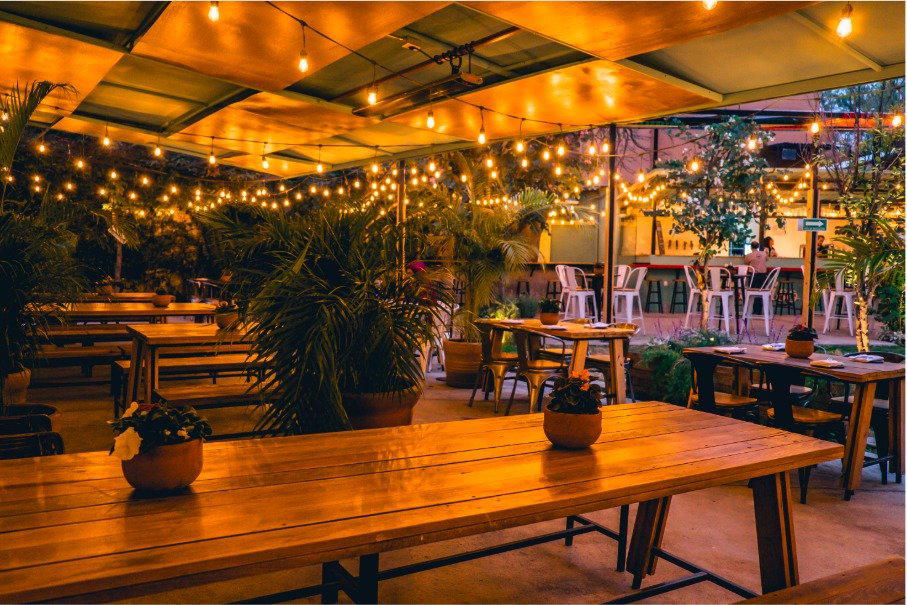
Fire, Smoke, and the Southern Borough Tradition
Mexico City's southern delegaciones have always operated on a different register from the polished dining rooms of Polanco or Roma Norte. In Tlalpan, a borough whose colonial-era streets and tree-lined plazas predate the capital's modern restaurant expansion by centuries, the dominant cooking tradition is live fire. Parrilla Paraíso is a restaurant in Tlalpan, Mexico City, known for Uruguayan Grill with Baja Influences and an estimated price of about $25 per person. It occupies this territory, on Calle Santa Ursula 34 in Santa Úrsula Xitla, a neighbourhood where the smell of charcoal on weekend mornings is as reliable a landmark as the church bell. This is the sensory baseline of southern Mexico City grilling: smoke that settles into clothing, the low sound of fat hitting coals, the visual rhythm of a parrilla in continuous use.
The parrilla tradition in Mexico is not the same as Argentine asado, nor is it the Texas barbecue circuit. It occupies a distinct position, built around high heat, quick char, and cuts selected for their tolerance of direct flame rather than low-and-slow smoking. In Mexico City's southern reaches, that tradition has been sustained by neighbourhood restaurants that serve local families on weekends rather than expense-account diners on weekdays. That context matters when placing Parrilla Paraíso: it belongs to a culinary category that the city's critical establishment has not fully absorbed into its awards infrastructure,
What Open-Fire Cooking Looks Like in Tlalpan
The sensory experience of a working parrilla is immediate and unambiguous. There is no ambient soundtrack curated by a hospitality group, no lighting design. The visual centrepiece is the fire itself: the colour gradient from orange flame to white ash, the shifting pattern of smoke as cuts are repositioned. At neighbourhood parrillas in this part of the city, the grill station is typically visible from the dining area, which means the cooking process is part of the atmosphere rather than hidden behind a kitchen partition. That transparency is structural, not performative, it reflects how this format developed, in street-level settings where the cook and the customer occupied the same physical space.
Tlalpan's altitude, slightly higher than the city centre, affects the burn behaviour of charcoal in ways that experienced grill operators account for without announcement. The drier air and the altitude mean combustion runs differently here than at sea level. For those familiar with Animalón in Valle de Guadalupe, where the open-fire format also takes precedence over a tasting-menu structure, the comparison is instructive: both venues prioritise fire technique as the organising principle, but the contexts are entirely different in terms of audience, setting, and price positioning.
Where Parrilla Paraíso Sits in Mexico City's Dining Structure
Mexico City's restaurant scene has split, over the past decade, into at least three distinct tiers. At the upper end, tasting-menu restaurants with international recognition, Pujol, Quintonil, Em, operate with formal booking systems, prix-fixe structures, and price points that align them with peer restaurants in New York or Tokyo. Places like Atomix in New York City or Le Bernardin would be their natural reference class for foreign diners. At a middle tier, creative neighbourhood restaurants like Rosetta and Sud 777 blend technique with accessibility. Then there is the larger tier of tradition-anchored neighbourhood restaurants that serve the city's residents rather than its visitors, and it is in this tier that Tlalpan's parrilla scene, including Parrilla Paraíso, belongs.
This positioning is part of the appeal. Across Mexico, the most interesting tension in dining is often between the internationally oriented tasting-menu circuit and the neighbourhood formats that have been operating continuously without external validation. Levadura de Olla in Oaxaca navigates a version of this, as does Huniik in Merida, where the draw is regional specificity rather than tasting-menu architecture. Parrilla Paraíso sits closer to that neighbourhood-anchored end of the spectrum, where the reference points are local and the audience is primarily residential.
Comparing Your Options: Tlalpan vs. the Wider Mexico City Scene
| Venue | Area | Format | Price Tier | Primary Audience |
|---|---|---|---|---|
| Parrilla Paraíso | Tlalpan | Neighbourhood parrilla | Not published | Local / residential |
| Pujol | Polanco | Tasting menu | $$$$ | International / destination |
| Quintonil | Polanco | Modern Mexican tasting | $$$$ | International / destination |
| Rosetta | Roma Norte | Creative Italian | $$ | Mixed local / visitor |
| Sud 777 | Pedregal | Creative à la carte | Not published | Mixed |
Planning a Visit to Tlalpan
Tlalpan sits in the far south of Mexico City, reachable by metro to Tasqueña station followed by a pesero or taxi to the neighbourhood. The journey from Roma Norte or Condesa takes 45 to 60 minutes depending on traffic, which makes Tlalpan a half-day decision rather than a casual dinner addition to a Polanco evening. Weekend midday is the conventional time for parrilla dining in this part of the city, when neighbourhood restaurants operate at full capacity and the cooking is at its most active. Visiting on a weekday, or arriving at an unconventional hour, changes the experience significantly.
KOLI Cocina de Origen in Monterrey, Alcalde in Guadalajara, Pangea in San Pedro Garza García, and Le Chique in Puerto Morelos each represent different regional expressions of Mexican dining that sit outside the capital's high-concept circuit. Olivea Farm to Table in Ensenada and Lunario in El Porvenir add further context for those extending into wine country, where open-fire formats also feature prominently. HA' in Playa del Carmen rounds out a picture of how fire-forward cooking appears across Mexico's coastal and inland settings.
Compact Comparison
Comparable venues nearby, for context on price, style, and recognition.
| Venue | Cuisine | Price | Notes |
|---|---|---|---|
| Parrilla ParaísoThis venue — the venue you are viewing | $$$ | ||
| Casamarena | $$$ | Chapultepec Morales, Coastal Mexican Seafood | |
| Huset | Roma Norte, Wood-Fired Mexican Grill | $$$ | |
| Mezcalería Santo Gusano | $$$ | Centro Comercial Santa Fe, Oaxacan-Inspired Mexican Mezcalería | |
| Jardín Alba | Lomas Virreyes, Modern Mexican Bistro | $$$ | |
| Prendes | $$$ | Los Morales Secc Palmas, Classic Mexican & Spanish |
Continue exploring
More in Mexico City
Restaurants in Mexico City
Browse all →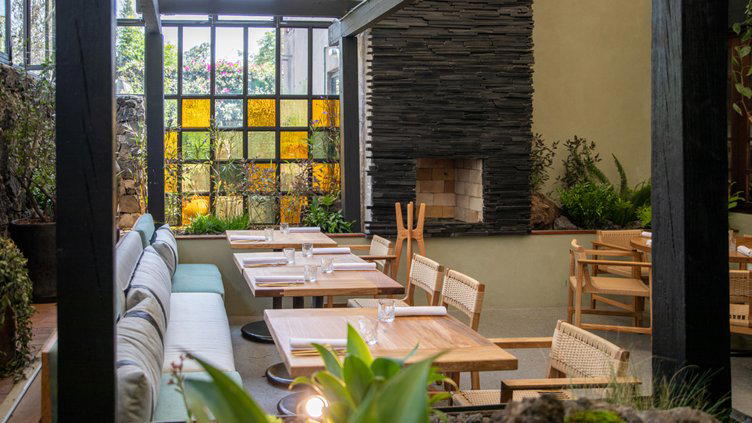
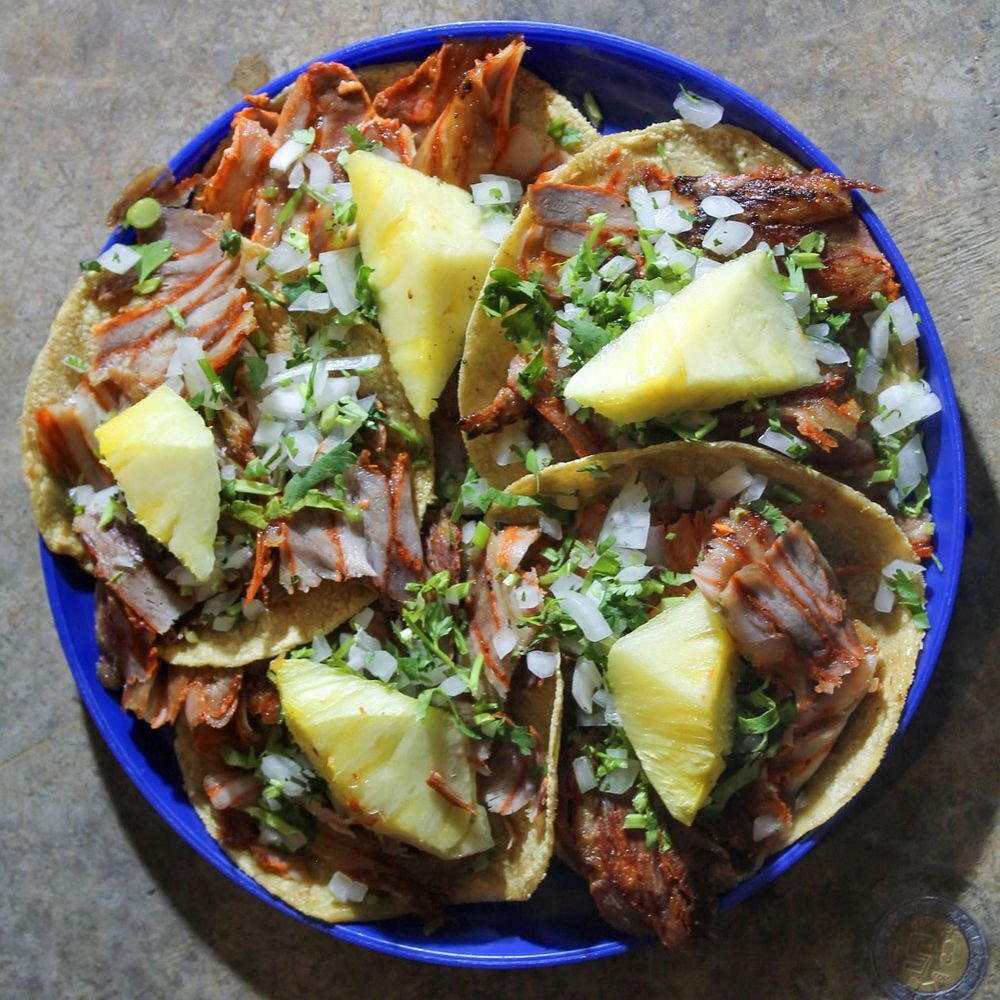
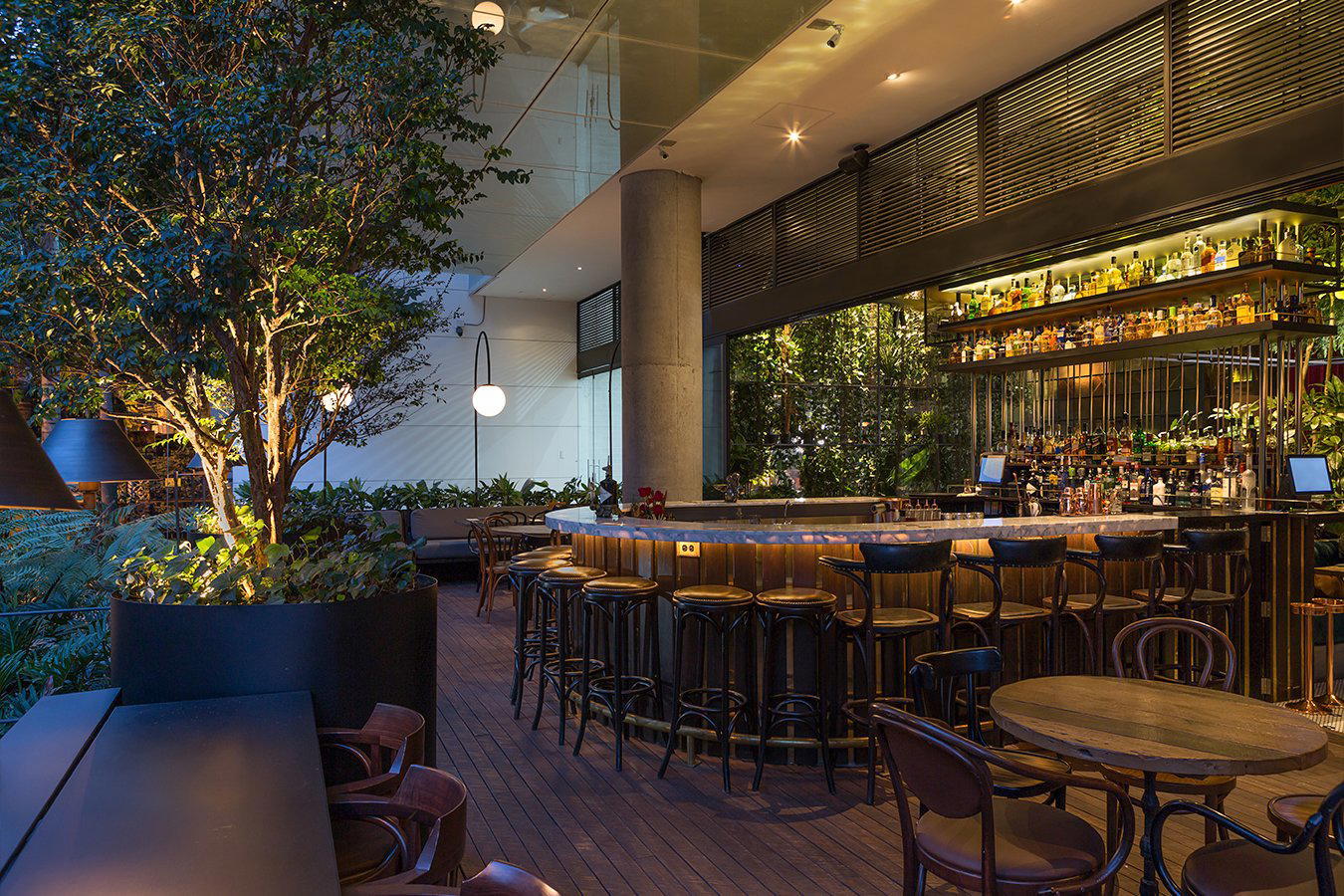
Bars in Mexico City
Browse all →

At a Glance
- Cozy
- Rustic
- Relaxed
- Family
- Group Dining
- Casual Hangout
- Garden
- Open Kitchen
- Terrace
- Garden
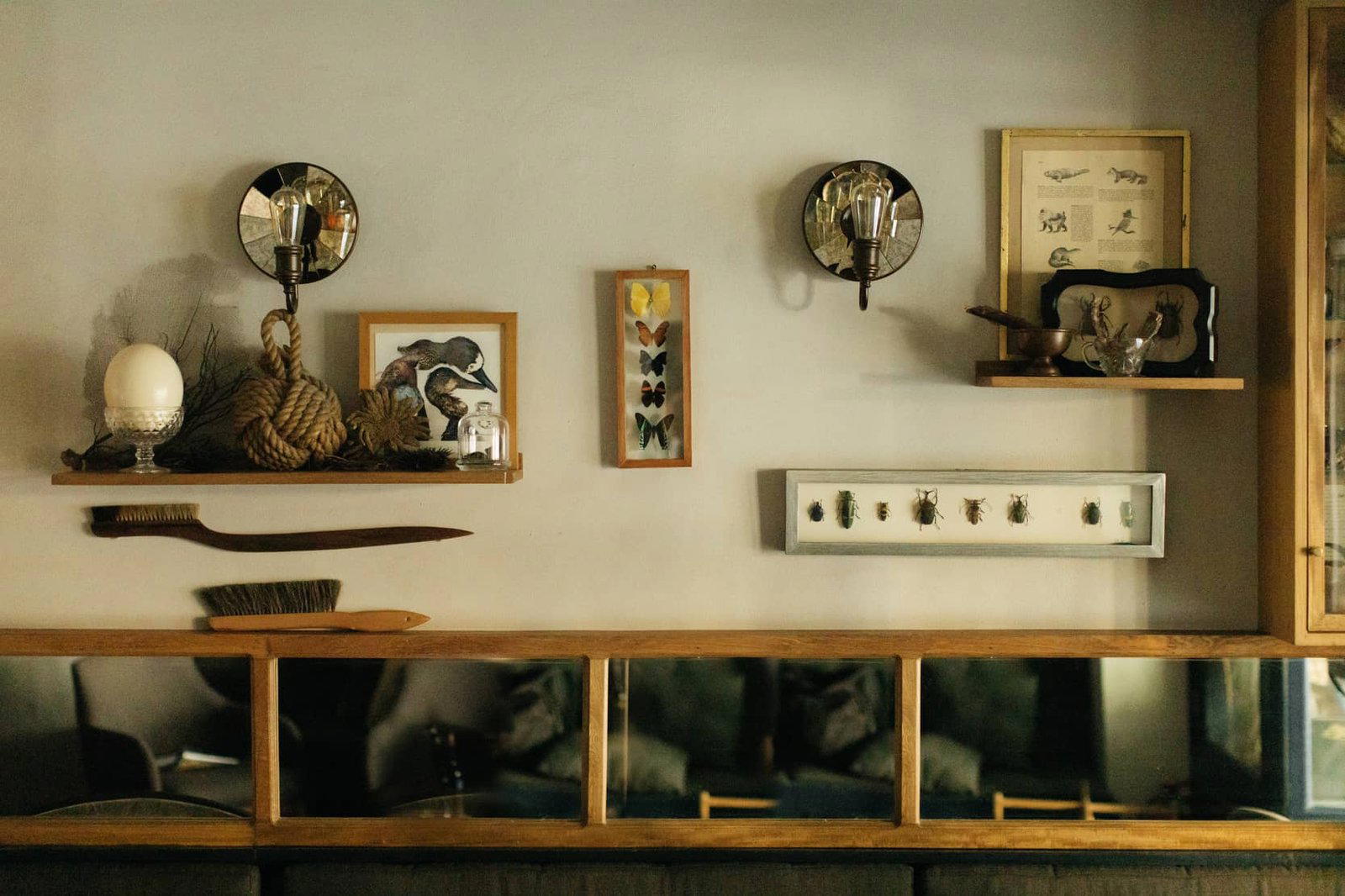
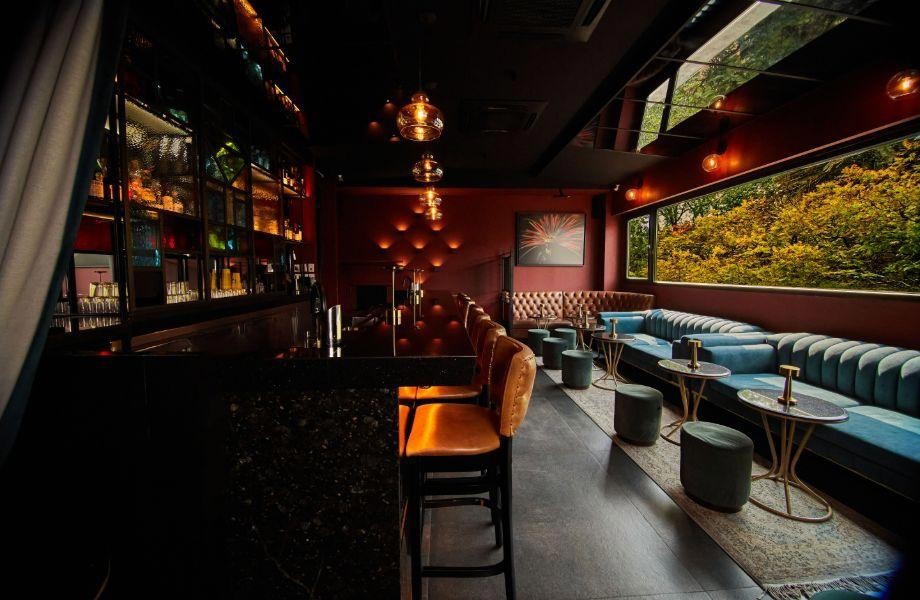
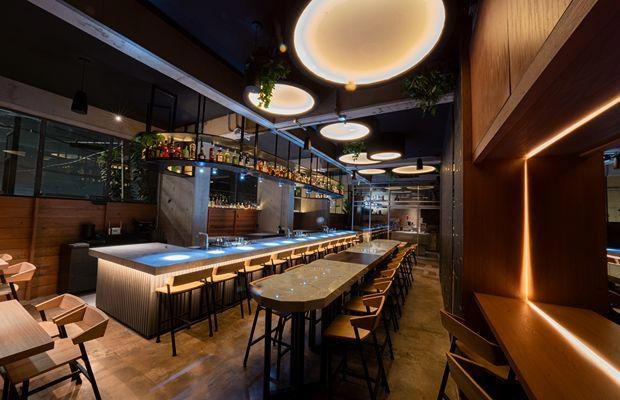
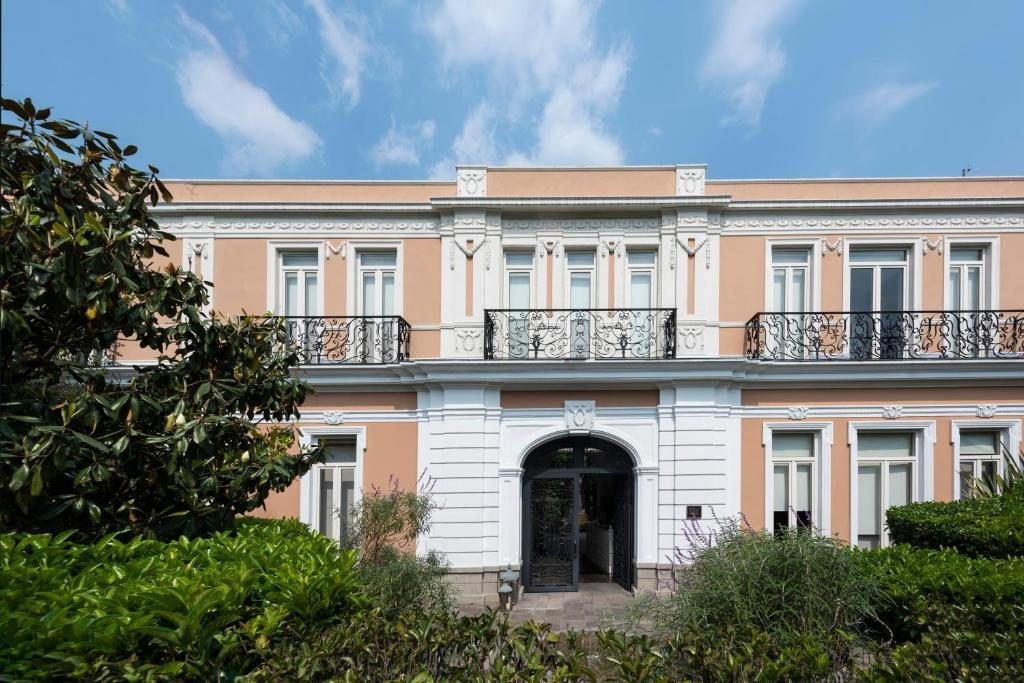
Tranquil and welcoming atmosphere with serene garden surroundings and moderate noise levels.