Prendes
Our verdict
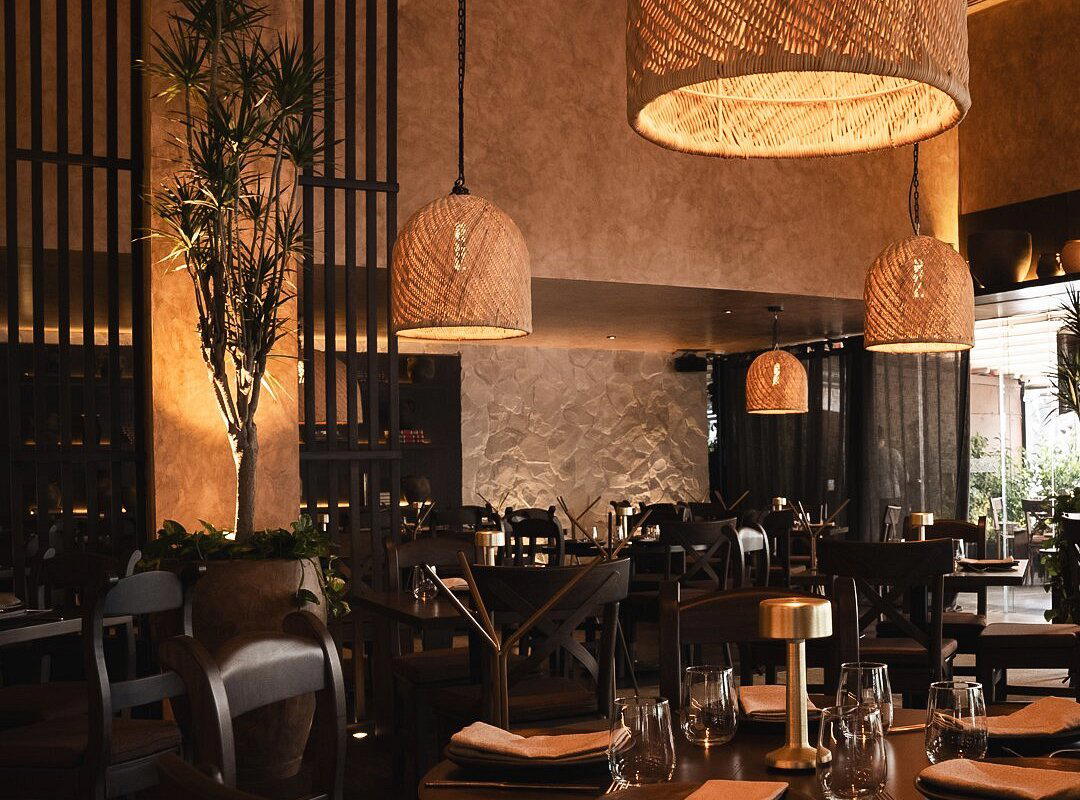
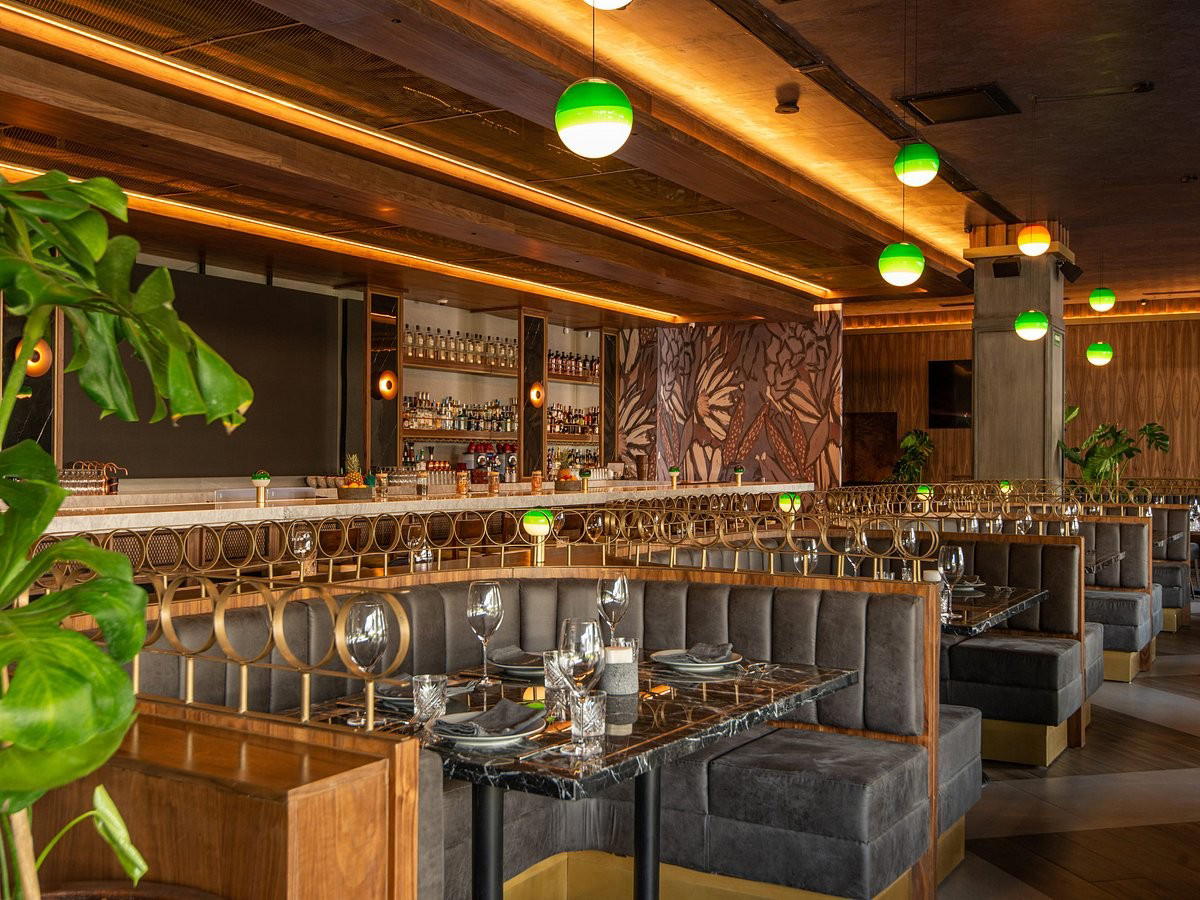
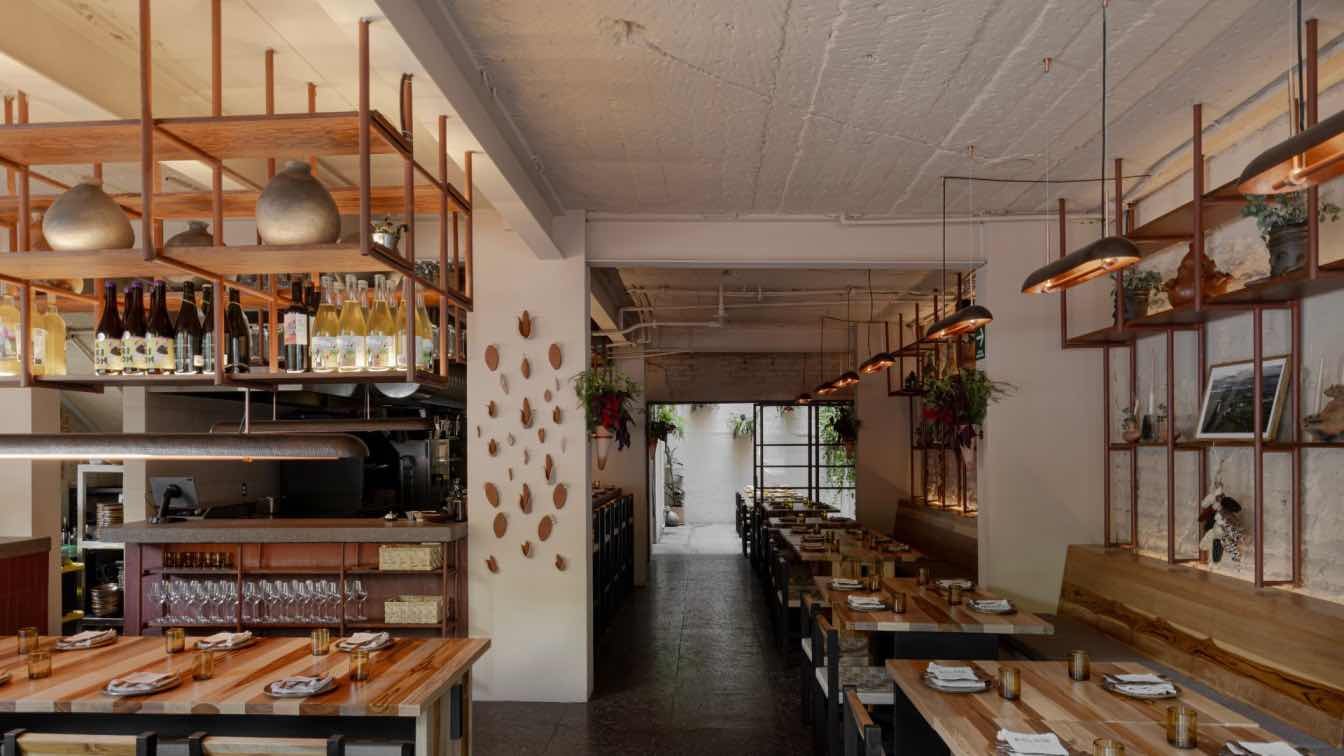
Prendes occupies the Palacio de Hierro complex in Polanco, one of Mexico City's most-watched dining corridors. The address places it inside a neighbourhood where dining expectations run high and competition from the city's most-discussed modern Mexican tables is immediate.

Pearl is the En Primeur Club membership app — saves, bookings, and concierge access live there. Same editors, same standards.
The menu
What to order
- Filete Chemita El Original
- Serrano Ham Croquettes
- Shrimp Tacos
- Escamoles Tortilla Prendes
- Rib Eye Pastor Tacos
Polanco's Dining Corridor and Where Prendes Sits
Polanco has spent the last decade consolidating its position as Mexico City's most commercially serious dining neighbourhood. The streets around Presidente Masaryk and the Palacio de Hierro complex attract a mix of business lunches, diplomatic dinners, and the kind of international visitors who cross-reference our full Mexico City restaurants guide before leaving home. Within that context, Prendes at Moliere 222 occupies a specific kind of address: inside a department store complex, which in other cities might read as an afterthought but in Mexico City's retail-dining evolution carries more weight than it once did. The Palacio de Hierro has increasingly positioned its food and beverage offering as a draw in its own right, and a restaurant bearing the Prendes name inside that space arrives with a layer of expectation attached to the name's history in Mexican dining culture.
The Prendes name has circulated in Mexican dining conversation for well over a century. The original Prendes, which operated in the Centro Histórico for decades, was one of the capital's reference-point restaurants for traditional Mexican cooking served in a formal register — the kind of room where politicians, journalists, and intellectuals shared tables and the menu ran to chiles en nogada in season and long-braised preparations that took most of the day to produce. Whether the Polanco iteration carries that culinary weight forward is a question worth asking before you commit a lunchtime to it, particularly when the surrounding blocks offer alternatives from Pujol and Quintonil, both of which sit at the top of the city's most-scrutinised modern Mexican tier.
Planning Your Visit: What the Booking Experience Looks Like
Mexico City's top-tier dining rooms now require advance planning that rivals comparable cities globally. Pujol books weeks out; Quintonil similarly rewards early reservation. For visitors organising a multi-day itinerary around the city's serious tables, the practical question with Prendes is whether it requires the same lead time, or whether it operates on a more accessible walk-in or short-notice model.
The editorial angle worth understanding here is broader than any single venue: Mexico City has bifurcated into restaurants that function as destination bookings and those that function as neighbourhood anchors. Destination bookings — the Em tier, the Sud 777 tier, require planning. Neighbourhood anchors are where you end up when the destination booking falls through, or when you want something reliable without the performance of a tasting menu. Prendes, given its location inside a retail complex and its connection to a name historically associated with accessible traditional cooking, likely operates closer to the second category. That is not a criticism; it is a planning tool.
For visitors arriving from abroad who are structuring a week around Mexico City dining, the practical hierarchy looks like this: lock in the two or three destination bookings first, then use venues like Prendes to fill the remaining meals. If you are travelling in late summer through early autumn, note that chiles en nogada season (roughly August through October) is the period when traditional Mexican restaurants of this type are at their most relevant, serving a dish that is both technically demanding and tied to a specific calendar window that cannot be approximated at other times of year.
The Broader Scene: Traditional Mexican in a City of Fast-Moving Menus
Mexico City's dining conversation is dominated by the new: the Rosetta model of European technique filtered through local ingredients, the contemporary Mexican precision of Quintonil, the creative ambition of Sud 777. But the city has always maintained a parallel track of restaurants that treat the traditional canon, moles, pozole, caldo tlalpeño, chiles rellenos, as the primary subject rather than a reference point. These rooms tend to be less photographed and less covered in the international press, but they serve the function of keeping the pre-modern culinary record legible and available to diners who want to understand what Mexican cooking looked like before the tasting-menu era arrived.
Prendes, whatever its current execution, positions itself within that tradition-forward track. The question any informed visitor should ask is not whether it matches Pujol on innovation, it is not trying to, but whether it delivers the traditional register with enough craft and ingredient quality to justify the Polanco price point. That is a different and arguably more demanding test, because there is nowhere for a traditional kitchen to hide: the mole has to be right, the rice has to be right, and the service has to carry the weight of the name.
For context on the broader Mexican dining circuit beyond the capital, the same dynamic plays out at Levadura de Olla Restaurante in Oaxaca, Alcalde in Guadalajara, and Huniik in Merida, each city has its own version of the tension between innovation-led dining and the restaurants that hold the traditional line. Mexico City's version of that tension is sharpest because the innovation scene is most concentrated here, which makes the traditional rooms either irrelevant or essential depending on what you came to eat.
Beyond Mexico, the structural parallel worth noting is how cities with long formal dining traditions, think Le Bernardin in New York City or Atomix in New York City, maintain restaurants that carry institutional memory even as the surrounding scene accelerates. The function those rooms serve is not nostalgia; it is continuity. Prendes, at its finest, occupies that role in Mexico City's dining culture.
Seasonal Timing
If there is a single period that justifies a visit to a traditional Mexican room of this type, it is the chiles en nogada window: late August through October, when pomegranate seeds and walnut cream sauce appear on the poblano chile that defines the season. No other dish in the Mexican canon is as strictly tied to calendar availability, and no restaurant serious about traditional cooking skips it. Plan accordingly.
Planning Reference: Prendes vs. Comparable Mexico City Addresses
| Venue | Cuisine Register | Price Tier | Booking Lead Time | Format |
|---|---|---|---|---|
| Prendes (Polanco) | Traditional Mexican | Not confirmed | Not confirmed | À la carte |
| Pujol | Modern Mexican | $$$$ | Several weeks | Tasting menu |
| Quintonil | Contemporary Mexican | $$$$ | Several weeks | Tasting / à la carte |
| Em | Mexican | $$$ | 1-2 weeks | Tasting menu |
| Rosetta | Italian-Creative | $$ | Days to 1 week | À la carte |
Frequently asked questions
How do I find Prendes?
Prendes is located at Moliere, Palacio de Hierro 222, Polanco II Secc, Miguel Hidalgo, 05320 CDMX, Mexico, Mexico City.
How does Prendes in Polanco compare to other traditional Mexican restaurants in Mexico City?
Prendes occupies a specific position in Mexico City's dining scene: a traditional Mexican address in Polanco, a neighbourhood increasingly defined by high-volume contemporary restaurants competing for the same reservation pool as Pujol and Quintonil. Where those rooms filter Mexican ingredients through European technique, a classic Mexican table like Prendes operates in a different register, prioritising established preparations over seasonal menu reinvention. That distinction matters when Mexico City's broader restaurant conversation skews heavily toward the new.
What should I eat at Prendes?
The chiles en nogada window, running late August through October, is the single most time-sensitive reason to visit a traditional Mexican room of this type in Mexico City. Outside that season, Prendes sits within a neighbourhood corridor where classic preparations hold their own against the city's more technique-forward addresses. Ordering should follow the house's traditional Mexican framework rather than looking for contemporary cross-cultural hybrids.
What's the best way to book Prendes?
Prendes is located at Moliere, Palacio de Hierro 222 in Polanco, Mexico City. Mexico City's top dining rooms now require advance planning comparable to other major global cities, so contacting Prendes well ahead of your intended visit is advisable.
Peers Worth Knowing
Comparable venues nearby, for context on price, style, and recognition.
| Venue | Cuisine | Price | Notes |
|---|---|---|---|
| PrendesThis venue — the venue you are viewing | Classic Mexican & Spanish | $50–100 | Not listed |
| Jardín Alba | Modern Mexican Bistro | Not listed | Lomas Virreyes |
| Saks | Modern Mexican Fusion | $30–50 | San Ángel Inn |
| Rocasal | Contemporary International with Mexican Influences | Not listed | Pedregal de San Jeronimo |
| Bellinghausen | Traditional Mexican-European | $30–50 | Juarez |
| Asaderos Grill Plaza Carso | Mexican Steakhouse Grill | $20–30 | Ampl Granada |