Casamarena
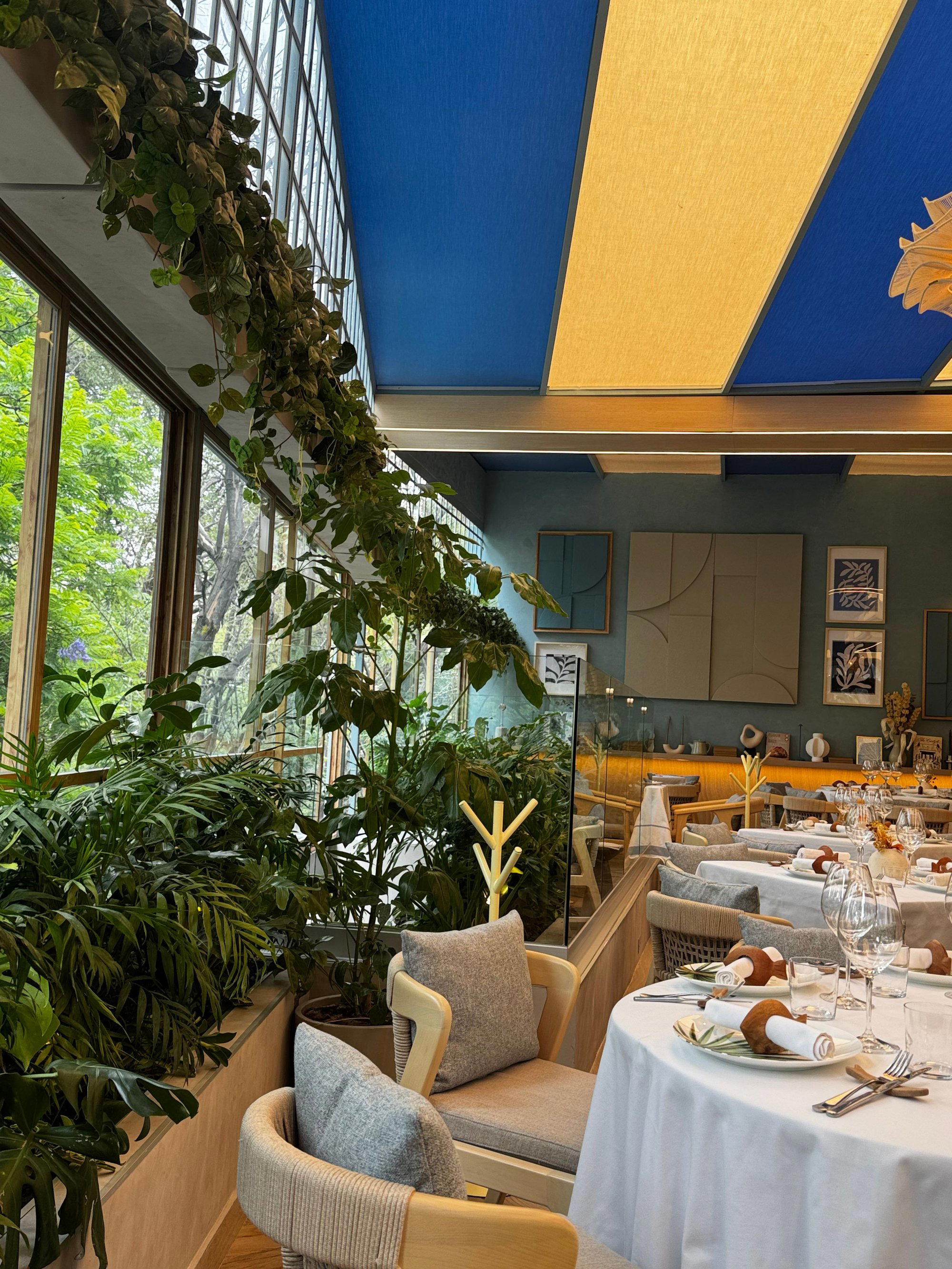
In Polanco's competitive fine-dining corridor, Casamarena occupies an address on Campos Elíseos 142 where the conversation centres on what Mexican ingredients can become when handled with precision and outside influence. The kitchen sits within a neighbourhood that has produced some of the country's most discussed tables, making placement here a statement of intent. For visitors tracking Mexico City's evolving approach to native produce and global technique, this is a relevant stop.
 Discover on Pearl
Pearl is the En Primeur Club membership app — saves, bookings, and concierge access live there. Same editors, same standards.
- Address
- Campos Elíseos 142, Polanco, Polanco V Secc, Miguel Hidalgo, 11560 Ciudad de México, CDMX, Mexico
- Phone
- +525596409357
- Website
- casamarena.com
Polanco's Technical Dining Tier
Mexico City's Polanco district has spent the better part of two decades consolidating its position as the capital's most concentrated zone for serious, technique-driven dining. The neighbourhood's Campos Elíseos corridor, in particular, functions as a pressure-test for any kitchen that sets up along it: the competition is visible, the diner is experienced, and the expectations arrive before the first course. Casamarena is a restaurant serving Coastal Mexican Seafood at Campos Elíseos 142 in Polanco, Mexico City. Its address on one of Polanco's principal dining streets places it in the same conversational tier as Pujol and Quintonil, two kitchens that have spent years establishing what precision-led Mexican cooking can look like at its most deliberate. That proximity is both a credential and a challenge.
The broader editorial story in Polanco right now is a city working out what the second act of its dining boom actually looks like. The second is quieter and, in many ways, more interesting: smaller rooms, less spectacle, and a more focused conversation between technique and ingredient. Casamarena sits within that second-act energy, on an address where the architecture of the room tends to do less work than what arrives on the plate.
Where Imported Method Meets Indigenous Material
The defining editorial angle in contemporary Mexican fine dining is not fusion in the older, blunter sense. It is something more specific: the application of techniques developed in European or Japanese kitchens to ingredients that those traditions never handled. Across Mexico, this approach has produced some of the country's most discussed menus. Le Chique in Puerto Morelos has pursued this direction through avant-garde Spanish-influenced methods applied to Yucatecan produce. Animalón in Valle de Guadalupe does something similar in Baja, where open-fire technique meets the peninsula's native and cultivated ingredients. In Oaxaca, Levadura de Olla takes the opposite direction, letting indigenous method lead and resisting outside influence almost entirely. Casamarena in Polanco positions itself closer to the technique-forward pole of that spectrum, in a district that has historically rewarded kitchens willing to show their technical work.
This matters because Mexico's pantry, read seriously, is among the most varied of any country in the world. The country's geography produces micro-climates that yield chiles, herbs, fungi, and proteins that most European culinary traditions have no vocabulary for. When a kitchen trained in classical or contemporary European methods turns its attention to that pantry, the results can go several ways: they can reduce the ingredient to a garnish for familiar ideas, or they can let the technique serve the ingredient without overriding its character. The more compelling kitchens in Mexico's current scene have figured out where to draw that line. How a given kitchen draws it is the most useful thing a diner can observe, course by course.
Polanco in the Mexico City Dining Map
Polanco is not where Mexico City eats cheaply or informally, but it is where the city's dining ambitions tend to be most legible. The neighbourhood's demographics and real-estate costs push menus toward set formats and tasting structures, which suits kitchens that want to control the progression of a meal. Em, which occupies a slightly different quadrant of the city's serious-dining map, offers a useful comparison: it operates with a similar commitment to Mexican produce but with a rawer, more instinctive kitchen energy than Polanco typically produces. Rosetta, meanwhile, sits outside Polanco entirely and runs on a different logic, bringing European culinary grammar to a Roma Norte setting without the same pressure to perform against a district's fine-dining consensus.
Casamarena's Campos Elíseos address anchors it firmly in the district where diners expect a composed, structured experience rather than an improvisational one. The room's relationship to the street matters here: Polanco's Campos Elíseos functions as a dining boulevard in a way that Rome's or Paris's equivalents might, where entering a room is itself an act that carries social weight. Kitchens on this street know their audience is arriving with comparisons already formed.
Technical Benchmarks Across the Country
To understand what Casamarena is attempting, it helps to place it in the national conversation. Mexico's technique-led kitchens have developed, over the past fifteen years, a series of reference points that serious diners use to calibrate their expectations. Sud 777 in the city's southern zones built its reputation around garden-to-table sourcing combined with a classical technique foundation, a model that predates much of Polanco's current vocabulary. HA' in Playa del Carmen has taken a similar direction with a heavy emphasis on Mayan ingredients and contemporary plating discipline. Lunario in El Porvenir and Olivea Farm to Table in Ensenada work within Baja's wine-country context, where produce sourcing and technical restraint inform each other naturally. Pangea in San Pedro Garza García has spent years as one of the north's most credible fine-dining addresses, drawing on European training to handle northern Mexican ingredients with care.
Outside Mexico, the broader conversation around imported technique and indigenous produce has international reference points worth naming. Le Bernardin in New York City has spent decades demonstrating what pure technical discipline produces when applied to a single ingredient category. Lazy Bear in San Francisco operates in a different register, where a communal format and hyper-local sourcing philosophy create something distinct from European tasting-menu convention. These comparisons are not direct peers of a Polanco kitchen, but they frame the intellectual tradition that Mexican fine dining has absorbed and is now reworking on its own terms.
Planning Your Visit
Casamarena sits at Campos Elíseos 142 in Polanco. The restaurant is open Monday through Sunday, with Saturday and Sunday lunch service as well. Reservations are recommended.
Comparable Options
Comparable venues nearby, for context on price, style, and recognition.
| Venue | Cuisine | Price | Notes |
|---|---|---|---|
| CasamarenaThis venue — the venue you are viewing | Coastal Mexican Seafood | $$$ | |
| La Imperial Nápoles | Traditional Mexican Cantina | $$$ | Ampl Napoles |
| Bichi | Modern Mexican Seafood from Oaxaca and Sinaloa | $$$ | Bosque de Chapultepec |
| Casa Benell - Roma | Northern Mexican Comfort | $$$ | Centro Urbano Benito Juarez |
| Parrilla Paraíso | Uruguayan Grill with Baja Influences | $$$ | Parque Nacional Fuentes Brotantes |
| Bencomo | Contemporary Mexican | $$$ | San Jeronimo Aculco |
Continue exploring
More in Mexico City
Restaurants in Mexico City
Browse all →
Bars in Mexico City
Browse all →




At a Glance
- Elegant
- Sophisticated
- Date Night
- Special Occasion
- Open Kitchen
- Local Sourcing
Refreshing atmosphere with personalized service and well-designed interior.