Mezcalería Santo Gusano
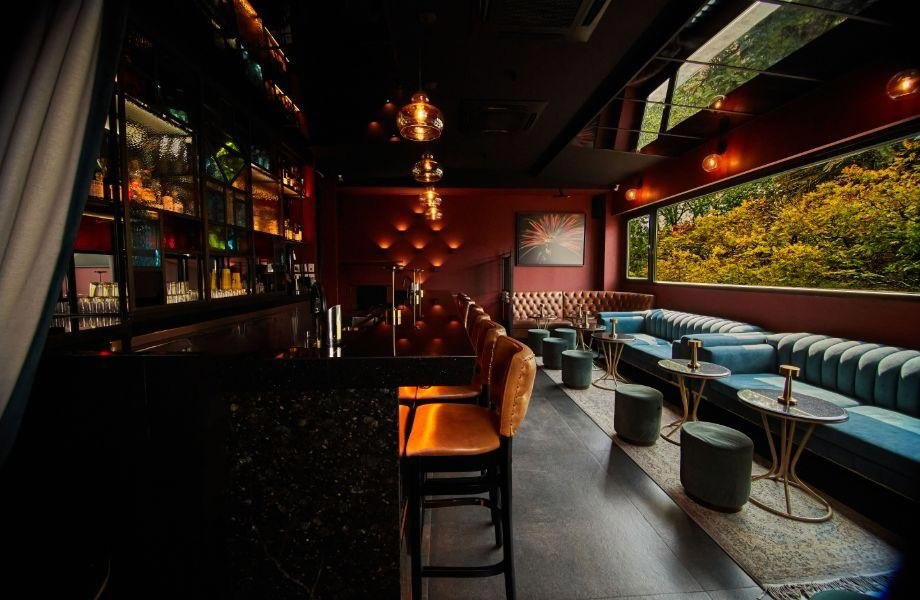
Mezcalería Santo Gusano sits in Lomas de Santa Fe, where Mexico City's western business corridors give way to a more focused bar and spirits culture built around agave. The address places it outside the Roma-Condesa axis where most international attention pools, which makes it a useful reference point for understanding how mezcal programming operates when removed from the tourist circuit.
Pearl is the En Primeur Club membership app — saves, bookings, and concierge access live there. Same editors, same standards.
- Address
- Vasco de Quiroga 3800, Lomas de Santa Fe, Contadero, Cuajimalpa de Morelos, 05348 Ciudad de México, CDMX, Mexico
- Phone
- +525588544464
- Website
- santogusanomezcalerias.com
- Directions
- Get directions
 Saves & bookings on Pearl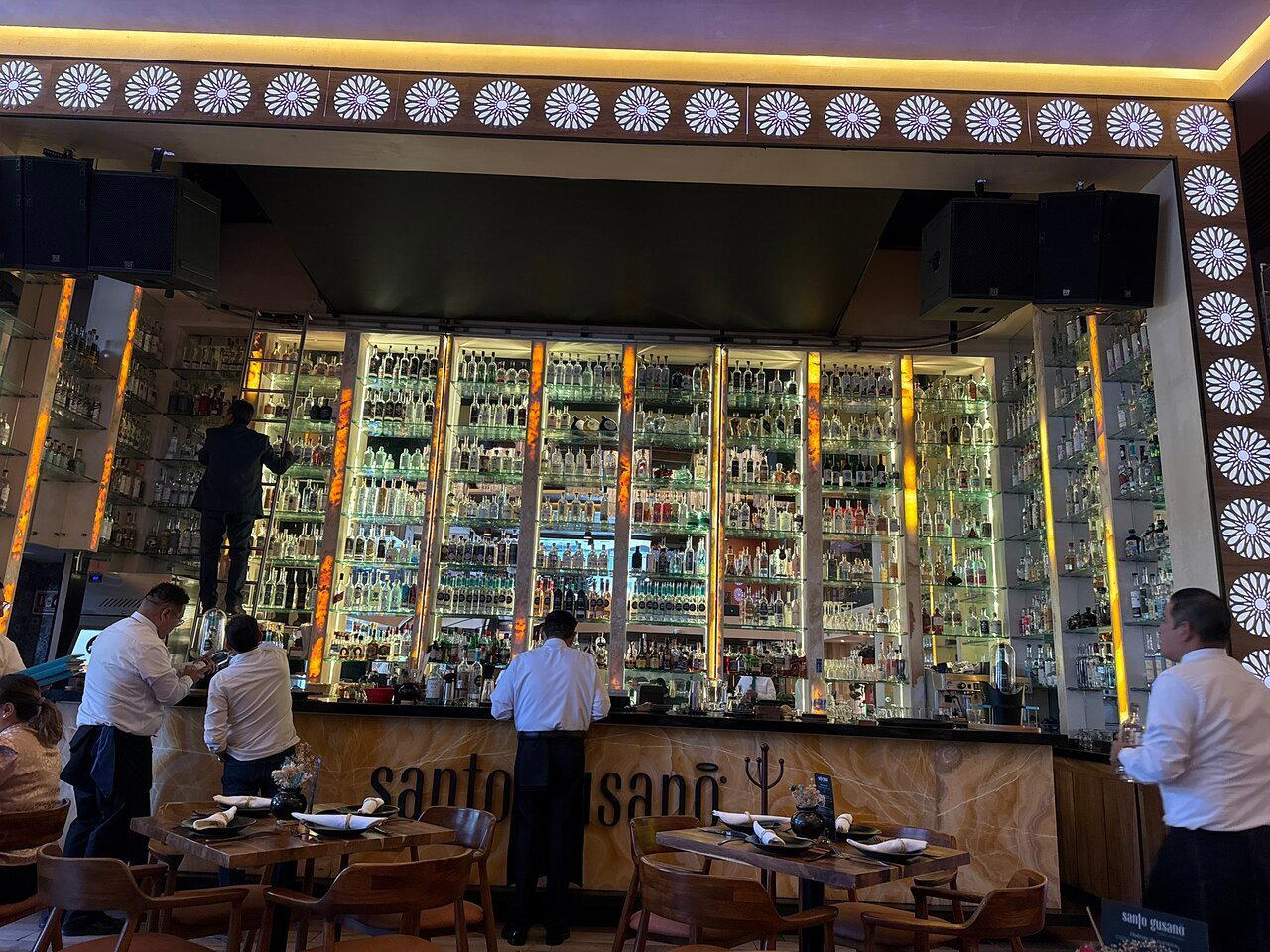
Agave at the Edge of the City
Mexico City's serious mezcal bars have sorted themselves into two rough camps over the past decade. The first occupies the well-trodden blocks of Roma and Condesa, where foot traffic from international visitors and a steady stream of design-conscious locals sustains a certain kind of volume-driven agave program. The second camp sits further out, in neighbourhoods where the clientele skews local, the incentive to perform for cameras is lower, and the spirits selection tends to run deeper and more specific.
Lomas de Santa Fe is primarily known as a corporate and residential zone in the western delegación of Cuajimalpa de Morelos, a different city texture from the dense, walkable blocks of central colonias. Reaching it means committing to the trip, which functions as an informal filter. The crowd that arrives tends to know what it came for.
The Intersection of Indigenous Spirit and Applied Knowledge
Mezcal as a category has undergone a significant reclassification in the global spirits market over the roughly fifteen years since export volumes began rising meaningfully. What was once treated as tequila's rougher cousin now anchors dedicated bar programs at institutions ranging from Le Bernardin in New York City to Atomix in New York City, where beverage directors use it as a structural ingredient in pairing menus rather than a novelty pour. That repositioning has had consequences back in Mexico: it created both a commercial incentive to standardise production and a counter-movement of bars that treat mezcal as a subject requiring the same curatorial discipline applied to natural wine or single-origin coffee.
The editorial angle that matters at a place like Santo Gusano is not the bottle count on the shelf but the intelligence behind the selection. Agave spirits in Mexico span an enormous range of raw material, region, and production method. Espadin is the dominant commercial variety, but a serious mezcal program will also carry tobalá, tepextate, cuishe, madrecuixe, and other varieties from Oaxaca, Durango, San Luis Potosí, and Guerrero, each with distinct maturation timelines and production constraints. Tepextate, for instance, takes between 25 and 35 years to reach harvestable maturity, which places a hard ceiling on how much can exist in any given year. A bar that carries it seriously is making a curatorial statement.
The name Santo Gusano references the gusano de maguey, the agave worm that has become a shorthand signal in mezcal culture. The worm's presence in certain bottles is a Oaxacan regional tradition tied to specific producers rather than a quality marker in any direction, and a bar that invokes it in its name is positioning itself within that specific cultural lineage rather than reaching for generic agave branding. That framing aligns it with the tradition-forward programming that characterises the more considered end of Mexico City's spirits scene.
Where Santo Gusano Sits in the City's Dining Geography
Mexico City's restaurant and bar culture has deepened considerably since Pujol and Quintonil established the global benchmark for refined Mexican cuisine. The conversation around indigenous ingredients and their relationship to contemporary technique has expanded outward from fine dining into cocktail bars and mezcalerías, where producers like Rosetta and Sud 777 have demonstrated that the ingredient-first approach has structural depth beyond a single format. Em applies similar thinking at the $$$$ tier, with a menu that treats heritage grains and wild plants as primary rather than decorative.
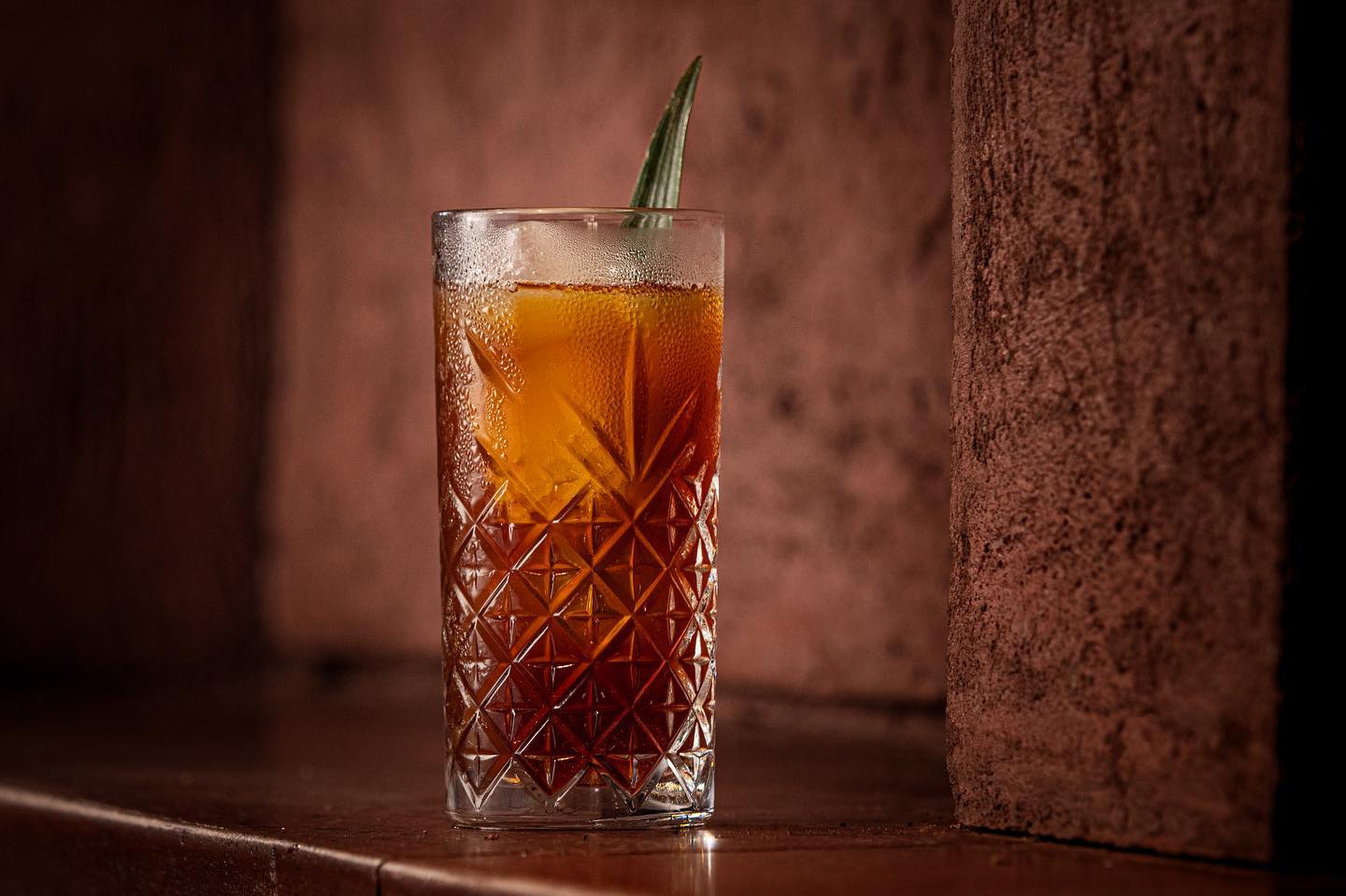
What the mezcalería format does differently is strip the frame down to the spirit itself. The product selection, glassware, service knowledge, and pairing snacks carry the focus.
Across the rest of Mexico, the same tension between accessible volume and specialist depth plays out in different regional registers. Levadura de Olla Restaurante in Oaxaca operates closer to the primary producing regions where agave culture is embedded in daily life rather than curated for outside consumption. Animalón in Valle de Guadalupe takes a different approach, pairing fire-cooked proteins with the wine and spirits range of Baja. KOLI Cocina de Origen in Monterrey and Alcalde in Guadalajara both demonstrate how the indigenous-ingredient, trained-technique combination translates into northern and western regional contexts. In the Yucatán, Huniik in Merida and Le Chique in Puerto Morelos work within a distinct culinary tradition that draws on Mayan botanical knowledge. HA' in Playa del Carmen, Lunario in El Porvenir, Olivea Farm to Table in Ensenada, and Pangea in San Pedro Garza Garcia each represent the same broader pattern of global technique applied to place-specific raw material, which is the defining movement in serious Mexican dining and drinking across the current decade.
Know Before You Go
Address: Vasco de Quiroga 3800, Lomas de Santa Fe, Contadero, Cuajimalpa de Morelos, 05348, Mexico City
Neighbourhood: Lomas de Santa Fe, western Mexico City
Phone / Website / Booking: Reservation recommended
Hours: Mon: 9 AM–11 PM; Tue: 9 AM–11 PM; Wed: 9 AM–11 PM; Thu: 9 AM–11 PM; Fri: 9 AM–12 AM; Sat: 9 AM–12 AM; Sun: 9 AM–10 PM
Price Range: $$$
Awards: No current awards listings available
Leading Timing: Weekday evenings tend to draw a more local crowd at bars in non-tourist zones; weekends shift the balance
How It Stacks Up
Comparable venues nearby, for context on price, style, and recognition.
| Venue | Cuisine | Price | Notes |
|---|---|---|---|
| Mezcalería Santo GusanoThis venue — the venue you are viewing | Oaxacan-Inspired Mexican Mezcalería | $$$ | Not listed |
| Rocasal | Contemporary International with Mexican Influences | $$$ | Pedregal de San Jeronimo |
| Casa Imperial Polanco | Mexican Brasserie | $$$ | Polanco Chapultepec |
| Dama Terraza | Homestyle Mexican-American Fusion | $$$ | Bosque de Chapultepec |
| Asaderos Grill Plaza Carso | Mexican Steakhouse Grill | $$$ | Ampl Granada |
| Casamarena | Coastal Mexican Seafood | $$$ | Chapultepec Morales |
Continue exploring
More in Mexico City
Restaurants in Mexico City
Browse all →
Bars in Mexico City
Browse all →

At a Glance
- Trendy
- Lively
- Rustic
- Date Night
- Group Dining
- Casual Hangout
- Open Kitchen
- Craft Cocktails
- Natural Wine
- Local Sourcing
Current opening hours
- Monday
- 9 AM–11 PM
- Tuesday
- 9 AM–11 PM
- Wednesday
- 9 AM–11 PM
- Thursday
- 9 AM–11 PM
- Friday
- 9 AM–12 AM
- Saturday
- 9 AM–12 AM
- Sunday
- 9 AM–10 PM
Hours can change for holidays and private events. Last verified .
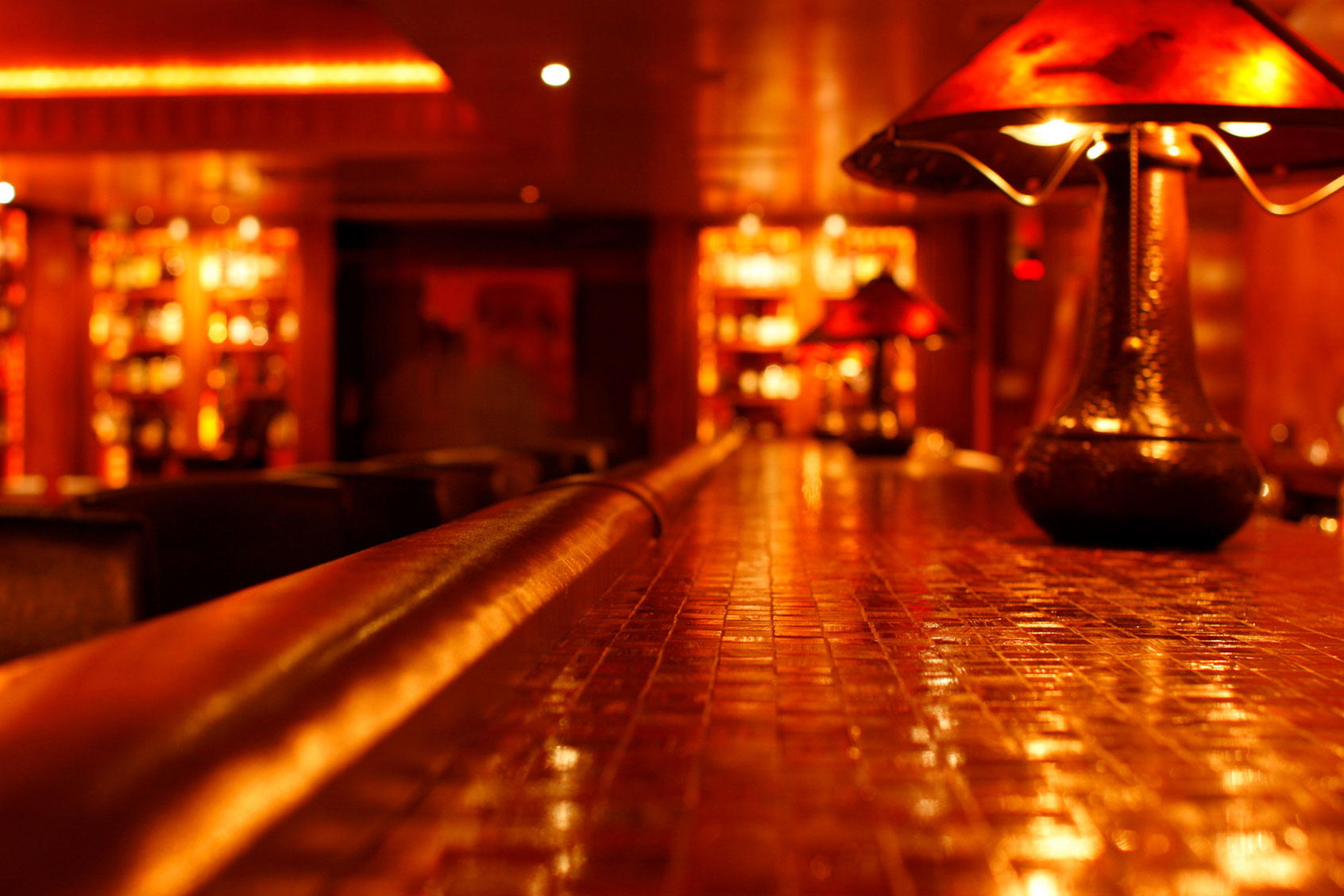
Moderate noise with a contemporary celebration of Oaxacan gastronomy.