Pari-

Pari- in Chiang Mai serves Modern Japanese izakaya cooking infused with Thai ingredients. Must-try plates include dry-aged raw fish with house ponzu, grilled organic chicken with yuzu kosho, and corn-fried rice with Yunnan ham. A Michelin Guide-listed discovery, Pari- pairs precise grilling and fermentation with local sourcing, from perilla in Mae Hong Son to sashimi-grade fish from the south, delivering clean, sharp flavors. The intimate counter and small plates invite a relaxed, sensory meal of smoke, citrus, and light seasoning. Ideal for adventurous diners seeking refined, ingredient-forward cuisine in Chiang Mai’s historic Phra Sing neighborhood.
Pearl is the En Primeur Club membership app — saves, bookings, and concierge access live there. Same editors, same standards.
- Address
- 8, 10 Samlarn Rd, Phra Sing, Mueang Chiang Mai District, Chiang Mai 50200, Thailand
- Phone
- +66 81 116 9671
- Website
- tblc.hk
- Directions
- Get directions
 Saves & bookings on Pearl
Where Japanese Izakaya Discipline Meets Northern Thai Ingredients
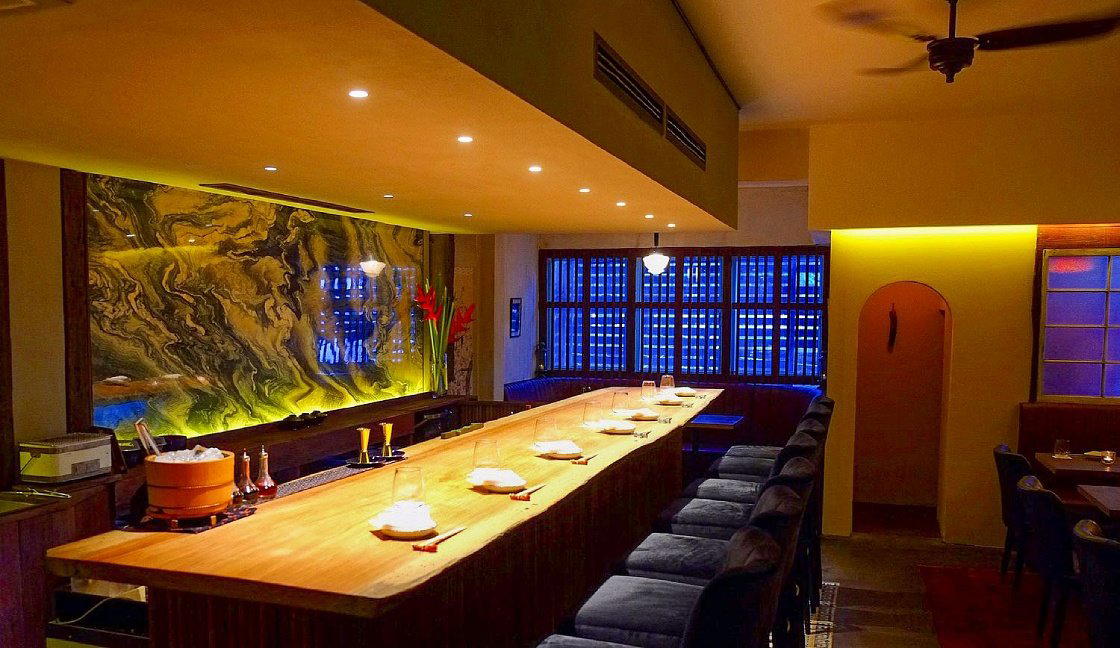
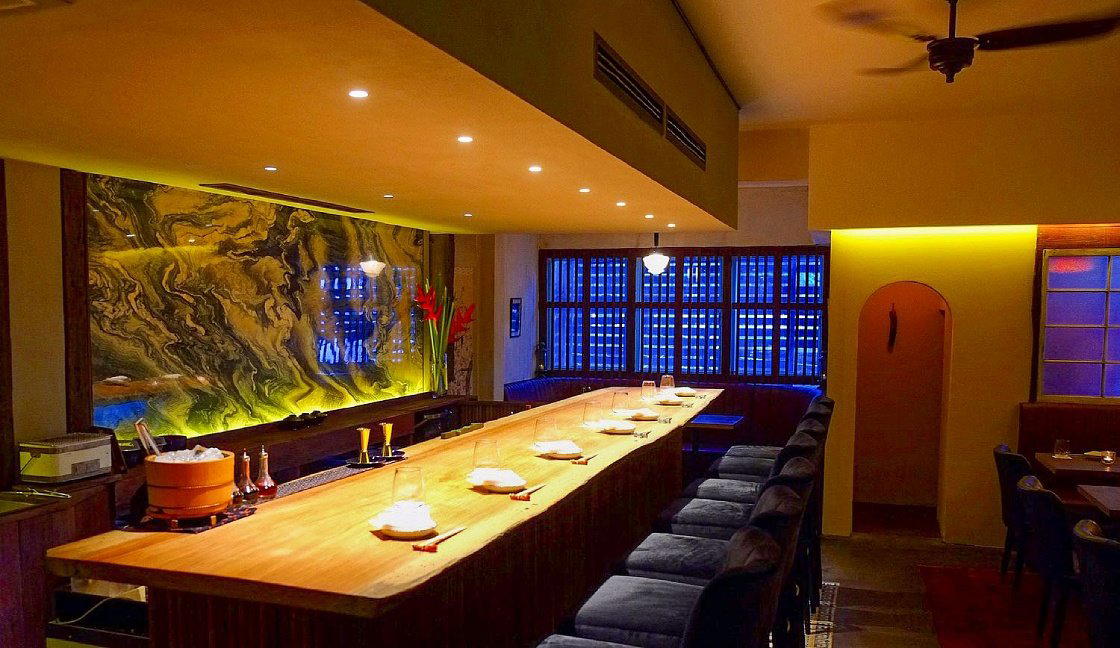
Samlarn Road runs through the Phra Sing neighbourhood of Chiang Mai's old city. Pari- occupies a small counter space along this road, and the format telegraphs its ambitions from the door: tight seating, careful plating, a menu architecture that prioritises ingredient sourcing over breadth.
A Menu Built on Provenance, Not Fusion Performance
Northern Thailand has attracted a wave of restaurants that layer Japanese technique onto Thai produce as an aesthetic exercise, producing plates that read as clever without saying much. Pari- operates differently: the Japanese izakaya structure here functions as a scaffold, but the sourcing logic is the actual argument. Ham comes from a Yunnan village producer in the Chiang Mai region. Perilla is sourced from Mae Hong Son, the mountainous province to the west where cooler temperatures produce herbs with more concentrated aromatics. Sashimi-grade fish arrives from the southern Gulf and Andaman coastlines, where the supply chain for premium catch is better established. Meat is sourced from organic farms rather than commodity suppliers.
This is a menu that reads as a series of decisions about where things come from, and those decisions accumulate into a point of view. Wasabi and yuzu appear not as decoration but as seasoning choices calibrated against Thai produce, the yuzu's acidity, for instance, works differently against northern Thai herbs than it does in a Tokyo context, and the kitchen appears to have considered that gap. The house-made ponzu sauce, noted across multiple guest accounts, extends this logic: it incorporates Somsa citrus oil, a northern Thai citrus that brings a different aromatic profile than the Japanese sudachi or yuzu alone would provide.
The corn-fried rice with Yunnan ham is the dish that appears most consistently in descriptions of the menu. Within the izakaya frame, fried rice is rarely the centrepiece, but the Yunnan ham sourced locally shifts the dish's register, the cured meat brings a minerality associated with mountain-raised pork rather than the softer profile of factory-farmed alternatives. It is a small dish making a specific claim.
Contextualising the Michelin Recognition
Pari- has held the Michelin Plate distinction in both 2024 and 2025. Within the Michelin framework, the Plate sits below the starred tiers but represents inclusion in the guide's recommended set, meaning inspectors consider the cooking worth a specific visit. For Chiang Mai, where the Michelin Guide has progressively mapped a scene that mixes Northern Thai specialists, modernist tasting menus, and international-inflected independents, the Plate is a meaningful placement.
At that volume, the score reflects consistent execution rather than a cluster of early enthusiast visits, which is the more common pattern for newer small restaurants. Chiang Mai has a substantial travelling food audience alongside its expat and long-stay community, and 706 reviews at ฿฿ pricing suggests the restaurant is drawing broadly across that demographic.
How Pari- Sits in Chiang Mai's Current Dining Pattern
Chiang Mai's restaurant scene in the mid-2020s has stratified along roughly three lines: traditional Northern Thai specialists (khao soi houses, sai oua vendors, khantoke formats), modernist Thai restaurants operating tasting menu formats at higher price points, and a smaller tier of counter-format independents working with cross-cultural menus at mid-range prices. Pari- occupies that third category. At ฿฿ pricing, it is accessible relative to the tasting menu tier, but the sourcing rigour and Michelin recognition place it above the casual end of the same price bracket.
For comparison within Chiang Mai, Baan Landai and Baan Suan Mae Rim represent the traditional Northern Thai direction at a similar price tier, while Aunt Aoy Kitchen demonstrates the strength of straightforwardly regional Thai cooking in the city. Aeeen shows how vegetable-forward approaches are developing independently. Aquila occupies the Italian-inflected end of Chiang Mai's international independent tier. Pari-'s cross-cultural izakaya format does not map directly onto any of these, which partly explains its audience retention.
Regionally, the conversation about Japanese technique applied to Thai regional ingredients has been most developed in Bangkok, where Sorn operates at the starred end of Southern Thai sourcing, and where AKKEE in Pak Kret represents a different approach to ingredient-led Thai cooking. PRU in Phuket engages similar farm-to-table sourcing language in a resort context. What distinguishes Pari- is the compression of that ambition into a small-counter izakaya format at mid-range pricing, which is less common in the Thai context. Internationally, taku in Cologne and Jun's in Dubai represent how Asian-inflected counter dining has developed in Western cities, providing a useful frame for understanding what Pari- is doing within the Thai context.
Planning a Visit
Pari- is located at 8, 10 Samlarn Road in the Phra Sing area of Chiang Mai's old city. The ฿฿ price range places it in accessible mid-range territory for the city, meaning a meal here does not require the same financial commitment as Chiang Mai's tasting menu addresses. The counter format and small capacity mean that demand relative to seats is weighted toward earlier booking; arriving without a reservation, particularly on weekends or during high season (roughly November through February when northern Thailand sees its peak tourist and long-stay traffic), risks a wait or a missed sitting.
Further afield in Thailand, The Spa in Lamai Beach, Agave in Ubon Ratchathani, and Angeum in Ayutthaya each represent distinct regional dining directions worth tracking.
Cost and Credentials
Comparable venues nearby, for context on price, style, and recognition.
| Venue | Cuisine | Price | Awards | Notes |
|---|---|---|---|---|
| Pari-This venue — the venue you are viewing | Asian | $$ | Michelin Plate | Not listed |
| Aeeen | Not listed | $$$ | Michelin Plate | Mueang Chiang Mai, Neo Shojin Ryori (Vegan Japanese) |
| Maadae | Not listed | $$ | Michelin Plate | Mueang Chiang Mai, Sustainable Thai Seafood Grill |
| Baan Landai | Not listed | $$ | Michelin Plate | Mueang Chiang Mai, Authentic Fine Thai Cuisine |
| Lumdee Te Khuadang | San Sai, Northern Thai | $$ | Michelin Plate | Not listed |
| Tune In Garden | Not listed | $$ | Bib Gourmand | Mae Rim, Traditional Central Thai Homestyle Cuisine |
Recognition history
Dated appearances from independent guides and award organizations, with the underlying list record or original source where available.
Michelin Plate
Michelin
Michelin Plate
Michelin
Michelin Plate
Michelin
Continue exploring
More in Chiang Mai
Restaurants in Chiang Mai
Browse all →
Bars in Chiang Mai
Browse all →
At a Glance
- Minimalist
- Intimate
- Modern
- Date Night
- Solo
- Special Occasion
- Open Kitchen
- Sake Program
- Local Sourcing
Current opening hours
- Monday
- 10 AM–2 PM, 6–11 PM
- Tuesday
- 10 AM–2 PM, 6–11 PM
- Wednesday
- 10 AM–2 PM, 6–11 PM
- Thursday
- 10 AM–2 PM, 6–11 PM
- Friday
- 10 AM–2 PM, 6–11 PM
- Saturday
- 10 AM–2 PM, 6–11 PM
- Sunday
- 10 AM–2 PM, 6–11 PM
Hours can change for holidays and private events. Last verified .
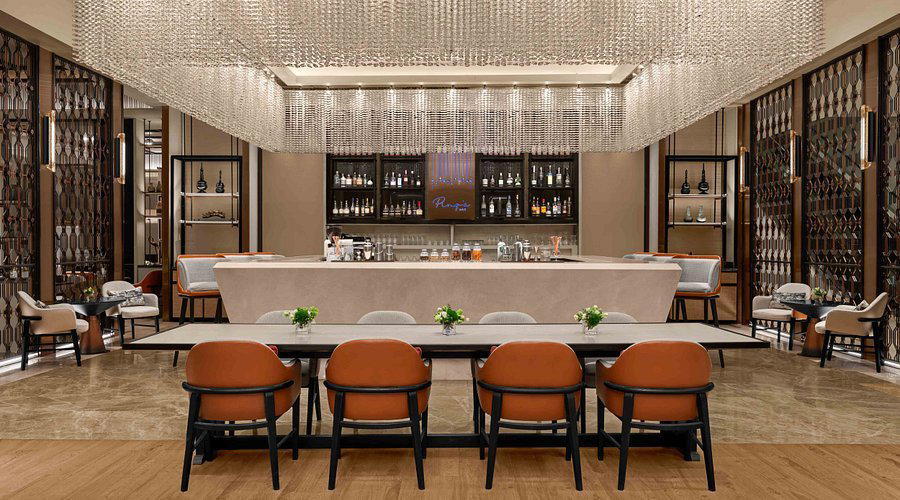
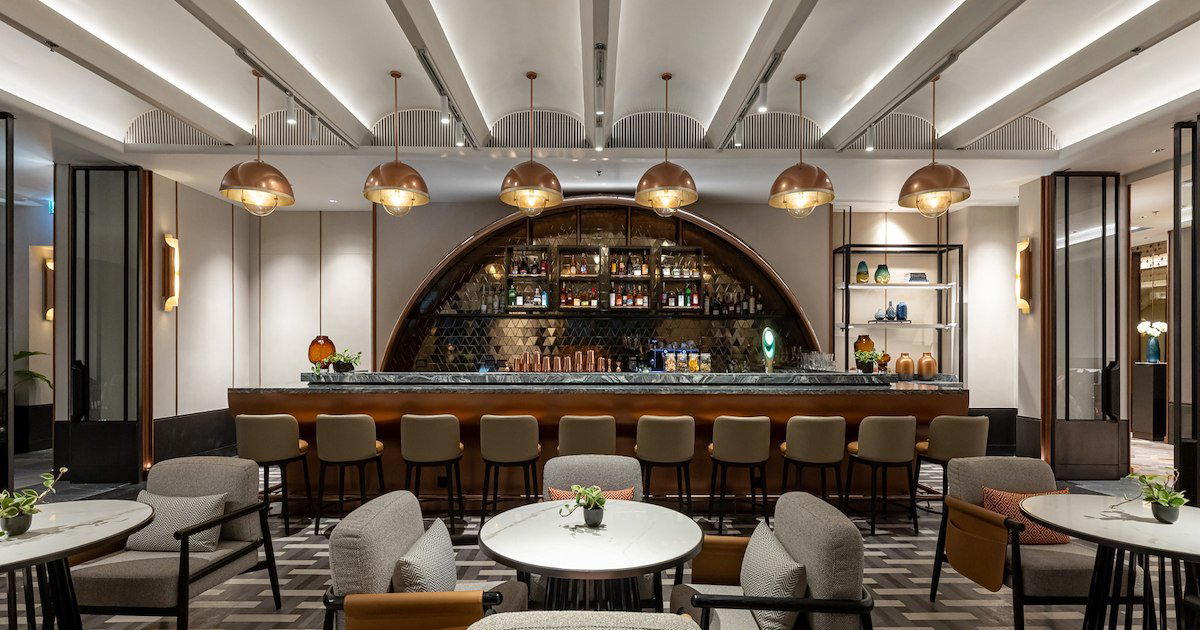
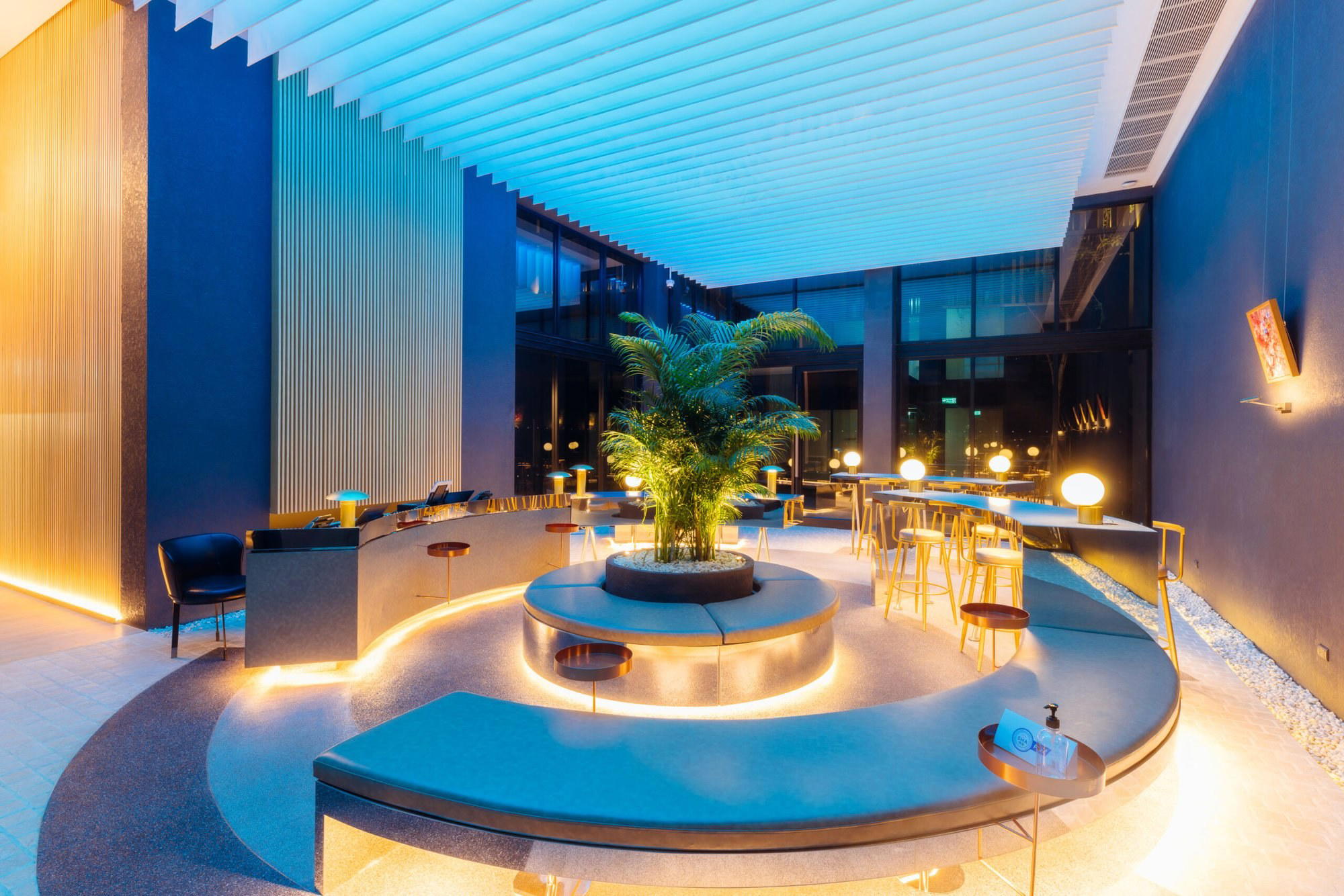
Low lighting, clean minimalist lines, small counter with open kitchen focusing attention on flames, smoke, and precise cooking in a relaxed yet contemplative atmosphere.