Jun's





Michelin Plate · World's 50 Best #8 · Gault & Millau UAE Selected Restaurant
Our verdict
Jun's sits on Sheikh Mohammed bin Rashid Boulevard in Downtown Dubai, where Kelvin Cheung, a third-generation Chinese-Canadian chef with formative years in Hong Kong, North America, and India, runs a kitchen that refuses easy categorisation. Ranked seventh in the World's 50 Best Restaurants MENA list for 2024 and recognised with a Michelin Plate in both 2024 and 2025, Jun's has established itself as one of the more credentialed addresses in Dubai's Asian dining scene.

Pearl is the En Primeur Club membership app, where members save venues, book tables and use the concierge.
The menu
What to order
- Wagyu potstickers
- Lobster pani puri
- Pistachio matcha tiramisu
- Watermelon tartare
Downtown Dubai's dining corridor along Sheikh Mohammed bin Rashid Boulevard operates at a specific register: high footfall, high expectation, and a competitive density that filters out anything without a clear identity. The Burj Khalifa looms over the street at a scale that makes most dining rooms feel provisional by comparison. Jun's holds its own not through spectacle but through the specificity of what Kelvin Cheung is doing in the kitchen, a kind of pan-Asian cooking rooted in Chinese-Canadian heritage, shaped by a decade of immersion in India, and executed with the precision that comes from working across three continents before landing in the UAE in 2021.
The address places Jun's squarely within the Downtown tier of Dubai restaurants, a bracket that includes Row on 45 and Trèsind Studio at the higher end of the creative spectrum, and competes for a similar diner, someone who wants cultural depth rather than just premium ingredients. At the $$$ price point, Jun's sits at the same tier as Zuma in the broader Dubai market, though the culinary reference points are entirely different.
A Cuisine Built From Migration, Not a Single Tradition
Asian cooking in Dubai has historically defaulted to one of two modes: faithful regional reproduction (Japanese omakase, Cantonese dim sum, Thai street-food riffs) or pan-Asian fusion that flattens cultural distinctions into a generic crowd-pleasing menu. Jun's operates in neither lane. What Cheung has developed over a career that moved through North American kitchens, Hong Kong, and a decade-long stint across the Indian subcontinent is a cuisine shaped by layered migration, Chinese roots filtered through a Canadian upbringing, then recalibrated through years of cooking in India.
That trajectory matters because it means the reference points at Jun's are not fixed to any single culinary geography. Third-generation Chinese-Canadian cooking already carries a particular hybridity: the grandparental recipes translated, simplified, and fused with North American ingredients and techniques. Layer Hong Kong professional kitchen discipline on top of that, then ten years of Indian flavour logic, the use of spice as structure rather than heat, the weight given to fermentation and pickling, the particular relationship between fat and acid in subcontinental cooking, and you arrive at something that resists easy categorisation. For a city like Dubai, where the dining public is itself drawn from over 200 nationalities, that kind of genuinely hybrid cooking has an audience that more mono-cultural restaurants cannot reach as naturally.
The broader scene supports this reading. Dubai's most credentialed Asian restaurants, including Harummanis and Hawkerboi, each occupy distinct cultural positions within the Asian dining umbrella. Jun's sits at the hybridised, chef-led end of that spectrum, closer in ambition to what Animae in San Diego or Alma in Toronto are doing with Asian-influenced cooking in Western cities than to a traditionally rooted single-cuisine address.
The recognition Jun's has accumulated since opening is specific enough to be useful as a locating device. A Michelin Plate in both 2024 and 2025 signals consistent kitchen quality without the full star designation, it puts Jun's in the company of restaurants that Michelin inspectors consider worth recommending but that have not yet crossed into the starred tier. In Dubai's current Michelin ecosystem, that places Jun's below the one-star bracket occupied by venues like 11 Woodfire, but well above the mass of unrecognised mid-market Asian restaurants competing on the same boulevard.
More telling data point is the 2024 World's 50 Best Restaurants MENA ranking, where Jun's came in at number seven. The MENA list draws from a different voter base than Michelin, a broader panel of industry professionals and informed diners across the Middle East and North Africa, and a seventh-place finish on a regional list of that standing represents genuine peer recognition rather than institutional credentialing. Among Dubai restaurants specifically, a position in the MENA leading ten places Jun's in a very small group, and for a restaurant that had been open for only three years at the time of that ranking, the trajectory is notable.
For comparison, MayaBay and other established pan-Asian addresses in Dubai operate at varying recognition levels across the same price tier. Jun's combination of Michelin and 50 Best acknowledgment within four years of opening is relatively unusual in Dubai's Asian dining cohort.
The Cultural Logic of Cheung's Kitchen
Chef Kelvin Cheung's biography functions here as evidence for a broader point about how Dubai's leading Asian restaurants are now built. The city has moved away from importing established foreign concepts wholesale and toward backing chefs whose personal culinary histories are genuinely cross-cultural. Cheung's decade in India is particularly significant in this context. Most Chinese-Canadian chefs working in upscale Western markets draw on Hong Kong technique and North American produce familiarity; a sustained period working in and through India adds a third flavour grammar that most chefs at this level simply do not carry.
The result, at Jun's, is Asian cooking where the influences are not presented as a checklist or a concept pitch but as an integrated personal language. That kind of integration takes years, which is why the India chapter of Cheung's career matters more than its length alone suggests. It shaped how he thinks about spice deployment, about the relationship between texture and temperature, about which fermented and pickled elements belong in a dish. These are structural influences, not decorative ones.
Comparable chef-led Asian restaurants in other cities, Taku in Cologne, 53 in New York, a food affair in Gent, or Aheesah Roddee in Bangkok, each demonstrate how chef-driven Asian cooking at the premium end tends to root itself in a specific biographical and cultural logic rather than a geographic category. Jun's fits that pattern in Dubai's market.
What Regulars Order
What the recognition record does confirm, Michelin Plate status requires consistent kitchen output across multiple anonymous inspector visits, is that the cooking holds at a level that rewards repeat visits. The MENA 50 Best ranking at number seven reinforces that the restaurant's appeal extends beyond novelty: repeat voters and industry professionals, who eat across the region professionally, placed Jun's in their top tier based on cumulative experience rather than a single meal.
Regulars at restaurants operating in this mode, chef-driven, hybrid-Asian, premium but not maximalist in format, typically return for the dishes that leading express the chef's particular cultural synthesis: preparations where the Chinese-Canadian base meets an Indian-inflected spice logic, or where a Hong Kong technical approach is applied to ingredients that do not typically appear in a Hong Kong context. At Jun's, that kind of cooking is the through-line rather than a special section of the menu, which is what separates it from pan-Asian restaurants where fusion is the concept rather than the natural outcome of a chef's biography.
For reference, Asia in Ascona and comparable premium Asian addresses in other markets show that diners at this tier are specifically seeking that integration, not a tour of Asian cuisines, but a coherent point of view expressed through Asian culinary traditions. That is what Jun's is selling, and based on the recognition it has accumulated in a short operating history, it is delivering on that premise.
Placing Jun's in the Wider UAE Context
Dubai's restaurant market has expanded significantly in the years since the pandemic, and the UAE now supports a credentialed dining scene that extends across the emirate. Erth in Abu Dhabi represents a different end of that spectrum, rooted in Emirati culinary heritage, which illustrates the range of serious cooking now available across the country. Within Dubai specifically, Jun's occupies a position that did not really exist five years ago: a chef-led Asian restaurant with regional-scale recognition, sitting in the $$$ bracket, on one of the city's most visible dining streets.
For those planning around the broader Dubai scene, the restaurant guides for restaurants, bars, hotels, wineries, and experiences across the city map the full scope of what the emirate now offers at the premium tier.
Know Before You Go
- Address: Sheikh Mohammed bin Rashid Blvd, Burj Khalifa, Downtown Dubai
- Cuisine: Asian (Chinese-Canadian influenced, with Indian culinary reference points)
- Price range: $$$
- Chef: Kelvin Cheung
- Awards: Michelin Plate 2024 and 2025; World's 50 Best Restaurants MENA 2024, ranked #7
- Location note: Downtown Dubai, on the boulevard that runs alongside the Burj Khalifa, accessible from the Dubai Mall / Burj Khalifa metro station
- Booking: Contact via the restaurant directly; given the MENA 50 Best recognition, advance booking is advisable, particularly for weekend evenings
Frequently asked questions
Where is Jun's located?
Jun's is located at Sheikh Mohammed bin Rashid Blvd - Burj Khalifa - Downtown Dubai - Dubai - United Arab Emirates, Dubai.
Who is the chef at Jun's?
The chef associated with Jun's is Kelvin Cheung.
What It’s Closest To
A compact comparison to help you place this venue among nearby peers.
| Venue | Cuisine | Price | Awards | Notes |
|---|---|---|---|---|
| Jun'sThis venue (the venue you are viewing) | Modern Asian Fusion Fine Dining | Not listed | Michelin Plate · World's 50 Best #8 | Not listed |
| 11 Woodfire | Modern Woodfire Grill | $150–200 | 1 Michelin Star · World's 50 Best #14 | Modern Cuisine |
| Avatara Restaurant | Modern Vegetarian Indian Fine Dining | Not listed | 1 Michelin Star · Gault & Millau UAE Selected Restaurant | Indian |
| Al Mahara | Modern Italian Seafood | $300–500 | Michelin Plate · World's 50 Best #31 | Seafood |
| Zuma | Modern Japanese Izakaya | $150–200 | Michelin Plate · World's 50 Best #34 | Japanese - Asian, Japanese, Japanese Contemporary |
| City Social | Modern European with Japanese influences | $150–200 | Michelin Plate · Star Wine List | Modern British, Modern Cuisine |
Recognition history
Dated appearances from independent guides and award organizations, with the underlying list record or original source where available.
Michelin Plate
Michelin
World's 50 Best MENA's Best Restaurants #8
World's 50 Best
Gault & Millau UAE Selected Restaurant
Gault & Millau · Gault & Millau UAE 2026 - Selected Restaurant
Opinionated About Dining Top Restaurants in Asia Recommended
Opinionated About Dining
The Best Chef One Knife
The Best Chef
Full recognition history (7 entries)
World's 50 Best MENA's Best Restaurants #7
World's 50 Best
Michelin Plate
Michelin
Continue exploring
More in Dubai
Restaurants in Dubai
All restaurants in Dubai →
Bars in Dubai
All bars in Dubai →
Details
- Elegant
- Sophisticated
- Modern
- Special Occasion
- Date Night
- Celebration
- Family
- Open Kitchen
- Hotel Restaurant
- Craft Cocktails
- Local Sourcing
- Skyline
- Tasting Menu
- A La Carte
- Gluten Free Options
- Allergy Accommodating
Current opening hours
- Monday
- 12–3:30 PM, 5:30 PM–1 AM
- Tuesday
- 12–3:30 PM, 5:30 PM–1 AM
- Wednesday
- 12–3:30 PM, 5:30 PM–1 AM
- Thursday
- 12–3:30 PM, 5:30 PM–1 AM
- Friday
- 12–3:30 PM, 5:30 PM–1 AM
- Saturday
- 12–3:30 PM, 5:30 PM–1 AM
- Sunday
- 12–3:30 PM, 5:30 PM–1 AM
Hours can change for holidays and private events. Hours as of .
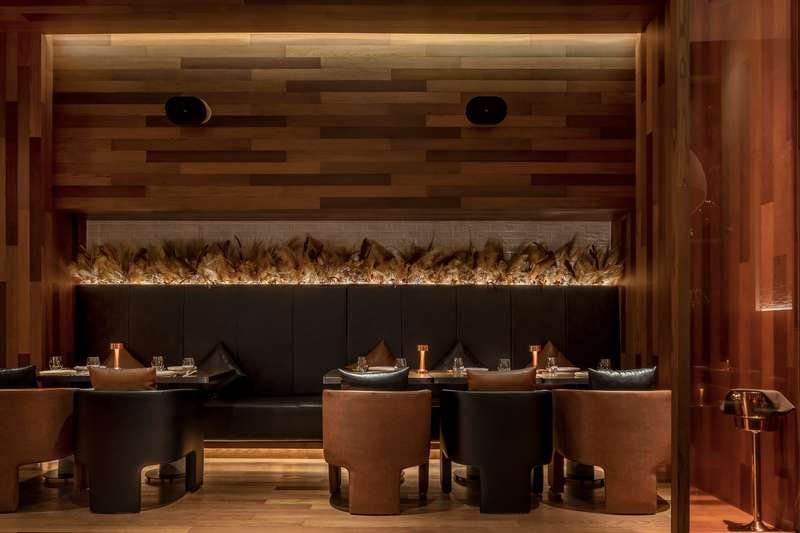
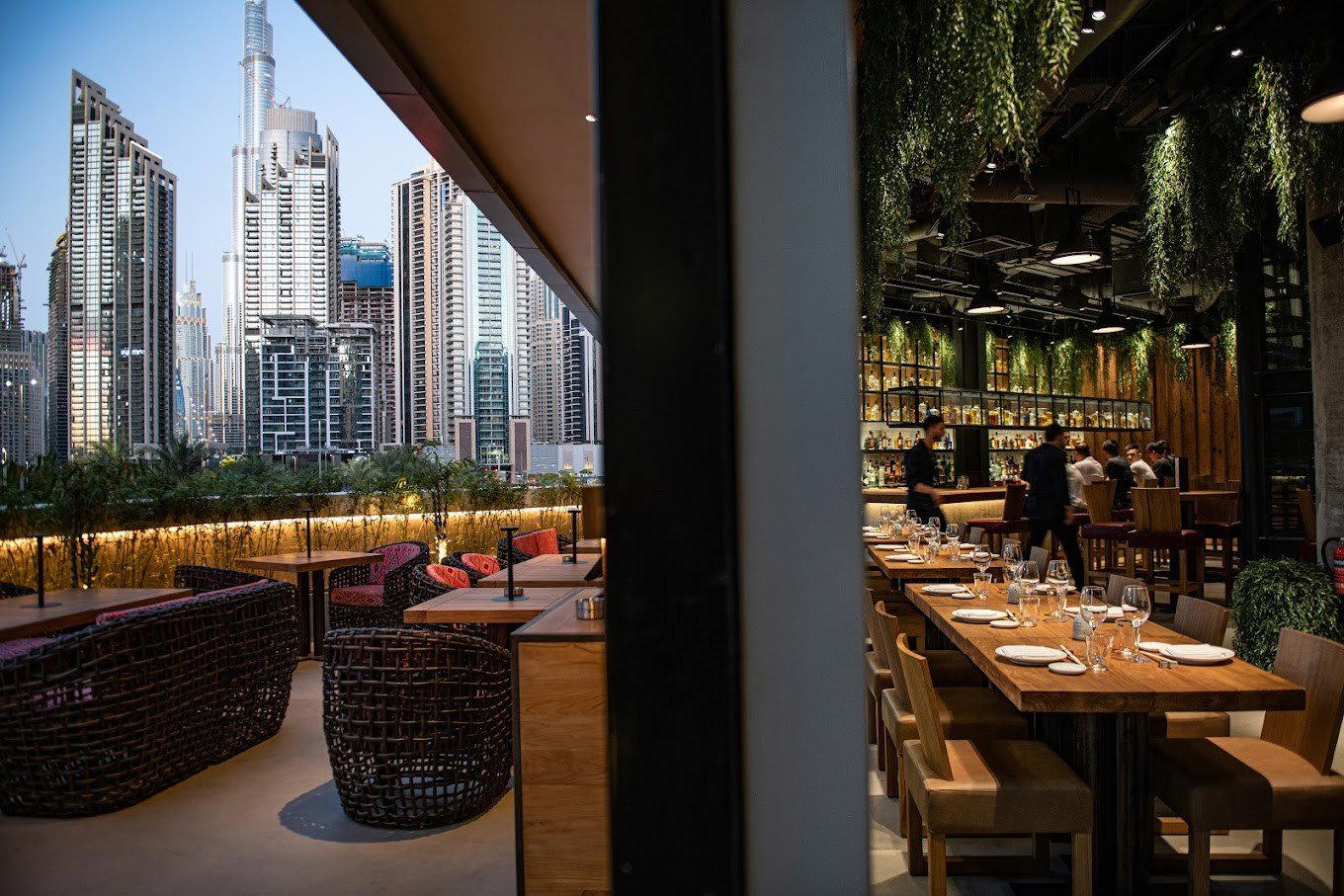
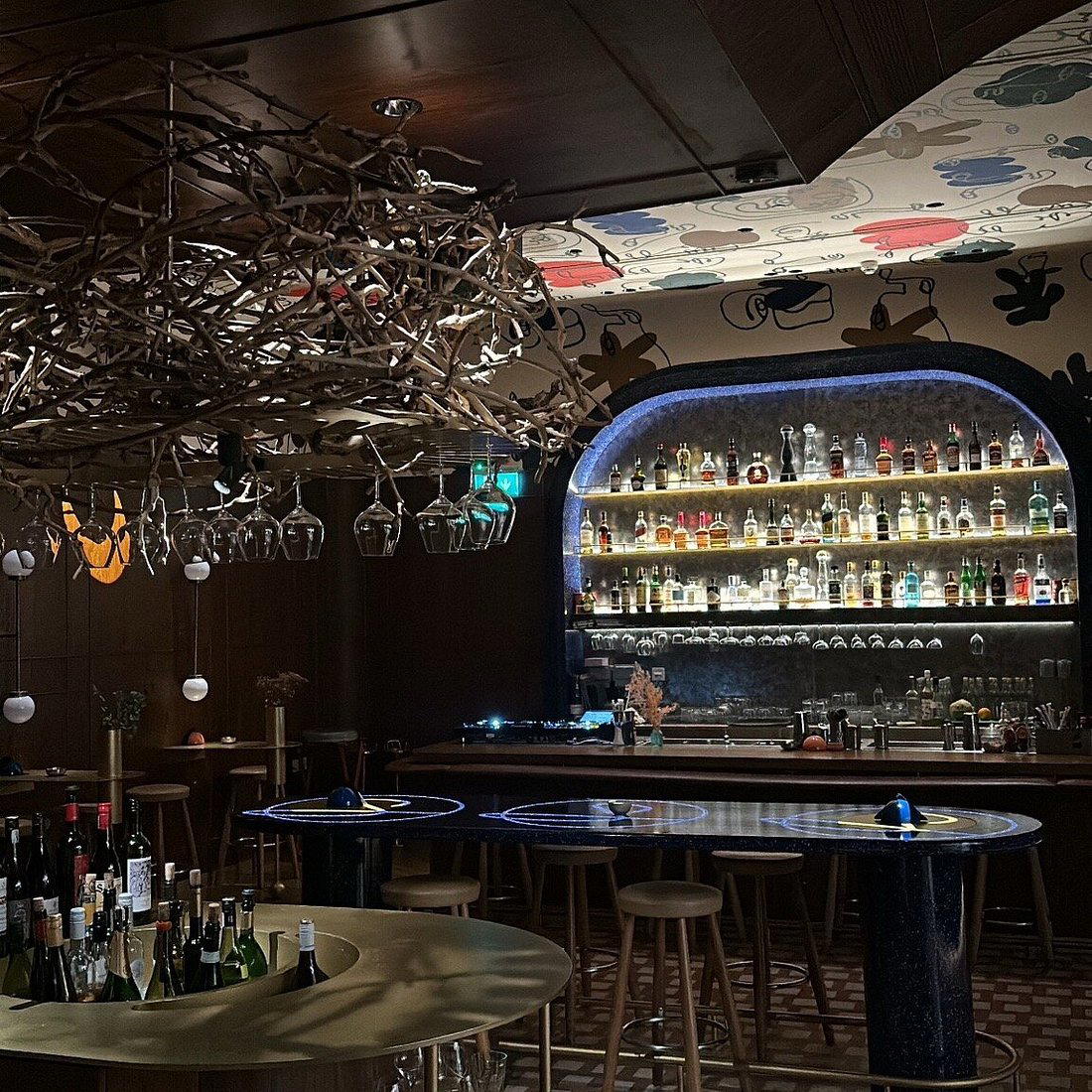
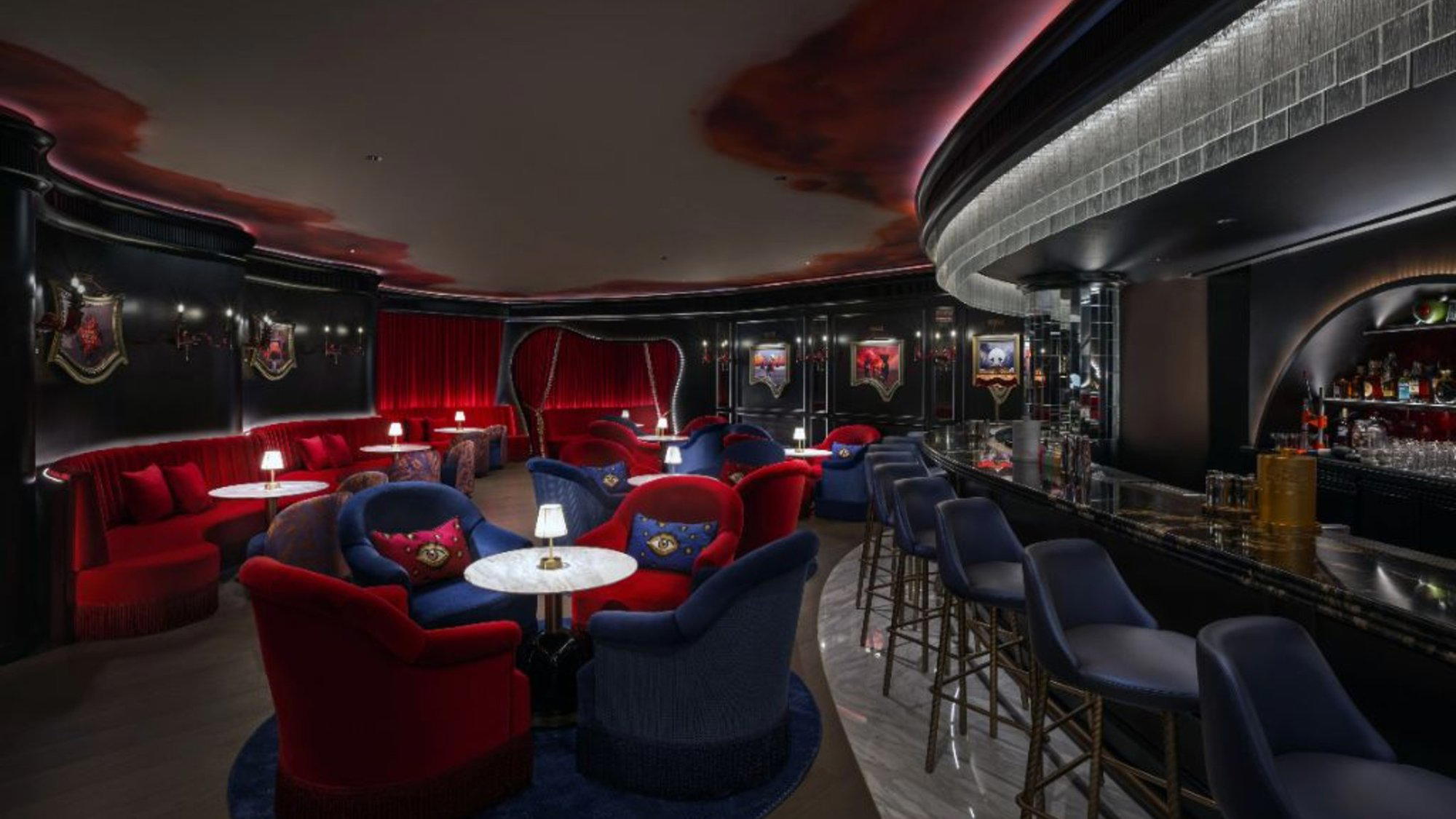
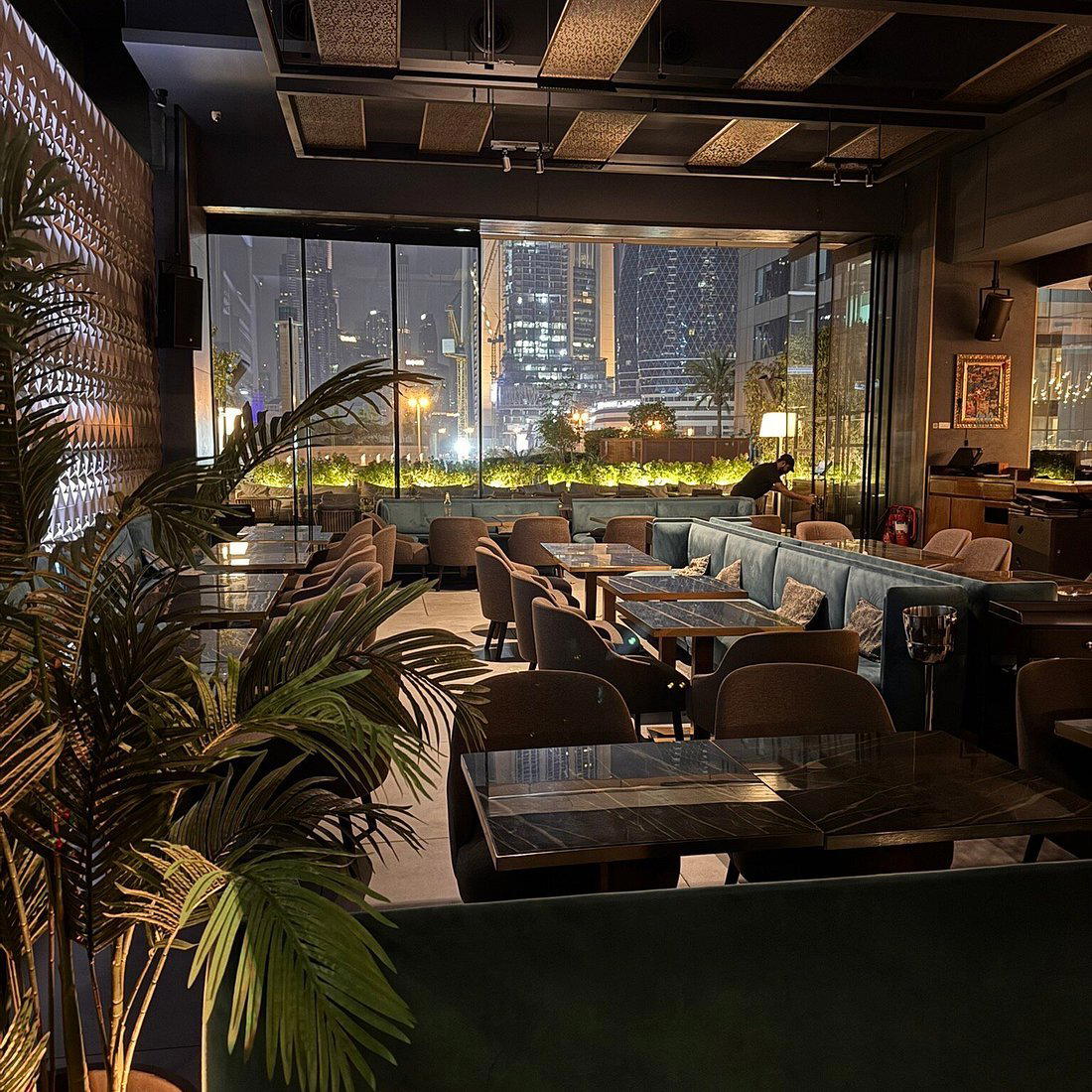
Stylish and calm atmosphere with low-volume music, old school R&B, sophisticated yet relaxed vibe, and window views of Burj Khalifa.