Baan Suan Mae Rim

Operating from a cluster of traditional Northern Thai pavilions overlooking a pond and rice fields in Mae Rim District since 2004, Baan Suan Mae Rim holds a 2025 Michelin Plate for cooking that leans into bold, rural Thai flavour: deep-fried chilli minced pork, tom yum fish, and snakehead fish with hot and spicy sauce. It sits about 15 kilometres north of central Chiang Mai and rewards the drive with a setting that city-centre restaurants cannot replicate.
Pearl is the En Primeur Club membership app — saves, bookings, and concierge access live there. Same editors, same standards.
- Address
- 261 หมู่ 2 ถนนเชียงใหม่-ฝาง, San Pong, Mae Rim District, Chiang Mai 50180, Thailand
- Phone
- +66 53 297 421
- Website
- baansuanmaerim.com
- Directions
- Get directions
 Saves & bookings on Pearl
Rice Fields, Pavilions, and the Northern Table
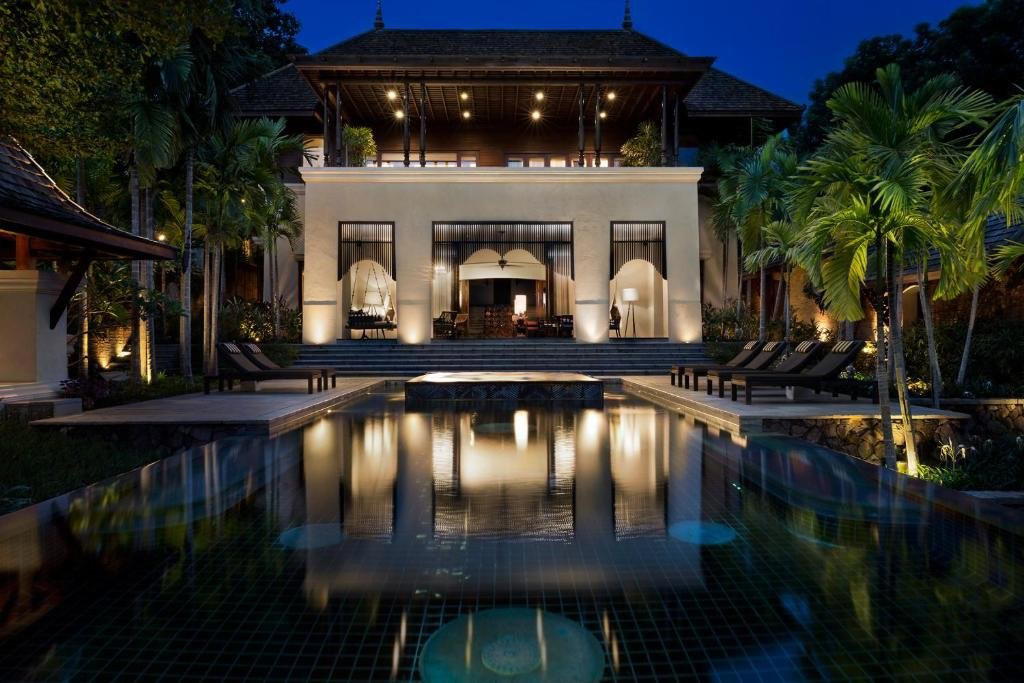
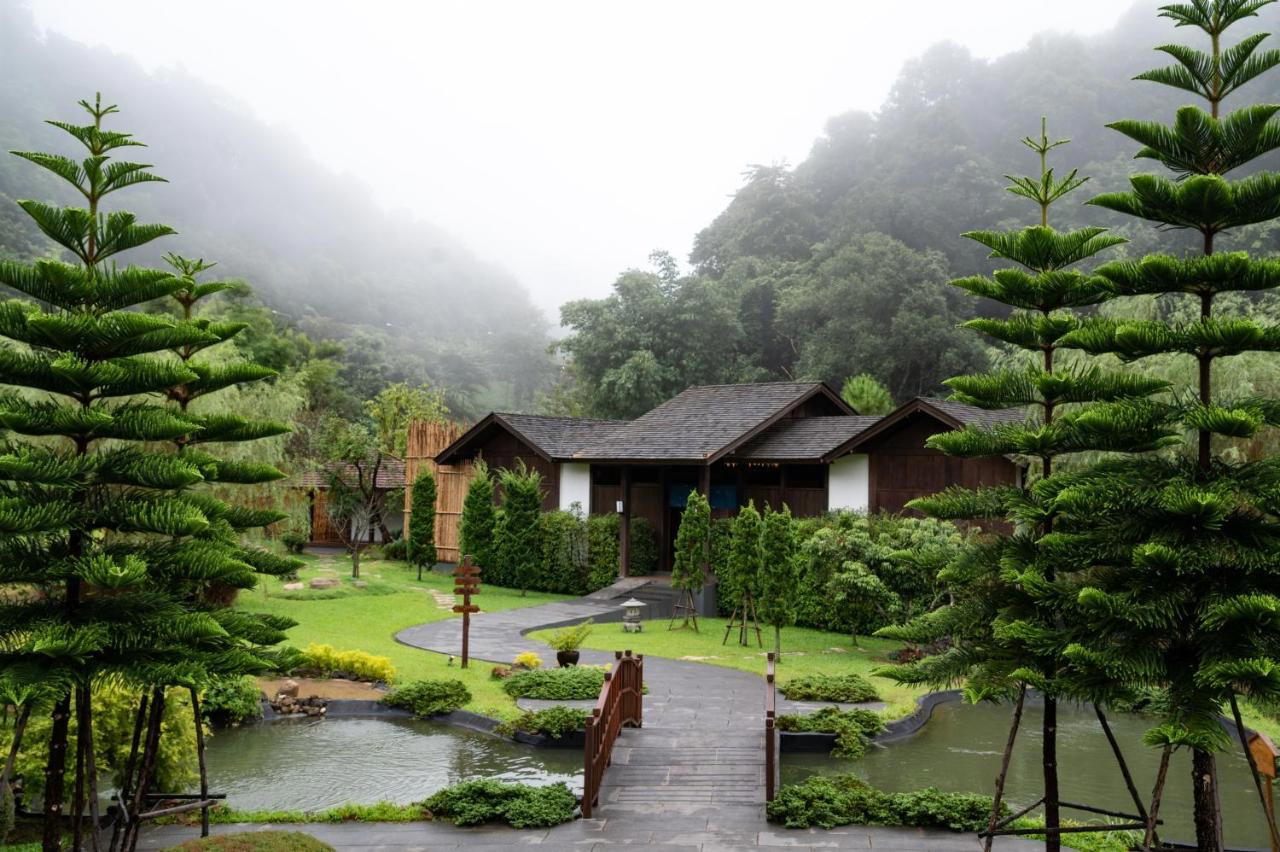
Drive north out of Chiang Mai on the Mae Rim road and the city gradually loosens its grip. By the time you reach San Pong, the traffic thins and the roadside opens onto agricultural land. Baan Suan Mae Rim sits in that transition zone, roughly 15 kilometres from the old city, occupying a compound of Northern Thai-style wooden pavilions arranged around a pond. Before sunset, the water catches the light through the surrounding trees. The setting is not decorative in the way of purpose-built resort dining rooms. It reads as functional landscape that happens to be beautiful, and that distinction matters to the food on the table.
Northern Thailand has its own culinary logic, one that diverges sharply from the central-Thai cooking most international visitors encounter first. Where Bangkok's tables lean toward aromatic coconut broths and refined street preparations, the north draws on a larder shaped by altitude, river systems, and proximity to Burmese, Lao, and Yunnan trade routes. Freshwater fish is a recurring reference point. Fermented ingredients appear where southern cooks would reach for fresh aromatics. The heat tends to be blunt rather than layered, arriving in waves rather than building slowly. Baan Suan Mae Rim operates squarely within that tradition, with a menu weighted toward meat and freshwater fish cooked in ways that reflect how the region has eaten for generations, not how it has been packaged for export.
Bold Flavours in a Rural Register
The editorial angle on rural Thai cooking often defaults to the northeast, where som tum culture, larb, and grilled meats over charcoal define a vocabulary of assertive, uncompromising flavour. Northern Thai cooking shares some of that directness without replicating it. The deep-fried chilli minced pork served here operates in a similar register: bold, salty, and spiky with heat, the kind of dish that reads as a statement rather than an opener. It functions as a useful calibration point for the meal that follows, signalling that the kitchen is not softening its approach for an outside audience.
The tom yum fish that follows is worth reading as a regional document as much as a dish. Tom yum across Thailand is not a single recipe but a framework that shifts substantially with geography. In the north, freshwater fish introduces a muddier, more mineral note than the marine versions common further south. The broth here, according to Michelin's own notation on the restaurant, reflects that northern character. Snakehead fish with hot and spicy sauce appears as a second recommended preparation, and snakehead is itself a marker of northern and northeastern Thai cooking, a fish with enough texture to hold up to aggressive saucing. Both dishes demonstrate why the 2025 Michelin Plate recognition positions this restaurant within a specific culinary conversation rather than a generic Thai one.
The kitchen works at the intersection of local knowledge and hospitality practicality. Rather than presenting a fixed tasting sequence, the approach here involves direct guidance from the kitchen on what is freshest that day. That flexibility suggests an operation confident enough in its sourcing to improvise around it rather than locking down a static menu. Comparable mid-price Northern Thai tables in Chiang Mai, including Ekachan and Aunt Aoy Kitchen, operate on similar principles of daily-adjusted cooking at the ฿฿ price tier, but the outdoor pavilion format and rural setting here occupy different territory from anything available within the city proper.
Where This Sits in Chiang Mai's Wider Scene
Chiang Mai's restaurant geography has two distinct layers. The inner city concentrates most of the internationally recognised names: tables that appear regularly on Thai Michelin lists and draw visitors navigating the old city's moat-bordered grid. The outer ring, which includes Mae Rim District, runs on a different logic, oriented toward local families, weekend drives, and the kind of dining that requires knowing the road exists.
The Michelin Plate awarded in 2025 places it in a category of restaurants that inspectors regard as producing good cooking without the additional formal criteria required for star consideration. Across Thailand, Michelin Plate recognition at the ฿฿ tier tends to cluster around kitchens where ingredient clarity and flavour honesty matter most. Sorn in Bangkok and Nahm in Bangkok occupy different positions on the formality and price spectrum, but the underlying argument for why Thai regional cooking deserves serious attention runs through all of them. Samrub Samrub Thai in Bangkok makes a related case for tradition-anchored cooking in a more conceptual frame. Baan Suan Mae Rim makes the same argument without the conceptual apparatus, through a pavilion beside a pond and a kitchen that has been at it since 2004.
For context on how Thai regional cooking has evolved across the country's award-recognised circuit, PRU in Phuket and AKKEE in Pak Kret represent different regional expressions of the same broader conversation about local ingredient sourcing and place-specific cooking. Angeum in Phra Nakhon Si Ayutthaya offers another data point in Thai regional cooking recognised at the Michelin level. Within Chiang Mai itself, Baan Landai, Food For You, and Khao each approach the northern Thai table from different angles and price points.
Planning the Drive
The address in San Pong, Mae Rim District, places the restaurant on the Chiang Mai-Fang road (Route 107), the main artery heading north from the city. A hired car or ride-share is the practical approach. Arrive early if you want a terrace table facing the pond, as the open-air pavilions are the more atmospheric option and fill first. The price point at ฿฿ places the meal in the same moderate range as most comparable mid-market Thai restaurants in Chiang Mai, making the drive a cost-efficient detour for the setting alone, with the quality of the cooking as additional justification.
Credentials Lens
Comparable venues nearby, for context on price, style, and recognition.
| Venue | Cuisine | Price | Awards | Notes |
|---|---|---|---|---|
| Baan Suan Mae RimThis venue — the venue you are viewing | Northern Thai | $$ | Michelin Plate | Not listed |
| Withee Laab | Northern Thai Laab Specialist | $$ | Michelin Plate | Mueang Chiang Mai |
| Huan Soontaree | Northern Thai (Lanna Cuisine) | $$ | Bib Gourmand | Mueang Chiang Mai |
| Sukjai by Pata Obasan | Authentic Vegetarian Thai | $$ | Michelin Plate | Mueang Chiang Mai |
| Talung | Southern Thai | $$ | Michelin Plate | Mueang Chiang Mai |
| Euang Kam Sai | Authentic Northern Thai | $$ | Bib Gourmand | Mueang Chiang Mai |
Recognition history
Dated appearances from independent guides and award organizations, with the underlying list record or original source where available.
Michelin Plate
Michelin
Michelin Plate
Michelin
Michelin Plate
Michelin
Continue exploring
More in Chiang Mai
Restaurants in Chiang Mai
Browse all →
Bars in Chiang Mai
Browse all →
At a Glance
- Rustic
- Cozy
- Scenic
- Serene
- Family
- Casual Hangout
- Group Dining
- Garden
- Terrace
- Beer Program
- Local Sourcing
- Garden
Current opening hours
- Monday
- 10 AM–9 PM
- Tuesday
- 10 AM–9 PM
- Wednesday
- 10 AM–9 PM
- Thursday
- 10 AM–9 PM
- Friday
- 10 AM–9 PM
- Saturday
- 10 AM–9 PM
- Sunday
- 10 AM–9 PM
Hours can change for holidays and private events. Last verified .
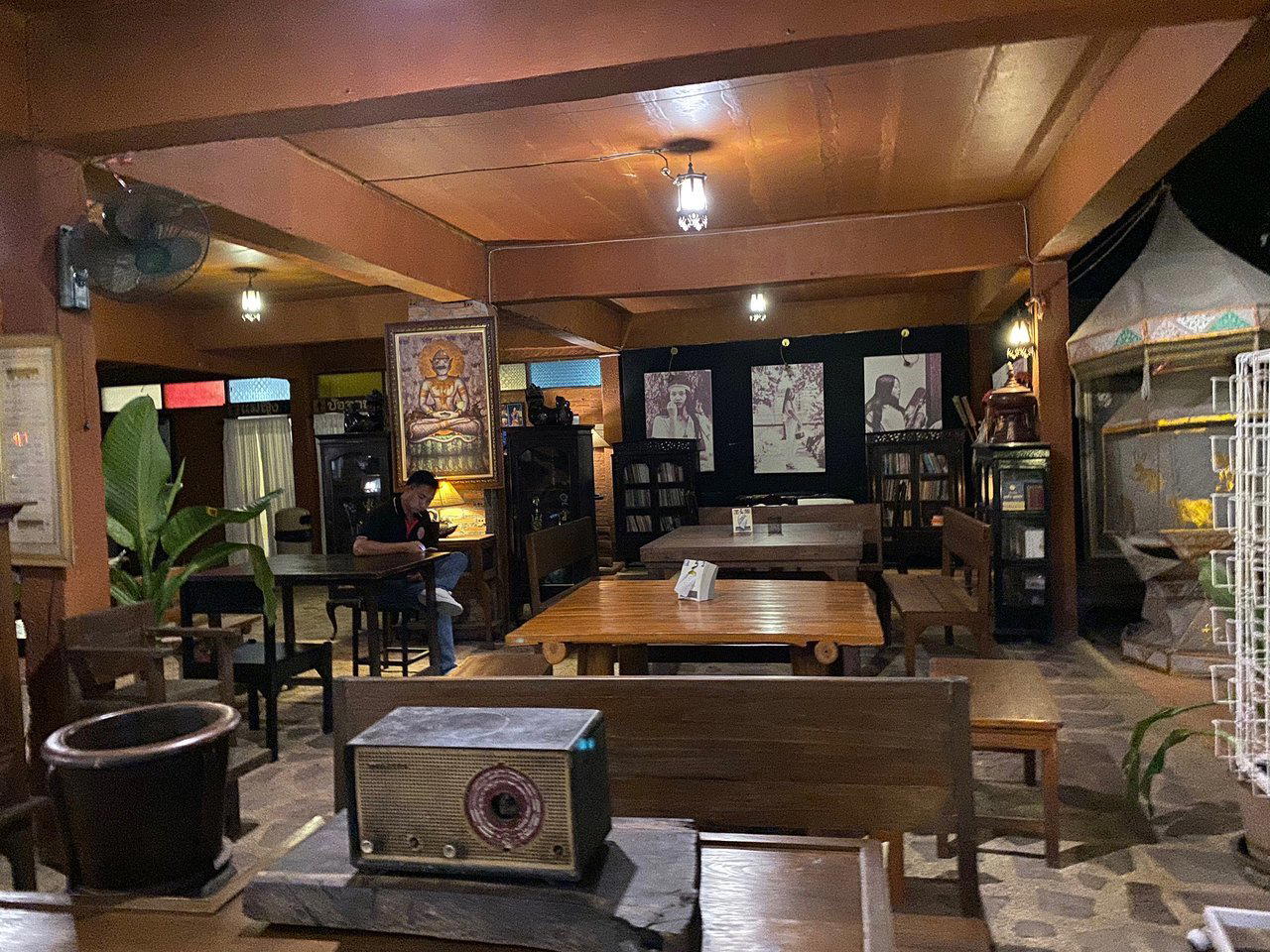
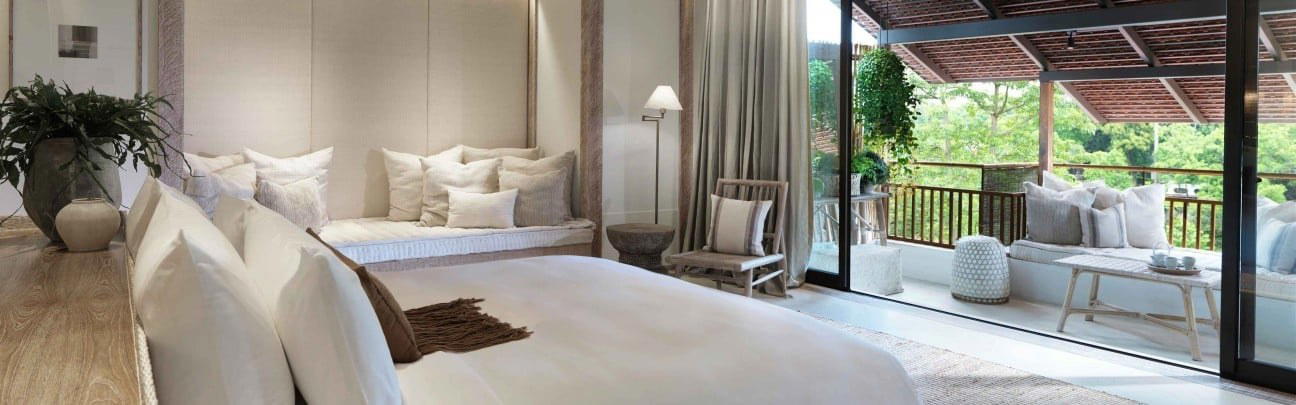
Relaxed rustic atmosphere with open-air pavilions and cozy indoor seating overlooking shimmering ponds and lush greenery.