On a residential stretch of Neuhausen-Nymphenburg, Pardi occupies a quietly argued position in Munich's dining conversation: a neighbourhood address with enough culinary ambition to draw guests from across the city. The lunch and dinner services run at different registers, making it a reference point for how Munich's mid-to-upper dining tier handles the shift between daytime and evening hospitality.
Pearl is the En Primeur Club membership app — saves, bookings, and concierge access live there. Same editors, same standards.
- Address
- Volkartstraße 24, 80634 München, Germany
- Phone
- +494989131850
- Website
- pardi-restaurant.de
- Directions
- Get directions
 Saves & bookings on Pearl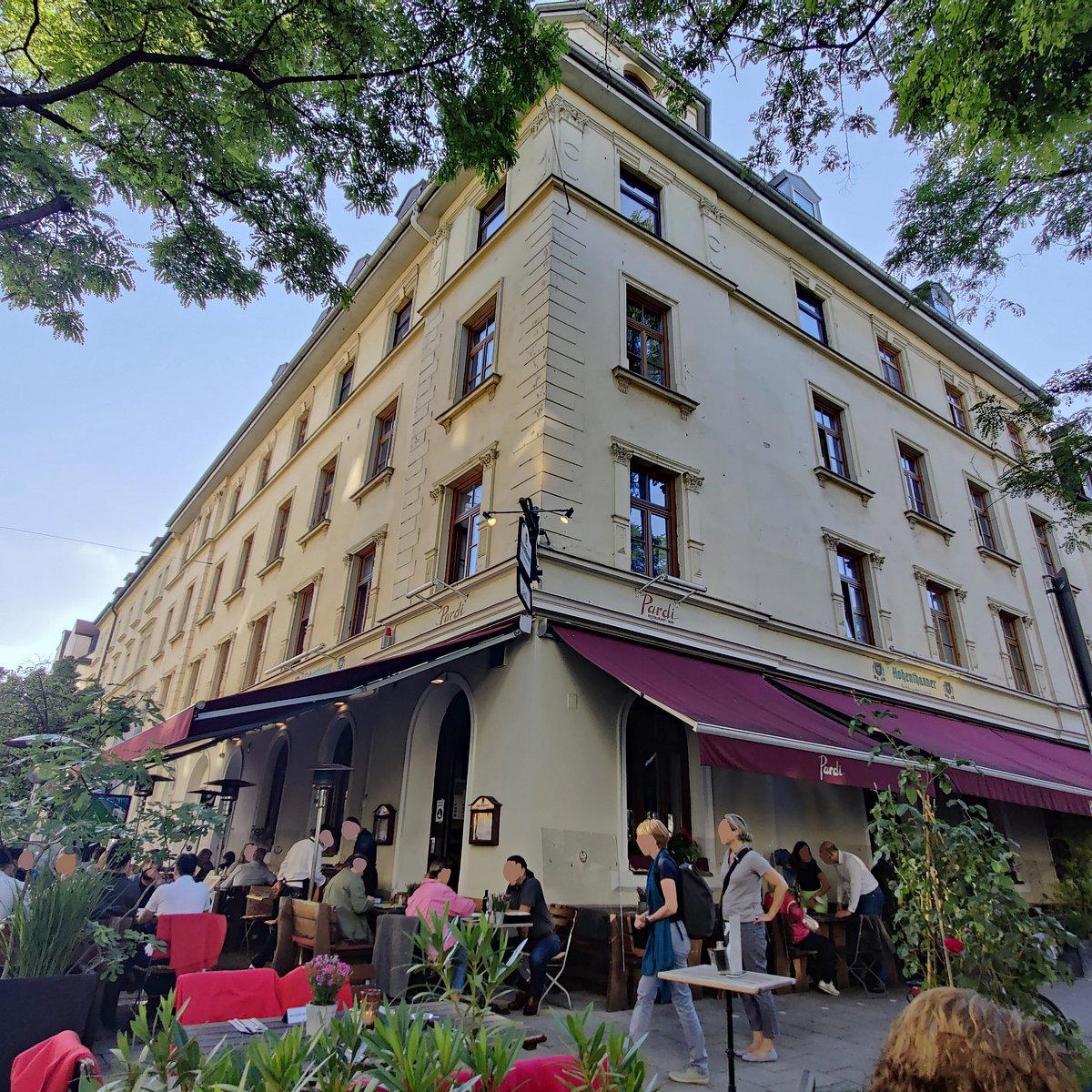
A Neuhausen Address in Munich's Wider Dining Argument
Volkartstraße sits in Neuhausen-Nymphenburg, one of Munich's more composed residential districts, far enough from the Altstadt tourist circuit to filter out the casual walk-in crowd. That geography is a deliberate signal in a city where restaurant addresses increasingly tell you something about the kitchen's priorities. The neighbourhood tier in Munich has been consolidating around a handful of serious independents, and Pardi at number 24 has become part of that conversation. It is worth understanding why, and what it says about how the city's mid-to-upper dining range is currently organised.
Munich's fine dining conversation has long been dominated by the Michelin-mapped flagships: Tantris, Atelier, JAN, Tohru in der Schreiberei, and Alois – Dallmayr Fine Dining. Below that ceiling, a second tier has been growing more interesting: restaurants that operate with serious kitchen discipline but without the ceremony overhead of a full destination-dining format. Pardi fits within that second tier, and the distinction matters for how you plan around it.
How the Lunch and Dinner Services Differ
The lunch-versus-dinner divide is among the more underused planning tools for serious diners in any European city, and Munich is no exception. In cities where the restaurant economy runs on dinner covers, lunch often becomes either a truncated version of the evening menu or a cheaper set format aimed at the business-lunch crowd.
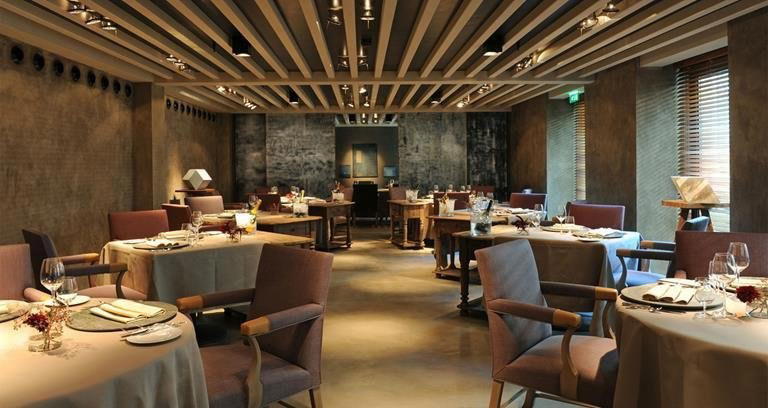
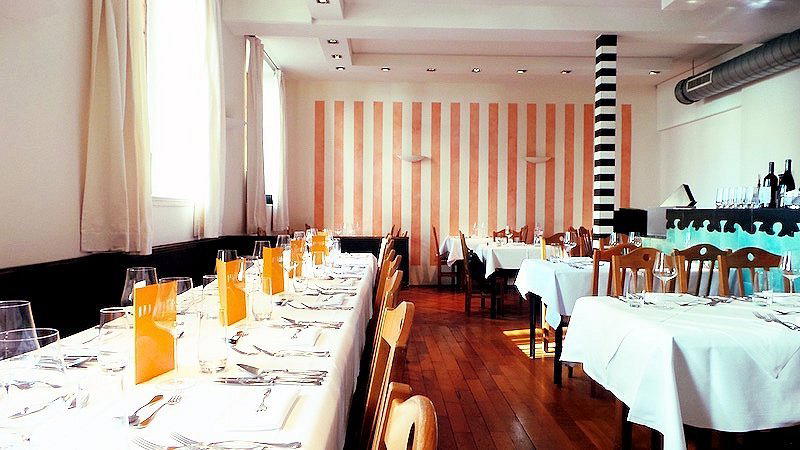
At the level Pardi operates, daytime service tends to carry a different energy from evening. The room reads differently in natural light. Midday guests often know the place well enough to skip the longer tasting progression and order more directly, which changes the rhythm of service for everyone in the room. Evening service at addresses like this tends toward the fuller arc: more courses, more wine involvement, a deliberate extension of time. For guests deciding between a lunch or dinner visit, the practical question is less about price and more about how much of the evening's ritual structure they want. Lunch here earns its own case.
At addresses like Schanz in Piesport and Bagatelle in Trier, the lunch format functions as a lower-commitment entry point to kitchens that reserve their most elaborate expression for the evening. At destination-tier operations further afield, including Aqua in Wolfsburg and Schwarzwaldstube in Baiersbronn, the distinction between services is sometimes smaller because the format is tasting-only throughout. Pardi's position in Neuhausen gives it the flexibility to serve both modes with some credibility.
Where Pardi Sits in the Munich comparable set
To position Pardi accurately, it helps to map Munich's dining tiers with some precision. The city's upper bracket runs from three-Michelin-star operations down through one- and two-star rooms, many of them tied to hotel groups or legacy food institutions. The independent mid-tier, by contrast, has been growing through a combination of younger chefs, smaller rooms, and more direct relationships with local producers in Bavaria and the wider Alpine supply chain.
Germany's most decorated kitchens, from Victor's Fine Dining by Christian Bau in Perl to Vendôme in Bergisch Gladbach and Waldhotel Sonnora in Dreis, demonstrate what happens when a kitchen commits fully to the destination-dining model over decades. These are not peer references for Pardi in the practical sense; they set the ceiling of what serious German restaurant culture can produce. The more relevant comparison is with independent rooms in Munich itself, where the question is how a neighbourhood address competes for the same Thursday or Friday evening booking as an alternative a tram ride away.
Hamburg's Restaurant Haerlin illustrates a different model entirely: a grand-hotel dining room where the institution carries as much weight as the kitchen. ES:SENZ in Grassau sits closer to the Alpine-sourcing tradition that Munich's better independents are increasingly drawing on. And CODA Dessert Dining in Berlin represents a format genuinely without comparison in Munich: a full-evening dessert-led tasting that reframes what a meal's structure can be. In that broader German context, Pardi occupies a more conventional but no less considered position.
Internationally, the reference points shift. Le Bernardin in New York City shows what a kitchen looks like when it sustains a single-category focus over decades without loss of precision. Atomix in New York City operates a tasting-counter format with a different cultural grammar entirely. Neither is a direct peer for a Munich neighbourhood independent, but both illustrate that serious independent dining at this price tier requires a clearly argued identity, not just technical competence.
The Neuhausen Factor
District character matters more in Munich than in cities with a stronger centre-of-gravity for dining. The Altstadt and Maxvorstadt attract volume; Schwabing carries a legacy of bohemian restaurant culture that has since been partially gentrified into café territory. Neuhausen-Nymphenburg reads as residential and confident, a district where a serious restaurant can build a regular clientele without competing on footfall. For an address like Pardi, that means a room that fills through reputation and repeat visits rather than tourist spillover. It also means the kitchen can make slightly longer-term bets on sourcing and menu development without having to recalibrate for passing trade.
That stability tends to produce a specific kind of restaurant: one where the lunch and dinner regulars know the space well enough to have genuine preferences between services. It is the kind of context in which a midday booking on a weekday feels different from a Saturday evening not because the food quality shifts, but because the social composition of the room does. Both versions are worth experiencing on their own terms.
Know Before You Go
- Address: Volkartstraße 24, 80634 München, Germany
- District: Neuhausen-Nymphenburg
- Booking: Reservation recommended, particularly for evening service and weekend lunch
Reputation Context
Comparable venues nearby, for context on price, style, and recognition.
| Venue | Cuisine | Price | Notes |
|---|---|---|---|
| PardiThis venue — the venue you are viewing | Turkish | $$$ | Not listed |
| Restaurant Harem | Authentic Turkish Barbecue | $$ | Untermenzing |
| Abant Restaurant | Turkish Grill & Pizza | $$ | Theresienwiese |
| Haxnbauer | Traditional Bavarian | $$$ | Altstadt |
| AIVI Eatery | Modern Vietnamese-Japanese Fusion Sushi | $$$ | Altstadt |
| Pescheria | Mediterranean Seafood Tavern | $$$ | Isarvorstadt |
At a Glance
- Elegant
- Cozy
- Modern
- Group Dining
- Business Dinner
- Family
- Terrace
Current opening hours
- Monday
- 11 AM–1 AM
- Tuesday
- 11 AM–1 AM
- Wednesday
- 11 AM–1 AM
- Thursday
- 11 AM–1 AM
- Friday
- 11 AM–1 AM
- Saturday
- 9 AM–1 AM
- Sunday
- 9 AM–1 AM
Hours can change for holidays and private events. Last verified .
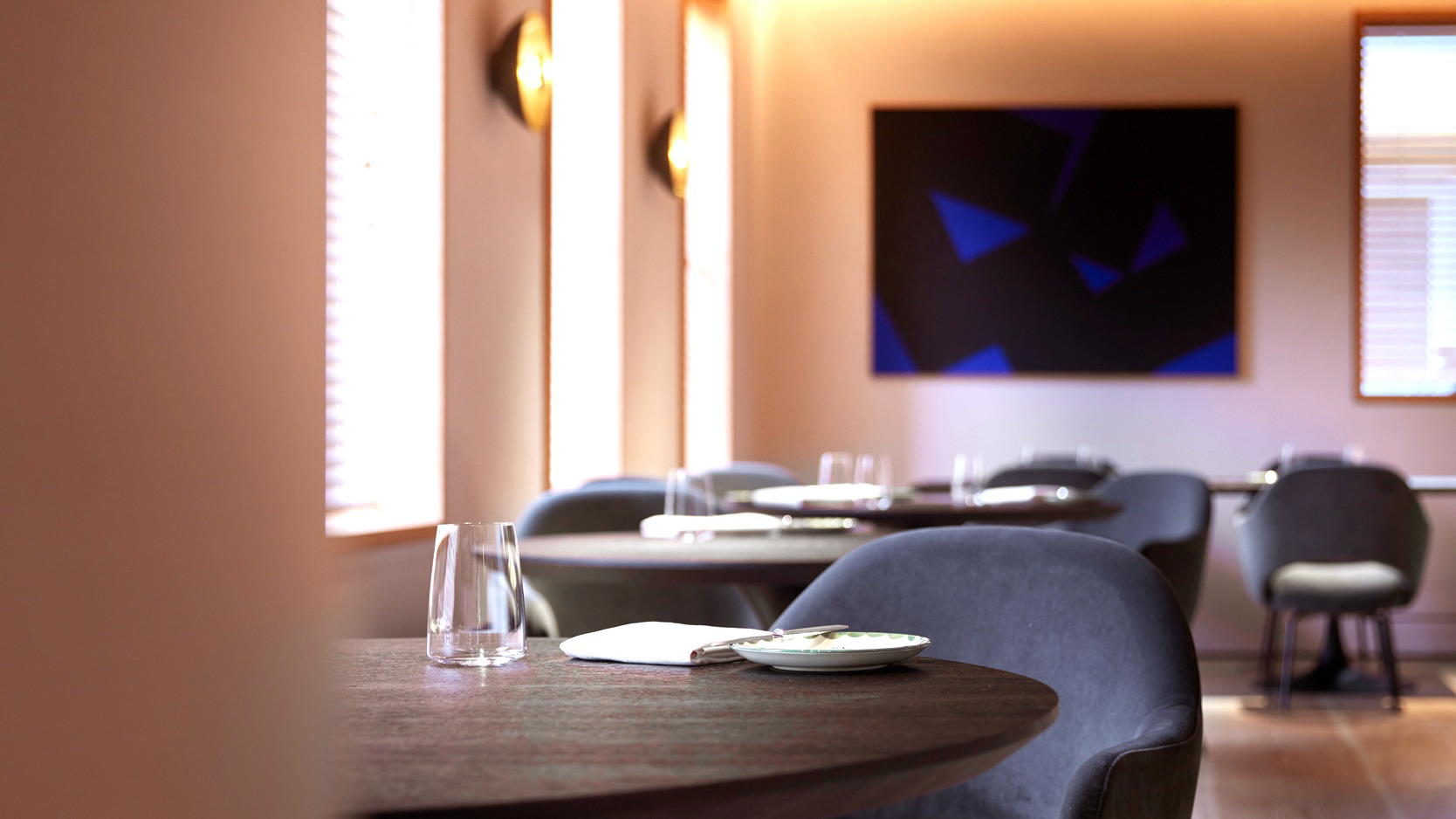
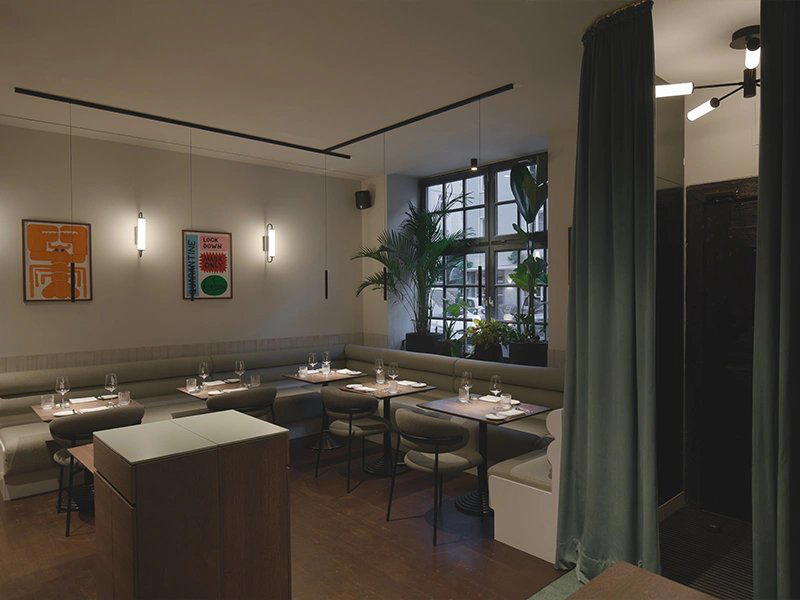
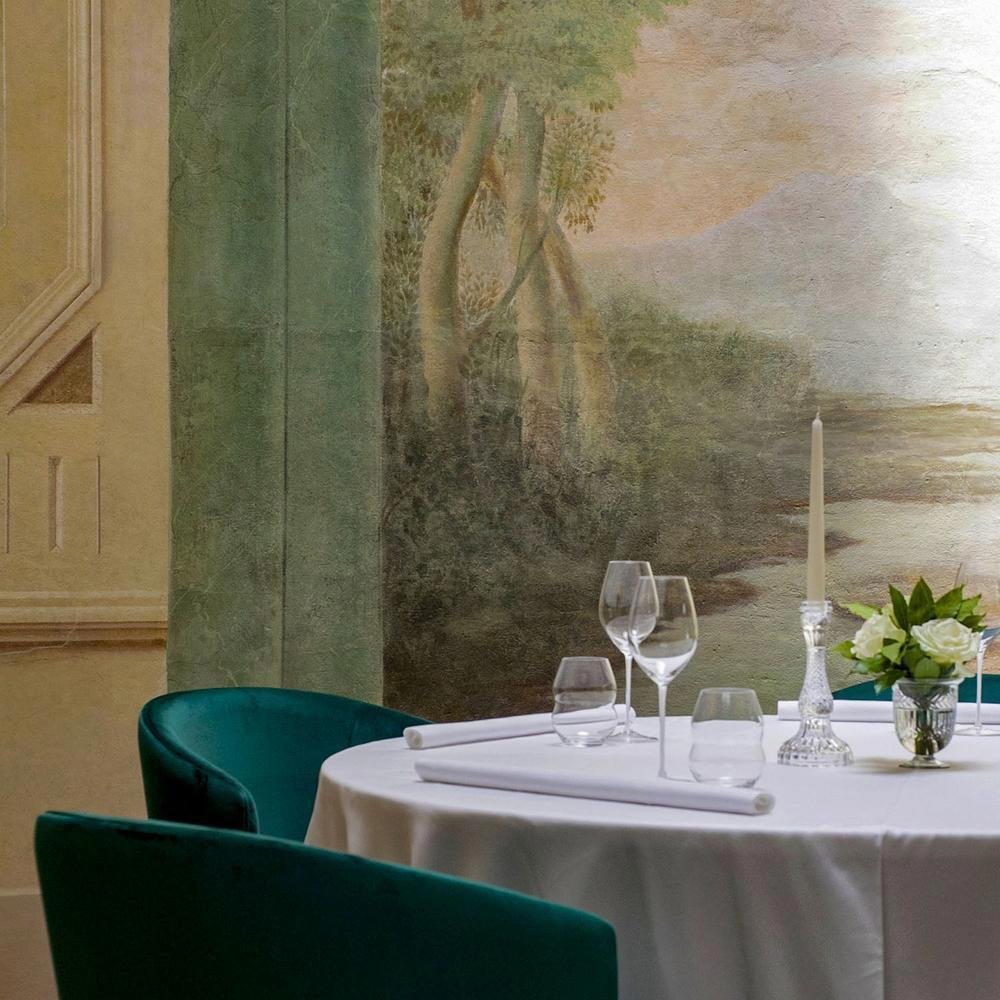
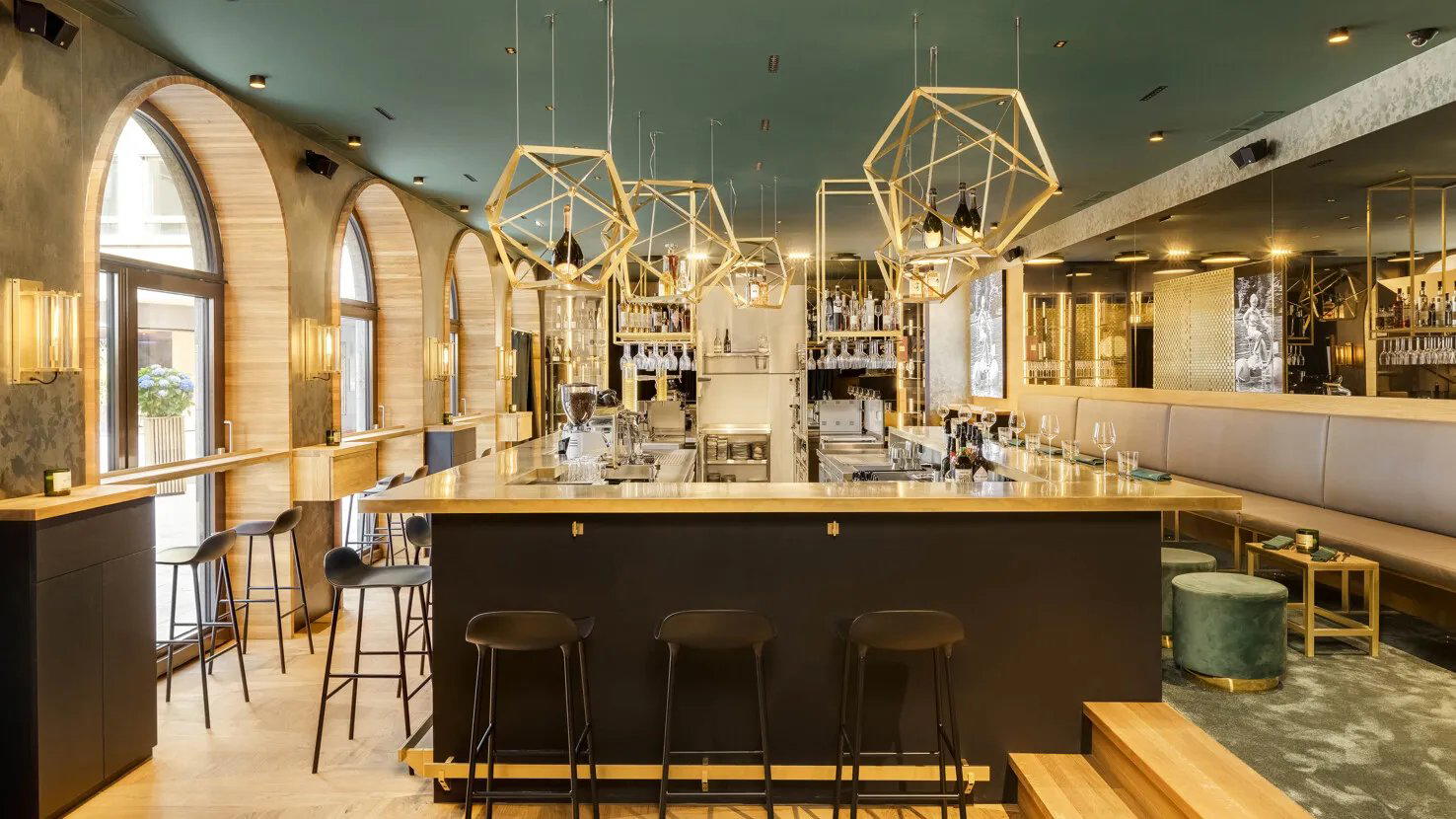
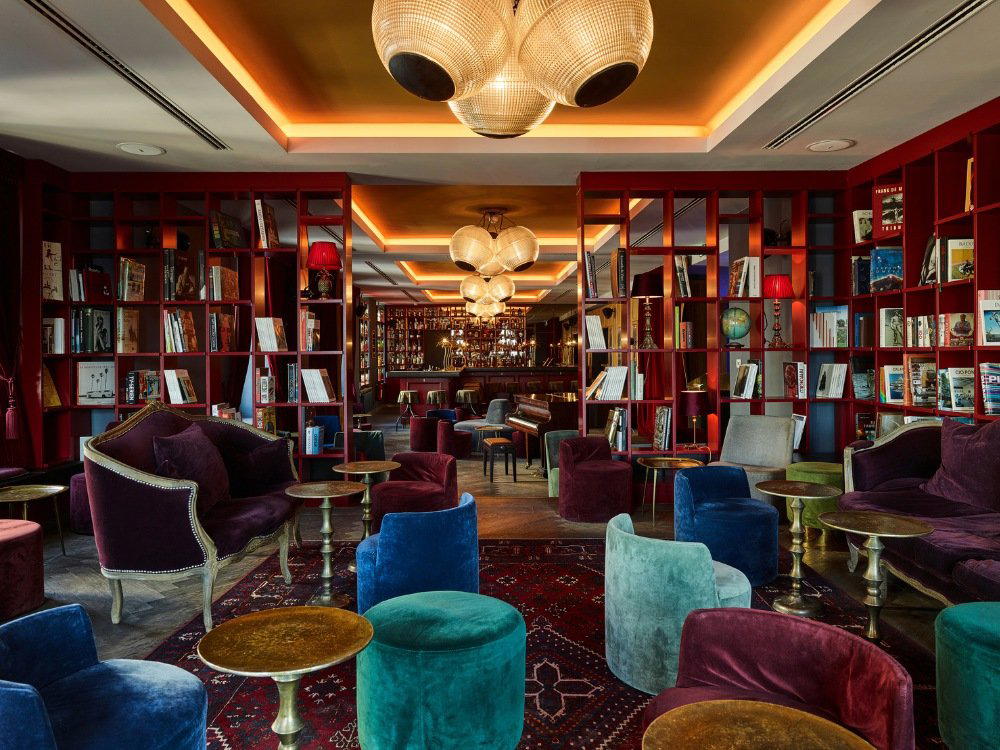
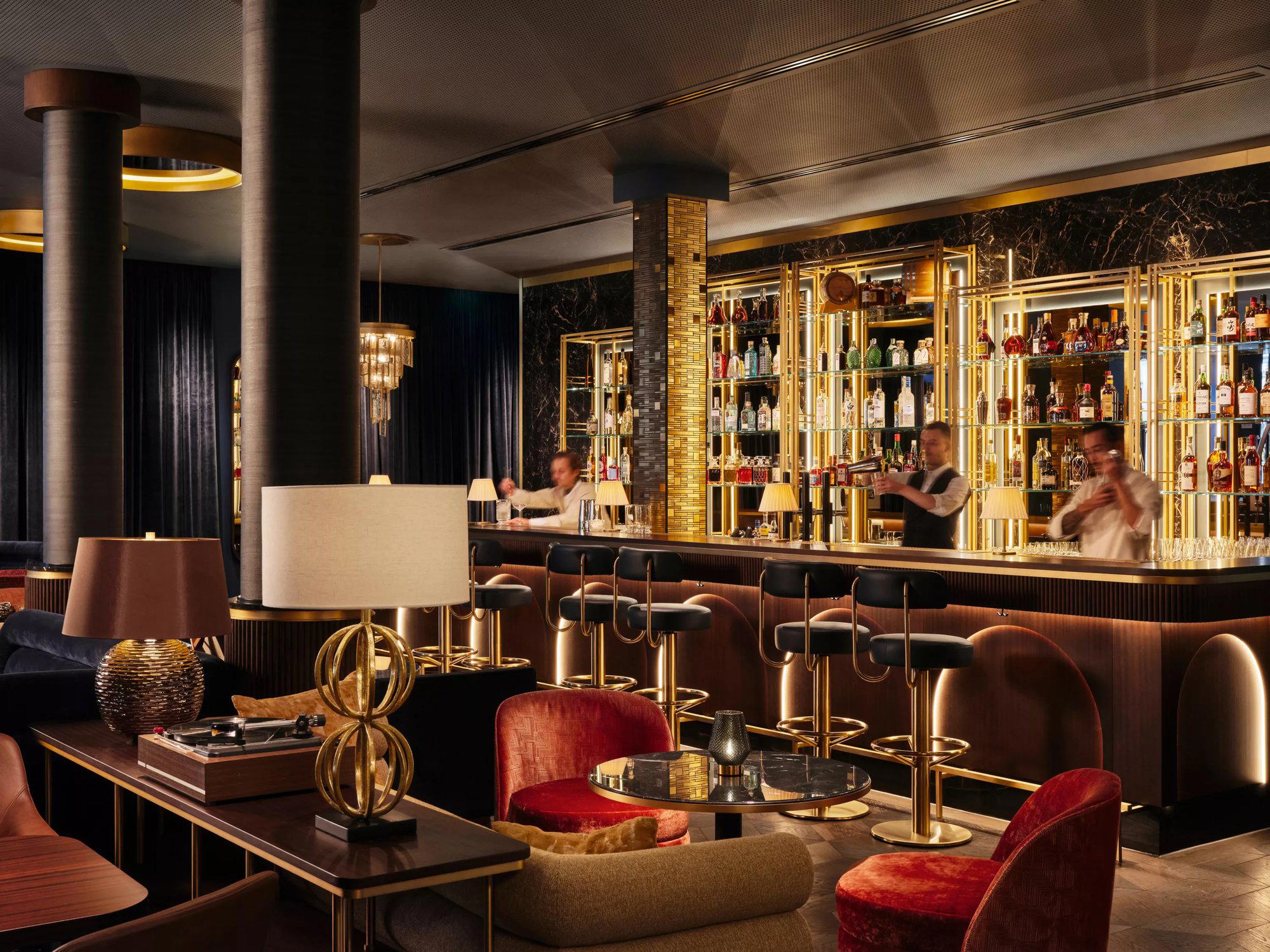
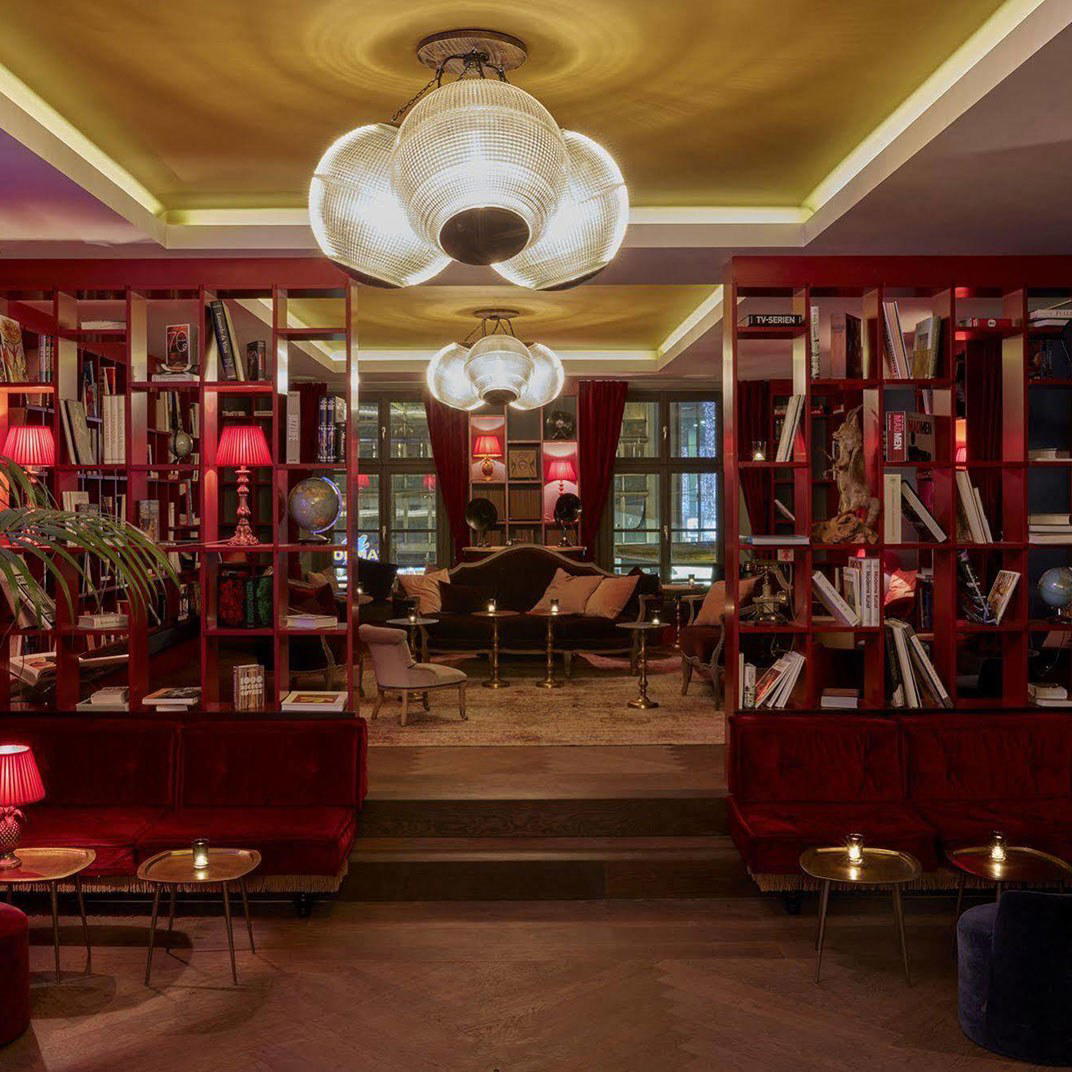
Elegantly but comfortably furnished with dimmed lighting in the evening, creating a cozy atmosphere; some reviews note TVs on walls.