Pardeller
Pardeller sits in Welschnofen, a Dolomite village in South Tyrol where alpine ingredient culture shapes how restaurants source and cook. The area's elevation and Germanic-Italian culinary crosscurrents define a distinct dining register, one that differs sharply from Italy's lowland fine-dining circuit. For context on the broader local scene, see our full Welschnofen restaurants guide.
Pearl is the En Primeur Club membership app — saves, bookings, and concierge access live there. Same editors, same standards.
- Address
- Via Roma, 18, 39056 Nova Levante BZ, Italy
- Phone
- +39471613144
- Website
- pardeller.com
- Directions
- Get directions
 Saves & bookings on Pearl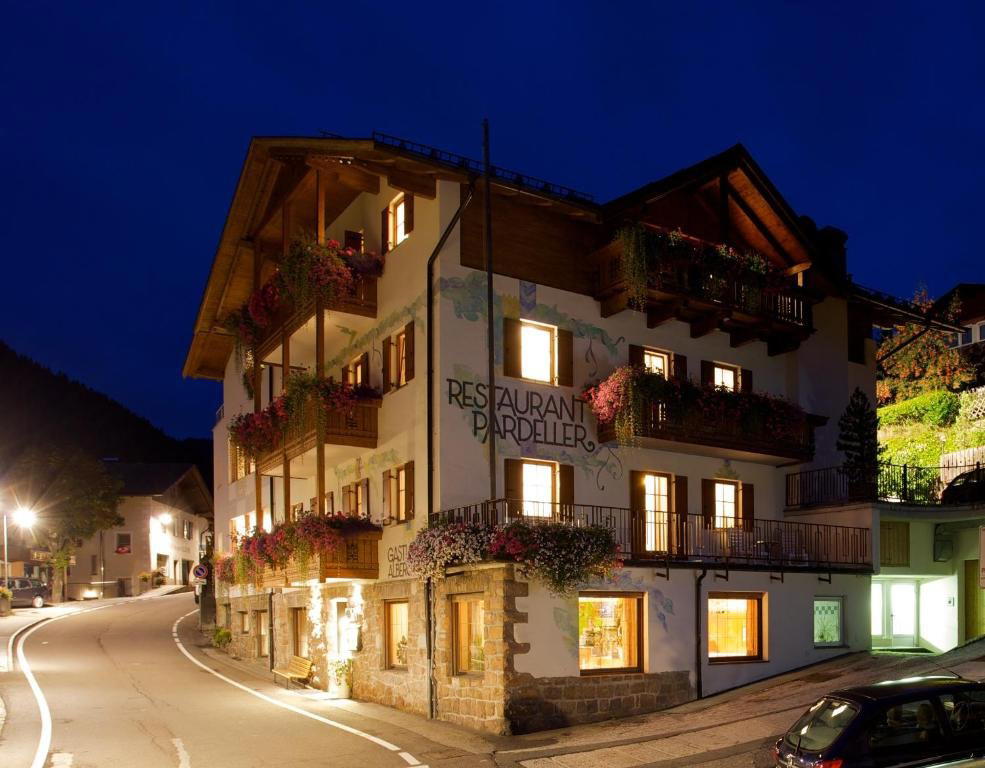
Where the Dolomites Shape the Plate
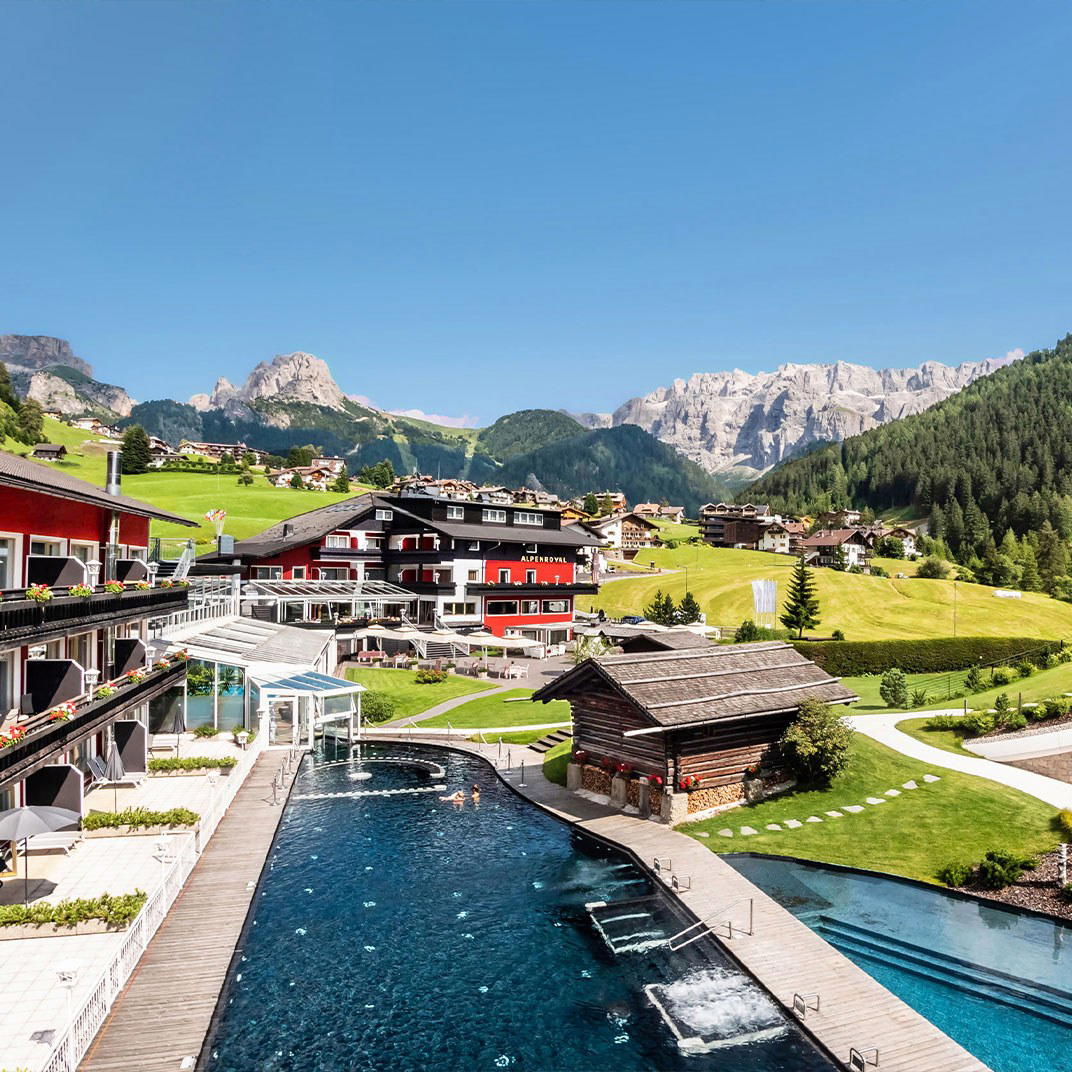
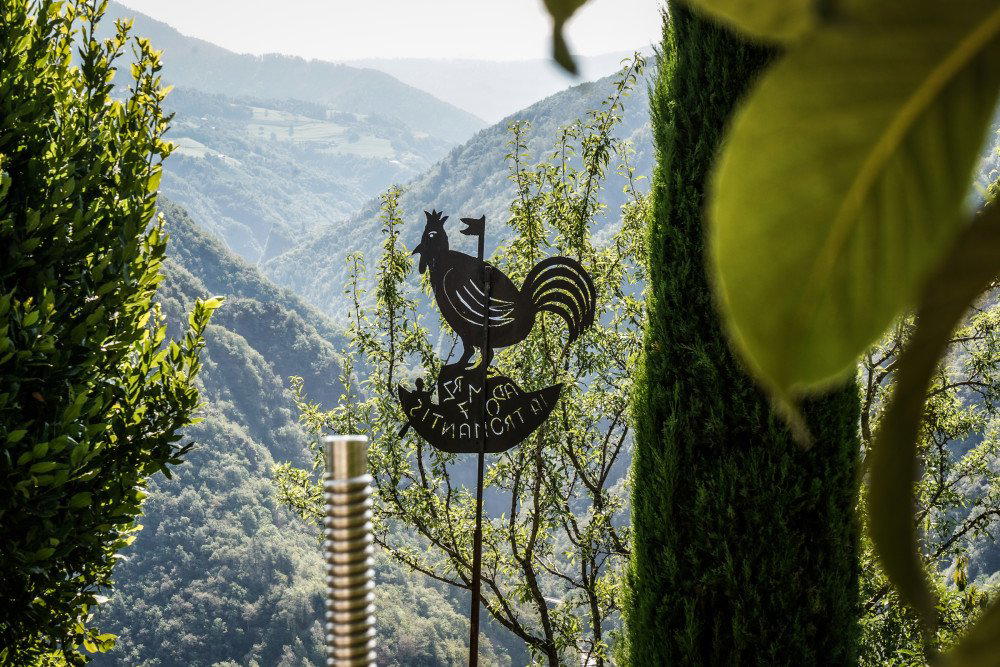
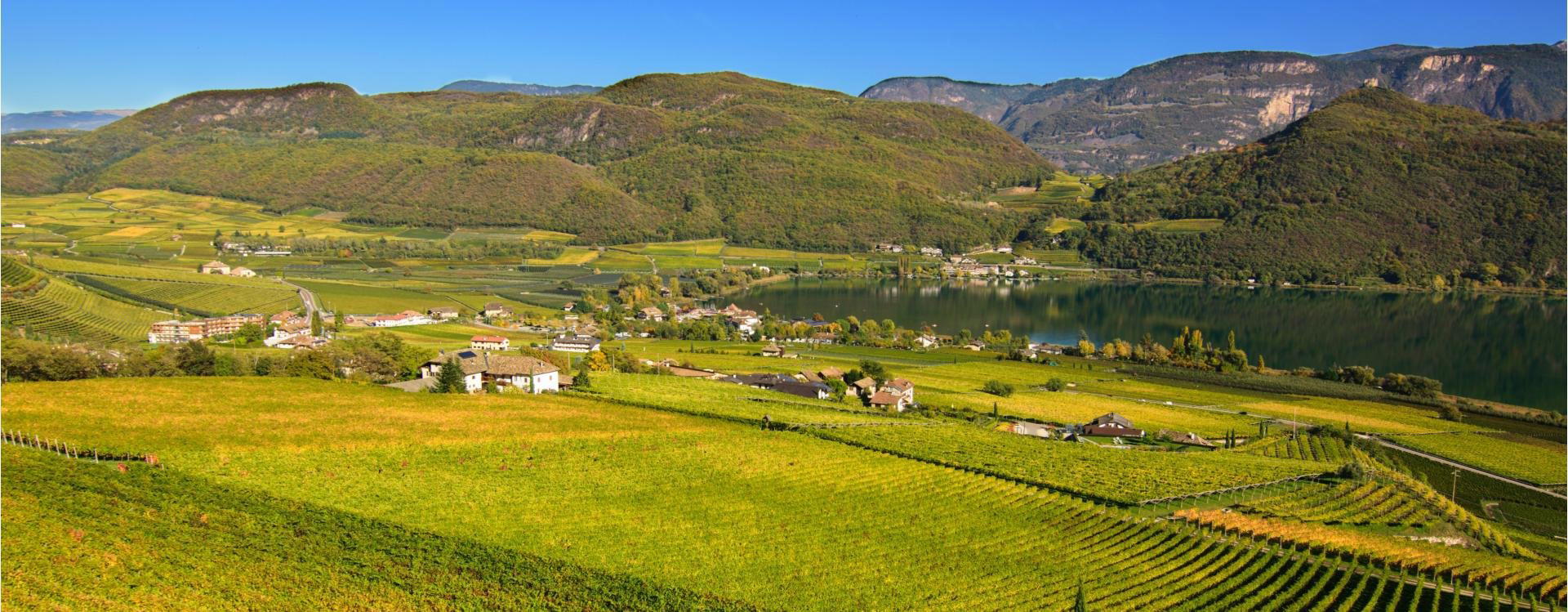
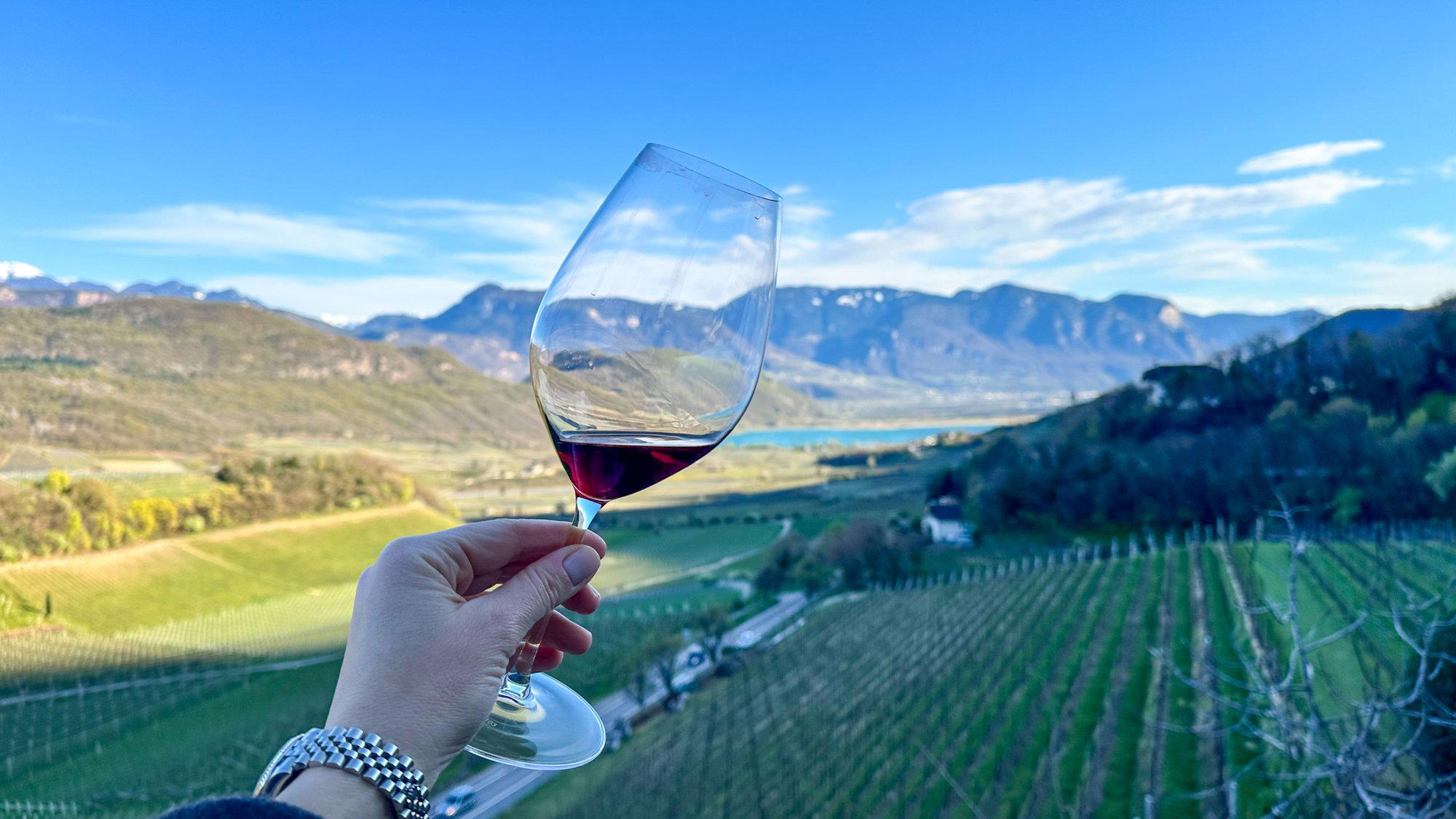
South Tyrol's dining character is inseparable from its geography. At elevations above 1,000 metres, the growing season compresses, ingredient availability narrows by design, and kitchens that take their sourcing seriously have to work within those constraints rather than around them. Welschnofen, known in German as Eggen, and set against the Rosengarten massif, sits inside that logic. The village is small, seasonal, and oriented around mountain tourism, which means the restaurants that persist here tend to do so because they serve the place, not the other way around.
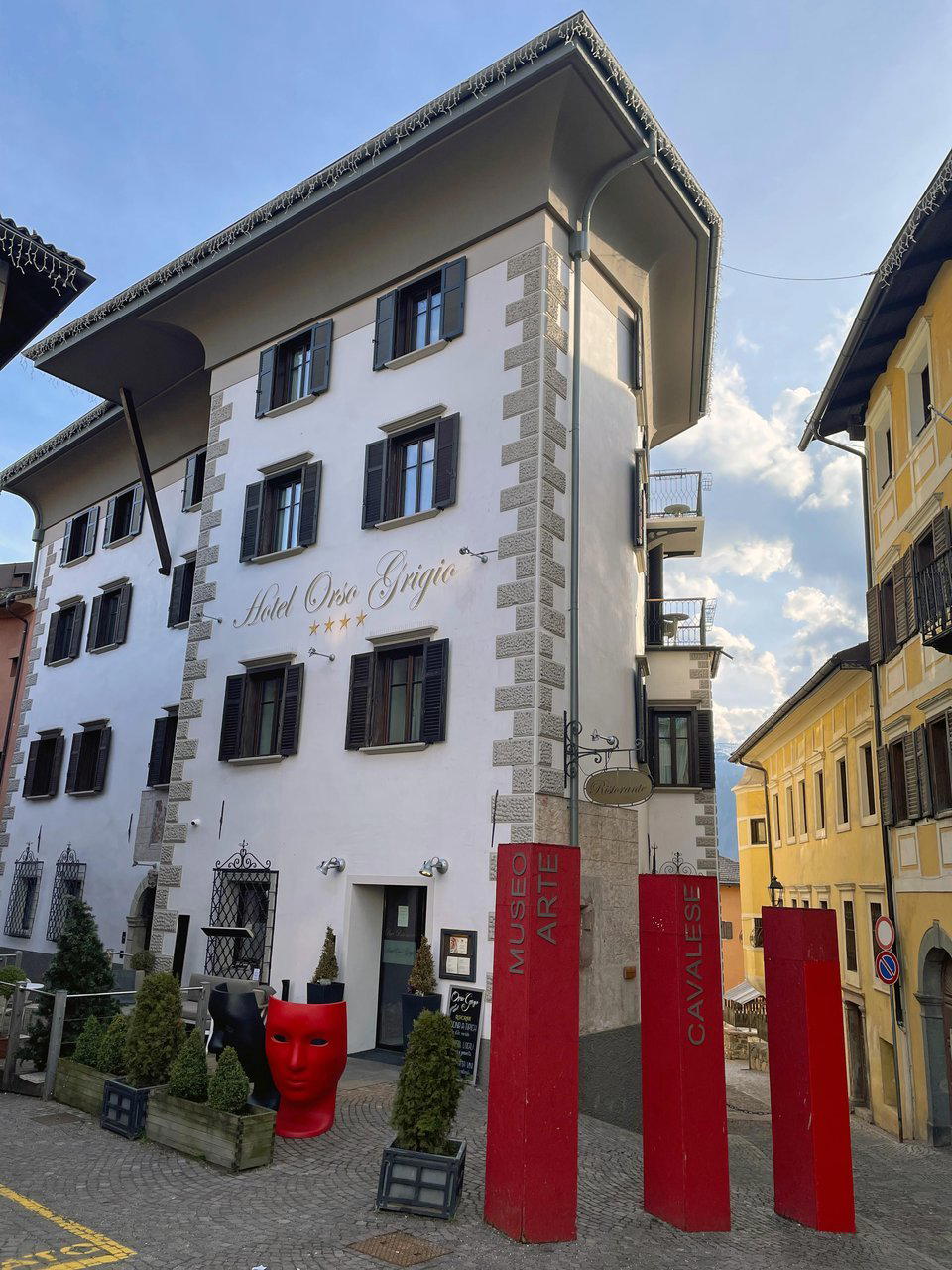
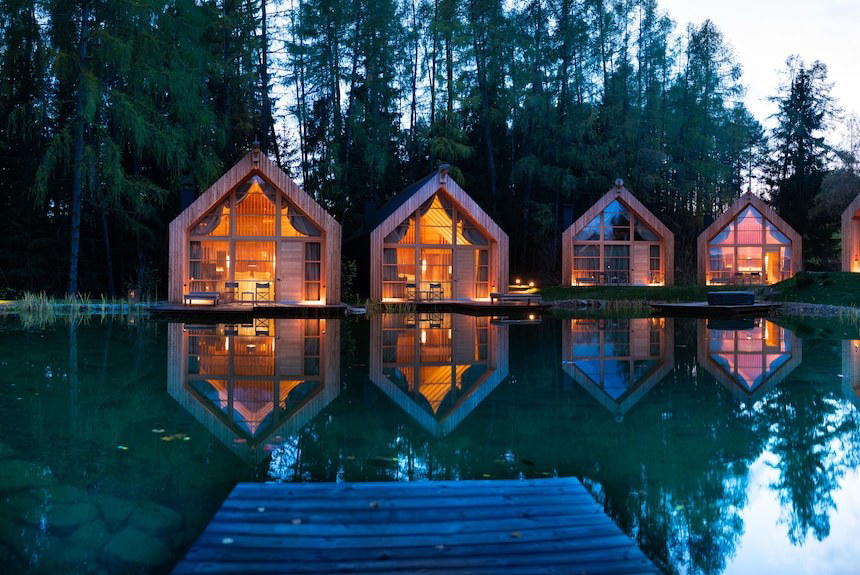
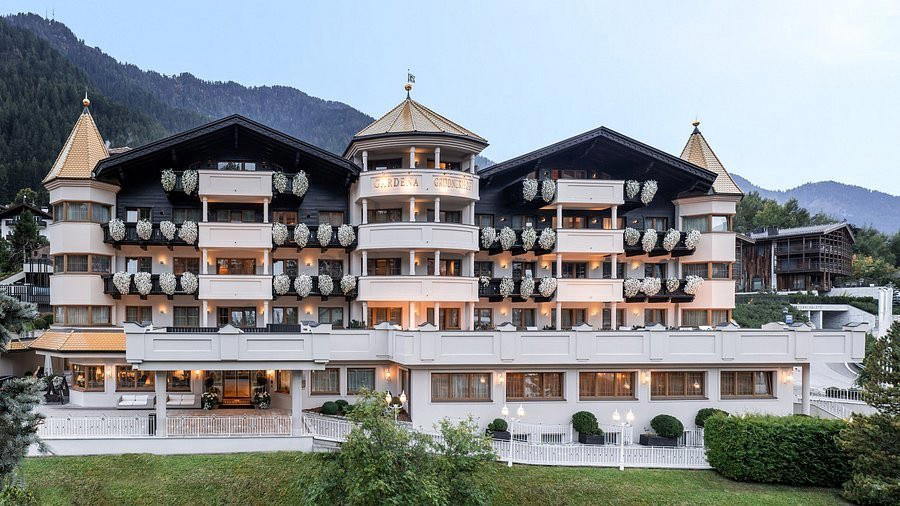
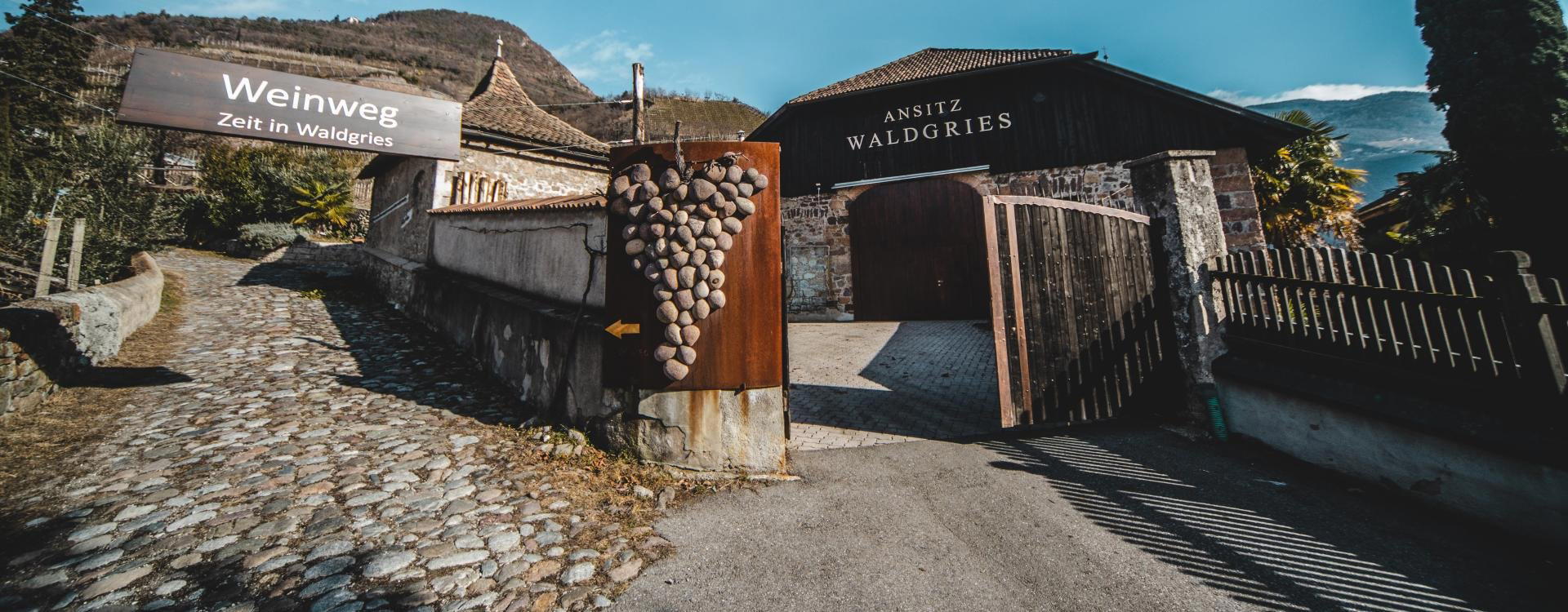
Pardeller is a restaurant serving Tyrolean and Italian cuisine at Via Roma 18 in Nova Levante, Italy. The setting is the kind of South Tyrolean streetscape where dark timber, low eaves, and stone underfoot cue the visitor before they've looked at a single menu. That physical grounding matters for understanding what this kind of restaurant is supposed to do: anchor a meal in a specific altitude and a specific season, with ingredients that carry the weight of both.
The South Tyrolean Sourcing Register
The broader argument for eating in South Tyrol, as opposed to, say, making a pilgrimage to Osteria Francescana in Modena or Enoteca Pinchiorri in Florence, rests on proximity to source. Alpine dairy, cured meats from small-scale producers, foraged herbs and mushrooms from the surrounding forests, and game from the surrounding mountains form the backbone of the region's culinary identity. These are not ingredients that travel well or improve with distance, which is precisely why eating them in the Dolomites carries a different weight than eating them anywhere else in Italy.
That sourcing logic reaches its most articulate expression at the summit of the South Tyrolean market. Atelier Moessmer Norbert Niederkofler in Brunico has built an international reputation on an explicit alpine-only sourcing framework, working exclusively with ingredients grown or raised within the mountain ecosystem. That level of programmatic rigour sits at the extreme end of the spectrum. Most South Tyrolean restaurants operate in a more pragmatic register: sourcing locally where the product quality justifies it, supplementing with Italian and Austrian staples where it doesn't, and letting the mountain pantry lead without fetishising it.
Welschnofen's dining scene occupies the middle of that range, grounded in place without being doctrinaire about it. For visitors arriving from Italy's celebrated lowland tables, the shift in culinary reference points is noticeable. The Germanic influence in South Tyrol pulls seasoning, fermentation traditions, and cured meat culture in directions that have little overlap with Emilia-Romagna or Campania. Restaurants like Dal Pescatore in Runate or Quattro Passi in Marina del Cantone operate in a completely different culinary grammar, coastal, lagoon-fed, Mediterranean in its foundations. South Tyrol reads as a different country, because in many historical and cultural respects it is.
Reading the Village Context
Welschnofen operates on a resort-village rhythm. High seasons, winter ski months and the summer hiking calendar, drive traffic, and restaurants calibrate accordingly. That seasonality is a feature rather than a flaw: it means kitchens are working with what is actually available at that moment in the alpine growing calendar rather than maintaining a year-round fixed menu regardless of what's in season. The discipline that imposes on a kitchen's sourcing decisions often produces more coherent cooking than a broader, always-available menu.
The village's position also places it within reach of the broader South Tyrolean wine region, which has carved out a serious reputation for Alto Adige whites, Pinot Grigio, Pinot Bianco, Gewürztraminer, and Kerner among them, that provide an obvious pairing framework for alpine food. The regional wine infrastructure gives even modest village restaurants access to a cellar culture that would be the envy of equivalent-sized communities elsewhere in Europe. For context on how mountain dining connects to wine culture at the higher end of the Italian spectrum, Piazza Duomo in Alba or Le Calandre in Rubano illustrate how Italian fine dining integrates regional viticulture at the summit of its range.
Positioning Within Italy's Broader Fine-Dining Map
Italy's highest-profile restaurant destinations, La Pergola in Rome, Enrico Bartolini in Milan, Villa Crespi in Orta San Giulio, Reale in Castel di Sangro, operate at a scale and visibility that Welschnofen's restaurants don't attempt to match. That's not a failure of ambition; it's a different set of priorities. The Dolomite village restaurant tradition is built on hospitality to a specific guest: someone who has come to ski or hike, who wants food that reflects the landscape they've been moving through, and who expects warmth over formality.
That guest profile distinguishes South Tyrolean mountain dining from, for example, the seafood-forward intensity of Uliassi in Senigallia or the technical precision of Casa Perbellini 12 Apostoli in Verona. It also differs from the international benchmark set by places like Le Bernardin in New York City or Atomix in New York City, where the competition and context are explicitly global. In Welschnofen, the competition is local and the context is alpine. That narrowing of scope is what gives mountain village dining its coherence.
Among the comparisons worth drawing closer to home, Da Vittorio in Brusaporto and Gambero Rosso in Marina di Gioiosa Ionica illustrate how Italian regional identity anchors serious cooking without requiring a metropolitan address. The same principle applies in South Tyrol, where the village format carries its own logic and its own integrity.
Planning a Visit
Welschnofen is accessible from Bolzano, roughly 25 kilometres to the northwest, making it a viable day trip or overnight from the regional capital. The village sits inside the Eggental valley, and road access is direct from the A22 Brenner motorway. Seasonal timing matters: the winter ski season and summer hiking months drive the highest footfall, and restaurants in the village tend to be fuller and more fully staffed during those windows. Shoulder-season visitors in late autumn or early spring may find reduced hours or temporary closures, a standard pattern for alpine resort destinations.
Comparison Snapshot
Comparable venues nearby, for context on price, style, and recognition.
| Venue | Cuisine | Price | Notes |
|---|---|---|---|
| PardellerThis venue — the venue you are viewing | Tyrolean and Italian | $$ | Not listed |
| Monzù Vladì | Creative Regional Italian | $$ | Trastevere |
| Bogen | Italian Bistro | $$ | Centre / Old Town |
| Lanzenschuster | South Tyrolean Alpine Cuisine | $$ | Jenesien |
| Planitzer | Traditional South Tyrolean Buschenschank | $$ | Gleno |
| Eishof | South Tyrolean Alpine | $$ | Pfossental |
Continue exploring
More in Welschnofen
Restaurants in Welschnofen
Browse all →
Bars in Welschnofen
Browse all →
Hotels in Welschnofen
Browse all →
At a Glance
- Cozy
- Rustic
- Classic
- Casual Hangout
- Family
- Hotel Restaurant
- Local Sourcing
- Mountain
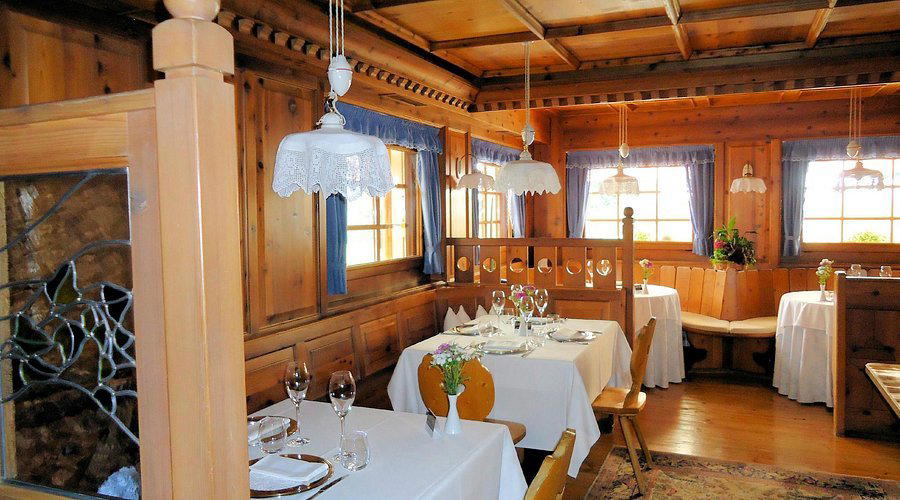
Cozy warmth with comfortable, traditional South Tyrolean decor and welcoming atmosphere.