
Located on a working farm in Austin, Quebec, Parcelles is chef-farmer Dominic Labelle's vegetable-forward farmhouse restaurant where most ingredients are grown on-site. The kitchen moves through braised veal short ribs, wood-oven charred cabbage, and choux pastry with caramelized parsnip before a short, all-natural wine list closes the evening. It is one of the more considered farm-to-table operations in the Eastern Townships.
Pearl is the En Primeur Club membership app — saves, bookings, and concierge access live there. Same editors, same standards.
- Address
- 21 Chem. Taylor, Austin, QC J0B 1B0, Canada
- Website
- parcellesaustin.com
 Saves & bookings on Pearl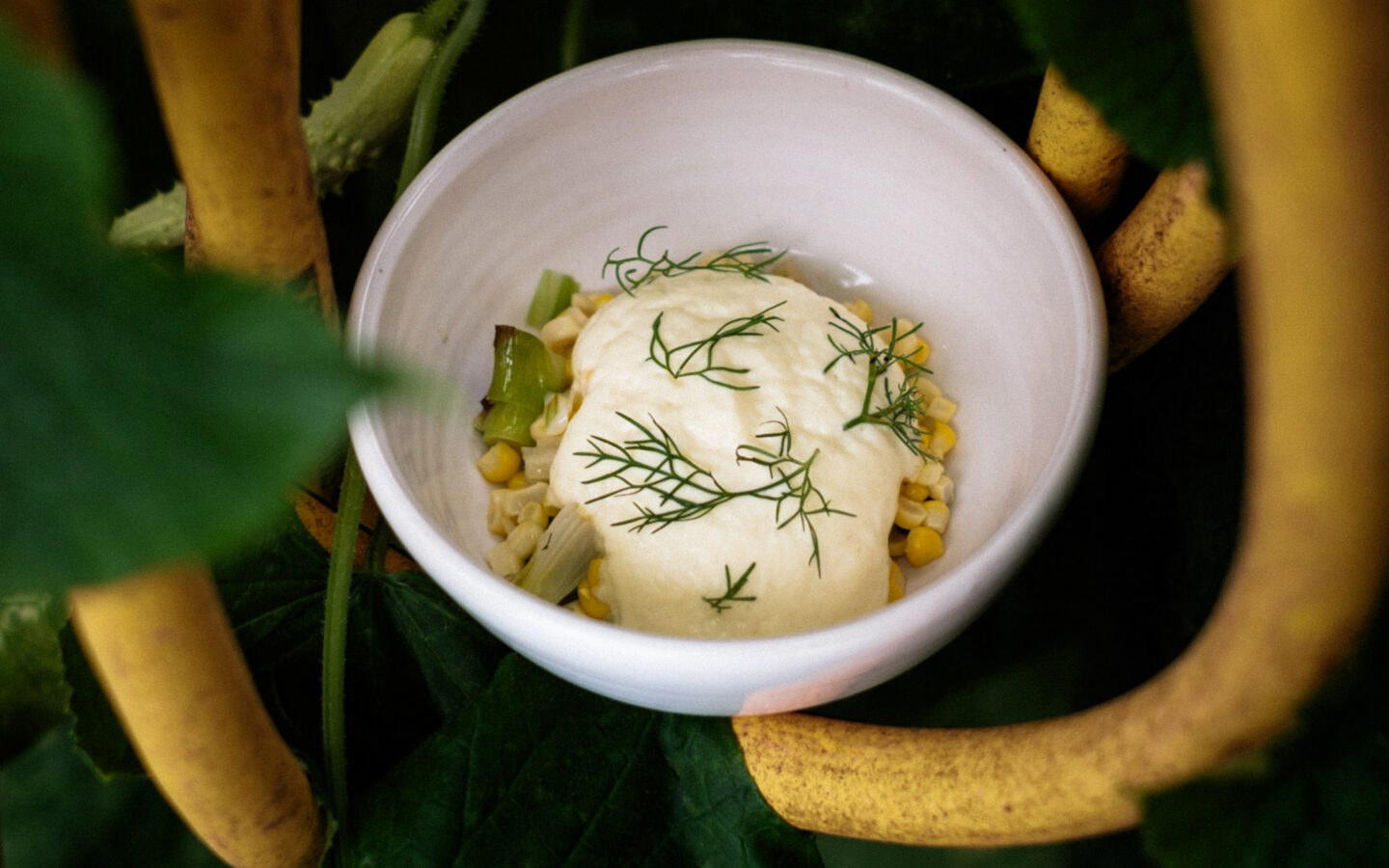
Where the Farm Sets the Sequence
Austin, Quebec is home to Parcelles, a contemporary Canadian farm-to-table restaurant with a $100-per-person price tier. The Eastern Townships countryside along Chemin Taylor is the kind of agricultural stretch where the land around a restaurant is not scenery but supply chain. At Parcelles, that relationship is literal: chef and farmer Dominic Labelle grows the majority of his ingredients on the property, and the meal you eat moves in direct sequence from what the farm is producing at that moment.
Farm-forward dining has become common enough as a category that the phrase has lost some precision. The version practised at small-scale, owner-operated properties like Parcelles sits in a different tier from the urban restaurants that source from named farms a few hours away. Here, the distance between soil and plate collapses almost entirely. What grows on-site shapes the arc of the meal, and that constraint tends to produce cooking with a specific kind of internal coherence: each course relates to the next not because a chef designed a progression on paper, but because the season's harvest has its own logic.
The Progression at the Table
The menu at Parcelles reads like a document of a particular moment in the Quebec growing calendar. Braised veal short ribs arrive with wood-oven-charred cabbage, aged beef fat, and pickled elderberries, a combination that moves between deep savory weight, char, and the brightness of preserved fruit. That kind of precision with fermented and pickled elements is characteristic of kitchens that have to preserve summer and autumn harvests for use across seasons, and it shows in the layering of the dish.
The dessert course extends the same logic into sweet territory without softening the kitchen's approach. Choux pastry with sweet woodruff, chocolate ganache, and caramelized parsnip crème anglaise uses a root vegetable most kitchens would reserve for savory work. The parsnip's earthy sweetness, when caramelized and pulled into a crème anglaise base, creates a register that reads as dessert without reaching for the obvious. Sweet woodruff, an herb with a faint vanilla and hay character, pulls the dish further from convention. The overall arc of the meal, from fermented brightness through slow-braised weight to herb-inflected sweetness, is the kind of tasting sequence that develops when a chef's palette is constrained to what is available rather than what is purchasable.
Proteins arrive from local artisan producers where the farm does not raise them itself. The kitchen is not ideologically rigid on the point of exclusivity; what matters is the quality of provenance and the fit within the broader register of the menu.
The Wine List as Extension of the Kitchen's Argument
The wine program at Parcelles is short, all-natural, and sourced predominantly from Quebec producers. This is a deliberate restriction that mirrors the kitchen's sourcing philosophy rather than a concession to limited options. Quebec's natural wine scene, centred on producers working in the Eastern Townships and along the St. Lawrence corridor, has developed enough critical mass that a short, coherent list drawn from it carries real editorial weight.
Short natural wine lists work well when they are curated tightly around a specific argument rather than assembled for range. At this scale and format, that means each bottle should echo the fermentation character, the agricultural directness, and the restraint that define the food. The list at Parcelles appears to operate on that principle. Pairing a braised short rib with pickled elderberries against an orange wine or a lightly macerated red from a nearby producer is the kind of intuitive match that becomes possible when both list and menu are built from the same regional vocabulary.
For context on where Parcelles sits within Quebec's broader fine dining conversation, properties like Tanière³ in Québec City and Narval in Rimouski represent the more urban, tasting-menu end of the province's ambitious cooking. Parcelles operates in a quieter register: farmhouse in format, casual in atmosphere, but rigorous in sourcing discipline.
Where Parcelles Sits in the Broader Category
Across Canada, the most considered farm-to-table operations tend to cluster outside of major cities, where land costs allow chefs to operate both kitchen and farm without splitting the enterprise across geography. The Pine in Creemore, Ontario, works in an adjacent format, where a small-town address and direct agricultural connections define the cooking's character. AnnaLena in Vancouver and Alo in Toronto represent the urban, fine-dining tier of Canadian cooking, where the ambition is expressed through technique and service formality. Jérôme Ferrer's Europea in Montreal sits in that same urban register. Parcelles belongs to a smaller, more specific category: destination farmhouse restaurants where the journey, the setting, and the constraint of place are part of the dining proposition.
A New York comparison runs through properties like Le Bernardin and Atomix, where technical ambition and urban density define the frame. The Eastern Townships version of that ambition operates through a completely different logic: less technique-forward in presentation, more committed to the raw constraints of land and season.
Within Austin, Texas, a different Austin entirely, but one worth noting given Parcelles' listing context, the contemporary fine dining conversation runs through vegetable-forward kitchens like Barley Swine and live-fire-focused restaurants like Hestia. The precision-sourcing ethos at Parcelles in Quebec shares DNA with that broader North American shift toward ingredient-led cooking, even as the format and geography differ entirely. Elsewhere in the Austin, Texas dining scene, Craft Omakase represents the tasting-counter model, while InterStellar BBQ and la Barbecue anchor the city's celebrated smoke tradition.
Know Before You Go
- Address: 21 Chemin Taylor, Austin, QC J0B 1B0, Canada
- Format: Casual farmhouse restaurant with a vegetable-forward, farm-sourced menu
- Wine: Short list, all-natural, predominantly Quebec producers
- Sourcing: Majority of ingredients grown on-site; artisanal local producers supply proteins
- Booking: Reservations are essential.
- Getting there: Austin, Quebec is in the Eastern Townships, approximately 90 minutes from Montreal; a car is required
Same-City Peers
Comparable venues nearby, for context on price, style, and recognition.
| Venue | Cuisine | Price | Notes |
|---|---|---|---|
| ParcellesThis venue — the venue you are viewing | Contemporary Canadian Farm-to-Table | $$$$ | |
| Aperí at Paggi House | Wine bar & charcuterie | $$$ | Austin |
| Bistro Le Tap Room | Traditional Québec Bistro | $$$ | North Hatley |
| Le Tap Room - Manoir Hovey | Rustic Quebecois Bistro | $$$$ | North Hatley |
| Bivouac | Modern Quebecois Bistro | $$$ | Quartier des Spectacles |
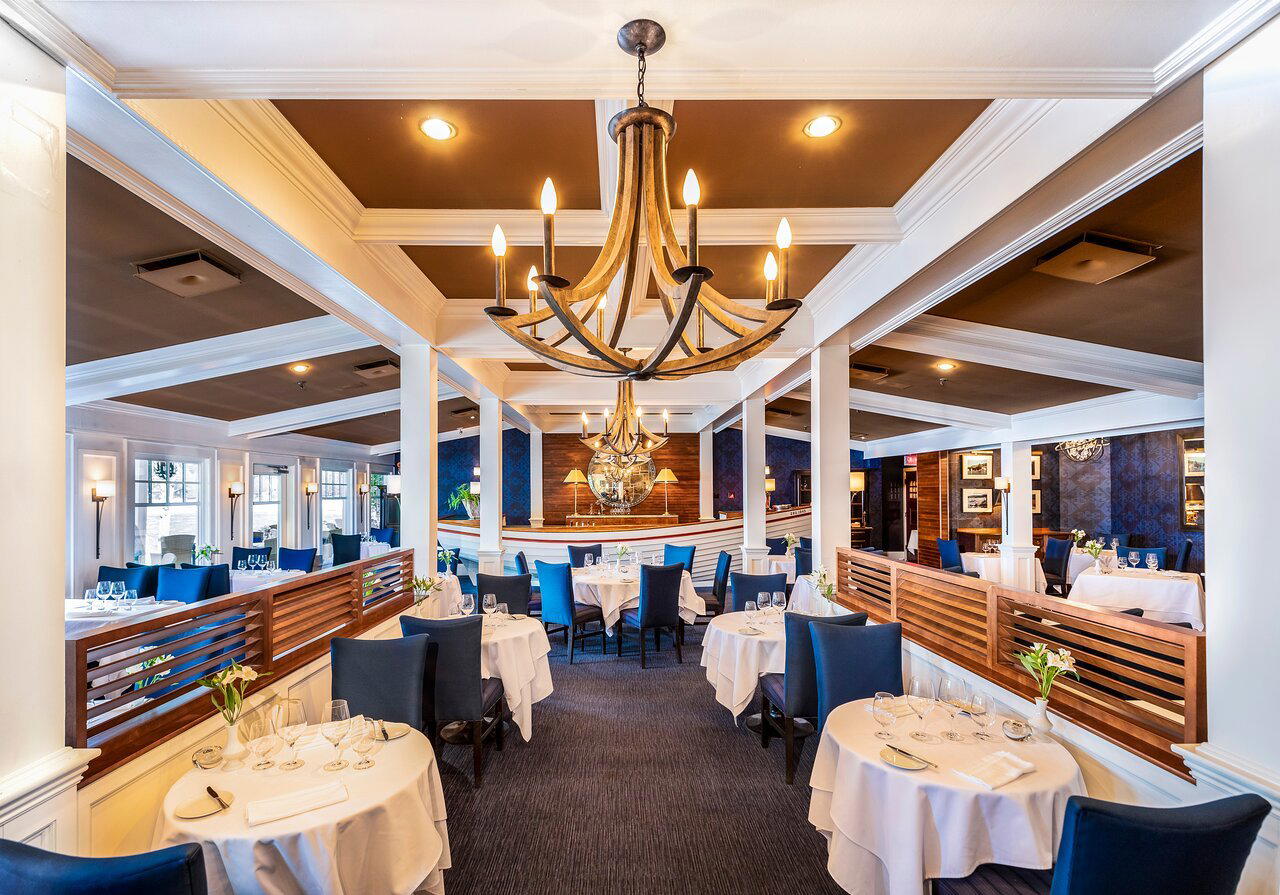
| Café Holt | Contemporary Canadian Brasserie | $$$ | Golden Square Mile |
Continue exploring
More in Austin
Restaurants in Austin
Browse all →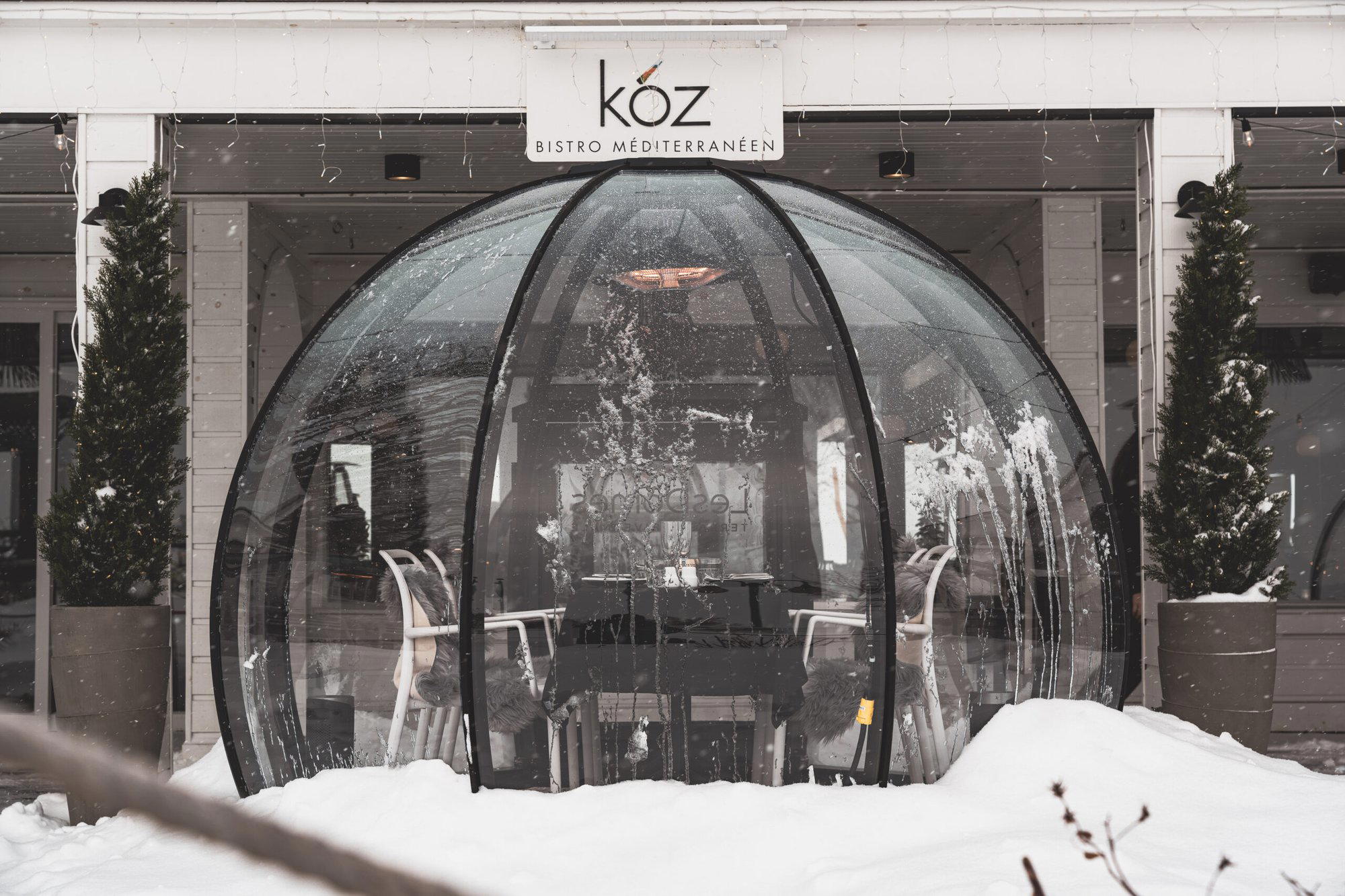
At a Glance
- Rustic
- Cozy
- Intimate
- Scenic
- Special Occasion
- Garden
- Natural Wine
- Farm To Table
- Local Sourcing
- Garden
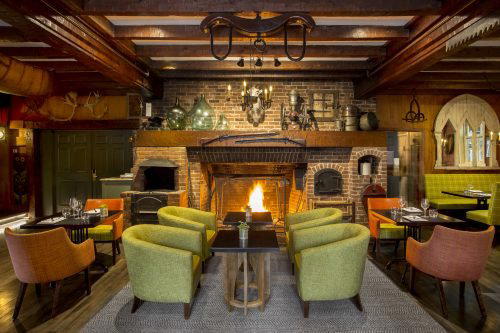
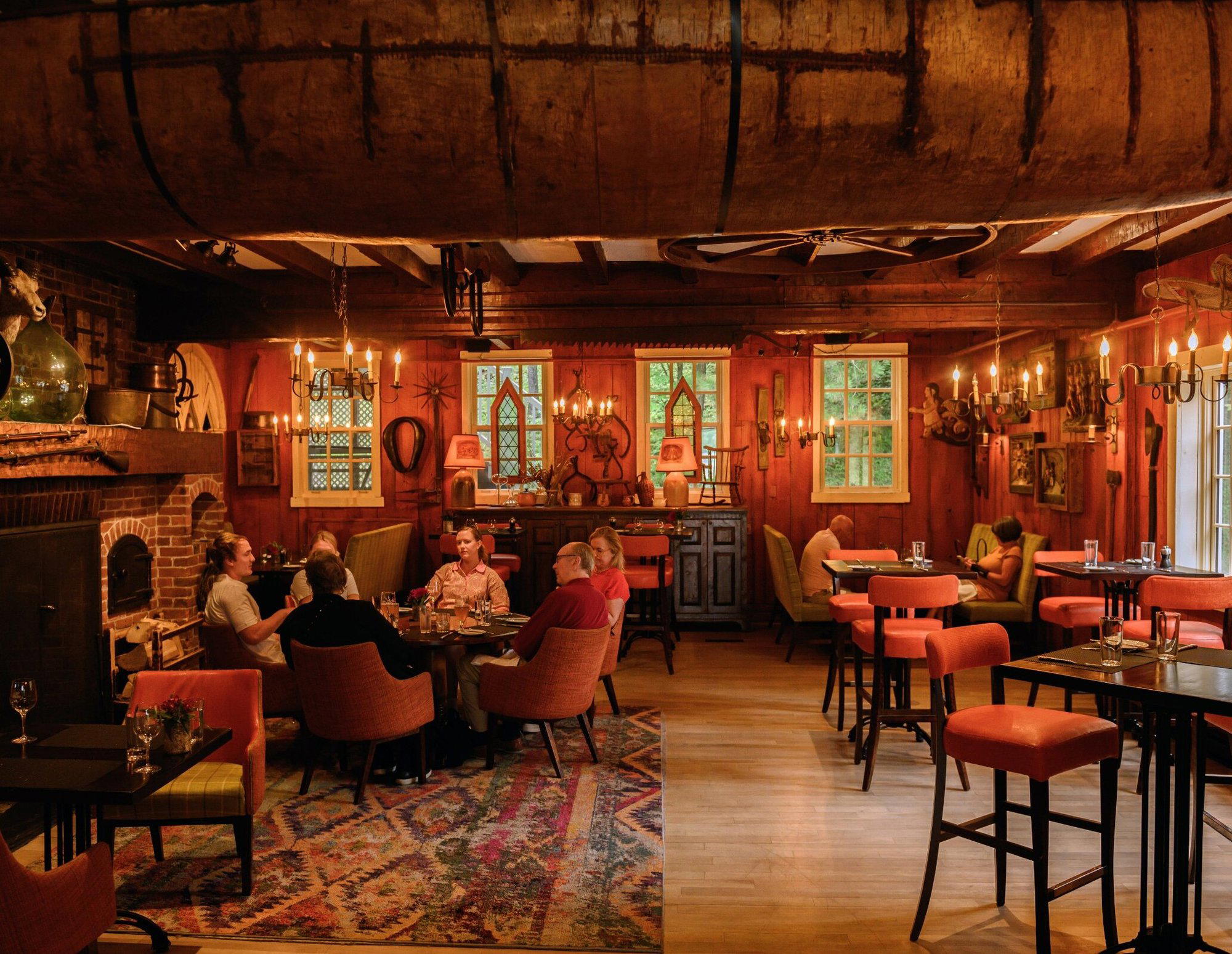
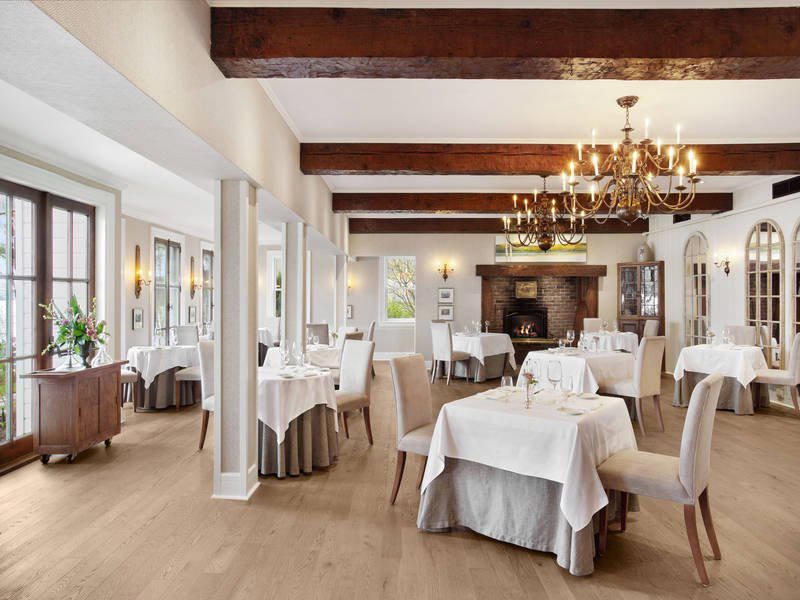
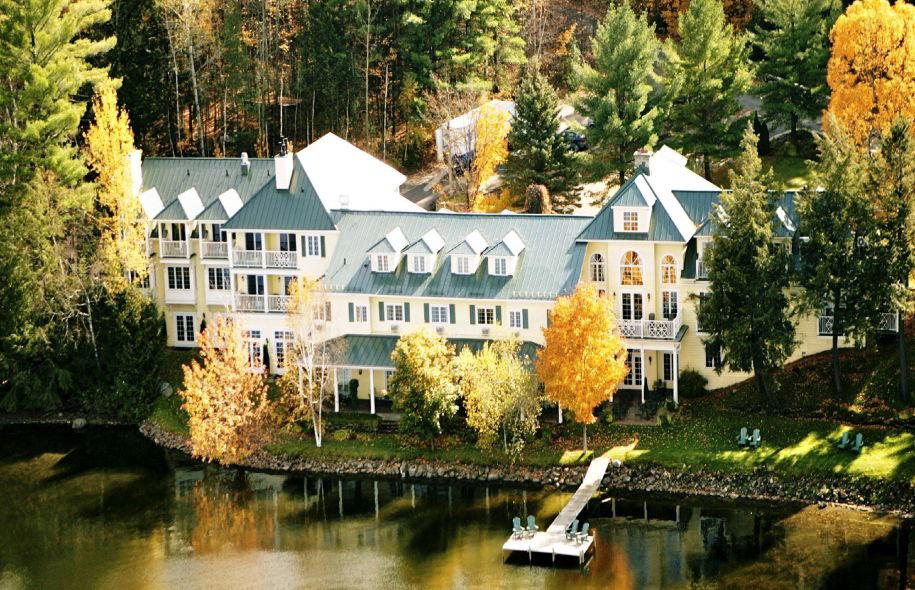
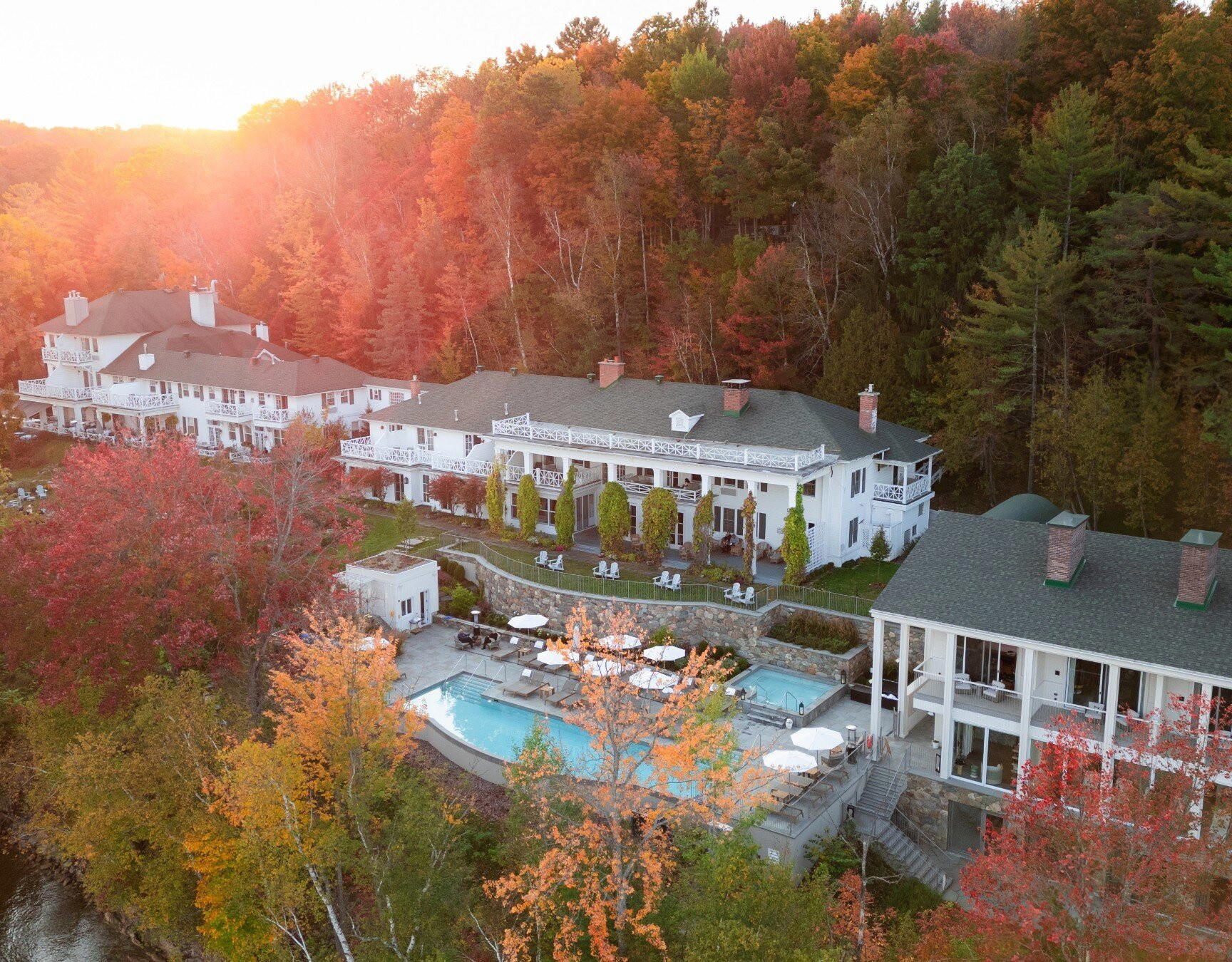
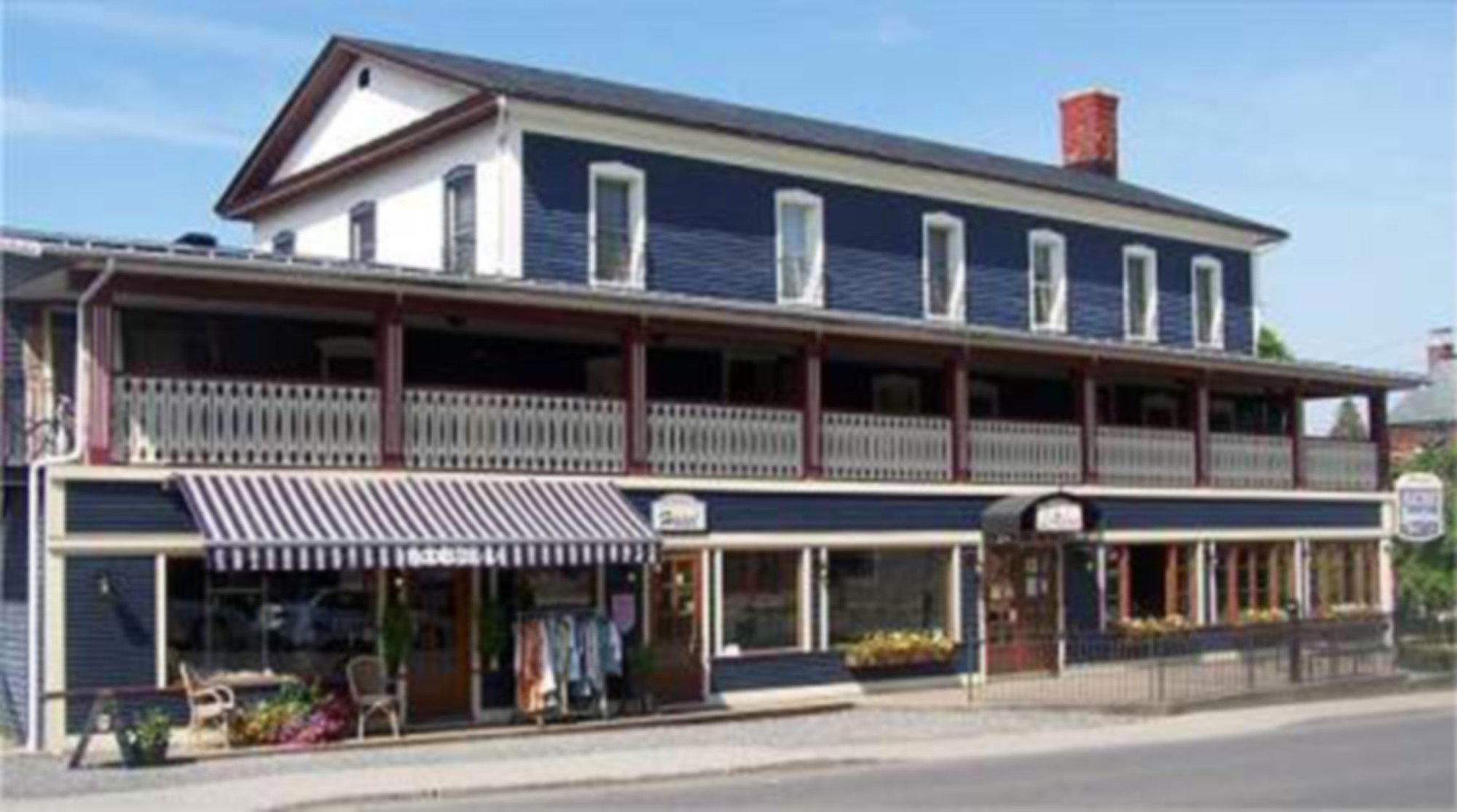
Intimate dining room in a cozy farmhouse heated by a wood fireplace, or al fresco in scenic gardens during summer.