

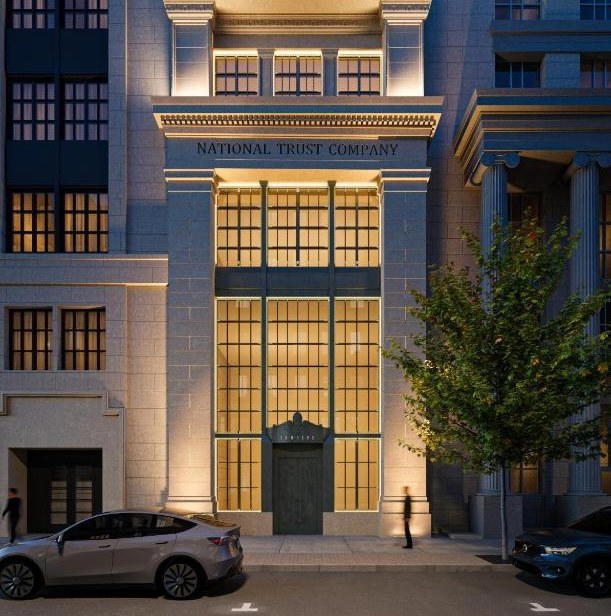
A Beaux-Arts building on the edge of Vieux-Montréal, Hotel St. Paul trades the district's heritage theatrics for something cooler and more restrained. The conversion keeps the bones of the original architecture while running a deliberately low-key contemporary interior program. For travellers who want Old Montreal's location without its more decorative hotel options, it occupies a distinct position in the neighbourhood's accommodation set.
Pearl is the En Primeur Club membership app — saves, bookings, and concierge access live there. Same editors, same standards.
- Address
- McGill, 355, Montreal H2Y 2E8, Canada
- Phone
- +15143802222
- Website
- marriott.com
- Directions
- Get directions
 Saves & bookings on Pearl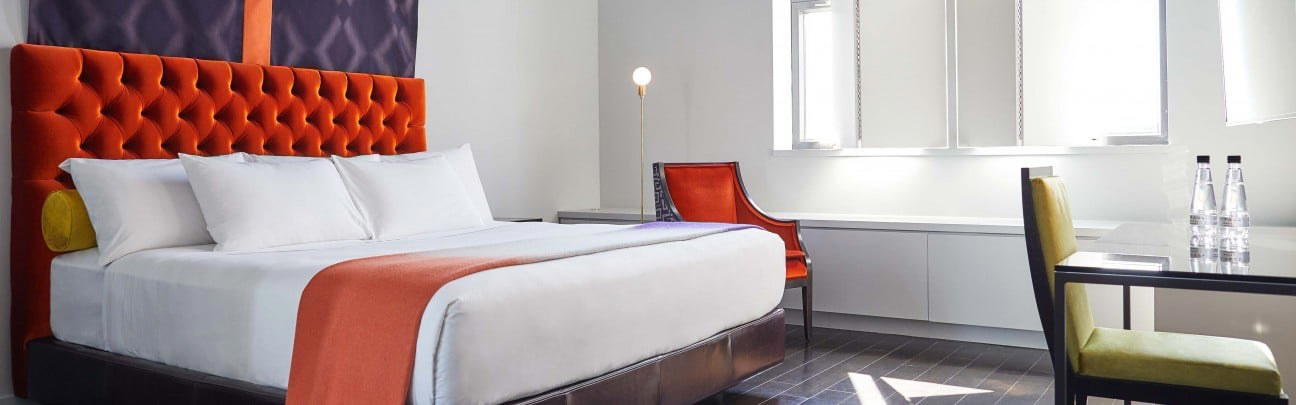
Where Old Montreal's Stone Fabric Meets Deliberate Restraint
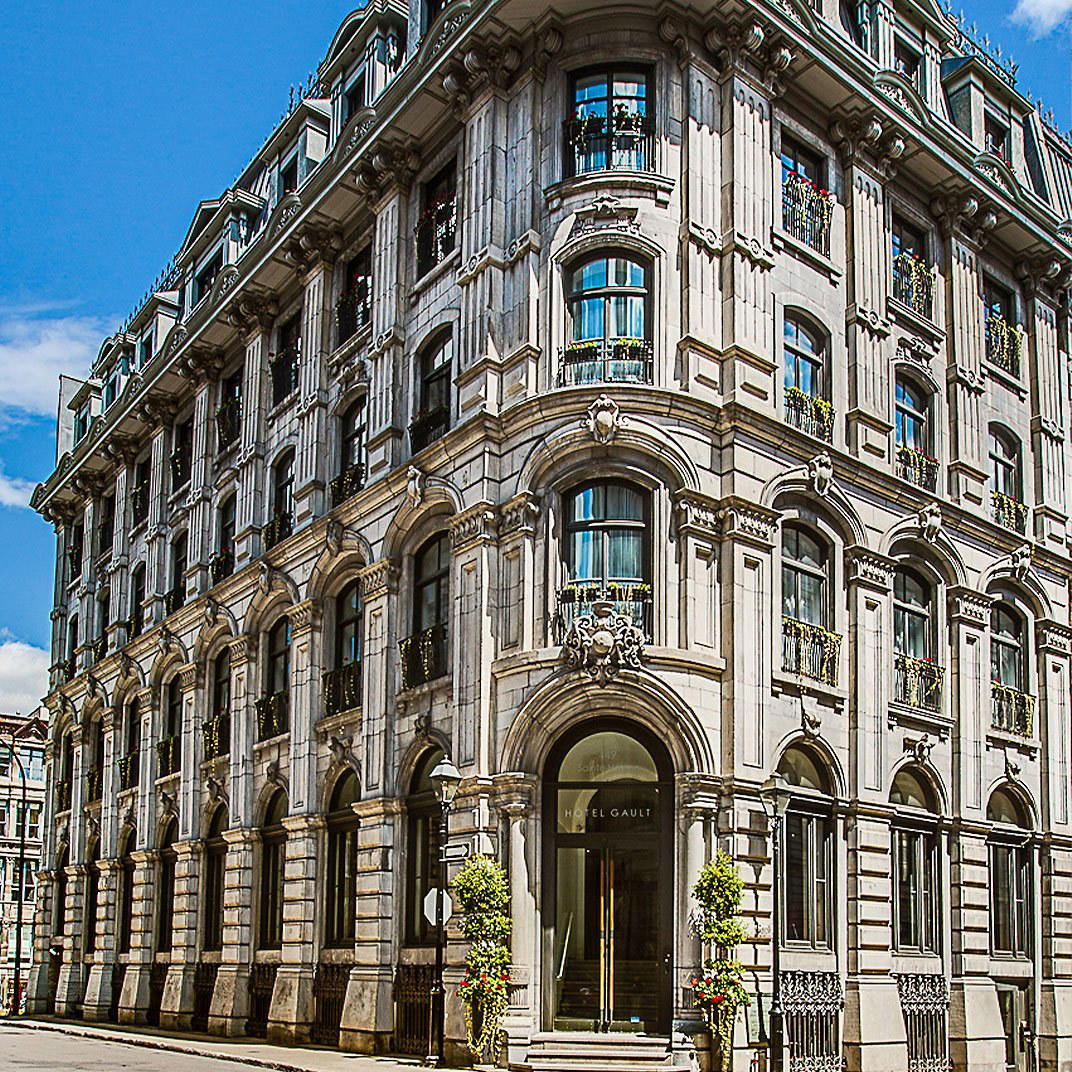
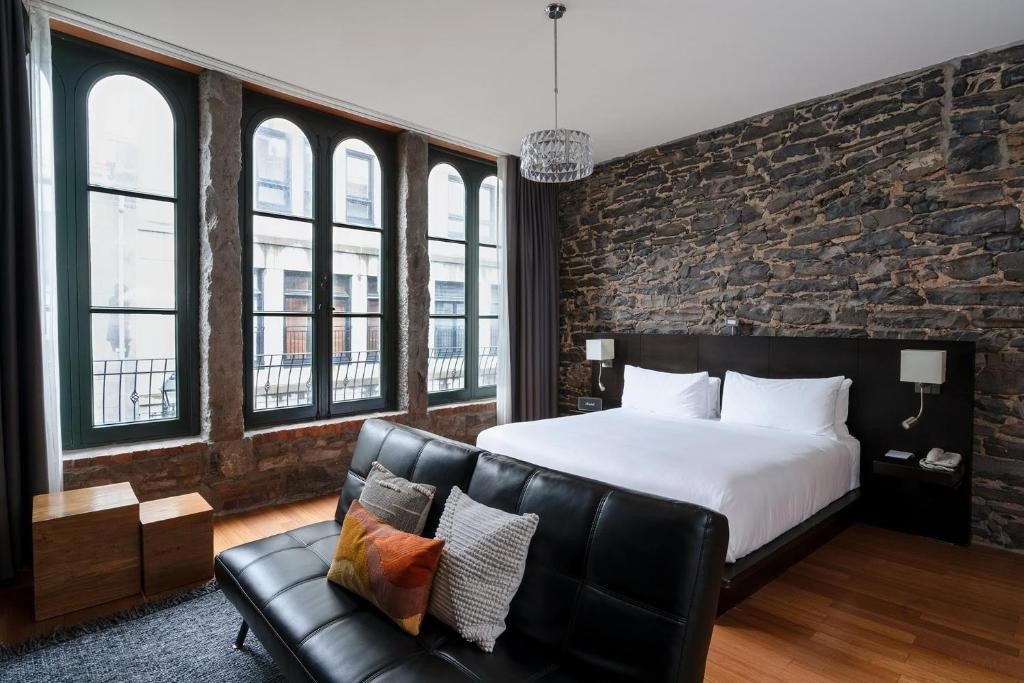
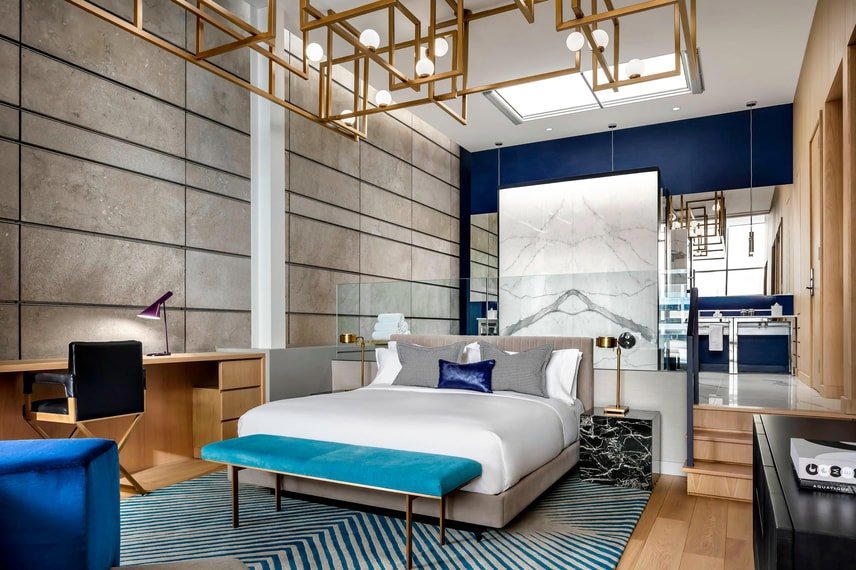
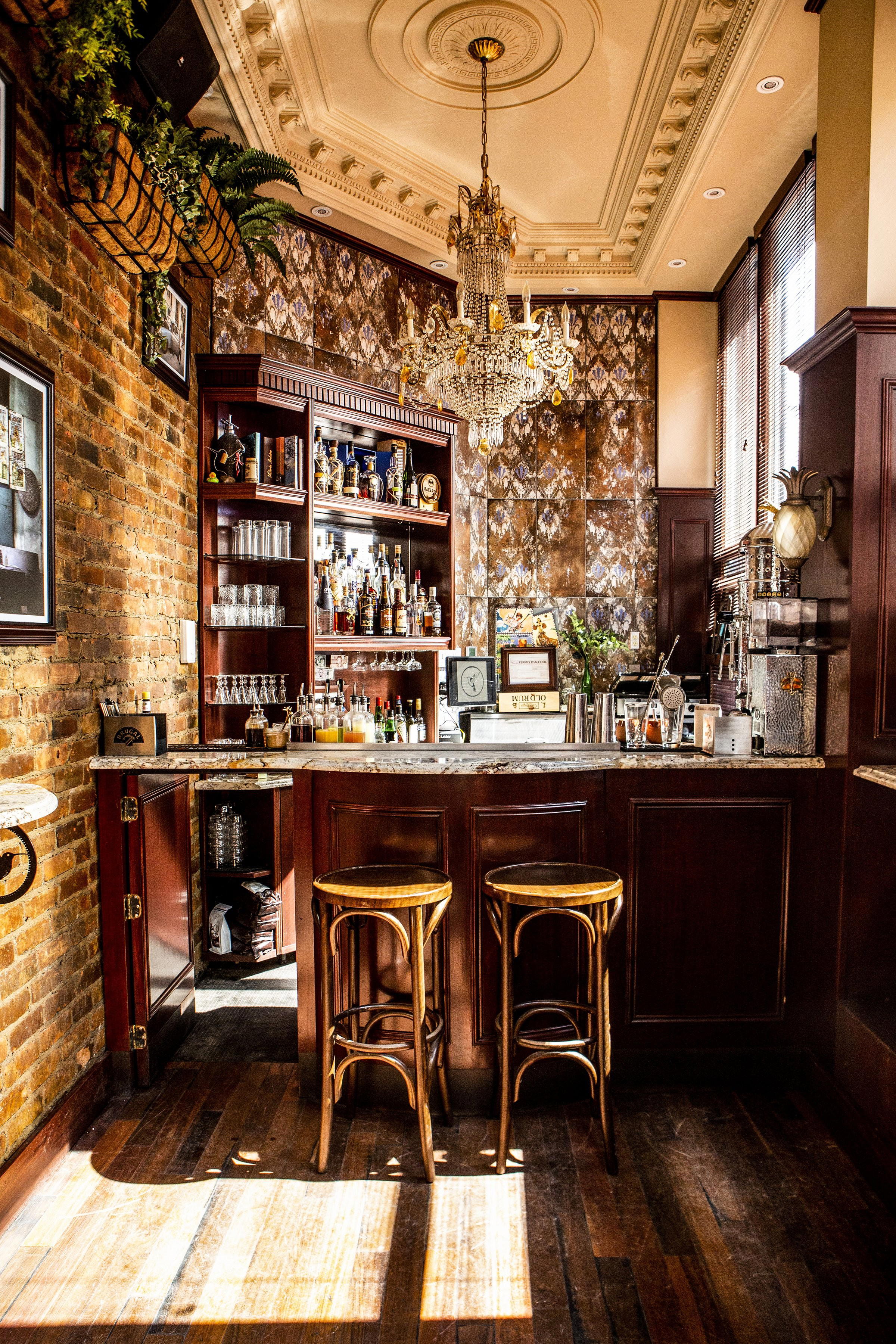
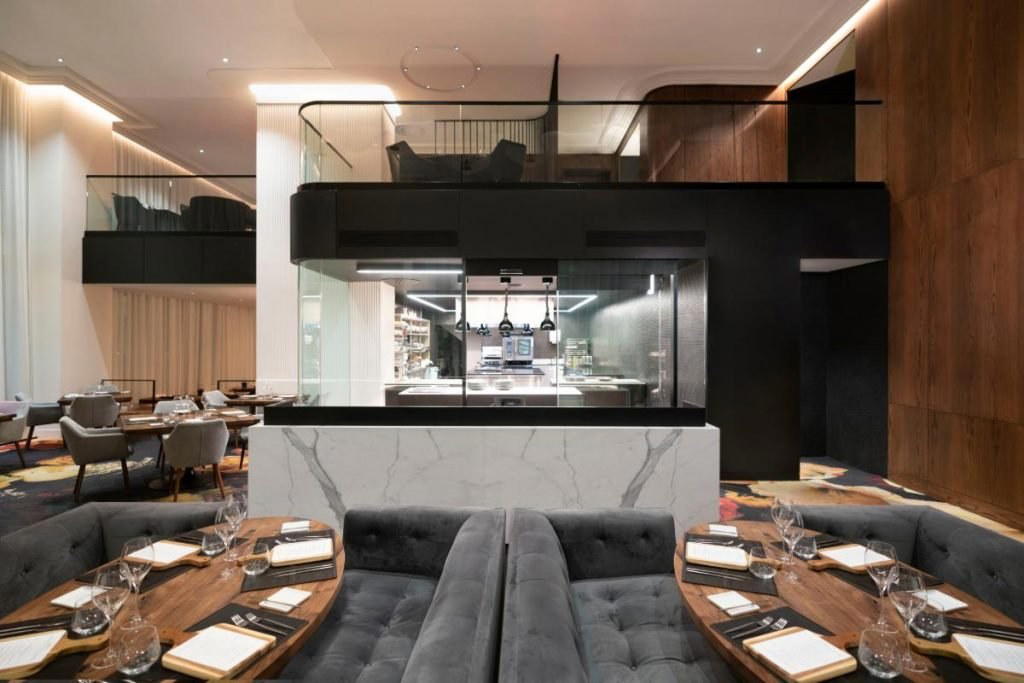
Vieux-Montréal works on a particular kind of architectural logic. The neighbourhood's cobblestone grid, its 19th-century commercial blocks, and the limestone grain of buildings along McGill Street create a heritage density that most hotels in the area lean into hard. The dominant conversion strategy here has been to double down on period detail: exposed brick, ornate lobbies restored to their original register, interiors that position guests inside a specific historical moment. Hotel St. Paul takes a more restrained approach. The Beaux-Arts shell at 355 McGill remains structurally intact, but the interior has been stripped back to something closer to a design-led contemporary property than a heritage showcase. That contrast, between a landmark exterior and a deliberately quiet interior language, is what places it in a distinct niche within the neighbourhood's hotel offer.
Hotel St. Paul positions itself in the quieter, lower-key tier of that set, offering contemporary design without the programmatic intensity of some of its neighbours.
The Building and Its Location
The Beaux-Arts building that houses Hotel St. Paul sits at 355 McGill in Montreal's Old Montreal district. Beaux-Arts construction in Montreal carries a specific civic weight: these buildings were erected at a moment when the city was positioning itself as a continental commercial capital, and they were designed to project permanence and authority. The McGill Street address sits at the western edge of Vieux-Montréal, which gives the hotel a slightly different urban character than properties further into the historic core. The Place d'Armes metro station is within walking distance, and the financial district is a few blocks away.
This pocket of the city has become a mature boutique hotel market, shaped by the reuse of 19th-century commercial stock. Old Montreal accelerated that shift earlier than most comparable districts in Canadian cities, and the neighbourhood now functions as a reasonably mature boutique hotel market. Within that market, properties compete on location specificity, interior execution, and how clearly they articulate a guest identity. The hotel's contemporary, low-key interior signals clearly: this is for travellers who prefer the neighbourhood's location and architecture to register quietly, rather than as the dominant sensory experience of their stay.
How It Sits in Montreal's Broader Hotel Set
Montreal's premium hotel accommodation divides across a few clear tiers. The large international brands operate from the downtown core: Four Seasons Hotel Montreal on Rue de la Montagne offers a full luxury amenity stack and positions against the city's gallery and shopping district; Fairmont The Queen Elizabeth anchors the central business district. Both operate at a different scale and service register than the boutique properties of Vieux-Montréal.
Within the design-led independent bracket, Hotel Le Germain Montreal and Le Mount Stephen represent the higher end of local independent positioning, with significant F&B programs and a more formally articulated luxury offer. Le Petit Hotel occupies the smaller, more intimate end of the Old Montreal boutique spectrum. The hotel sits between those poles: more restrained than the full-service independents, more architectural in its identity than the budget-adjacent options.
For travellers building a Canadian itinerary that extends beyond Montreal, the design-led approach taken by the hotel finds loose equivalents in properties like The Dorian, Autograph Collection in Calgary or Rosewood Hotel Georgia in Vancouver, both of which operate on a similar historic-building-plus-contemporary-interior logic. At the further end of the Canadian luxury spectrum, properties like Fogo Island Inn in Joe Batt's Arm or Clayoquot Wilderness Lodge in Tofino represent a completely different experiential category, worth considering if a Montreal stay is part of a broader Canadian journey.
When to Go and What to Expect
Old Montreal's character shifts meaningfully across the year. Summer brings the highest foot traffic to the neighbourhood, when the terraces around Place Jacques-Cartier fill out and the Vieux-Port waterfront becomes the city's primary outdoor social space. Staying in the district during peak summer means proximity to that energy, which is either the point or a reason to look elsewhere, depending on what kind of trip you're building. Late September and October represent a middle ground: the tourist volume drops, the light changes in a way that does particular things to limestone facades, and the neighbourhood settles into a more inhabitable rhythm. Winter in Vieux-Montréal is quieter still, with the cold pushing most activity indoors, but the architectural case for the neighbourhood doesn't diminish seasonally, and rates across the district's boutique stock tend to soften considerably from November onward.
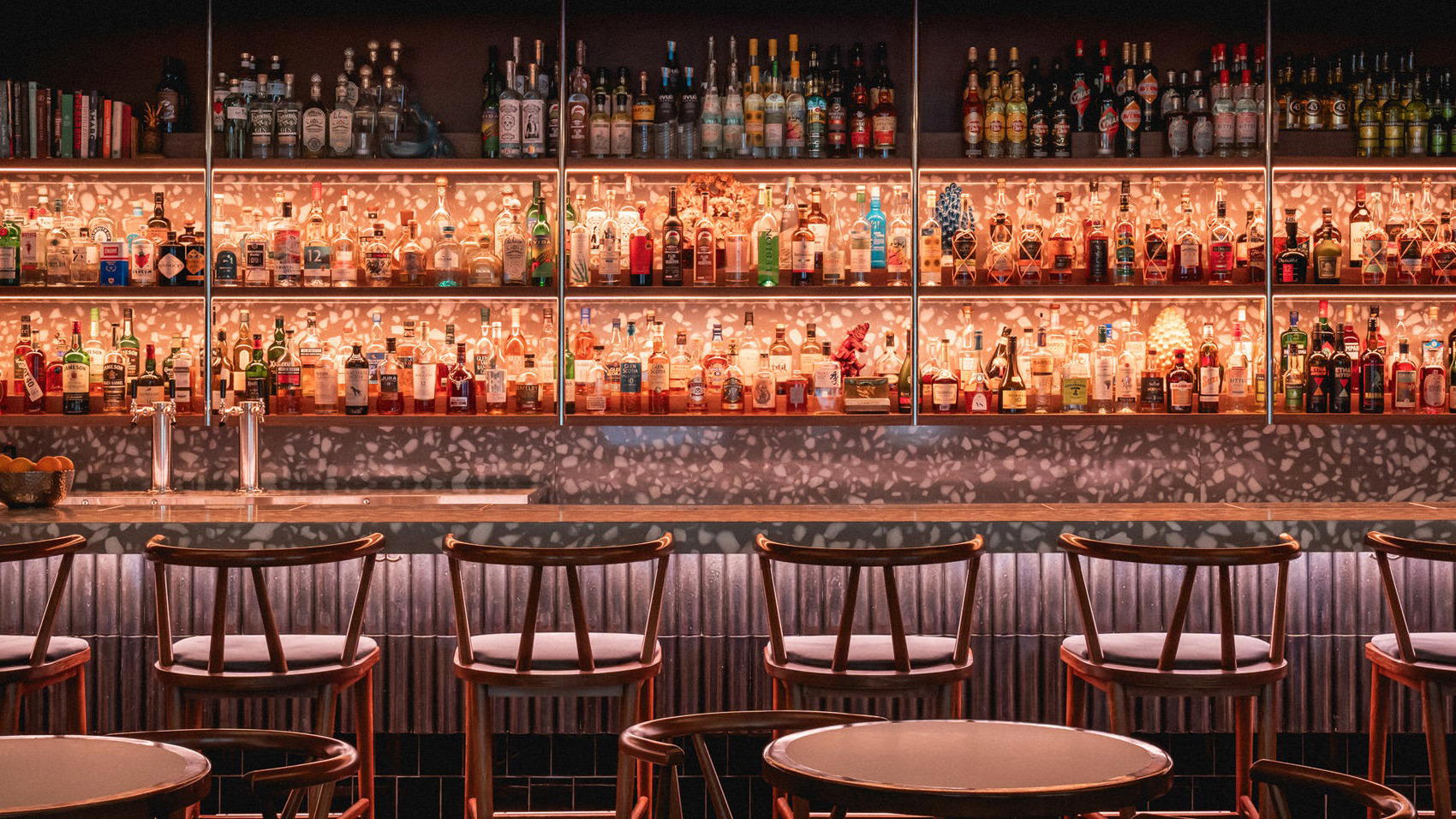
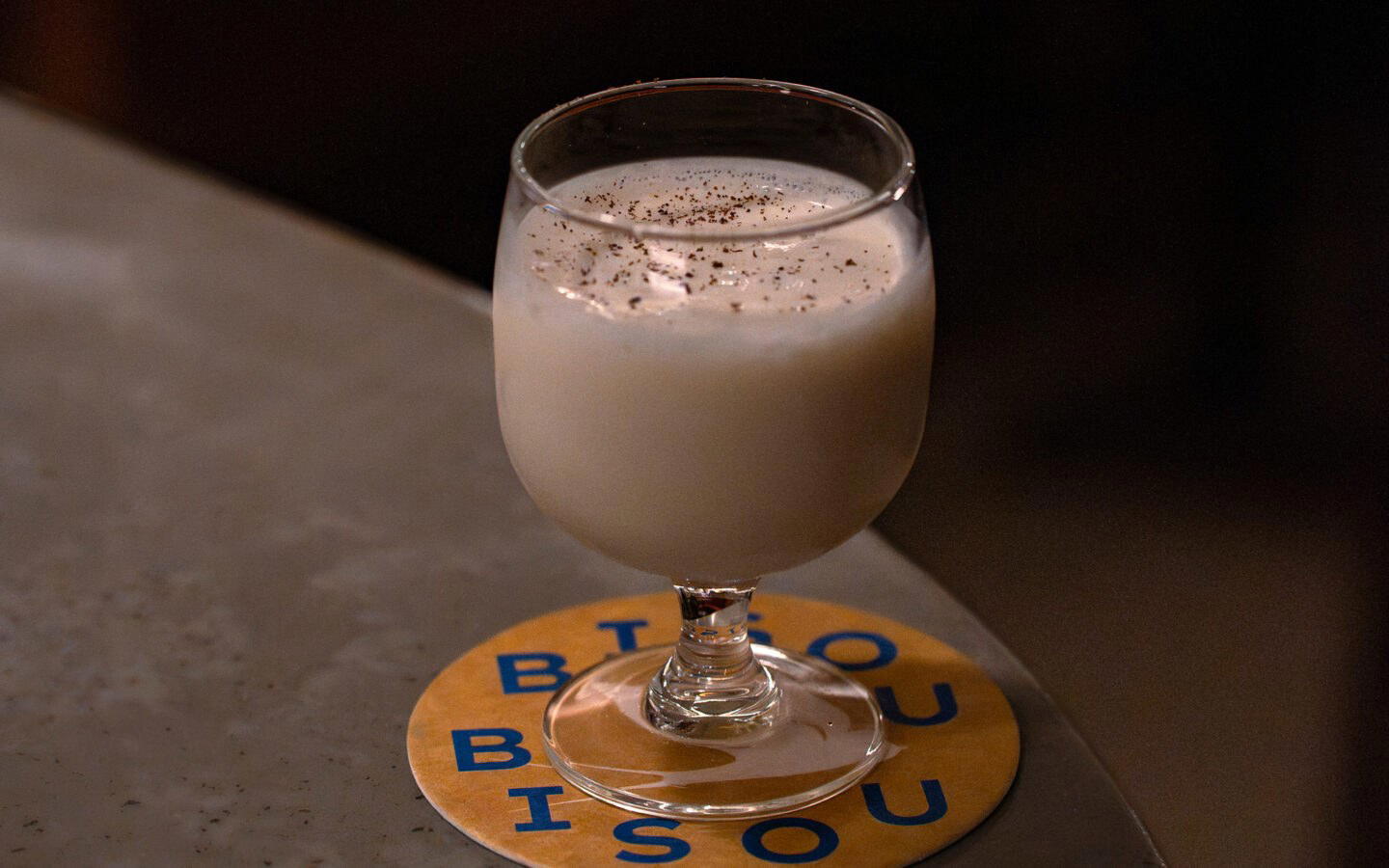
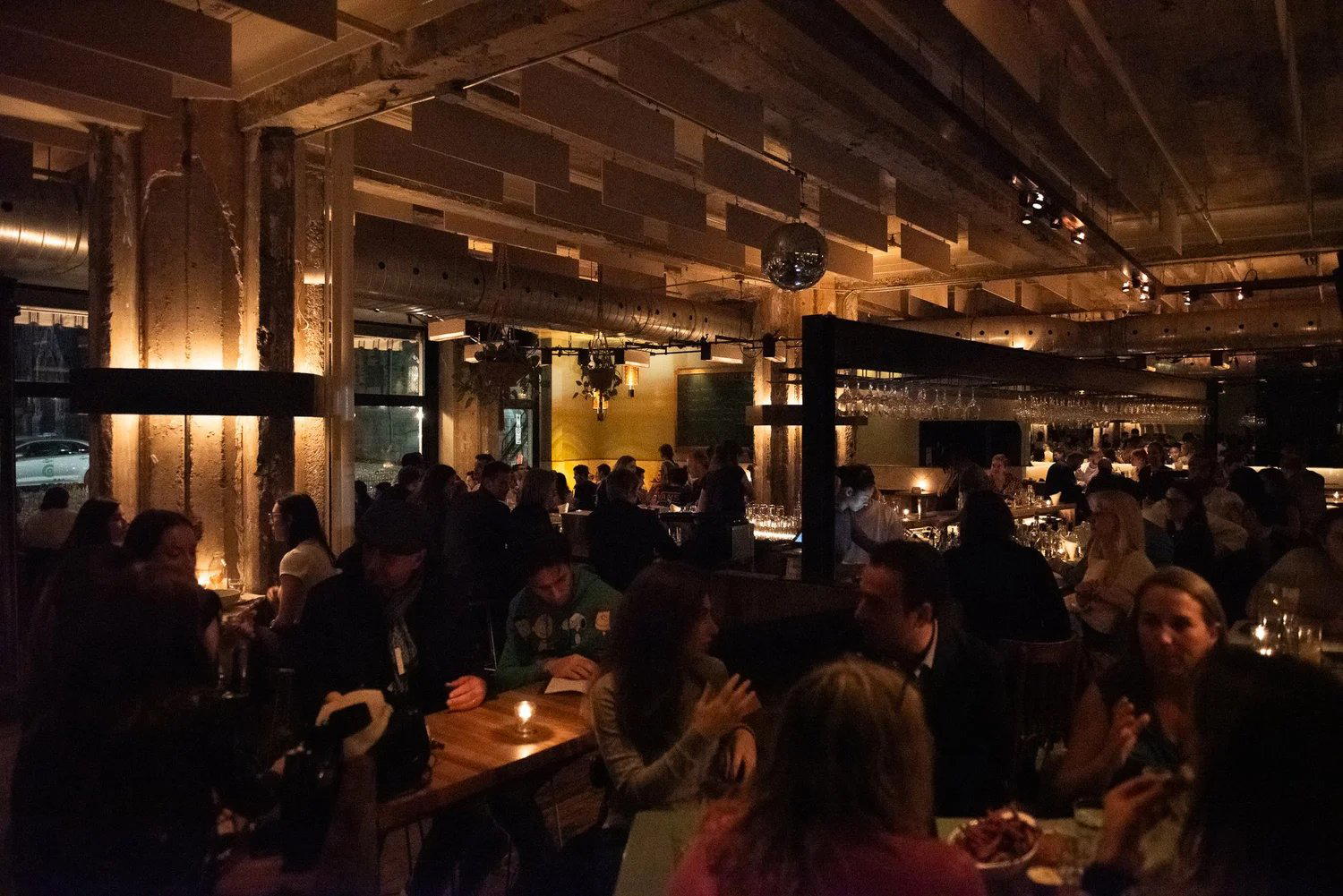
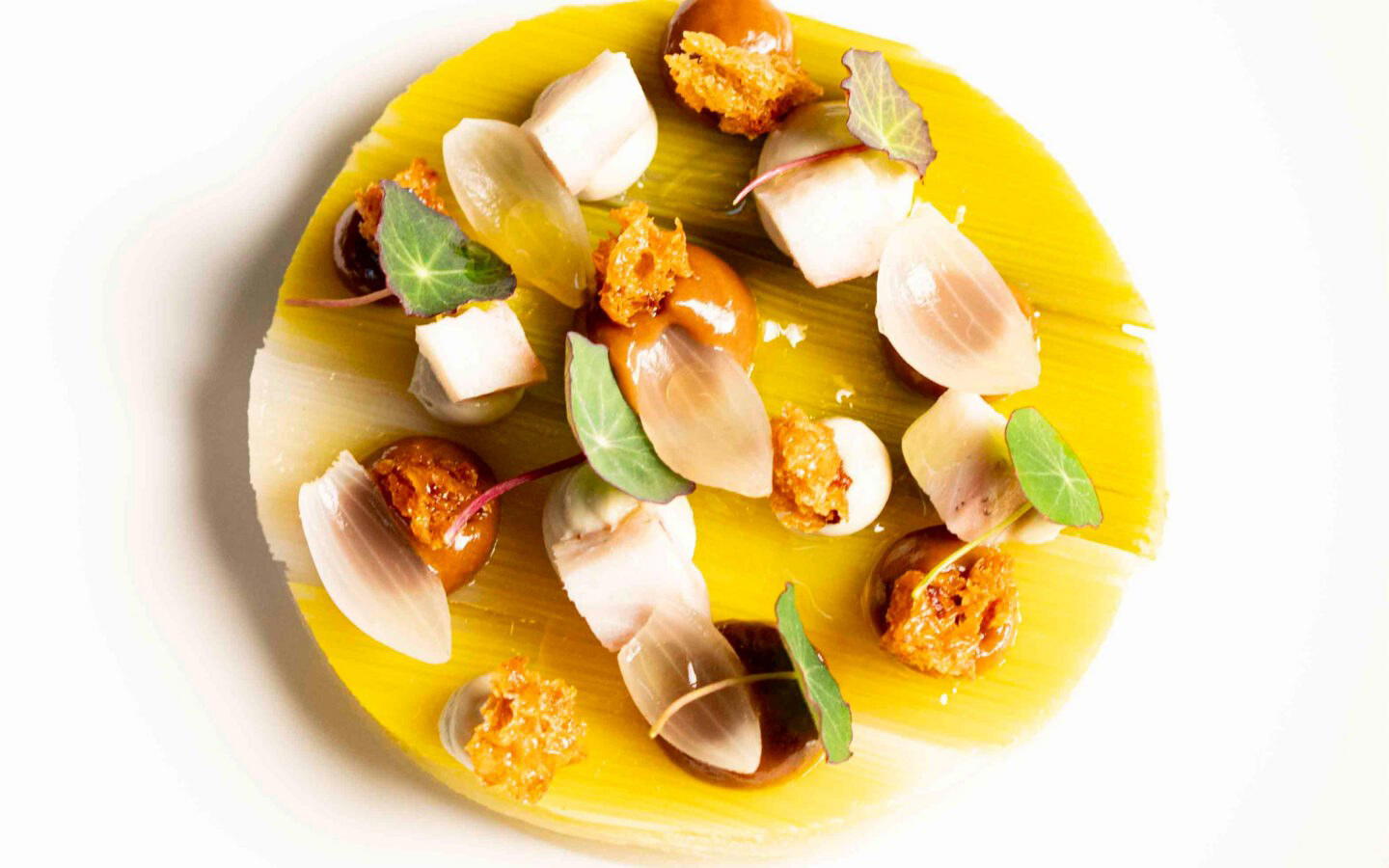
The neighbourhood's restaurant offer has diversified significantly over the past decade, moving beyond the tourist-facing French bistro format that defined it earlier.
Travellers interested in Quebec's broader hospitality geography might also consider Manoir Hovey in North Hatley for an Eastern Townships extension or Le Germain Charlevoix Hotel & Spa in Baie-St-Paul for the St. Lawrence River corridor north of the city. Both represent distinct regional hotel formats that complement rather than duplicate a Vieux-Montréal stay.
Planning Your Stay
The hotel's McGill Street address puts guests inside Vieux-Montréal without requiring navigation of the denser tourist corridors around the Old Port. The property's contemporary interior approach means the surrounding streetscape does more architectural work than the hotel's own design program, which suits guests who want to use the neighbourhood rather than experience it as spectacle. Booking directly through the property's own channels is the standard approach for boutique hotels in this bracket.
Comparable Spots
Comparable venues nearby, for context on price, style, and recognition.
| Venue | Cuisine | Price | Notes |
|---|---|---|---|
| Hotel St. PaulThis venue — the venue you are viewing | Luxury boutique hotel in a heritage building with modern serene interiors. | $$$ | Not listed |
| Metcalfe Montréal | Downtown boutique hotel offering quiet luxury behind a historic façade with contemporary interiors and locally rooted touches. | $$$ | Downtown Montreal |
| Hotel Le St-James | Historic boutique luxury hotel in restored 19th-century bank | $$$$ | Quartier international de Montreal |
| Sofitel Montreal Golden Mile | Refined French luxury in historic Golden Square Mile setting | $$$$ | Golden Square Mile |
| Auberge du Vieux-Port | Charming boutique hotel in a restored 19th-century warehouse blending historic charm with modern luxury. | $$$ | Vieux Montréal |
| Fairmont The Queen Elizabeth | Renovated heritage luxury hotel with Fairmont Gold exclusive floors | $$$$ | Centre-Ville |
Recognition history
Dated appearances from independent guides and award organizations, with the underlying list record or original source where available.
Design Hotels Member
Design Hotels
Mr & Mrs Smith Smith Seal of Approval
Mr & Mrs Smith
Michelin Selected
Michelin
At a Glance
- Elegant
- Sophisticated
- Modern
- Classic
- Romantic Getaway
- Business Trip
- Weekend Escape
- Historic Building
- Design Destination
- Wi Fi
- Fitness Center
- Room Service
- Concierge
- Business Center
- Valet Parking
- Street Scene
- Wi Fi
- Fitness Center
- Room Service
- Concierge
- Business Center
- Valet Parking
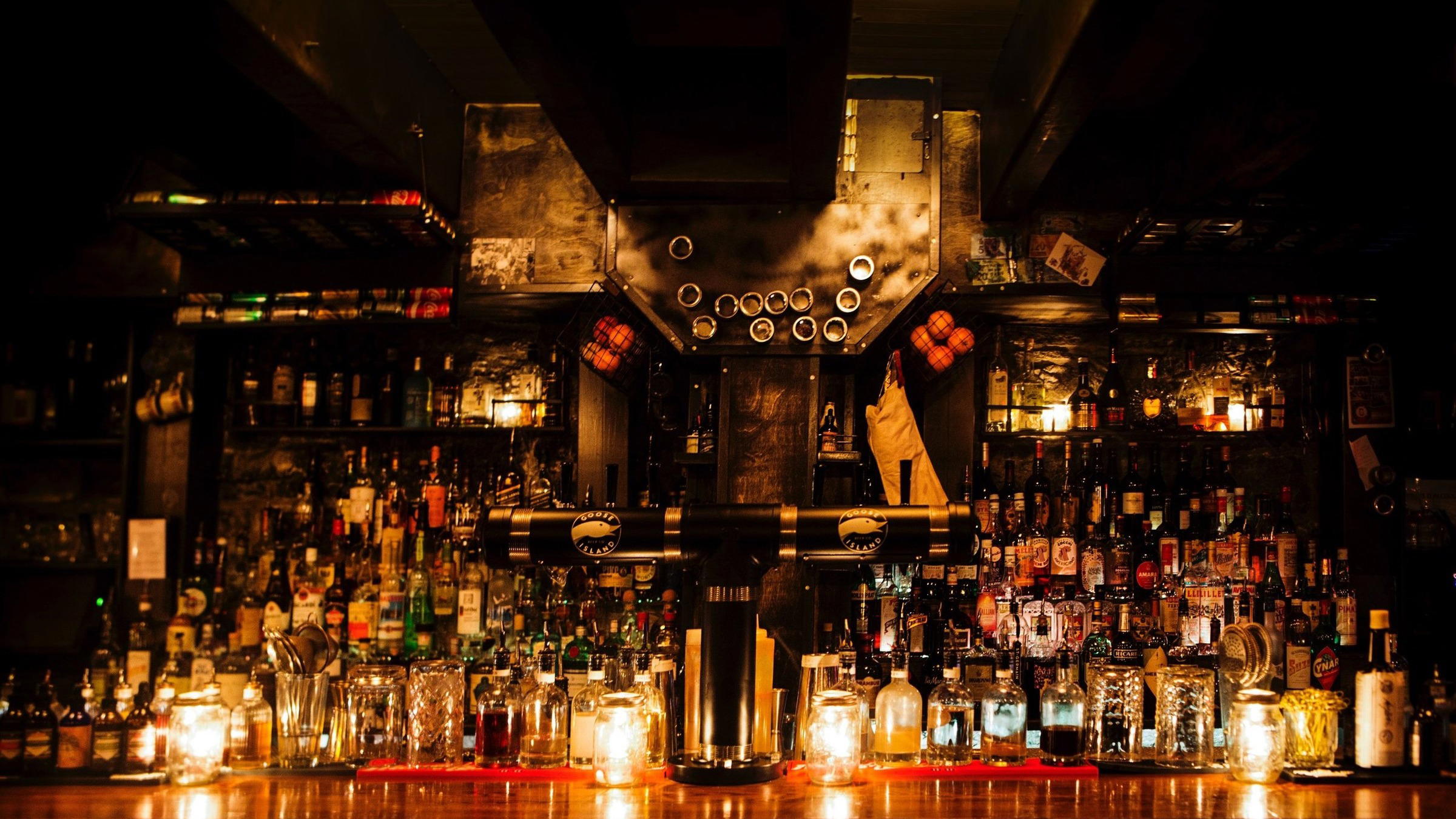
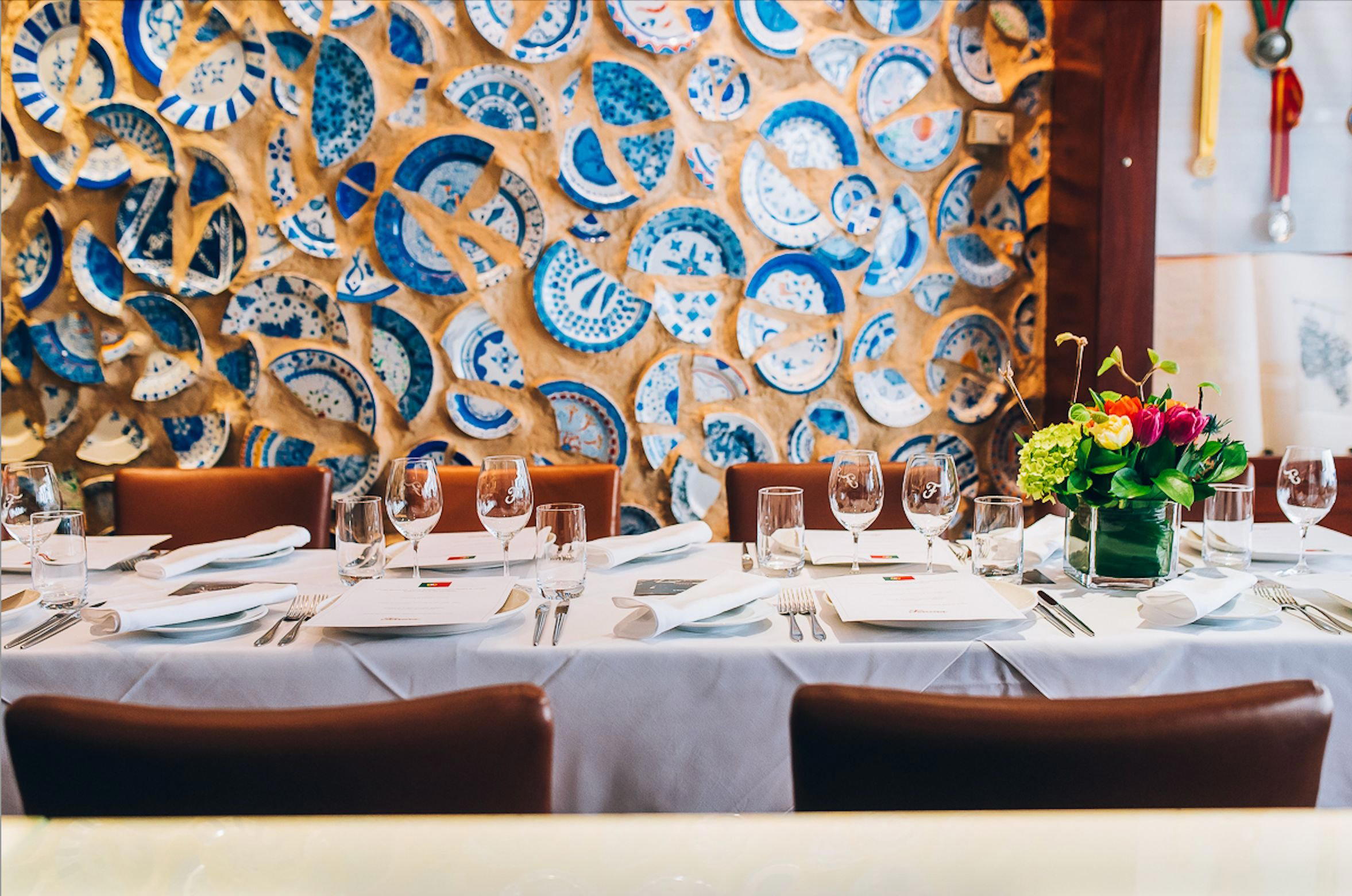
Bold juxtapositions of color and texture create a daring, glamorous atmosphere with custom-designed furnishings that heighten the senses.