
Canada's 100 Best Bars #34
Housed in a former stagecoach inn on Dunham's main street, Brasserie Dunham is one of Quebec's most progressive craft breweries, built around wild-fermented and barrel-aged ales using locally sourced ingredients. Founded in 2011 and shaped by Éloi Deit of Cheval Blanc lineage, its beer program skews consistently toward complexity and regional character, making the 90-minute drive from Montreal worthwhile for anyone serious about Canadian craft brewing.

Pearl is the En Primeur Club membership app — saves, bookings, and concierge access live there. Same editors, same standards.
- Address
- 3809 Rue Principale, Dunham, QC J0E 1M0
- Phone
- (450) 295-1500
- Website
- brasseriedunham.com
- Directions
- Get directions
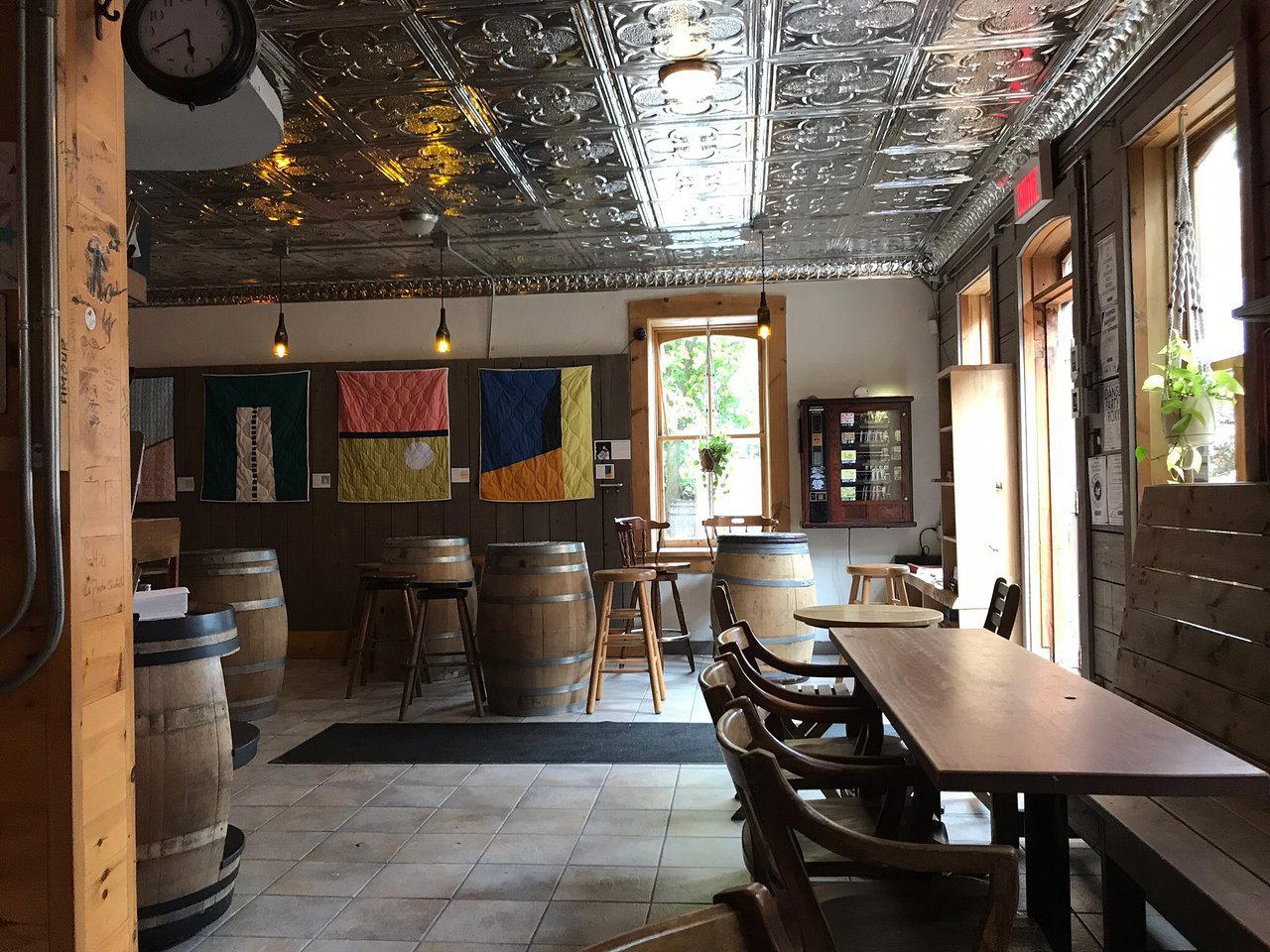
An Old Road Stop Repurposed for Serious Beer
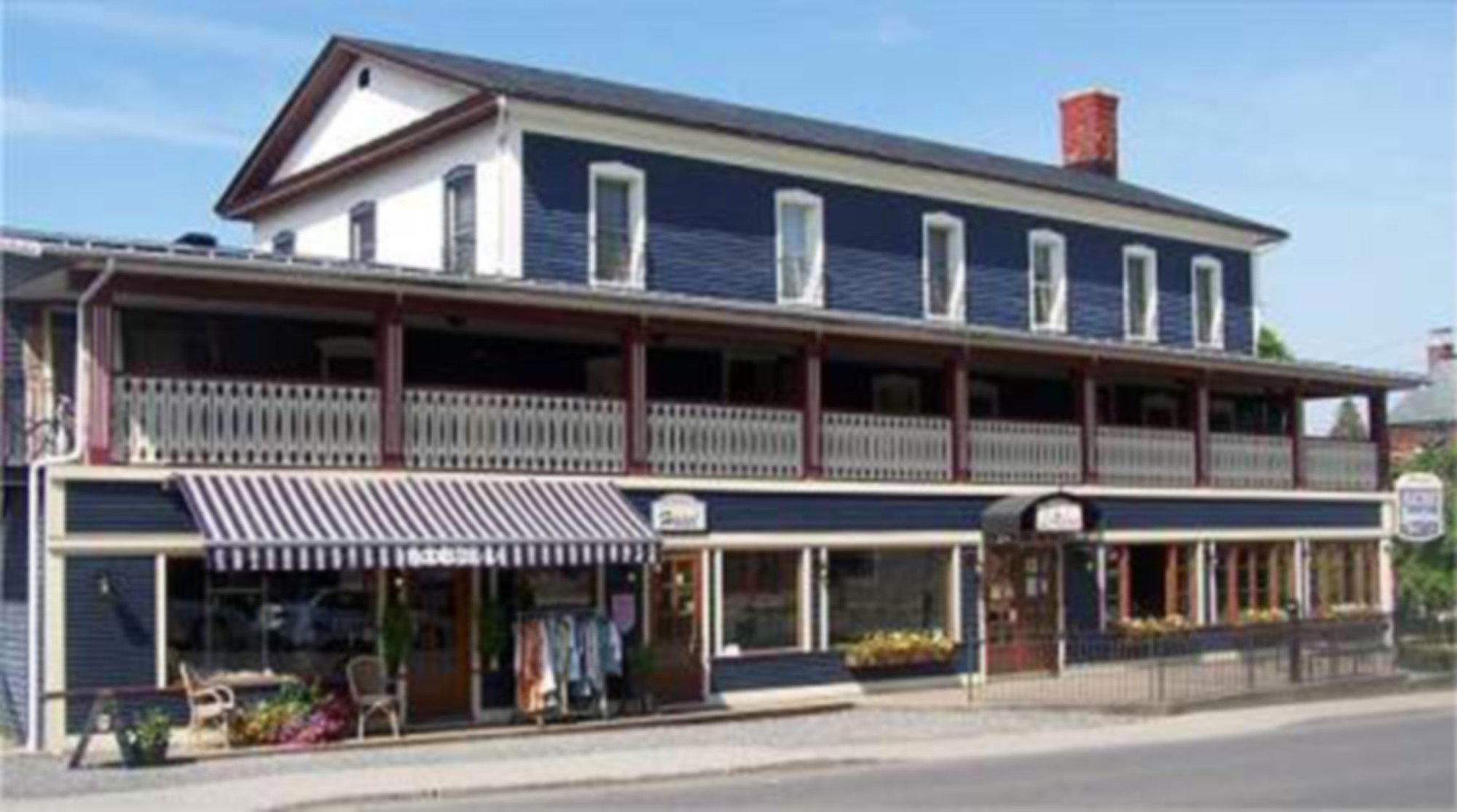
The Eastern Townships have long occupied a particular position in Quebec's regional identity: close enough to Montreal to draw weekend traffic, rural enough to maintain a pace and character that the city can't replicate. The stretch of Route 202 running through Dunham sits near the Vermont border, surrounded by apple orchards and vineyard plots that have gradually shaped the area into one of Canada's more credible agri-food destinations. Against that backdrop, Brasserie Dunham fits with unusual coherence. The brewery occupies a former stagecoach inn on Rue Principale, a building with the kind of structural weight that newer purpose-built taprooms rarely achieve. Exposed timber, worn floors, and the accumulated atmosphere of a space that has served travellers across different eras give the room a texture that contemporary hospitality often tries to manufacture from scratch.
Sébastien Gagnon opened the brewery in 2011, then brought Éloi Deit aboard to shape the brewing program. Deit's background at Cheval Blanc, one of Montreal's foundational craft brewing institutions, carries genuine weight in Quebec beer culture. That lineage signals something specific about the approach: not a brewery chasing trend formats, but one building a house style rooted in fermentation discipline and ingredient sourcing. That distinction matters when assessing where Brasserie Dunham sits within Canada's craft brewing field.
The Beer Program: Wild Fermentation as a Starting Point
Quebec's craft brewing scene has expanded sharply over the past decade, but the segment working seriously with wild fermentation and barrel aging remains smaller and more demanding than the broader market. Brasserie Dunham operates within that narrower tier. The brewery's list skews away from the entry-level formats that anchor most taproom menus. Standard pilsners and blonde ales are not the point here. What defines the program is a consistent orientation toward complex fermentation processes: wild yeasts, extended barrel contact, and seasonal ingredients sourced locally.
Malted barley, raspberries, cherries, and other raw materials come from regional producers, connecting the brewery's output to the agricultural character of the Townships in a way that goes beyond marketing language. This is the same geographic logic that shapes natural wine production in the area, where proximity to ingredient sources allows producers to respond to seasonal variation rather than standardize against it. The beer list at any given visit tends to reflect what's active in fermentation rather than a fixed catalog, which means the selection rewards repeat visits and an open approach to the menu.
Within the Canadian craft brewing context, this positions Brasserie Dunham alongside a small cohort of producers, including some of the more fermentation-forward operations in British Columbia and Ontario, that prioritize technical depth over volume. For reference points outside the immediate region, the fermentation philosophy shares some ground with what drives the programs at serious brewery taprooms across North America, though Dunham's particular expression is shaped by Quebec ingredients and Deit's specific training history.
The Setting and How It Shapes the Experience
The atmosphere at Brasserie Dunham is described as casual, which is accurate but worth unpacking. The informality is structural rather than indifferent. The building's age and the relaxed pace of Dunham itself produce an environment where spending time with a complex beer feels natural rather than performative. This is not a tasting room designed around Instagram sightlines or a brand experience built to communicate premiumness through surface materials. The stagecoach inn has a history that precedes the brewery's existence, and that prior life gives the space a grounding that newer venues in more trafficked locations spend years trying to achieve.
The contrast with urban bar formats is worth noting for anyone travelling from Montreal or further afield. Operations like Atwater Cocktail Club in Montreal operate within a very different register, where technical precision and designed environments are the primary signals of quality. Brasserie Dunham works from a different set of assumptions: the quality is in the fermentation and ingredients, and the environment serves the beer rather than the reverse. Both approaches are legitimate, but they produce distinct experiences.
Getting There and Planning the Visit
Logistics of visiting Brasserie Dunham are direct in principle and worth planning with some care. The brewery sits approximately 90 minutes southeast of Montreal, close to the Vermont border, which places it firmly in day-trip territory from the city rather than a passing stop on a broader itinerary. The drive through the Townships is part of the experience: the region transitions from suburban sprawl to agricultural land relatively quickly once you clear the Montreal corridor, and arriving in Dunham with some orientation toward the area's food and drink culture pays dividends.
Address is 3809 Rue Principale, Dunham, QC J0E 1M0. Given the brewery's location and format, a car is the practical means of arrival for most visitors. Combining the visit with other stops in the Townships, including the area's growing roster of natural wine producers and farm-to-table operations, builds a more complete picture of what makes this part of Quebec worth the mileage. For those exploring Canada's broader bar and brewery scene, the program at Brasserie Dunham offers a different reference point than urban operations like Banff Ave Brewing Co. in Banff or Bearfoot Bistro in Whistler, where mountain resort contexts shape the drinking experience in different ways.
For a wider map of where Brasserie Dunham fits within Quebec's drinking culture, see our full Dunham restaurants guide. Readers building a cross-country bar itinerary might also find value in comparing the fermentation-forward approach here against programs at Botanist Bar in Vancouver, Bar Mordecai in Toronto, Humboldt Bar in Victoria, Missy's in Calgary, Grecos in Kingston, Kenzington Burger Bar in Barrie, Auberge Saint-Antoine in Quebec City, and Bar Leather Apron in Honolulu.
Comparable Spots, Quickly
Comparable venues nearby, for context on price, style, and recognition.
| Venue | Cuisine | Price | Awards | Notes |
|---|---|---|---|---|
| Brasserie DunhamThis venue — the venue you are viewing | beer_bar | $20–30 | Canada's 100 Best Bars #34 | Not listed |
| Le Ballpark | lounge | Not listed | Not listed | District de Saint-Édouard |
| Bar Alexandraplatz | beer_bar | Not listed | Not listed | District de Saint-Édouard |
| Bar Courcelle | dive_bar | $20–30 | Not listed | Saint-Henri |
| Chez Celine | lounge | $30–50 | Not listed | Kensington-Cedar Cottage |
| Rouge-Gorge | wine_bar | $30–50 | Star Wine List | La Fontaine Park |
Recognition history
Dated appearances from independent guides and award organizations, with the underlying list record or original source where available.
Canada's 100 Best Bars #34
Canada's 100 Best
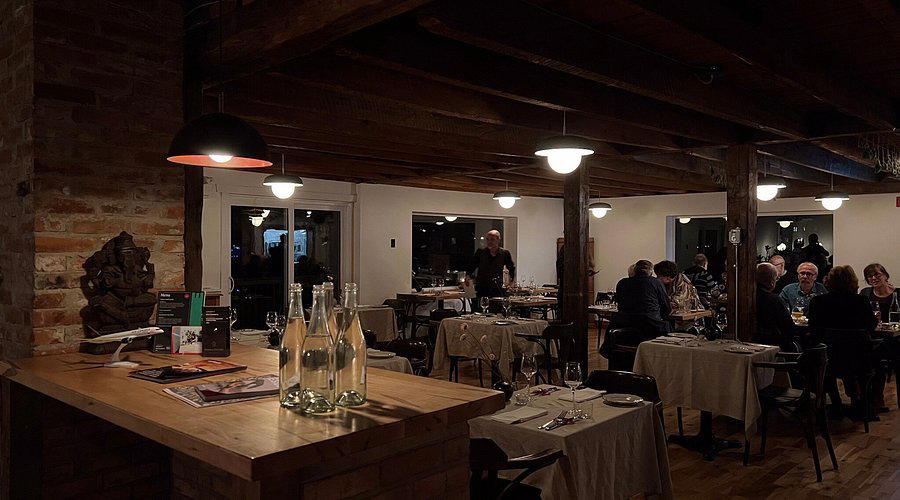
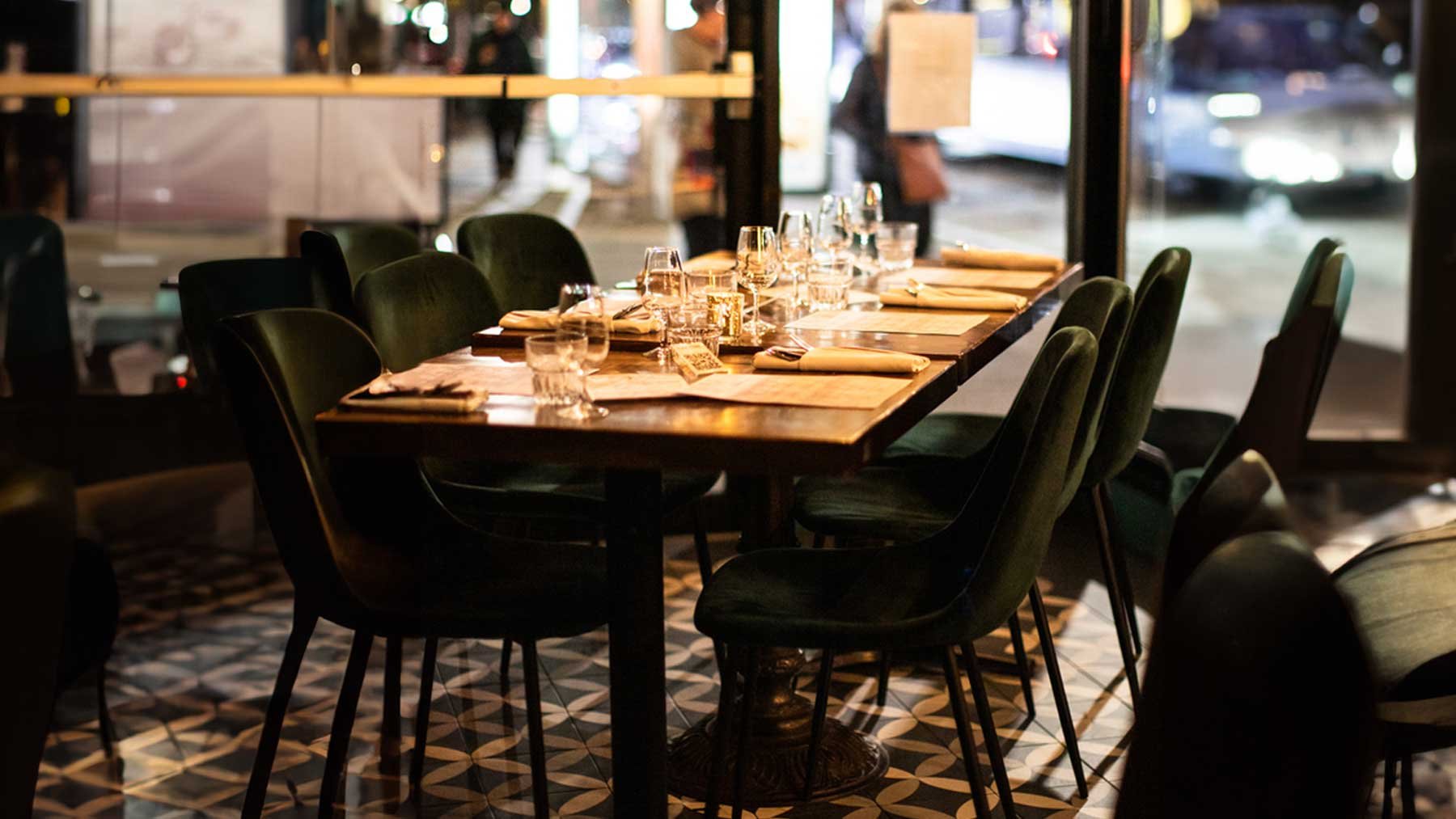
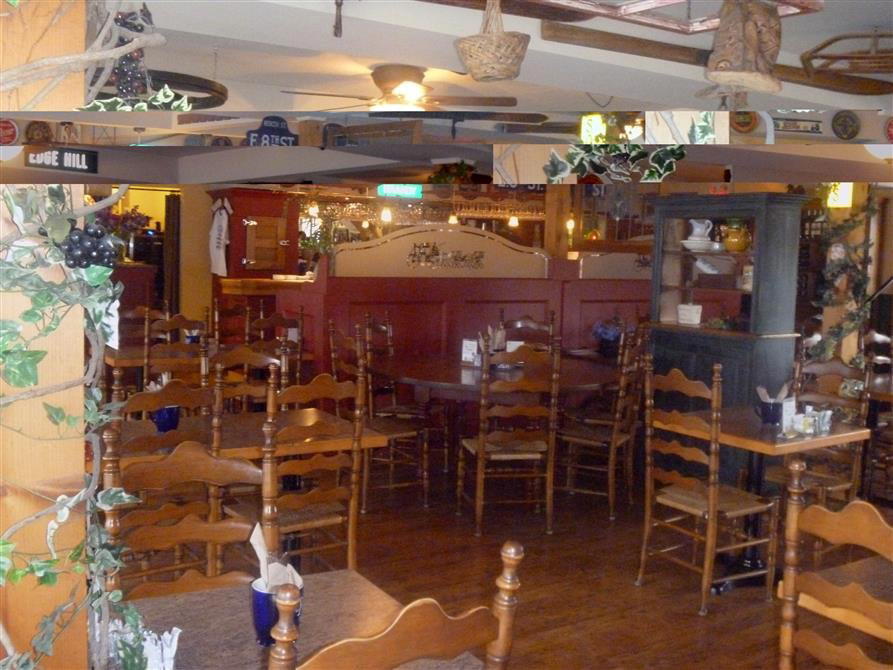
Brasserie Dunham
The drinks
- Craft beer
Signature drinks: Rauch Pu Pu, Hermann Pilsner, Dristoutte, Saison du Pinacle.
Details
- Cozy
- Rustic
- Lively
- Casual Hangout
- Group Outing
- Date Night
- Beer Garden
- Courtyard
- Historic Building
- Terrace
- Seated Bar
- Outdoor Terrace
- Lounge Seating
- Booth Seating
- Communal Tables
- Craft Beer
Warm and hospitable with dimmed lighting in the restaurant section, candles on tables, and smooth jazz; the pub side is casual and festive with board games and cards available.