Star Wine List
Our verdict
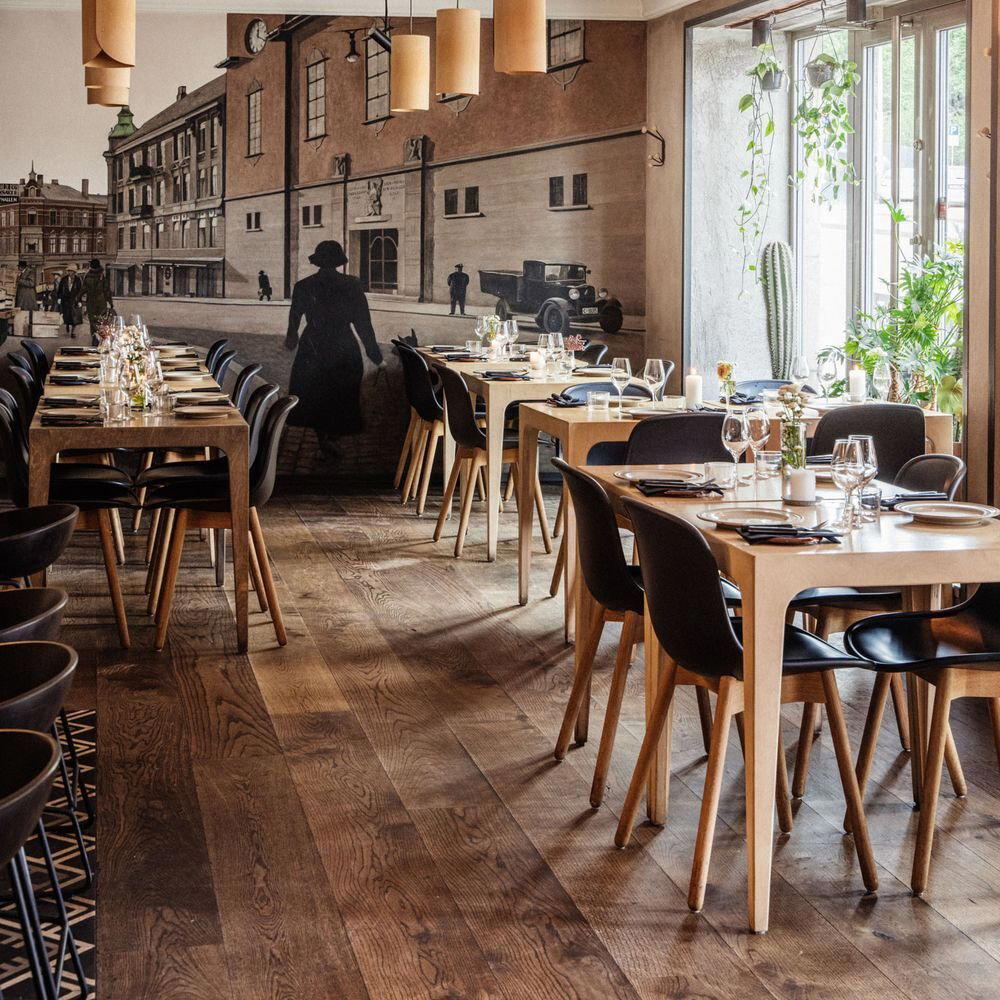
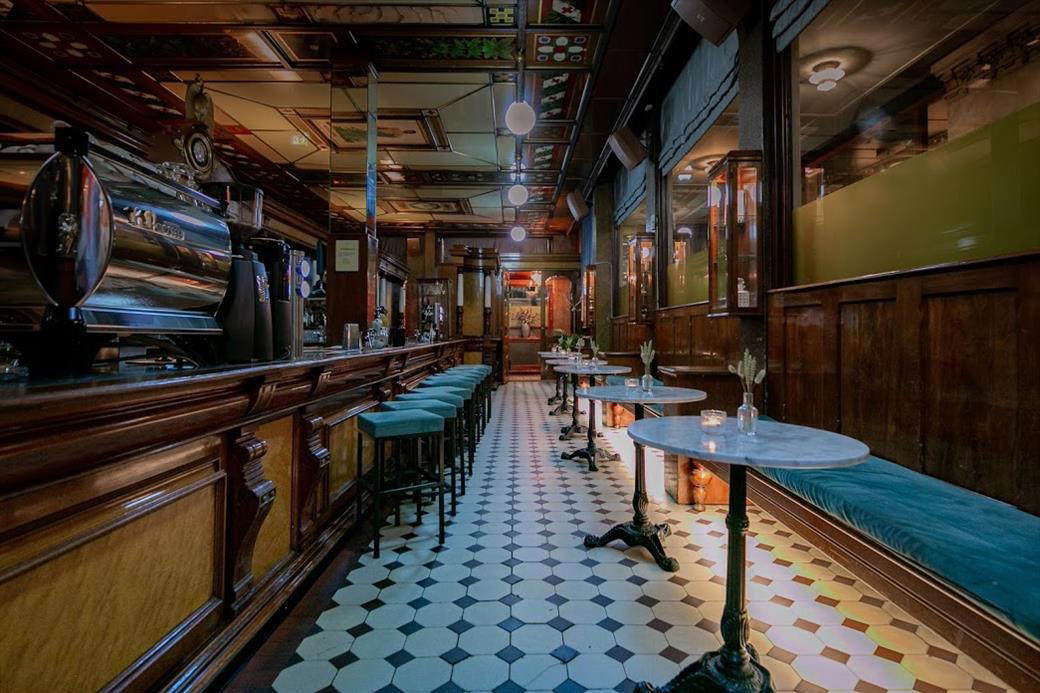
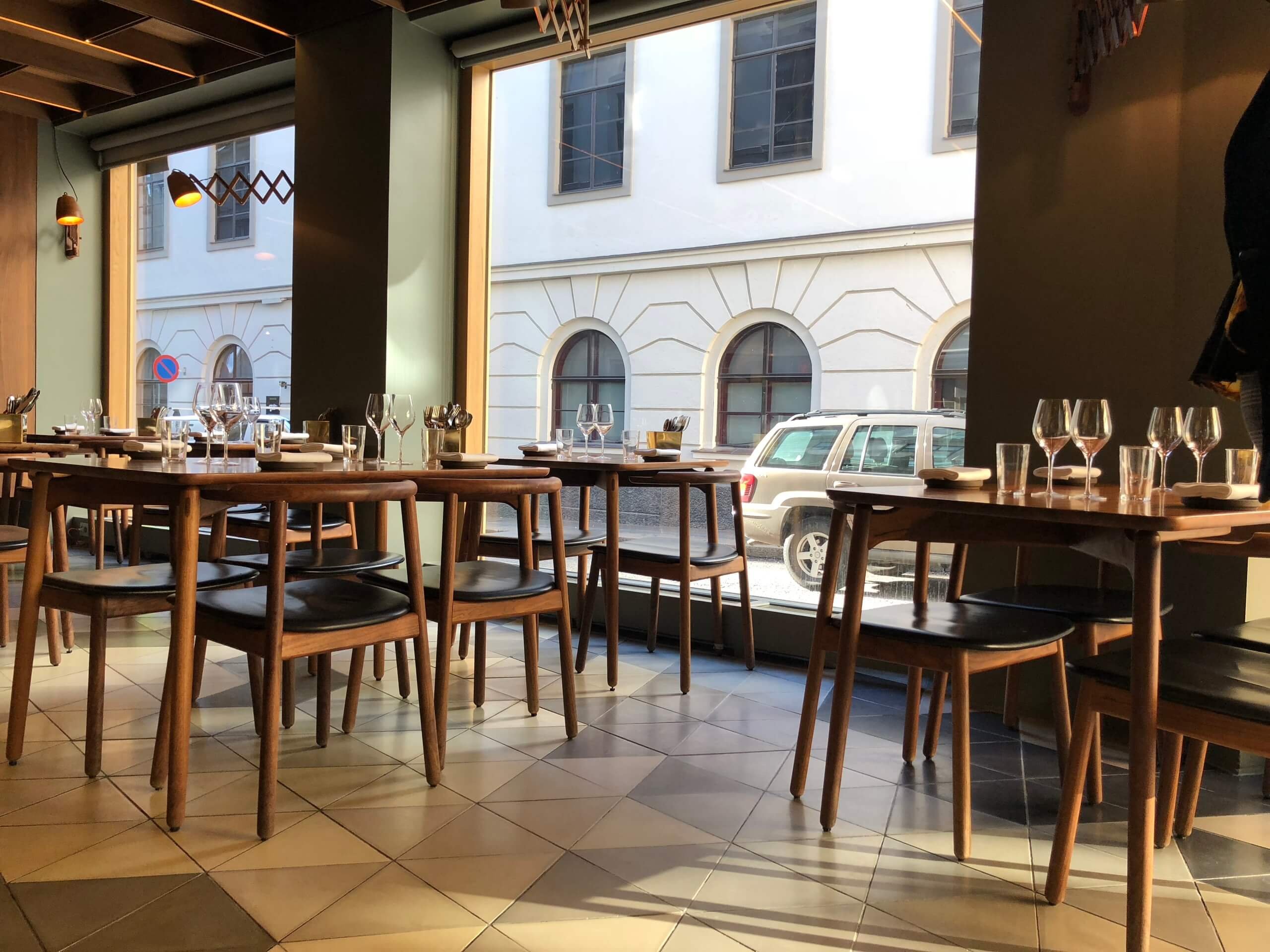
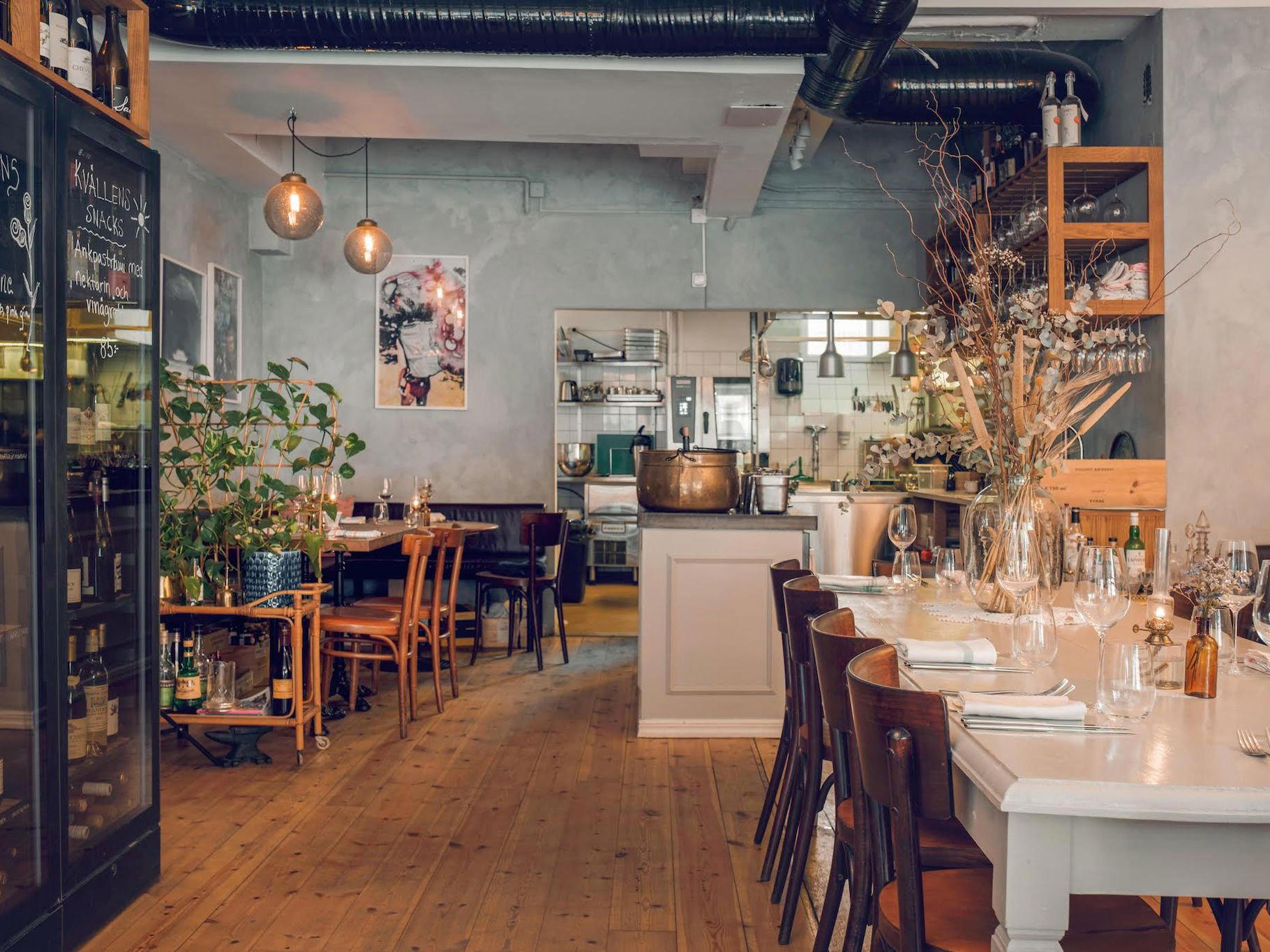
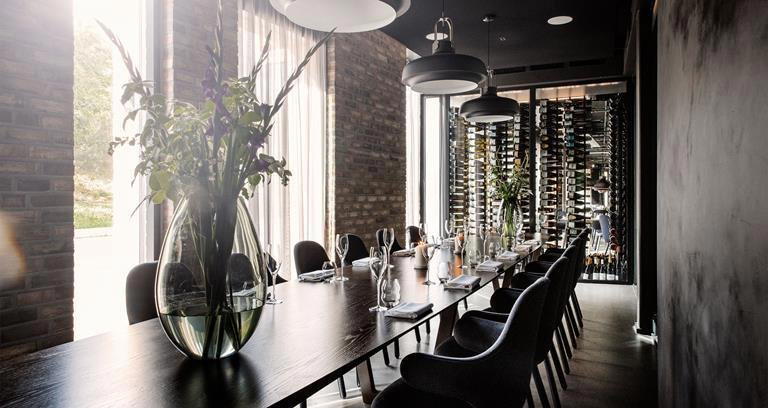
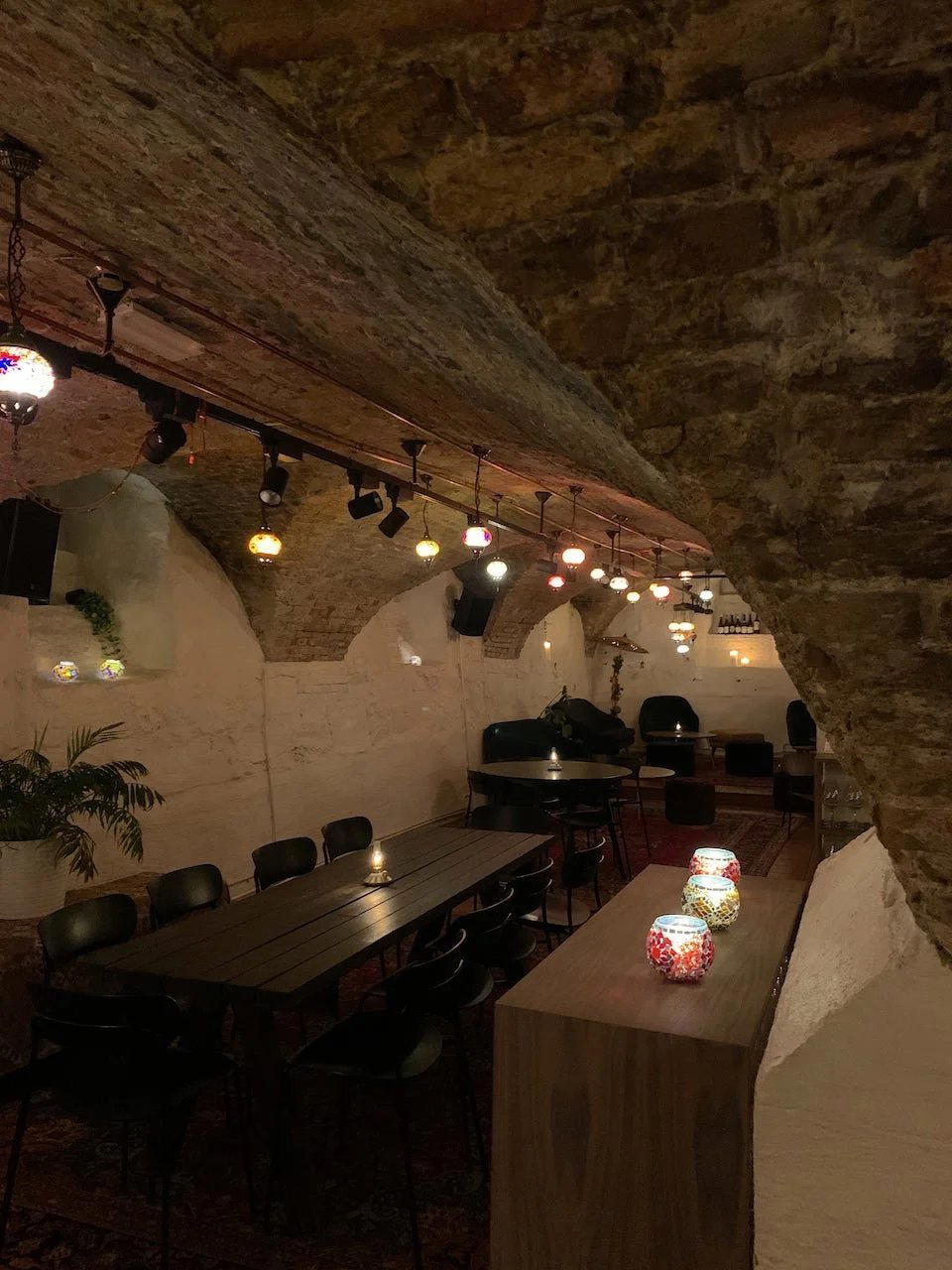
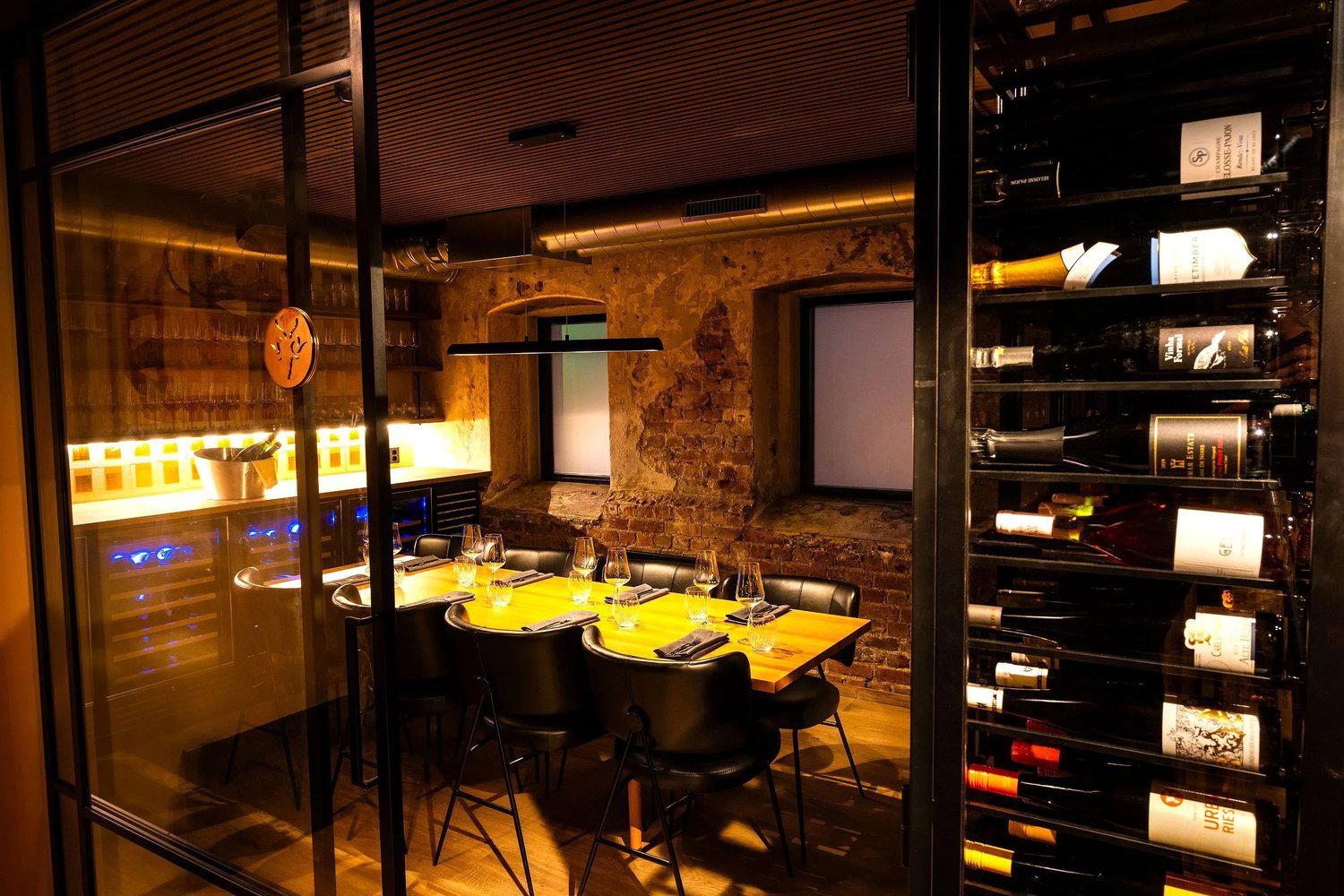
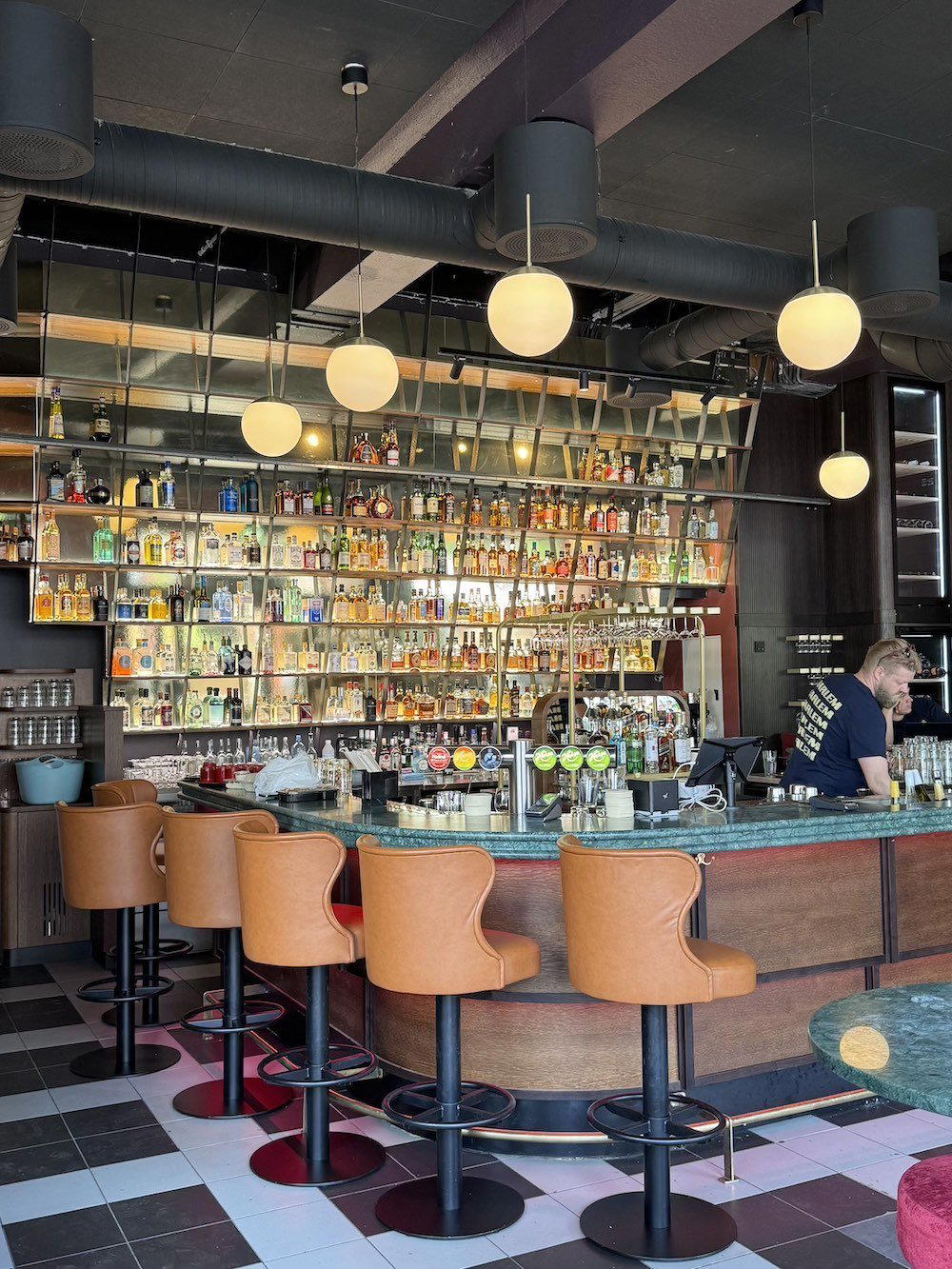
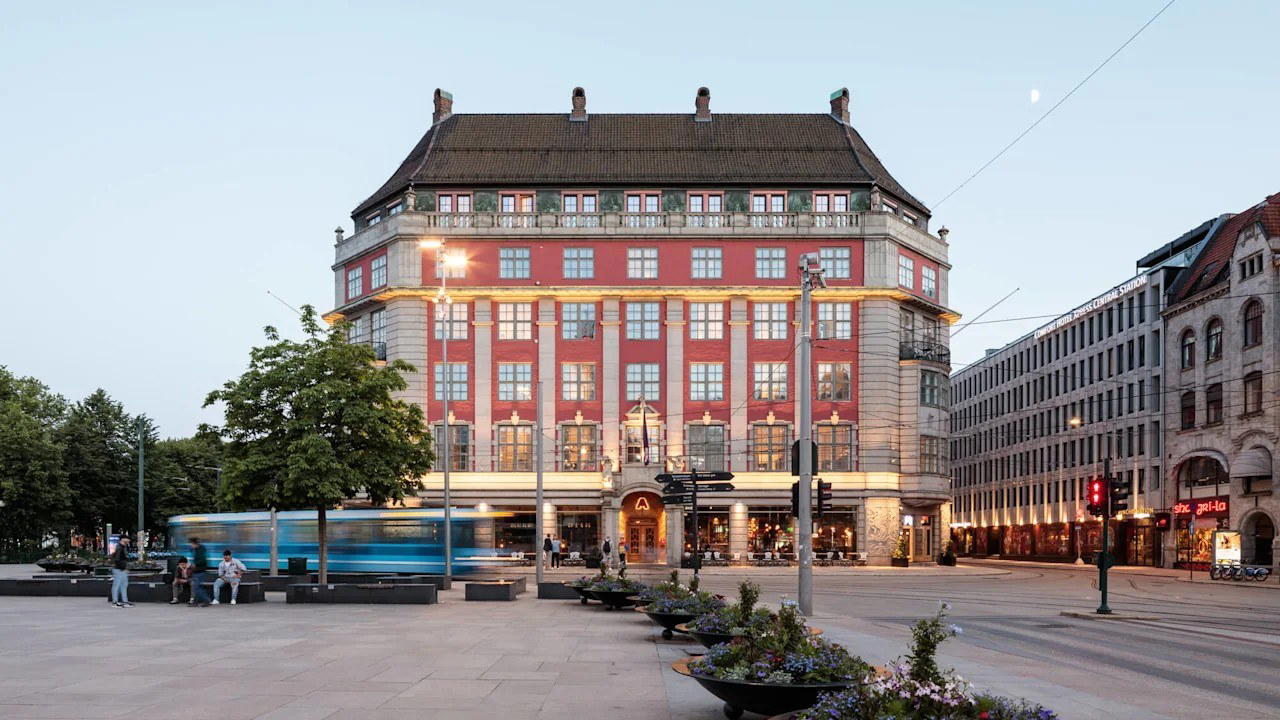
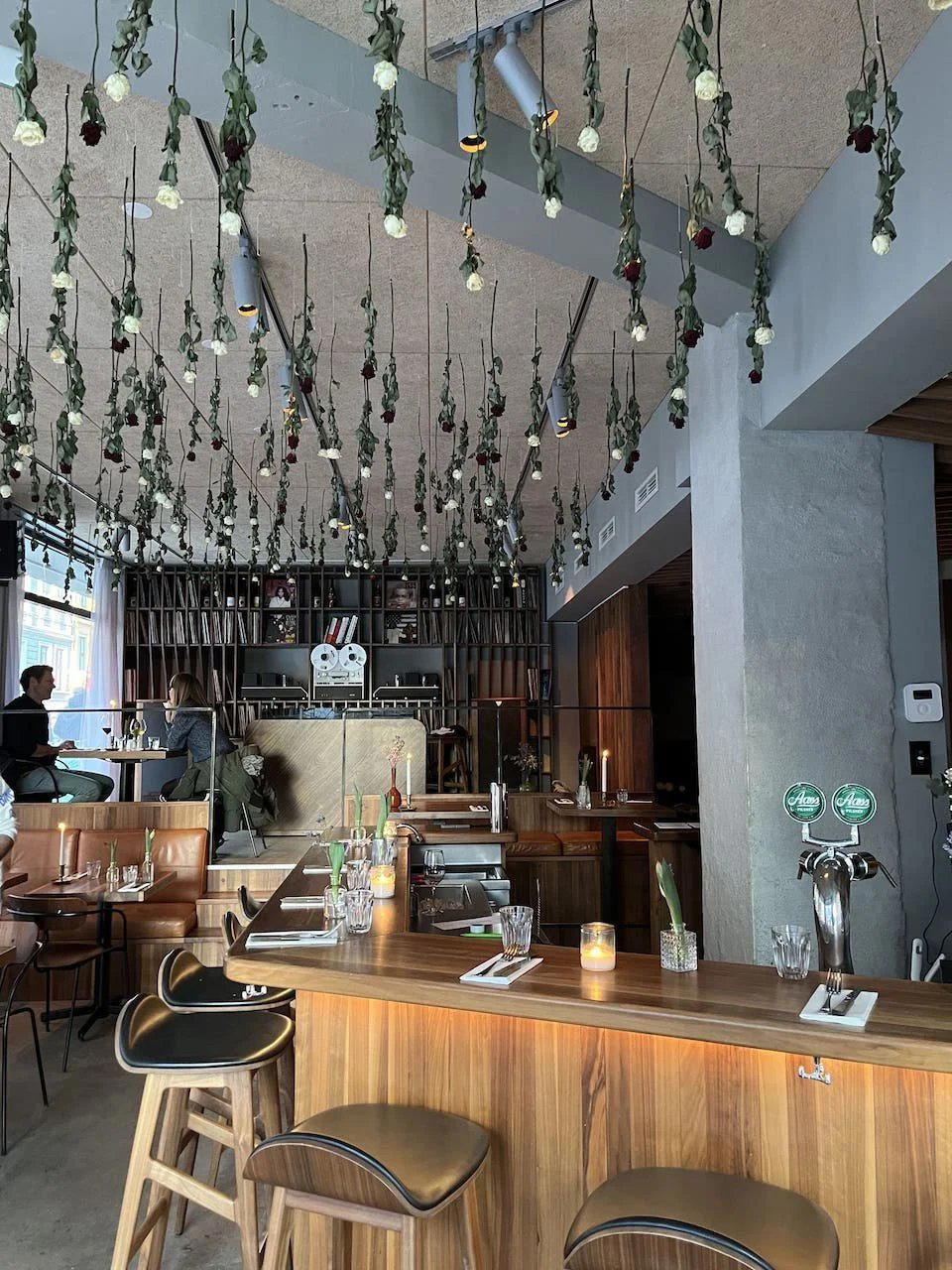
A wine bar and bistro occupying a split-level space at St. Olavs Plass, Panu runs a set menu in the basement and à la carte upstairs at the bar. It sits in a mid-tier bracket where Oslo's neighbourhood dining scene is most active, offering a lively atmosphere without the formality of the city's tasting-menu circuit. A practical and well-considered address for wine-forward dining in central Oslo.

Pearl is the En Primeur Club membership app — saves, bookings, and concierge access live there. Same editors, same standards.
- Address
- St. Olavs Plass 3, 0165 Oslo, Norway
- Phone
- +47 40 44 65 38
- Hours
- Mon–Tue ClosedWed–Thu 5:30 PM–12 AMFri–Sat 5:30 PM–1 AMSun Closed
- Website
- restaurant-panu.com
- Directions
- Get directions
The menu
What to order
- Kveite (halibut)
- Beef Tartar
- Strawberry Chibiro
St. Olavs Plass and the case for neighbourhood dining in Oslo
Oslo's dining scene has a tendency to polarise. At one end sits the high-formality tasting-menu tier, represented by addresses like Maaemo and Kontrast, where a single evening demands both advance planning and a serious commitment of hours. At the other end, the city's casual café and smørbrød culture offers ease but little ambition. The middle ground — wine-led, bistro-format, atmosphere-forward — has historically been thinner than you'd find in Copenhagen or Stockholm, which makes the addresses that occupy it worth paying attention to.
Panu sits in that middle tier, at St. Olavs Plass 3 in a part of central Oslo that functions as a working neighbourhood rather than a tourist corridor. The square itself is anchored by the Oslo Cathedral and framed by university buildings; the foot traffic here skews local, and the dining options that survive in this pocket tend to do so on repeat custom rather than walk-in tourist volume. That context shapes what Panu is and how it operates.
Two rooms, two registers
The split between basement and bar level is not merely architectural. It represents two distinct ways of eating at the same address. Downstairs, a set menu runs at what the venue describes as a considered price point, the format implies a degree of editorial control over the meal, the kind of sequenced dining that sits between a full tasting menu and an unrestricted à la carte. Upstairs, the bar operates with a looser, more spontaneous logic: arrive, order from the à la carte list, stay as long as the wine and atmosphere hold you.
This dual-format approach is increasingly common among the better wine bars of Northern Europe, where operators have recognised that not every guest on every evening wants the same level of commitment. Bar Amour works a similar register in Oslo, creative, bar-adjacent, wine-forward, and Hot Shop has carved out its own position in the modern-bistro tier. Panu's two-room format gives it flexibility that single-format venues in the same price bracket cannot match.
The wine bar model and what it means in Oslo
Wine bar culture arrived in Oslo later than in London or Paris, but it has taken hold with some seriousness over the past decade. The model that has worked leading in Scandinavian cities tends to emphasise natural and low-intervention producers, list depth over list length, and a kitchen program that is genuinely food-forward rather than merely snack-adjacent. A wine bar that treats food as an afterthought does not survive long in Oslo's increasingly competitive mid-market.
Panu's description as a wine bar and bistro signals that the kitchen is given equal standing with the cellar. The set menu format downstairs reinforces that: a kitchen confident enough to run a set menu is making a statement about the coherence of its food program. Among Oslo addresses in a comparable bracket, Mon Oncle occupies a related French-influenced register, this combination of wine seriousness and kitchen ambition is what separates the durable operators from the transient ones.
For a broader view of where wine fits into Oslo's wider hospitality offer, our Oslo bars guide covers the full range, from neighbourhood wine bars to the city's cocktail-led addresses. The Oslo wineries guide tracks the smaller natural wine producers and importers that feed the better lists in the city.
Oslo's dining tier in national context
It is useful to place Oslo's mid-market bistro scene against the wider Norwegian dining picture. The country's highest-profile restaurant addresses are distributed across its cities: RE-NAA in Stavanger, FAGN in Trondheim, and Under in Lindesnes each command attention at the formal end. Bergen contributes Gaptrast, and the rural southwest has Iris in Rosendal and Boen Gård in Tveit. Oslo is exceptional in having a density across all tiers, from those high-formality addresses down to the neighbourhood wine bar level that Panu occupies.
Within that density, the mid-market addresses serve a function that the fine-dining tier cannot: they are where the city's food conversation actually happens on an ordinary weeknight. The atmosphere at Panu is described as lively, which in St. Olavs Plass context means a crowd that is predominantly local, engaged with what is on the table, and likely to know the list well enough to ask good questions about it.
Planning your visit
Panu is located at St. Olavs Plass 3, a short walk from the city centre, accessible by tram from multiple directions and within walking distance of the university quarter. For those spending more time in the city, our Oslo hotels guide covers the full range of accommodation across the central districts. Visitors interested in Oslo's broader dining circuit will find context in our full Oslo restaurants guide, which maps the city by tier and neighbourhood. For programming and cultural activities in the area, our Oslo experiences guide covers the main options.
The basement set menu format implies advance planning is sensible for that room, particularly on weekends. The bar à la carte upstairs offers more flexibility, though a lively atmosphere and a kitchen operating at capacity on busy evenings means arriving with some timing awareness is advisable. Specific booking mechanics and current hours are best confirmed directly with the venue before visiting.
Where Panu sits in the Oslo picture
The Oslo bistro and wine bar tier is not overcrowded at its better end. Addresses that combine a credible wine program, a kitchen willing to run a set menu, and an atmosphere that holds a room, without scaling into the tasting-menu price bracket, occupy a position that rewards the guest who wants a complete evening without formal ceremony. Panu occupies that position at St. Olavs Plass, in a neighbourhood that keeps it honest and a format that gives it range.
For international reference points on what a wine bar with serious kitchen ambitions can look like at a different scale and context, Le Bernardin in New York City and Emeril's in New Orleans represent how chef-driven ambition shapes a room's identity over time, a useful frame for understanding why kitchen confidence at the bistro level matters as much as it does at the formal end.
Frequently asked questions
Has Panu won any awards?
Panu has received recognition including: A wine bar and bistro in downtown Oslo’s St. Olavs Plass area with a set menu (at a nice price) in the basement and à la carte in the bar. Expect a somewhat lively atmosphere, tasty dishes and wines....
What's Panu's location?
Panu is located at St. Olavs Plass 3, 0165 Oslo, Norway, Oslo.
What should I eat at Panu?
The set menu in the basement is the more structured option and represents good value relative to Oslo's broader dining tier. The bar-level à la carte suits a lighter or more spontaneous approach. The kitchen leans toward dishes that pair with the wine program, so ordering with a glass in mind makes sense.
Do I need a reservation for Panu?
For the basement set menu, booking ahead is advisable, particularly on weekends when Oslo's mid-market bistro tables move quickly. The bar level at St. Olavs Plass 3 is more walk-in friendly by design, though arriving early in the evening improves your chances of a seat without a wait.
What's Panu best at?
Panu operates in the wine bar and bistro model that Oslo has absorbed from London and Paris but applies with local intent. The dual-room format gives it range: a set menu at a price that sits below the city's high-formality tasting tier, and a bar atmosphere that sustains a full evening rather than just a meal.
Compact Comparison
Comparable venues nearby, for context on price, style, and recognition.
| Venue | Cuisine | Price | Awards | Notes |
|---|---|---|---|---|
| PanuThis venue — the venue you are viewing | Modern Norwegian Fusion with Asian Influences | $100–150 | Star Wine List | Not listed |
| Pjoltergeist | Asian-Nordic Fusion | Not listed | Not listed | Grünerløkka, Asian-Nordic Fusion |
| Tolvte og Kranen | European Bistro with Norwegian Flair | $50–100 | Star Wine List | St. Hanshaugen, European Bistro with Norwegian Flair |
| Brasserie Coucou | French Brasserie | Not listed | Star Wine List | Ruselokka, French Brasserie |
| Oslo Street Food | Global Street Food Hall | $20–30 | Not listed | Grønland, Global Street Food Hall |
| Dinner Barcode | Modern Sichuan & Cantonese | $50–100 | Not listed | Vaterland, Modern Sichuan & Cantonese |
Recognition history
Dated appearances from independent guides and award organizations, with the underlying list record or original source where available.
Star Wine List
Star Wine List