



1 Michelin Star · Michelin Guide 1 Star · Black Pearl 1 Diamond
Our verdict
Set within Singapore Botanic Gardens, Pangium holds a Michelin star for its tasting menu built on Peranakan family recipes and the neglected possibilities of Straits cuisine. Named after the tree that produces the buah keluak seed central to Nonya cooking, the restaurant operates from a position that few Singapore fine-dining rooms occupy: rooted in a specific culinary inheritance rather than assembled from international influences.

Pearl is the En Primeur Club membership app, where members save venues, book tables and use the concierge.
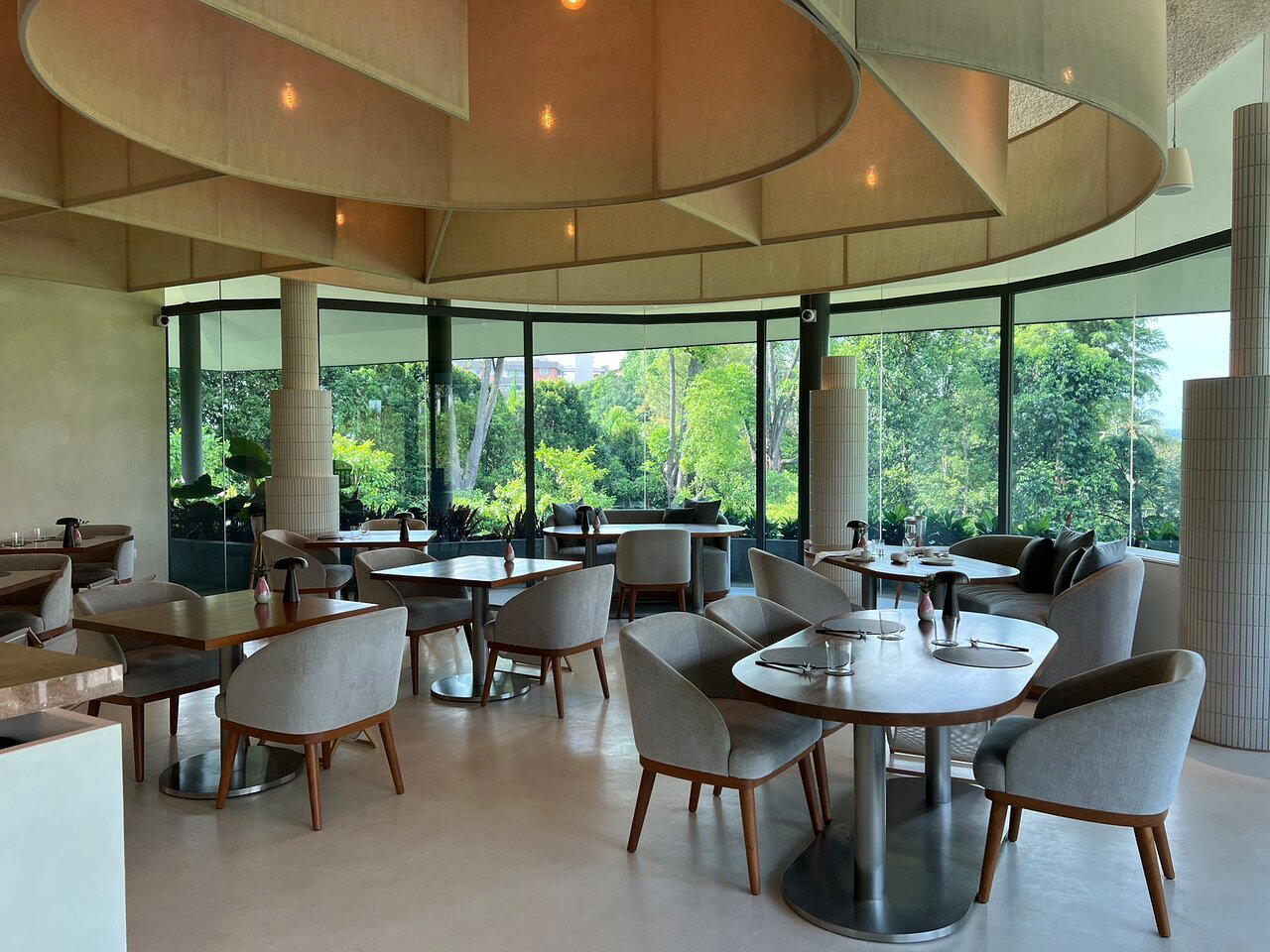
A Garden Address and a Culinary Reckoning
Arriving at Singapore Botanic Gardens at dusk, with the canopy thickening above Gallop Road and the air carrying the particular density of a tropical evening, sets a register that few dining rooms in the city can replicate. The approach matters here because the setting is not decorative. It frames the argument that Pangium is making: that Peranakan cooking, long flattened into nostalgic comfort food or squeezed into hawker shorthand, can carry the structural weight of serious fine dining. The restaurant opened inside the gardens and has since refined its format around a tasting menu format that puts Straits cuisine into direct conversation with what Singapore's Michelin tier demands.
For readers tracking how Singapore's fine-dining scene has repositioned itself over the past decade, Pangium is a useful case study. The $$$ price range places it alongside restaurants like Candlenut and below the leading bracket occupied by Born or Zén. What distinguishes it from both ends of that spectrum is specificity: where international-leaning creative kitchens draw on technique from multiple traditions, and where casual Peranakan establishments like Chilli Padi (Joo Chiat) or 328 Katong Laksa anchor themselves in neighbourhood comfort, Pangium occupies a narrower and more demanding position: fine-dining rigour applied to a single culinary lineage.
The Evolution of a Peranakan Fine-Dining Argument
Peranakan cuisine has spent decades being discussed more than it has been refined in formal dining terms. The Straits Chinese communities of Singapore, Penang, and Malacca developed a cooking culture of considerable sophistication, built on labour-intensive preparations, an unusual pantry of ingredients drawn from Malay, Hokkien, and colonial trading influences, and recipe transmission almost entirely through domestic kitchens. What was rarely tested was whether that tradition could survive the structural demands of a tasting-menu format: consistent plating, portion discipline, a logical progression of flavour and texture, and the kind of repeat bookability that Michelin recognition implies.
Pangium has moved through that test and out the other side, earning a Michelin one star in 2024. The restaurant's name is itself a declaration of intent: pangium is the tree that produces buah keluak seeds, the fermented black nut that appears in the dish most associated with Peranakan cooking and which requires days of preparation before it is safe to eat. Naming a restaurant after that ingredient signals something about the relationship to process and depth that the kitchen is pursuing. This is not Peranakan cooking simplified for contemporary attention spans.
The evolution visible in the restaurant's direction is one familiar to comparable projects across the region. What begins as an argument about tradition tends to sharpen over time into a more precise editorial position. At Pangium, that has meant moving toward a tasting menu that uses family recipes as primary source material rather than as reference points, tracing dishes back through specific generational inheritance and then reconstructing them with the kitchen discipline that a formal restaurant context demands.
Where Pangium Sits in Singapore's Peranakan Tier
The comparison set for Pangium is genuinely narrow. Candlenut, which holds a Michelin star of its own, approaches Peranakan cooking from a different angle, integrating broader Southeast Asian references and operating in a format that is slightly more accessible in terms of price ceiling and booking lead time. Pangium, by contrast, operates with a tasting menu architecture that asks diners to commit to the kitchen's sequence rather than composing their own meal, a structural difference that reflects a distinct editorial stance on how the cuisine should be experienced.
Further afield, the Peranakan restaurants of George Town, Penang, provide useful comparison for readers who move between both cities. Establishments like Auntie Gaik Lean's Old School Eatery, Richard Rivalee, and Bibik's Kitchen represent Nyonya cooking through a Penang lens, where the Hokkien influences are stronger and the flavour profile tends toward different balances of sour and aromatic. Ceki, Flower Mulan, Ivy's Nyonya Cuisine, Jawi House, and Kebaya Dining Room round out a peer group that collectively illustrates how differently the same Peranakan inheritance reads depending on which Straits community it is traced through. Singapore's version, with its stronger Baba Malay and Javanese influences, produces a kitchen like Pangium's that operates in its own register.
For a broader view of how Singapore's fine-dining tier handles heritage cuisines, the contrast with restaurants like Indocafé or Straits Chinese (Cecil Street) is instructive. Both represent the Peranakan tradition in a more classic-dining room format, where à la carte ordering preserves the guest's relationship to individual dishes. The tasting menu format at Pangium changes that dynamic, placing control with the kitchen and demanding a different kind of trust from the diner.
The Setting as Argument
Singapore Botanic Gardens carries its own authority: a UNESCO World Heritage Site, 160 hectares of continuous urban green, and a location that removes diners almost entirely from the commercial density of the city. The Gallop Entrance positioning means arrival involves a walk or short drive through garden paths, a transition that functions as a decompression chamber before the meal begins. Few fine-dining rooms in Singapore use their address as meaningfully as this one does. The view of the surrounding garden is not ambient decoration; it creates a specific context for a cuisine whose ingredient vocabulary is drawn from exactly this kind of tropical abundance.
This matters for how the meal reads. Peranakan cooking is built on ingredients that are difficult to source outside the region and labour processes that compress poorly into high-turnover kitchens. Buah keluak, blue-pea flowers, torch ginger flower, candlenut, galangal, and dried shrimp paste all carry specific growing and processing conditions. Eating this cuisine inside a botanical garden, surrounded by the actual plants that form its pantry, is a coherent editorial decision, not a convenient lease arrangement.
Planning a Visit
The restaurant operates a schedule that rewards forward planning. Hours: Wednesday dinner only (6:30–10 PM); Thursday through Saturday lunch (12–2:30 PM) and dinner (6:30–10 PM); closed Monday, Tuesday, and Sunday. Reservations: advance booking is advisable given the limited service windows and the Michelin-starred profile, which narrows seat availability at popular slots; check the restaurant directly for current availability. Budget: the $$$ price tier places Pangium in the mid-to-upper range of Singapore's fine-dining market, consistent with a Michelin-starred tasting menu. Address: 11 Gallop Road, Gallop Entrance, Singapore Botanic Gardens, Singapore 259015. Getting there: the Botanic Gardens MRT station (Circle Line) is the most direct public transport option; taxis and ride-share services can access the Gallop Entrance directly.
For a broader view of where Pangium sits in Singapore's dining scene, our full Singapore restaurants guide maps the city's key tiers and neighbourhoods. If you are building a longer itinerary, our Singapore hotels guide, Singapore bars guide, Singapore wineries guide, and Singapore experiences guide cover the full range of what the city offers at this level.
Frequently asked questions
at Pangium?
Pangium operates a tasting menu format, which means the kitchen sequences the meal rather than the guest composing it from an à la carte list. The menu is built around family recipes rooted in the Peranakan tradition, with buah keluak, the fermented black seed central to Nonya cooking and the ingredient the restaurant is named after, functioning as both a literal ingredient and a signal of the kitchen's priorities. Specific seasonal dishes change, so the most current menu detail is best confirmed directly with the restaurant at the time of booking. For comparison with how other Singapore Peranakan establishments handle their menus, Candlenut offers an à la carte alternative at a comparable price tier.
City Peers
Comparable options at a glance, pulled from our tracked venues.
| Venue | Cuisine | Price | Awards | Notes |
|---|---|---|---|---|
| PangiumThis venue (the venue you are viewing) | Modern Straits/Peranakan | $200–300 | 1 Michelin Star · Michelin Guide 1 Star | Not listed |
| Zén | Yakitori & Japanese Izakaya | $50–100 | Tabelog 100 #92 | European Contemporary |
| Jaan by Kirk Westaway | Modern British Fine Dining | $200–300 | 2 Michelin Stars · Michelin Guide 2 Stars | British Contemporary |
| Burnt Ends | Modern Australian Barbecue | $100–150 | 1 Michelin Star · Michelin Guide 1 Star | Australian Barbecue, Barbecue |
| Summer Pavilion | Michelin-Starred Cantonese | $100–150 | 1 Michelin Star · Michelin Guide 1 Star | Cantonese |
| Born | Contemporary Fusion Fine Dining | $200–300 | 1 Michelin Star · Michelin Guide 1 Star | Creative Cuisine, Innovative |
Recognition history
Dated appearances from independent guides and award organizations, with the underlying list record or original source where available.
Michelin 1 Star
Michelin
Michelin Guide 1 Star
Michelin Guide
Black Pearl 1 Diamond
Black Pearl
Opinionated About Dining Top Restaurants in Asia Highly Recommended
Opinionated About Dining
Full recognition history (5 entries)
Michelin 1 Star
Michelin
Continue exploring
More in Singapore
More from Chef Malcolm Lee
Browse all →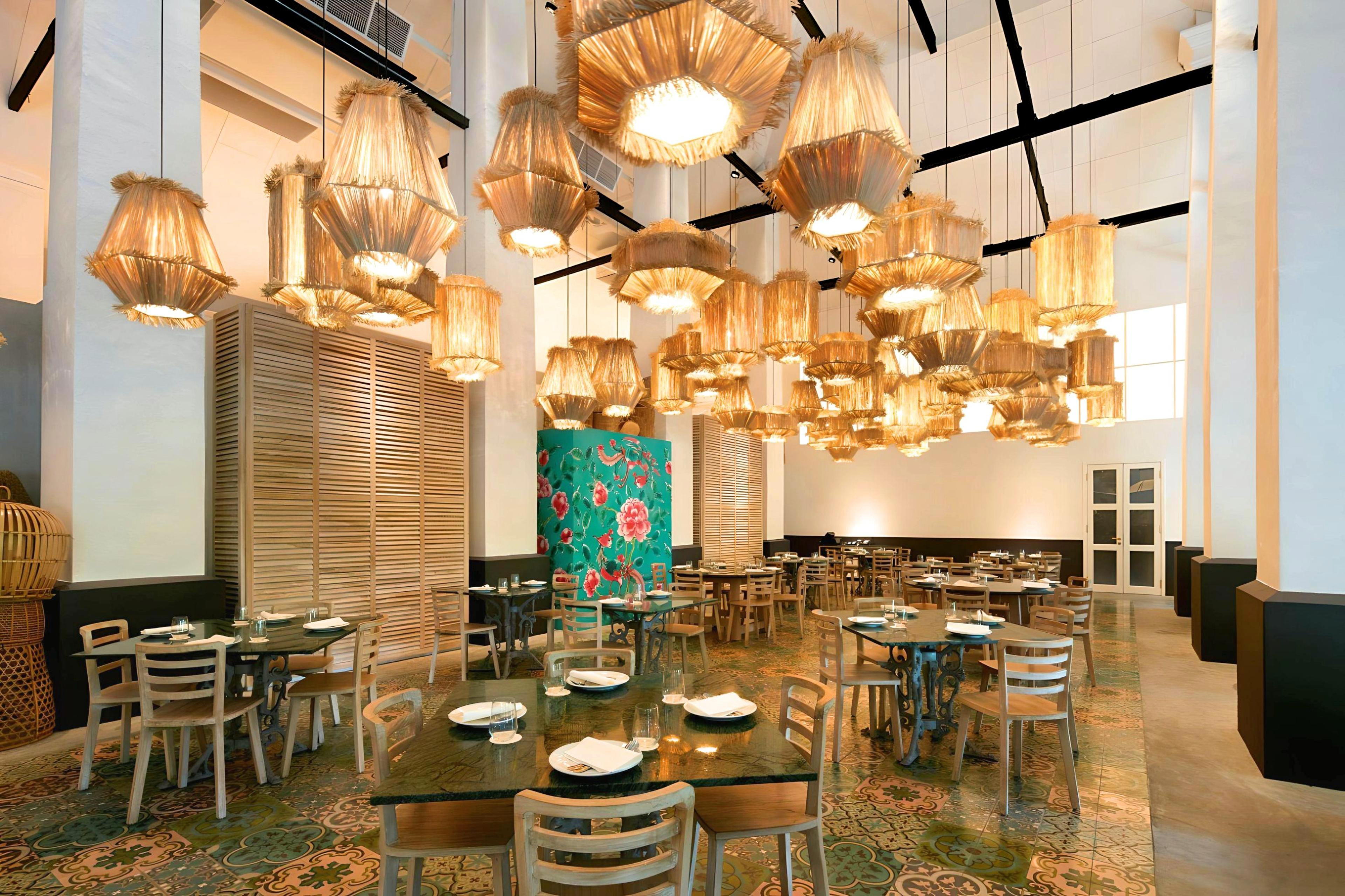
Restaurants in Singapore
All restaurants in Singapore →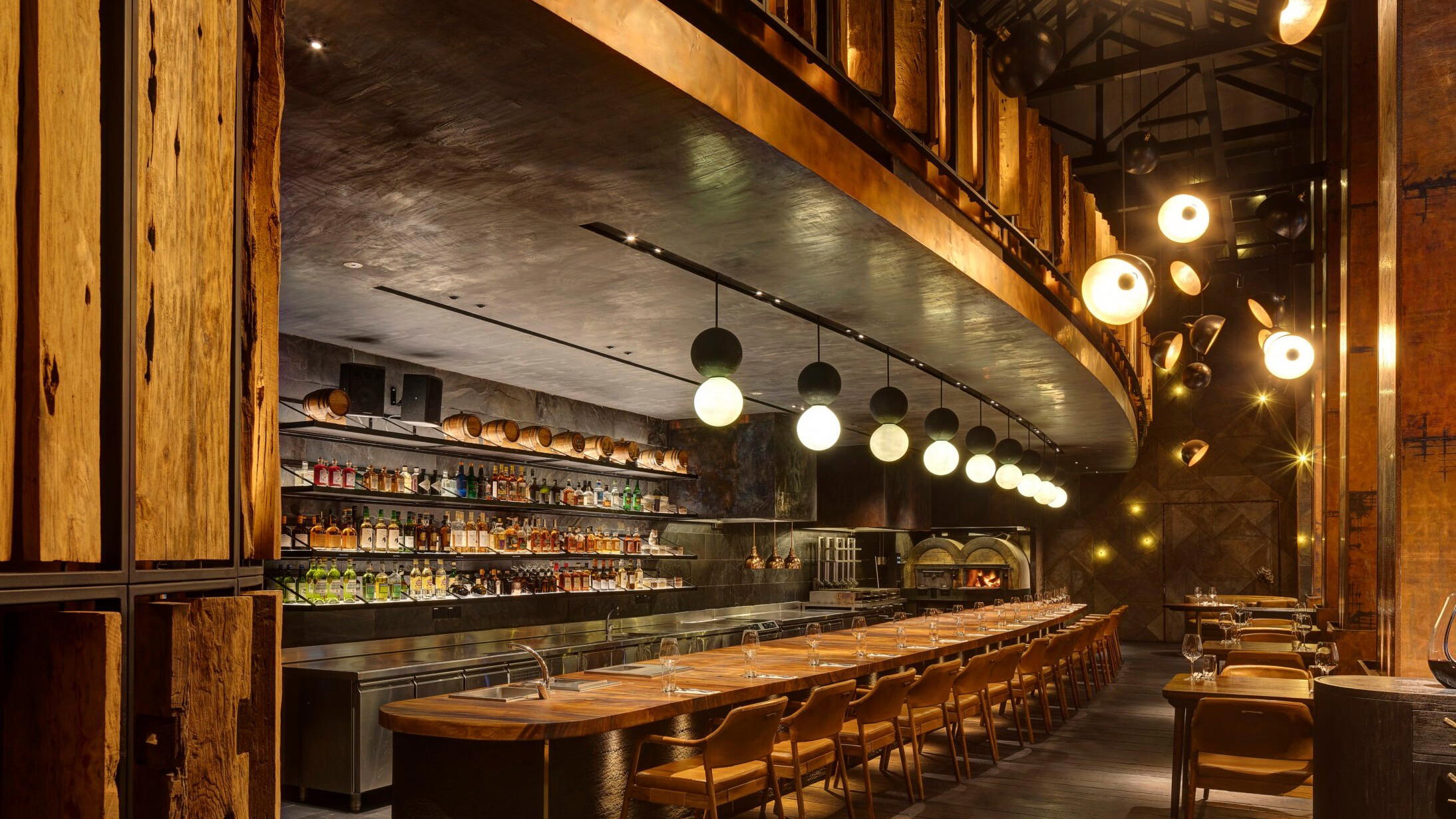
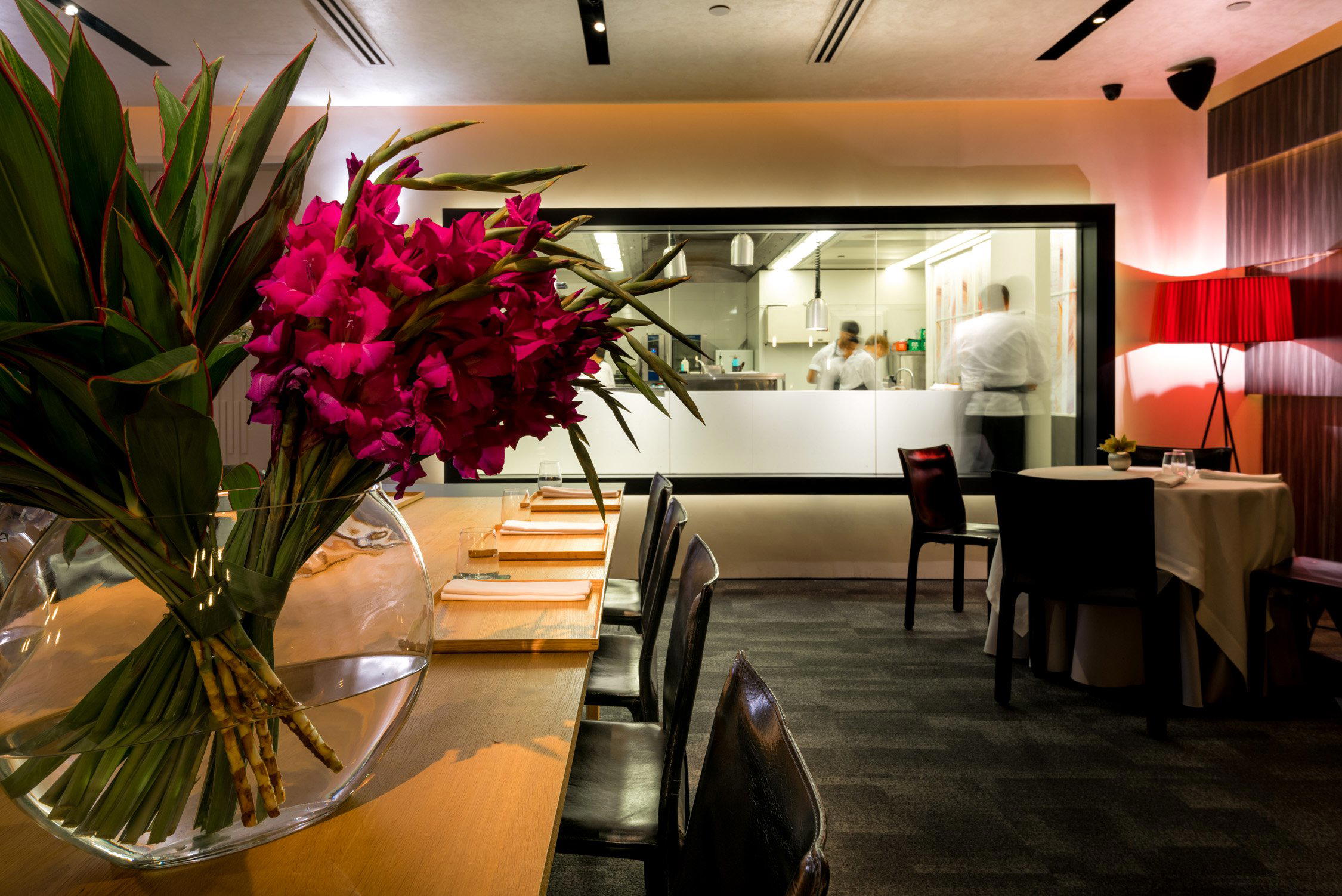
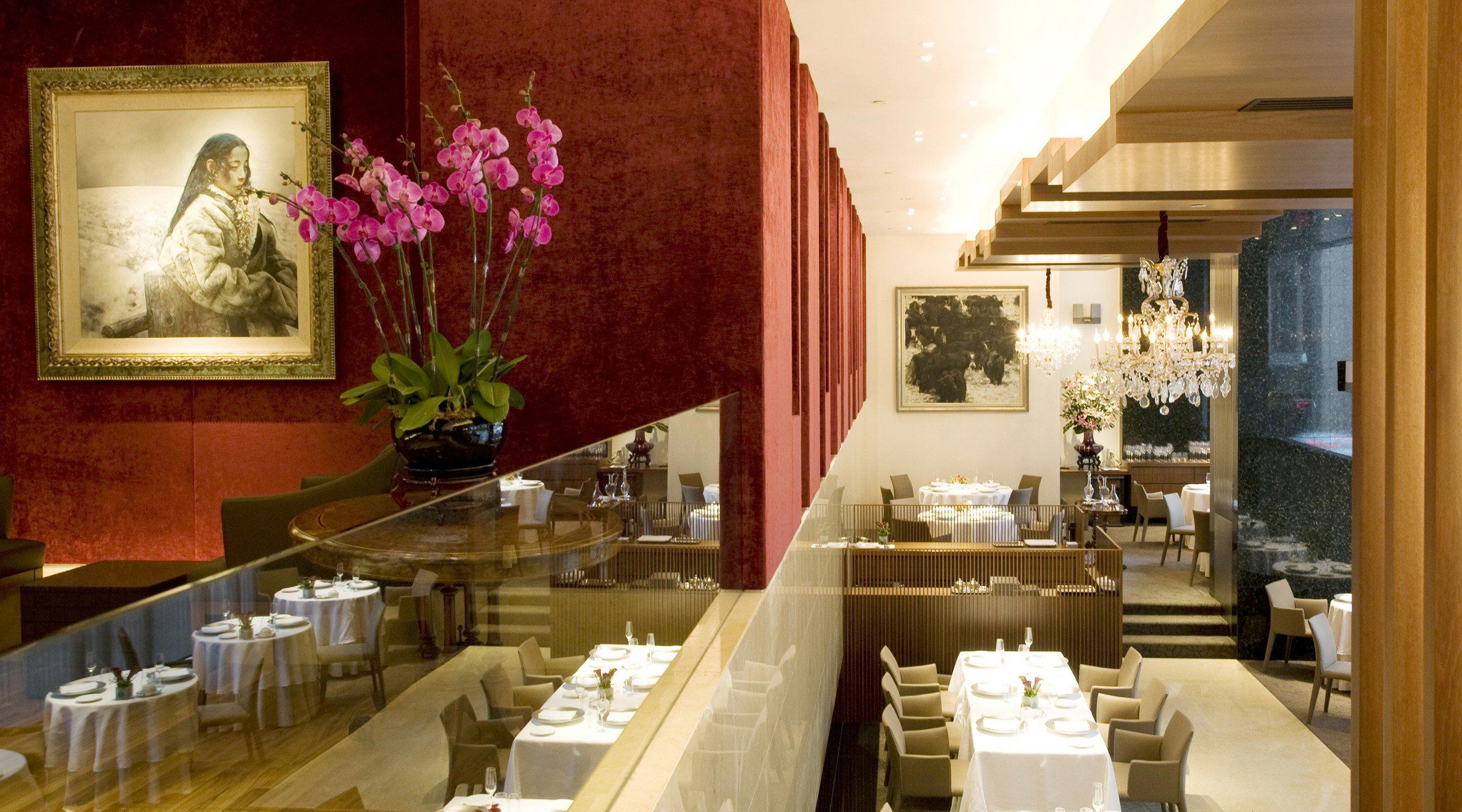
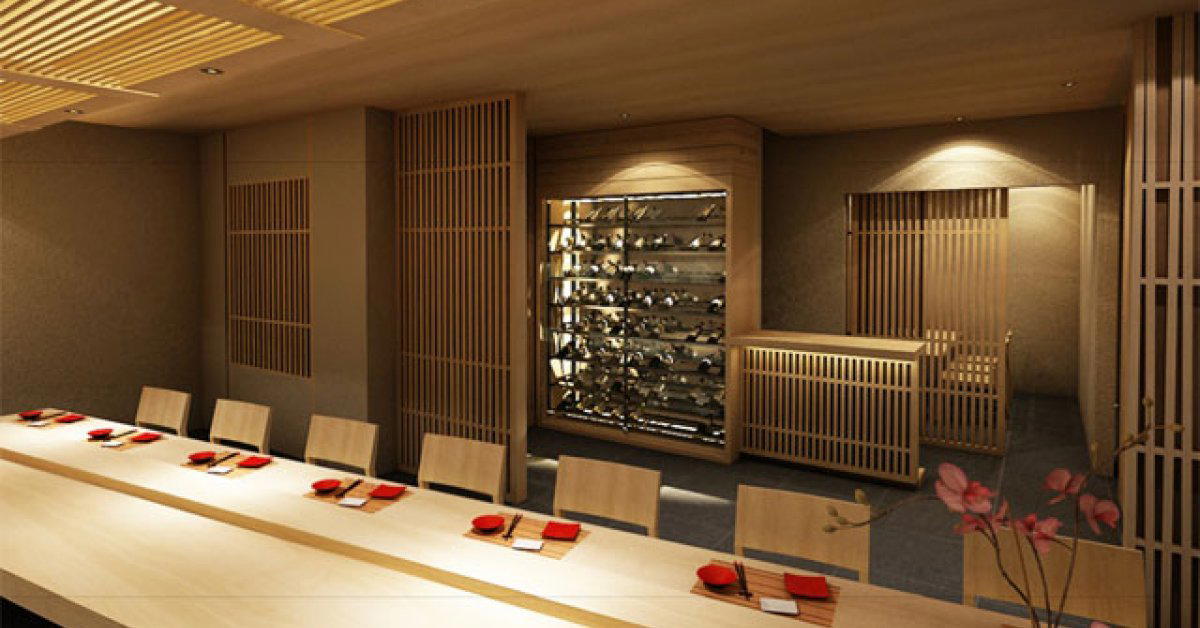
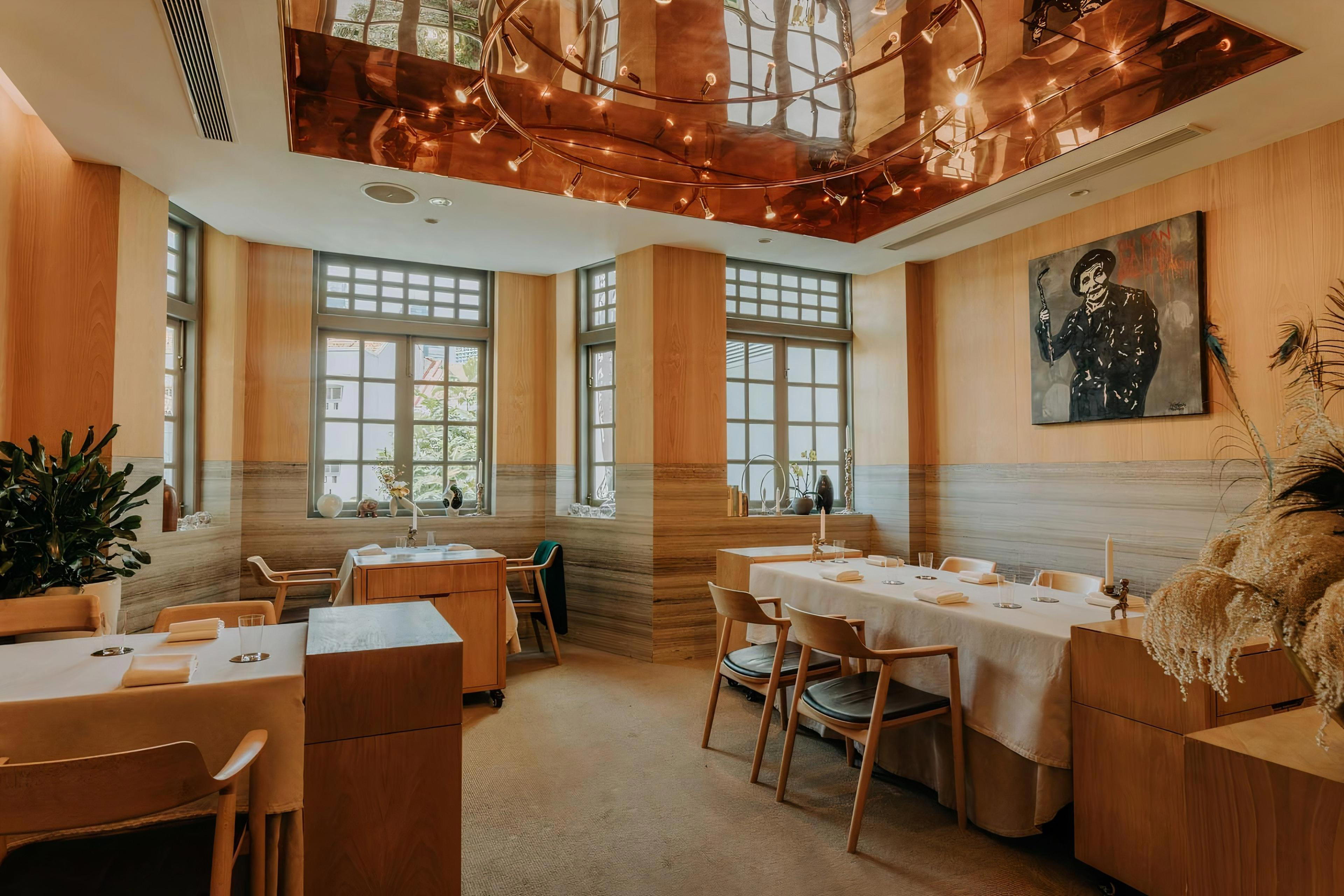
Bars in Singapore
All bars in Singapore →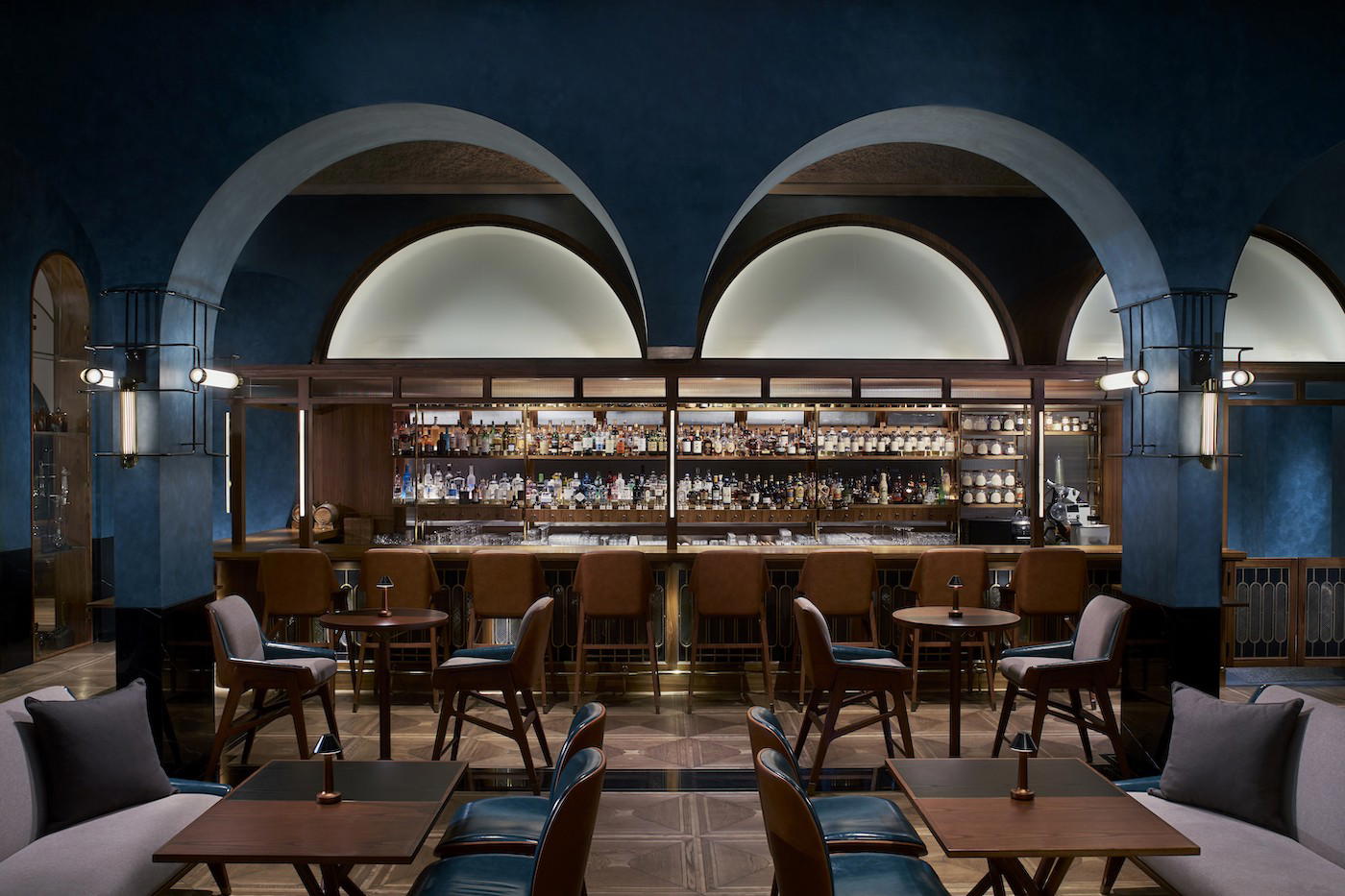
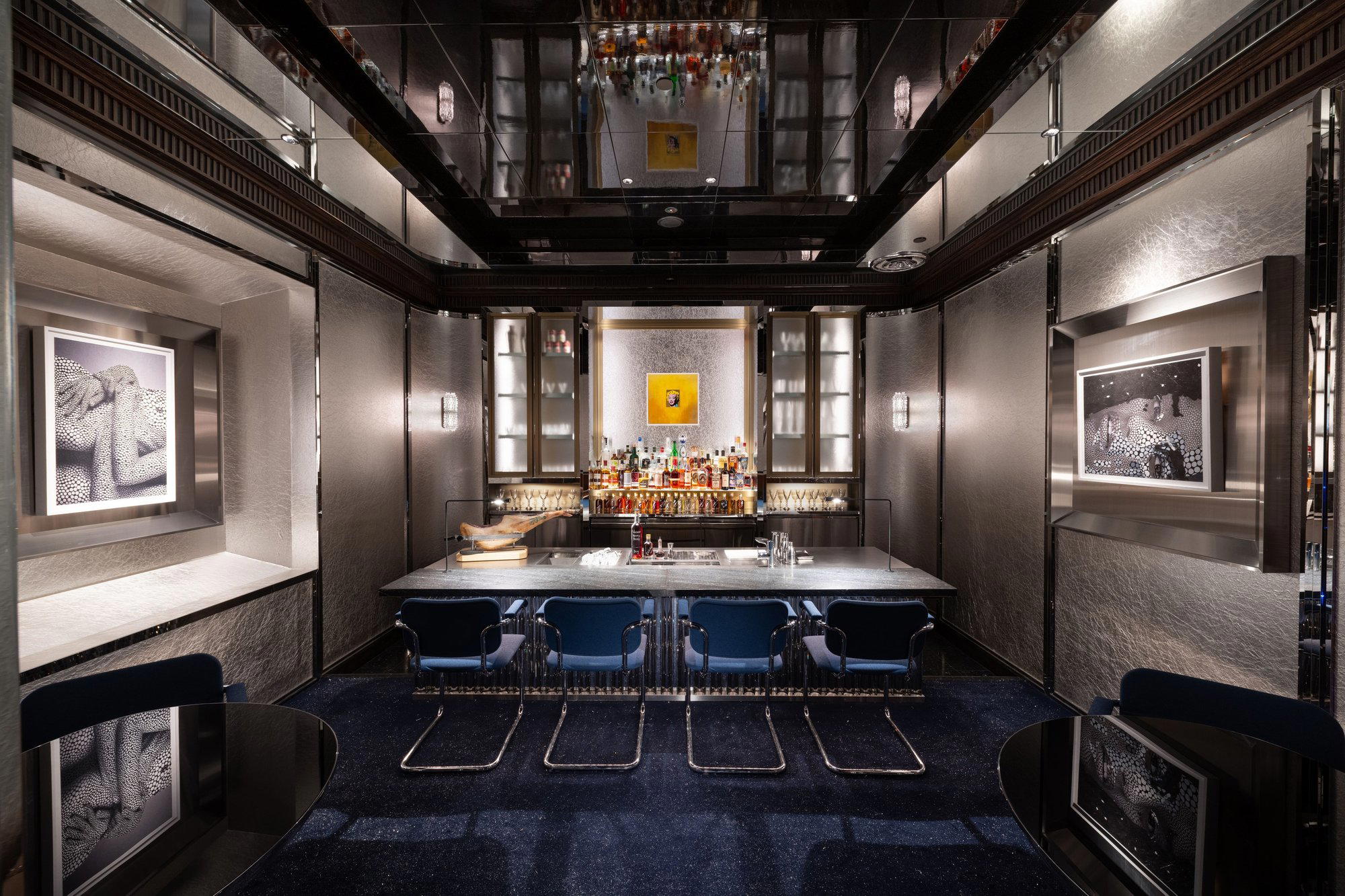
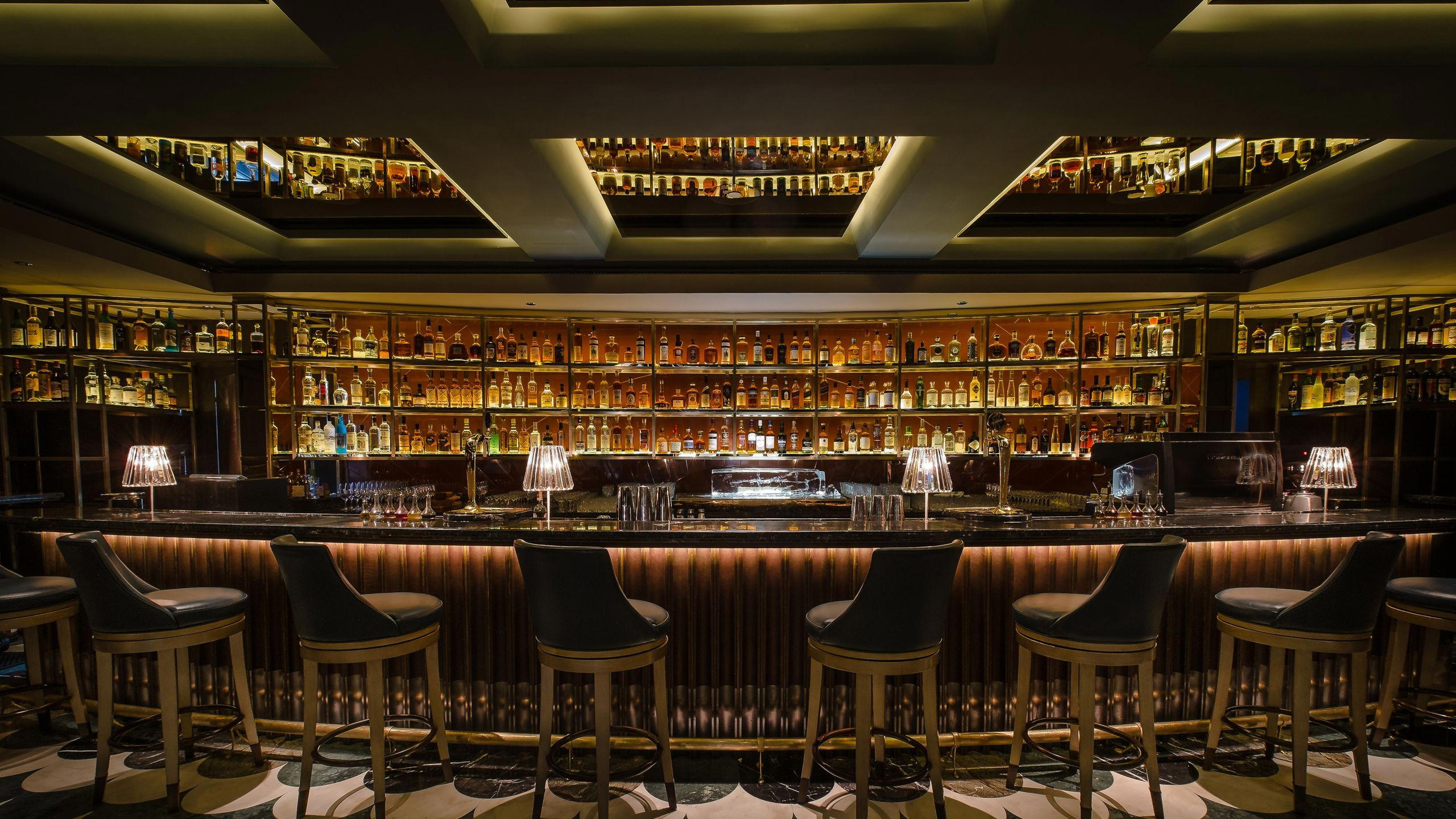
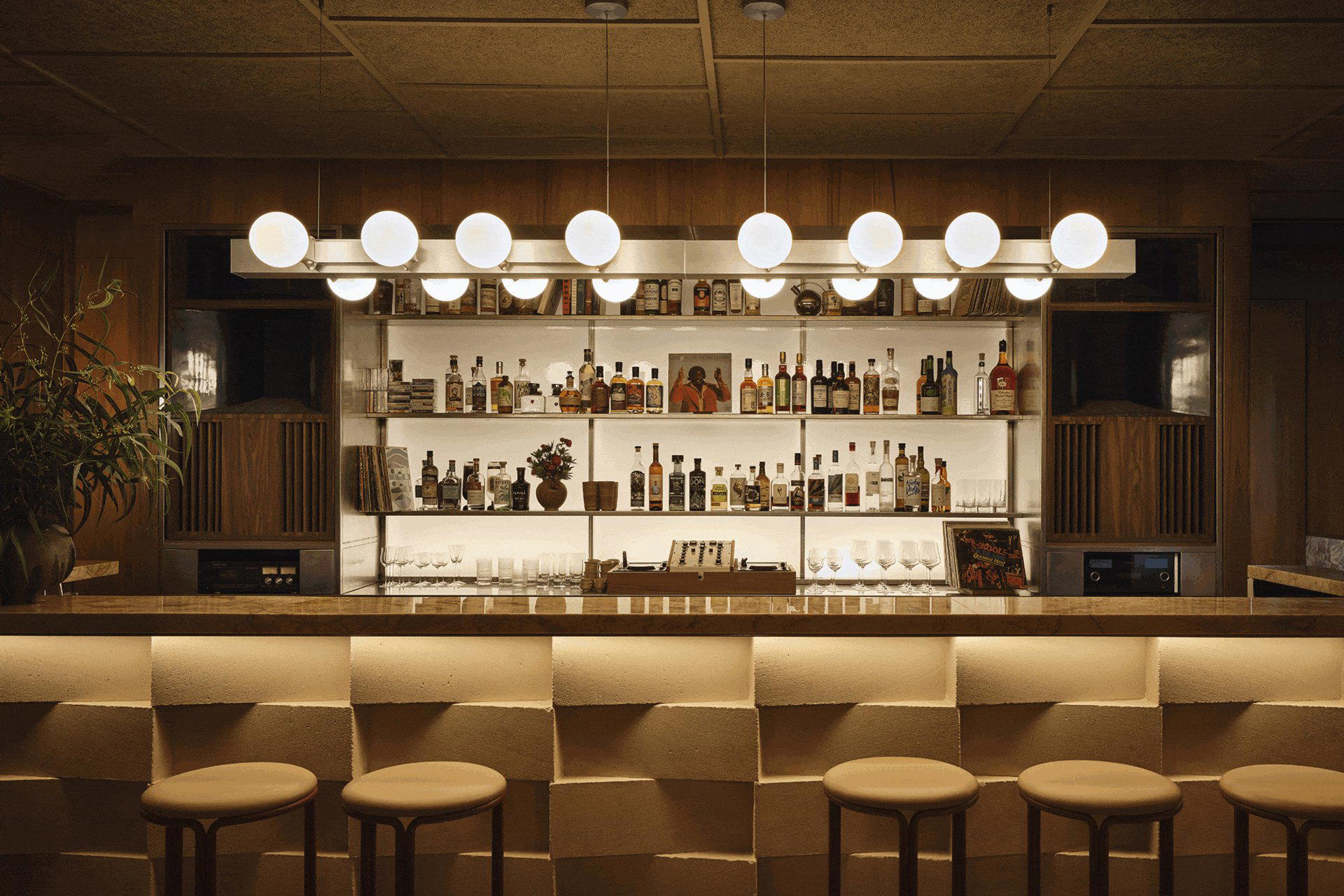
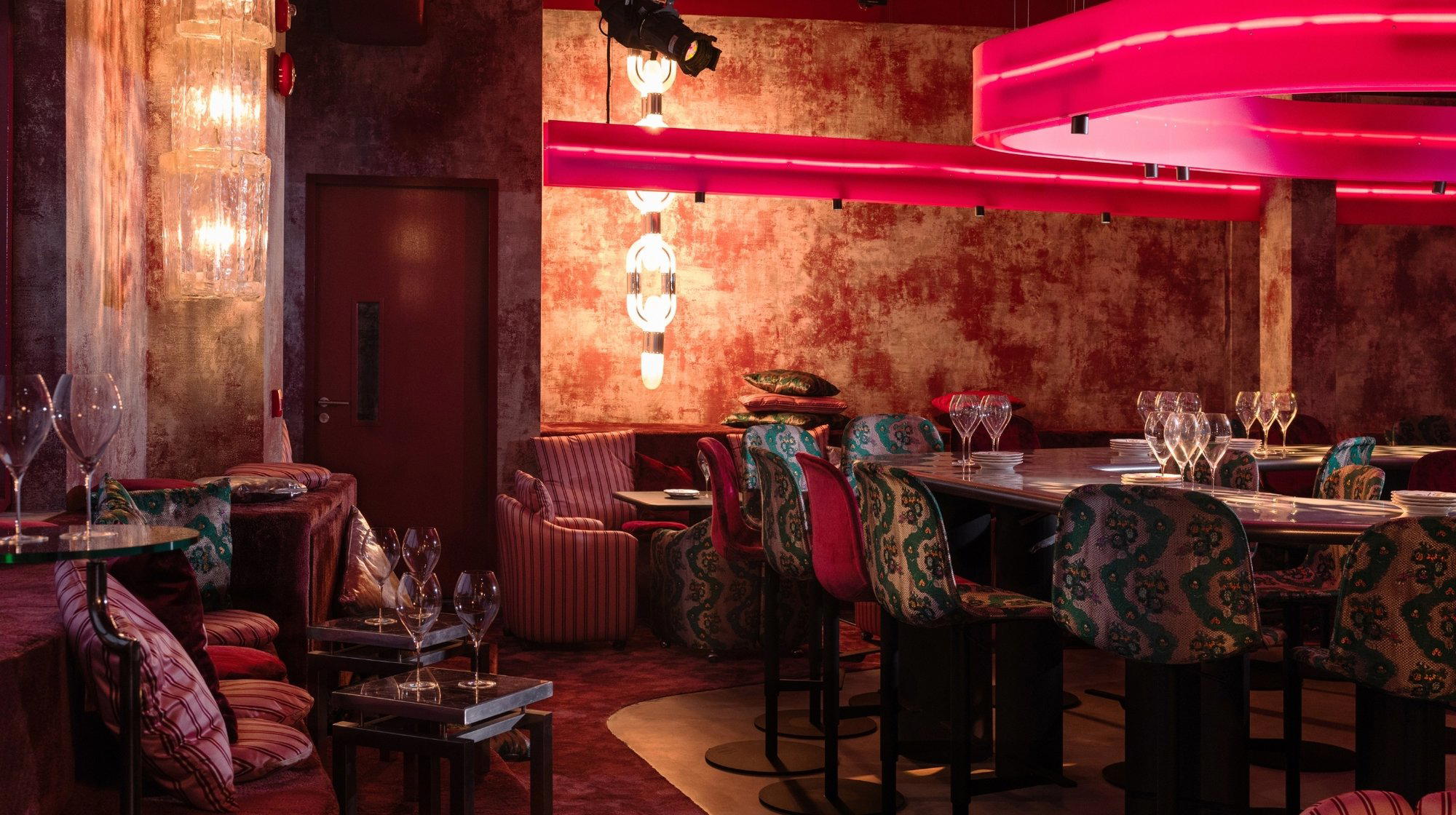


Details
- Elegant
- Modern
- Intimate
- Sophisticated
- Serene
- Date Night
- Special Occasion
- Celebration
- Garden
- Extensive Wine List
- Sake Program
- Garden
- Tasting Menu
- Allergy Accommodating
Current opening hours
- Monday
- Closed
- Tuesday
- Closed
- Wednesday
- 6:30–10 PM
- Thursday
- 12–2:30 PM, 6:30–10 PM
- Friday
- 12–2:30 PM, 6:30–10 PM
- Saturday
- 12–2:30 PM, 6:30–10 PM
- Sunday
- Closed
Hours can change for holidays and private events. Hours as of .
Elegant modern interior with natural light, full glass windows offering lush garden views, serene and private with well-spaced tables.