Jawi House

Michelin Plate
Our verdict
A Michelin Plate recipient for 2024 and 2025, Jawi House on Armenian Lane brings Peranakan cooking into a retro shophouse setting where Malay, Indian, and Middle Eastern influences converge. The kitchen's approach to biryani, jawi laksa lemak, and fish curry reflects George Town's layered culinary heritage. A mid-range address in the heart of the UNESCO heritage zone.

Pearl is the En Primeur Club membership app, where members save venues, book tables and use the concierge.
The menu
What to order
- Jawi Biryani
- Nasi Lemuni
- Jawi Laksa
- Mango Kerabu
Where Armenian Lane Meets the Plate
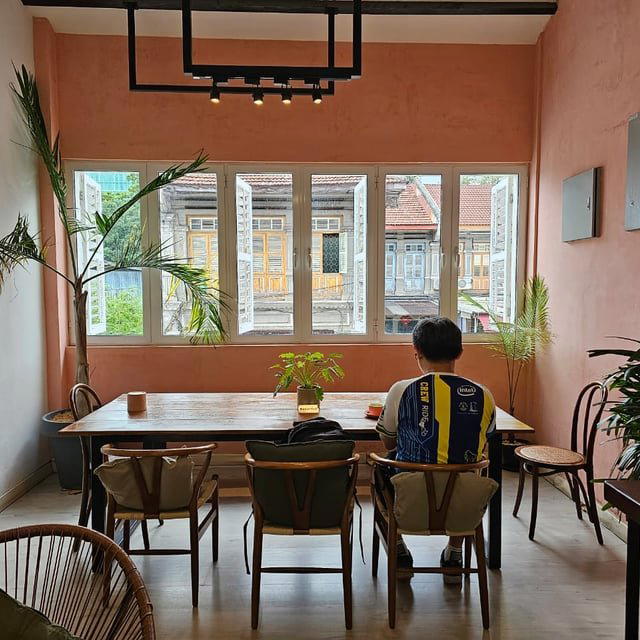
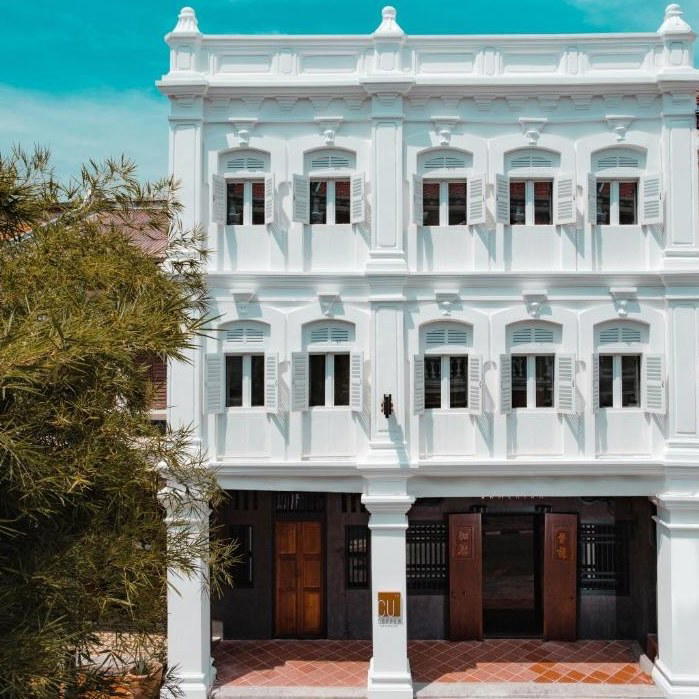
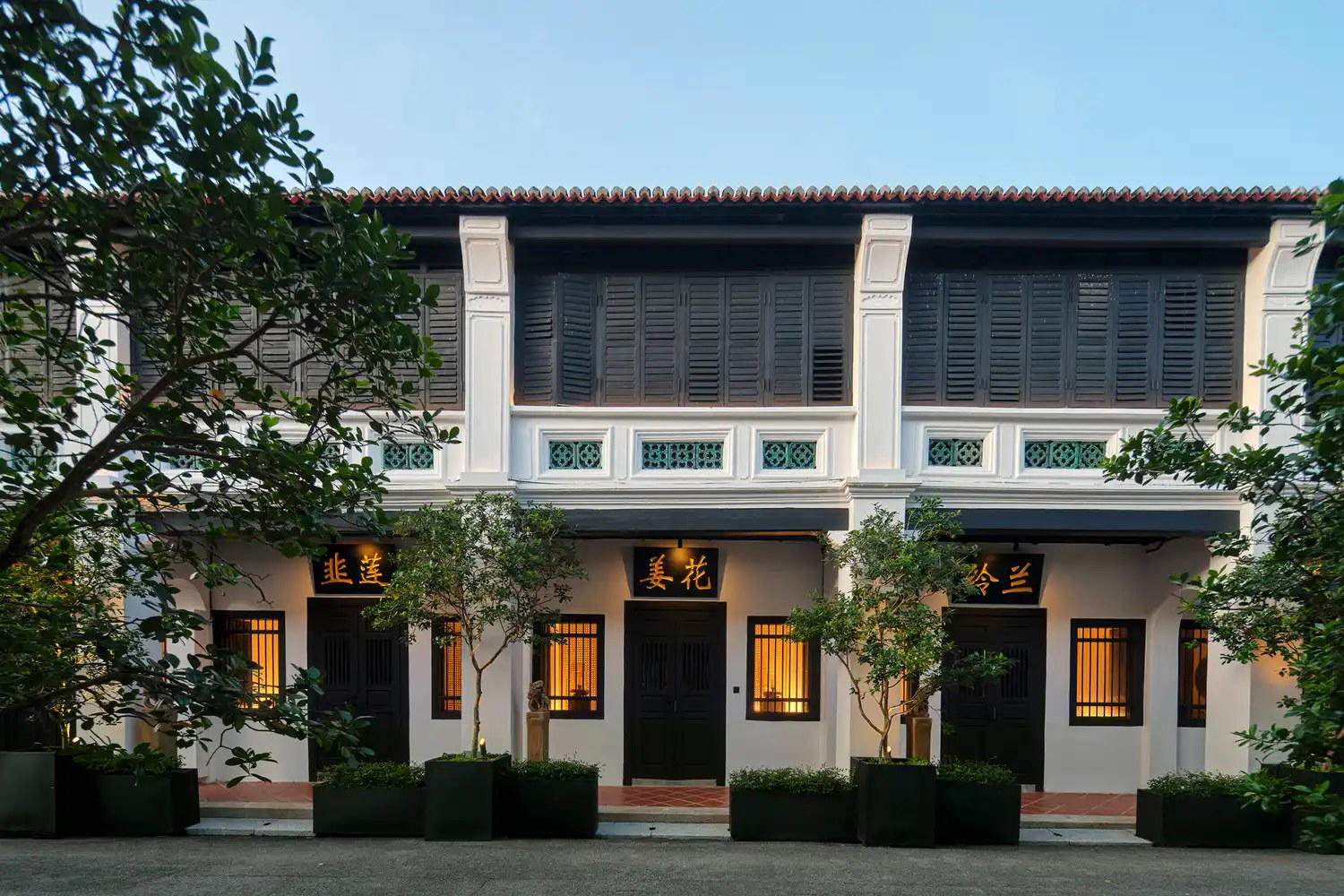
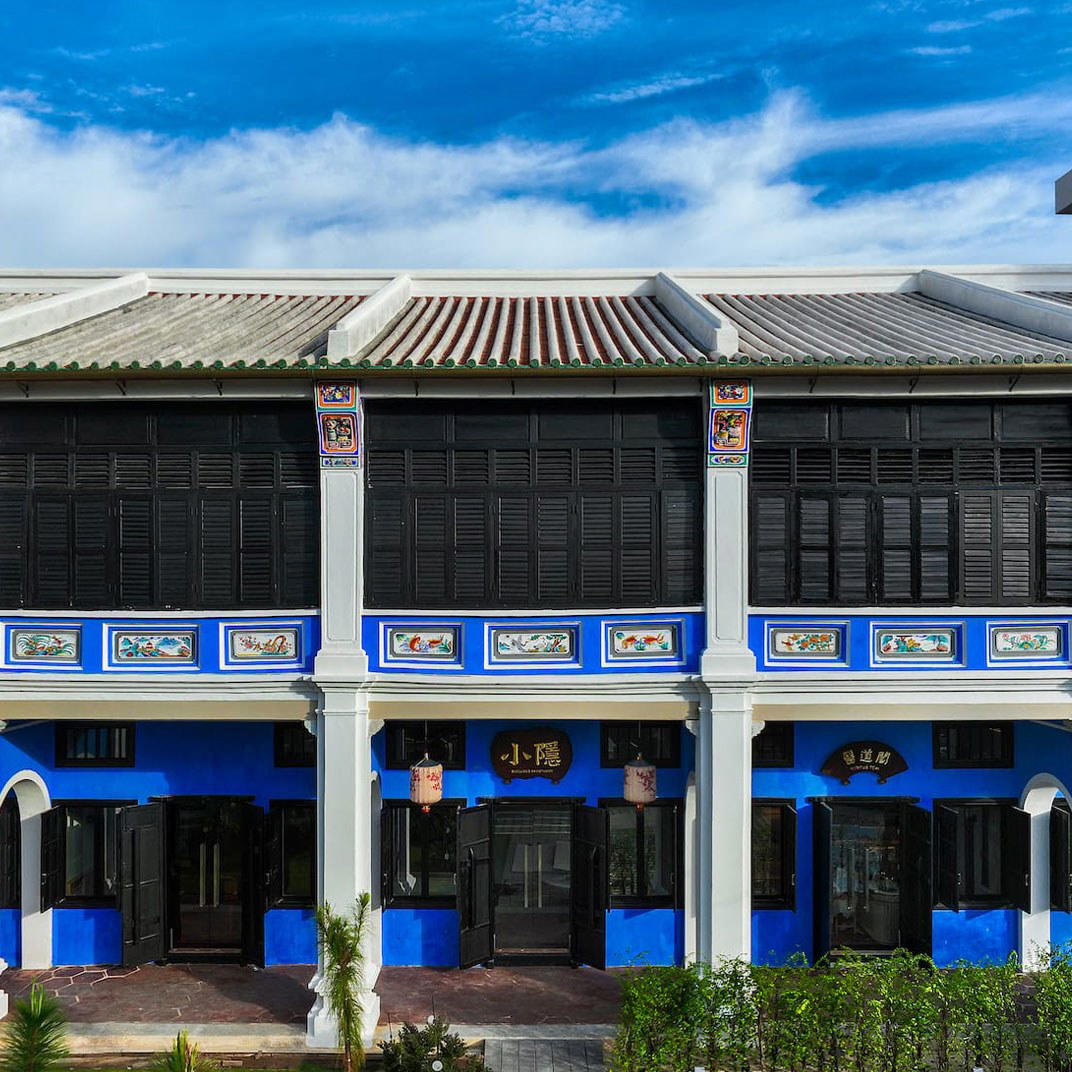
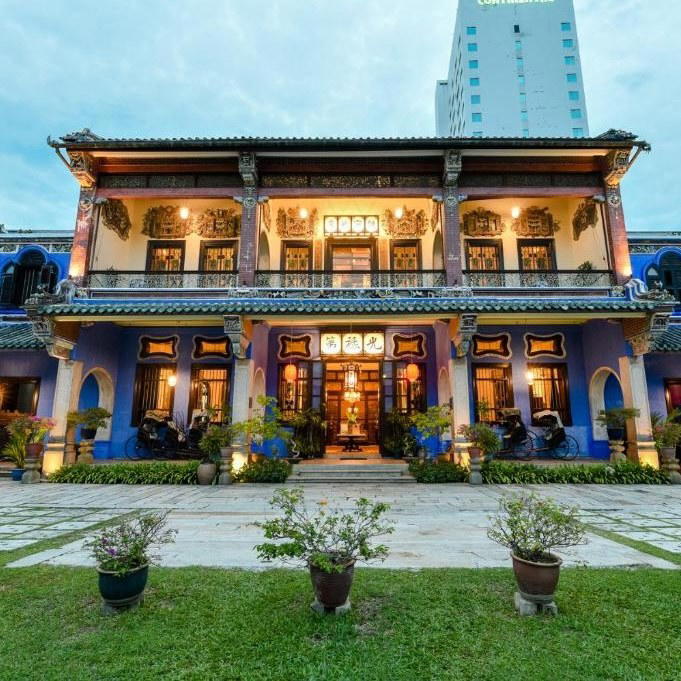
Armenian Lane in George Town carries more culinary and cultural weight per metre than almost any other street in Penang. The shophouses along this stretch are part of the UNESCO World Heritage core, and the restaurants that have taken root here operate with an awareness, conscious or otherwise, of what surrounds them. Jawi House sits within that context: a retro room in a heritage building where the architecture does not need to announce itself, because the neighbourhood already does it. Walking along Lebuh Armenian, the visual continuity of five-foot walkways, painted walls, and worn timber shutters sets a register that the interior continues rather than disrupts.
George Town's Peranakan dining scene has developed in two directions over the past decade. One branch runs toward polish and fine-dining formats, where Nyonya techniques are reframed inside modernist plating and tasting menus. The other stays closer to the original domestic register of the cuisine, where recipes are maintained through repetition and restraint rather than reinvention. Jawi House occupies a distinct position by expanding the second category outward, pulling in Malay, Indian, and Middle Eastern threads that reflect the actual ethnic and religious composition of Penang's population more fully than a strictly Straits Chinese framing would allow.
The Kitchen's Cultural Logic
The name itself signals the orientation. Jawi script, used historically across the Malay world to write Malay, Minangkabau, and other regional languages in Arabic letters, connects directly to the Muslim Peranakan communities whose foodways the kitchen draws on. That lineage explains why biryani sits alongside laksa on the same menu without contradiction: both belong to the same culinary territory when you follow the history of trade, migration, and intermarriage across the Straits of Malacca rather than treating Peranakan cuisine as a static, singular tradition.
The biryani selection covers multiple ingredient bases, a kitchen decision that reflects both the dish's regional diversity and a sourcing approach that responds to what is available. This kind of flexibility, building a menu around variable protein sources rather than locked-in specifications, has a practical sustainability dimension: it keeps the kitchen responsive to supply rather than driving demand for out-of-season or over-pressured ingredients. The jawi laksa lemak, rice noodles in a coconut milk broth with flaked tuna and mackerel, relies on fish that move through Penang's wet markets in volume. Asking the servers about the catch of the day, as the Michelin inspectors note, is not just good advice for the diner; it is an indication that the kitchen is working with fresh, market-responsive sourcing rather than frozen or imported protein. For a restaurant at the $$ price point, that discipline is worth acknowledging.
Fish curry anchors the menu at the steadier end, a dish where consistency matters as much as creativity. Within George Town's Peranakan dining tier, reliable fish curry at accessible prices places Jawi House in useful conversation with addresses like Auntie Gaik Lean's Old School Eatery, which holds a Michelin Star and prices accordingly, and Bibik's Kitchen, another neighbourhood address working the same heritage territory. Jawi House's own back-to-back Michelin Plate recognition for 2024 and 2025 places it in a credible tier without the premium pricing those stars would command.
Sustainability Through Sourcing and Scale
The sustainability story in a restaurant like this is less about formal certification or zero-waste kitchen programs and more about structural choices that the cuisine itself encodes. Peranakan cooking, particularly in its Jawi inflection, evolved from communities that used everything, combined inexpensive cuts with aromatic pastes, and stretched protein through spice rather than volume. That is not nostalgia; it is a genuinely low-waste culinary logic. Coconut milk broths like the laksa lemak use a base ingredient produced locally across the peninsula. Flaked fish preparations use the whole catch more fully than fillet-focused menus do. Papadum, listed among the accompaniments, is a stable pantry item with negligible waste.
George Town as a dining city benefits from its position within Penang's agricultural and fishing supply lines. The island's wet markets receive daily catches from the Straits and produce from the mainland, which means mid-range restaurants with menu flexibility can source fresher and more locally than their price points might suggest. Jawi House's model, adapting biryani proteins to what is available and flagging the catch of the day, is an expression of that supply chain working as intended.
For context on how Peranakan kitchens handle similar sourcing questions elsewhere in the region, the contrast with Singapore is instructive. Addresses like Candlenut and Pangium in Singapore operate at higher price points with more formalised procurement structures. 328 Katong Laksa and Chilli Padi in Joo Chiat stay closer to the street-food end of that city's Peranakan register. Indocafé offers a colonial-house setting that positions Peranakan as heritage-luxury. Jawi House's equivalent in terms of format and intent sits somewhere between the everyday and the considered, a mid-range room with a specific cultural argument to make about whose Peranakan story gets told.
The Room and Who It Is For
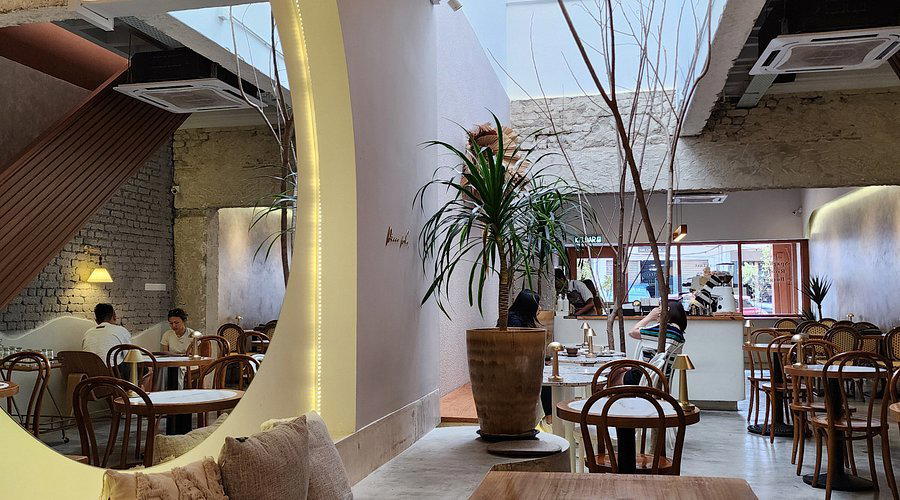
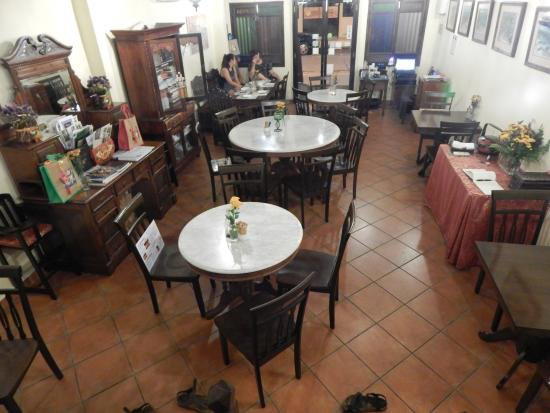
The retro interior at Jawi House is neither museological nor nostalgic in a performative way. It functions as a frame for the food rather than competing with it. In a street where heritage aesthetics have become so thoroughly commercialised that some addresses coast on atmosphere alone, a room that keeps the emphasis on what arrives at the table is a deliberate choice. George Town's dining scene includes addresses where the setting is doing most of the work; Jawi House is not one of them.
For travellers moving through Penang's heritage core and building a picture of the city's cuisine across different registers, the address fits naturally into a day that might include Richard Rivalee for contemporary Malaysian cooking, or Ceki or Flower Mulan for other neighbourhood angles. Beyond Penang, the broader Malaysian fine-dining context includes Dewakan in Kuala Lumpur, and across the water, Bee See Heong in Seberang Perai and The Planters at The Danna in Langkawi offer useful regional comparisons.
Planning Your Visit
Jawi House is located at 85 Lebuh Armenian, George Town, in the UNESCO World Heritage core of Penang. The $$ pricing makes it one of the more accessible Michelin-recognised addresses in the city. The servers' knowledge of the catch of the day is worth using: it is the clearest indicator of what the kitchen is working with on any given service. For broader trip planning, see our full George Town restaurants guide, hotels guide, bars guide, wineries guide, and experiences guide.
Frequently asked questions
What's the cuisine at Jawi House?
Where is Jawi House in George Town?
Jawi House is located at 85, Lbh Armenian, George Town, 10200 George Town, Pulau Pinang, Malaysia, George Town.
Is Jawi House award-winning?
Jawi House has received recognition including: Nestled in a neighbourhood rich in cultural heritage, Jawi House blends in seamlessly. The retro room sets the backdrop for the chef to experiment with recipes that combine Malay, Indian and Middle Eastern influences. On the menu, a good se….
What do people recommend at Jawi House?
The jawi laksa lemak, rice noodles with flaked tuna and mackerel in a coconut milk broth, is the most discussed dish on the menu. The biriyani selection draws attention for its range of ingredients, and the fish curry is a consistent order; servers can advise on the catch of the day. Papadum rounds out a meal that sits squarely in the Malay-Indian-Middle Eastern overlap the kitchen works.
What's the pricing like at Jawi House?
Pricing at Jawi House is listed as $$.
Is Jawi House reservation-only?
Given its Michelin Plate recognition in both 2024 and 2025 and its location on Armenian Lane, one of George Town's most visited heritage streets, contacting the restaurant directly before visiting is advisable, particularly on weekends.
What is Jawi House known for?
Jawi House holds a Michelin Plate for 2024 and 2025, recognised for cooking that draws on Malay, Indian, and Middle Eastern culinary traditions under a Peranakan framework. The name references Jawi script, the Arabic-derived writing system historically used across the Malay world, which signals the kitchen's cultural orientation directly.
Side-by-Side Snapshot
| Venue | Cuisine | Price | Awards | Notes |
|---|---|---|---|---|
| Jawi HouseThis venue (the venue you are viewing) | Jawi Peranakan Heritage Cuisine | $10–20 | Michelin Plate | Not listed |
| Au Jardin | Modern European with Local Accents | $200–300 | 1 Michelin Star · World's 50 Best #39 | European Contemporary |
| Auntie Gaik Lean's Old School Eatery | Peranakan (Nyonya) | $10–20 | 1 Michelin Star | Peranakan |
| Ah Boy Koay Teow Th'ng | Teochew Koay Teow Th'ng | $1–10 | Michelin Bib Gourmand | Not listed |
| Aria | Modern American | Not listed | Not listed | Not listed |
| Communal Table by Gēn | Modern Malaysian Fusion | $30–50 | Michelin Bib Gourmand · Star Wine List | Not listed |
Recognition history
Dated appearances from independent guides and award organizations, with the underlying list record or original source where available.
Michelin Plate
Michelin
Full recognition history (3 entries)
Michelin Plate
Michelin
Michelin Plate
Michelin