Ceki

Michelin Plate
Our verdict
A Michelin Plate-recognised Peranakan table on Jalan Sri Bahari, Ceki serves home-cooked Nyonya dishes that have largely disappeared from George Town's commercial dining circuit. The menu leans on high-quality seafood and rare preparations like too kwa kean, served inside a room dressed in antique Peranakan clothing and curios. With only a few large tables, bookings are strongly advised.

Pearl is the En Primeur Club membership app, where members save venues, book tables and use the concierge.
The menu
What to order
- Ayam Buah Keluak
- Assam Pedas Fish
- Sambal Goreng Prawns
Where the Room Does the Talking
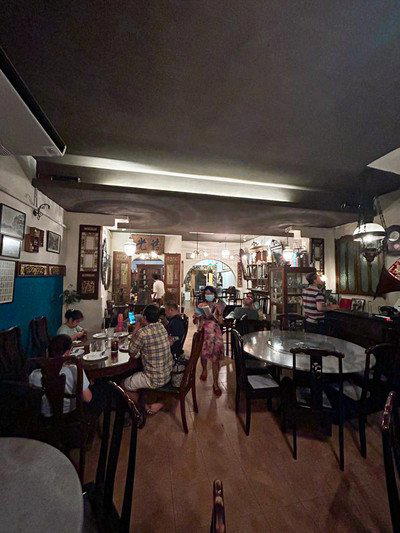
Jalan Sri Bahari runs through one of George Town's older residential corridors, a street more accustomed to clan houses and provision shops than restaurant foot traffic. Ceki sits at number 11-A, and the physical environment signals its intentions before any food arrives. Antique Peranakan clothing, household knick-knacks, and decorative objects from a previous era line the interior, functioning less as decor and more as a record of the domestic culture that produced this food. The room is small and the tables are few, which means the atmosphere is dense with conversation and the kind of unhurried pace that larger operations rarely manage.
This matters because Peranakan cuisine in George Town exists across a wide spectrum, from sanitised tourist-facing menus to the genuinely home-cooked tradition that shaped it. Ceki sits firmly in the latter category, and the room is part of that argument. The antiques are not theatrical; they are contextual.
Nyonya Cooking and the Ethics of Preservation
Peranakan food is, at its core, a cuisine of resourcefulness. The Straits Chinese communities that developed it over centuries in Penang, Malacca, and Singapore were working across culinary traditions, blending Malay spice logic with Chinese ingredient habits, and producing dishes that made full use of what was available. That original ethic of minimal waste and maximum flavour extraction remains embedded in the technique, even if it is rarely framed in contemporary sustainability terms.
Ceki's menu reflects this inheritance directly. The kitchen concentrates on home-cooked style preparations rather than showpiece dishes, and the result is a menu with a notably low tolerance for redundancy. Dishes like too kwa kean, a preparation involving pressed tofu and vegetables that has largely vanished from commercial menus in the city, appear here because the kitchen maintains a commitment to the full range of Nyonya cooking rather than its most photogenic or exportable tier. In a city where plenty of restaurants have consolidated around crowd-pleasing Peranakan staples, that breadth is itself a form of conservation.
The seafood menu carries its own version of this argument. Assam pedas fish and sambal goreng prawns, both listed as signature preparations, draw on the tamarind and chilli framework that defines much of Penang Nyonya cooking. The herbal sauce that accompanies them is noted as a point of distinction, suggesting the kitchen's attention extends to the supporting elements of a dish, not just its protein. Sourcing high-quality seafood in a coastal city like George Town is less logistically complicated than it would be inland, but selecting and cooking it with restraint is a separate discipline, and one that the kitchen appears to take seriously.
Within George Town's Peranakan dining tier, Ceki occupies a specific position. Auntie Gaik Lean's Old School Eatery, which holds a Michelin Star, operates at a more formal and refined level of the same tradition. Bibik's Kitchen, Ivy's Nyonya Cuisine, and Richard Rivalee round out a competitive set where home-cooking authenticity is the primary differentiator rather than price or presentation. Ceki's back-to-back Michelin Plate recognition in 2024 and 2025 places it within that verified tier without repositioning it as anything other than what it is: a small, food-focused table with a serious menu.
For readers tracing Peranakan cooking across the region, the comparison with Singapore is instructive. Operations like Candlenut and Pangium in Singapore represent the fine-dining end of the same culinary tradition, while more casual anchors like 328 Katong Laksa, Chilli Padi in Joo Chiat, and Indocafé serve a similar role to Ceki in preserving everyday Nyonya preparations. Penang Peranakan cooking and its Singaporean counterpart share roots but diverged in flavour profile over time, with Penang's version carrying a more pronounced sour and spicy character derived from its closer proximity to Thai culinary influence. Ceki's assam pedas and sambal-forward dishes reflect that northern character clearly.
Elsewhere in Malaysia, the regional picture extends further. Dewakan in Kuala Lumpur represents a different relationship with Malaysian culinary heritage, working at the fine-dining research level, while Bee See Heong in Seberang Perai and The Planters at The Danna in Langkawi show how regional Malaysian dining operates across different formats and price points.
A Note on the Menu's Rarer Dishes
Too kwa kean is worth addressing directly because it illustrates something important about what Ceki is doing. The dish, a tofu-based preparation involving a more laborious set of steps than its modest ingredients suggest, appears on very few commercial menus in George Town. Its inclusion signals a kitchen willing to absorb the extra preparation time for a dish that won't photograph as dramatically as a whole steamed fish or a prawn sambal. That kind of decision reflects a set of culinary values that aligns, even if unintentionally, with the broader contemporary argument about whole-menu cooking and the preservation of less commercially convenient preparations. Flower Mulan represents another angle on George Town's approach to heritage cooking, though operating in a different register.
Planning Your Visit
Ceki is priced in the accessible mid-range for George Town, marked at the $$ tier, which in practical terms means it sits comfortably below the city's hotel-restaurant and fine-dining bracket while offering a more considered menu than the hawker circuit. The address at 11-A, Jalan Sri Bahari is in the older part of George Town, accessible on foot from the UNESCO World Heritage core of the city. The room holds only a few large tables, which is worth registering before you arrive: dinner for two almost certainly means sharing a communal table or arriving at an off-peak hour. Booking in advance is strongly recommended and, on weekends or during peak travel periods, close to essential. Hours and booking channels are not listed centrally, so contacting the restaurant directly before arrival is advisable.
For a fuller picture of where Ceki sits within the city's dining options, see our full George Town restaurants guide. Planning around food? Our George Town hotels guide, bars guide, wineries guide, and experiences guide cover the rest of the city's premium offer.
Frequently asked questions
Where is Ceki located?
Ceki is located at 11-A, Jalan Sri Bahari, George Town, 10050 George Town, Pulau Pinang, Malaysia, George Town.
What does dinner at Ceki typically cost?
Pricing at Ceki is listed as $$.
Is Ceki Michelin-listed?
Ceki has received recognition including: Ceki is decorated in a traditional vibe with antique clothing and knick-knacks that tell a story from the past. The extensive menu is chiefly composed of home-cooked style Peranakan cuisine and features interesting dishes that can be hard t….
What do regulars order at Ceki?
The seafood dishes carry the strongest reputation: assam pedas fish and sambal goreng prawns, both served with a herbal sauce the kitchen treats as a house signature. Too kwa kean is also worth ordering, a tofu-based Peranakan preparation that rarely appears on menus in George Town and reflects the range of the kitchen's Nyonya repertoire. Ceki holds a Michelin Plate for 2024 and 2025, recognition that points squarely at the consistency of this cooking rather than any single showpiece dish.
Do I need a reservation for Ceki?
Yes. Ceki operates with only a few large tables, which means capacity is limited regardless of the day or time. George Town's dining scene draws steady visitor traffic, and the restaurant's Michelin Plate recognition since 2024 has added pressure on those seats. Walk-ins during busy periods carry real risk of being turned away, so booking in advance is the practical approach.
A quick peer list to put this venue’s basics in context.
| Venue | Cuisine | Price | Awards | Notes |
|---|---|---|---|---|
| CekiThis venue (the venue you are viewing) | Authentic Peranakan Nyonya | $10–20 | Michelin Plate | Not listed |
| Au Jardin | Modern European with Local Accents | $200–300 | 1 Michelin Star · World's 50 Best #39 | European Contemporary |
| Auntie Gaik Lean's Old School Eatery | Peranakan (Nyonya) | $10–20 | 1 Michelin Star | Peranakan |
| Ah Boy Koay Teow Th'ng | Teochew Koay Teow Th'ng | $1–10 | Michelin Bib Gourmand | Street Food |
| Aria | Modern American | Not listed | Not listed | Not listed |
| Communal Table by Gēn | Modern Malaysian Fusion | $30–50 | Michelin Bib Gourmand · Star Wine List | Malaysian |
Recognition history
Dated appearances from independent guides and award organizations, with the underlying list record or original source where available.
Michelin Plate
Michelin
Full recognition history (3 entries)
Michelin Plate
Michelin
Michelin Plate
Michelin
Continue exploring
More in George Town
Restaurants in George Town
All restaurants in George Town →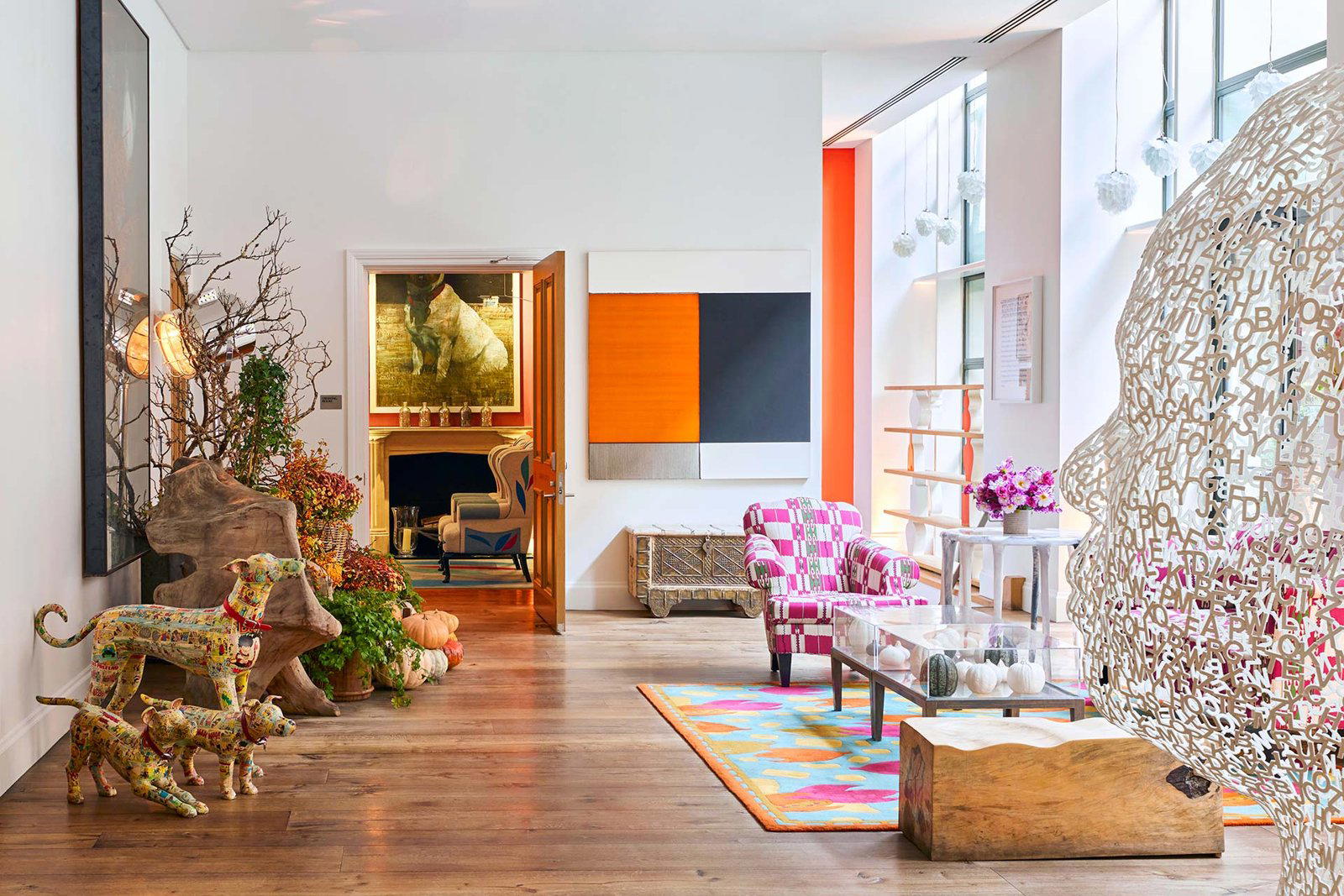
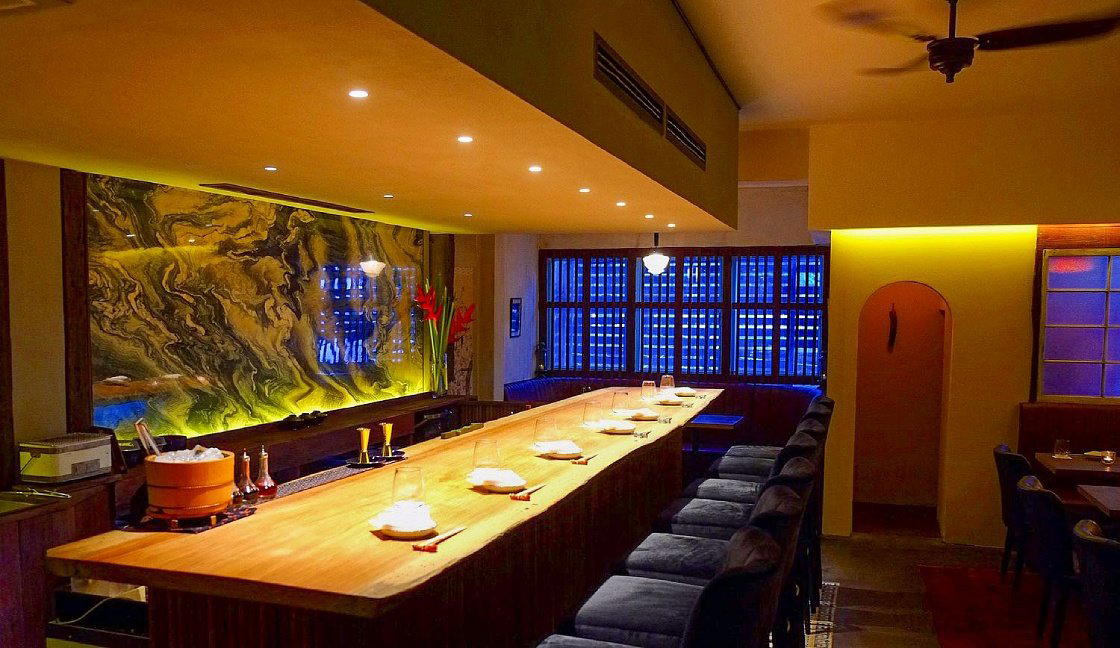
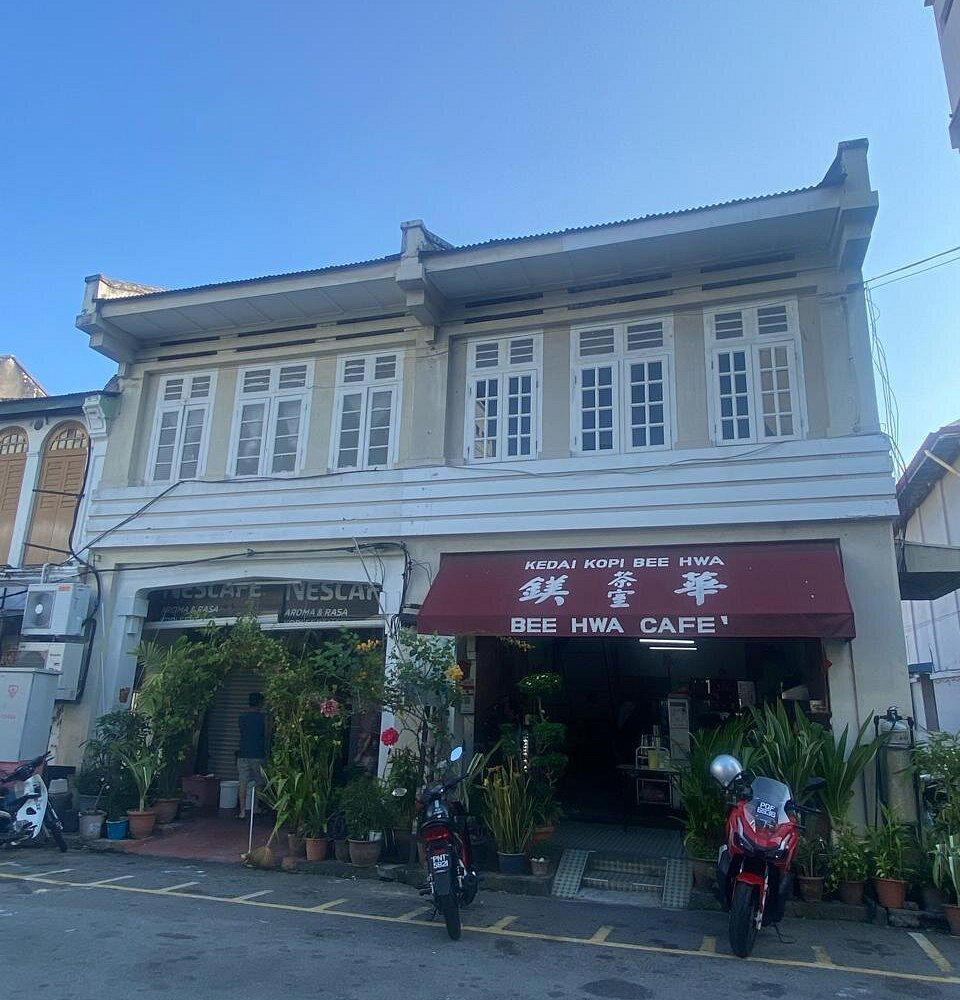
Bars in George Town
All bars in George Town →
Details
- Classic
- Cozy
- Intimate
- Family
- Group Dining
- Casual Hangout
- Historic Building
- A La Carte
- Vegetarian Friendly
Current opening hours
- Monday
- 11:30 AM–3 PM, 5:30–10 PM
- Tuesday
- Closed
- Wednesday
- 11:30 AM–3 PM, 5:30–10 PM
- Thursday
- 11:30 AM–3 PM, 5:30–10 PM
- Friday
- 11:30 AM–3 PM, 5:30–10 PM
- Saturday
- 11:30 AM–3 PM, 5:30–10 PM
- Sunday
- 11:30 AM–3 PM, 5:30–10 PM
Hours can change for holidays and private events. Hours as of .
Traditional and cozy with Peranakan antiques, old family photos, knick-knacks, and marble-topped tables evoking a bygone era.