Richard Rivalee


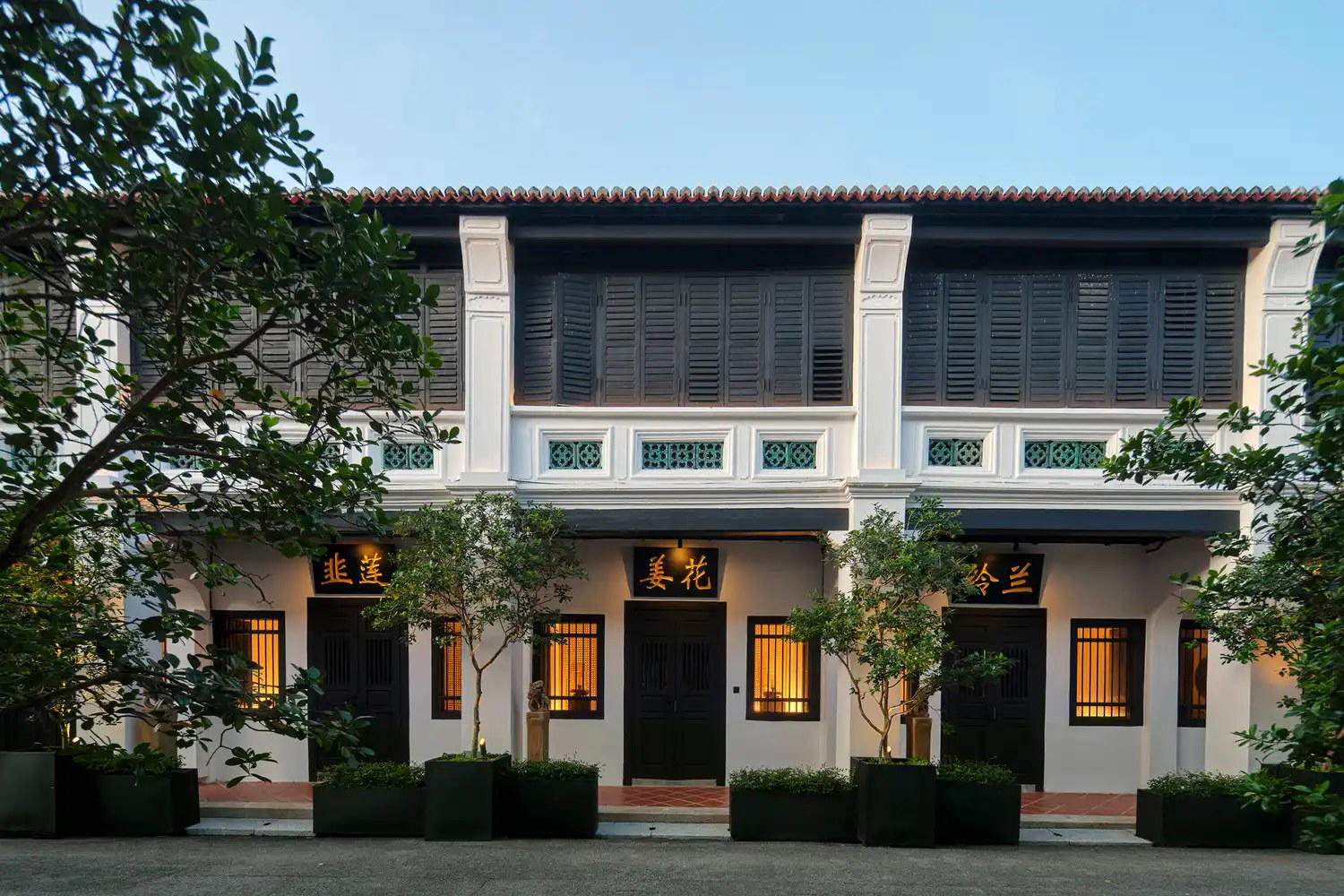
A fashion designer's tribute to Baba-Nyonya heritage, Richard Rivalee operates out of a pair of heritage shophouses on Lorong Macalister, serving Peranakan home cooking with a precision that earned consecutive Michelin Plates in 2024 and 2025. The room reads like a curated family home rather than a restaurant, and the kitchen keeps waste low by offering most dishes in two portion sizes.
Pearl is the En Primeur Club membership app — saves, bookings, and concierge access live there. Same editors, same standards.
- Address
- 62 & 64, Lorong Macalister, George Town, 10400 George Town, Pulau Pinang, Malaysia
- Phone
- +60 4-227 4888
- Website
- facebook.com
- Directions
- Get directions
 Saves & bookings on Pearl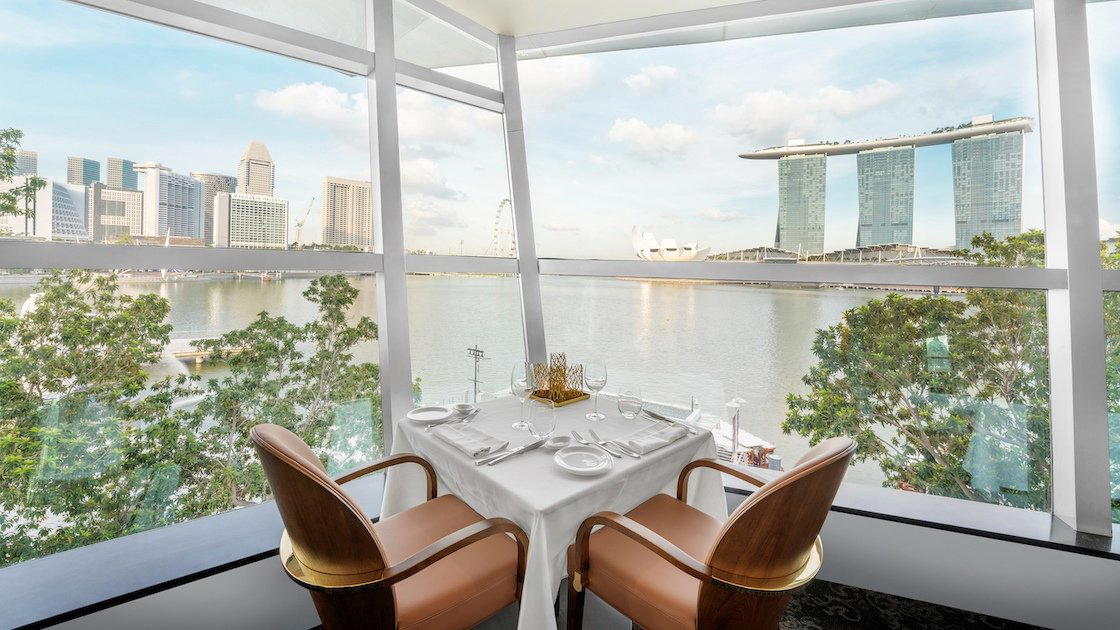
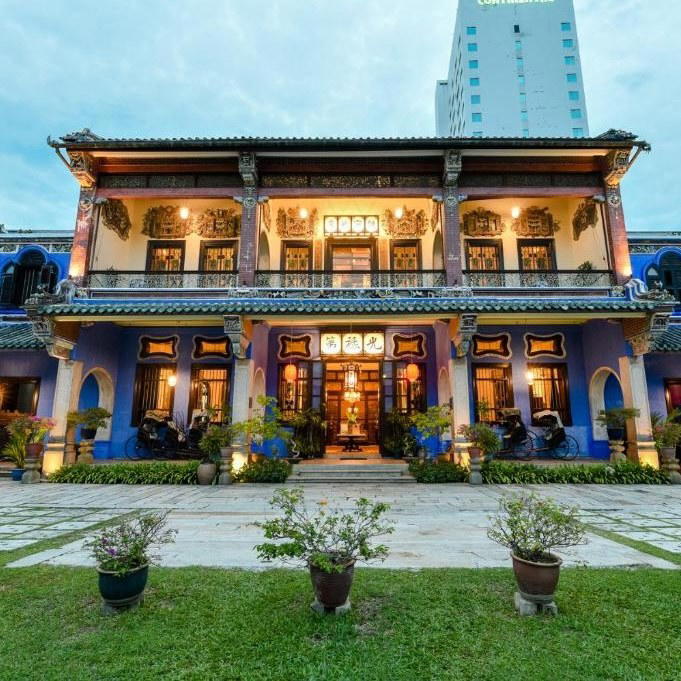
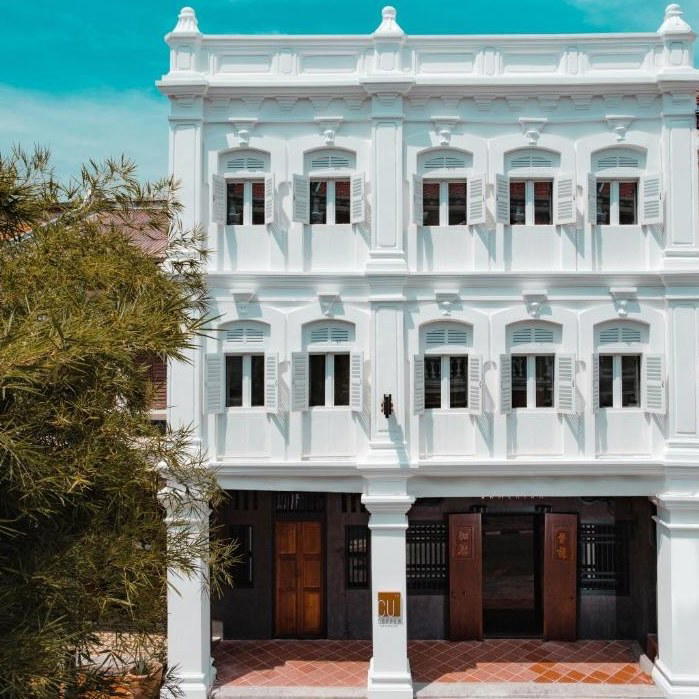
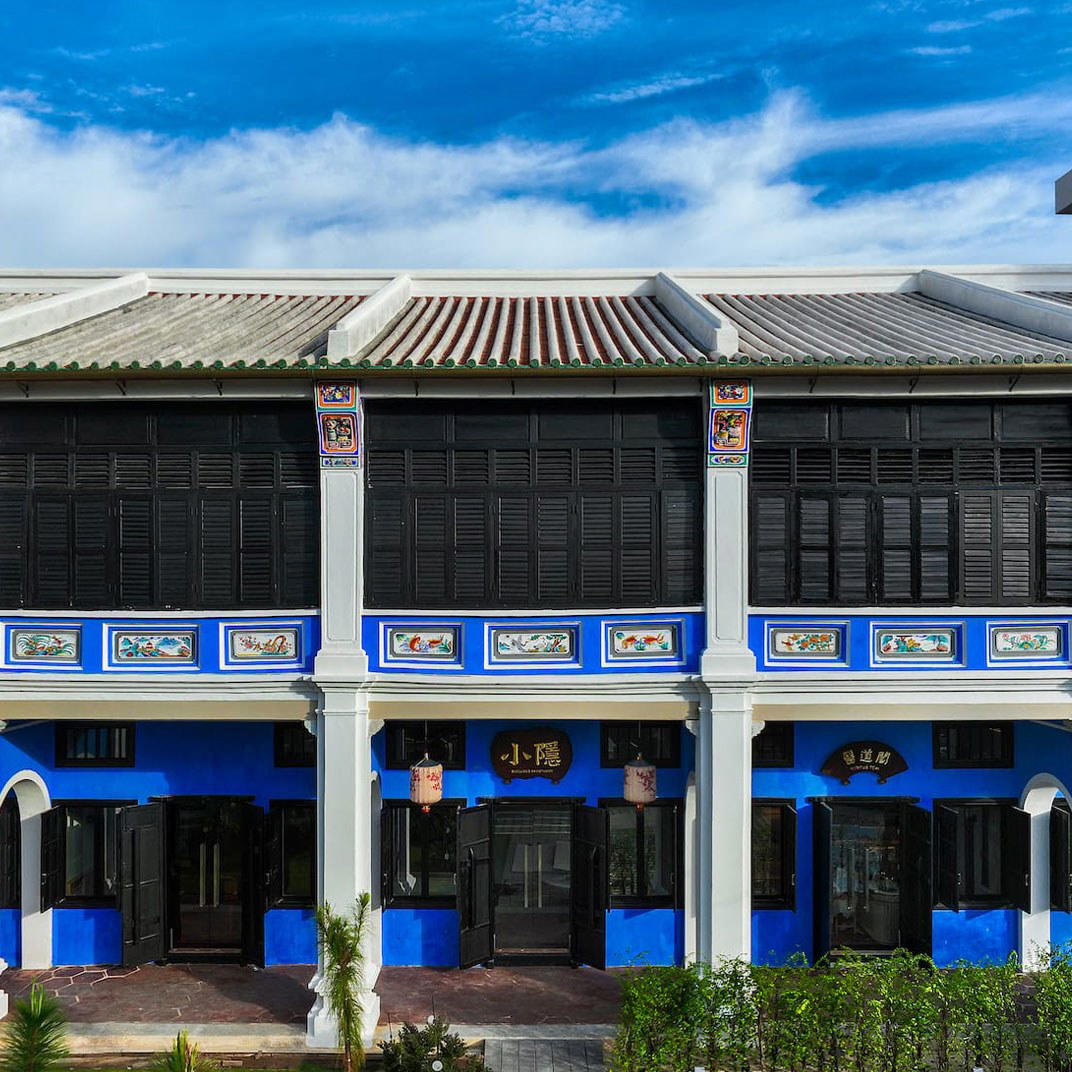
Richard Rivalee is a restaurant in George Town serving Peranakan Nyonya Cuisine. Michelin recognized it with a Plate in 2024 and 2025, and the price tier is $$. Numbers 62 and 64 belong to Richard Rivalee, a double unit whose facade signals something between a private home and a design studio rather than a conventional dining room. That framing is deliberate. The premise here is that Baba-Nyonya culture is not a theme to be mounted on a wall but a living inheritance worth eating through, and the interiors follow accordingly: heritage furniture, personal knickknacks, and the kind of worn-in spatial confidence that takes decades rather than an interior decorator to produce.
Where George Town's Peranakan Scene Has Arrived
Peranakan cooking in Penang has always occupied a different register from its Singapore counterpart. Where Singapore's version of Nyonya cuisine has increasingly moved toward fine-dining reformatting, as seen at Candlenut or the more recent Pangium, George Town's strongest practitioners tend to argue for the home-kitchen tradition rather than against it. Restaurants like Auntie Gaik Lean's Old School Eatery and Bibik's Kitchen have built their reputations precisely by maintaining the domestic scale and generational recipe logic that larger operations tend to smooth away.
Richard Rivalee sits in that same current, though it arrives at it from an unusual angle. Its sensibility extends beyond the decor. The attention is on surface, texture, and the specific emotional register of inherited objects. The food mirrors that disposition: dishes that appear direct but are held together by calibration rather than complexity.
This is a restaurant whose comparable set is not the modern Malaysian dining scene represented by, say, Dewakan in Kuala Lumpur, but rather the cluster of Penang houses keeping Nyonya recipes in active, cooking conversation. Ivy's Nyonya Cuisine and Flower Mulan occupy related territory on the city's Peranakan map.
The Cooking: Restraint as a Method
The kitchen works in deceptively simple, homespun territory finessed through seasoning rather than technique demonstration. That framing is useful. In a regional dining culture that occasionally mistakes complexity for quality, the ability to make a dish arrive correctly seasoned without additional ornamentation is a more demanding standard than it sounds.
Otak-otak is an instructive case. The dish, a savoury fish and egg custard common across Peranakan communities from Penang down through the Straits settlements to Singapore and beyond, is the kind of preparation where the difference between a competent version and a memorable one lives almost entirely in the spice balance and the textural control of the custard. At the restaurant, the version achieves a velvety consistency alongside heat that accumulates rather than announces itself, which is the more difficult register to hold.
The kitchen's approach to food waste reduction through two-portion sizing for most items is worth noting as structural intelligence rather than marketing positioning. In practice, it allows solo diners and smaller groups to move across more of the menu, which in a Peranakan context matters because the cuisine is designed around a spread of complementary preparations rather than individual showpieces. For those exploring George Town's broader Peranakan offer, the contrast with the approach at Ceki is worth considering when planning a day's eating.
The Baba-Nyonya Heritage Context
Peranakan culture in Penang is the product of centuries of exchange between Chinese merchant settlers and the local Malay population, producing a hybrid material culture, a creolised language, and a cuisine that drew from both traditions while developing a distinct identity of its own. The domestic interior of a Baba-Nyonya household in George Town at its height would have combined Fujian and Cantonese furniture forms with locally dyed textiles, imported European tiles, and a kitchen practice that mapped Chinese techniques onto Malay spice vocabularies.
That synthesis is what the restaurant's room attempts to invoke, and it does so with more conviction than spaces that treat Peranakan aesthetics as a surface application. The heritage premises carry the spatial logic of the tradition rather than approximating it. The knickknacks are not curated for visual effect so much as they are allowed to accumulate in the way that objects do in households where they are actually used and passed down.
For visitors building a broader picture of the Peranakan dining circuit across the region, the contrast between George Town's home-kitchen tradition and Singapore's more varied interpretive range, which runs from the hawker-stall precision of 328 Katong Laksa through the neighbourhood reliability of Chilli Padi in Joo Chiat to the more formal settings of Indocafé, is instructive. George Town's version remains more anchored to the domestic register, and the restaurant is one of its cleaner expressions of that position.
Evolution: From Personal Passion to Recognised Kitchen
The restaurant reflects a broader pattern in George Town's food evolution over the past decade. Michelin coverage has gradually surfaced a category of personal-passion operations that were not originally conceived as restaurants in the conventional sense. These are spaces opened by individuals with strong cultural commitments who then found their cooking drawing attention that formalised the enterprise.
Consecutive Michelin Plates across 2024 and 2025 represent external validation of a kitchen that was already doing the work. The recognition signals a kitchen maintaining standard rather than resting on initial notice.3 across 809 reviews adds a volume dimension to that picture.
Regionally, the restaurant sits in an interesting comparable set when measured against other Peranakan kitchens earning serious attention. The comparison extends across the Straits, where analogues in Malaysia include Bee See Heong in Seberang Perai, and further north where heritage-dining operations like The Planters at The Danna in Langkawi operate in adjacent but distinct register.
Planning Your Visit
The restaurant is at 62 and 64 Lorong Macalister in George Town, a mid-price address carrying the $$ designation that positions it in line with most of George Town's serious Peranakan houses. The dual-portion sizing policy makes it a practical stop for solo travellers or couples who want to cover the menu broadly without overcommitting on any single dish. Reservations are recommended.
Category Peers
Comparable venues nearby, for context on price, style, and recognition.
| Venue | Cuisine | Price | Awards | Notes |
|---|---|---|---|---|
| Richard RivaleeThis venue — the venue you are viewing | Peranakan Nyonya Cuisine | $$ | Michelin Plate, World's 50 Best #13 | Not listed |
| Gēn | Modern Malaysian Tasting Menu | $$$$ | Michelin Plate, World's 50 Best #89 | George Town |
| Au Jardin | Modern European with Local Accents | $$$$ | Michelin 1 Star | George Town |
| Laksalicious | Penang Laksa & Nyonya Cuisine | $ | Bib Gourmand | George Town |
| Auntie Gaik Lean's Old School Eatery | Peranakan (Nyonya) | $$ | Michelin 1 Star | George Town |
| Moh Teng Pheow Nyonya Koay | Traditional Nyonya Kuih & Delicacies | $$ | Bib Gourmand | George Town |
Recognition history
Dated appearances from independent guides and award organizations, with the underlying list record or original source where available.
Michelin Plate
Michelin
Michelin Plate
Michelin
World's 50 Best MENA's Best Restaurants #13
World's 50 Best
Michelin Plate
Michelin
Continue exploring
More in George Town
Restaurants in George Town
Browse all →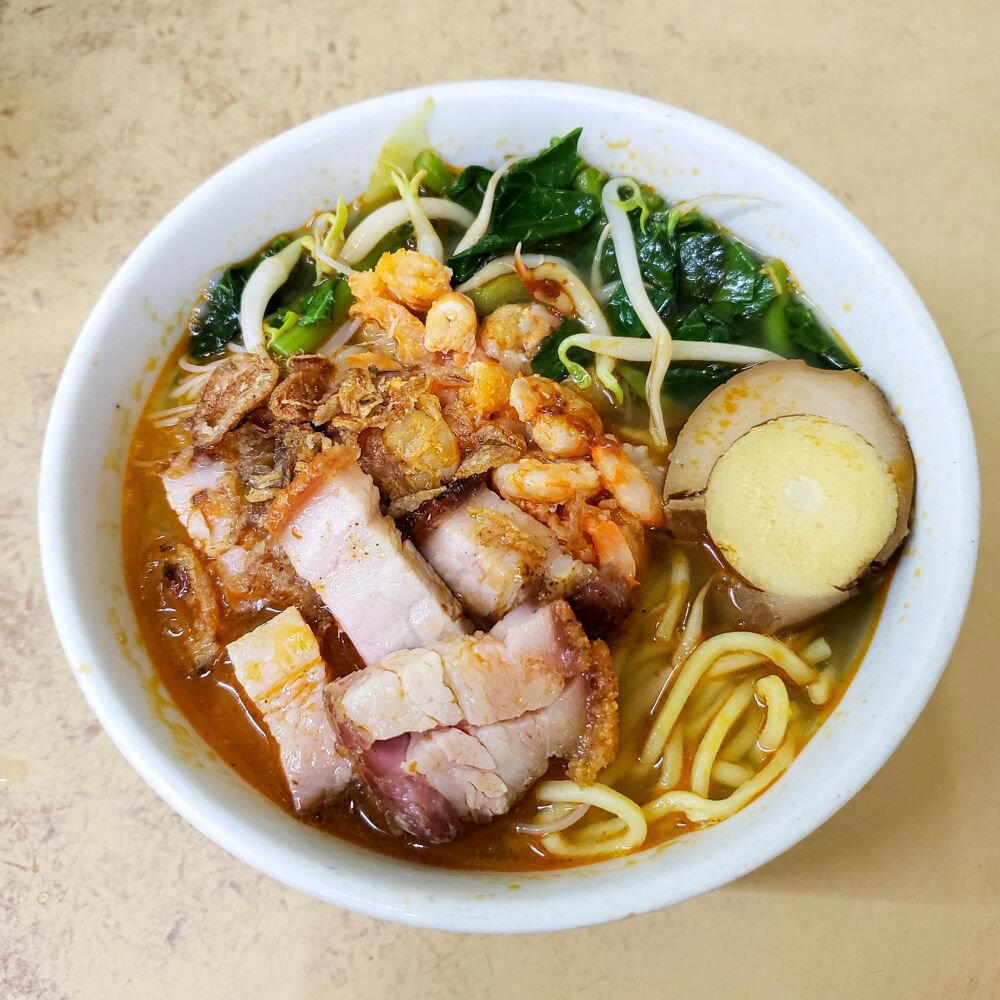
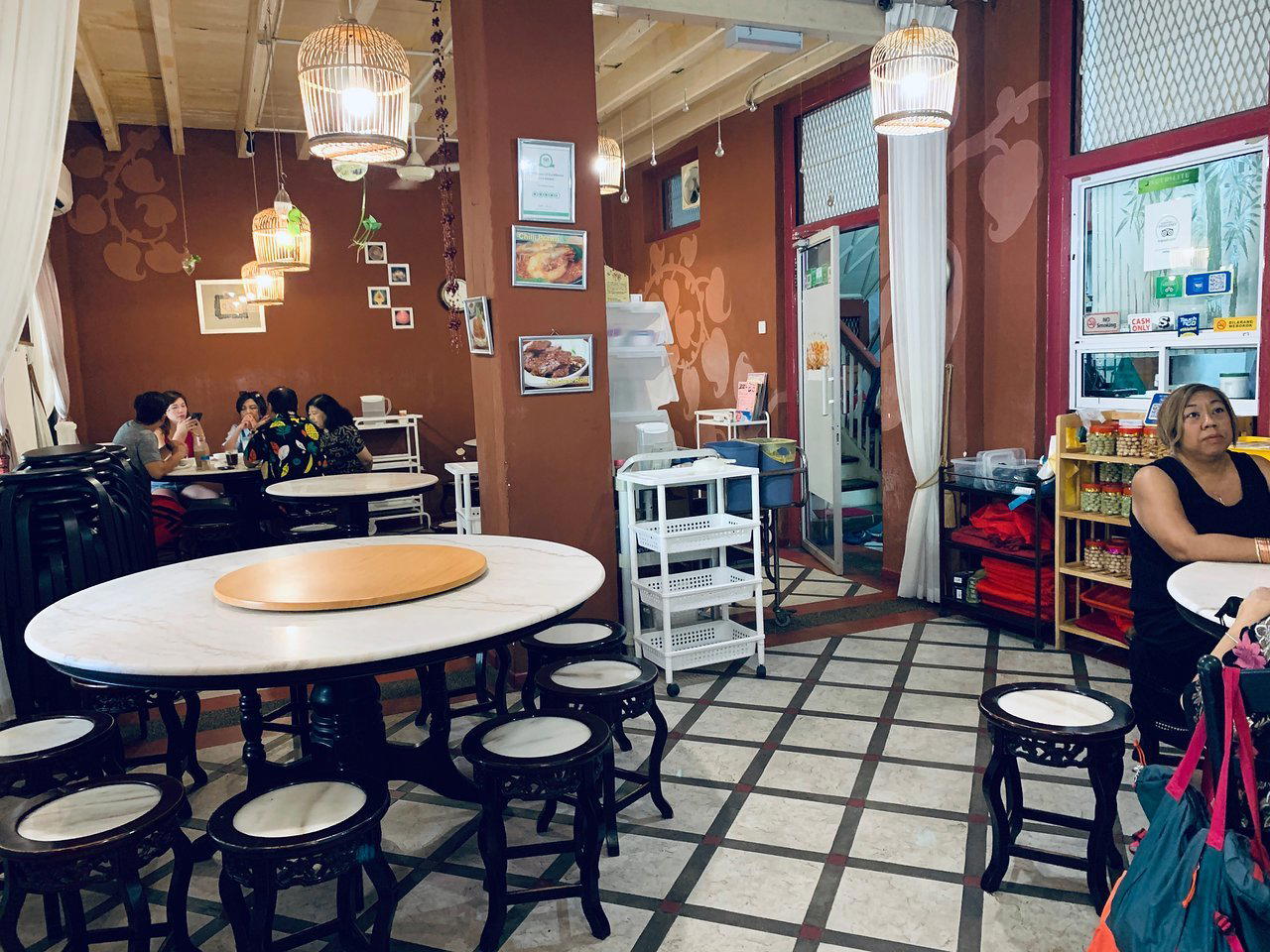
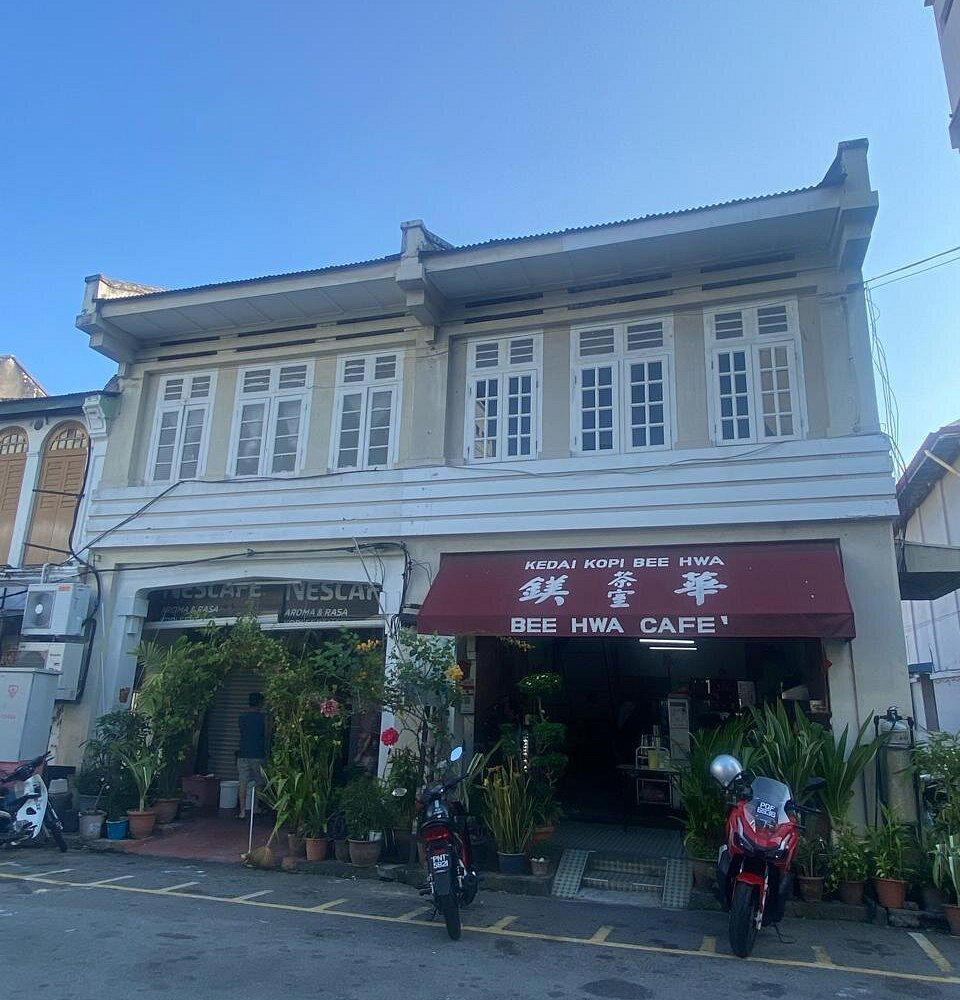
Bars in George Town
Browse all →
At a Glance
- Elegant
- Ornate
- Cozy
- Classic
- Date Night
- Family
- Celebration
- Special Occasion
- Historic Building
- Design Destination
- Standalone
- Local Sourcing
Current opening hours
- Monday
- 11:30 AM–2 PM, 6–9 PM
- Tuesday
- Closed
- Wednesday
- Closed
- Thursday
- 11:30 AM–2 PM, 6–9 PM
- Friday
- 11:30 AM–2 PM, 6–9 PM
- Saturday
- 11:30 AM–2 PM, 6–9 PM
- Sunday
- 11:30 AM–2 PM, 6–9 PM
Hours can change for holidays and private events. Last verified .
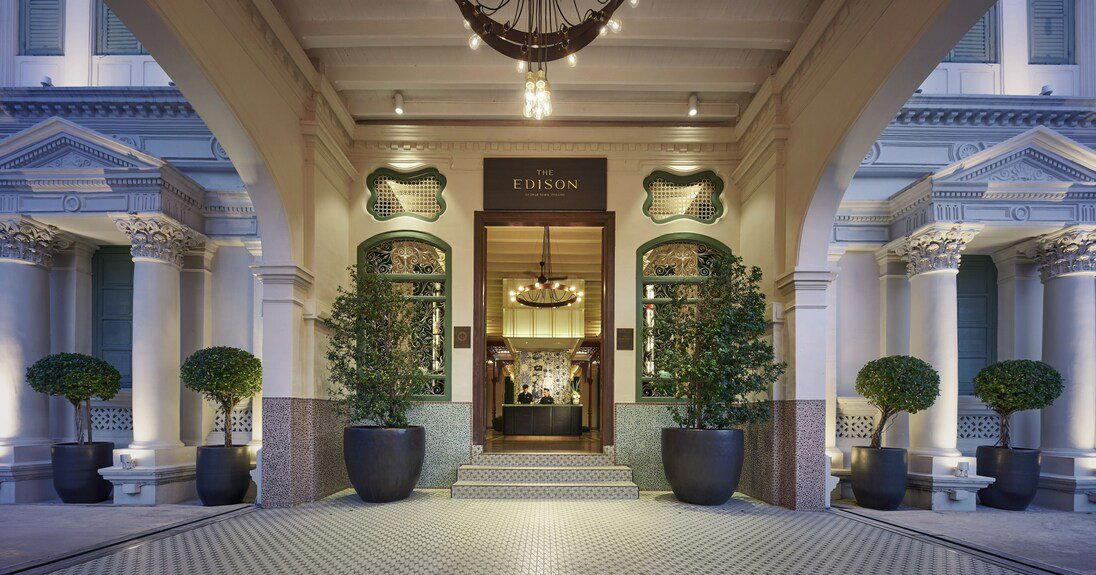
Intricately carved wooden details, chandeliers, mosaic floors, and colorful walls create a luxurious yet intimate atmosphere that reflects traditional Peranakan aesthetics; well-spaced tables and attentive service enhance the refined, relaxed ambiance.