
1 Michelin Star · Michelin Guide 1 Star · Black Pearl 1 Diamond
Our verdict
The only Michelin-starred Peranakan restaurant in the world, Candlenut holds one star (2024) and ranks #69 in Opinionated About Dining's Asia list (2025). Set inside a colonial-era building on Dempsey Road, it serves traditional Straits Chinese cooking with Indonesian inflections across both an à la carte communal format and a 10-plus course tasting menu that rotates every two months.

Pearl is the En Primeur Club membership app, where members save venues, book tables and use the concierge.
The menu
What to order
- Buah Keluak Ice Cream
- Wagyu Beef Rendang
Peranakan Cooking at Candlenut, Dempsey Road
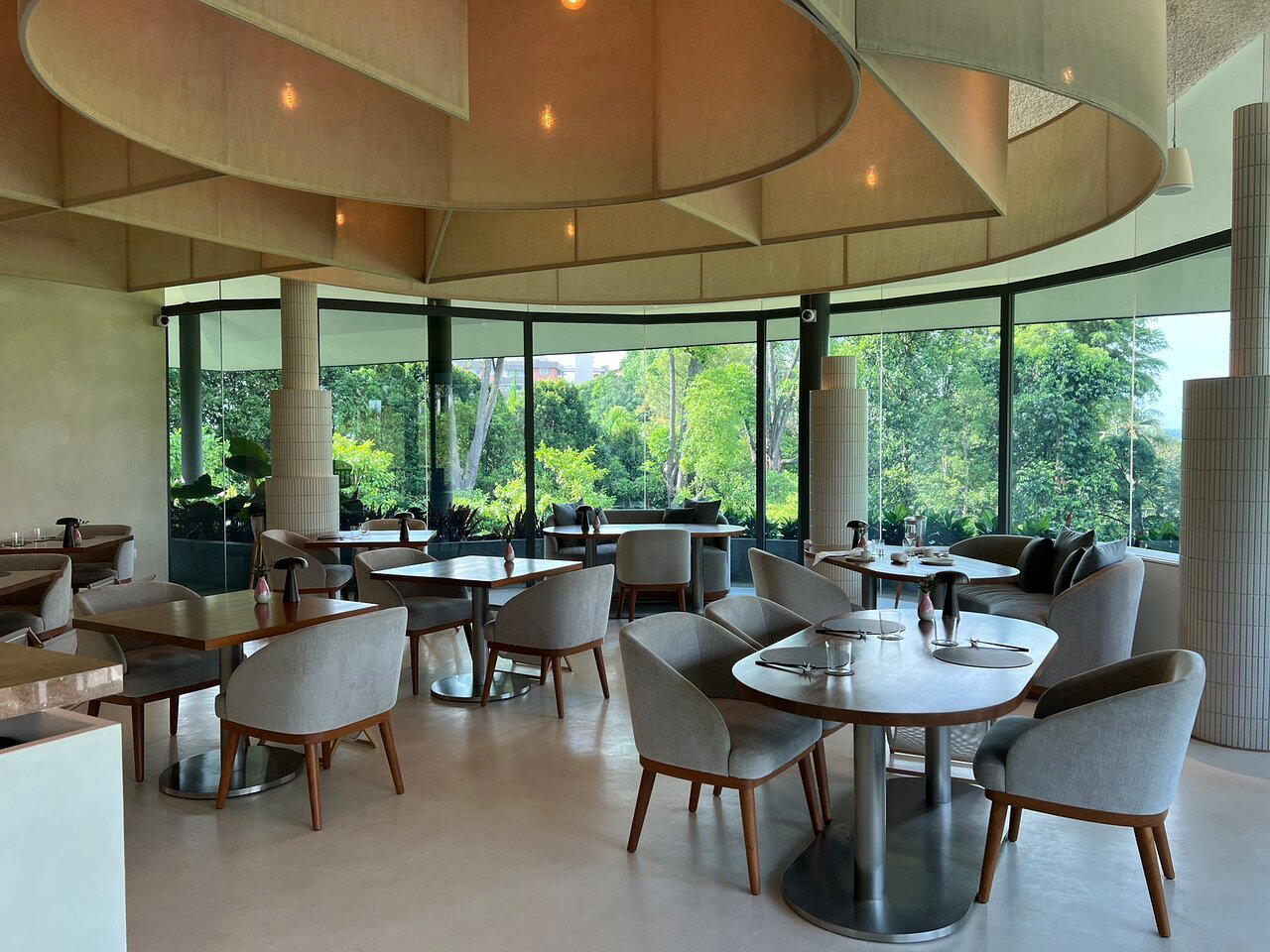
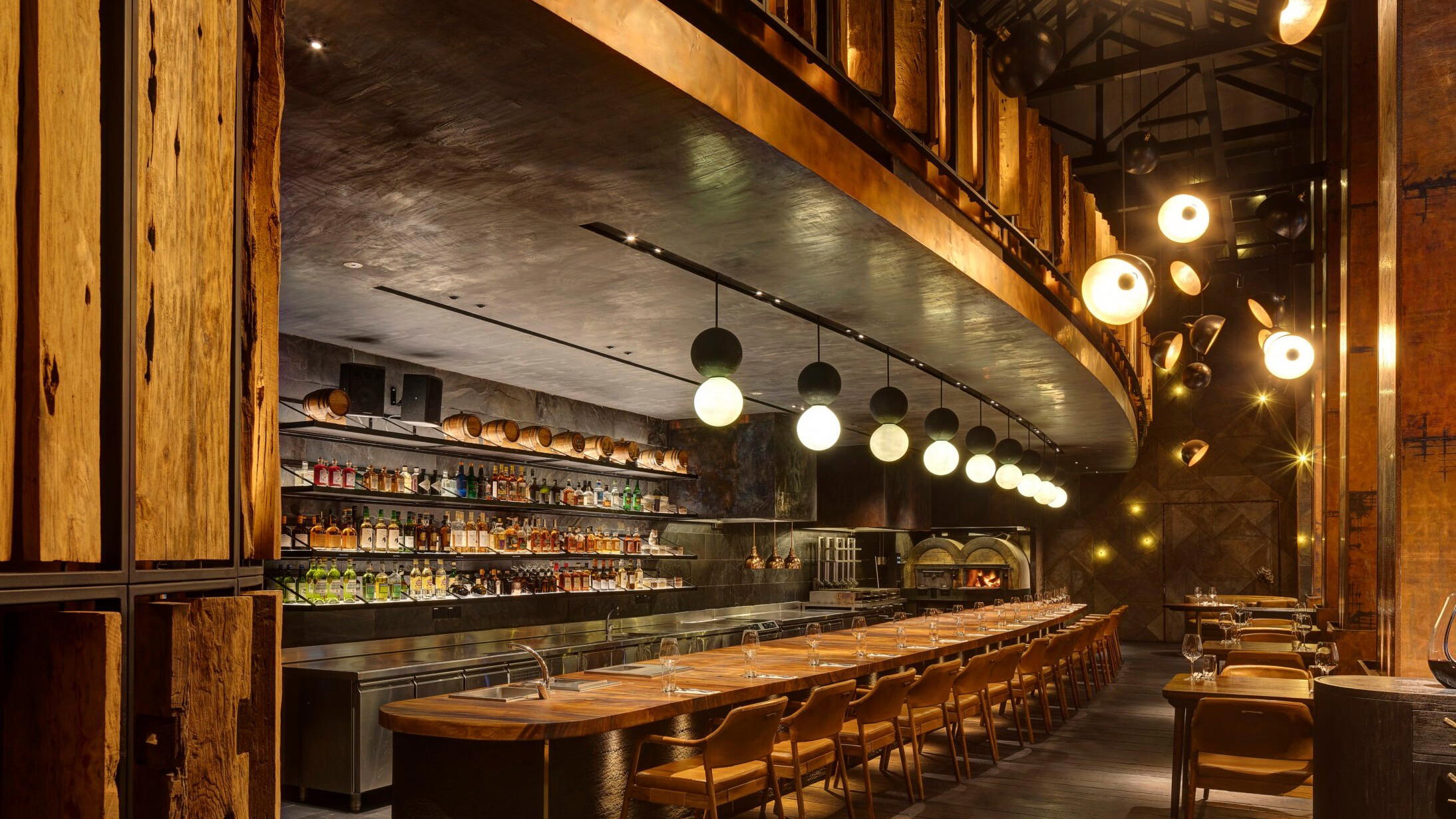
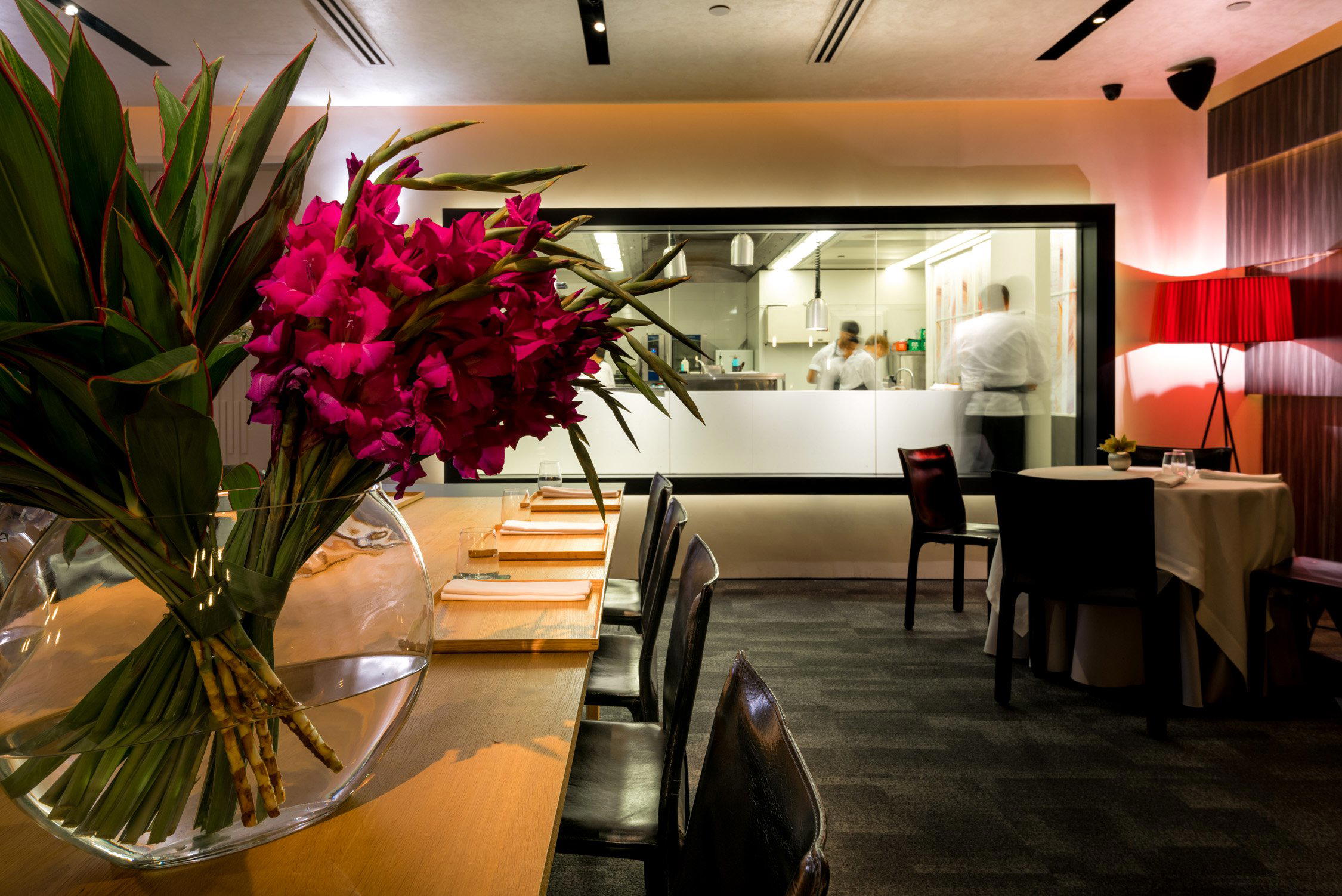
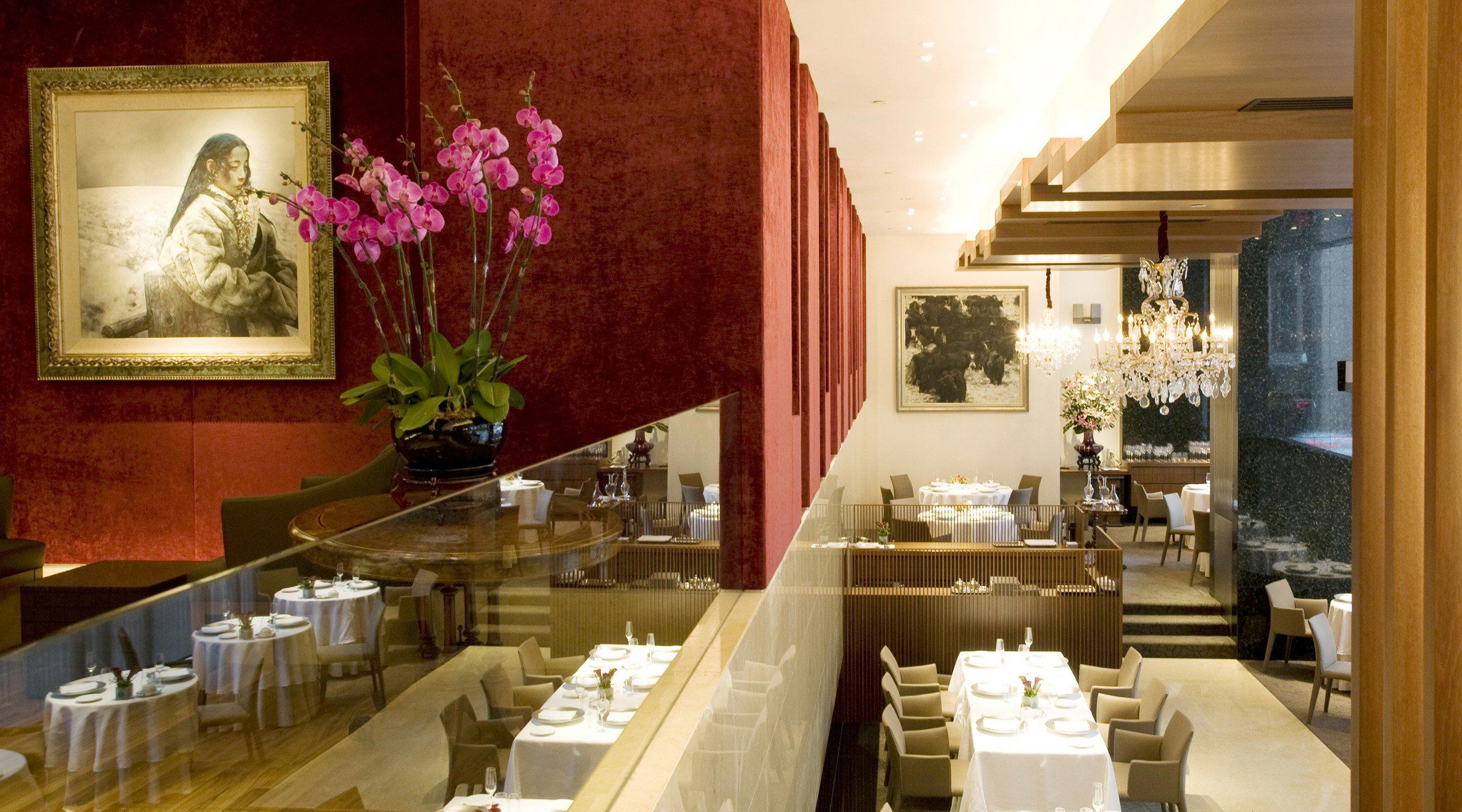
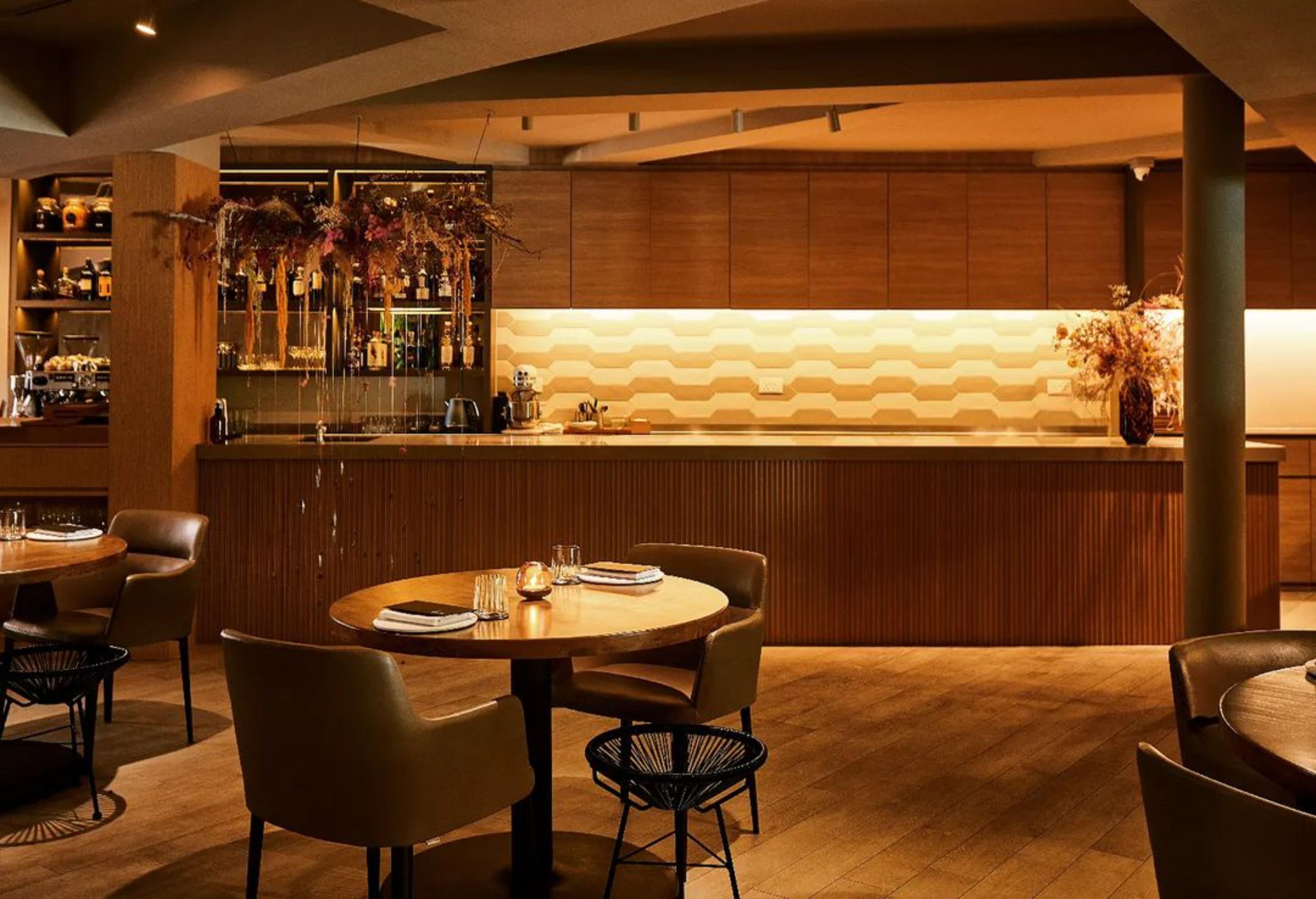
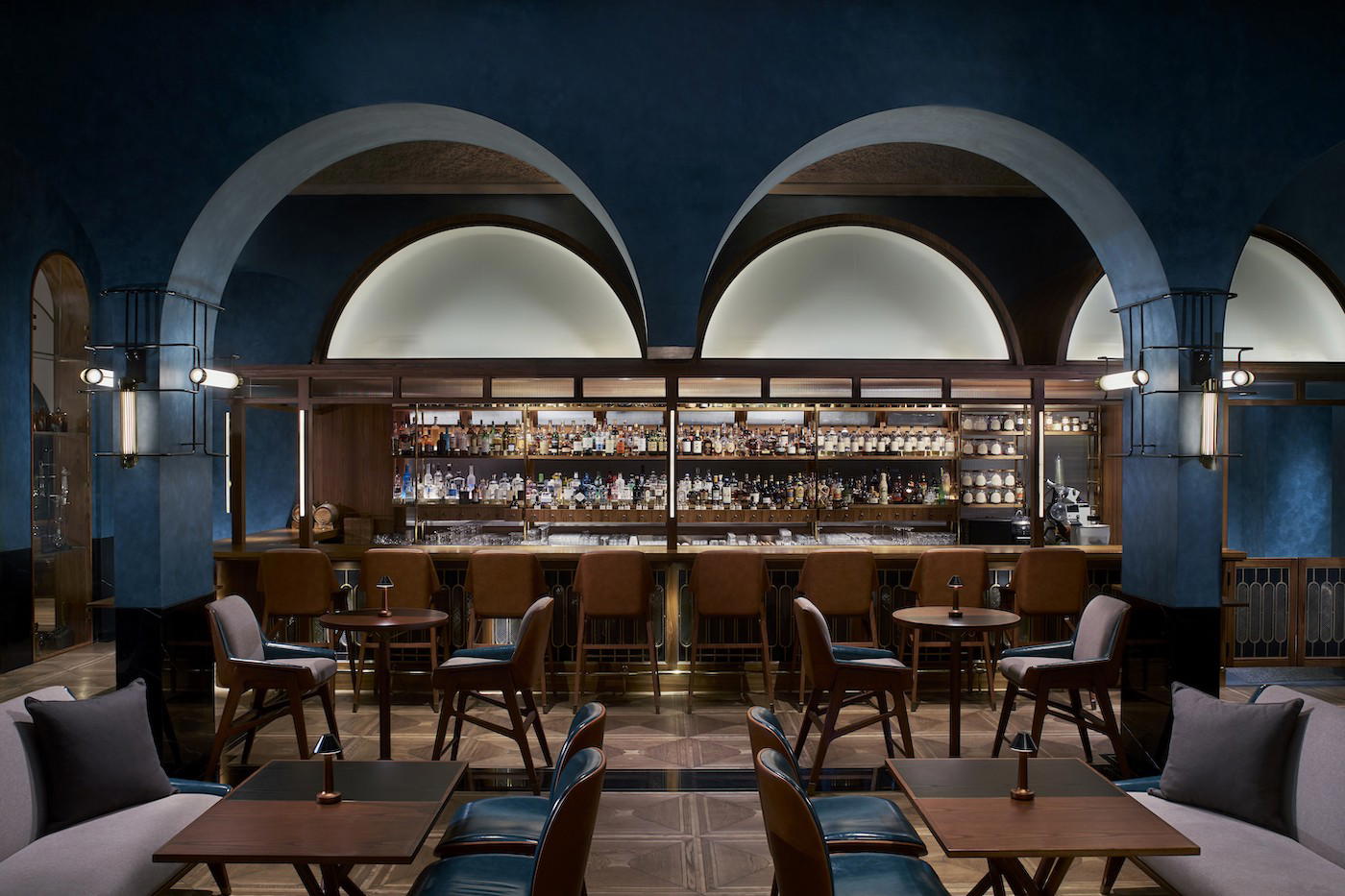
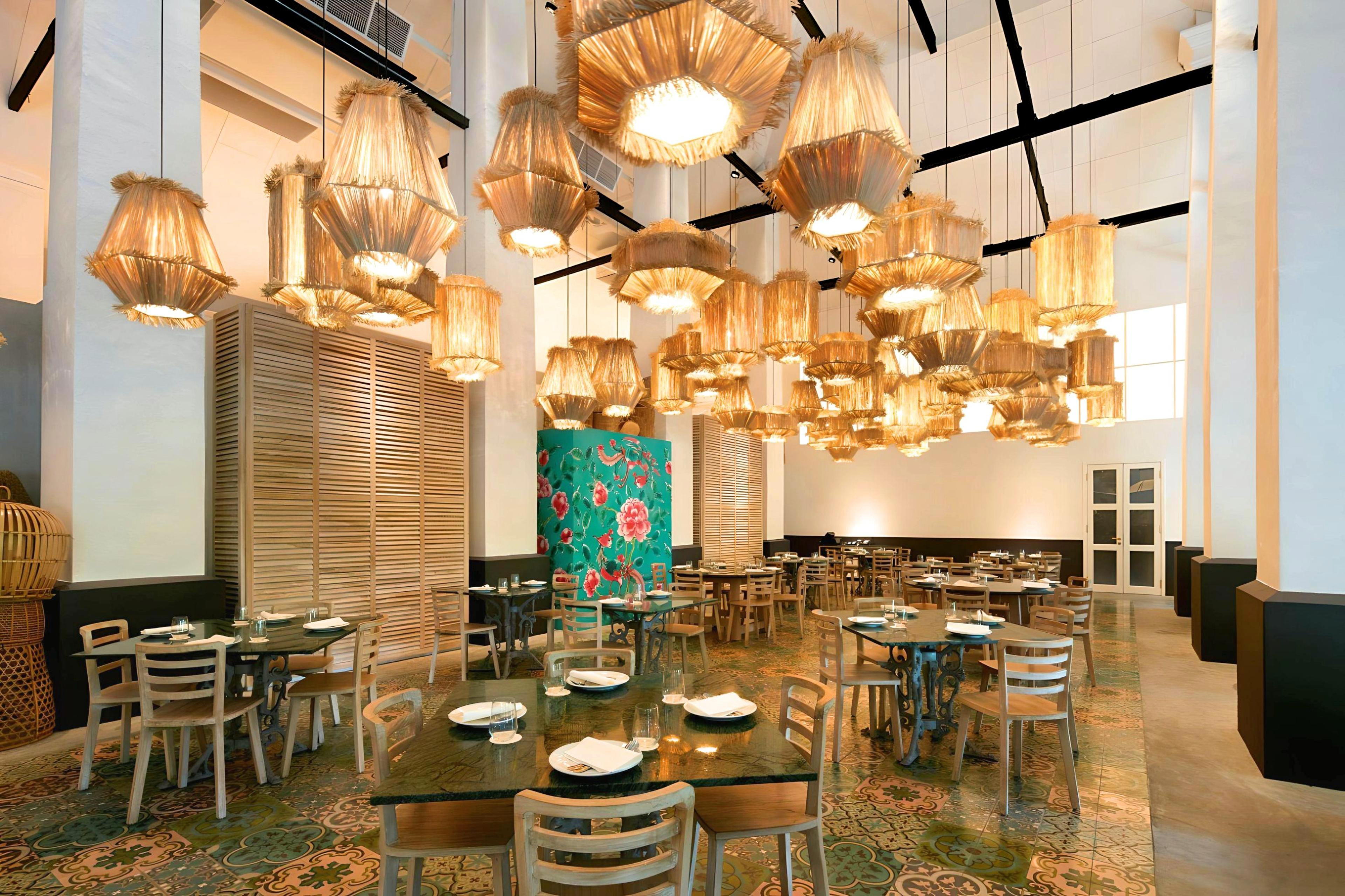
Dempsey Hill occupies a particular position in Singapore's dining geography. The converted British barracks, surrounded by low-rise greenery a short drive from Orchard Road, have drawn a cluster of mid-to-high-end restaurants that operate differently from the city centre, where foot traffic and mall adjacency dominate. Here, the assumption is that diners arrive with purpose. The bamboo-screened rooms and rattan furniture of Candlenut's colonial bungalow space fit that atmosphere precisely: the room feels settled, unhurried, and noticeably removed from the compressed vertical energy of most Singapore dining rooms.
Within Singapore's Peranakan dining tier, Candlenut occupies a distinct position. Other addresses in the city, including Straits Chinese on Cecil Street and Indocafé, serve the cuisine in formats that range from homestyle kopitiam-adjacent to private-house dining. Candlenut operates on a different tier entirely: a Michelin star since 2024, a rank of #69 on Opinionated About Dining's Asia list in 2025 (up from #74 in 2023 and #64 in 2024), and a Black Pearl 1 Diamond in 2025. For comparison, the restaurants sharing award recognition in Singapore at the top of that spectrum, such as Zén at three Michelin stars, Jaan by Kirk Westaway at two, and Born, Burnt Ends, and Iggy's at one each, are all working in European or Australian idioms. Candlenut is the only Peranakan address in that starred tier.
The Lunch and Dinner Divide
The most useful way to approach a booking here is through the lens of time of day. Lunch and dinner at Candlenut are meaningfully different experiences, and the choice between them carries real consequences for how much of the kitchen's range you encounter.
Lunch runs from noon to 3 PM daily and functions primarily around the à la carte communal format. Tables share plates of Peranakan classics, the meal progressing at a pace set by the group rather than the kitchen. This is a strong option for those who want to interrogate specific dishes or who are visiting with non-tasting-menu eaters. The Dempsey setting works well at midday: natural light through the bungalow's openings, a quieter service pace, and the kind of daytime informality that heavier Peranakan cooking, with its galangal-rich curries and slow-braised meats, actually suits.
Evening service, running 6 PM to 10 PM seven days a week, is where the tasting menu takes centre stage. The format runs to 10-plus courses, with a notable proportion of one-bite dishes built around flavour and textural contrast. The menu rotates every two months, which matters for return visitors and for the rhythm of Singapore's food-aware dining scene. At the $$ price tier, the tasting menu sits in a value position that has no equivalent among the city's other starred restaurants. Zén and Born operate at $$$$, Jaan and Burnt Ends at $$$. Candlenut's combination of formal multi-course structure and a $$ price point makes it one of the more accessible entry points into Singapore's award-tier dining circuit.
For a first visit, dinner with the tasting menu gives the fuller picture of what distinguishes this kitchen from other Peranakan addresses. Lunch with the à la carte communal format works better as a second visit or for a group with mixed appetites.
What the Kitchen Is Doing
Peranakan cooking, sometimes called Nyonya cooking, is the cuisine of the Straits Chinese communities of Singapore, Penang, and Malacca: a synthesis of southern Chinese culinary techniques with Malay spicing and Indonesian ingredients accumulated across generations of intermarriage and trade. Dishes like ayam buah keluak (chicken braised with the black nuts of the kepayang tree), babi pongteh (pork braised with fermented soya bean paste), and various rempah-heavy curries form the core of the tradition. The cuisine is labour-intensive and spice-compound dependent; the grinding and layering of rempah pastes alone can run to dozens of individual steps.
Chef Malcolm Lee cooks this tradition with an Indonesian inflection that reflects his family's background, and the tasting menu's rotating structure allows the kitchen to track ingredient seasonality and push into less-documented corners of the cuisine. The one-bite course format within a longer tasting sequence is a technique familiar from contemporary fine dining globally, but applied here to Peranakan flavour profiles it reads differently: the compression of spice-layered cooking into a single mouthful requires a different kind of calibration than the European tradition the format came from. For diners familiar with Peranakan cooking primarily through hawker or home-style versions, the tasting menu format at Candlenut is the most direct way to understand what formal Peranakan cooking looks like at this level.
For broader Peranakan dining context across the region, the George Town scene in Penang offers its own significant range. Auntie Gaik Lean's Old School Eatery, Richard Rivalee, Bibik's Kitchen, Ceki, Flower Mulan, Ivy's Nyonya Cuisine, Jawi House, and Kebaya Dining Room collectively offer a distinct regional take on the cuisine, rooted in Penang Nyonya tradition rather than Singapore Straits Chinese. The two lineages share roots but diverge in spicing, sourcing, and certain preparations. Candlenut's position as the only Michelin-starred representative of the form makes the Singapore address the reference point for the cuisine at award level, but the George Town addresses provide essential comparative context.
Within Singapore's Peranakan Scene
Singapore's Peranakan dining addresses span a wide register. At the hawker and heritage end, Chilli Padi in Joo Chiat and 328 Katong Laksa represent the East Coast neighbourhood that has historically been the residential heart of Peranakan Singapore. Pangium works at a modern-creative register within the tradition. Candlenut, with its formal tasting structure and award recognition, sits at the upper end of this spectrum and prices accordingly, though relative to starred European-format restaurants in the city its rates remain moderate.
Planning Your Visit
Candlenut is located at 17A Dempsey Road, within the Dempsey Hill cluster. The area is most practically reached by taxi or private car; public transport access requires a walk from the nearest bus stops. Service runs seven days a week, with both lunch (noon to 3 PM) and dinner (6 PM to 10 PM) sessions. Given the venue's award standing and the rotating tasting menu's following among Singapore's food-aware dining public, advance booking is advisable, particularly for dinner sittings and weekend lunch. The $$ price tier places it within the reach of most mid-range to premium dining budgets in Singapore, making it one of the more accessible starred tables in the city relative to its European-format peers.
For the broader Singapore dining picture, see our full Singapore restaurants guide. For accommodation, our Singapore hotels guide covers the full range of options across price tier and neighbourhood. Singapore's bar scene, covered in our bars guide, includes several cocktail addresses that pair well with a Dempsey Hill dinner. Further city-wide context is available through our Singapore wineries guide and our Singapore experiences guide.
Frequently asked questions
What kind of cuisine does Candlenut serve?
Is Candlenut open every day?
Hours at Candlenut: Monday 12 PM-3 PM 6 PM-10 PM Tuesday 12 PM-3 PM 6 PM-10 PM Wednesday 12 PM-3 PM 6 PM-10 PM Thursday 12 PM-3 PM 6 PM-10 PM Friday 12 PM-3 PM 6 PM-10 PM Saturday 12 PM-3 PM 6 PM-10 PM Sunday 12 PM-3 PM 6 PM-10 PM.
What kind of recognition has Candlenut received?
Candlenut has received recognition including: Opinionated About Dining Top Restaurants in Asia Ranked #69 (2025); Black Pearl 1 Diamond (2025); The lofty room feels airy, while bamboo and rattan details impart serenity. Influenced by his mother and grandma, the chef cooks traditional P….
What's the must-try dish at Candlenut?
Across press coverage and diner consensus, the ayam buah keluak draws the most consistent attention: chicken braised with fermented black nuts, a preparation that sits at the centre of Peranakan cooking tradition. Malcolm Lee's version reflects the Indonesian-inflected approach he developed under family influence. The 10-plus course tasting menu, which rotates every two months, is the more structured way to encounter the kitchen's range beyond that single reference point.
What price level is Candlenut?
Pricing at Candlenut is listed as $$.
Booking and Cost Snapshot
A quick snapshot of similar venues for side-by-side context.
| Venue | Cuisine | Price | Awards | Notes |
|---|---|---|---|---|
| CandlenutThis venue (the venue you are viewing) | Modern Peranakan | $50–100 | 1 Michelin Star · Michelin Guide 1 Star | Not listed |
| Zén | Yakitori & Japanese Izakaya | $50–100 | Tabelog 100 #92 | European Contemporary |
| Jaan by Kirk Westaway | Modern British Fine Dining | $200–300 | 2 Michelin Stars · Michelin Guide 2 Stars | British Contemporary |
| Burnt Ends | Modern Australian Barbecue | $100–150 | 1 Michelin Star · Michelin Guide 1 Star | Australian Barbecue, Barbecue |
| Summer Pavilion | Michelin-Starred Cantonese | $100–150 | 1 Michelin Star · Michelin Guide 1 Star | Cantonese |
| Born | Contemporary Fusion Fine Dining | $200–300 | 1 Michelin Star · Michelin Guide 1 Star | Creative Cuisine, Innovative |
Recognition history
Dated appearances from independent guides and award organizations, with the underlying list record or original source where available.
Michelin 1 Star
Michelin
Michelin Guide 1 Star
Michelin Guide
Black Pearl 1 Diamond
Black Pearl
Opinionated About Dining Top Restaurants in Asia Ranked #75
Opinionated About Dining
Full recognition history (9 entries)
Black Pearl 1 Diamond
Black Pearl
Opinionated About Dining Top Restaurants in Asia Ranked #69
Opinionated About Dining
Michelin 1 Star
Michelin
Opinionated About Dining Top Restaurants in Asia Ranked #64
Opinionated About Dining
Opinionated About Dining Top Restaurants in Asia Ranked #74
Opinionated About Dining