Kebaya Dining Room

Michelin Plate
Our verdict
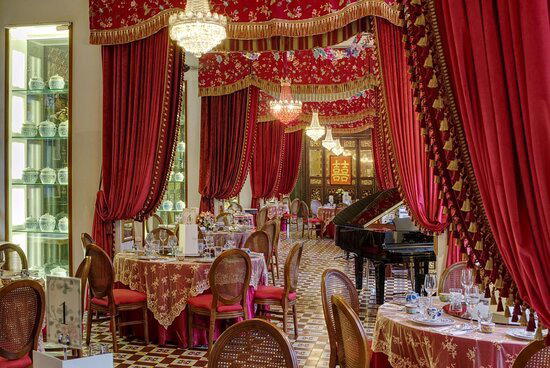
A Michelin Plate-recognised Peranakan table inside a restored heritage shophouse on Lorong Stewart, Kebaya Dining Room pairs a high-ceilinged room dressed in crystal chandeliers and scarlet velvet with a concise menu that sources tamarind-glazed grass-fed beef from Australia and keeps classic Nyonya preparations alongside vegetarian adaptations. The wine list is competitively priced for its tier, making it one of George Town's more complete formal Peranakan propositions.

Pearl is the En Primeur Club membership app, where members save venues, book tables and use the concierge.
The menu
What to order
- Beef rendang
- Asam pedas prawns
- Braised duck
- Lamb shank
A Room That Earns Its Setting
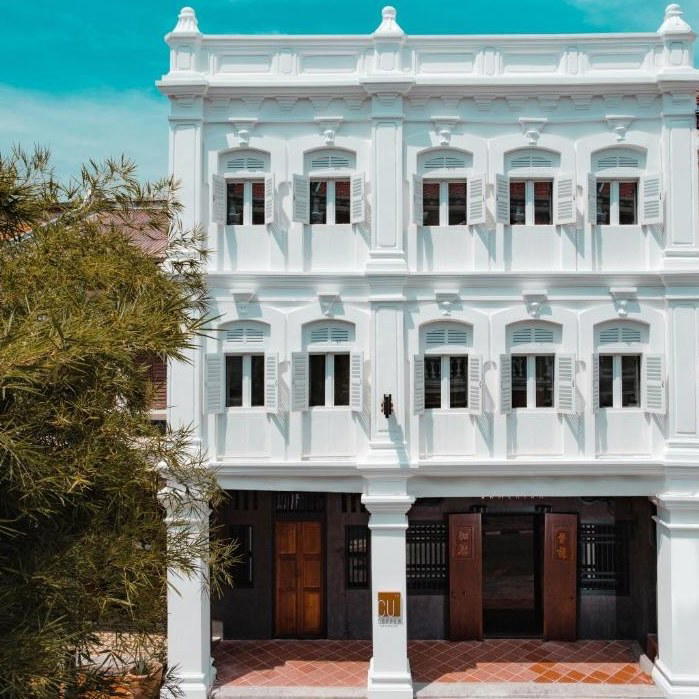
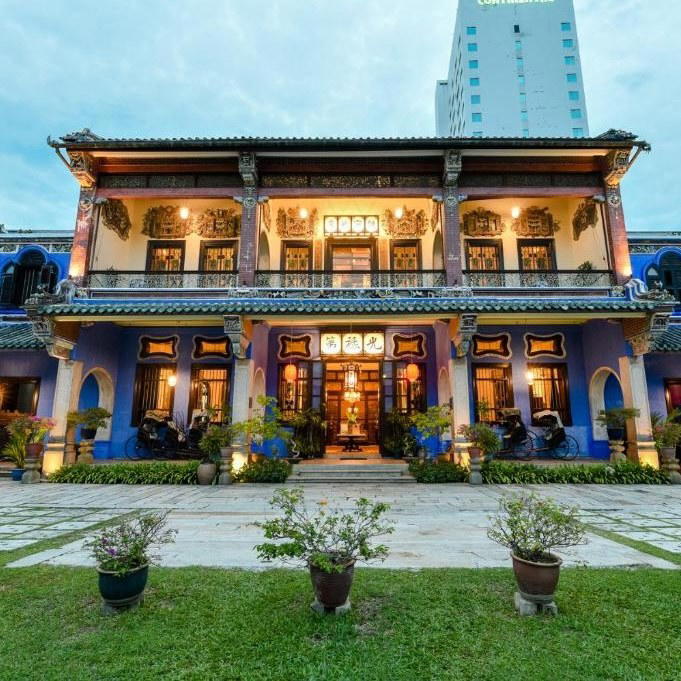
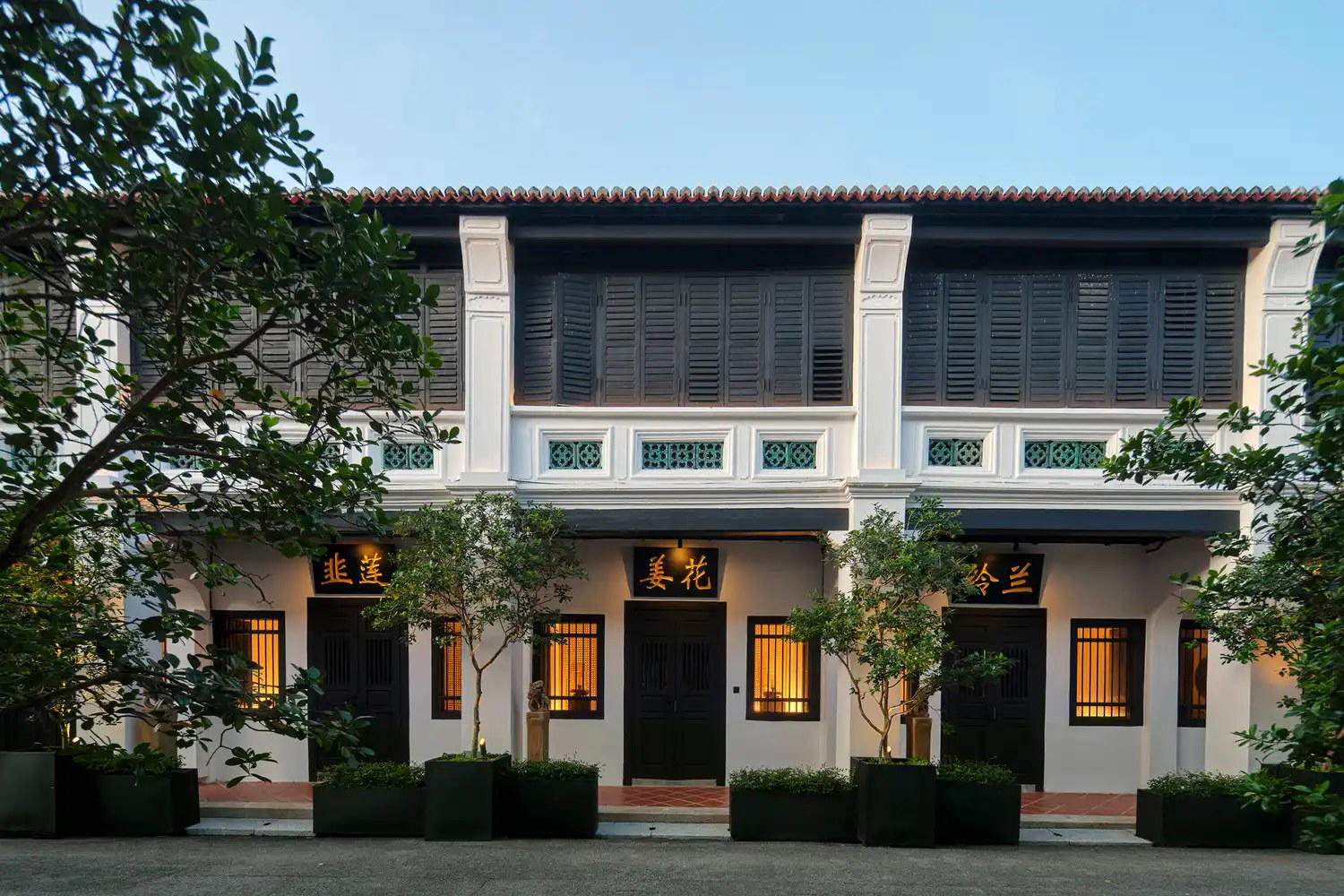
Lorong Stewart sits in the thickest part of George Town's Unesco-listed heritage core, where pre-war shophouses line narrow lanes and the architecture itself carries more curatorial weight than most purpose-built dining rooms ever will. The restored building at 14A is among the more theatrical of those spaces: step inside and the scale shifts immediately, a high-ceilinged room pulling the eye upward toward crystal chandeliers suspended against a backdrop of scarlet velvet drapes. This is not incidental decoration. In Peranakan domestic tradition, the baba and nyonya households of the Straits Chinese community expressed status through layered material richness, lacquered furniture, embroidered textiles, and porcelain arranged for full effect. Kebaya Dining Room's interiors work as a legible continuation of that tradition rather than a nostalgic theme-park version of it.
That distinction matters in George Town more than it might elsewhere. The city's Peranakan dining scene runs from hawker-adjacent preparations at open-air stalls to heritage-home restaurants where the room itself is part of the argument for the food being served. Kebaya sits toward the formal end of that spectrum, holding a Michelin Plate in both 2024 and 2025, a signal that the kitchen is operating at a level of consistency that the guide's inspectors consider worth noting without yet placing it in the starred tier occupied by Auntie Gaik Lean's Old School Eatery, which carries a full star. The Plate designation marks reliable cooking with good ingredients, and in a category as technique-dependent as Nyonya cuisine, that is a meaningful credential.
Where the Ingredients Come From, and Why That Shapes the Menu
Peranakan cooking in George Town has historically been defined by hyper-local sourcing, the rempah spice pastes ground from fresh aromatics bought that morning, the proteins drawn from the surrounding waters or the wet market stalls a street away. That kitchen logic remains the backbone of serious Nyonya cooking across the region, from the hawker-lineage preparations you find at Bibik's Kitchen and Richard Rivalee to the more composed contemporary versions at Ceki.
Kebaya's menu makes a deliberate move by bringing in grass-fed beef from Australia, glazed with tamarind, the souring agent that appears across Nyonya preparations as a structural element rather than a garnish note. The sourcing choice is transparent and worth reading carefully: Australian grass-fed beef sits in a different quality tier from commodity protein, and using it in a tamarind glaze application is a way of positioning Peranakan flavour logic against a premium imported ingredient rather than defaulting to purely local proteins. The result is a dish that operates across two frames of reference simultaneously, the sourness and umami depth of the Nyonya glaze, and the texture and provenance signal of the beef itself.
The prawn geng curry follows a more traditional sourcing grammar. Geng, sometimes written as gulai, is a Nyonya curry preparation that tends toward a thinner, more aromatic profile than the richer Malaysian curries influenced by South Indian cooking. The detail worth noting here is that the kitchen offers this dish in a vegetarian adaptation, which reflects a broader shift in formal Peranakan dining: the cuisine has historically centred pork and shellfish, but restaurants operating at Kebaya's price point increasingly build in vegetarian pathways without compromising the spice architecture of the original preparation. For the Singapore comparison, Candlenut has taken a similar approach at a higher price tier, and Pangium has pursued a more ingredient-led contemporary direction. Kebaya sits closer to the traditional end of that dial while still accommodating modern dietary expectations.
The Markisa semifreddo that closes the menu introduces a local botanical, markisa being the Malay term for passion fruit, into a European frozen dessert format. This is a common structural move in formal Southeast Asian restaurant cooking, using a Western technique to frame a regional flavour and give it a familiar dessert grammar for international diners. It also points to where the kitchen is drawing its repertoire from: not a purist reconstruction of historical Nyonya recipes, but a menu that uses Peranakan flavour logic as its primary reference while allowing technique to travel.
How Kebaya Fits Into George Town's Peranakan Tier
Peranakan dining scene in George Town operates at several different levels simultaneously, and where you eat depends largely on what kind of encounter you are after. The hawker end of the spectrum rewards patience and local knowledge; the heritage-home restaurants offer a more structured argument about the cuisine's depth. Kebaya occupies a middle-to-upper position in that hierarchy: the $$ price range places it in the same bracket as Flower Mulan and several other mid-tier George Town tables, but the Michelin recognition and the formal room push it toward a more deliberate dining proposition than casual Nyonya spots.
Wine list deserves a specific note. Formal Peranakan restaurants have historically struggled with wine pairings because the flavour profiles, tamarind acidity, coconut richness, shrimp paste umami, belacan heat, do not follow the European pairing logic that most wine lists are built around. A competitively priced list at this level signals either good buying judgment or a deliberate decision to keep the wine program accessible rather than profitable, and in either case it functions as a practical advantage for diners who want to drink well without the wine bill doubling the food cost. For a broader picture of drinking options in the city, the George Town bars guide covers the current cocktail and spirits scene.
For comparison across the region, the Peranakan dining tier in Singapore runs from neighbourhood stalwarts like 328 Katong Laksa and Chilli Padi in Joo Chiat to the more formal registers of Indocafé. George Town's version of the cuisine carries a different regional character: the Penang Nyonya tradition is distinct from the Singapore-Malacca lineage in its heavier use of tamarind and its influence from Thai cooking to the north. Kebaya's menu reflects that Penang identity clearly.
Elsewhere in Malaysia, Bee See Heong in Seberang Perai represents the more hawker-rooted end of the same culinary tradition, while Dewakan in Kuala Lumpur takes Malaysian ingredients into a contemporary fine-dining register that operates in a different competitive frame entirely. The Planters at The Danna in Langkawi offers a further regional contrast, a resort-hotel dining proposition with its own sourcing logic. The full picture of where Kebaya sits becomes clearer when you map it against those options: it is a heritage-room formal Peranakan restaurant with verifiable recognition, occupying a specific and well-defined position in the regional dining structure.
Planning Your Visit
Kebaya Dining Room is at 14A Lorong Stewart in George Town's Unesco heritage zone, walkable from the main concentration of heritage hotels and easily reached by Grab from most parts of Penang island. The $$ price range makes it accessible relative to the formal-dining tier in other Southeast Asian cities, though the formal room and recognised kitchen place it above the casual Peranakan mid-range. Booking ahead is advisable given the heritage-building capacity constraints typical of Lorong Stewart properties; the heritage core fills quickly on weekends and during peak travel months. For a complete picture of where Kebaya fits among George Town's wider restaurant options, the full George Town restaurants guide maps the scene across price tiers and cuisine types. Those planning a longer Penang stay will also find useful context in the George Town hotels guide, the wineries guide, and the experiences guide.
Frequently asked questions
What dish is Kebaya Dining Room famous for?
What is the ideal way to book Kebaya Dining Room?
Cuisine Lens
| Venue | Cuisine | Price | Awards | Notes |
|---|---|---|---|---|
| Kebaya Dining RoomThis venue (the venue you are viewing) | Modern Peranakan Fusion | $50–100 | Michelin Plate | Not listed |
| Au Jardin | Modern European with Local Accents | $200–300 | 1 Michelin Star · World's 50 Best #39 | European Contemporary |
| Auntie Gaik Lean's Old School Eatery | Peranakan (Nyonya) | $10–20 | 1 Michelin Star | Peranakan |
| Ah Boy Koay Teow Th'ng | Teochew Koay Teow Th'ng | $1–10 | Michelin Bib Gourmand | Not listed |
| Aria | Modern American | Not listed | Not listed | Not listed |
| Communal Table by Gēn | Modern Malaysian Fusion | $30–50 | Michelin Bib Gourmand · Star Wine List | Not listed |
Recognition history
Dated appearances from independent guides and award organizations, with the underlying list record or original source where available.
Michelin Plate
Michelin
Full recognition history (3 entries)
Michelin Plate
Michelin
Michelin Plate
Michelin
Continue exploring
More in George Town
Restaurants in George Town
All restaurants in George Town →
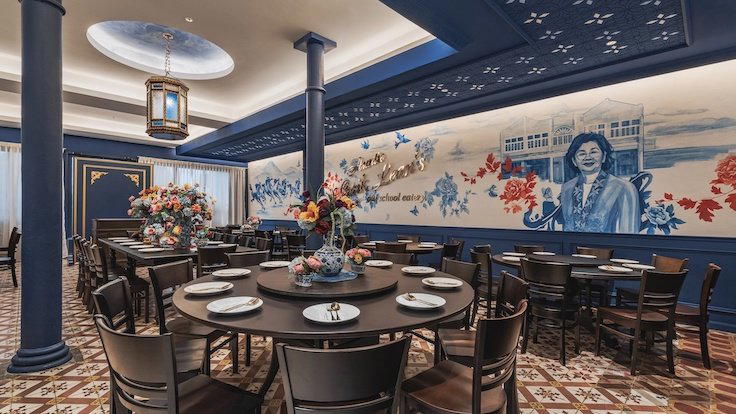
Bars in George Town
Browse all →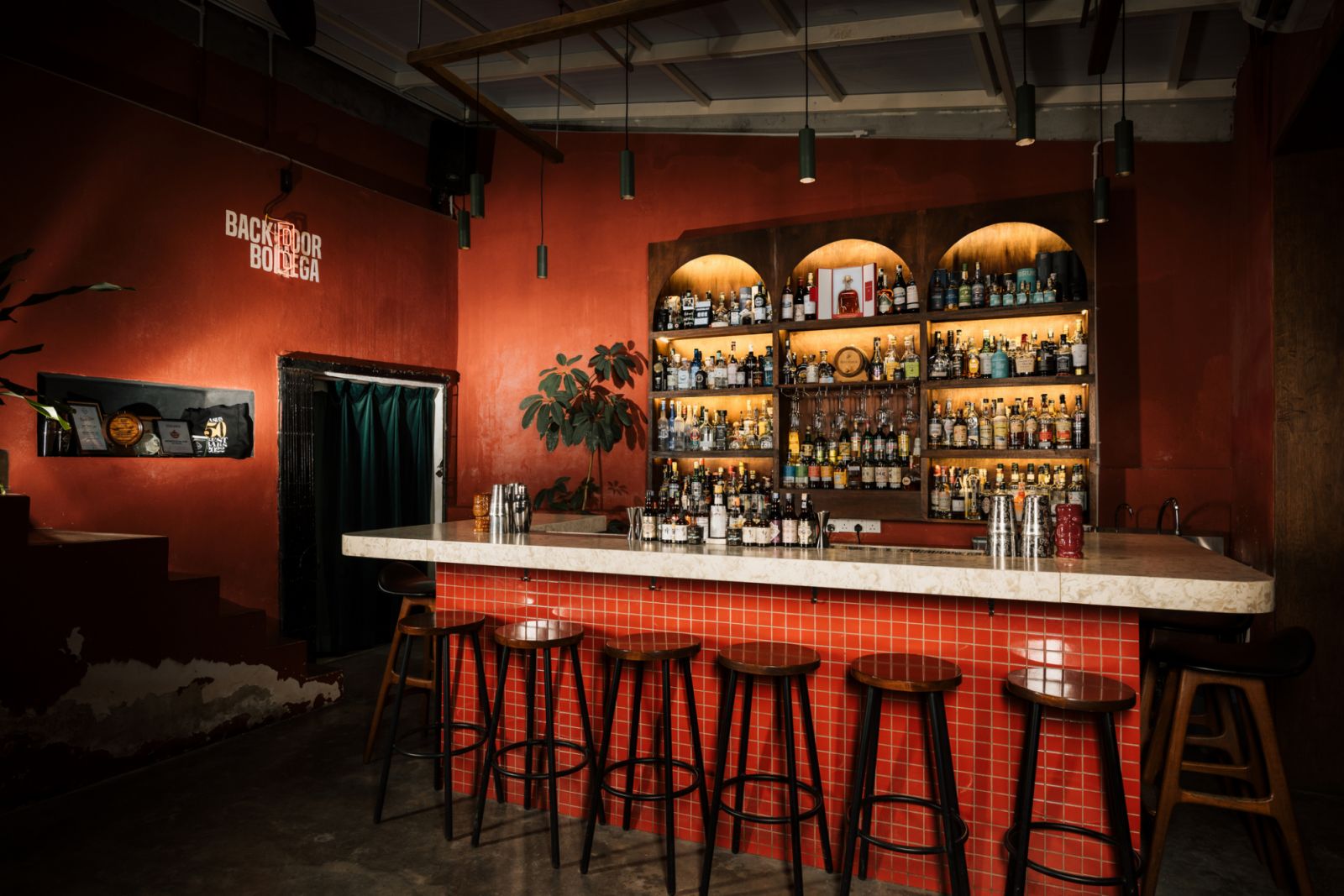
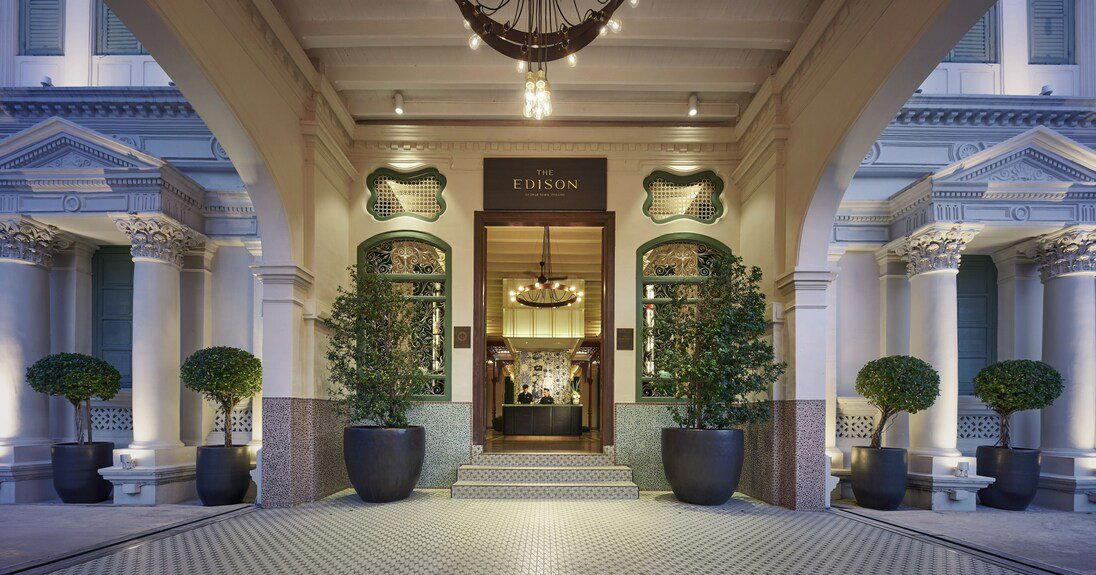
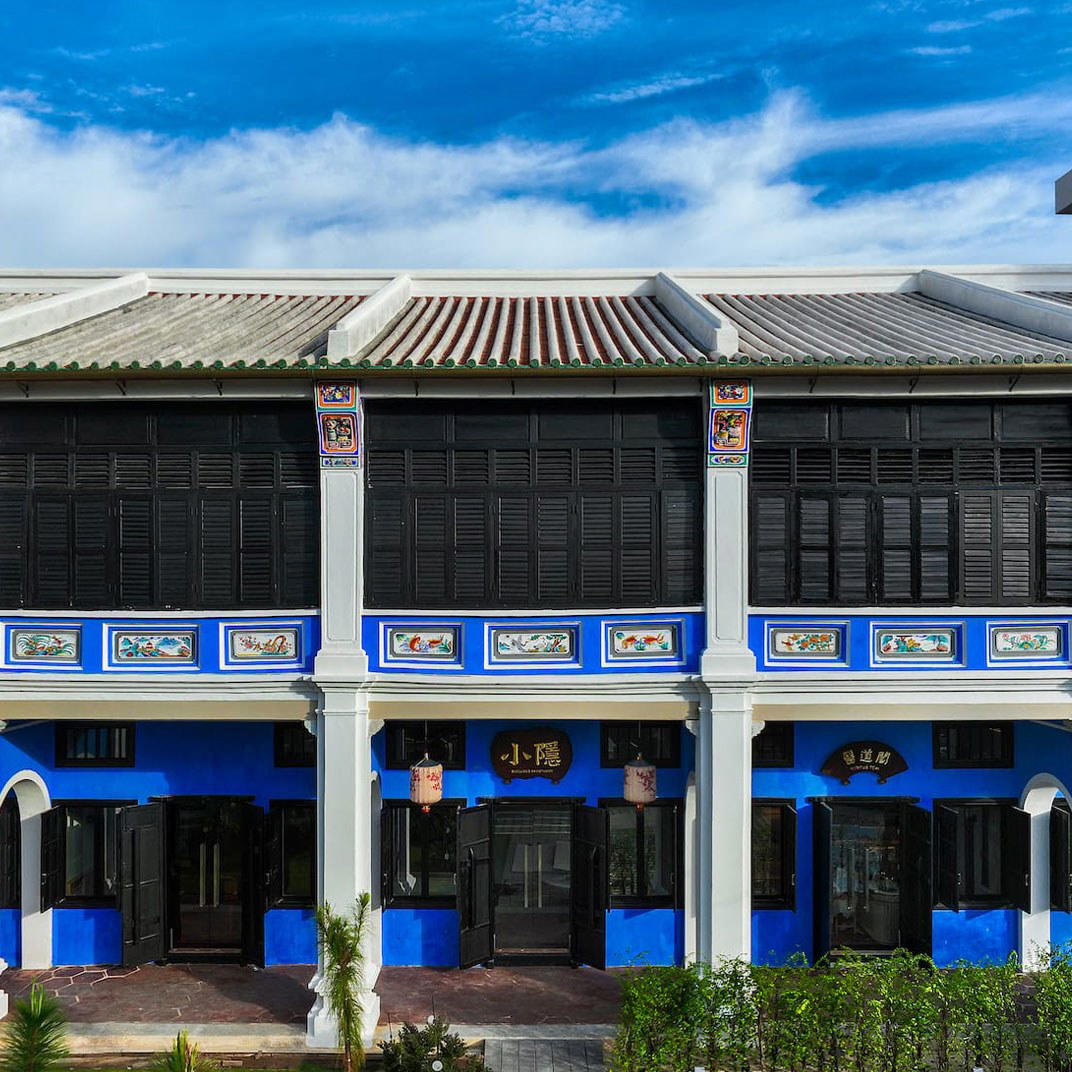
Details
- Elegant
- Sophisticated
- Romantic
- Intimate
- Classic
- Date Night
- Special Occasion
- Celebration
- Historic Building
- Hotel Restaurant
- Craft Cocktails
- Set Menu
- A La Carte
- Cocktails
- Vegetarian Friendly
Current opening hours
- Monday
- 6–10:30 PM
- Tuesday
- 6–10:30 PM
- Wednesday
- 6–10:30 PM
- Thursday
- 6–10:30 PM
- Friday
- 6–10:30 PM
- Saturday
- 6–10:30 PM
- Sunday
- 6–10:30 PM
Hours can change for holidays and private events. Hours as of .
Elegant atmosphere with high ceilings, crystal chandeliers, scarlet velvet drapes, and Peranakan-inspired colonial decor creating a sophisticated and historic setting.