

Michelin Guide Plate · Michelin Plate
Our verdict
Priced at the $$ mid-range tier, it occupies a different position from the city's high-end Peranakan dining rooms.

Pearl is the En Primeur Club membership app, where members save venues, book tables and use the concierge.
The menu
What to order
- Ayam Buah Keluak
- Otak-Otak
- Ngoh Hiang
Below Street Level in the Financial District, Above the Noise
Singapore's Central Business District is not where most visitors expect to find serious Peranakan cooking.
The Michelin Plate, for those unfamiliar with the category, is not a star. It designates restaurants that inspectors consider serve food worth seeking out, sitting below the one-star tier but above the general noise of the city's dining options. For a basement nyonya kitchen in an office building, it is a signal worth decoding.
Peranakan Cooking and the Patience It Requires
To understand what a restaurant like Straits Chinese is actually doing, it helps to understand what Peranakan cooking demands. The cuisine emerged from the blending of Chinese immigrant settlers with Malay communities across the Straits of Malacca, producing a hybrid tradition that draws on both pantries: the soy, the taucheo, the wok technique from one side; the rempah spice pastes, the coconut milk, the pandan and bunga kantan from the other. The result is a cooking style built on labour-intensive foundations. Rempah pastes are pounded rather than blended, and the fat-soluble aromatics require extended frying to release properly. Dishes like ayam buah keluak depend on the keluak nut, which must be soaked over days before it yields its bittersweet, almost truffle-dark interior. These are not dishes that can be rushed for a lunch service without consequence.
That context matters in assessing where Straits Chinese sits in the city. Singapore's Peranakan dining options run a wide spectrum. At one end, Candlenut holds a Michelin star and operates with a refined, plated approach. Pangium takes a more research-driven route to heritage cooking. Both carry fine-dining pricing. At the other end, neighbourhood haunts in Joo Chiat and Katong, including Chilli Padi (Joo Chiat), deliver home-style cooking in casual surrounds. Straits Chinese at the $$ price tier occupies the middle ground: Michelin-recognised quality at mid-range pricing, aimed squarely at a working lunch crowd that wants proper nyonya food without committing to a two-hour tasting format.
Reading the Meal as a Sequence
Peranakan meals traditionally unfold in a way that rewards patience. Rather than the progressive build of a Western tasting menu, the table fills with multiple dishes simultaneously, and the progression happens within the bowl and across bites: rice anchors the plate, rempah-heavy curries provide depth, pickled vegetables and sambal cut through the fat, and soups or broths offer relief between richer elements.
In a CBD lunch setting, that multi-dish logic compresses. The question for any Peranakan kitchen serving office workers on a 45-minute window is whether the flavour architecture survives the format change. The Michelin Plate recognition suggests that at Straits Chinese, the fundamentals hold. Inspectors assess consistency, technique, and ingredient quality across multiple visits, meaning the rating reflects what the kitchen does on ordinary days rather than exceptional ones.
For first-time visitors, ordering across categories is the better approach: something rempah-based for heat and depth, a braise or stew for the slow-cook register, and at least one dish built around the souring agents that define Peranakan cooking, whether tamarind, asam gelugor, or belimbing. Indocafé on Scotts Road works a similar hybrid heritage register at a higher price point, offering a useful comparison for those wanting to benchmark quality across tiers.
The Peranakan Geography Beyond Singapore
The Straits Chinese tradition does not belong to Singapore alone. The same hybrid culture took root along the full stretch of the Malay Peninsula, and George Town in Penang remains one of its most concentrated expressions. Diners who want to extend their understanding of the cuisine beyond the island will find a strong cluster of options there: Auntie Gaik Lean's Old School Eatery and Kebaya Dining Room represent the more established George Town names, while Richard Rivalee, Bibik's Kitchen, Ceki, Flower Mulan, Ivy's Nyonya Cuisine, and Jawi House cover a range of formats and price points across the island.
The comparison is instructive because it clarifies what is specific to the Singapore context. Peranakan cooking in George Town tends to carry stronger Malay flavour influences and a more overtly tourist-facing presentation. In Singapore, especially in a CBD setting like Cecil Street, the cuisine sits within a more compressed urban dining culture where the competition is not other Peranakan restaurants but the full spread of the city's lunch options.
Where Cecil Street Fits in Singapore's Dining Map
Singapore's dining geography has distinct registers. The Tanjong Pagar corridor, which runs through the area around Cecil Street, has built a reputation for density and quality in the mid-range tier: reliable cooking at accessible prices serving a professional lunch crowd and evening diners from the surrounding residential and commercial blocks. It is a different register from Dempsey Hill's weekend leisure dining or the tourist-facing density of Clarke Quay.
Within that context, a Michelin Plate-recognised nyonya kitchen in a basement is not an anomaly. It is a precise fit for how the neighbourhood operates: serious cooking, unpretentious surroundings, a format built around the working day.
Those building a wider Singapore itinerary around food will find context in our full Singapore restaurants guide. For laksa, a dish that traces part of its lineage to the same Straits Chinese blending of cultures, 328 Katong Laksa in the East Coast precinct offers one of the city's most argued-over versions. Broader Singapore planning resources cover hotels, bars, wineries, and experiences.
Practical Reference
Pricing sits at the $$ mid-range tier.
What Should I Eat at Straits Chinese (Cecil Street)?
The kitchen is recognised for Peranakan nyonya cooking, a tradition built on rempah spice pastes, slow braises, and the sour-hot-savoury balance that defines Straits Chinese food. Ordering across multiple categories, a rempah-based curry, a braise, and a dish built around tamarind or asam souring, gives the most complete read of what the kitchen can do. The Michelin Plate recognition in 2024 confirms that the fundamentals of the cuisine are handled with care.
Cuisine and Credentials
Comparable venues nearby, for context on price, style, and recognition.
| Venue | Cuisine | Price | Awards | Notes |
|---|---|---|---|---|
| Straits Chinese (Cecil Street)This venue (the venue you are viewing) | Authentic Peranakan Nyonya | $20–30 | Michelin Guide Plate · Michelin Plate | Not listed |
| Hokkien Man Hokkien Mee | Hokkien Fried Noodles | $1–10 | Michelin Guide Plate · Michelin Plate | PEI CHUN |
| Sin Heng Claypot Bak Koot Teh | Claypot Bak Kut Teh | $10–20 | Michelin Guide Bib Gourmand · Michelin Plate | KATONG |
| Putien (Kitchener Road) | Authentic Putian Fujian Cuisine | $20–30 | Michelin Plate · Michelin Guide Plate | LAVENDER |
| Lor 9 Beef Kway Teow | Singaporean Beef Kway Teow | $10–20 | Michelin Guide Plate · Michelin Plate | ALJUNIED |
| 91 Fried Kway Teow Mee | Healthy Char Kway Teow | $1–10 | Michelin Guide Plate · Michelin Plate | CRAWFORD |
Recognition history
Dated appearances from independent guides and award organizations, with the underlying list record or original source where available.
Michelin Guide Plate
Michelin Guide
Michelin Plate
Michelin
Continue exploring
More in Singapore
Restaurants in Singapore
All restaurants in Singapore →
Bars in Singapore
All bars in Singapore →
Details
- Classic
- Cozy
- Elegant
- Family
- Group Dining
- Business Dinner
- Historic Building
- Local Sourcing
- A La Carte
Current opening hours
- Monday
- 11:30 AM–2:30 PM, 5:30–9 PM
- Tuesday
- 11:30 AM–2:30 PM, 5:30–9 PM
- Wednesday
- 11:30 AM–2:30 PM, 5:30–9 PM
- Thursday
- 11:30 AM–2:30 PM, 5:30–9 PM
- Friday
- 11:30 AM–2:30 PM, 5:30–9 PM
- Saturday
- 11:30 AM–2:30 PM, 5:30–9 PM
- Sunday
- 11:30 AM–2:30 PM, 5:30–9 PM
Hours can change for holidays and private events. Hours as of .
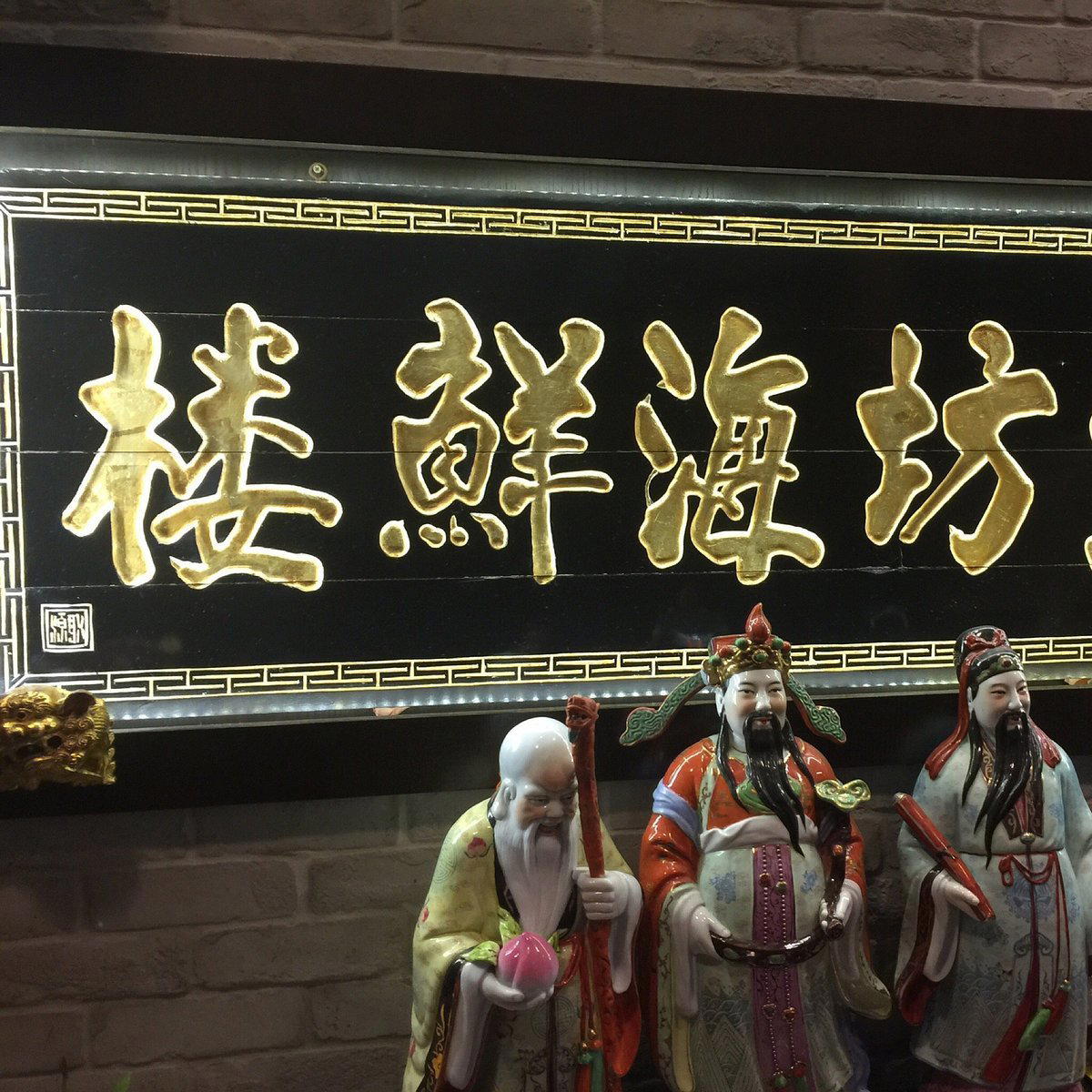
Traditional Peranakan decor with tiles, antique cabinets, wooden furniture, and warm welcoming atmosphere.