Palma occupies a prominent address at 100 Peel Street in Montreal's downtown core, placing it within reach of the city's most competitive modern dining corridor. The restaurant enters a market where high-end independents and chef-driven rooms have redefined what the Peel Street neighbourhood signals to visiting diners. For those mapping Montreal's current fine dining scene, Palma is a reference point worth understanding in context.
Pearl is the En Primeur Club membership app — saves, bookings, and concierge access live there. Same editors, same standards.
- Address
- 100 Peel St, Montreal, Quebec H3C 0L8, Canada
- Phone
- +14383807256
- Website
- palmamtl.ca
- Directions
- Get directions
 Saves & bookings on Pearl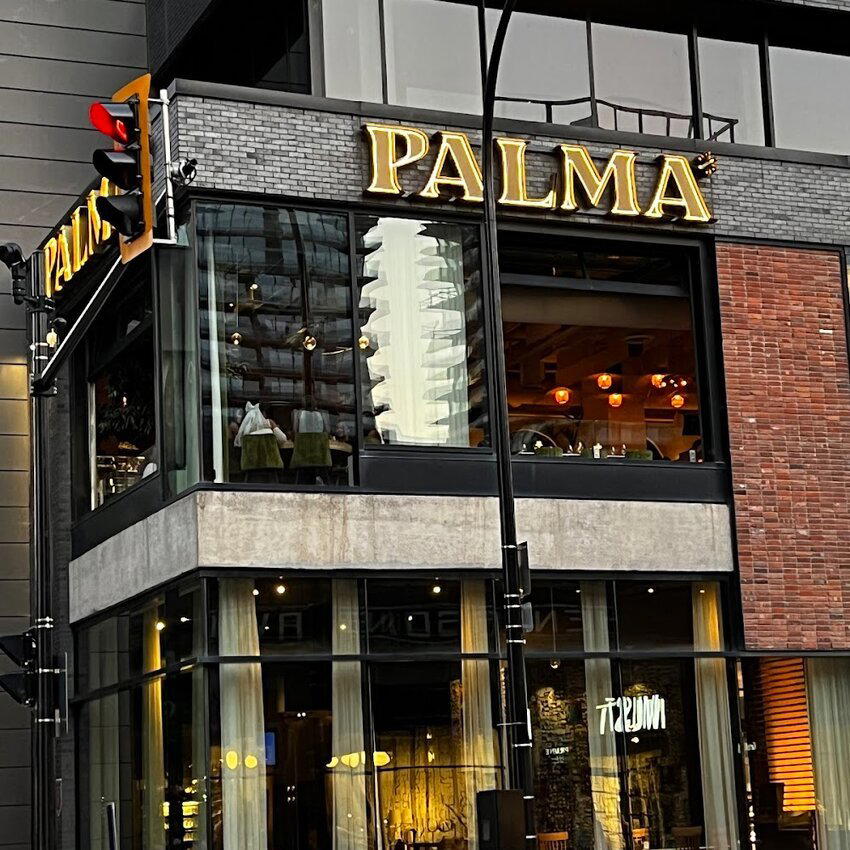
A Room That Earns Its Address
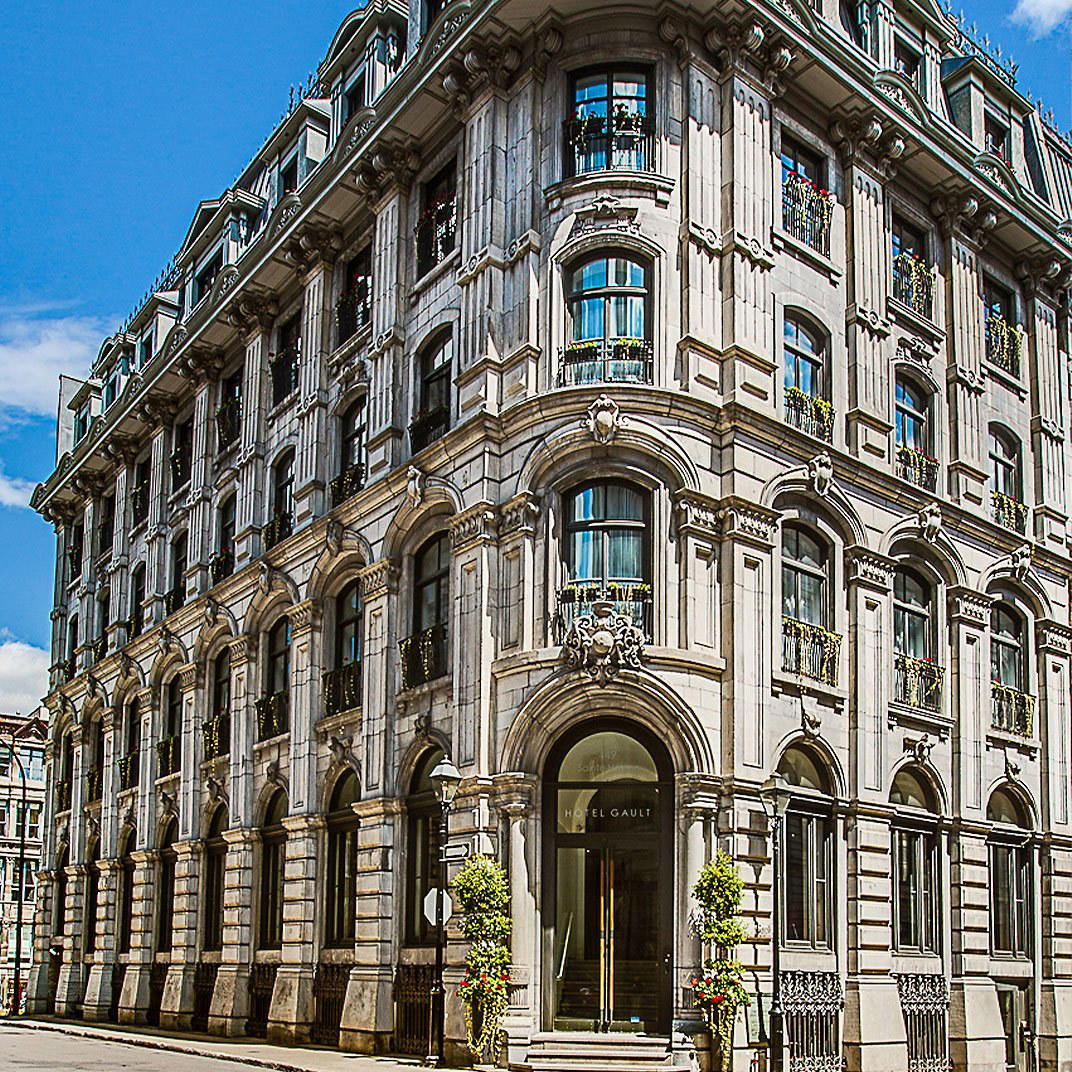
Peel Street in downtown Montreal runs through a part of the city where the built environment does a lot of editorial work before a menu arrives. The towers, the proximity to the Bell Centre, the flow of business travellers and event crowds: all of it shapes what a restaurant on this corridor needs to be. The properties that hold their ground here tend to occupy a specific register, one where the physical experience of the room carries weight independent of what's plated.
Montreal's downtown dining scene has matured considerably over the past decade. Where once the high-end corridor concentrated around Plateau-Mont-Royal and Old Montreal's heritage rooms, the downtown core has attracted a newer generation of serious restaurants that price against neighbourhood independents rather than hotel dining rooms. That repositioning means a room like Palma competes on atmosphere and cuisine quality simultaneously, because diners in this part of the city have options at every point of the price spectrum, from the enduring brasserie format of Jérôme Ferrer's Europea at the four-dollar-sign tier to the mid-range precision of Mastard.
Where Palma Sits in Montreal's Modern Dining Order
Montreal's restaurant scene operates across a clear hierarchy. At the leading, places like Toqué have held four-dollar-sign positioning for years and function as institutional anchors. Below that, a busy middle tier of chef-driven modern rooms, among them Sabayon and Mastard, compete on technique and sourcing without matching the price ceiling of the city's established flagships. Palma's Peel Street address places it in conversation with both tiers, because the catchment of that neighbourhood draws diners whose frame of reference includes the full range.
Across Canada, the strongest regional dining rooms have increasingly anchored their identity to a specific geographic or cultural argument. Tanière³ in Quebec City pushes Québécois terroir into a format that has drawn international attention. Alo in Toronto sustains a French-leaning tasting menu that has held critical recognition for years. AnnaLena in Vancouver built a reputation on a locally-sourced menu format that resists easy categorisation. Montreal's most compelling rooms, including neighbourhood-specific addresses like 3 Pierres 1 Feu and Abu el zulof, show how the city's dining identity is built from a plurality of influences rather than a single dominant tradition. A downtown address like Palma inherits that context.
Further afield, rooms operating at the intersection of setting and cuisine, Restaurant Pearl Morissette in Lincoln, Eigensinn Farm in Singhampton, The Pine in Creemore, have demonstrated that Canadian diners will travel, plan, and pay for experiences where atmosphere and culinary intent are fully aligned. That expectation has migrated into urban dining rooms as well, which is why a room's physical presence on Peel Street matters as much as its menu proposition.
The Sensory Register of a Downtown Montreal Room
Montreal's leading downtown restaurants operate with a particular kind of atmospheric confidence. The city is bilingual by default, which gives its service culture a different texture from Toronto or Vancouver: a table conversation can shift language mid-sentence and nobody marks it as unusual. The acoustic design of rooms in this part of the city tends toward the deliberate, because the surrounding streets carry noise from the Quartier des spectacles and the Bell Centre on event nights, and a well-run room absorbs that pressure rather than competing with it.
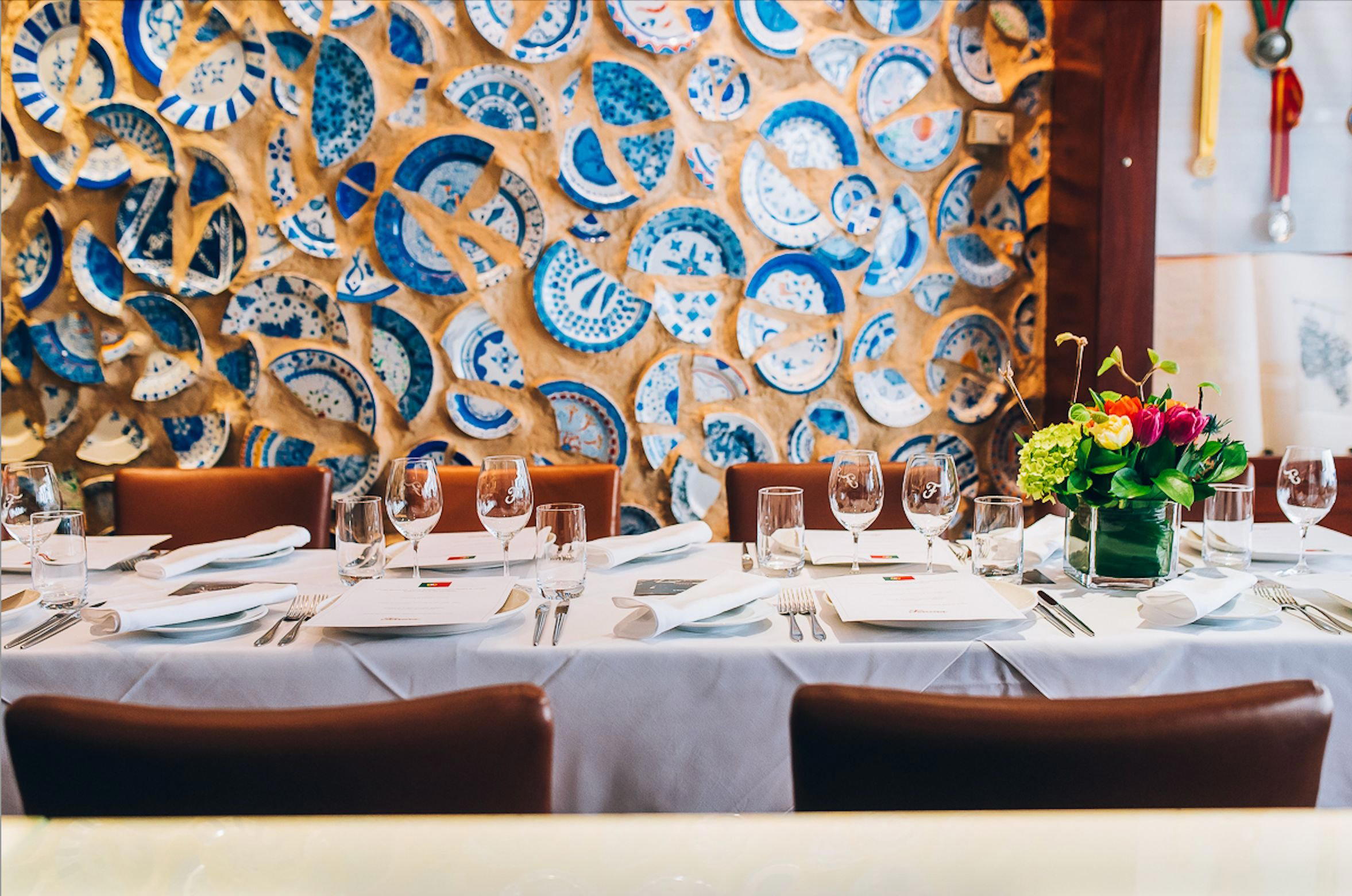
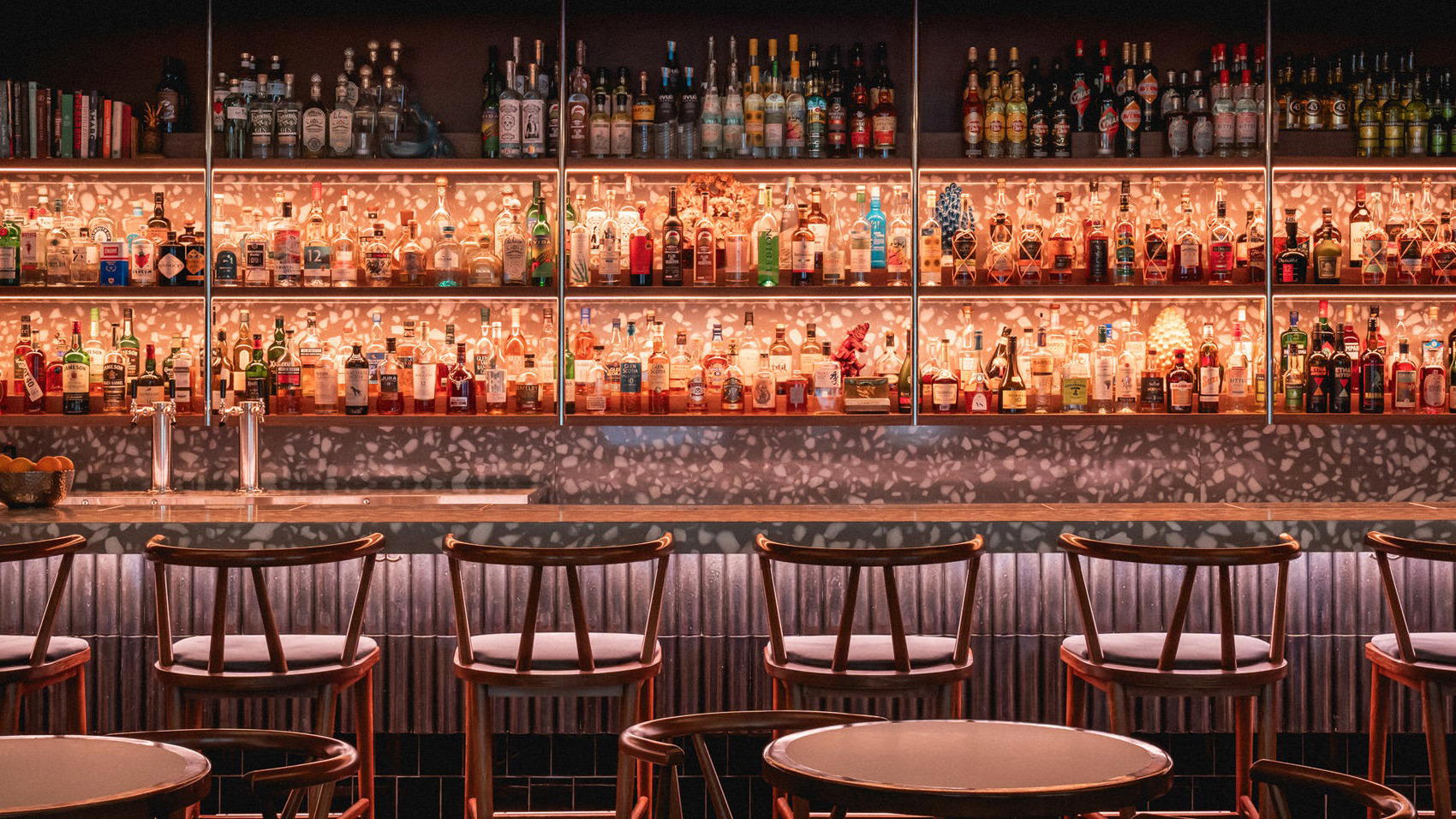
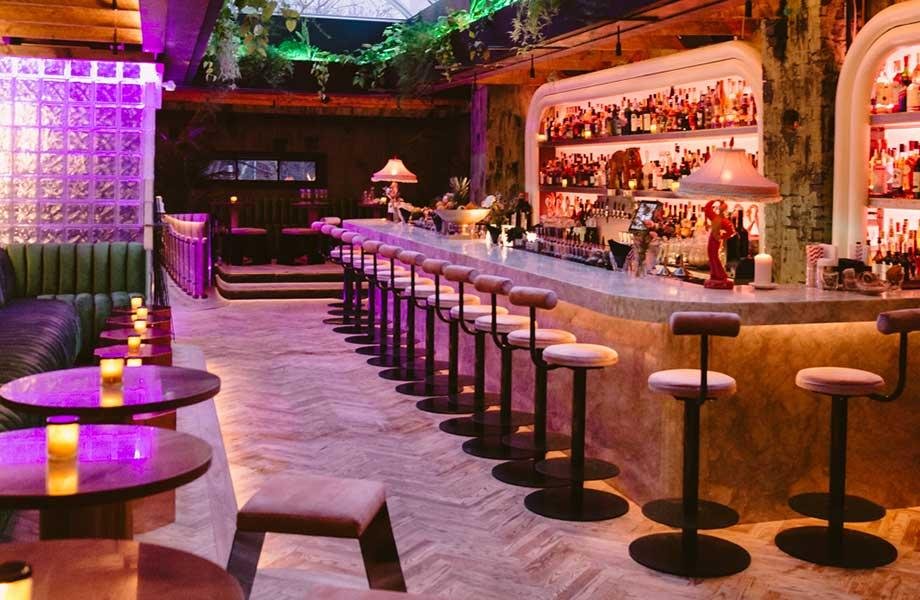
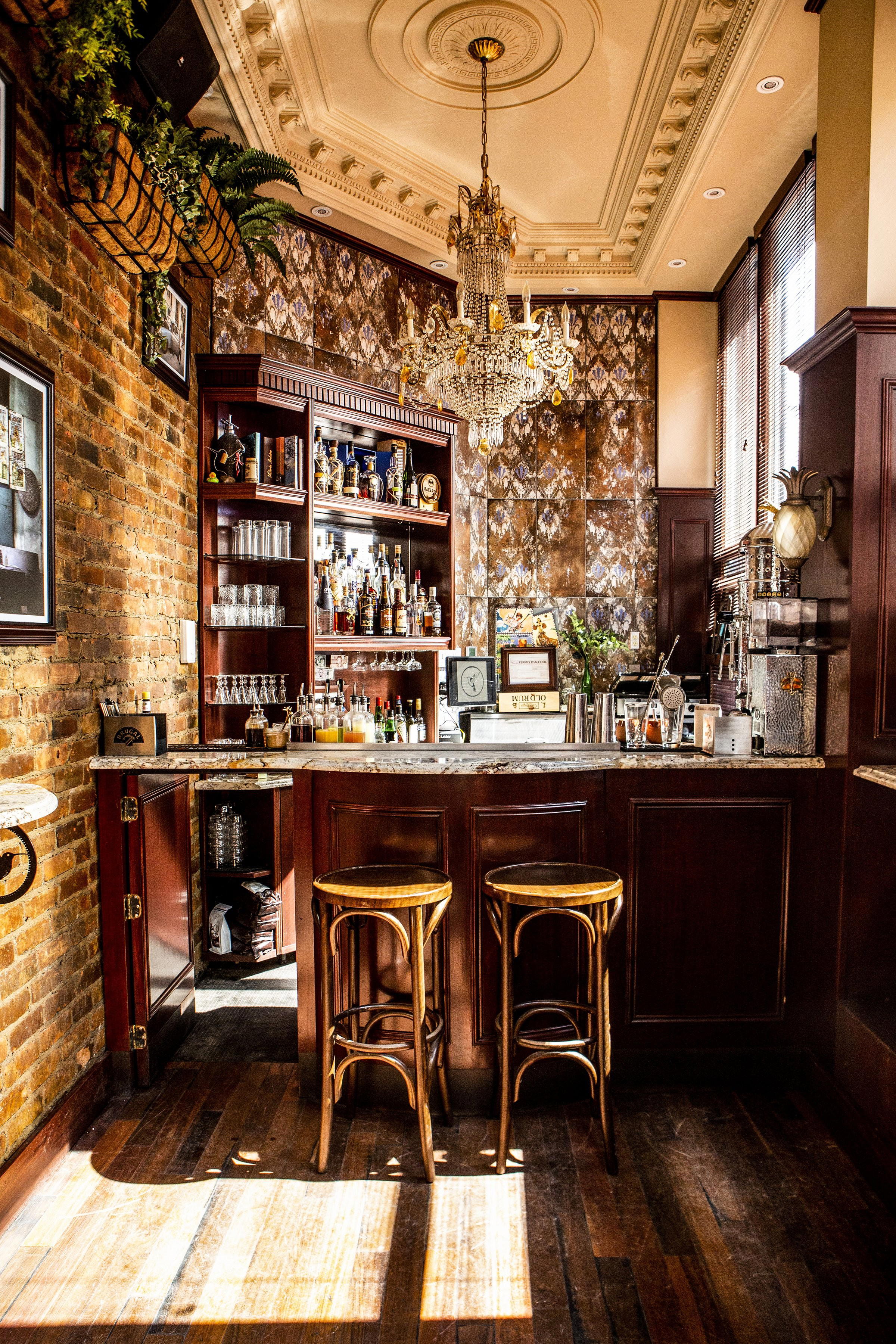
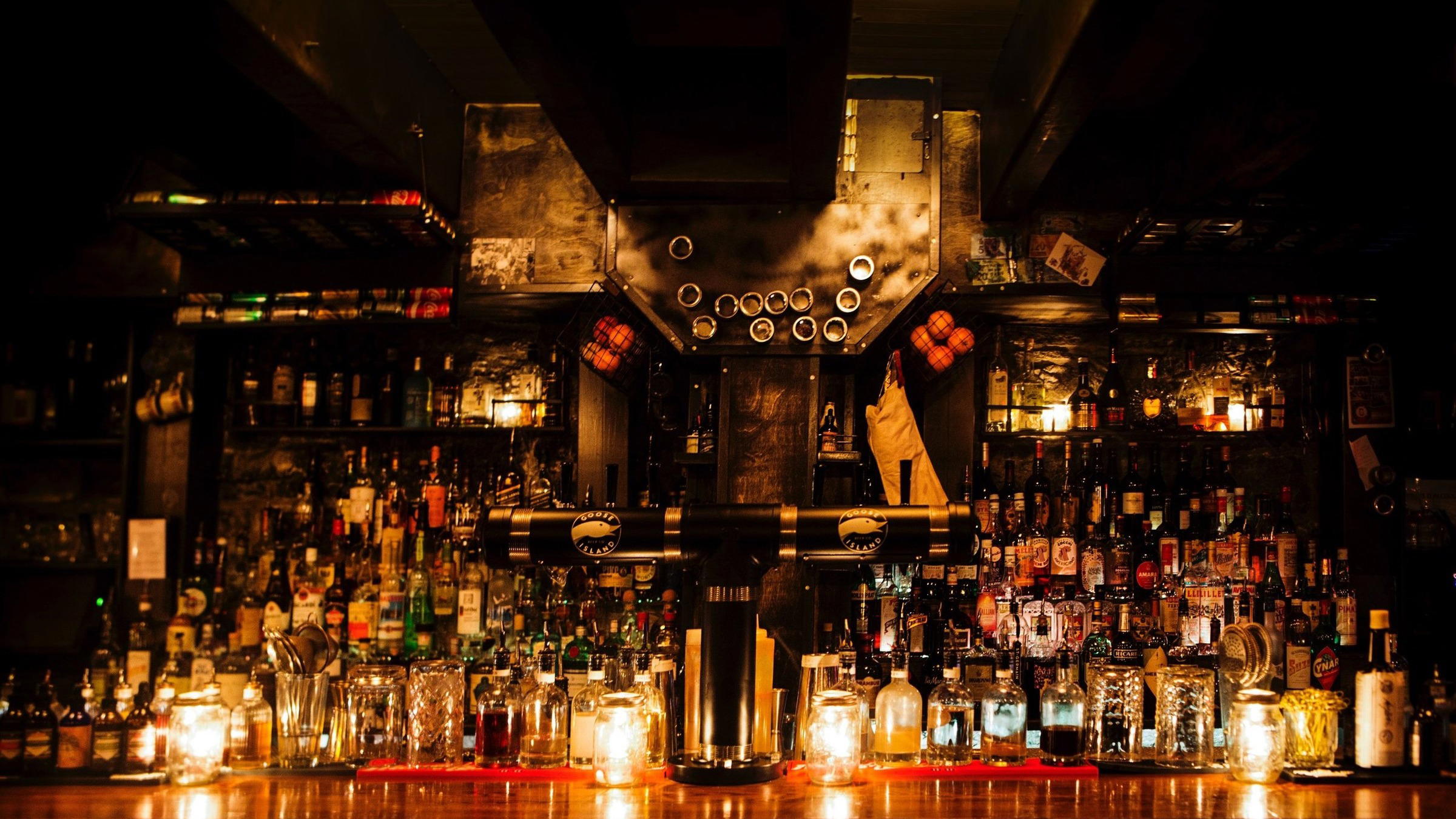
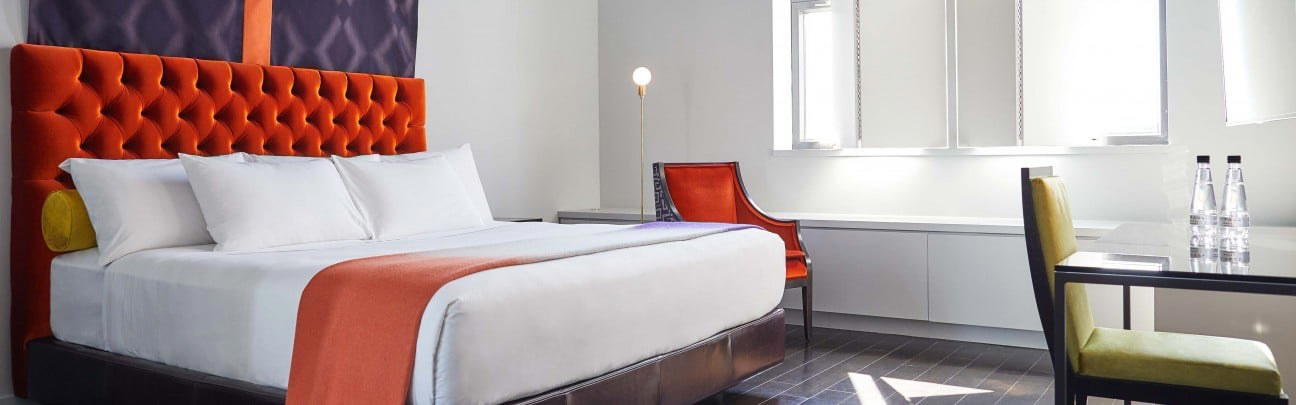
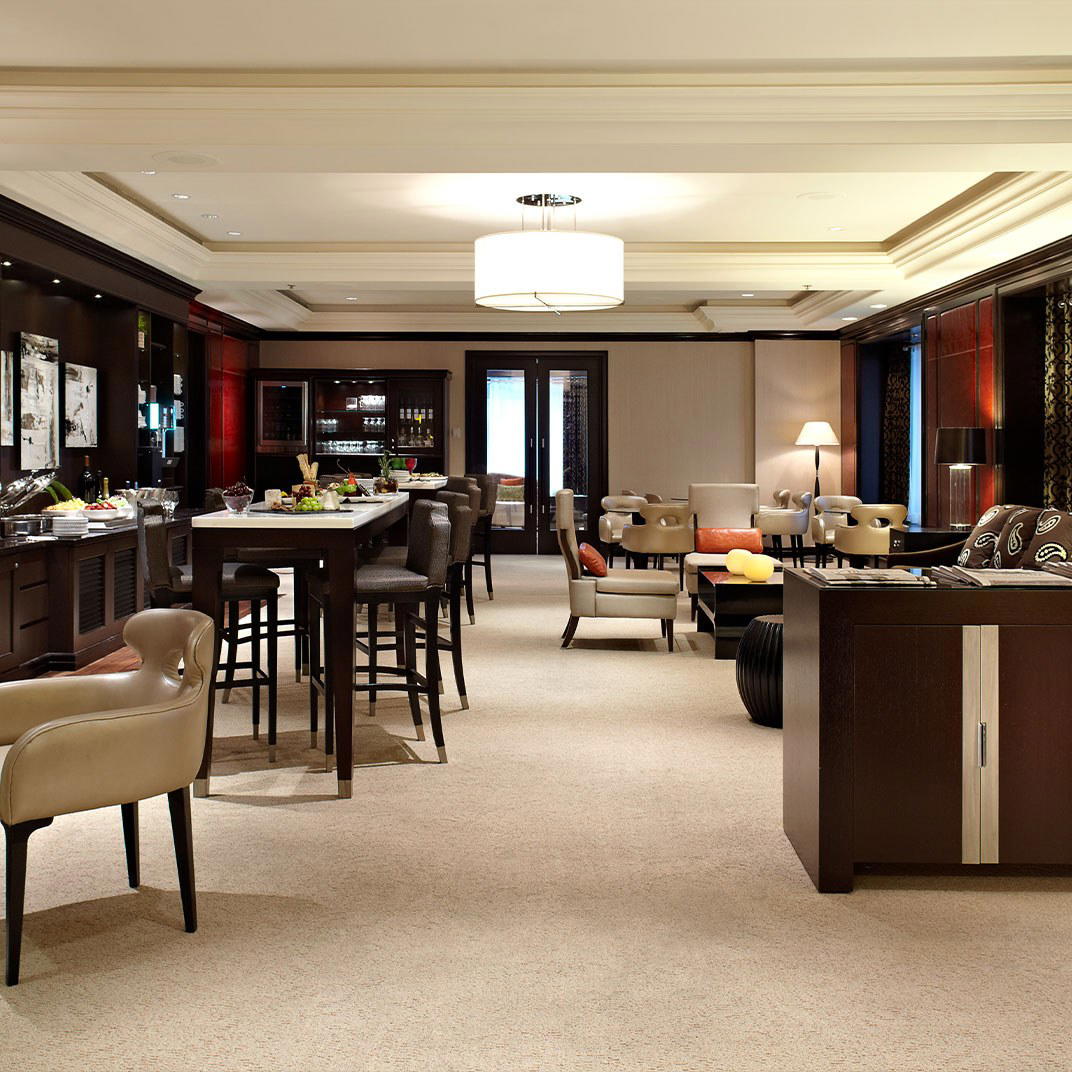
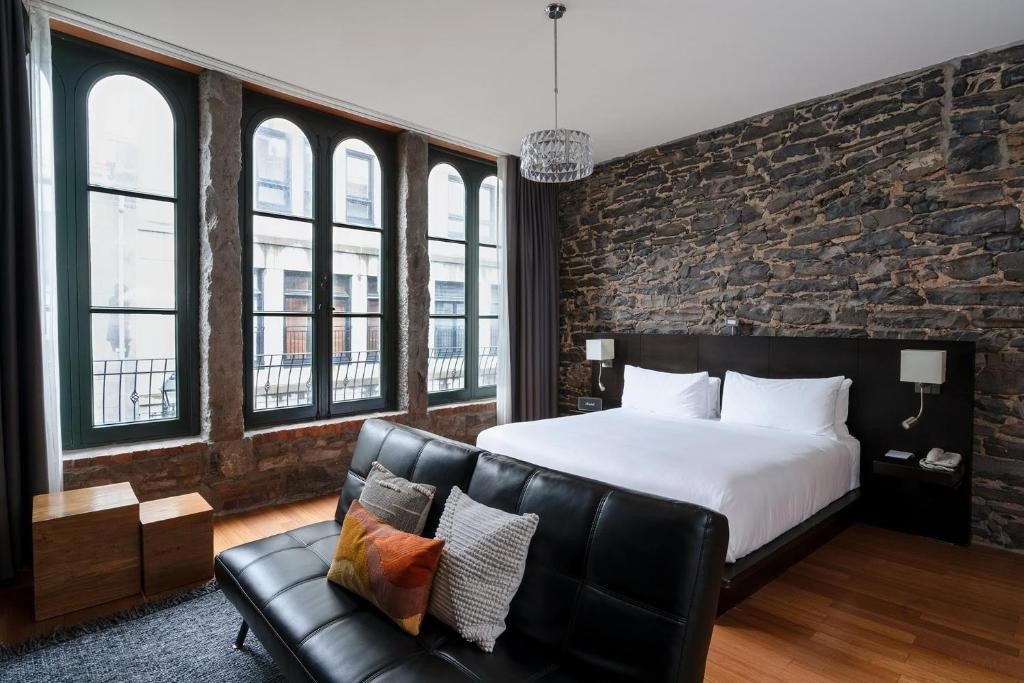
The visual language of Peel Street addresses leans modern without abandoning material warmth. Stone, wood, considered lighting: these are the design constants that distinguish serious independent restaurants from the hotel dining rooms that anchor nearby blocks. A room that reads well on entry, that communicates intention through what you see and hear before you sit, signals something to the diner that the menu then either confirms or contradicts. In Montreal's current dining market, the rooms that hold their reputation tend to make that confirmation reliably.
For reference points in the broader international conversation about restaurants where atmosphere and cuisine carry equal weight, Le Bernardin in New York City has long demonstrated how a formal room can sustain technical seriousness across decades. Atomix, also in New York, sits in a different register entirely, where the physical experience of the counter and the sequencing of courses are inseparable from each other. These are extreme examples, but they illustrate a principle that applies at every tier: the room's sensory character is not decoration around the food, it is argument.
Planning Your Visit
Montreal's downtown dining corridor is busiest Thursday through Saturday, with pre-theatre and post-event traffic from the Bell Centre compressing reservations on concert and hockey nights. Diners who want a quieter room and more attentive pacing tend to favour midweek bookings.
Restaurants worth cross-referencing in the Quebec region include Narval in Rimouski and Aux Anciens Canadiens in Quebec City for a sense of how regional and historical dining traditions diverge from the Montreal downtown model. Outside Quebec, Barra Fion in Burlington and Bearspaw Golf Club in Calgary illustrate how different regional contexts shape what premium dining means across the country.
Budget and Context
Comparable venues nearby, for context on price, style, and recognition.
| Venue | Cuisine | Price | Notes |
|---|---|---|---|
| PalmaThis venue — the venue you are viewing | Not listed | $$$ | Not listed |
| Junjun | Petit Bourgogne, Modern Filipino | $$$ | Not listed |
| Nikkei MTL | Not listed | $$$ | Parc-Laurier, Japanese-Peruvian Fusion Tapas |
| Jellyfish Montreal | Not listed | $$$ | Vieux Montréal, Modern Crudo + Charbon Grill |
| Modavie | Vieux Montréal, Classic French Bistro | $$$ | Not listed |
| Brasserie Milton | Not listed | $$$ | Quartier des Spectacles, Quebec-Inspired French Brasserie |
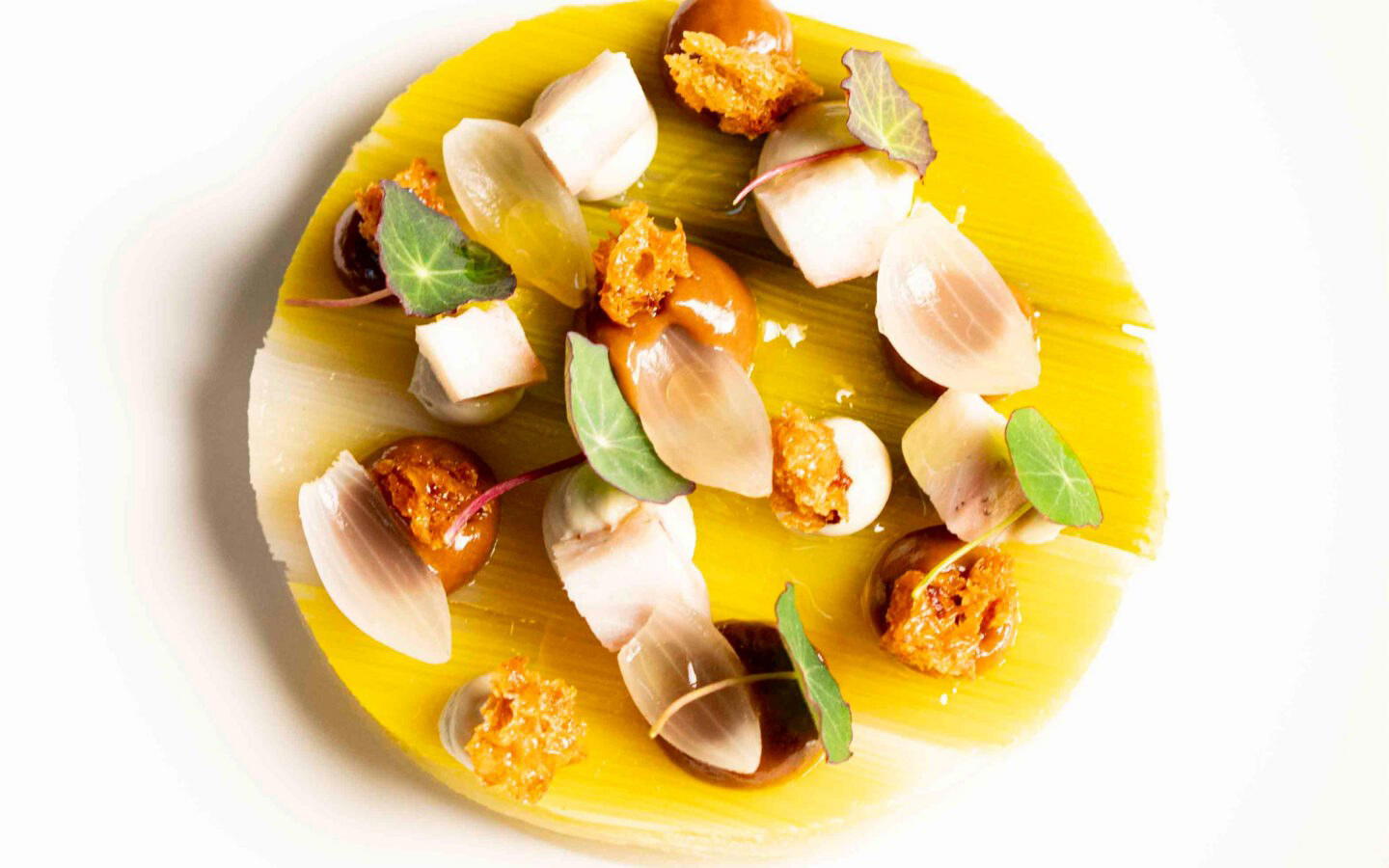
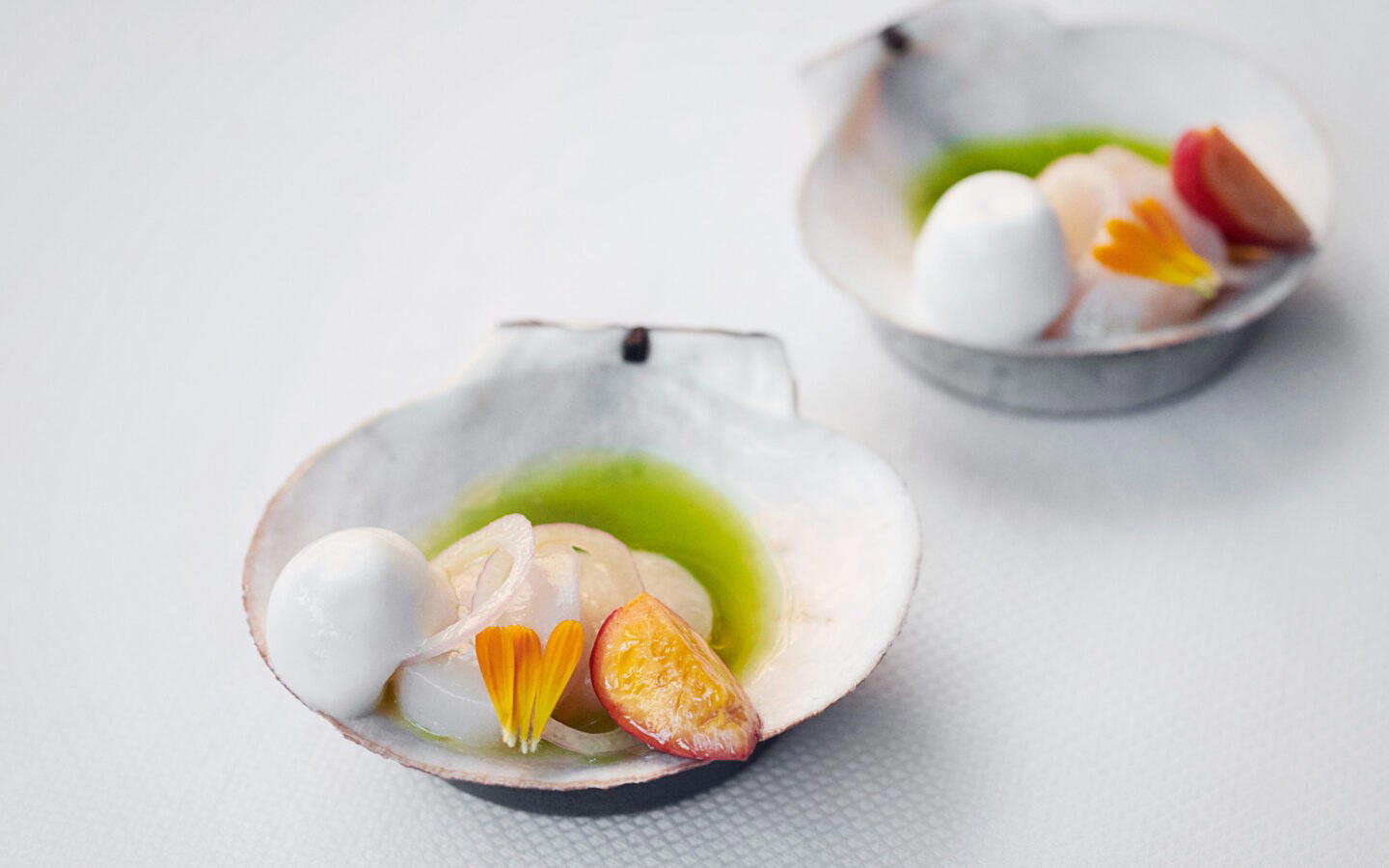
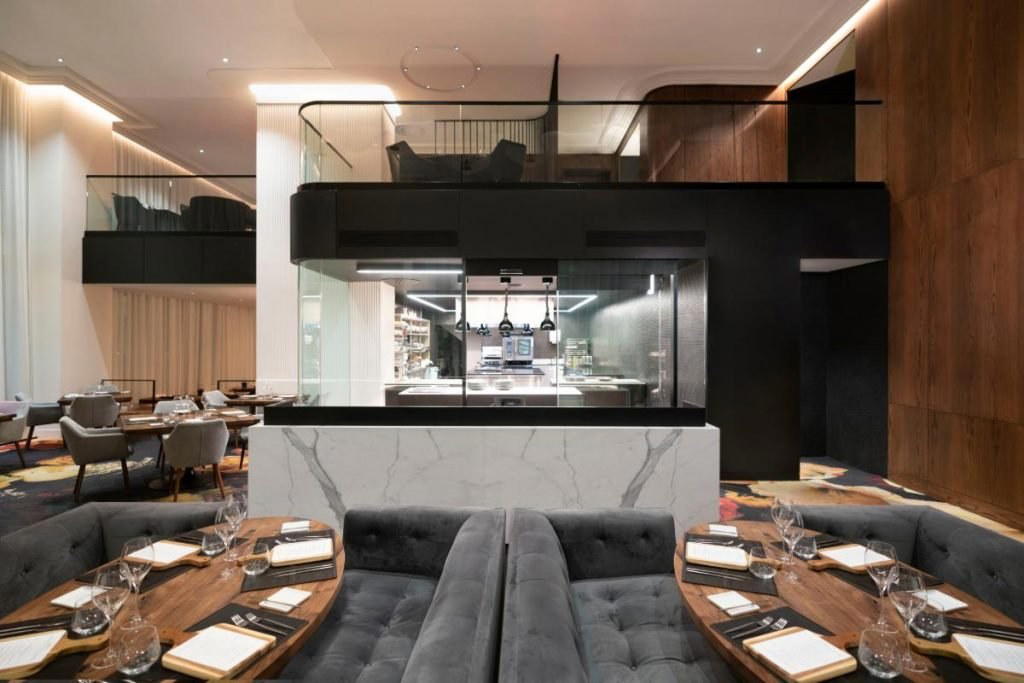
At a Glance
- Lively
- Elegant
- Trendy
- Date Night
- Group Dining
- Special Occasion
- Late Night
- Live Music
- Open Kitchen
- Craft Cocktails
Current opening hours
- Monday
- Closed
- Tuesday
- Closed
- Wednesday
- 5 PM–12 AM
- Thursday
- 5 PM–1 AM
- Friday
- 5 PM–2 AM
- Saturday
- 5 PM–2 AM
- Sunday
- 5 PM–12 AM
Hours can change for holidays and private events. Last verified .
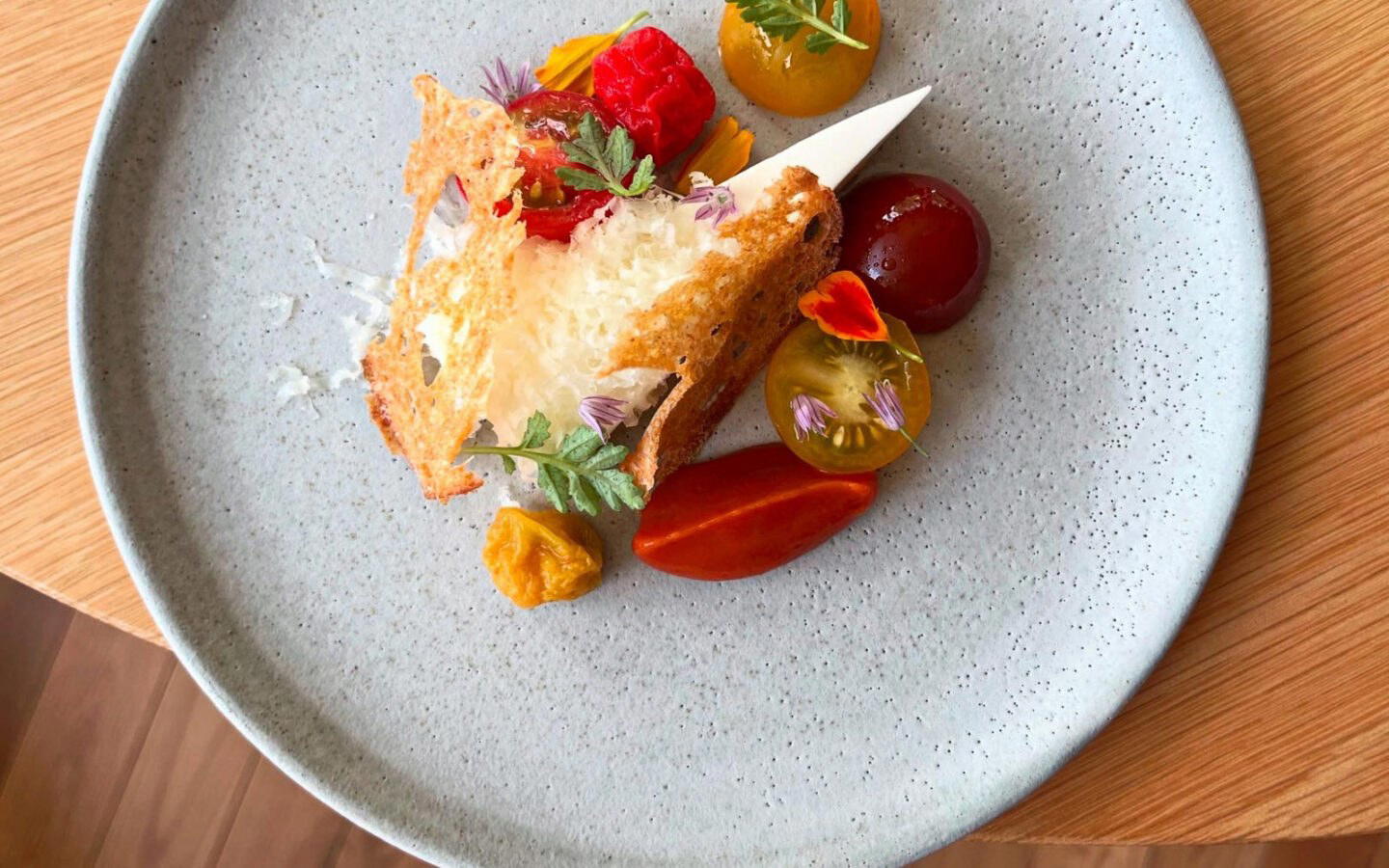
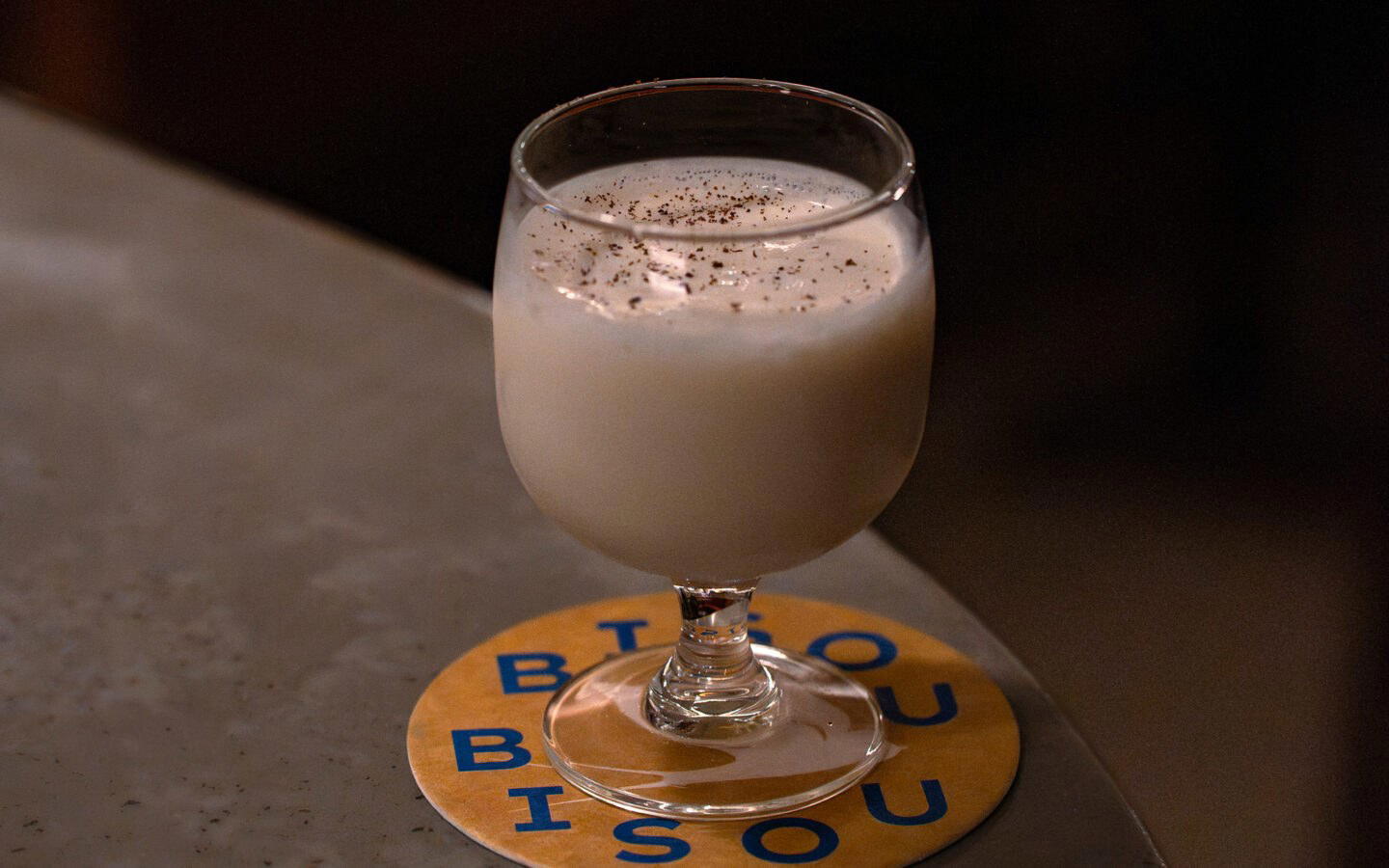
Chic and lively oasis with warm inviting atmosphere, lively energy from live music, and unusual ambiance.