Jellyfish Montreal occupies a heritage address on Rue Marguerite-D'Youville in Old Montreal, where the dining scene has shifted decisively toward tightly coordinated kitchen-and-floor teams over the past decade. With the neighbourhood drawing comparisons to other Canadian fine-dining corridors, Jellyfish positions itself in the upper register of the city's modern restaurant tier, where collaboration between culinary and service teams defines the experience as much as any single dish.
Pearl is the En Primeur Club membership app — saves, bookings, and concierge access live there. Same editors, same standards.
- Address
- 626 Rue Marguerite-D'Youville, Montreal, Quebec H2Y 2E4, Canada
- Phone
- +15143030908
- Website
- jellyfishmontreal.com
- Directions
- Get directions
 Saves & bookings on Pearl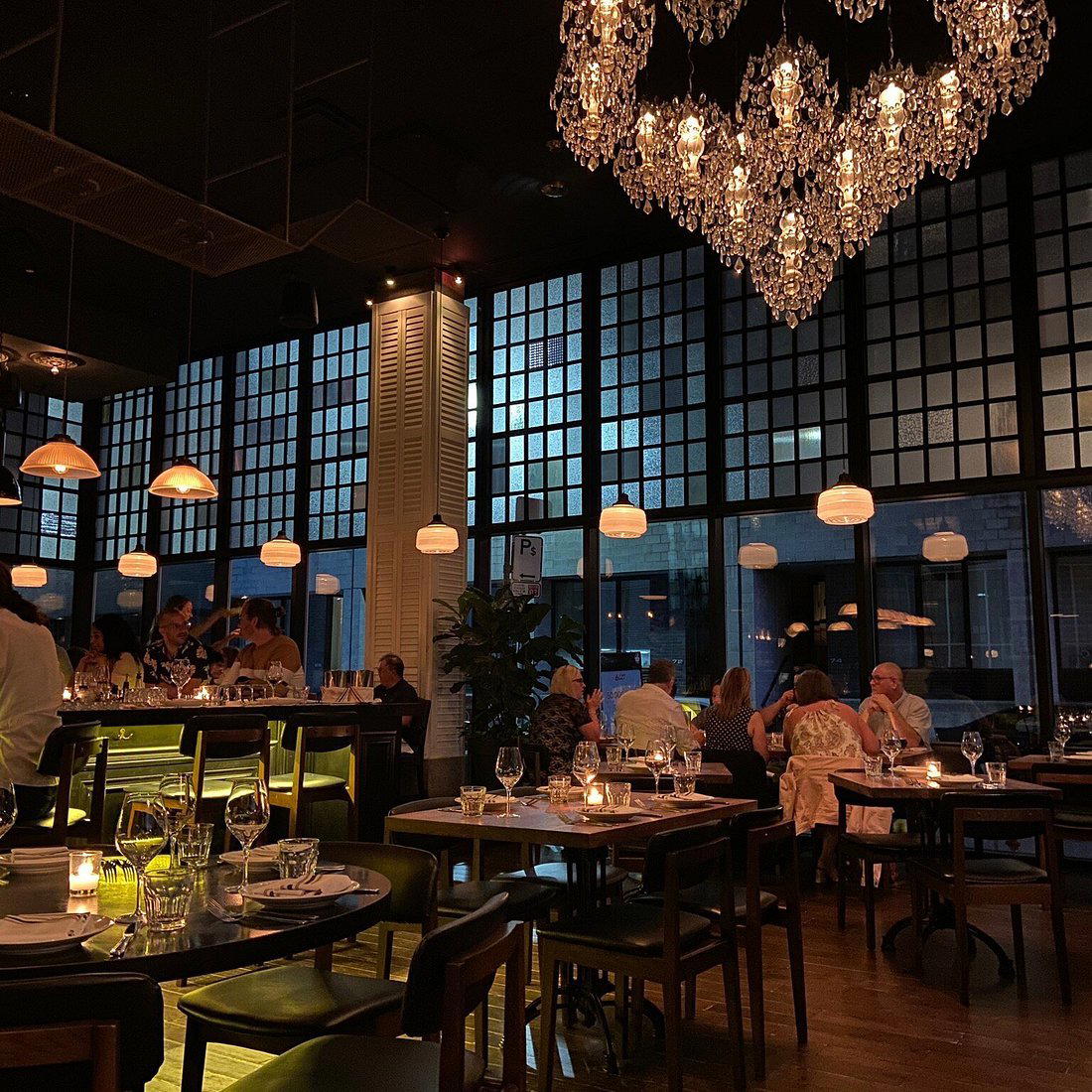
Old Montreal's Fine-Dining Tier and Where Jellyfish Sits
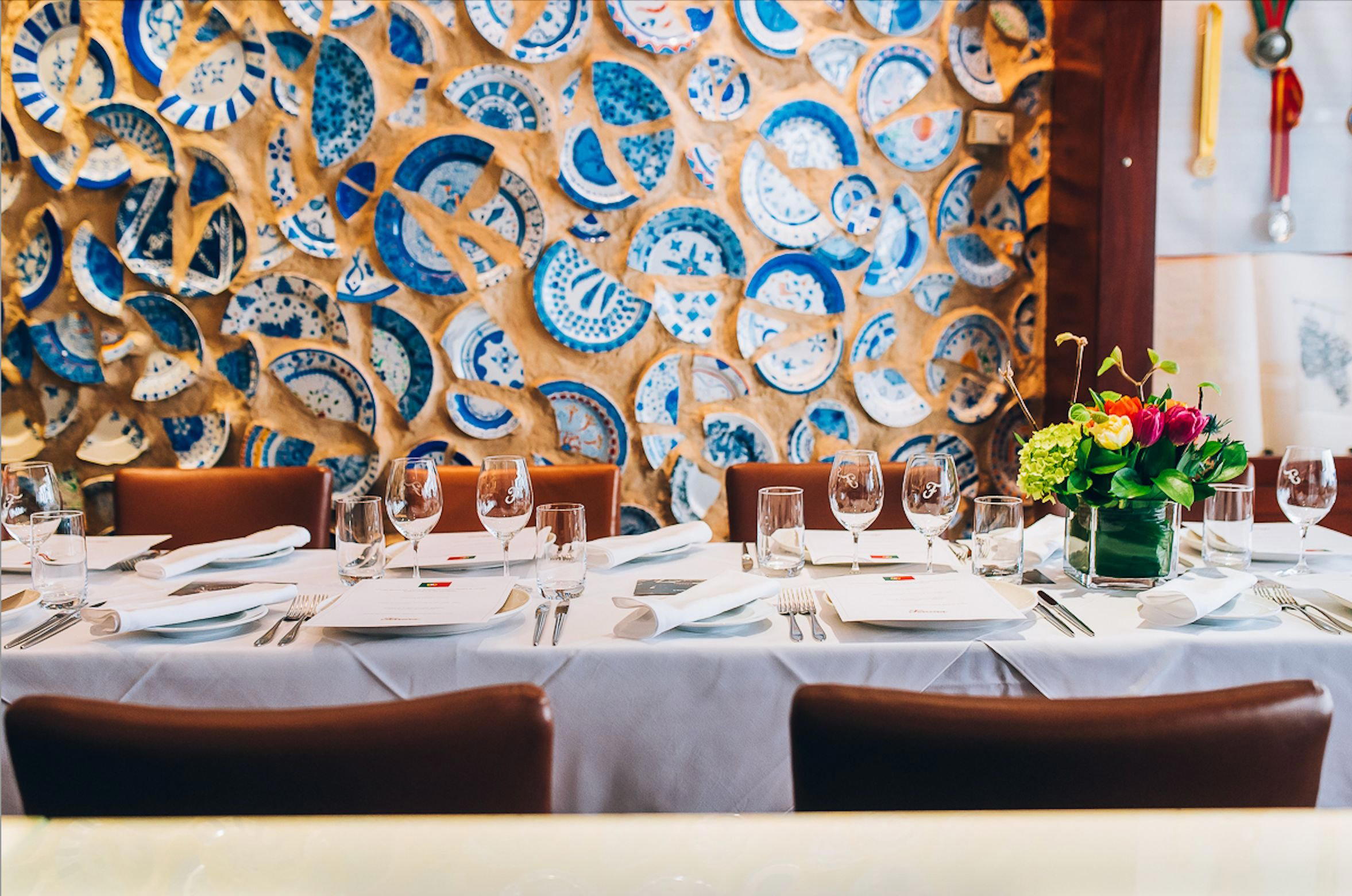
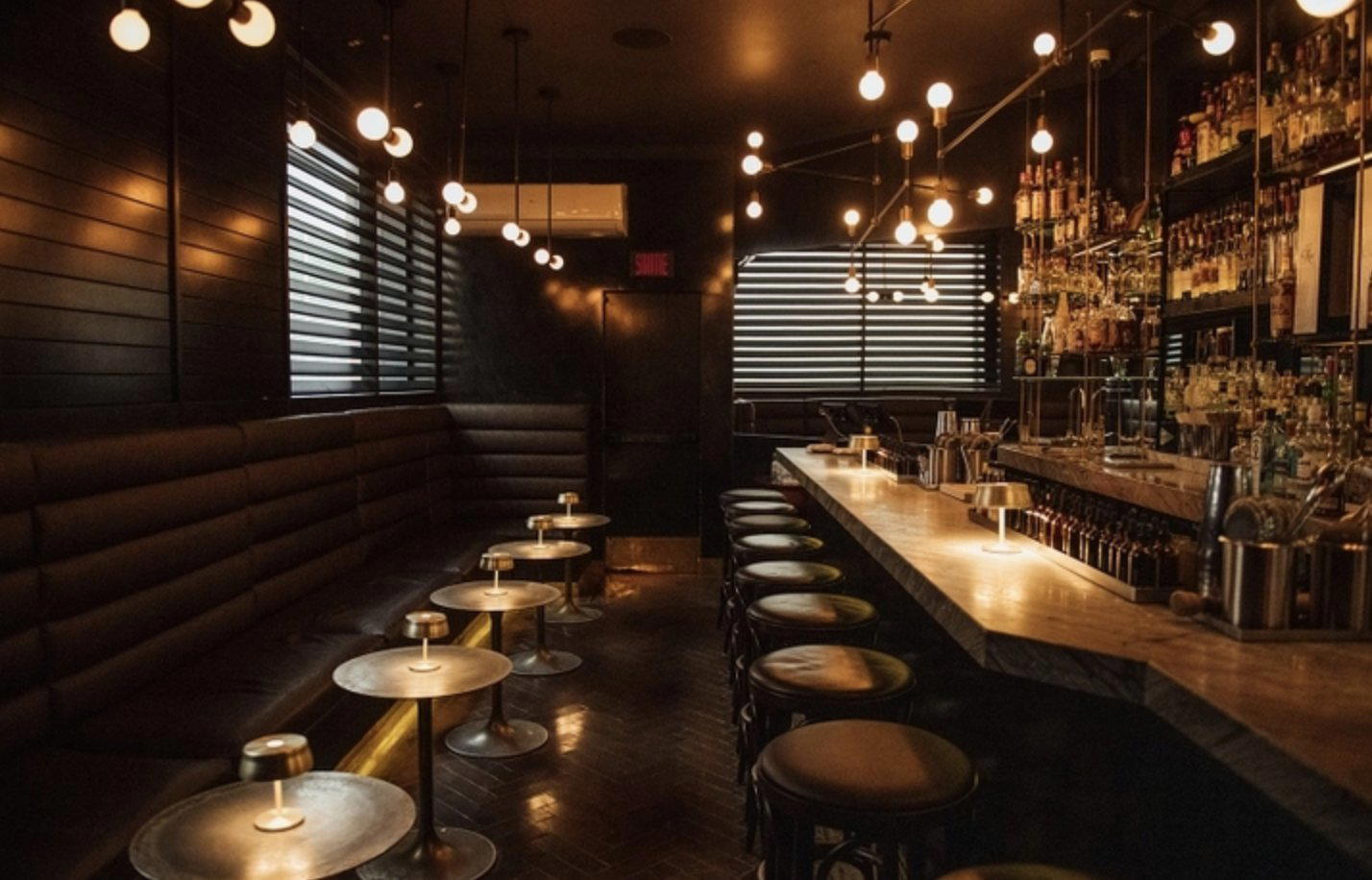
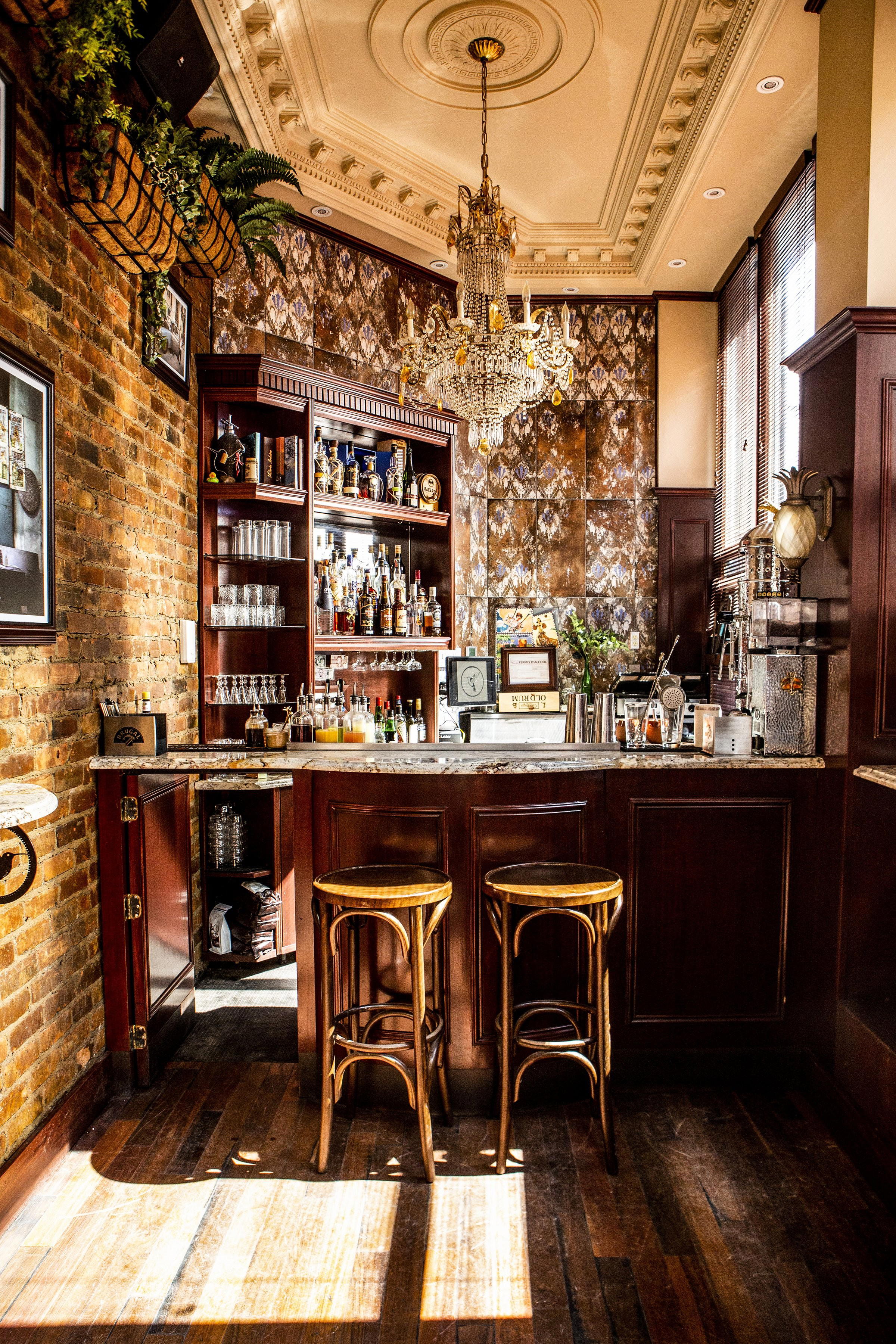
Rue Marguerite-D'Youville runs through one of the oldest commercial pockets of Old Montreal, a neighbourhood whose cobblestoned character has attracted a successive wave of serious restaurants over the past fifteen years. The area now hosts venues that compete less with the tourist-facing terrasses along the waterfront and more with the city's established fine-dining corridor further north along Rue Saint-Denis and around the Golden Square Mile. Jellyfish Montreal, at number 626, operates within that upper bracket: a room that reads as deliberate rather than decorative, where the physical environment communicates restraint before a single dish arrives.
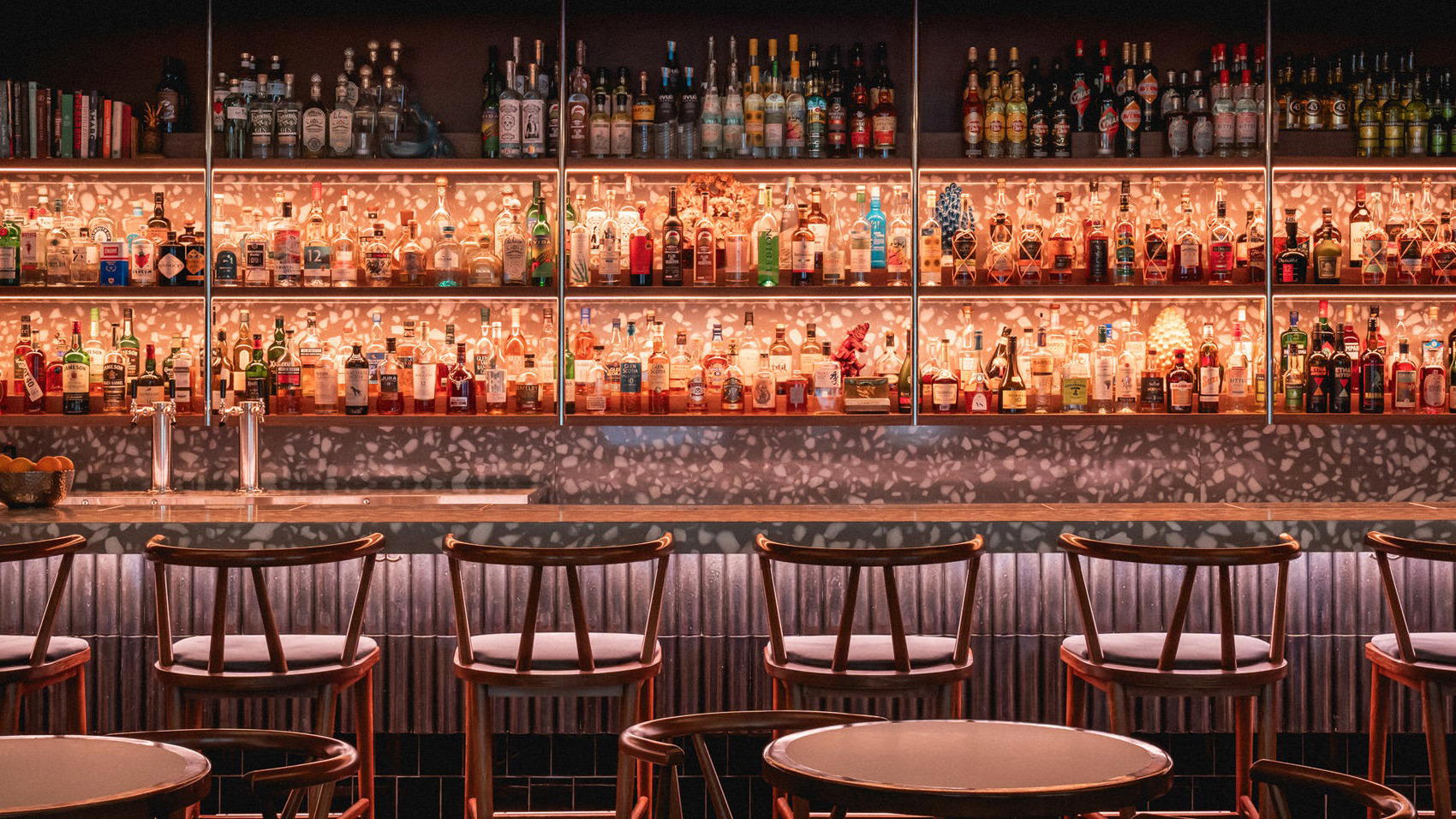
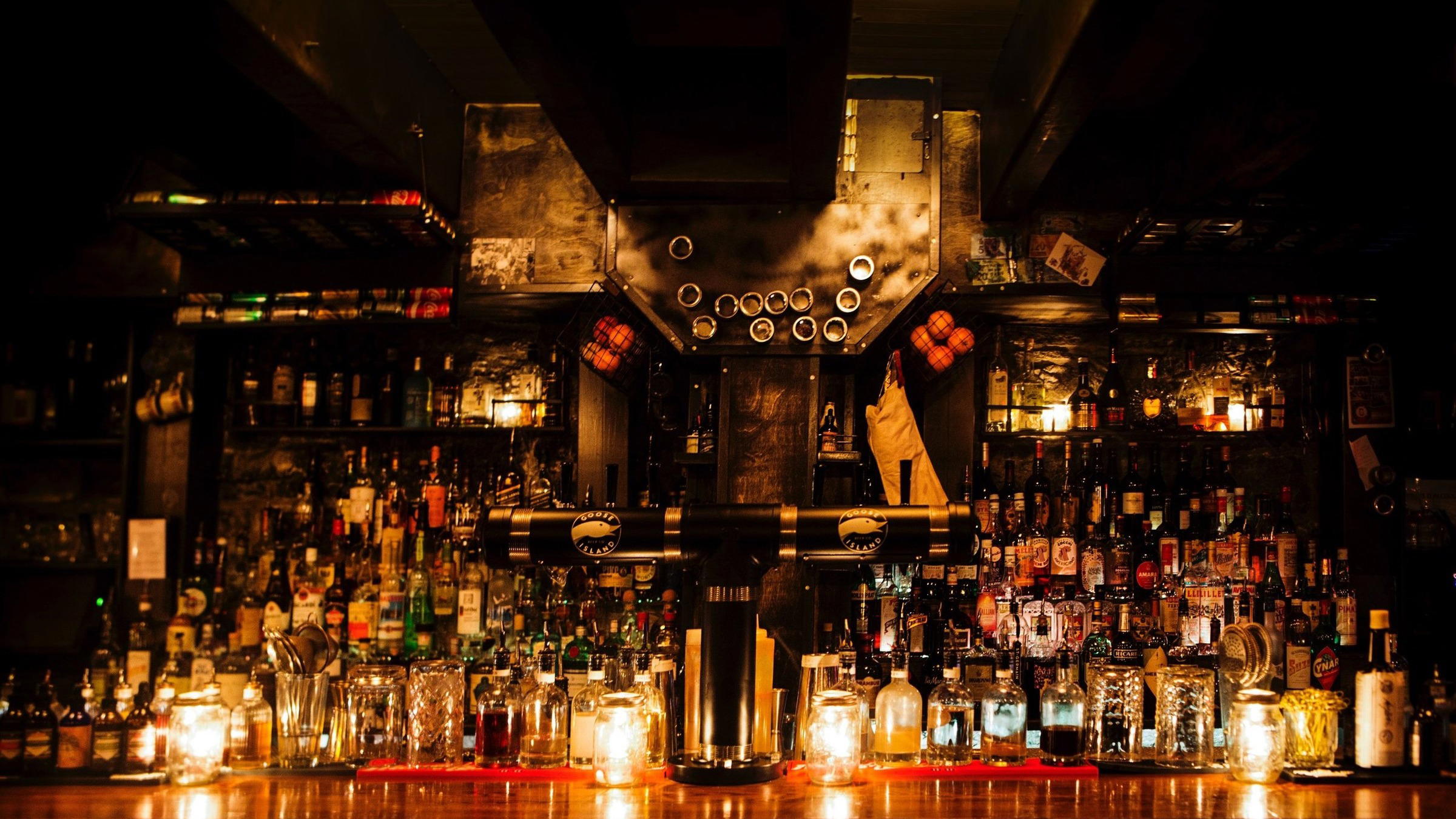
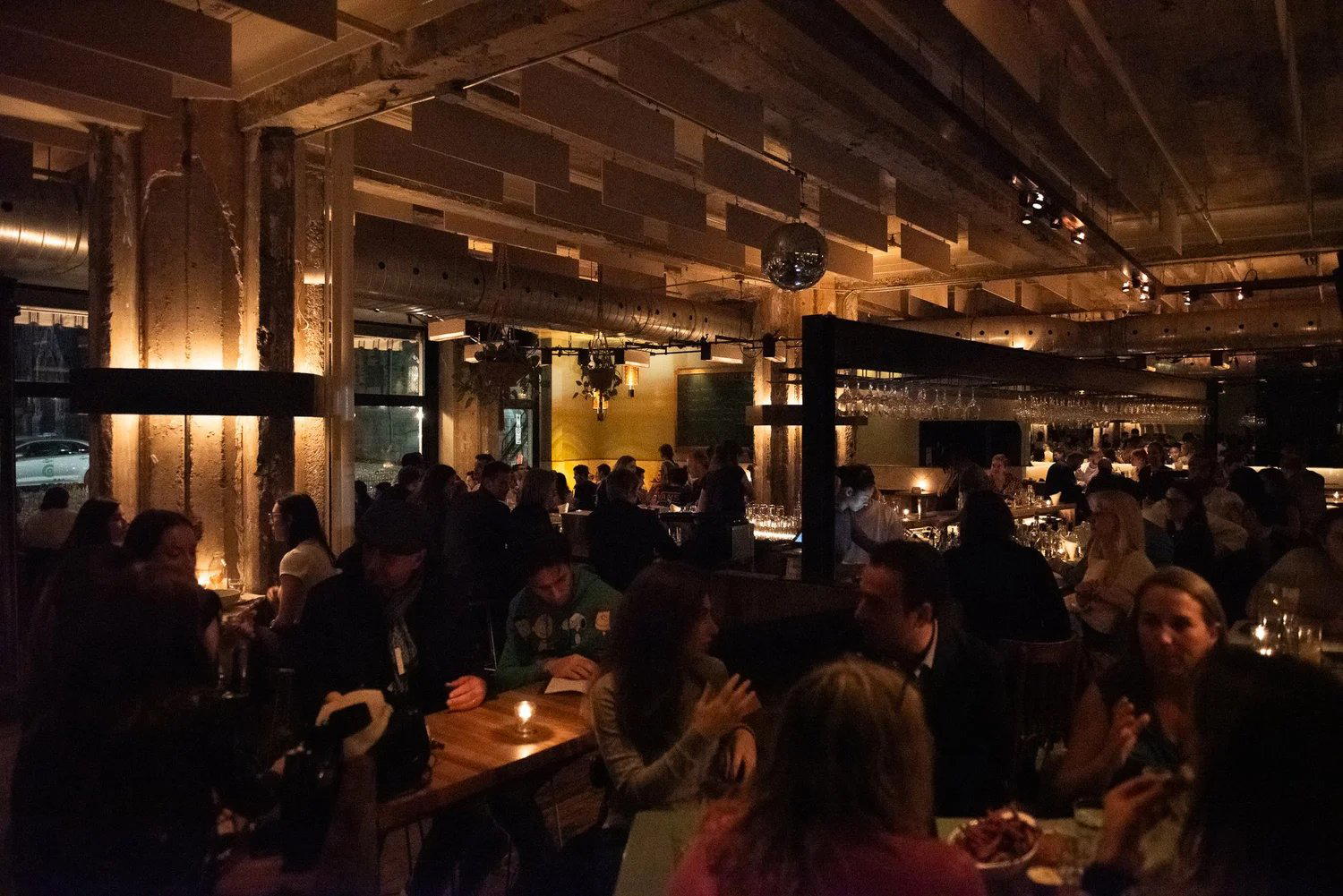
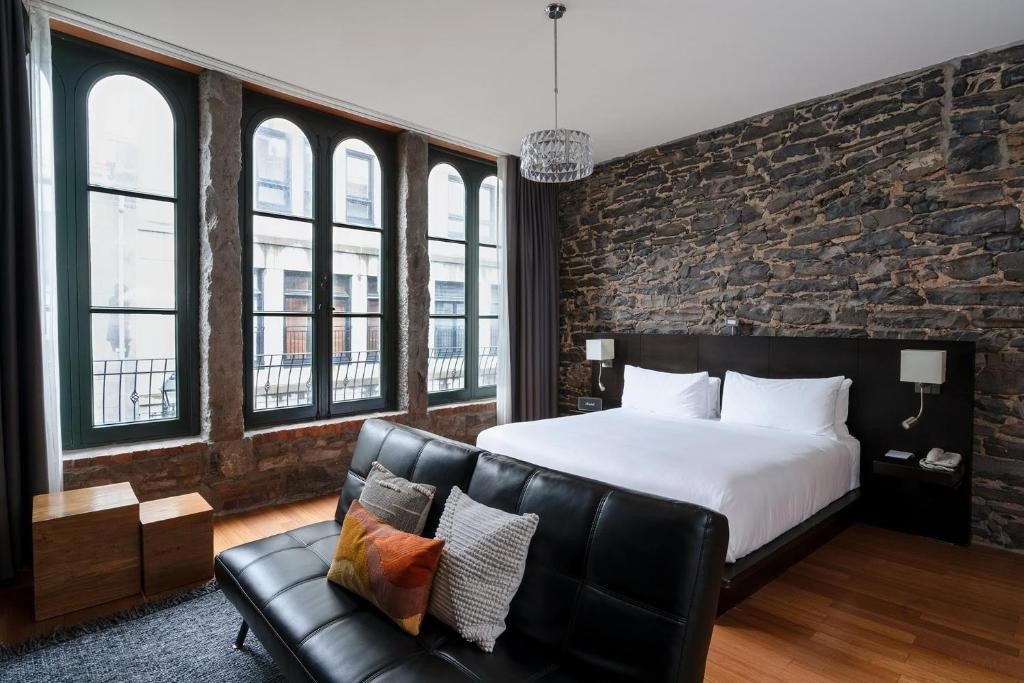
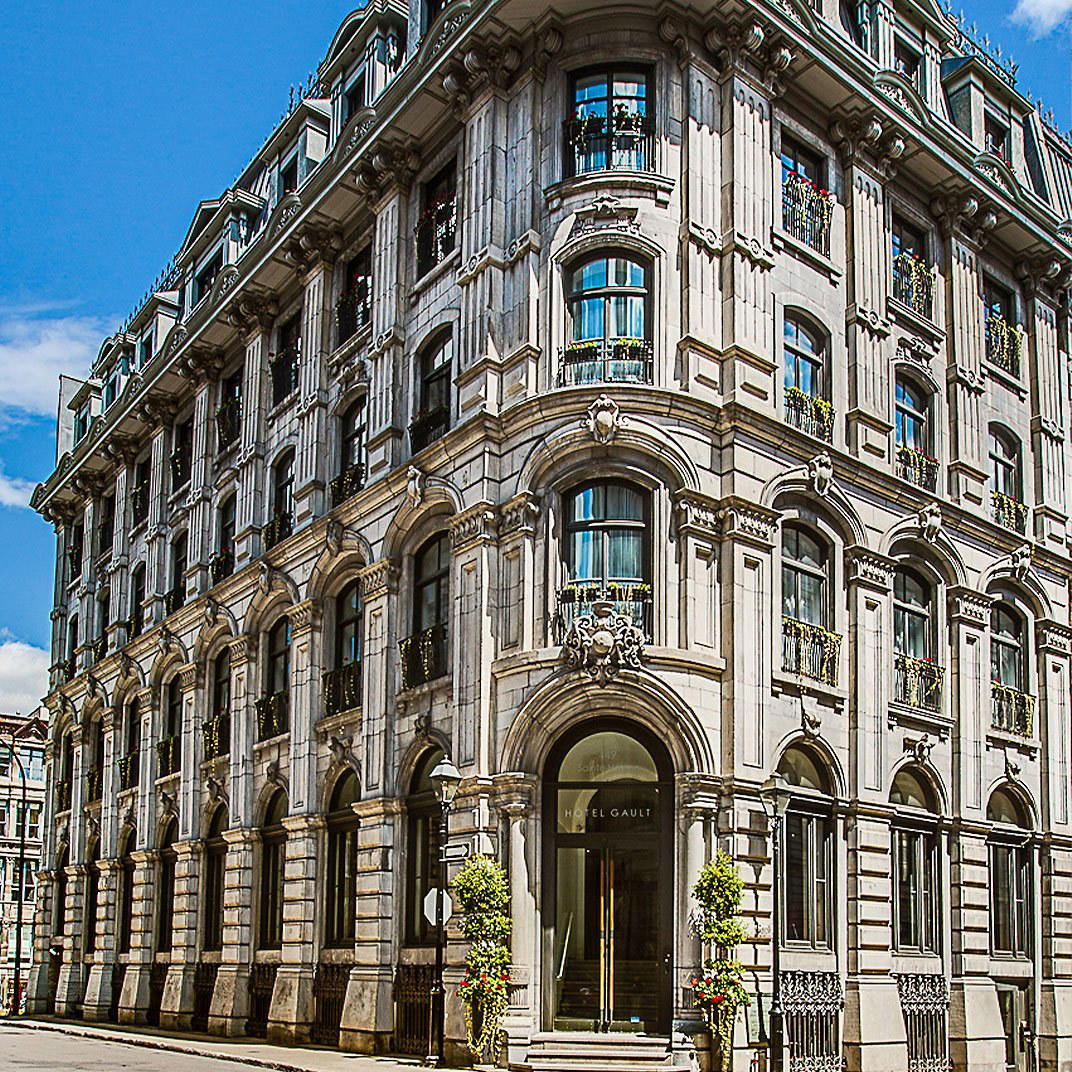
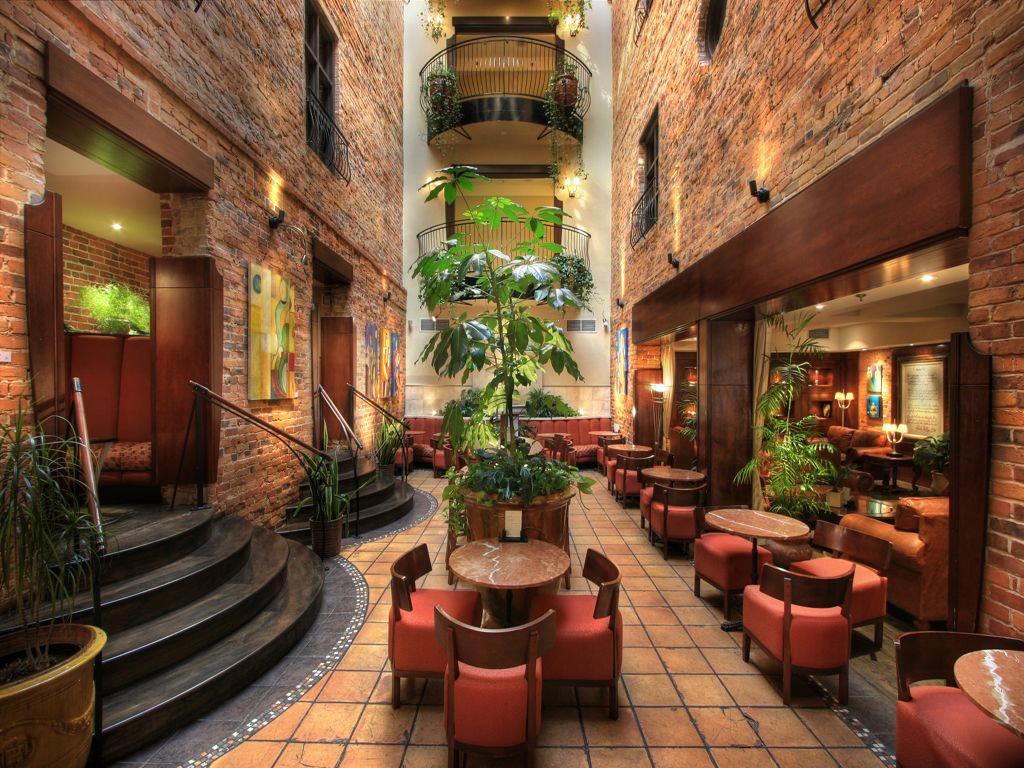
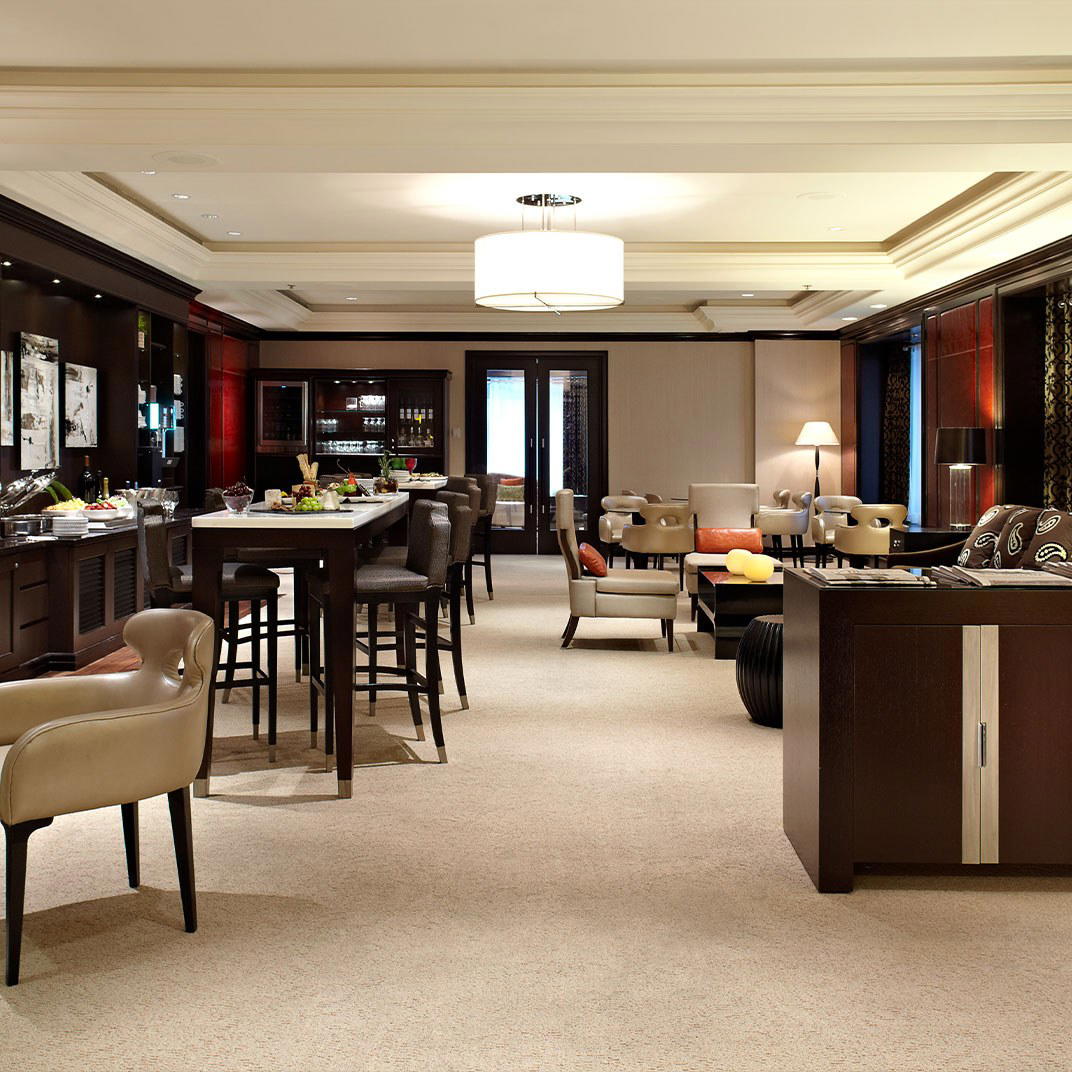
Approaching the address on foot, the building's heritage stonework places the restaurant firmly within the visual grammar of Vieux-Montréal, yet the interior does not lean into that nostalgia. Montreal's most credible modern restaurants have largely moved away from the exposed-brick-and-Edison-bulb aesthetic that dominated the 2010s. The better rooms now use the existing architecture as a structural fact rather than a design statement, and Jellyfish reads as part of that shift. What greets you inside is a space calibrated for a certain kind of attention: not hushed to the point of austerity, but controlled enough that conversation carries without effort and the room does not compete with the food.
The Coordination Between Kitchen, Floor, and Cellar
Montreal's upper dining tier has increasingly been defined not by individual star talent but by how well a restaurant functions as an integrated team. The model that has proven most durable across the city's serious rooms is one where the kitchen, the floor, and the wine program operate with shared intent rather than as separate departments loosely stapled together. At venues like Jérôme Ferrer - Europea and Mastard, the experience coheres because the front-of-house is reading the table and adjusting pace in real time, while the sommelier is matching not just flavour but rhythm. Jellyfish appears to operate within the same logic.
In practice, this kind of coordination shows up in small but measurable ways: the timing between courses, the moment a wine is poured relative to when a plate lands, the way a server frames a dish without over-explaining it. These are not incidental details. They are the technical output of a team that has drilled the sequence. For diners who have eaten at Sabayon or spent time at comparably structured rooms in other Canadian cities, such as Alo in Toronto or AnnaLena in Vancouver, the baseline expectation for this level of service choreography is already set. Jellyfish is playing in that conversation.
The sommelier's role in rooms like this has expanded beyond wine list curation. At the tier Jellyfish occupies, the expectation is that the person managing the cellar is also managing the arc of the meal: knowing when to introduce a more challenging bottle, when to stay with something accessible, and how to pace the drinking so that the wine does not overwhelm the food or trail behind it. Montreal has a deeper cellar culture than many comparable Canadian cities, partly because of its French-language proximity to the discourse around French and European producers, and partly because the LCBO-versus-SAQ divide means Quebec diners often have more direct access to certain European allocations.
How Jellyfish Compares in the Montreal Modern Dining Scene
Montreal's restaurant market at the upper end has stratified into a few distinct tiers. At the leading sits Europea and Toqué, both of which have accumulated years of critical recognition and occupy a price point that reflects it. Below that, a second tier of ambitious modern rooms, including Mastard and Sabayon, operate with serious culinary programs and attract diners who want that level of cooking without the full ceremony of the top tier.
What distinguishes Old Montreal specifically as a dining address is the concentration of visitors alongside a resident fine-dining clientele. This dual audience creates pressure on a restaurant's identity: too much toward the tourist end and the kitchen loses its creative ambition; too far toward a local-only posture and the room empties on slower weeks. The venues that have found the right calibration in this neighbourhood, places like 3 Pierres 1 Feu and Abu el Zulof, tend to do so by having a clear culinary point of view that gives locals a reason to return while remaining accessible enough for visitors to understand on a first visit.
For context within the broader Canadian fine-dining circuit, Jellyfish's Old Montreal address places it in a city that has historically punched above its weight in terms of restaurant quality relative to cost. Quebec's food culture draws on both French culinary tradition and a distinctive local ingredient repertoire, a pairing that rooms like Tanière³ in Quebec City have used to build nationally recognised programs. The same regional logic applies in Montreal, where proximity to Quebec's agricultural producers and the city's existing sommelier and chef talent pool gives ambitious restaurants a structural advantage.
Planning Your Visit
Jellyfish Montreal is located at 626 Rue Marguerite-D'Youville, in the heart of Old Montreal, within walking distance of the main metro lines serving the neighbourhood. Old Montreal's restaurant peak runs from late spring through early autumn, when outdoor terrasses throughout the district draw large volumes of visitors; booking in advance is advisable during that window. For diners exploring Montreal's wider modern dining scene, our full Montreal restaurants guide maps the city's current upper tier in detail. Those building a broader Canadian dining itinerary should note the comparable programs at Restaurant Pearl Morissette in Lincoln, The Pine in Creemore, and Narval in Rimouski, each of which operates with a similarly team-driven service philosophy in smaller markets. For a reference point at the international level, the kitchen-floor-cellar coordination that defines rooms like Jellyfish has its clearest antecedents in New York, at rooms such as Le Bernardin and Atomix, where the integration of those three disciplines has set the standard for a generation of North American fine dining.
At a Glance
- Trendy
- Elegant
- Modern
- Lively
- Date Night
- Special Occasion
- Group Dining
- Open Kitchen
- Street Scene
Current opening hours
- Monday
- 5:30–10 PM
- Tuesday
- 5:30–10 PM
- Wednesday
- 5:30–10:30 PM
- Thursday
- 5:30–10:30 PM
- Friday
- 5:30–11 PM
- Saturday
- 5:30–11 PM
- Sunday
- Closed
Hours can change for holidays and private events. Last verified .
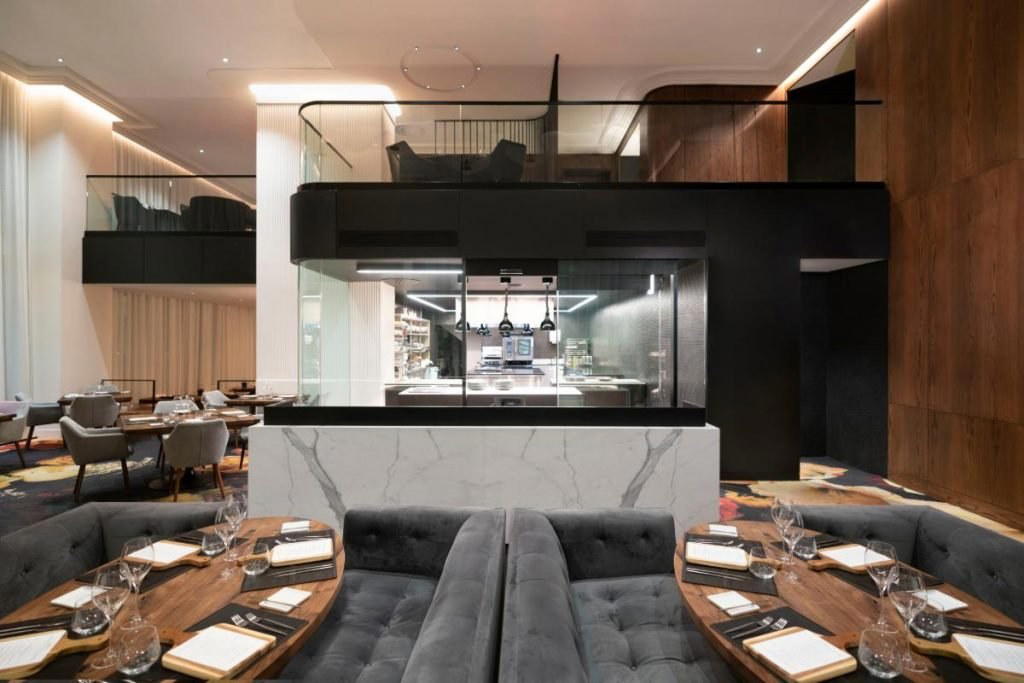
Chic without pretension, dynamic and theatrical with high-gloss details and bold presentation.
Know Before You Go
- Getting there
- 626 Rue Marguerite-D'Youville, Montreal, Quebec H2Y 2E4, Canada