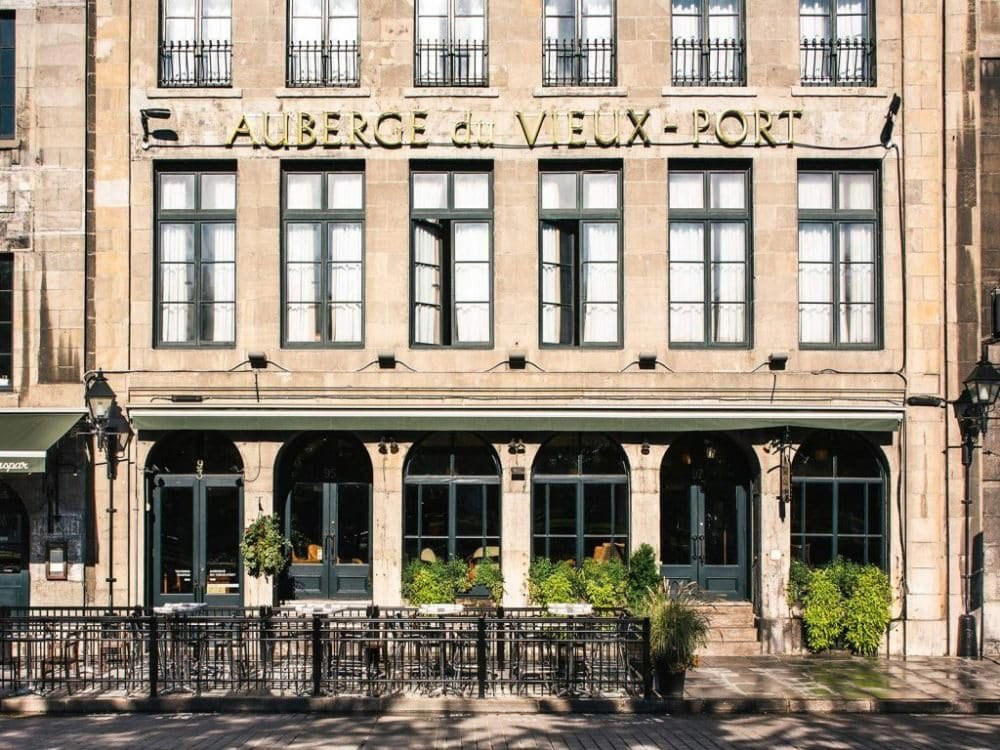
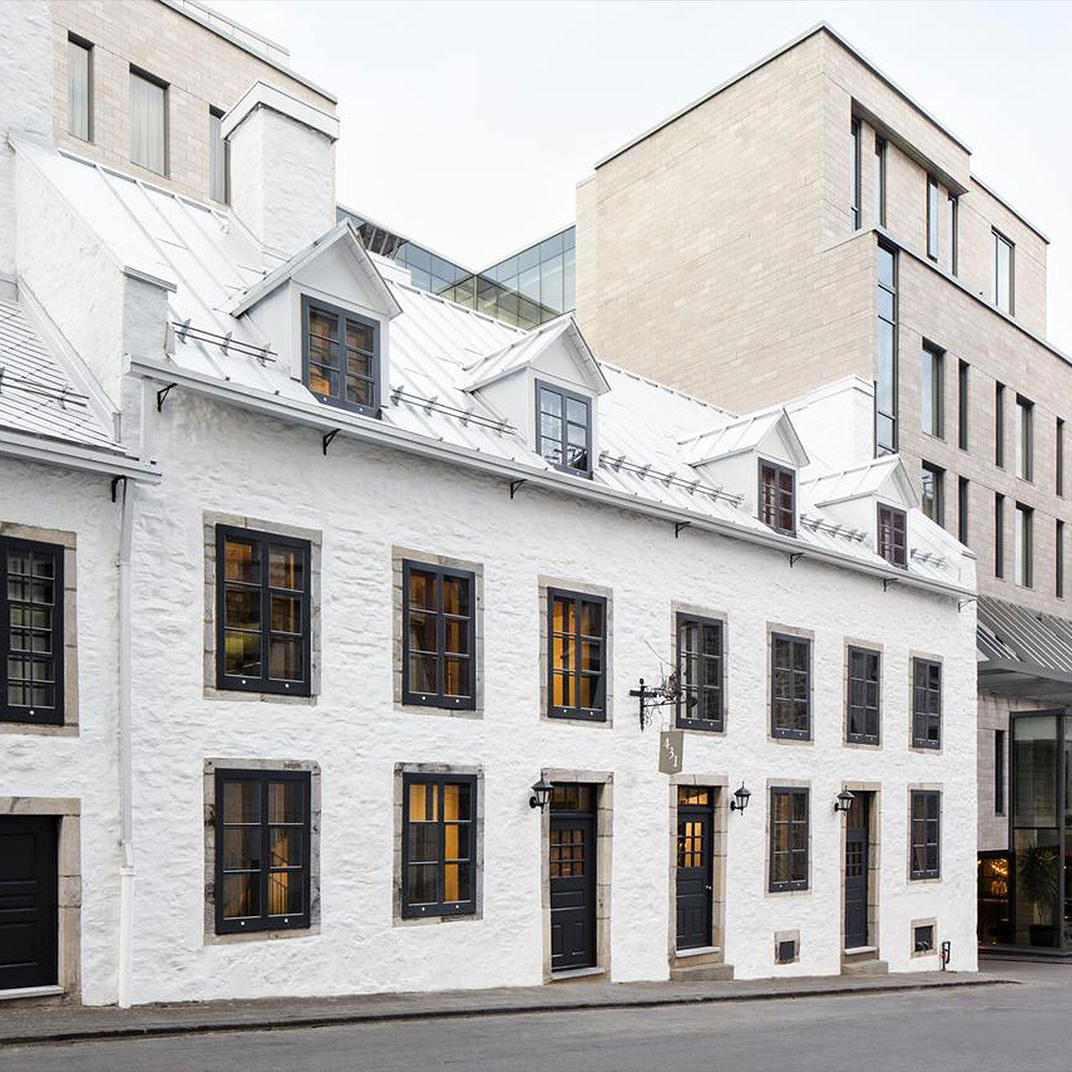
Modavie occupies a stone-walled room at 1 Saint-Paul St W, in the heart of Old Montreal's most historically dense block. The address places it squarely within the neighbourhood's French-leaning dining tradition, where wine programs and polished front-of-house work tend to matter as much as what arrives on the plate. It draws a mix of local regulars and visitors who come for the setting as much as the food.
Pearl is the En Primeur Club membership app — saves, bookings, and concierge access live there. Same editors, same standards.
- Address
- 1 Saint-Paul St W, Montreal, Quebec H2Y 1Y6, Canada
- Phone
- +15142879582
- Website
- modavie.com
- Directions
- Get directions
 Saves & bookings on Pearl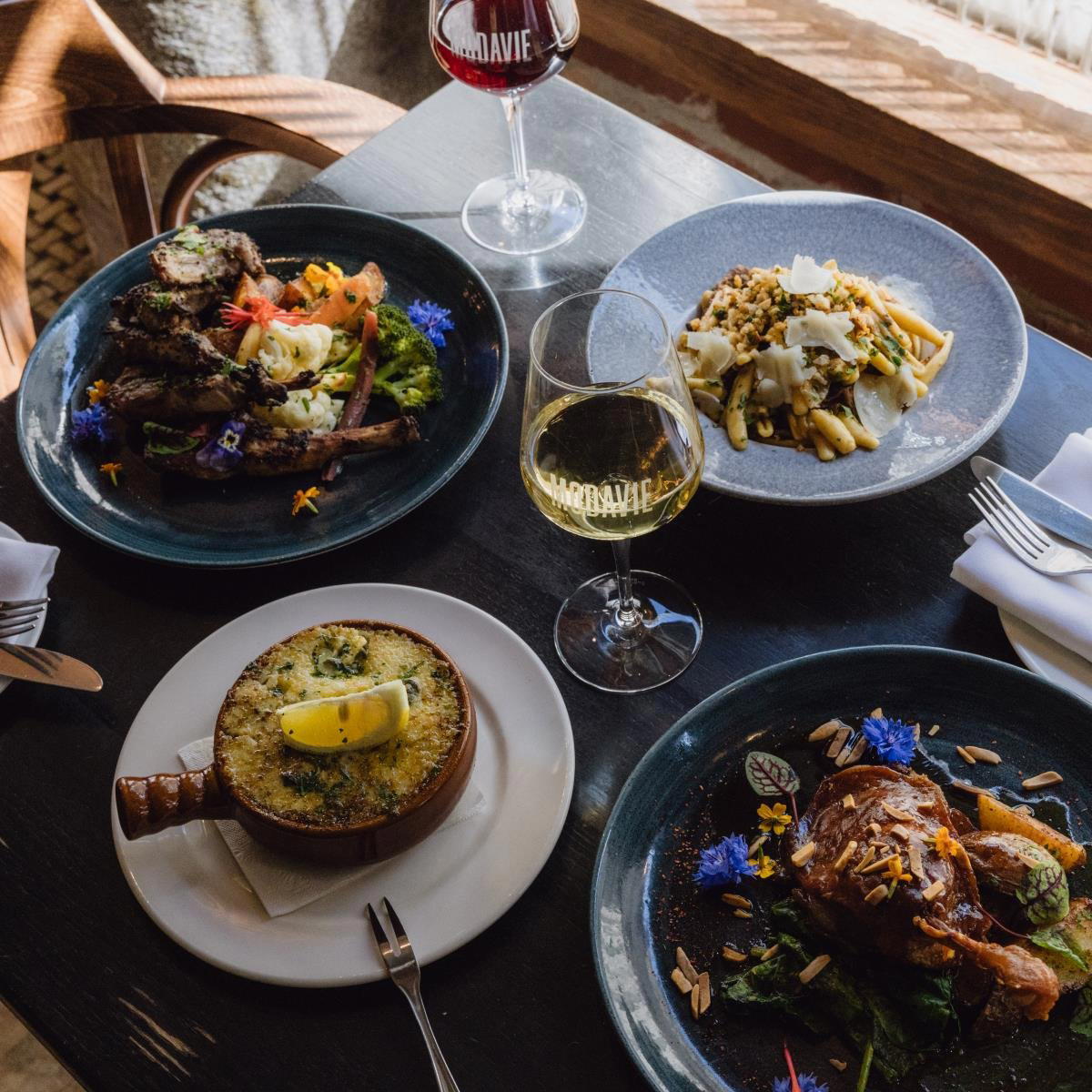
Old Montreal's Stone-and-Jazz Register
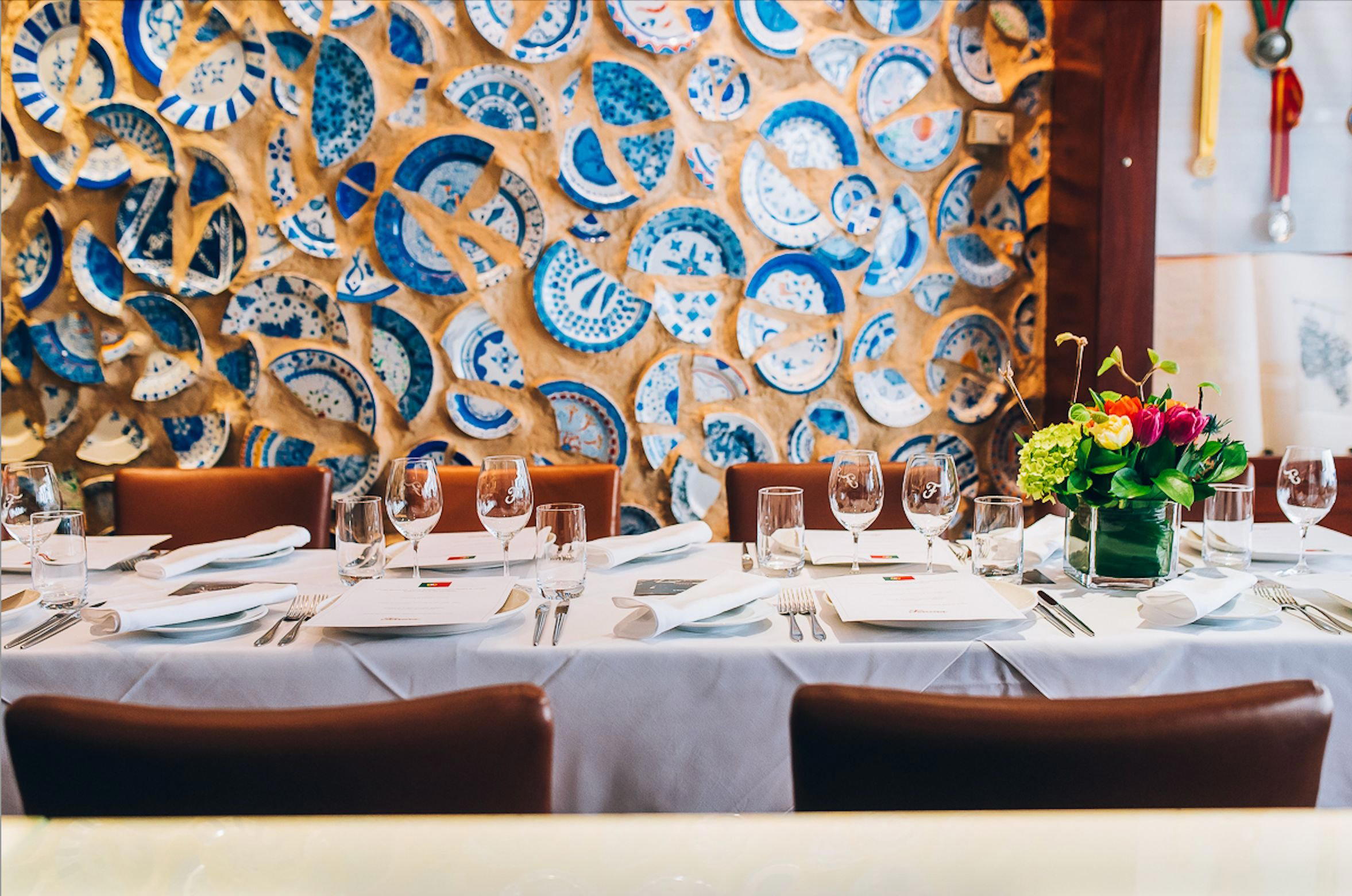
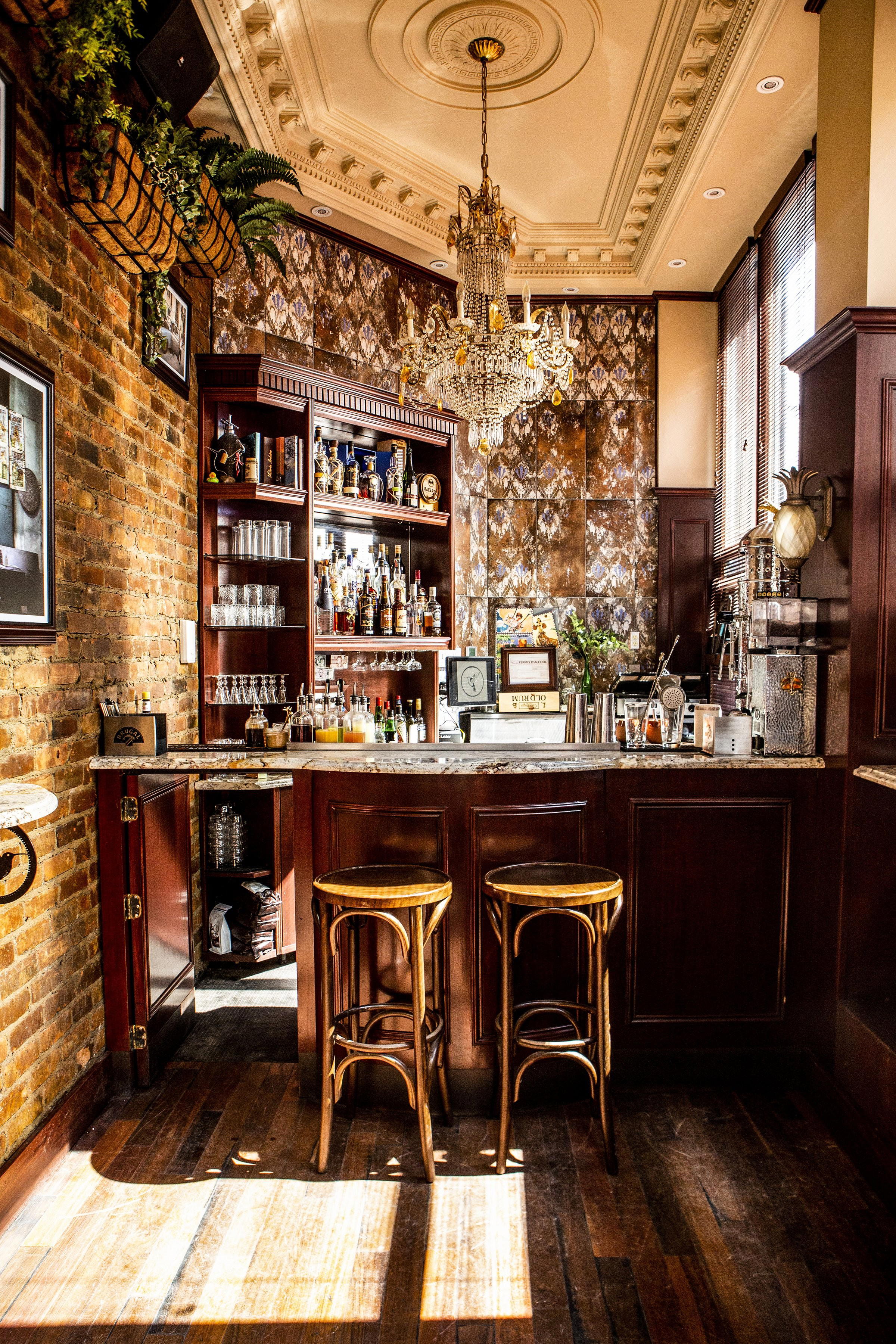
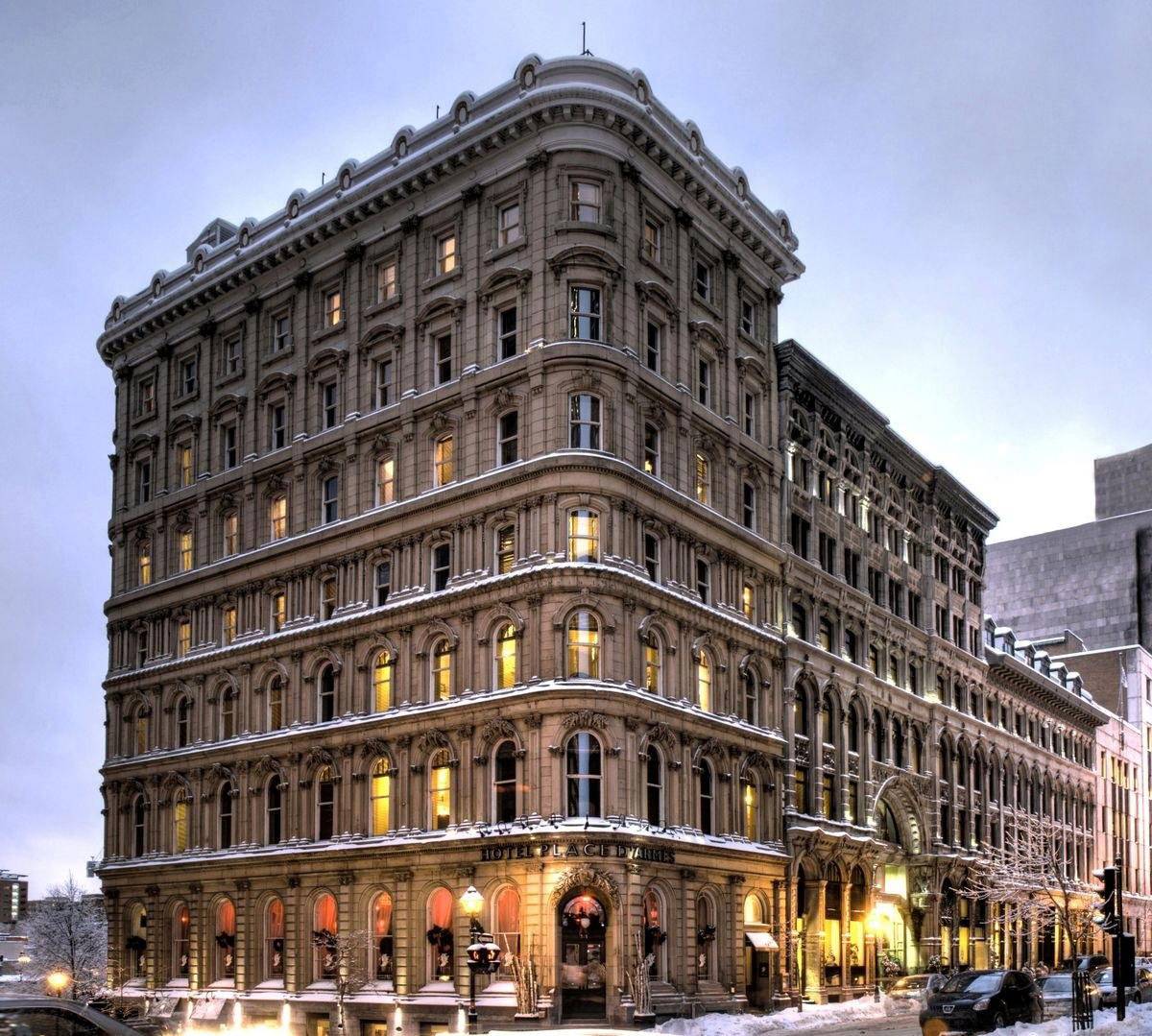
Saint-Paul Street West runs through the oldest part of Montreal, where the buildings predate Confederation and the restaurant density rivals any stretch in the city. The cobblestones, the vaulted ceilings, the exposed limestone walls, these are not decorative choices made by a designer but structural facts inherited from the 17th century. Modavie, at number 1, occupies this register with a directness that most newcomers to the neighbourhood spend years trying to manufacture. You hear the jazz before you see the room. That pairing, live music in a historic stone interior, is not incidental to the experience; it is the experience, and it sets Modavie apart from the quieter, more format-driven dining rooms that have proliferated along the same street.
Old Montreal's restaurant scene has consolidated into recognizable tiers. At the leading sit tasting-menu destinations like Jérôme Ferrer - Europea and the more modern program at Mastard, where the price point and format signal a deliberate removal from the casual city. At the other end, tourist-facing brasseries trade on location and little else. Modavie has historically occupied a middle ground: a wine-forward room with genuine character, priced accessibly enough to encourage repeat visits but executed with enough care to hold the attention of diners who move regularly across the city's full range.
The Room and What It Does to a Meal
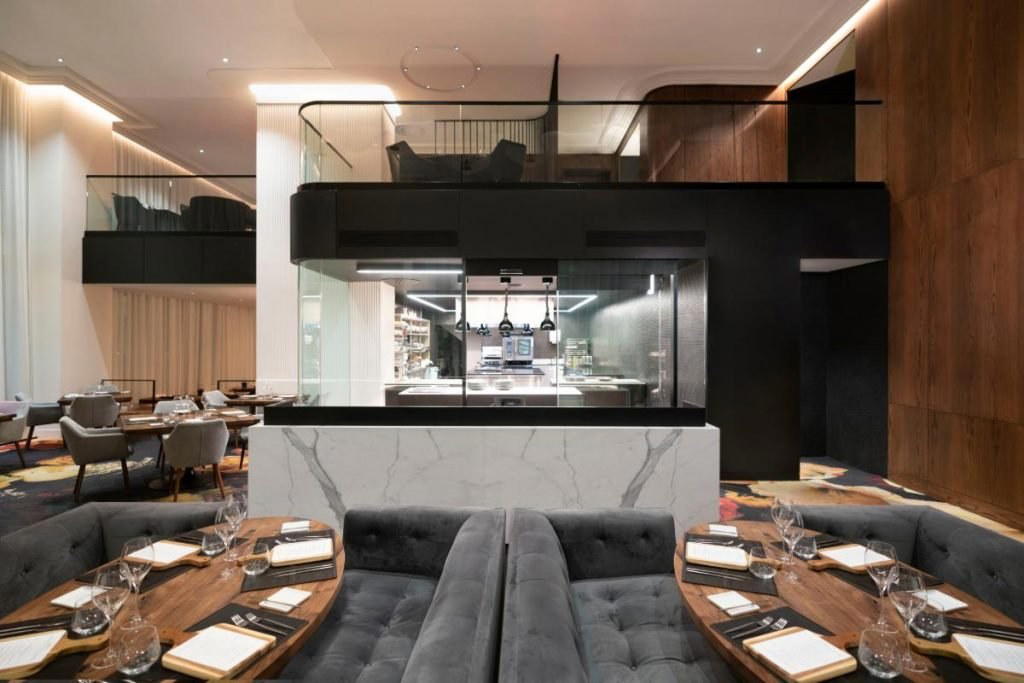
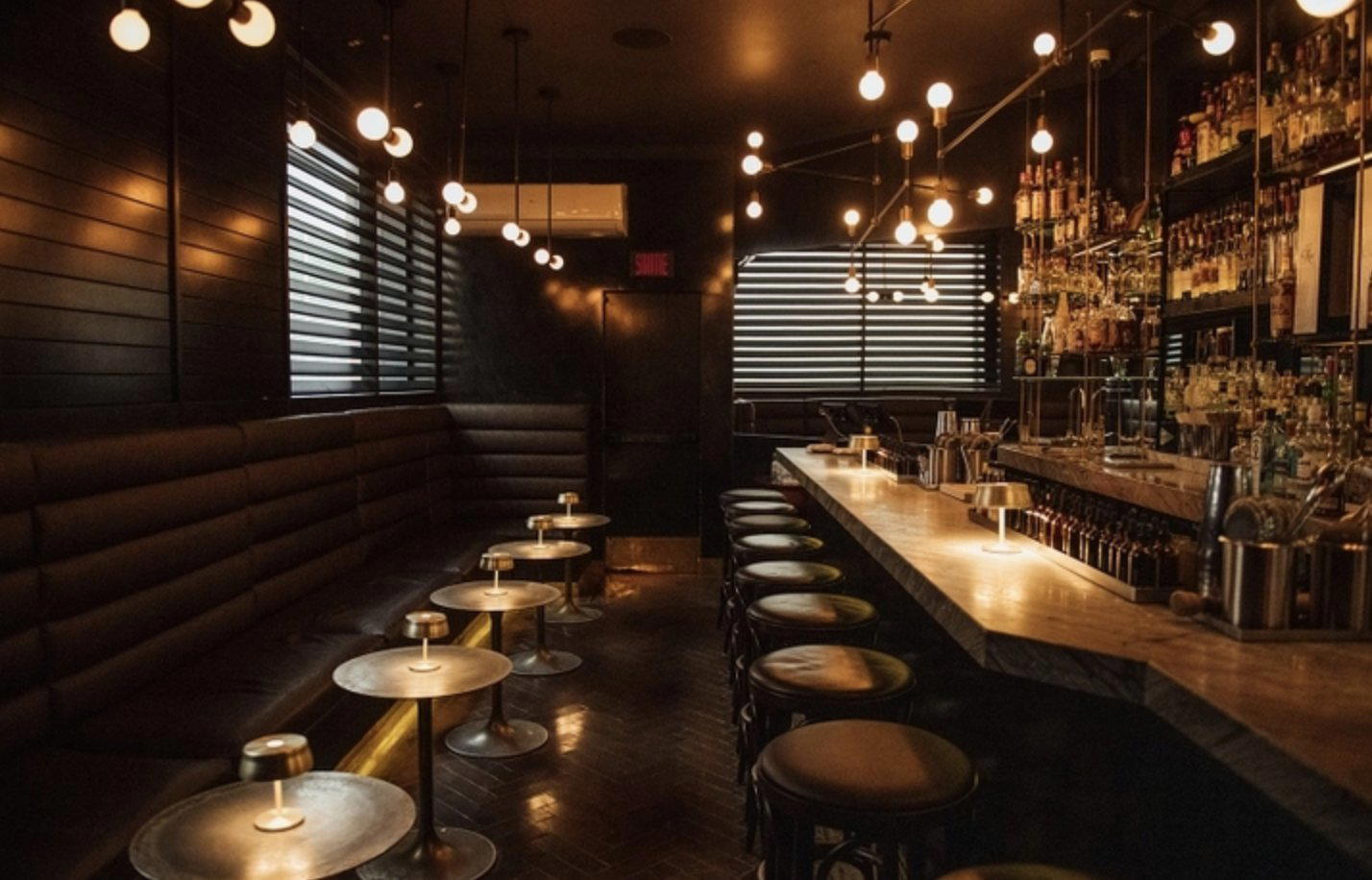
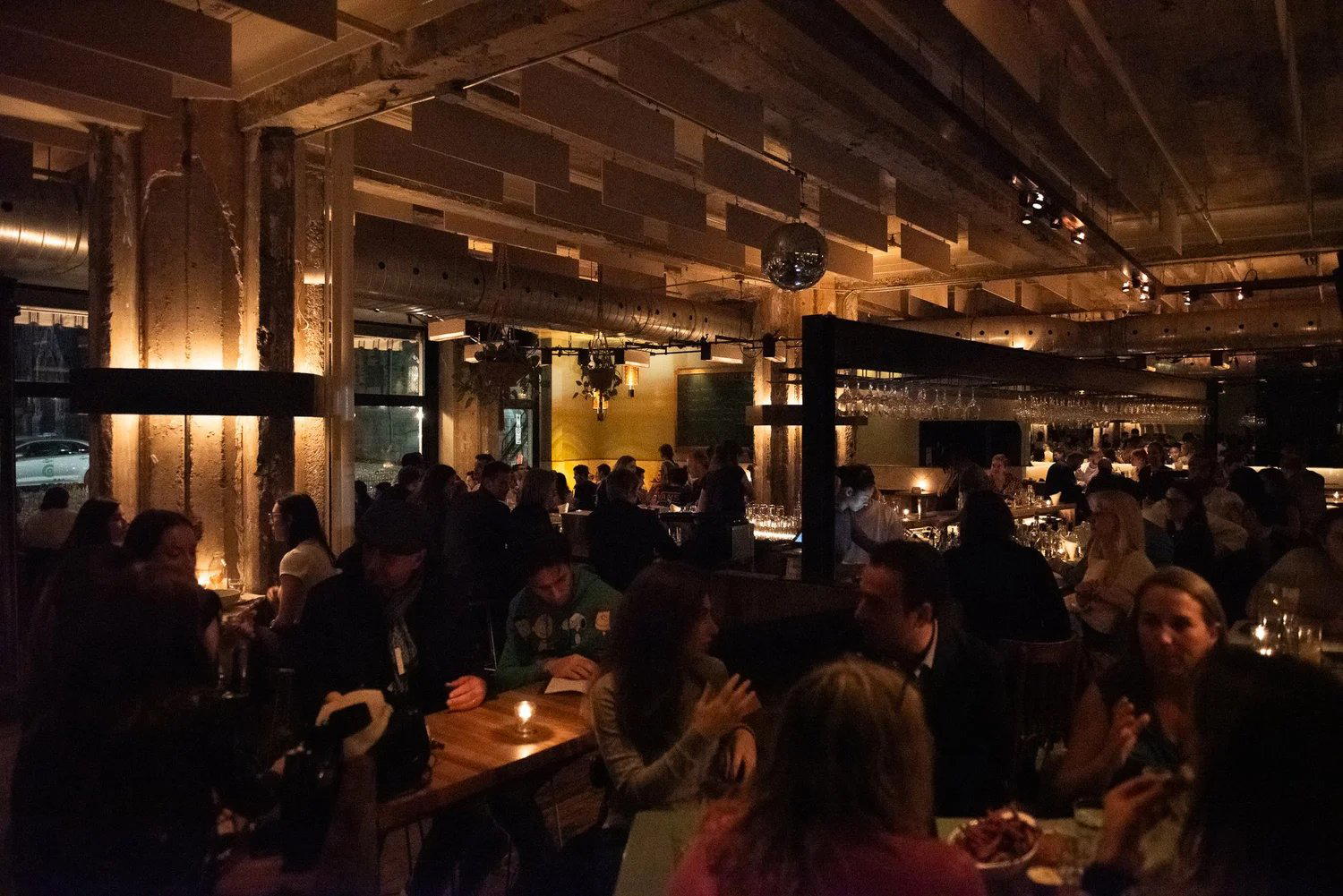
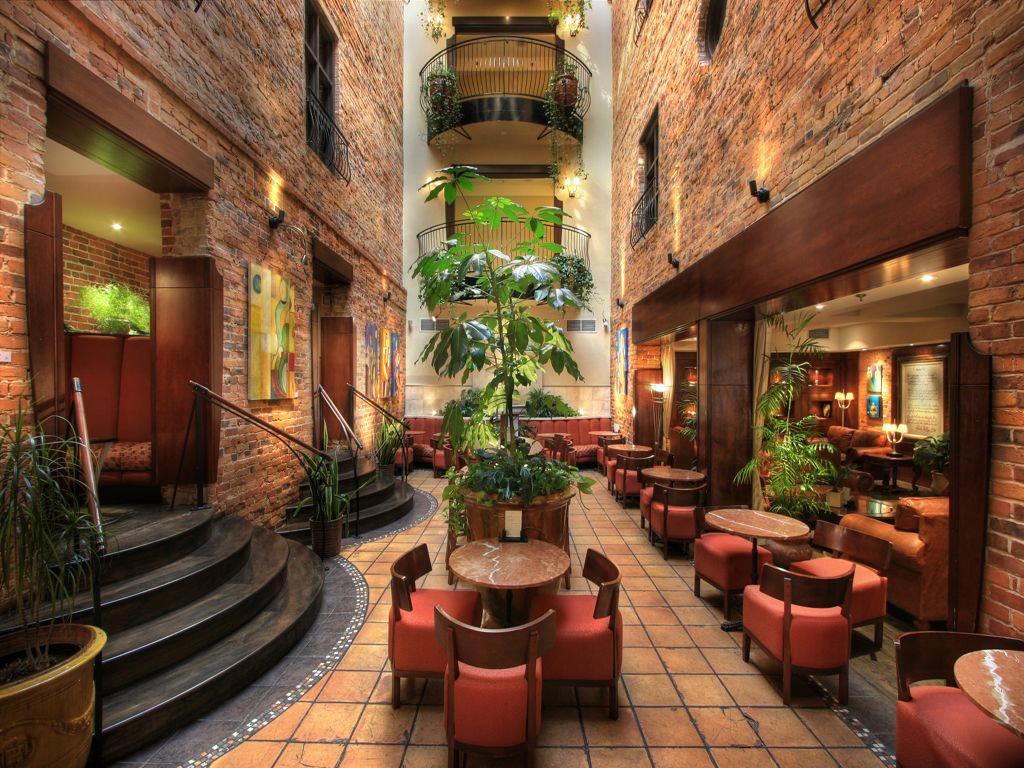
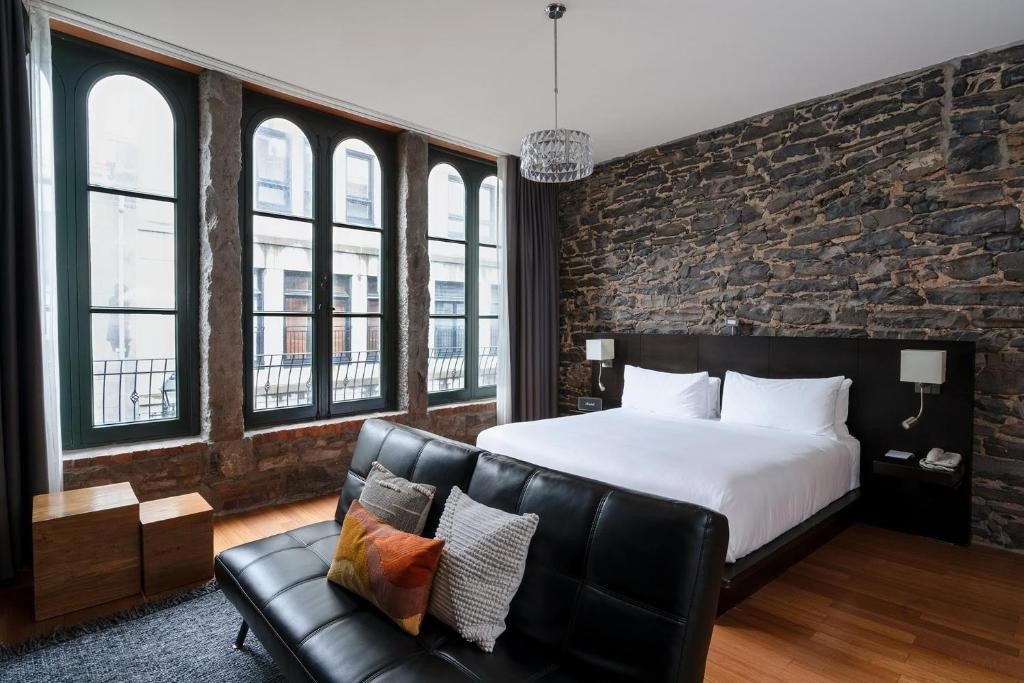
The physical environment at Modavie does real work on the meal. Limestone walls absorb and diffuse sound in a way that modern construction cannot replicate, which means the live jazz programming, a consistent feature of the room, sits at a volume that allows conversation without requiring effort. This is not a small thing. In cities where dining rooms increasingly double as performance spaces, the acoustics at Modavie reflect a more considered approach: music as texture rather than spectacle.
The wine list, by all accounts, has been the room's most consistent point of pride. In Quebec's dining culture, where the SAQ's distribution monopoly shapes what appears on most restaurant lists, a well-curated selection signals real effort from whoever manages procurement. Wine-forward rooms in this city tend to cluster around either natural-wine specialists or classic French regional depth. Modavie has leaned toward the latter, which aligns it with the French-leaning bistro tradition that runs through Montreal's culinary history from L'Express on Saint-Denis to the older brasseries of the Plateau. Comparable wine-program seriousness in a Canadian context can be found at Restaurant Pearl Morissette in Lincoln, though that property operates within a winery estate model with a different format.
Team Dynamics in a Room Built for Hospitality
French-bistro tradition that Modavie inhabits places unusual weight on the front-of-house as a craft in itself. In Paris or Lyon, a maître d' who can guide a table through a wine list, time courses without interrupting conversation, and read the room's energy is considered as essential to the kitchen. Montreal, with its French-language culture and its genuine proximity to that tradition, has more practitioners of this craft than most North American cities. At Modavie, the collaboration between whoever is managing the floor and whoever is curating the wine list has historically been the mechanism by which the room succeeds or struggles. This is a different model from the chef-forward operations that dominate contemporary food media coverage, where the kitchen's output is the primary variable. Here, the room itself is the product, and the team that animates it is inseparable from the result.
That front-of-house orientation places Modavie in a specific comparable set within Montreal. It is closer in spirit to the classic French bistro model, where Sabayon and 3 Pierres 1 Feu also operate with service as a primary variable, than to the chef-driven tasting formats. Nationally, the comparison is less to Alo in Toronto or Tanière³ in Quebec City and more to the kind of room where a knowledgeable sommelier and a confident floor team are the reasons people return. The heritage-format parallel in Quebec is Aux Anciens Canadiens, though that property leans into specifically Québécois cuisine rather than the Franco-leaning register Modavie occupies.
Context Within Canadian Fine Dining
Montreal's restaurant scene is often discussed in the context of its French inheritance, but it is also shaped by geography and by the particular economics of Quebec's dining culture. The city produces serious hospitality at price points that would be considered entry-level in New York, which means rooms like Modavie can maintain quality without the aggressive pricing that comparable atmosphere would require in, say, the TriBeCa corridor where Le Bernardin operates, or the tasting-menu tier occupied by Atomix. That pricing structure is a genuine advantage for the visitor who wants a serious room without a tasting-menu commitment.
For visitors calibrating Montreal against other Canadian dining cities, the comparison to AnnaLena in Vancouver or Narval in Rimouski is useful for understanding format, though both of those rooms operate in a more contemporary idiom. The further-afield references, Eigensinn Farm in Singhampton, The Pine in Creemore, Barra Fion in Burlington, Bearspaw Golf Club in Calgary, operate in distinct regional contexts that don't translate directly to the urban stone-room format Modavie inhabits, but they provide a useful map of how Canadian dining has regionalized across different price points and settings.
Planning a Visit
Modavie sits at 1 Saint-Paul St W in Old Montreal, at the western end of a street that runs through the neighbourhood's most concentrated dining block. The address is walkable from the Old Port metro area and from most Old Montreal hotels. For visitors staying elsewhere in the city, the Champ-de-Mars or Place-d'Armes metro stops bring you within a few minutes on foot. Abu el zulof nearby represents a contrasting format on the same dining strip, for visitors building a multi-night program in the neighbourhood.
City Peers
Comparable venues nearby, for context on price, style, and recognition.
| Venue | Cuisine | Price | Notes |
|---|---|---|---|
| ModavieThis venue — the venue you are viewing | Classic French Bistro | $$$ | Not listed |
| Brasserie Milton | Quebec-Inspired French Brasserie | $$$ | Quartier des Spectacles |
| Monème | Modern French-Quebecois Bistro | $$$ | Quartier Chinois |
| Le Pois Penche | French Brasserie | $$$ | Golden Square Mile |
| Rosélys | Modern French-English Bistro | $$$ | Golden Square Mile |
| Chez Jean-Paul | Modern French Fine Dining | $$$ | Pere-Marquette |
At a Glance
- Classic
- Cozy
- Lively
- Elegant
- Date Night
- Special Occasion
- Late Night
- Live Music
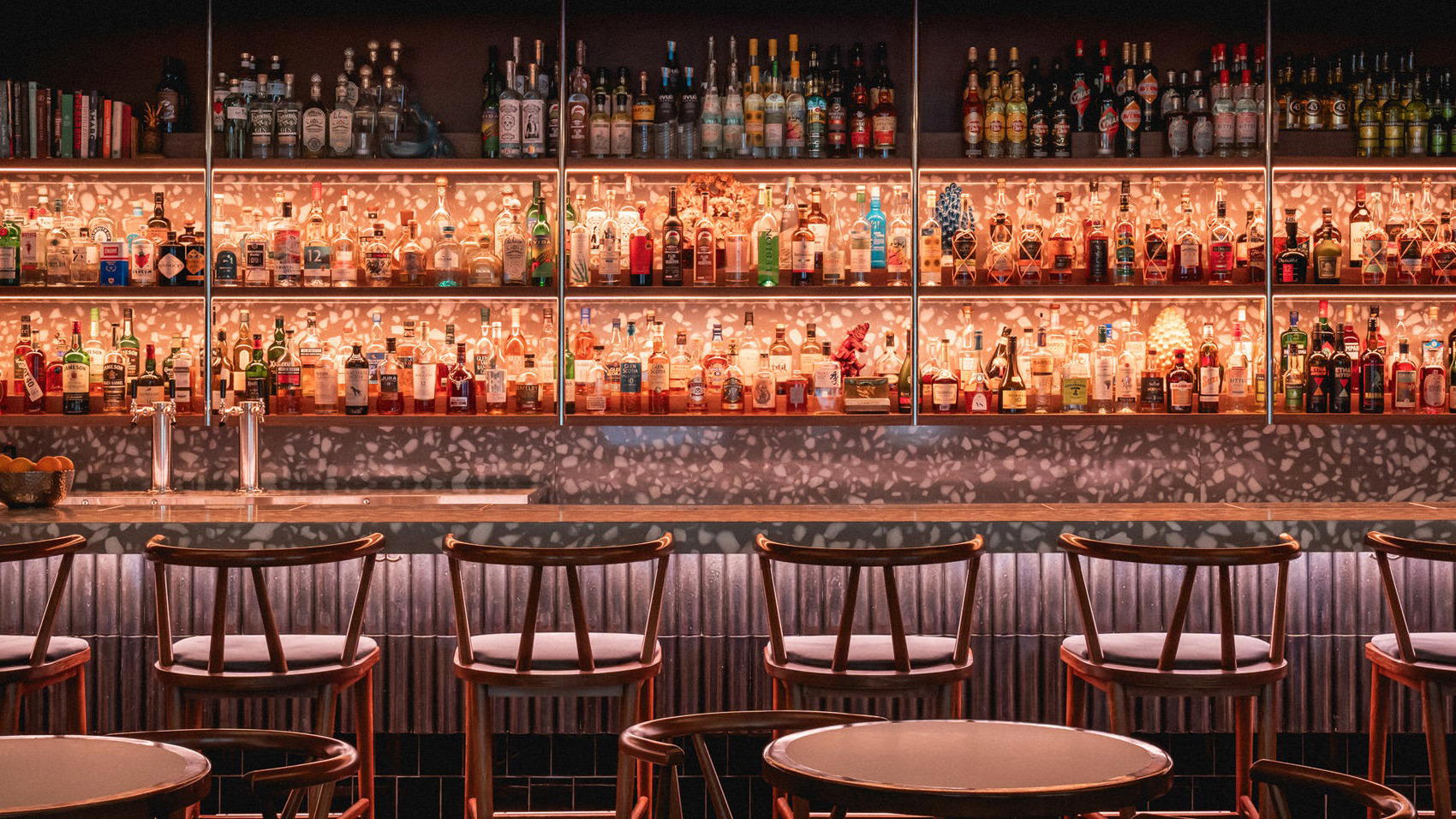
- Extensive Wine List
- Local Sourcing
Current opening hours
- Monday
- 11:30 AM–11 PM
- Tuesday
- 11:30 AM–11 PM
- Wednesday
- 11:30 AM–11 PM
- Thursday
- 11:30 AM–11 PM
- Friday
- 11:30 AM–11 PM
- Saturday
- 10 AM–11 PM
- Sunday
- 10 AM–11 PM
Hours can change for holidays and private events. Last verified .
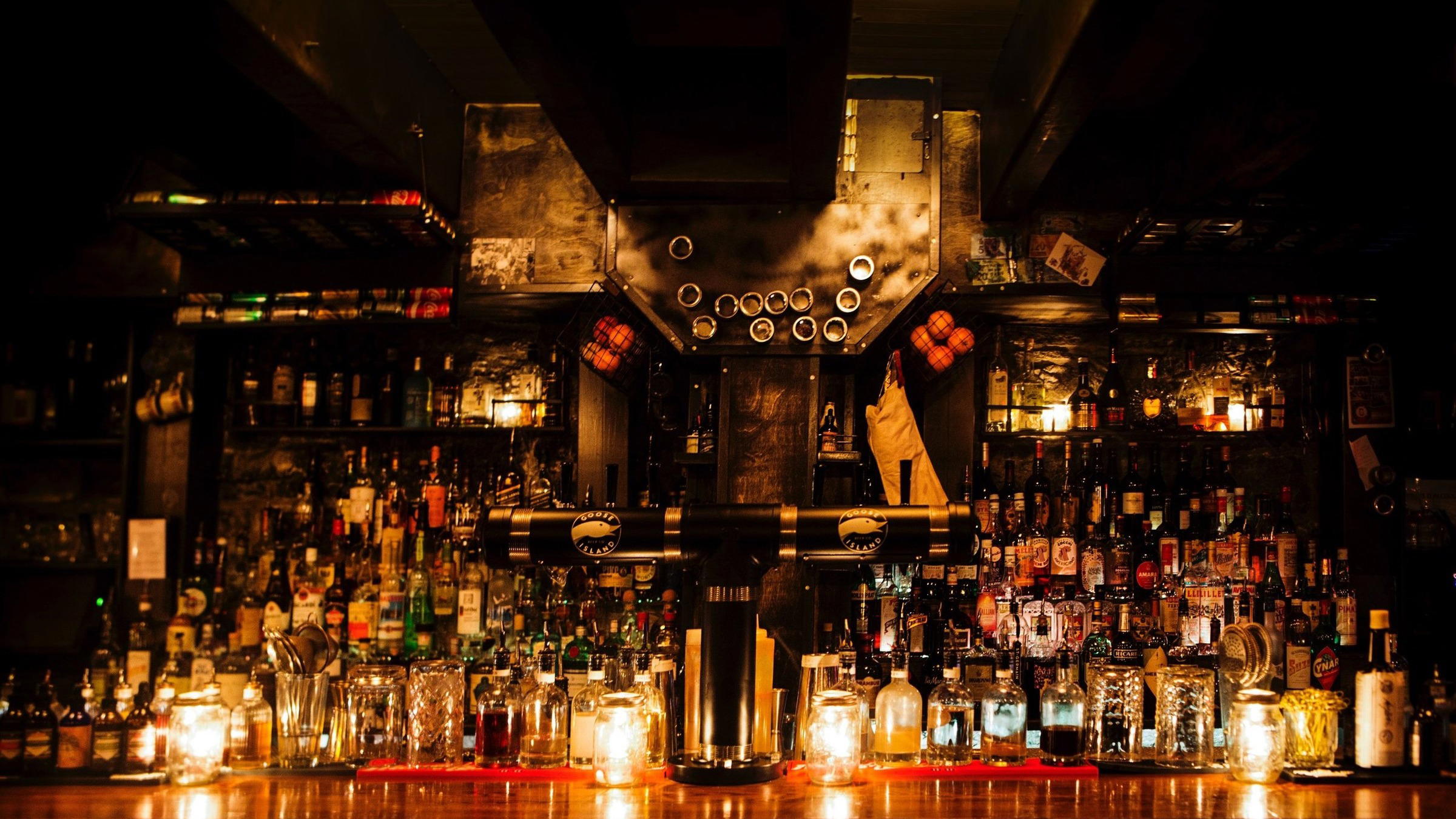
Antique, softly lit two-floor vintage setting with wooden scents, cozy and lively atmosphere enhanced by live jazz.