On Notre-Dame Ouest in Saint-Henri, Junjun occupies the kind of address Montreal's neighbourhood-dining culture does best: low-profile from the street, loyal at the table. The restaurant draws a returning clientele whose ordering habits say more about the kitchen than any press release. For visitors willing to follow that lead, it offers an honest read on how this part of the city actually eats.
Pearl is the En Primeur Club membership app — saves, bookings, and concierge access live there. Same editors, same standards.
- Address
- 1974 R. Notre Dame O, Montréal, QC H3J 1M8, Canada
- Phone
- +14383804052
- Website
- junjunmtl.com
- Directions
- Get directions
 Saves & bookings on Pearl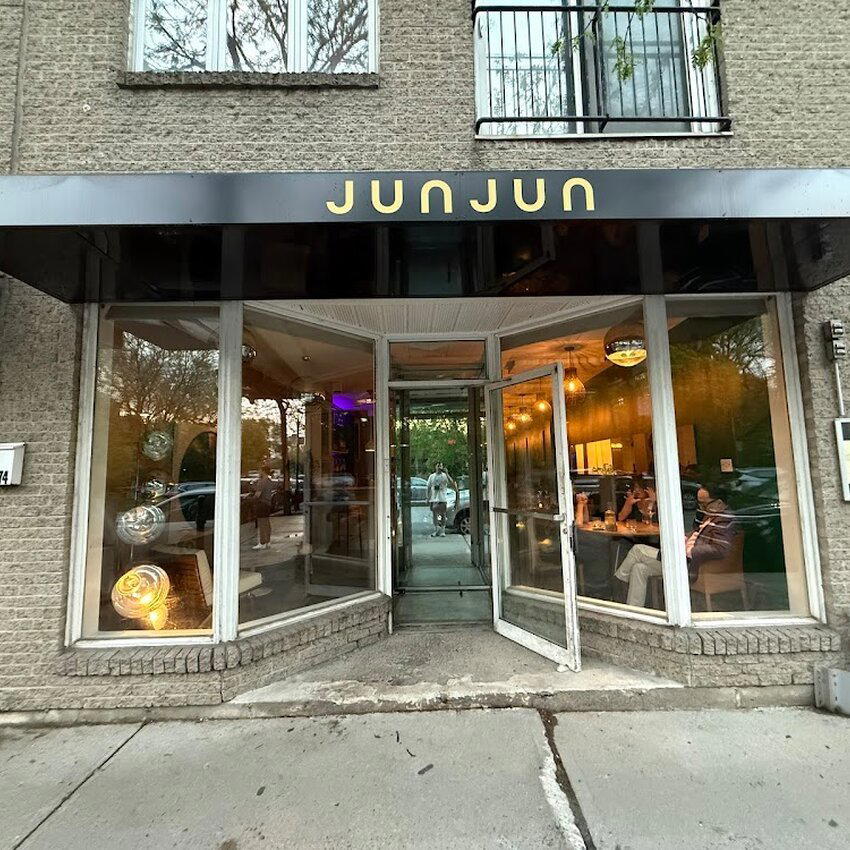
The Address and What It Signals
Notre-Dame Ouest has been remaking itself for the better part of two decades, absorbing a succession of independent restaurants, wine bars, and coffee roasters without losing the working-neighbourhood texture that made it interesting in the first place. Junjun sits on that strip, at 1974 Notre-Dame Ouest, in Saint-Henri — a stretch where the dining room tends to matter more than the facade. In this part of Montreal, a restaurant earns its regulars slowly, through consistency and a clear sense of what it is, not through launch momentum. The venues that last here tend to be the ones that figured out early who they were cooking for.
That dynamic shapes the experience before you walk through the door. Montreal's southwest dining corridor — running from Saint-Henri toward Verdun, has developed a character distinct from the higher-profile clusters around Mile End or Old Montreal. Restaurants here sit in a tier that values neighbourhood fidelity over destination traffic. Compare that positioning to the formal dining rooms of Jérôme Ferrer - Europea or the refined tasting formats at Mastard, and the gap in register is immediate. Junjun operates closer to the ground, the kind of place where the staff knows how you take your coffee by the third visit.
What the Regulars Know
The clearest signal of a kitchen's actual character is what the returning clientele orders without consulting the menu. In neighbourhood restaurants across Montreal, that unwritten knowledge accumulates over months: which dish the kitchen does better than it needs to, which preparation reveals something about where the chef's instincts actually live. At venues that hold regulars across years rather than seasons, the gap between the printed menu and the preferred menu tends to be significant.
Montreal has a strong tradition of this kind of embedded dining culture. The city's French-bistro lineage, anchored by rooms like Sabayon, built its identity on exactly this: the idea that a restaurant's real menu emerges through repetition. The regulars at those rooms do not order adventurously; they order precisely, because they have done the work of figuring out what the kitchen produces at its finest. That discipline is a form of local knowledge, and it is the most useful guide a first-time visitor can follow.
In that context, the practical advice is simple: watch what the tables around you ordered before you arrived, and follow.
Montreal's Neighbourhood Restaurant Tier
Understanding where Junjun sits within Montreal's broader restaurant map requires stepping back from the city's headline venues. Montreal produces some of Canada's most ambitious cooking, Tanière³ in Quebec City and Alo in Toronto represent the formal end of the Canadian fine-dining spectrum, and Montreal's own high-end rooms compete credibly in that national conversation. But the city's dining identity has always rested as much on its neighbourhood tier as on its destination restaurants.
That neighbourhood tier operates with different metrics. Longevity matters more than accolades. The ability to hold a local clientele through menu changes, staff turnover, and the general friction of running a small restaurant in a city with real winters, that is the relevant credential. Across Canada, rooms that have managed this, from AnnaLena in Vancouver to Narval in Rimouski, share a common characteristic: they are places that a specific community has decided it cannot do without. The formal dining circuit, by contrast, draws visitors whose loyalty is to the occasion rather than the room.
Saint-Henri's restaurant scene belongs firmly to the former category. The neighbourhood has enough residential density and enough foodie-adjacent foot traffic to support a rotating set of independent restaurants, but not enough destination tourism to sustain places that rely on first-time visitors. The restaurants that survive here have found their regulars and kept them.
Approaching the Visit
For visitors arriving without local context, the Notre-Dame Ouest strip rewards a slow approach. The area between Atwater and the Charlevoix metro station holds a concentration of independent restaurants and bars that represents the southwest's current dining character, less curated than the Plateau, less tourist-facing than Old Montreal, but coherent in its own way. Walking the strip before choosing where to sit is a reasonable strategy; you will read the rooms better from the pavement than from a reservation screen.
Given the restaurant's neighbourhood positioning and the typical format of similarly scaled rooms on Notre-Dame Ouest, arriving early or on a weekday evening reduces friction for walk-in diners. For context on how Montreal's broader dining scene sequences across a visit, our full Montreal restaurants guide covers the city's main neighbourhoods and dining tiers in detail.
The comparison venues that bracket Junjun's price tier, Mastard at the $$$ level, L'Express as a long-established French bistro benchmark, give a sense of what the city charges across formats. Neighbourhood rooms on Notre-Dame Ouest typically operate in the $$ range, which in Montreal's current pricing environment means accessible without being stripped-down. The comparison holds against other Canadian neighbourhood rooms: Barra Fion in Burlington and Restaurant Pearl Morissette in Lincoln occupy analogous positions in their respective markets, places where the cooking punches above the price point because the room is not carrying the overhead of a destination address.
Further afield on the Canadian dining map, the contrast sharpens: Eigensinn Farm in Singhampton and The Pine in Creemore represent a different kind of commitment, destination dining that asks the visitor to travel to the kitchen. Junjun asks nothing of the sort. It is on a bus route, in a lived-in neighbourhood, and its most loyal customers likely live within walking distance. That is a different kind of value proposition, and for a certain type of visitor, one who prefers to eat where the city actually eats rather than where it performs eating, it is the more interesting one.
For reference points outside Canada, the gap between neighbourhood-anchored rooms and formal destination dining is visible in rooms like Le Bernardin in New York City or Atomix, venues where every seat is a considered occasion. The contrast clarifies what neighbourhood dining offers: lower stakes, higher familiarity, and the possibility of becoming a regular rather than a visitor. In Montreal's southwest, that distinction means something.
Category Peers
| Venue | Cuisine | Price | Awards |
|---|---|---|---|
| JunjunThis venue — the venue you are viewing | This venue | Not listed | Not listed |
| L’Express | French Bistro | Not listed | French Bistro, $$ |
| Schwartz’s | Delicatessen | Not listed | Delicatessen, $ |
| Toqué | French | Not listed | French, $$$$ |
| Jérôme Ferrer - Europea | Modern Cuisine | $$$$ | Michelin 1 Star |
| Mastard | Modern Cuisine | $$$ | Michelin 1 Star |
At a Glance
- Intimate
- Modern
- Trendy
- Elegant
- Date Night
- Celebration
- Group Dining
- Special Occasion
- Private Event
- Private Dining
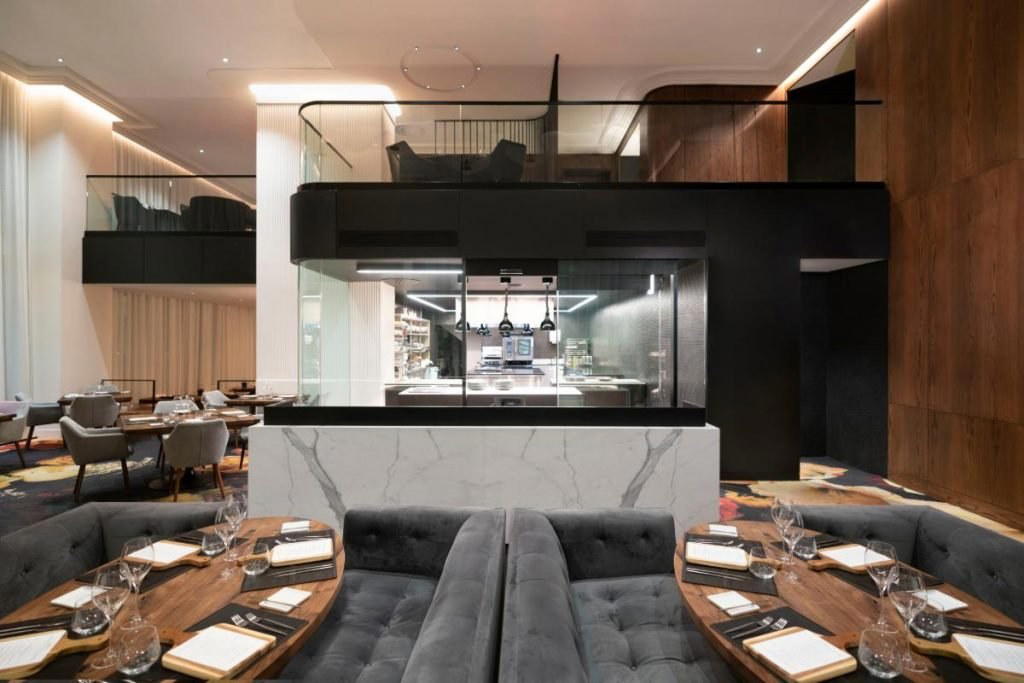
- Open Kitchen
- Craft Cocktails
- Local Sourcing
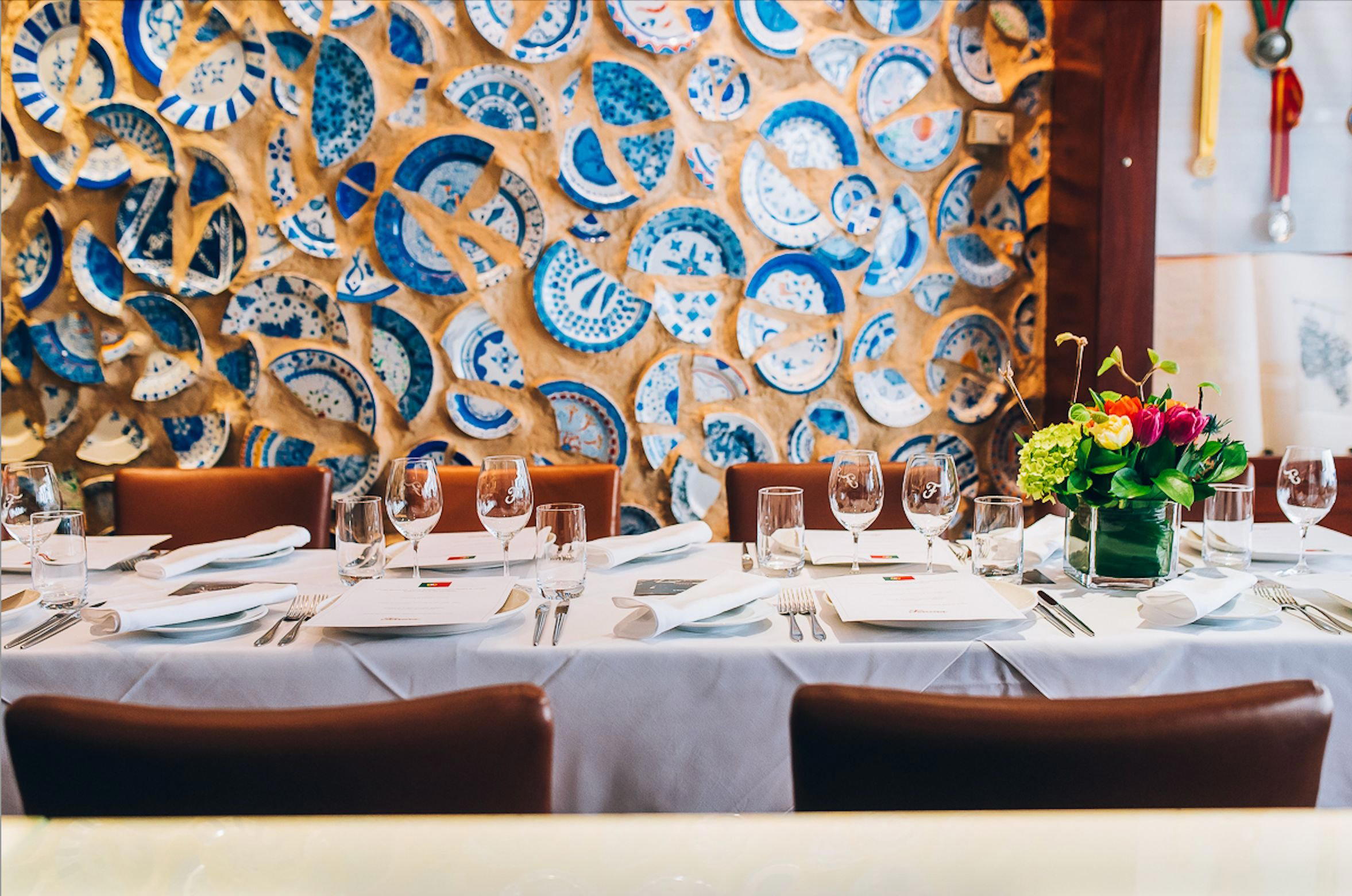
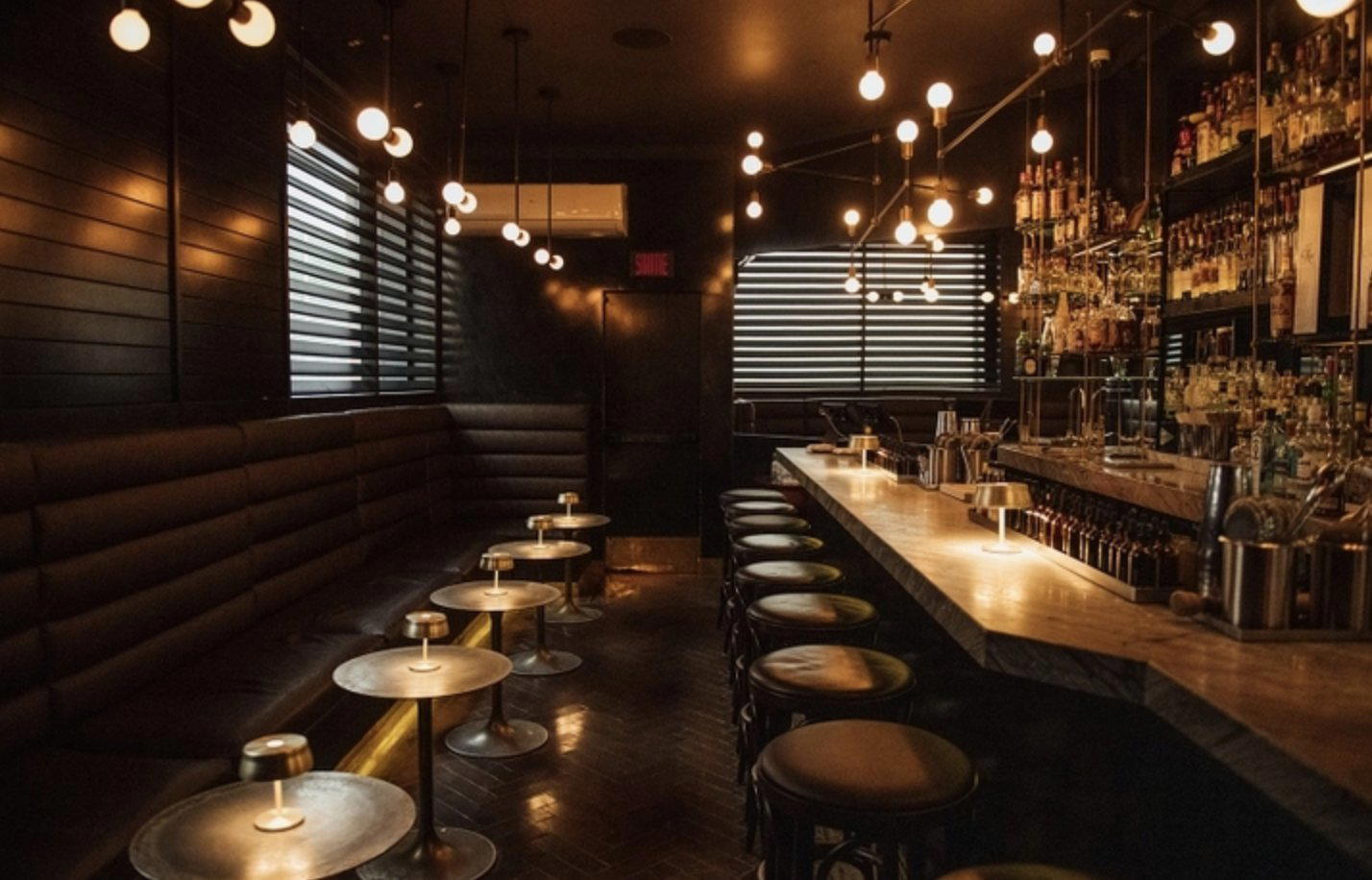
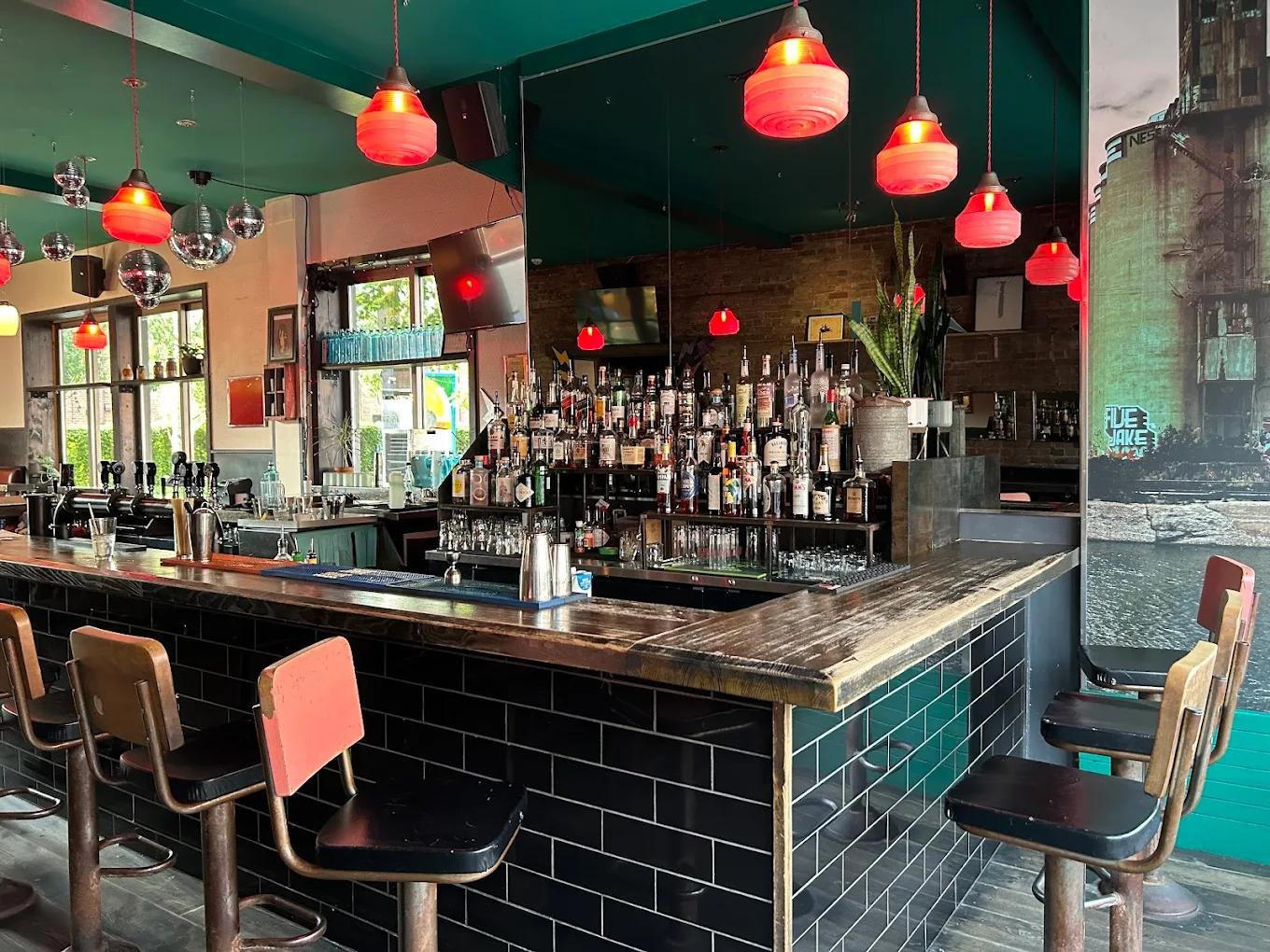
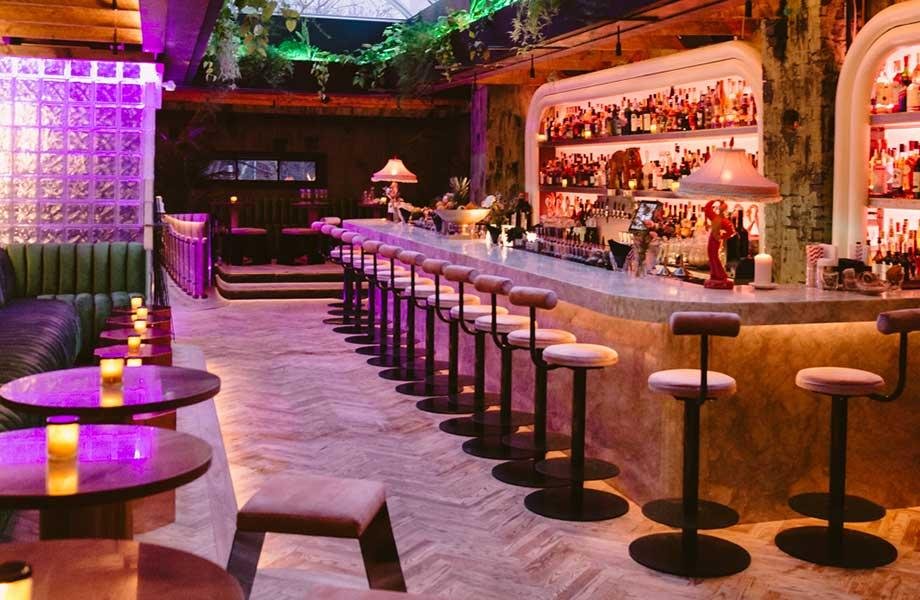
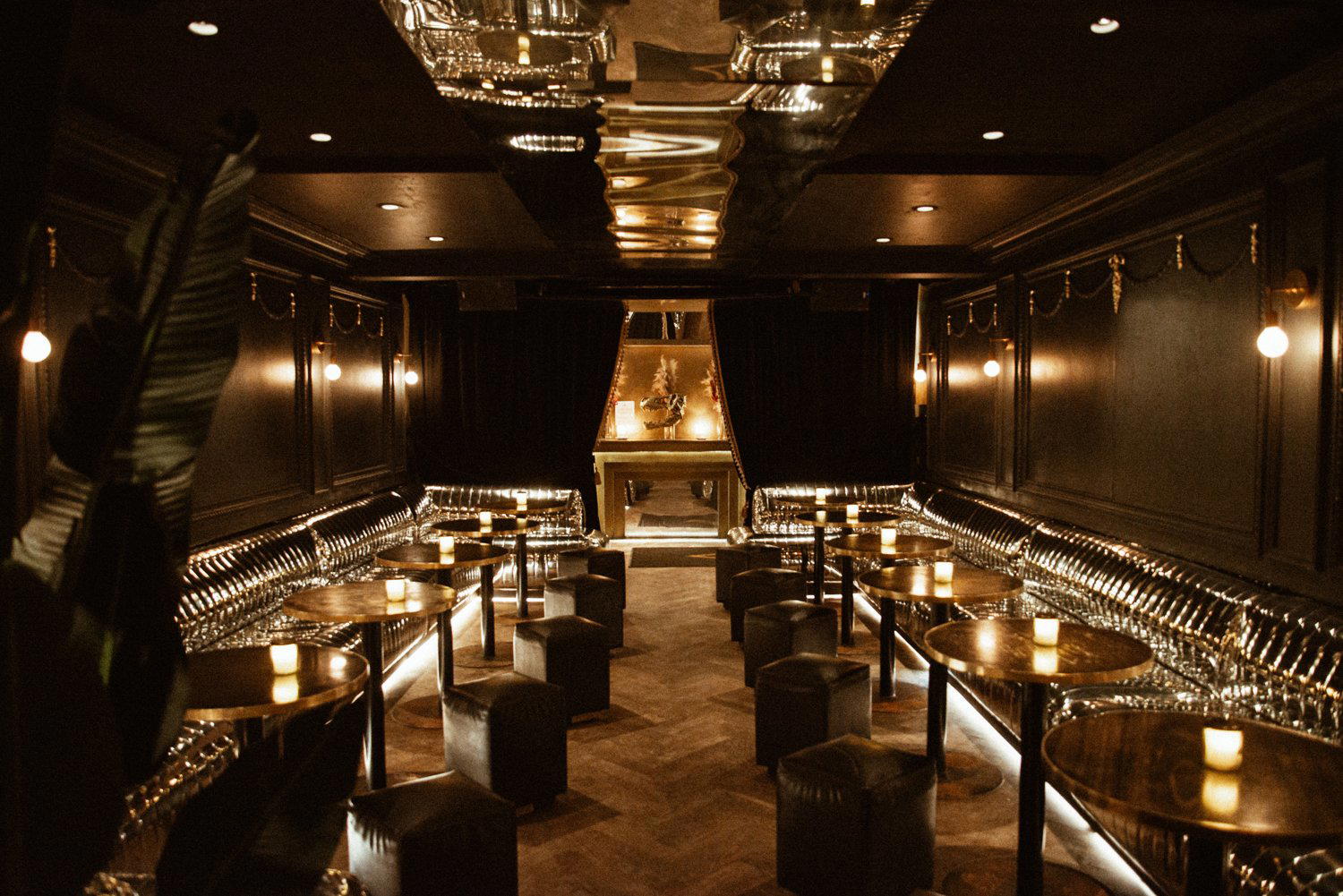
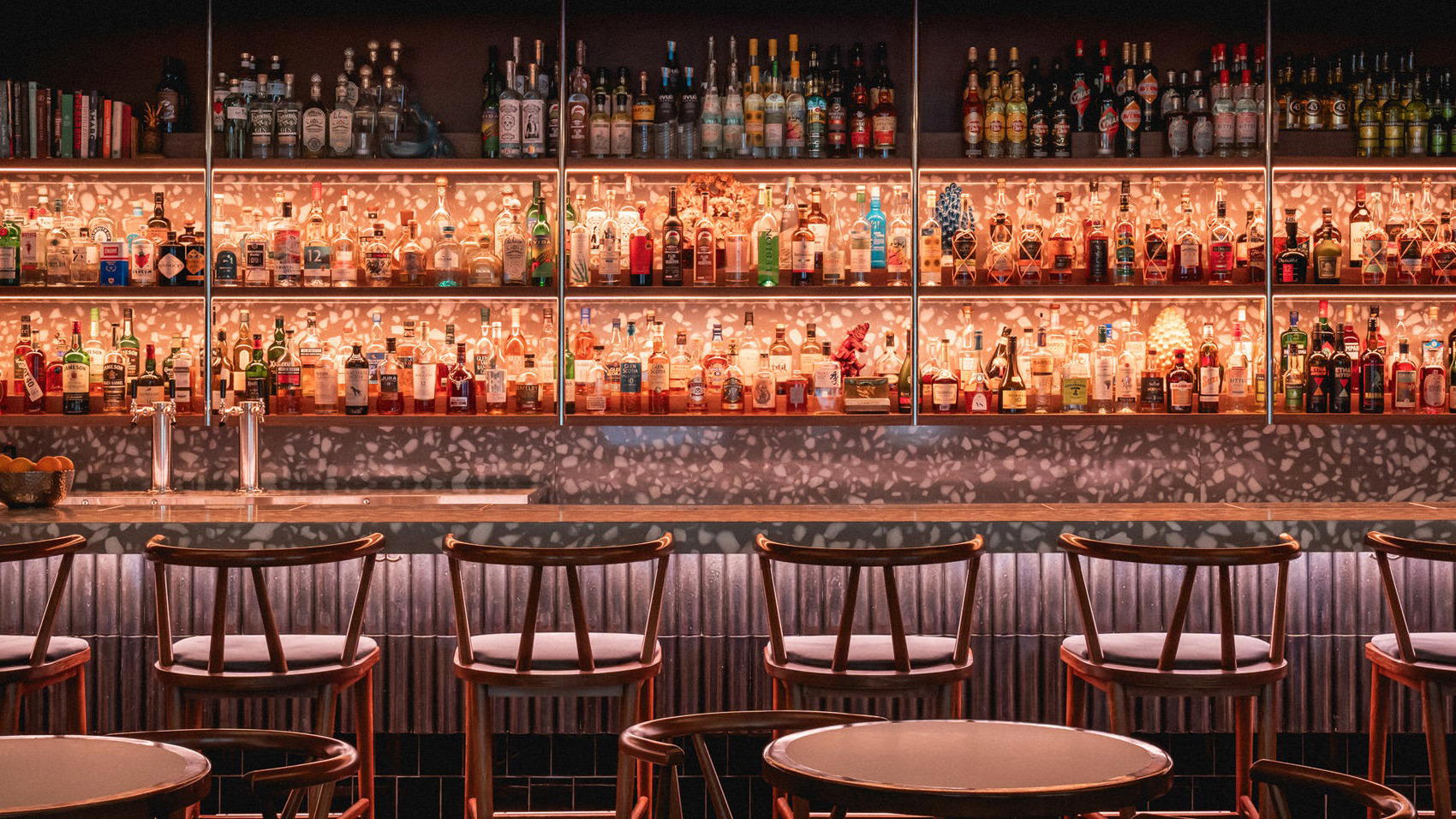
Lively and intimate dining space with warm, contemporary atmosphere designed for memorable experiences.
Know Before You Go
- Getting there
- 1974 R. Notre Dame O, Montréal, QC H3J 1M8, Canada