Palffy restaurant sits on Mladoboleslavská Street in Pezinok, a Small Carpathian wine town where regional produce and local viticulture have shaped the dining culture for generations. The address places it within easy reach of Bratislava's day-trip orbit, giving it a dual audience of locals and visiting wine tourists. For a town of Pezinok's scale, the restaurant occupies a position worth understanding in the context of Slovakia's broader regional dining revival.
Pearl is the En Primeur Club membership app — saves, bookings, and concierge access live there. Same editors, same standards.
- Address
- Mladoboleslavská 5, 902 01 Pezinok, Slovakia
- Phone
- +421337989000
- Website
- palffyrestaurant.sk
- Directions
- Get directions
 Saves & bookings on Pearl
Pezinok as a Dining Address
Small Carpathian towns rarely appear on European dining itineraries drawn up outside Slovakia, but Pezinok has been quietly accumulating reasons to change that. Positioned roughly 25 kilometres northeast of Bratislava along the wine road that threads through Modra, Svätý Jur, and Pezinok itself, the town sits at the intersection of serious viticulture and a growing interest in regionally grounded cooking. The vineyards start almost at the edge of the residential streets, and the proximity of that agricultural belt has shaped what restaurants here have access to and, increasingly, what they feel obligated to do with it.
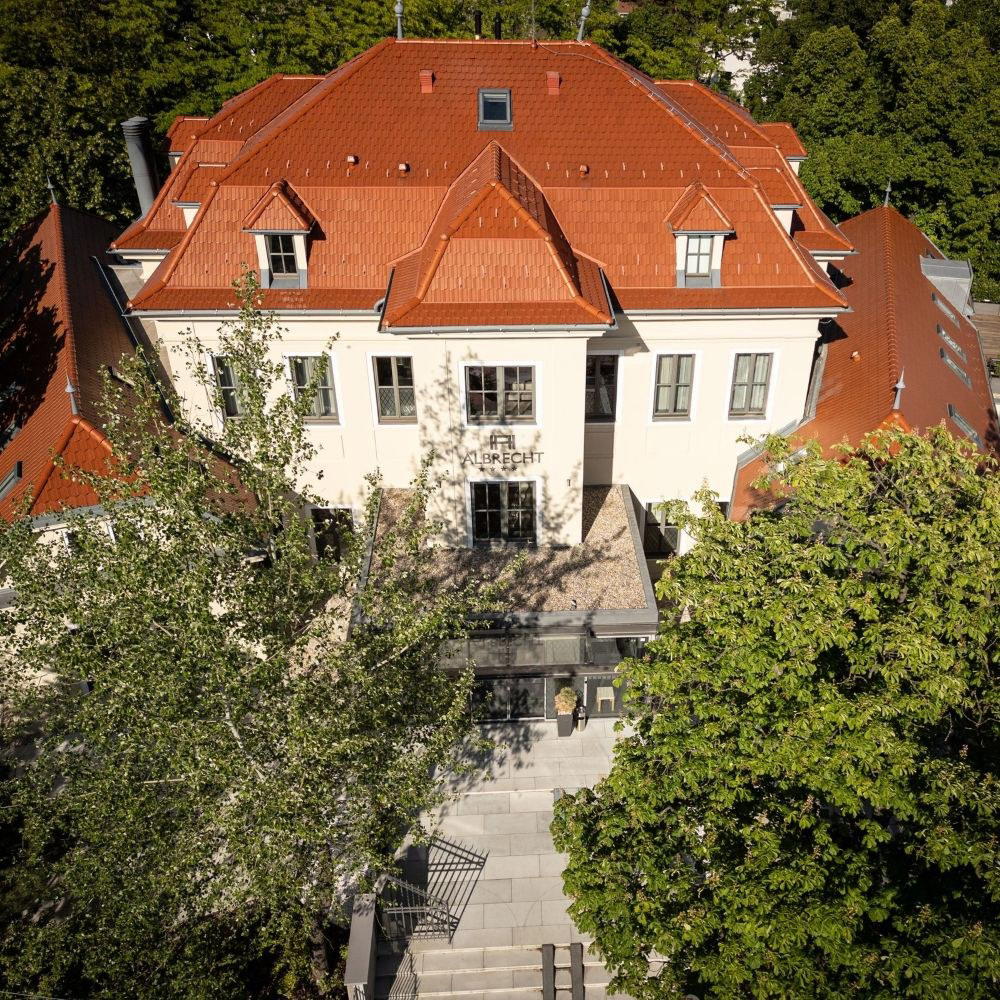
Palffy restaurant, addressed at Mladoboleslavská 5, operates within that context. The building sits in a part of Pezinok where the architecture still carries traces of the town's Austro-Hungarian administrative past, a streetscape that frames a meal before you reach the door. What Slovakia's regional restaurants have learned over the past decade is that provenance matters as a differentiator, not just as a talking point, and Pezinok's position within the Small Carpathian wine and produce corridor gives any serious kitchen here a geographic argument to make.
The Regional Sourcing Argument in Slovak Cooking
To understand what distinguishes the better dining addresses in western Slovakia's wine towns from their counterparts in Bratislava or Košice, it helps to look at the ingredient geography. The Small Carpathians run as a forested ridge separating the Danube lowlands from the Záhorie region to the west, and the foothills on either side produce a particular combination: game from the forests above Pezinok, freshwater fish from the river systems below, and vineyard-adjacent agriculture that has historically included stone fruits, walnuts, and vegetables suited to the microclimate. Slovak restaurants that take sourcing seriously use that geography as a menu architecture. Lamb from Orava, trout from the Váh tributaries, and mushrooms foraged from Carpathian slopes are the anchors of a regional larder that Slovakia's kitchen culture is only now beginning to present with the seriousness it receives in, say, the Czech Republic or Poland.
Pezinok's wine identity reinforces that sourcing logic. The town hosts one of Slovakia's more concentrated collections of smaller wine producers, and the pairing culture that develops around local wine naturally pulls the food toward local produce. A kitchen working within that framework has structural reasons to source regionally rather than reaching for imported ingredients to signal ambition. In that sense, Pezinok is a more demanding dining address than it might initially appear: the audience is wine-literate, the available produce is specific, and the comparisons are immediate. Nearby, Wild Kitchen Modra in Modra represents another kitchen working within this same Small Carpathian corridor, offering a useful reference point for how regional sourcing is being interpreted across the wine road's length.
The Physical Register
Arriving at Palffy restaurant on Mladoboleslavská, the address signals a neighbourhood-integrated setting rather than a destination property designed to announce itself. This matters for atmosphere. Slovak regional restaurants in this price bracket and town scale tend toward one of two formats: the koliba, a rustic timber-interior format associated with mountain cooking and communal tables, or the more composed central-European dining room that takes cues from the Viennese and Hungarian restaurant traditions that historically shaped Slovak hospitality. The better addresses in Pezinok and its surrounds have been moving away from koliba pastiche toward something more considered, a shift visible across comparable venues like Koliba Patria in Štrbské Pleso and KOLIBA na Vršku in Bytča, where the traditional format is being rethought rather than simply replicated.
The Palffy name carries its own historical resonance in this part of Slovakia. The Pálffy family were among the more significant Austro-Hungarian noble houses with substantial landholdings across the Small Carpathians, and their presence in the region's cultural memory is architectural as much as historical. A restaurant carrying that name in Pezinok positions itself within that layer of local identity, whether explicitly or by association.
Slovak Regional Dining in the Broader European Frame
Positioning Slovak regional cooking for an international audience requires a comparison set. The cuisine shares structural DNA with Austrian and Hungarian traditions, leaning on slow-cooked meats, fermented dairy, preserved vegetables, and dough-based dishes that reflect a continental climate and a peasant-to-aristocratic range of historical influences. What distinguishes the better contemporary Slovak kitchens from that inherited template is how they handle the local ingredient argument: using the Carpathian larder to produce something that reads as specifically Slovak rather than generically central European.
The contrast with Slovak modern formats like UFO in Bratislava, which represents the urban end of the country's dining spectrum, illustrates the range. Towns like Pezinok sit in the middle register: not attempting metropolitan ambition, but not trading purely on folk nostalgia either. For international visitors who have eaten at technically polished restaurants in cities like New York, references like Le Bernardin or Atomix set a useful baseline for what ingredient-sourcing discipline looks like when applied with rigour. The regional Slovak version of that discipline is less codified, but the underlying logic, that the quality of what arrives in the kitchen determines the ceiling of what can be served, translates directly.
Elsewhere in Slovakia, restaurants anchoring their identity to regional produce include Fatrabeef in Ľubochňa, which has built its offer specifically around Slovak beef, and Holotéch víška in Košariská, a rural address with strong local sourcing credentials. Both offer useful comparisons for understanding how ingredient provenance functions as a structural kitchen decision rather than a marketing detail across the country's regional dining tier.
Planning a Visit
Pezinok is accessible from Bratislava by regional train, with journey times typically under 40 minutes from the central station, making it a realistic half-day or evening excursion rather than a dedicated overnight. The town's wine road position means that a meal at Palffy restaurant sits naturally within a broader itinerary that might include a winery visit or a walk through the vineyard-edged streets above the town centre. For visitors building a wider Slovak itinerary, the region's dining range extends north toward Nitra, where Allora Fresh Pasta in Nitra offers a different register entirely, and south toward Bratislava's more varied urban offer, which includes Don Saro Cucina Siciliana for those seeking Mediterranean contrast. Further afield, Cafe Sissi in Trenčín, Focus Restaurant in Žilina, and Hotel & Restaurant Gino Park Palace in Považská Bystrica map the range of western Slovakia's regional dining offer. For those travelling further east, Bulli Kebab in Košice represents the eastern Slovakia dining corridor. Additional regional addresses worth noting include Klára v GOYA vitality hotel in Voderady, Hotel and Restaurant Drak in Liptovský Mikuláš, Afrodita in Čereňany, and Kaštieľ Čičmany in Čičmany, each occupying a distinct position within Slovakia's wider regional dining geography. The address at Mladoboleslavská 5 is the practical anchor.
Fast Comparison
Comparable venues nearby, for context on price, style, and recognition.
| Venue | Cuisine | Price | Notes |
|---|---|---|---|
| Palffy restaurantThis venue — the venue you are viewing | Modern French with Local Slovak Influences | $$$$ | Not listed |
| COLETTE | Modern French Fine Dining | $$$$ | Staré Mesto |
| TOP Restaurant | French-Slovak Fusion Fine Dining | $$$$ | Solinky |
| La Marine Eurovea | French Brasserie | $$$ | Staré Mesto |
| Ram's Restaurant | Pan-Asian Fusion | $$$ | Staré Mesto |
| Al Faro | Italian Seafood Trattoria | $$$ | Staré Mesto |
Continue exploring
More in Pezinok
Restaurants in Pezinok
Browse all →
Bars in Pezinok
Browse all →
Hotels in Pezinok
Browse all →
At a Glance
- Elegant
- Sophisticated
- Cozy
- Date Night
- Special Occasion
- Historic Building
- Hotel Restaurant
- Local Sourcing
Current opening hours
- Monday
- Closed
- Tuesday
- Closed
- Wednesday
- Closed
- Thursday
- Closed
- Friday
- 5–10 PM
- Saturday
- 12–10 PM
- Sunday
- Closed
Hours can change for holidays and private events. Last verified .
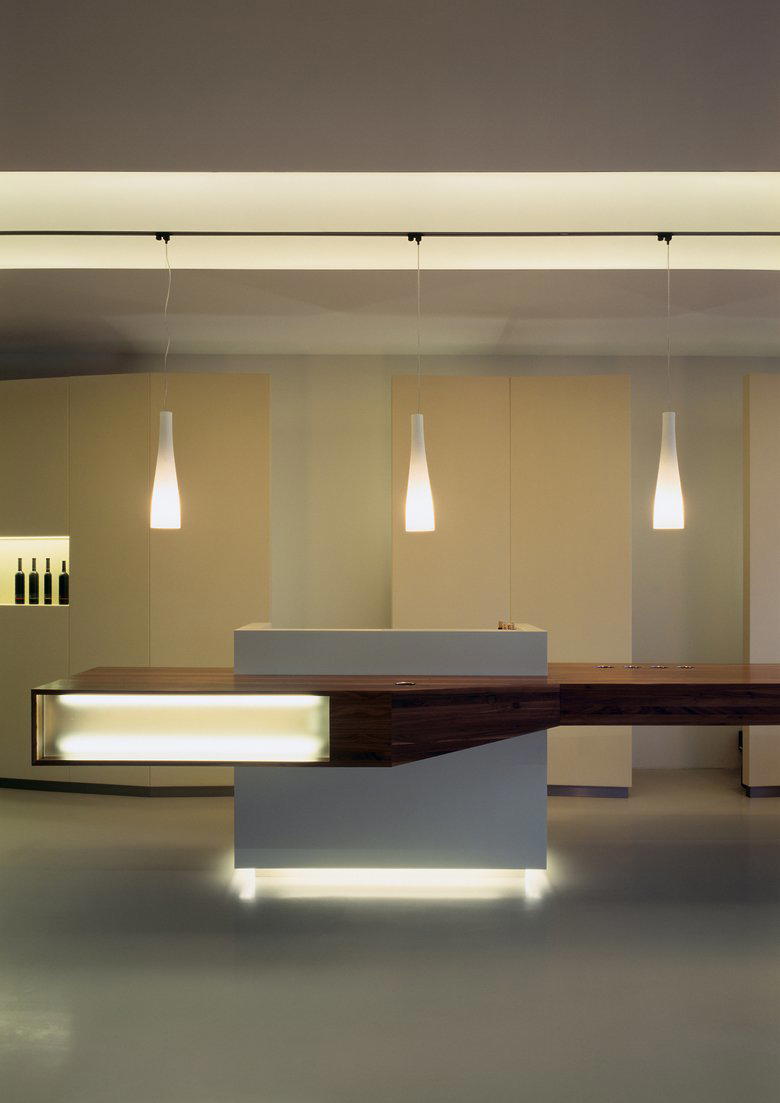
Elegant restaurant atmosphere with premium decor and noble service.