
Mlyn 108 occupies a mill building on Dolná street in Modra, the small Slovak wine town that sits at the foot of the Little Carpathians. The setting frames a dining proposition rooted in the agricultural rhythms of western Slovakia, where proximity to both vineyard and farmland shapes what arrives on the plate. For visitors exploring the region's food culture, it represents a credible local address.
Pearl is the En Primeur Club membership app — saves, bookings, and concierge access live there. Same editors, same standards.
- Address
- Dolná 108, 900 01 Modra, Slovakia
- Phone
- +421948100252
- Website
- mlyn108.sk
- Directions
- Get directions
 Saves & bookings on Pearl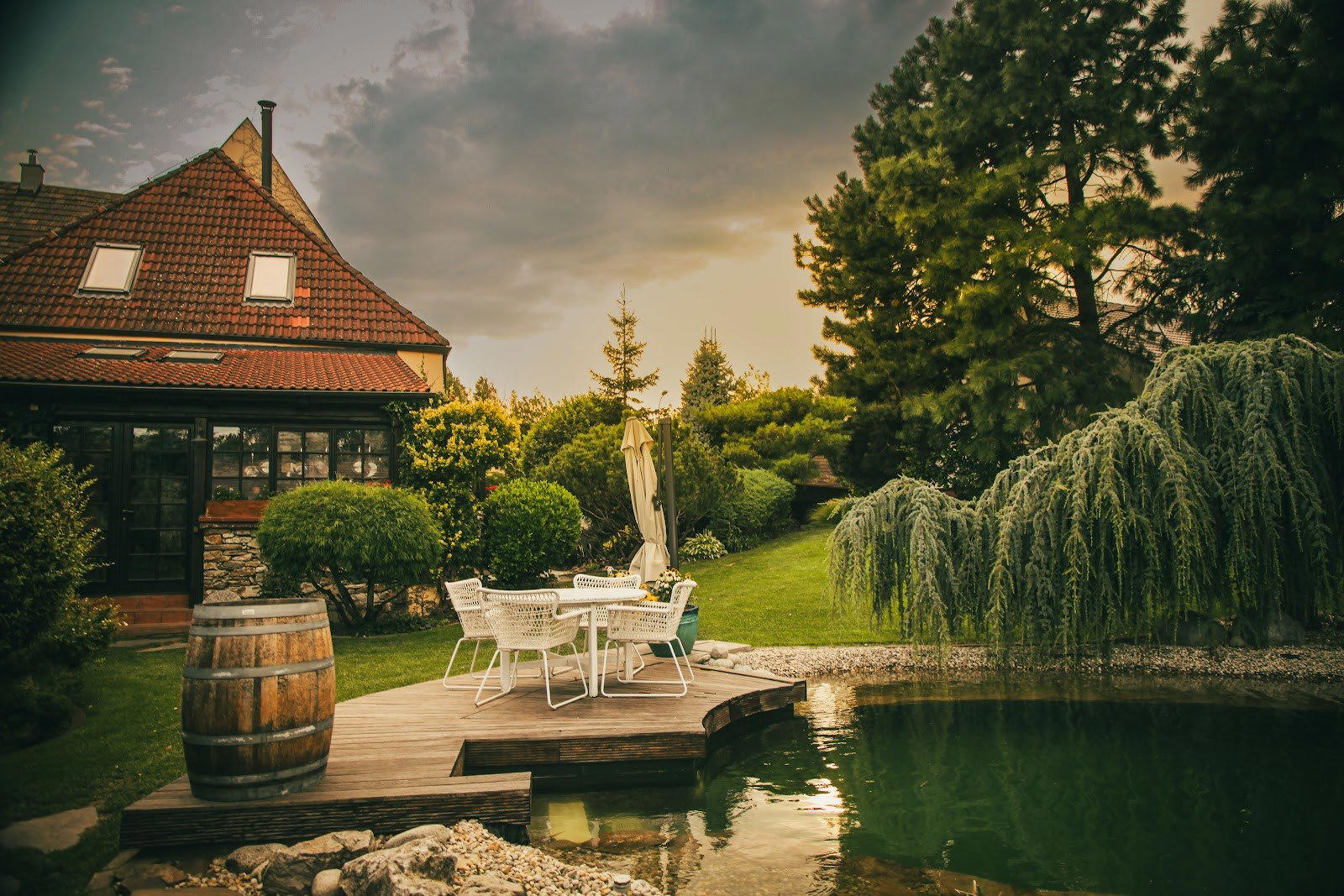
A Mill Town Setting and What It Signals
Mlyn 108 is a restaurant in Modra, Slovakia, serving modern Slovak-European cuisine. The town is compact enough that its food culture reads as an extension of its agricultural identity rather than a separate urban scene. Restaurants here do not compete on the same terms as Bratislava addresses like Don Saro Cucina Siciliana; they operate within a different set of expectations, where proximity to source and seasonal availability carry more weight than culinary theatrics.
Mlyn 108 takes its name and address from Dolná 108, a street in the lower part of Modra. The word mlyn means mill in Slovak, and a mill location is not incidental here. Mills were historically the hinge point between raw agricultural production and the table, the place where grain became usable, where the work of the land translated into food. In a town like Modra, that lineage still has meaning. The building positions the restaurant inside a narrative about ingredient provenance that runs deeper than marketing language.
Sourcing in the Little Carpathian Corridor
Western Slovakia's agricultural geography makes local sourcing a practical reality rather than an aspirational posture. The Little Carpathians region produces white wines, primarily Welschriesling and Müller-Thurgau, that have shaped the area's food culture toward lighter, acid-driven pairings. Farmland in the surrounding villages supplies vegetables, poultry, and pork that move through short supply chains into town kitchens. This stands in contrast to restaurants in larger Slovak cities that must work harder to establish genuine farm-to-table links; in Modra, the geography does part of the work by default.
The mill framing at Mlyn 108 connects the restaurant conceptually to this sourcing tradition. A mill building implies grain, fermentation, and the slow processes that convert raw materials into food with character. Across Slovakia, a small number of restaurants have adopted similar positioning, anchoring their identity to a specific agricultural function of the land around them. Gašperov Mlyn in Batizovce works a comparable angle in the High Tatras foothills, where a mill setting frames a menu built on regional Slovak ingredients. The format is not common enough to be a trend, but it is recognisable as a distinct approach within Slovak dining.
Elsewhere in Slovakia, the sourcing question plays out differently depending on geography. Fatrabeef in Lubochna centres its identity on a single locally raised beef product, demonstrating how narrowly focused provenance claims can anchor an entire restaurant concept. Wild Kitchen Modra, the restaurant's nearest peer in town, takes a foraged and wild ingredient approach that draws from the Carpathian forests directly above the town. These are different strategies for the same underlying question: in a region with genuine agricultural depth, how explicitly do you build that depth into the restaurant's identity?
Modra Within the Slovak Dining Circuit
Slovak dining outside the capital has developed unevenly. Cities like Žilina and Nitra carry enough population to support a varied restaurant scene, as addresses like Focus Restaurant in Žilina and Allora Fresh Pasta in Nitra illustrate. Smaller towns have tended toward either traditional koliba-style cooking or direct local tavern formats. Modra sits in a different position: its wine identity and proximity to Bratislava have attracted a visitor profile that expects more considered food, which has created space for restaurants that take sourcing and setting seriously.
The town's wine reputation is the strongest external signal of its food credibility. Modra holds protected geographic indication status for its wines, and the annual grape harvest in October draws visitors from across the country. A restaurant anchored to that agricultural moment, in a building that references the processing of local produce, fits the town's self-image more precisely than an internationally styled concept would. This is why the mill framing at the restaurant reads as deliberate positioning.
Across the wider Slovak restaurant scene, the tension between traditional formats and more contemporary approaches is ongoing. Addresses like KOLIBA na Vršku in Bytča and Afrodita in Cerenany represent the traditional end of the spectrum, while ARTE in Svätý Jur, just a few kilometres from Modra, operates in a more refined register. The restaurant occupies the space between these poles, in a town that rewards that positioning.
Planning a Visit
Side-by-Side Snapshot
Comparable venues nearby, for context on price, style, and recognition.
| Venue | Cuisine | Price | Notes |
|---|---|---|---|
| Mlyn 108This venue — the venue you are viewing | Modern Slovak-European | $$$$ | Not listed |
| Wild Kitchen Modra | Modern Mediterranean with Slovak Influences | $$$ | Modra |
| BISTRIC Restaurant | Modern Slovak Bistro | $$$ | Záhorská Bystrica |
| Palffy restaurant | Modern French with Local Slovak Influences | $$$$ | Pezinok |
| Pivnica u zlatej husi | Traditional Slovak Goose Specialties | $$$ | Slovensky Grob |
| Cafe Sissi | Modern Central European | $$$ | City Center |
Recognition history
Dated appearances from independent guides and award organizations, with the underlying list record or original source where available.
Falstaff Restaurant - 93 Falstaff Points
Falstaff
Continue exploring
More in Modra
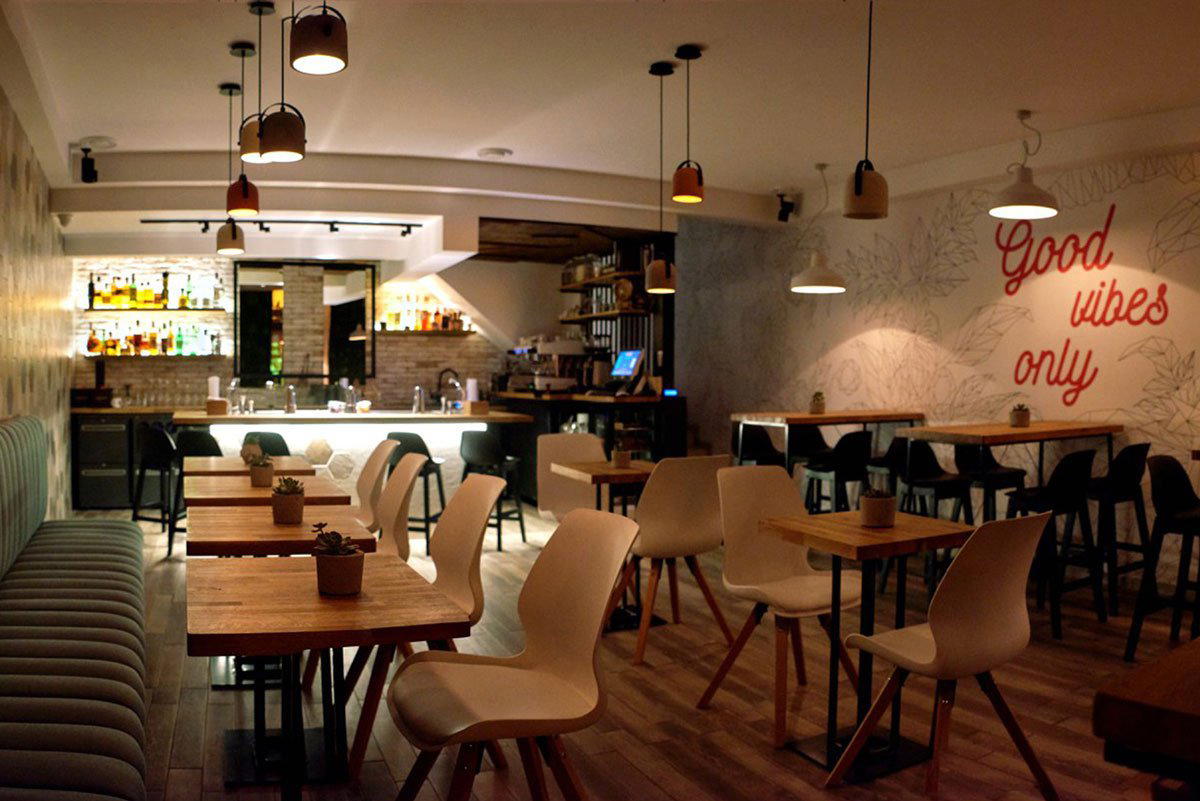
Restaurants in Modra
Browse all →
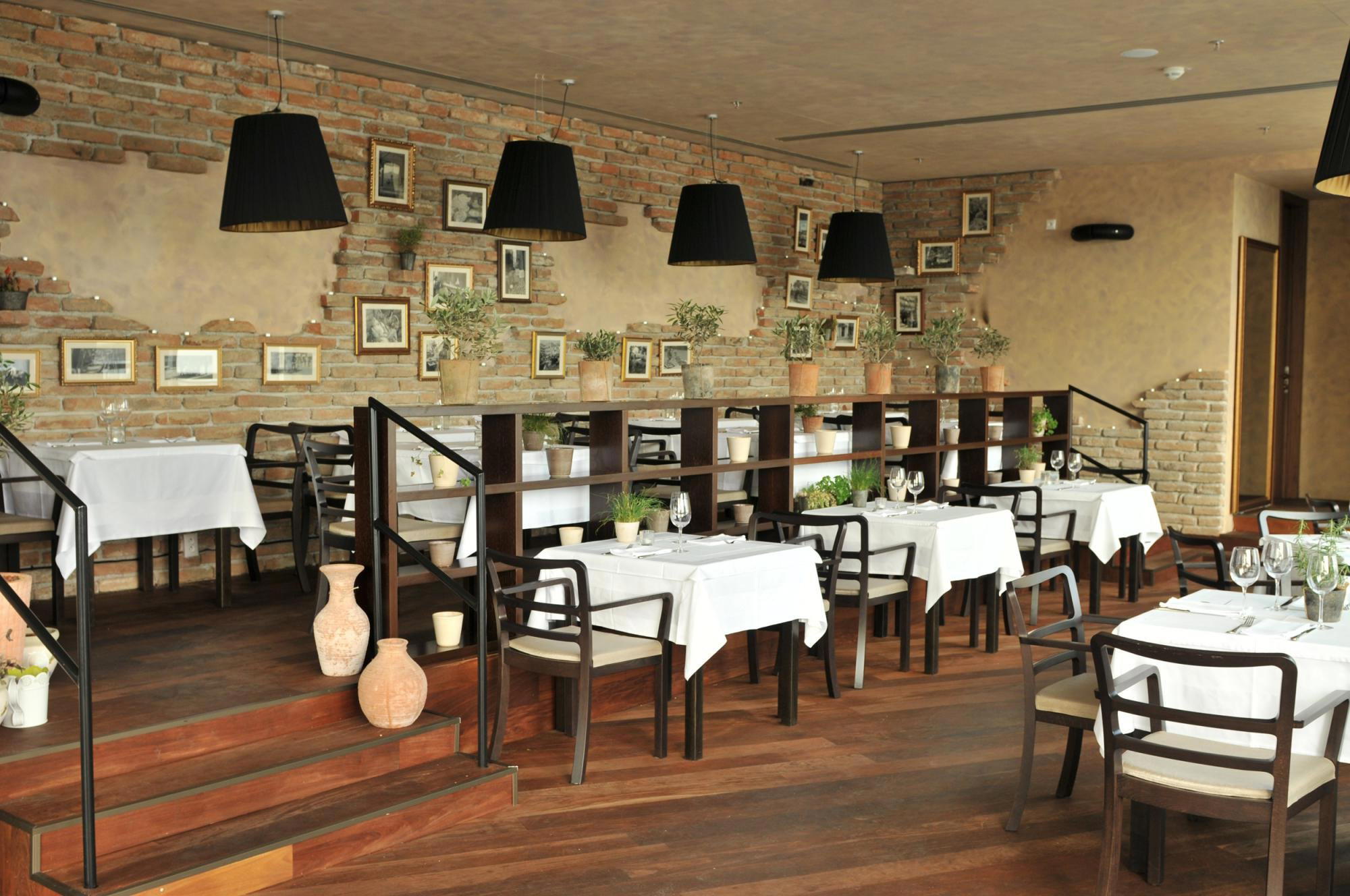
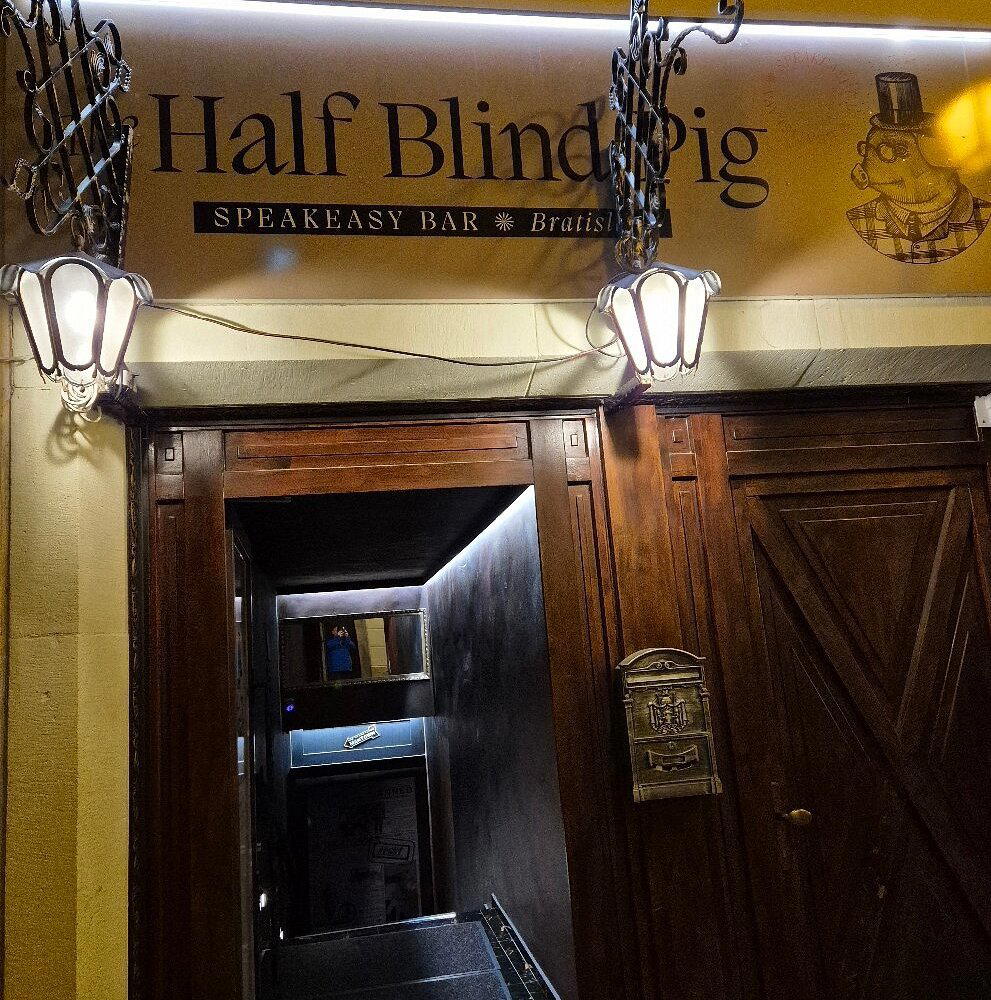
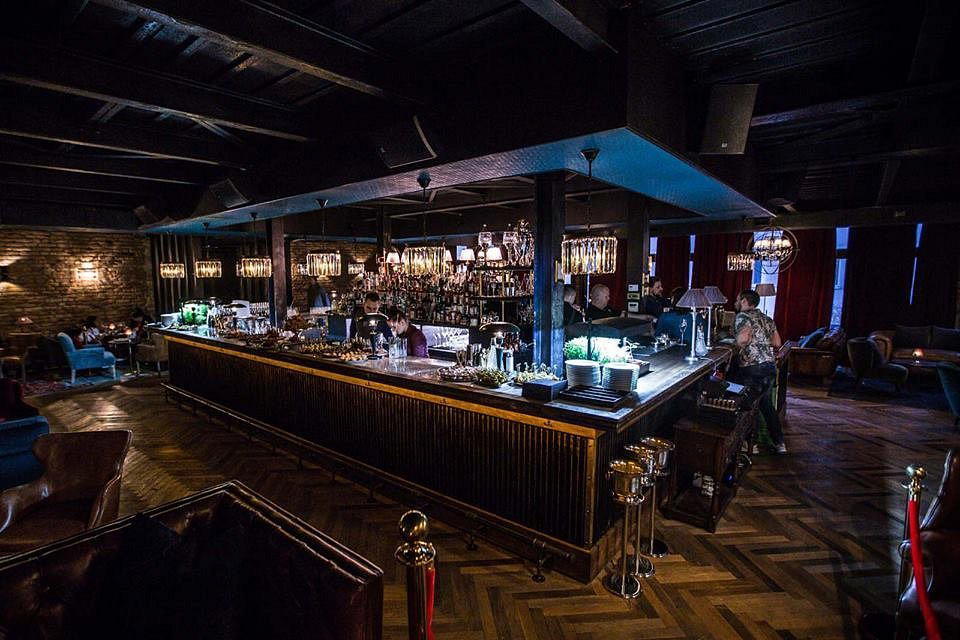
Bars in Modra
Browse all →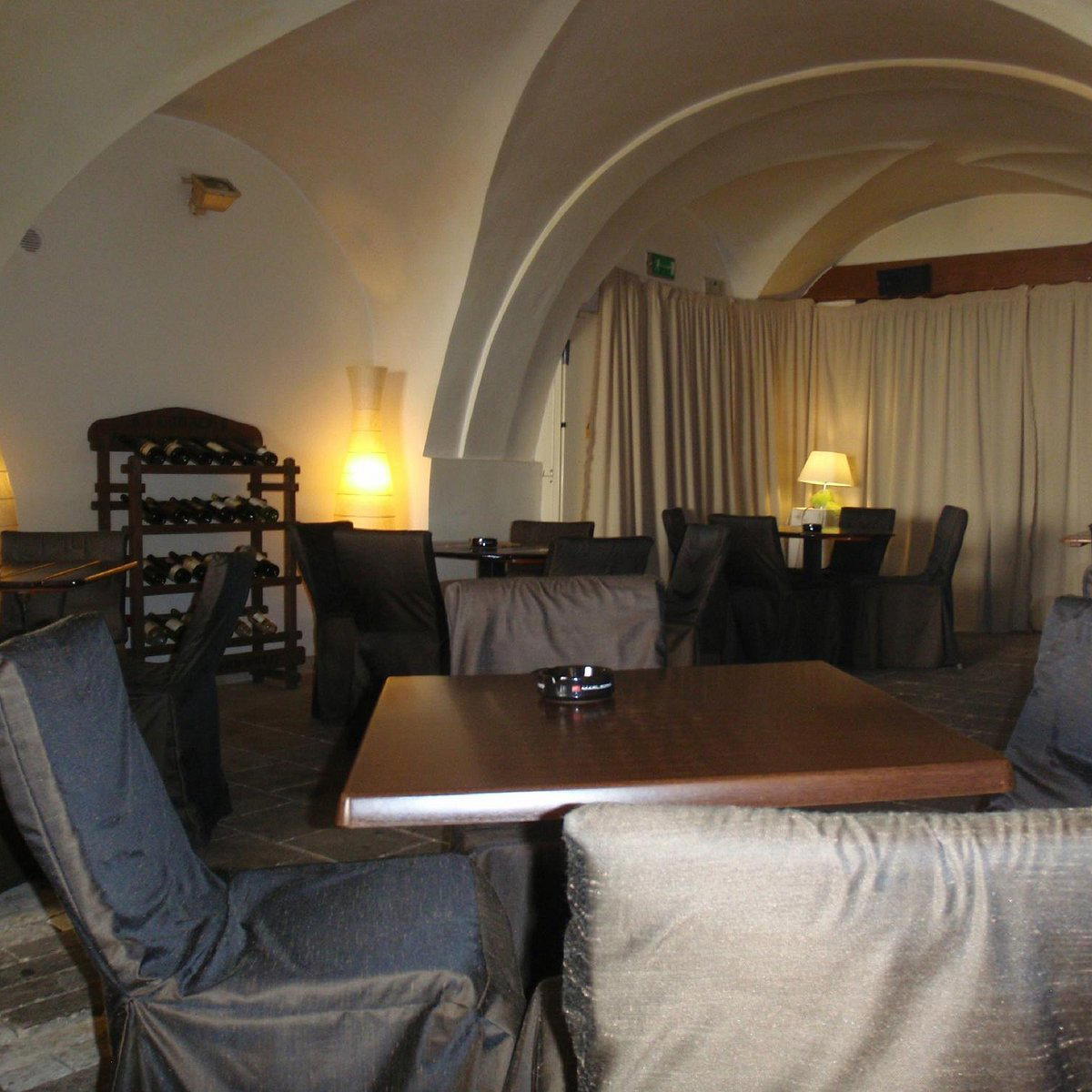
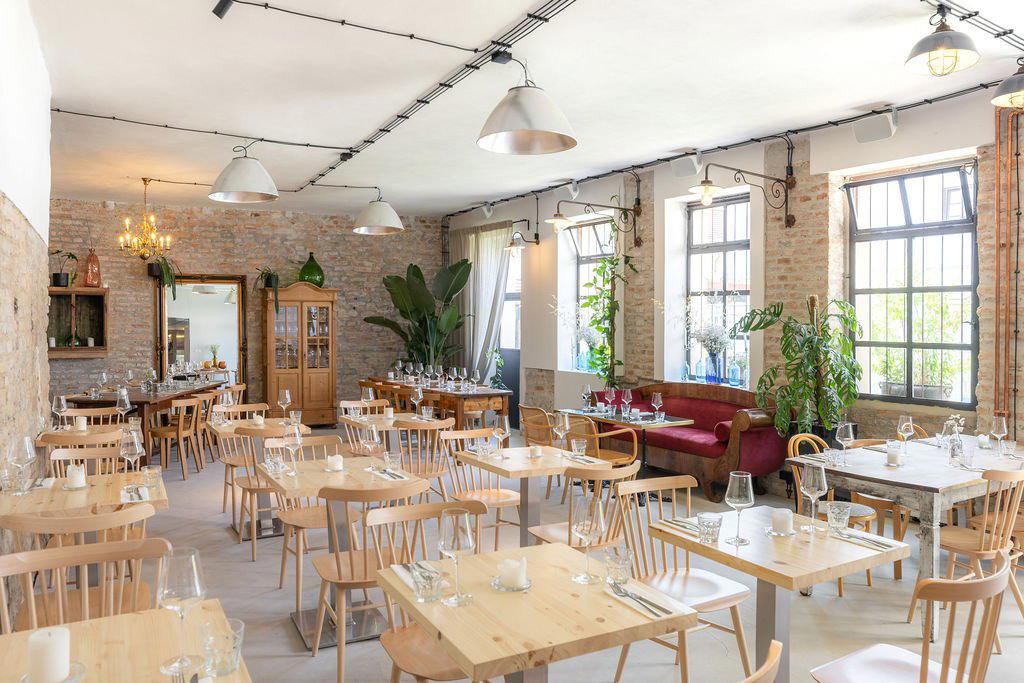
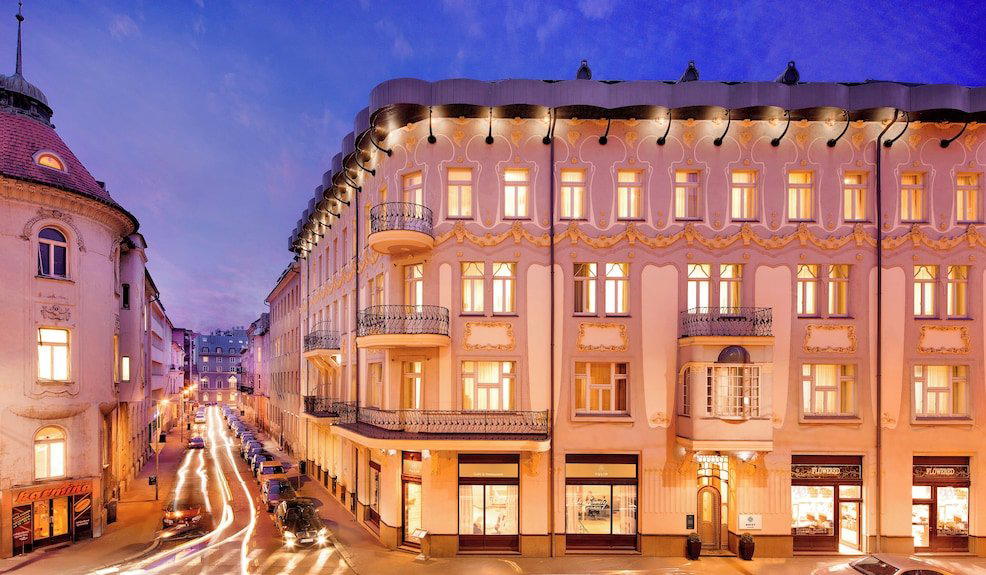
Hotels in Modra
Browse all →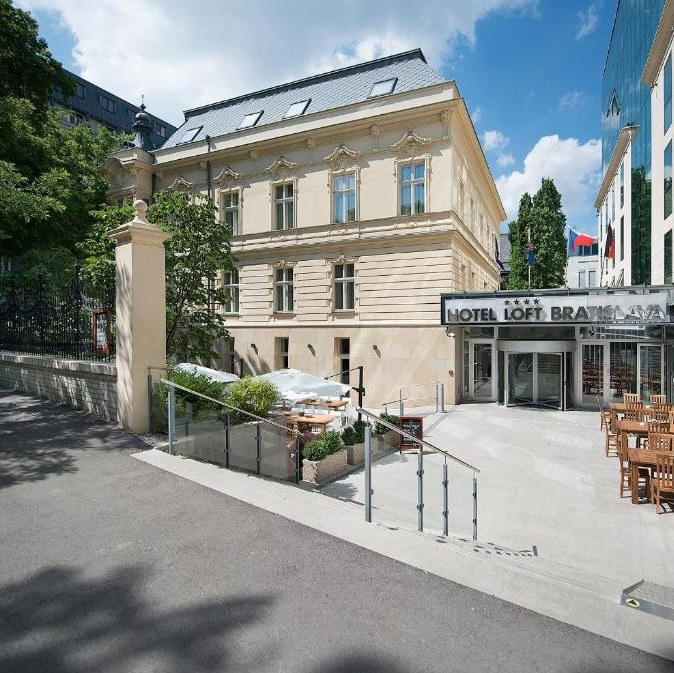
At a Glance
- Rustic
- Cozy
- Elegant
- Intimate
- Date Night
- Special Occasion
- Garden
- Historic Building
- Extensive Wine List
- Local Sourcing
- Garden
Current opening hours
- Monday
- Closed
- Tuesday
- Closed
- Wednesday
- 11:30 AM–2:30 PM, 6–10 PM
- Thursday
- 11:30 AM–2:30 PM, 6–10 PM
- Friday
- 11:30 AM–2:30 PM, 6–10 PM
- Saturday
- 11:30 AM–4 PM, 6–10 PM
- Sunday
- 11:30 AM–4 PM
Hours can change for holidays and private events. Last verified .
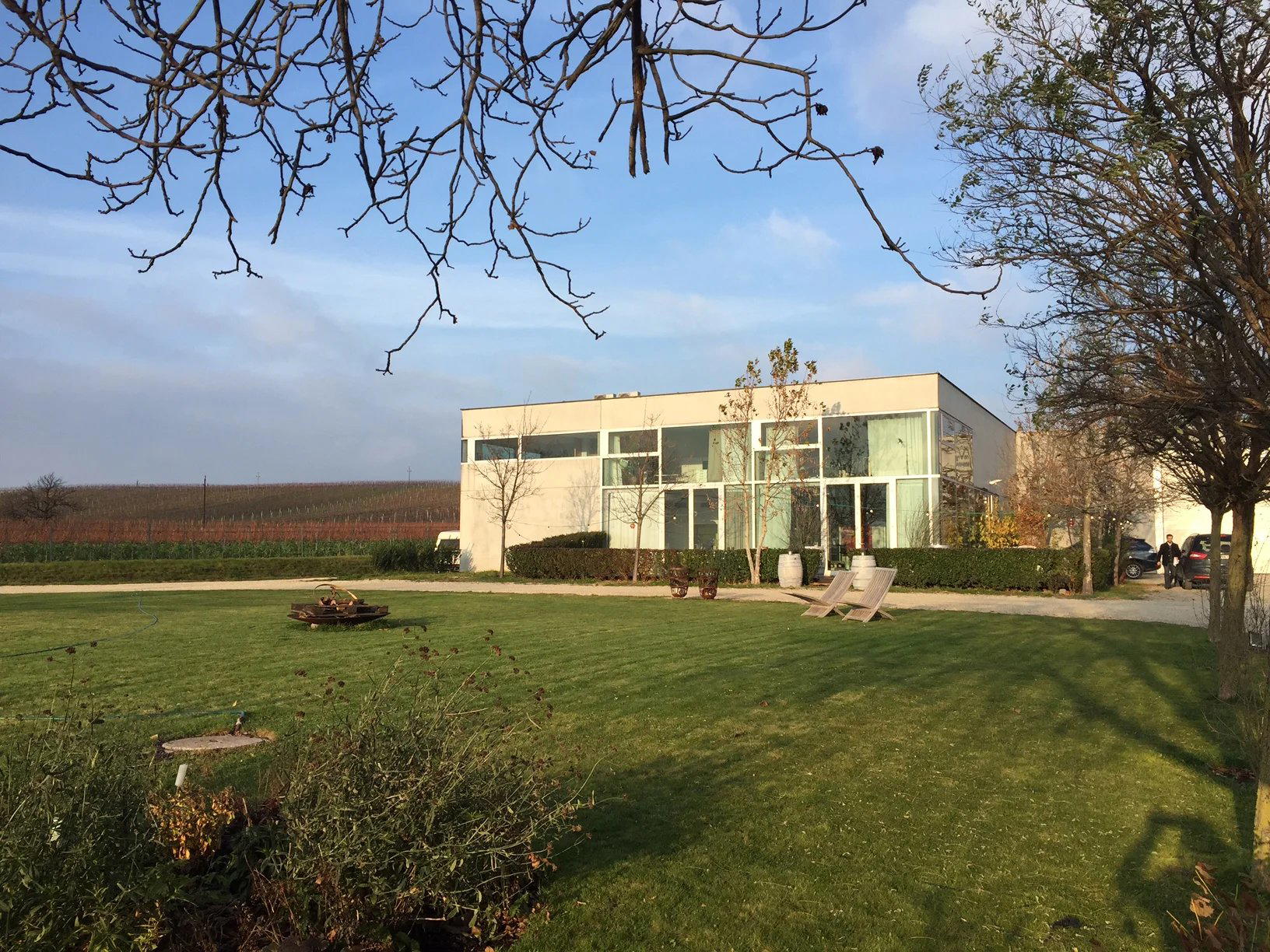
Warm homely atmosphere in a rustic old mill interior with fireplace and beautiful garden views.