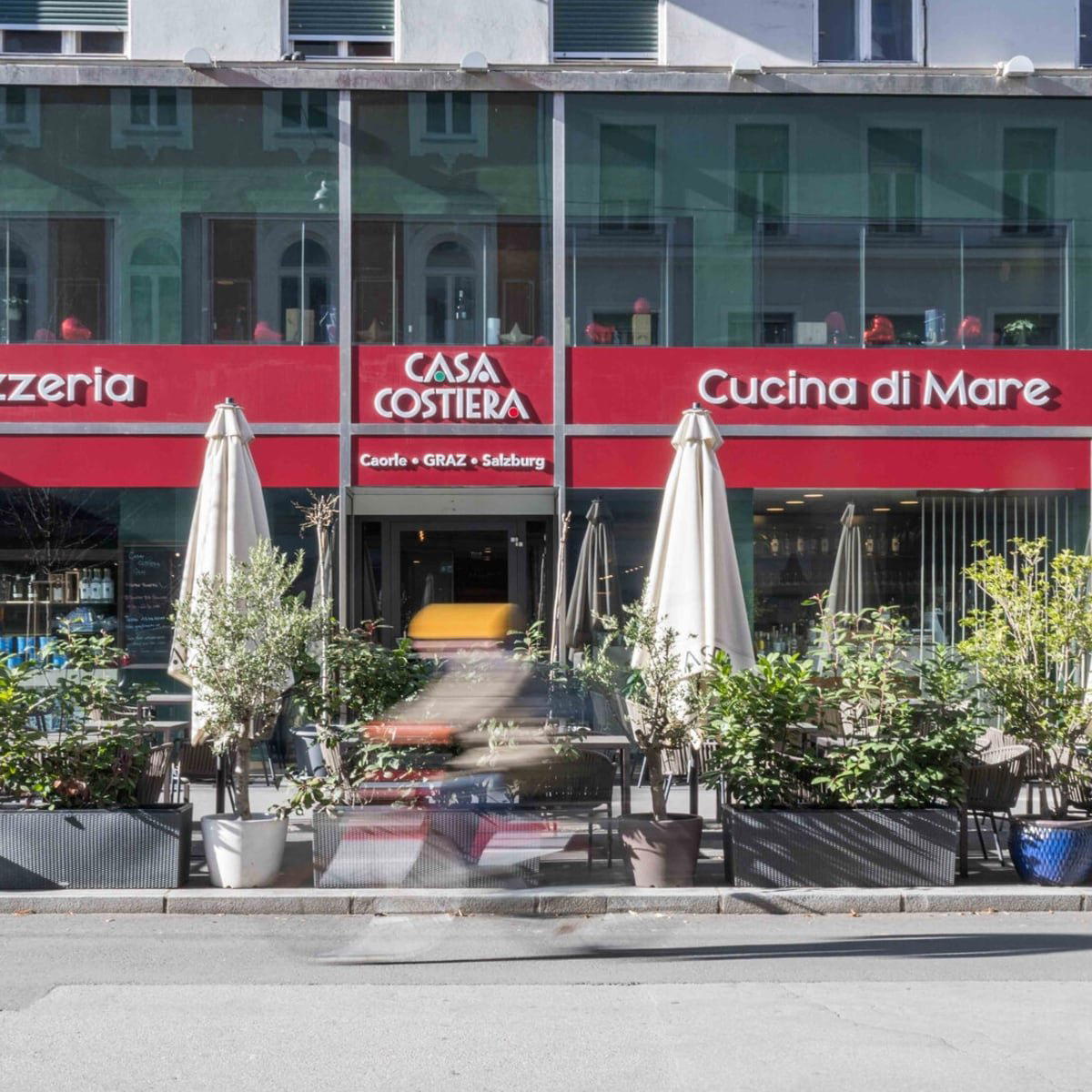
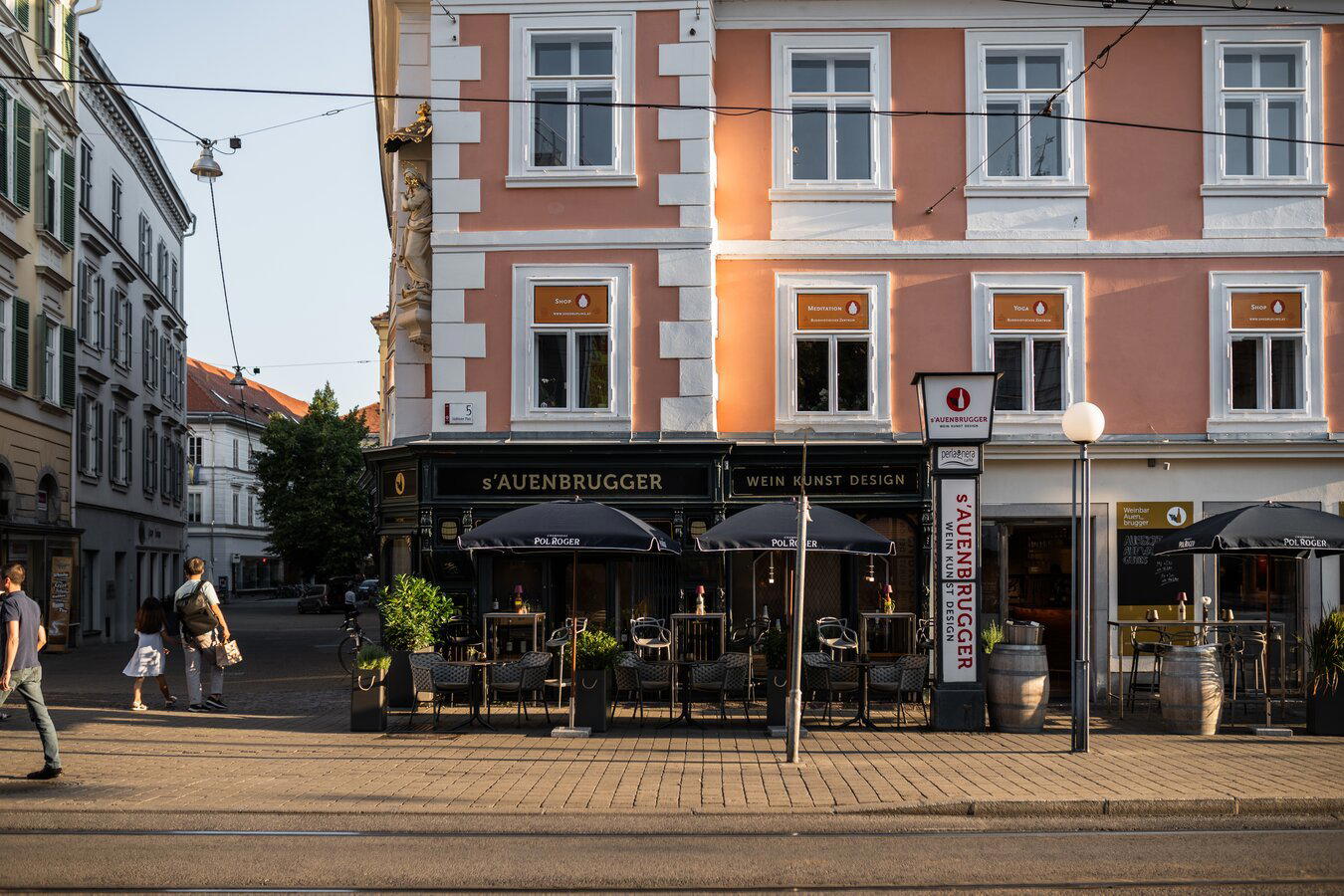
On Schmiedgasse in central Graz, Casa Costiera occupies a street with strong foot traffic and proximity to the city's established dining corridor. The address places it within walking distance of several of Graz's better-regarded tables, making it a natural point of comparison for visitors working through the city's mid-to-upper restaurant tier. Booking availability and format details are best confirmed directly with the venue.
- Address
- Schmiedgasse 36, 8010 Graz, Austria
- Phone
- +43316812497
- Website
- morettis.at
- Directions
- Get directions
A Street That Earns Its Reputation
Schmiedgasse runs through one of central Graz's denser commercial and hospitality corridors, the kind of address that accumulates restaurants the way older European city streets tend to: gradually, competitively, with the weaker operators rotating out and the ones with staying power quietly embedding themselves into the neighbourhood's rhythm. Casa Costiera is a restaurant at Schmiedgasse 36 in Graz, Austria, serving Authentic Southern Italian cuisine and currently closed permanently. Casa Costiera sits at number 36 on that street, in a city where the dining scene has spent the better part of two decades sharpening itself against both regional Austrian tradition and the slower-moving influence of international reference points. The address alone signals something about positioning: Schmiedgasse is not a destination for casual walk-ins looking for the cheapest option in the old town. The restaurants along it, and the ones immediately surrounding it, tend to attract a more considered type of visitor.
Graz has a particular relationship with its food culture that separates it from Vienna's more institutionalised scene and from the alpine-resort dining of Tyrol and Salzburg. The city sits at the northern edge of Styria, a region that produces some of Austria's most credible wine, its own pumpkin-seed oil, and a farm-to-table tradition rooted in geography rather than trend. That context matters when placing any Graz restaurant: the city's better tables tend to draw on this regional larder deliberately, and the ones that ignore it tend to feel slightly untethered from their surroundings. Where Casa Costiera positions itself within that spectrum is part of what defines its character.
The Physical Container
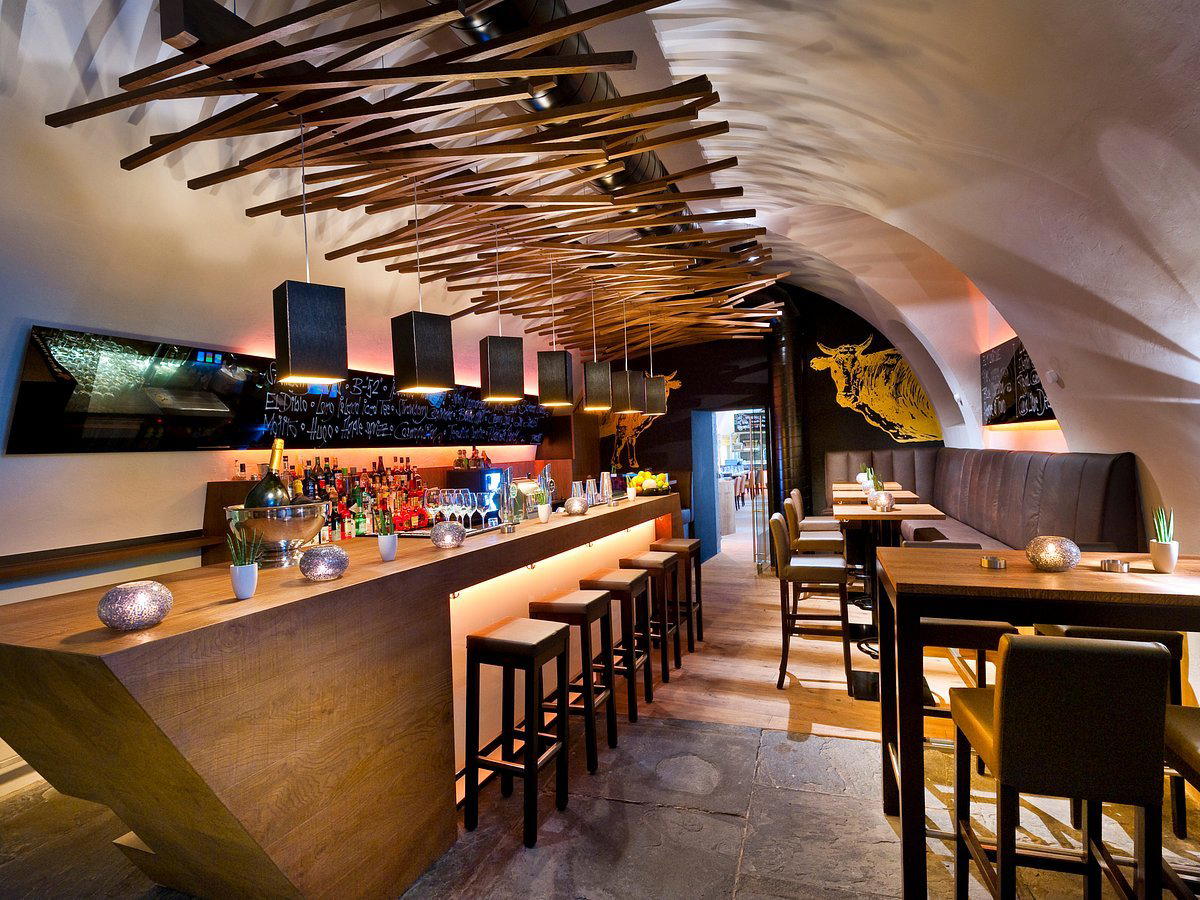
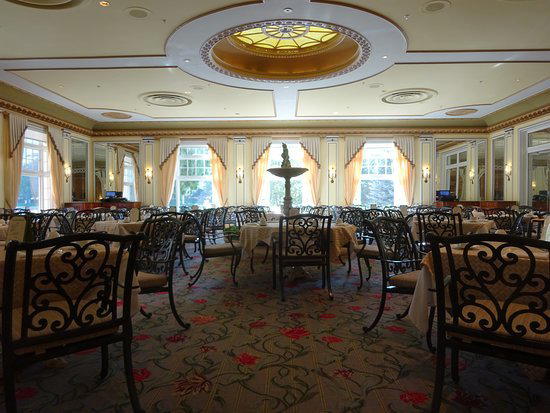
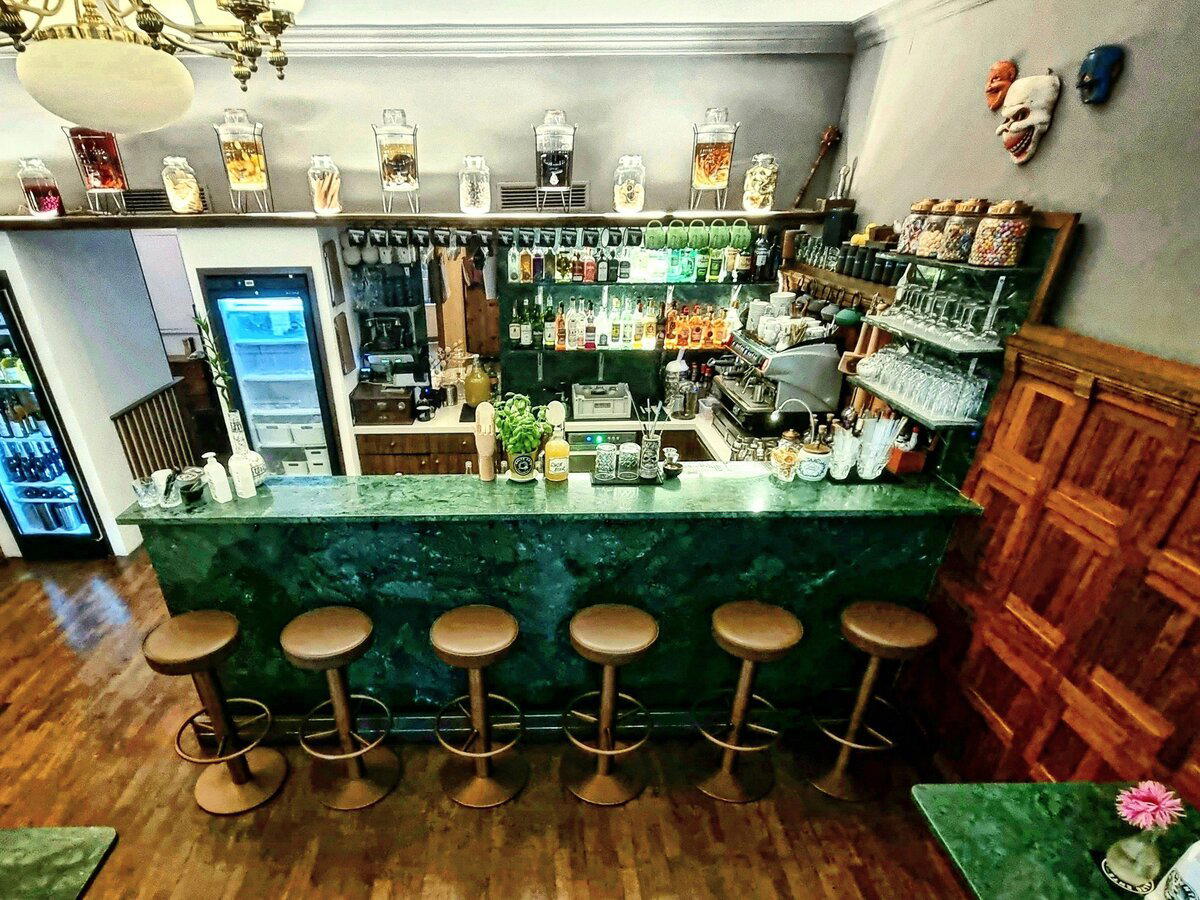
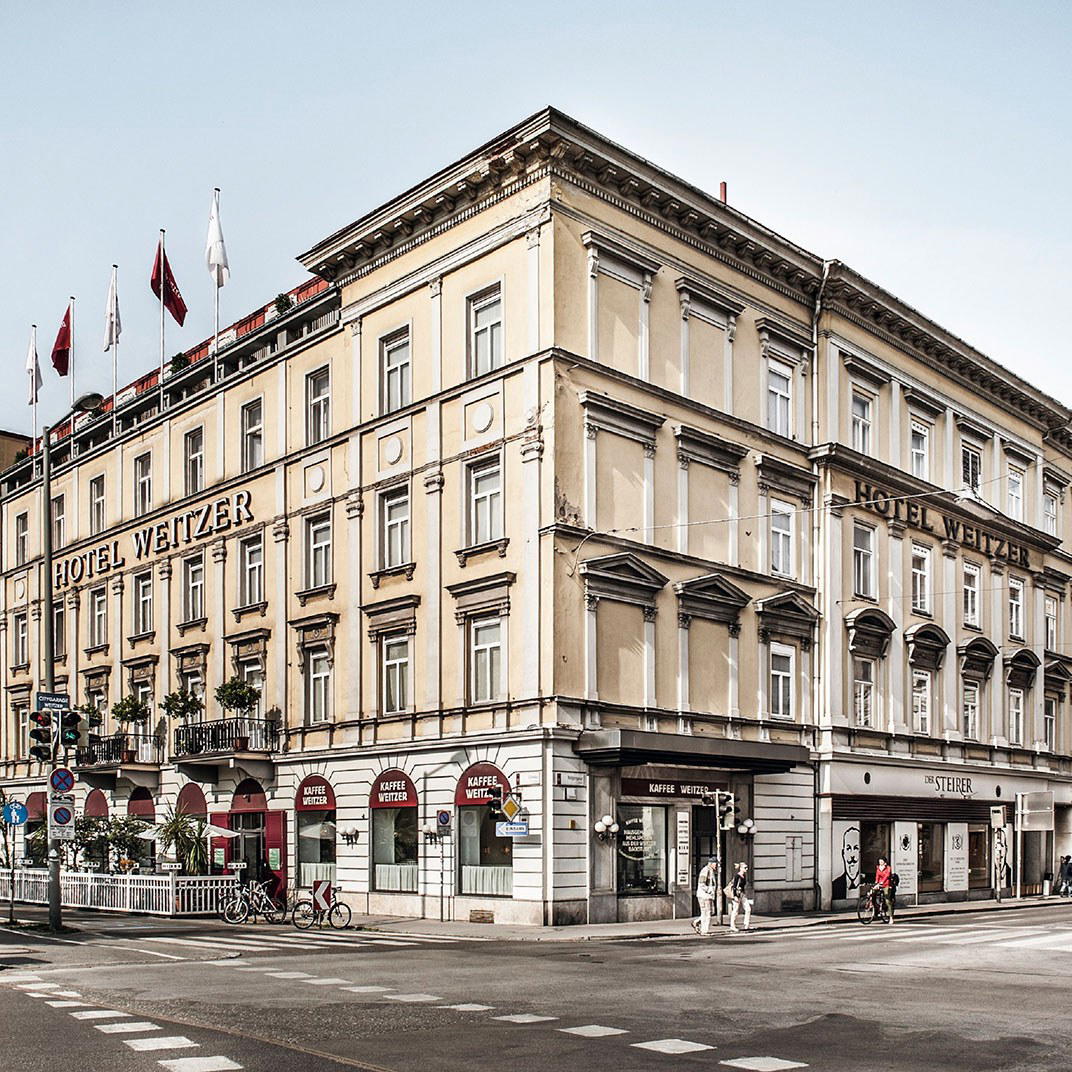
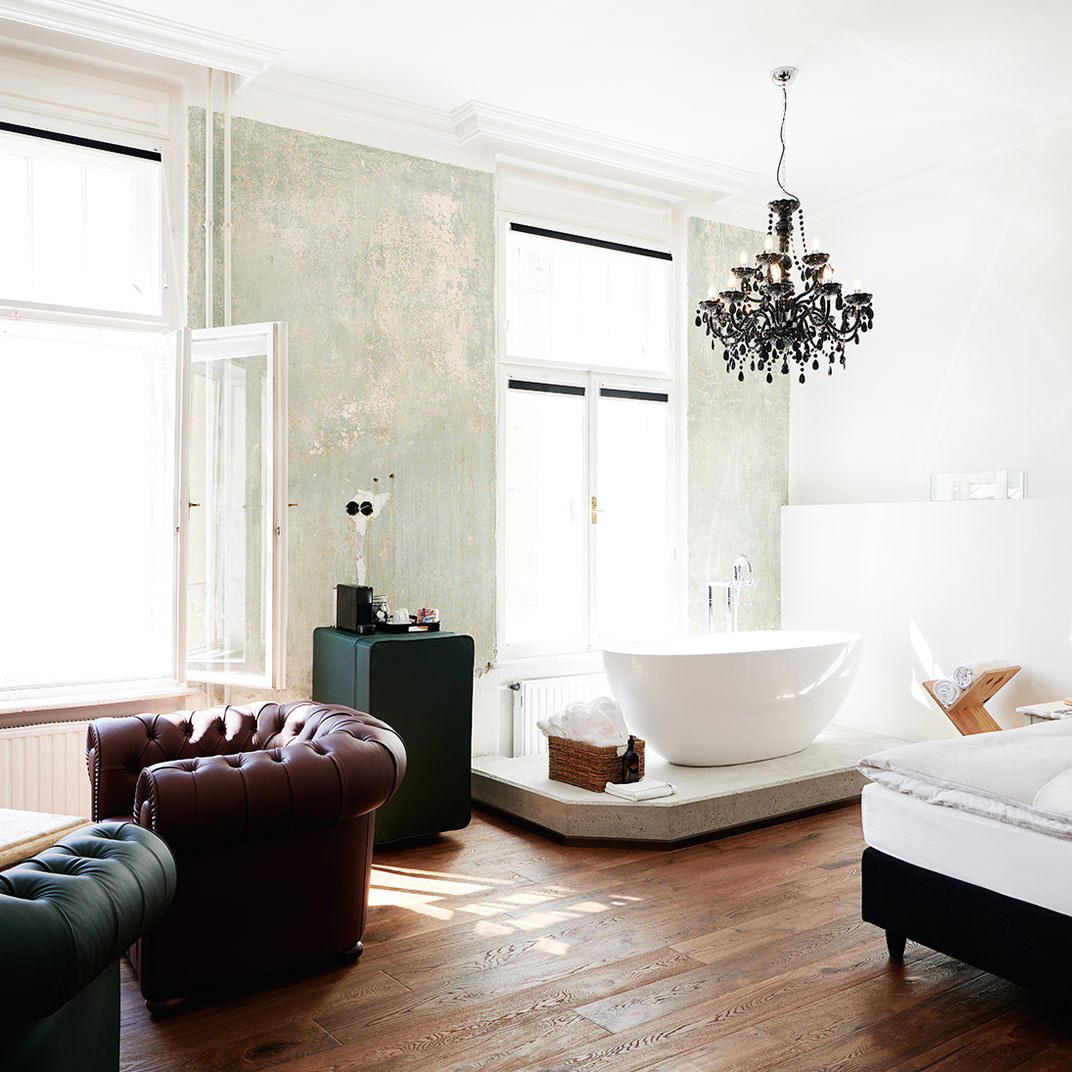
What a dining room does architecturally before a single dish arrives tells you a great deal about what a restaurant expects from its guests, and what it expects from itself. Graz's historic core offers a particular design vocabulary: Habsburg-era building stock with high ceilings, stone or plaster facades, and interiors that can either lean into that heritage or work deliberately against it. The more considered restaurants in the city's centre have made specific choices about this tension, whether toward polished contemporary minimalism that contrasts with the exterior, or toward a warm, material-led interior that extends the city's Baroque logic inward.
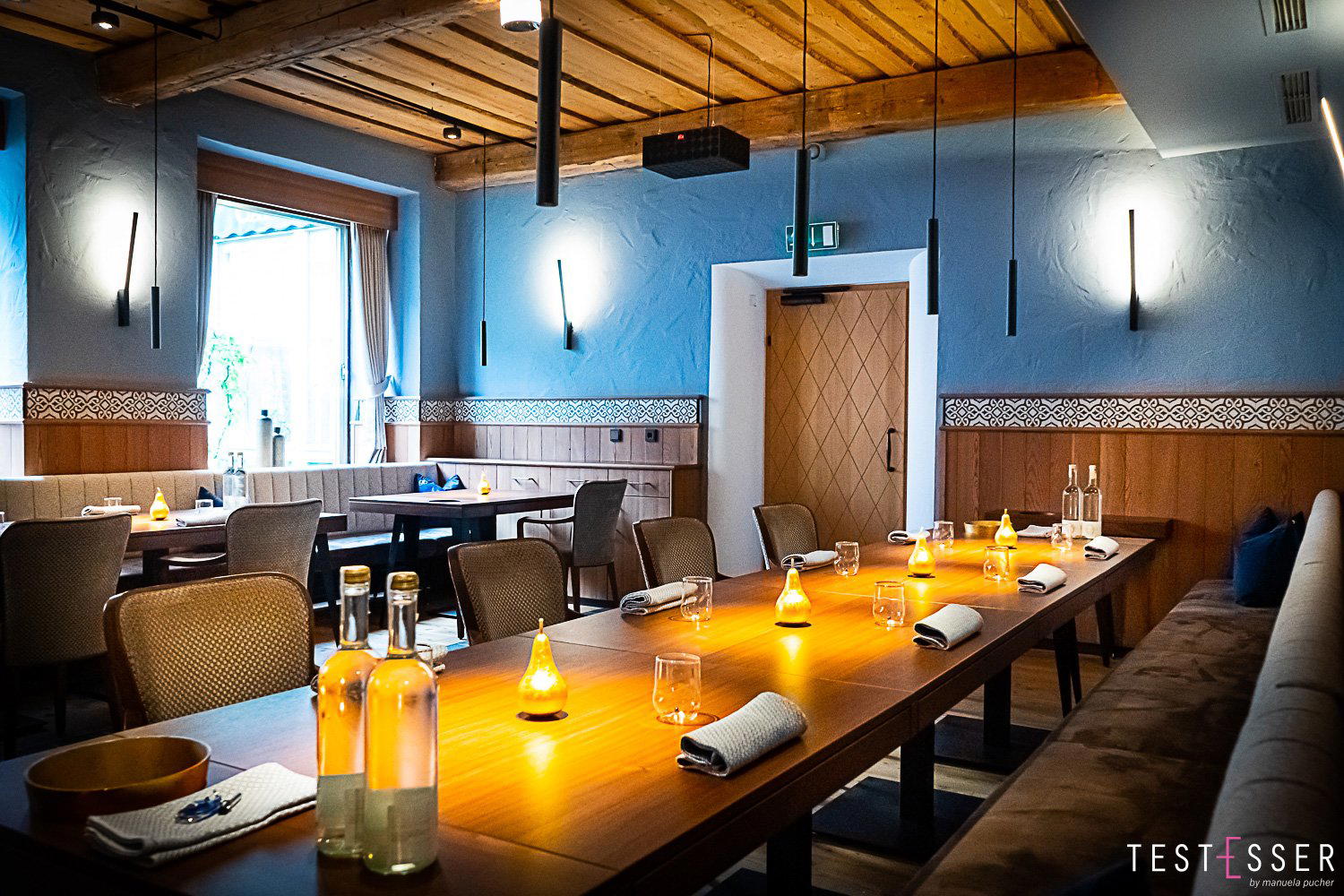
Casa Costiera's address on Schmiedgasse places it in a building context that would reward a thoughtful interior approach. The restaurants on this stretch that have built consistent reputations tend to be the ones where the room itself communicates intention: seating arrangements that reflect whether the kitchen is focused on shared experience or individual progression through a meal, lighting levels calibrated to the format rather than defaulting to atmospheric dimness, and a relationship between the bar or counter area and the dining floor that signals how integrated the drink programme is to the overall proposition. These spatial decisions are not cosmetic. They set the terms of the guest experience before the menu is opened.
Among the Graz venues that have been clearest about their spatial identity, Aiola im Schloss draws on a historic Schlossberg setting that anchors the experience in place, while aiola upstairs uses elevation and view as its primary spatial argument. Artis (Creative), operating at the €€€€ tier, has made format and creative programming its distinguishing spatial logic. The restaurant, at Schmiedgasse 36, enters a city where the room is already part of the critical conversation.
Where Graz Sits in Austrian Dining
To understand any individual Graz table, it helps to place the city within Austria's broader restaurant geography. The country's most documented fine dining addresses are spread between Vienna, the Salzburg corridor, and a handful of alpine resort towns. Steirereck im Stadtpark in Vienna operates at the summit of the national benchmark. Döllerer in Golling an der Salzach and Obauer in Werfen anchor the Salzburg region's credibility. In Tyrol, Schwarzer Adler in Hall in Tirol and Gourmetrestaurant Tannenhof in Sankt Anton am Arlberg represent the resort-adjacent tier. Further examples like Landhaus Bacher in Mautern an der Donau, Restaurant 141 by Joachim Jaud in Mieming, Ois in Neufelden, Stüva in Ischgl, and Kräuterreich by Vitus Winkler in Sankt Veit im Pongau reinforce how geographically distributed Austria's serious restaurant culture has become.
Graz enters this picture as the country's second city by population and the capital of a region with real culinary credentials, yet its restaurant scene receives proportionally less international attention than its Viennese or Salzburg counterparts. That gap is partly a function of critical infrastructure, fewer international press visits, fewer hotel dining rooms attached to globally recognised brands, and partly a function of Graz's own preference for a quieter form of quality. The restaurants that have built reputations here have largely done so through local loyalty and regional word-of-mouth rather than through award cycles or international guidebook coverage. Arravané and Adelphia represent different expressions of that dynamic, as does the broader roster covered in our full Graz restaurants guide.
The Coastal Reference in a Landlocked City
A name that carries a coastal or Mediterranean inflection in a landlocked central European city makes an implicit editorial statement about the kitchen's orientation. Graz is roughly equidistant from the Adriatic coast and the alpine interior, which historically made it a crossroads for both influences. The city's market culture reflects that duality, with Adriatic seafood available through long-established supply chains alongside the inland Styrian larder. A restaurant operating under a coastal-register name in this context is positioning itself within a specific tradition: the northern European and central European appetite for Mediterranean lightness, for olive oil and citrus and fish that travels well, served in a room that may share little physical resemblance with its culinary reference point.
This is a format that has worked at the highest levels internationally. Le Bernardin in New York City built a decades-long reputation on French-rooted seafood discipline far from its source geography. Lazy Bear in San Francisco operates on a different axis entirely but demonstrates how a kitchen's conceptual framing shapes guest expectation before the first course. In Graz, the question for any Mediterranean-inflected table is whether the sourcing discipline and kitchen approach justify the reference, or whether the name is doing more work than the cooking.
Planning a Visit
The Short List
Comparable venues nearby, for context on price, style, and recognition.
| Venue | Cuisine | Price | Notes |
|---|---|---|---|
| Casa CostieraThis venue — the venue you are viewing | Innere Stadt, Authentic Southern Italian | $$ | Not listed |
| Peppino im Hofkeller | Not listed | $$$ | Innere Stadt, Authentische Italienische Küche mit Sardischem Einfluss |
| Subarashii Pfauengarten | Not listed | $$ | Innere Stadt, Modern Japanese-Asian Sushi & Bowls |
| Ristorante Corti | Jakomini, Authentic Italian Trattoria | $$$ | Not listed |
| Der Steirer | Gries, Traditional Styrian Cuisine | $$ | Not listed |
| Burger Factory | Gries, American Burgers | $$ | Not listed |
At a Glance
- Classic
- Cozy
- Family
- Casual Hangout
- Standalone
Warm and welcoming atmosphere with friendly staff, ideal for family dining in a spacious city center setting.