Skip to Main Content
Shanghai Fine Dining With Austrian French Influences
← Collection
Vienna, Austria

Shanghai

Price≈$60
Dress CodeSmart Casual
ServiceFormal
NoiseConversational
CapacitySmall

A Chinese restaurant on Jasomirgottstraße in Vienna's first district, Shanghai sits within a neighbourhood that has long served as the city's commercial and tourist crossroads. Vienna's Asian dining scene has grown more varied in recent years, and addresses in this central corridor occupy a different competitive position than those in residential districts. This entry covers what's known about the venue and what first-district context means for the experience.

Pearl is the En Primeur Club membership app — saves, bookings, and concierge access live there. Same editors, same standards.

Plan your visit on PearlPlan Your Visit
Address
Jasomirgottstraße 6, 1010 Wien, Austria
Phone
+434315337419
Shanghai restaurant in Vienna, Austria
About

A Central Address in a City That Takes Its Dining Seriously

Jasomirgottstraße runs through Vienna's first district, the Innere Stadt, a few minutes' walk from the Stephansplatz cathedral and the dense pedestrian grid that defines the city's historic core. Real estate at this postcode does not come cheaply, and restaurants that operate here face a visitor-heavy footfall that cuts both ways: consistent demand, but also a neighbouring crowd that often skews toward convenience rather than destination dining. Shanghai, positioned on this street, sits between a local address and a tourist-corridor fixture.

The first district's dining character has shifted over the past decade. Vienna's leading creative tables, restaurants like Steirereck im Stadtpark and Amador, have consolidated reputations built on Austrian produce and European technique, while the city's mid-market has grown more international. Chinese restaurants in Vienna have historically occupied a broad spectrum, from workaday Cantonese canteens to more considered regional kitchens, and the category has grown more internally differentiated as the city's dining culture has matured. Where Shanghai sits along that spectrum, in terms of kitchen register and price positioning, is part of what makes the address worth examining in context.

What the First District Means for a Chinese Restaurant

Location in the Innere Stadt carries specific implications for any restaurant that is not Austrian or broadly European in its cooking tradition. The neighbourhood draws a large share of its footfall from hotel guests, conference visitors, and day-trippers, which creates a reliable base but also a less demanding one. Chinese restaurants in this zone have tended to pitch toward accessibility, serving the kind of broadly familiar dishes that require no explanation and travel well across language barriers.

That dynamic contrasts with what has happened in Vienna's outer districts, where smaller Asian restaurants, freed from premium rents and tourist expectations, have been able to develop more specific regional identities. Vietnamese kitchens in the second and seventh districts, for instance, and Japanese izakayas scattered through the sixth and fourteenth, have carved out more defined positions within local dining culture precisely because they are not serving a transient audience. A first-district Chinese address operates under different pressures.

Vienna as a whole has not yet developed the kind of dense, specialist Chinese dining infrastructure that cities like London, Amsterdam, or Berlin have built up in specific neighbourhoods. There is no Chinatown in the traditional sense, and regional Chinese cooking, whether Sichuan, Shanghainese, Hunanese, or Cantonese in its more precise forms, remains relatively scattered across the city. That scarcity gives any Chinese restaurant with genuine regional focus more room to distinguish itself, but it also means that much of the category still operates in a generalist register. For context on how Vienna's serious dining community approaches the broader European Chinese restaurant conversation, it is worth noting that cities like New York have raised that bar considerably, with places like Atomix demonstrating how Asian culinary traditions can be reframed at the highest critical tier.

Shanghai in the Vienna Dining Ecosystem

Vienna's top end of fine dining is relatively small and tightly clustered around a handful of names. Konstantin Filippou and Mraz & Sohn represent the modern European and Austrian creative tier, while Doubek anchors a more traditional Viennese register. None of this directly competes with what a Chinese restaurant offers, but it shapes the dining expectations of the city's more engaged eating-out public. Viennese diners who move regularly between these tables bring a calibrated palate and a preference for precision, and they apply similar standards when they eat outside the European tradition.

Austria's serious restaurant culture extends well beyond Vienna, too. Destination restaurants like Döllerer in Golling an der Salzach, Obauer in Werfen, and Ikarus in Salzburg have built audiences willing to travel specifically for a kitchen, which speaks to how seriously the broader Austrian dining public takes the act of eating well. Regional standouts such as Griggeler Stuba in Lech, Gourmetrestaurant Tannenhof in Sankt Anton am Arlberg, Kräuterreich by Vitus Winkler in Sankt Veit im Pongau, Landhaus Bacher in Mautern an der Donau, Restaurant 141 by Joachim Jaud in Mieming, Schwarzer Adler in Hall in Tirol, and Ois in Neufelden further illustrate the depth of the Austrian dining circuit. That context matters because it sets the baseline against which all Vienna dining is implicitly measured, including international restaurants operating in the city centre.

What to Know Before You Go

Know Before You Go
  • Address: Jasomirgottstraße 6, 1010 Wien, Austria
  • District: First district (Innere Stadt), close to Stephansplatz
  • Price range: about $60 per person
  • Reservations: recommended
  • Cuisine type: Shanghai fine dining with Austrian-French influences
Signature Dishes
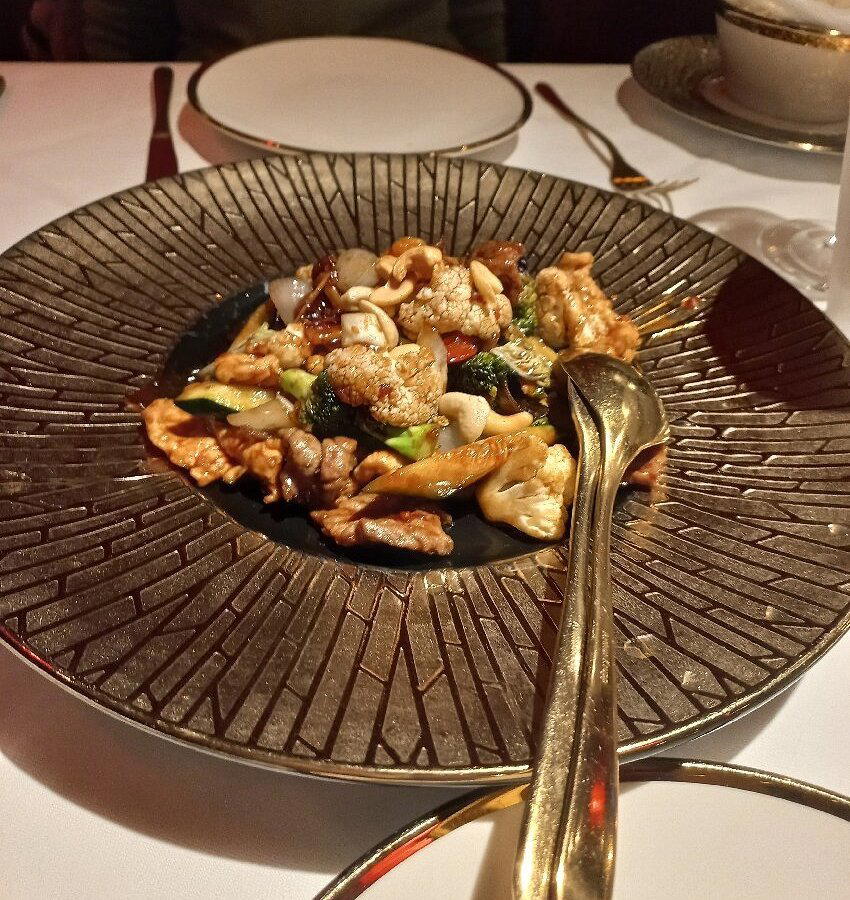
wonton soupdumplingsyellowfin tunasturgeon dim sum
Frequently asked questions

Cuisine and Credentials

Comparable venues nearby, for context on price, style, and recognition.

At a Glance
Vibe
  • Elegant
  • Classic
  • Sophisticated
  • Cozy
Best For
  • Date Night
  • Business Dinner
  • Special Occasion
Experience
  • Standalone
Drink Program
  • Extensive Wine List
  • Sommelier Led
Dress CodeSmart Casual
Noise LevelConversational
CapacitySmall
Service StyleFormal
Meal PacingLeisurely

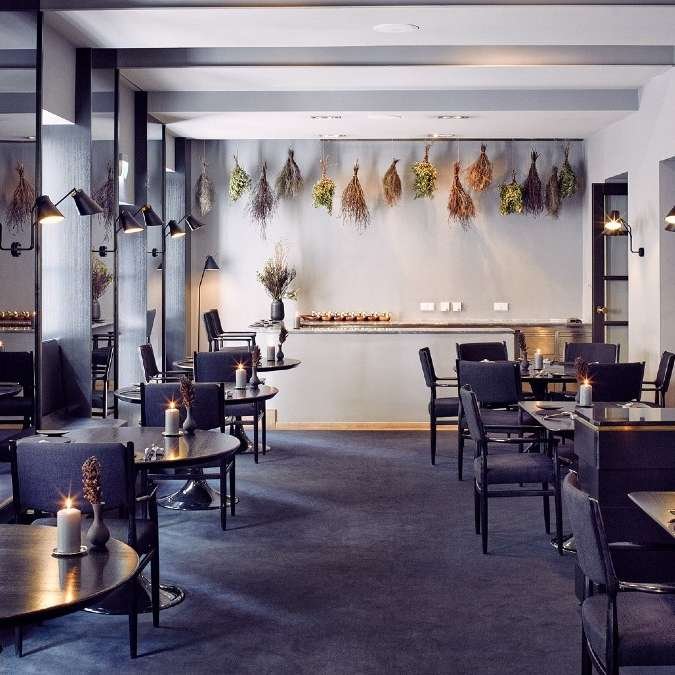
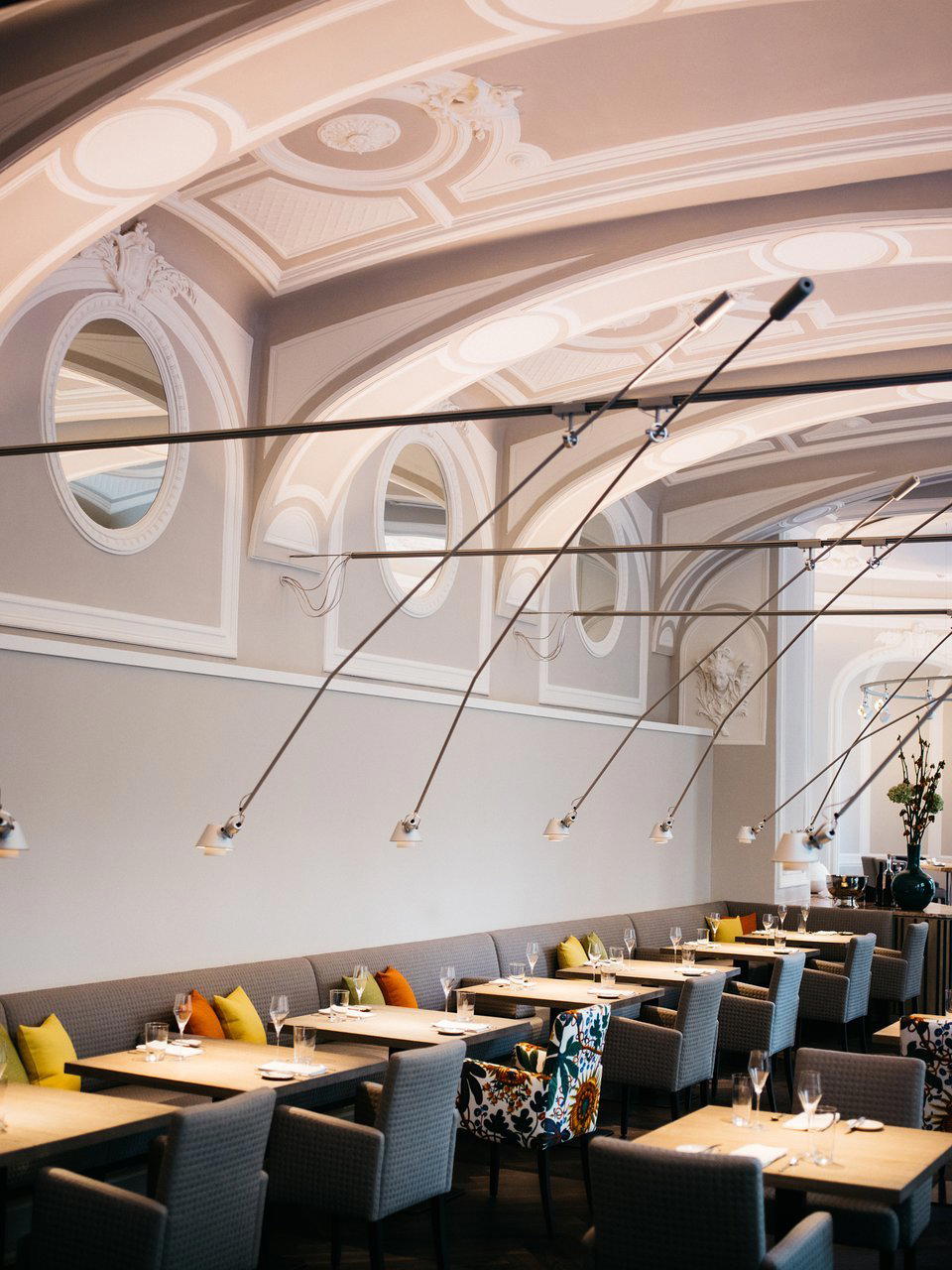
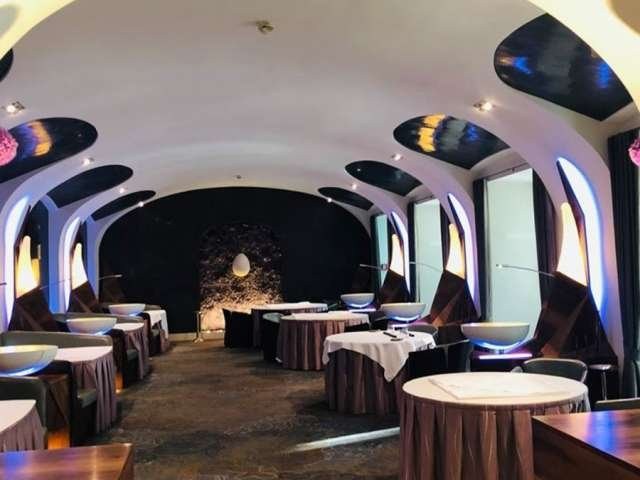
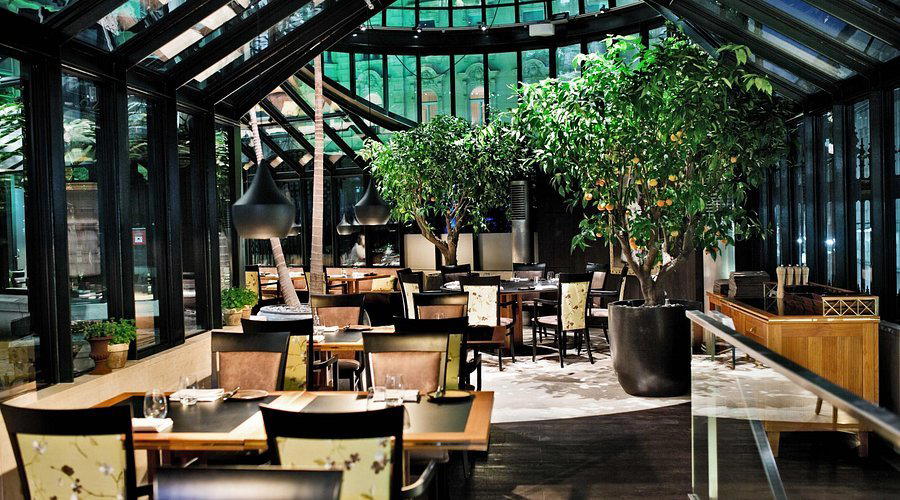
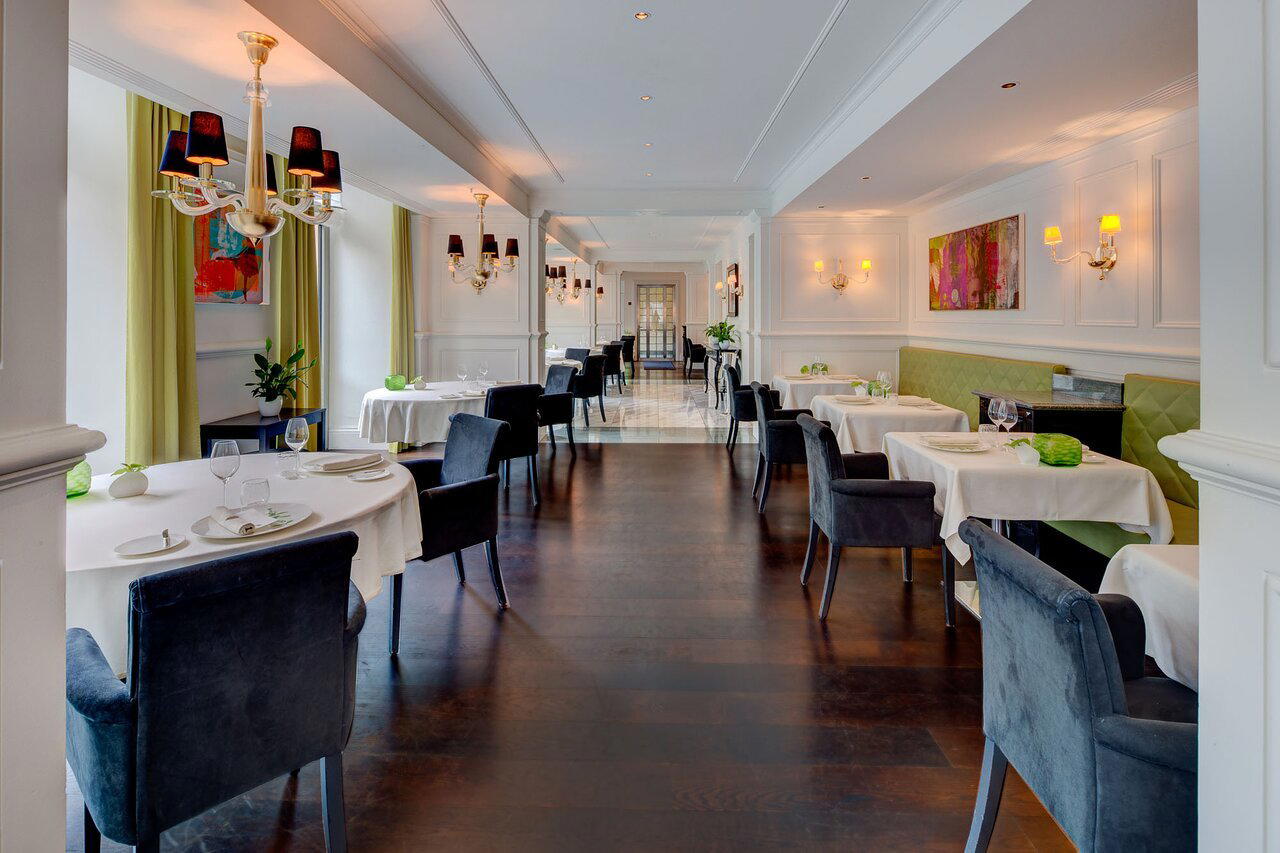
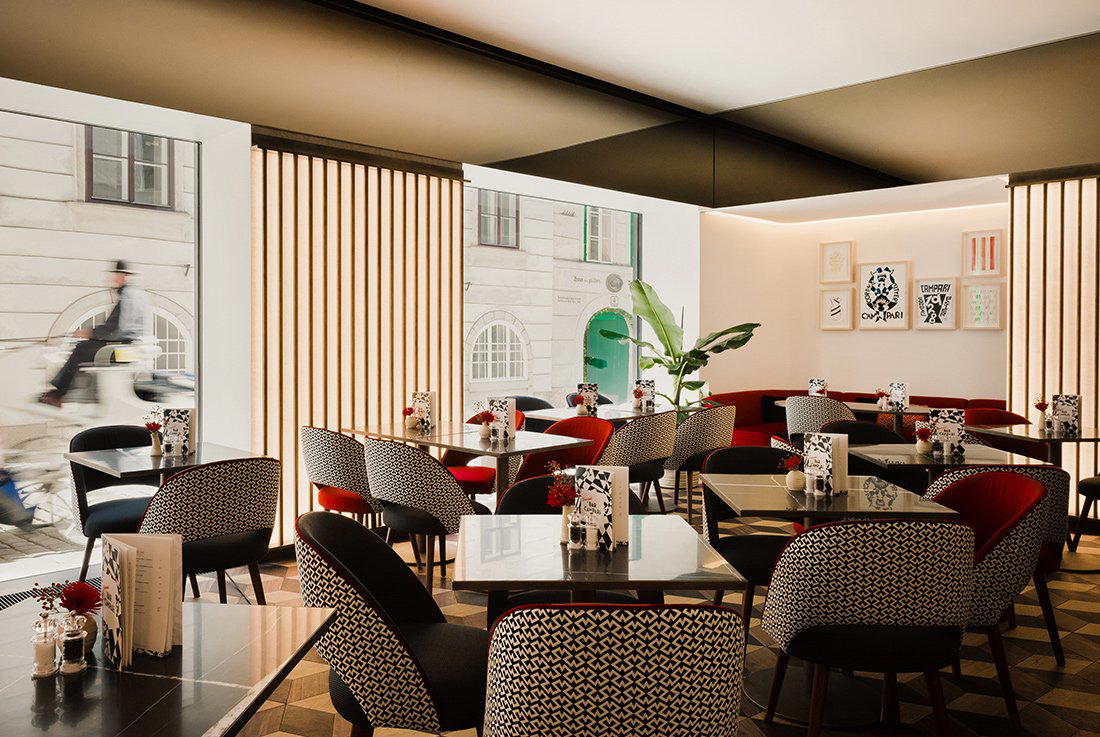
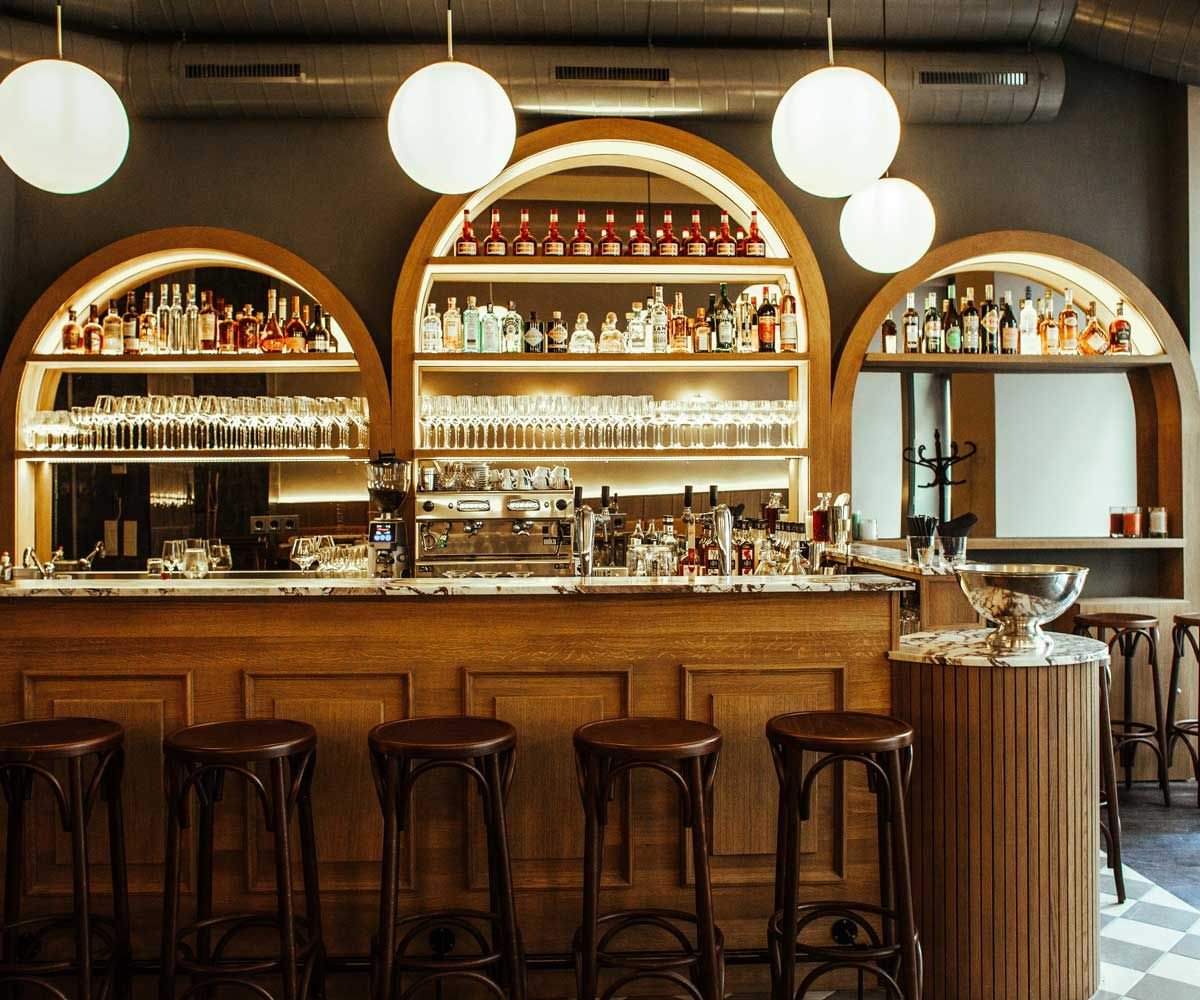
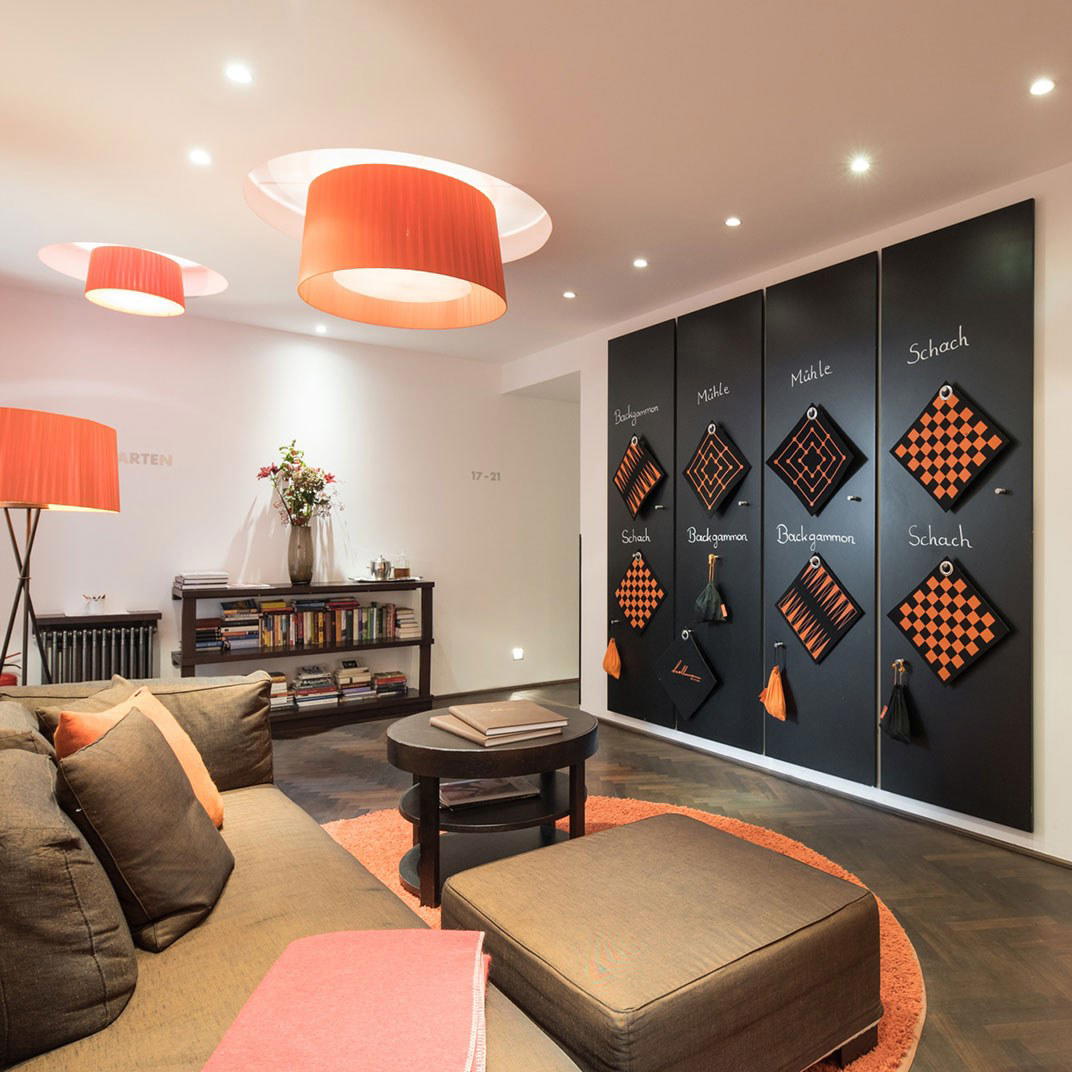
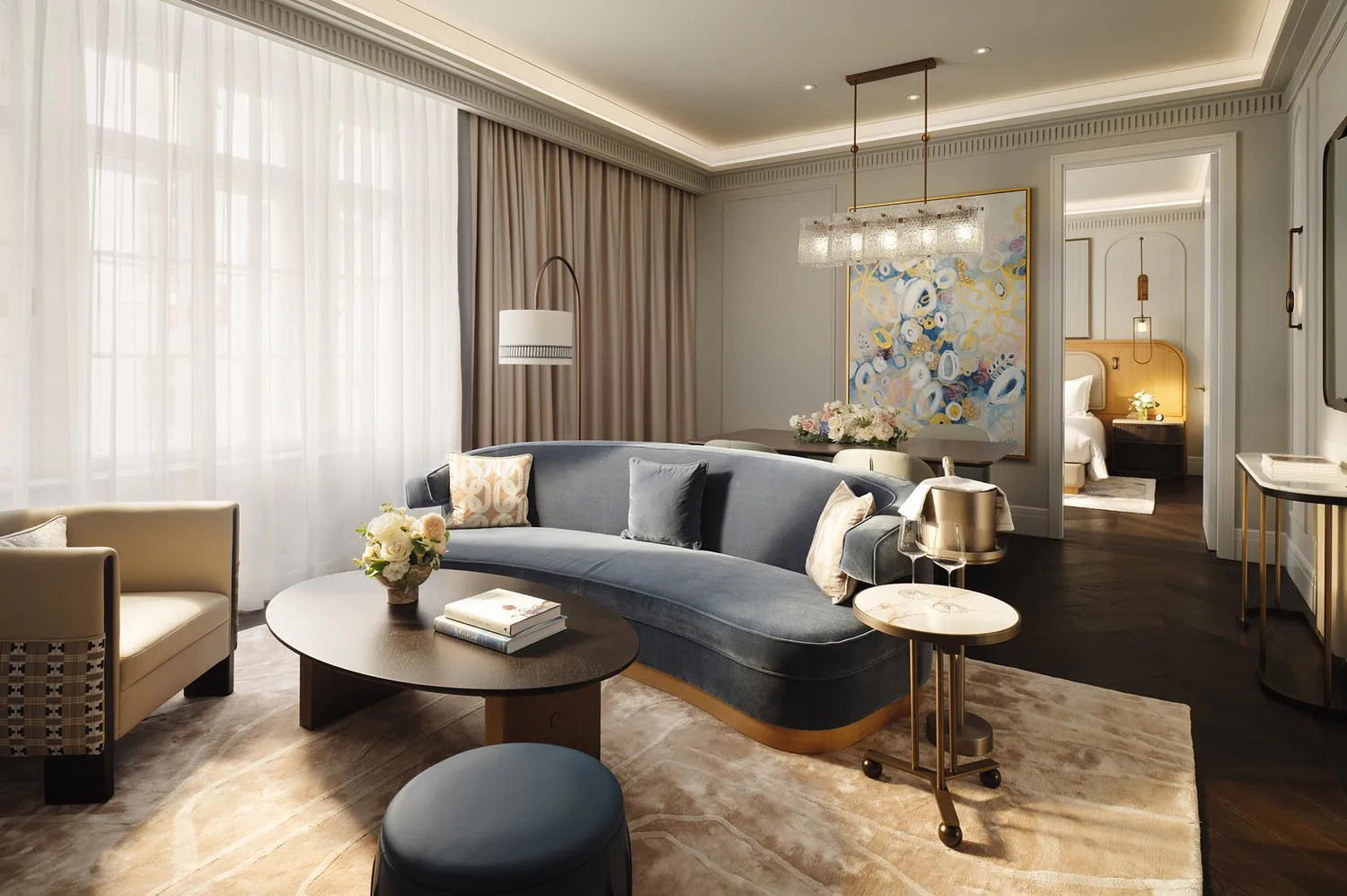
Classic interior with defining red tones reflecting old Shanghai flair; elegant yet cozy atmosphere with optical charm and refined ambiance.

Signature Dishes
wonton soupdumplingsyellowfin tunasturgeon dim sum